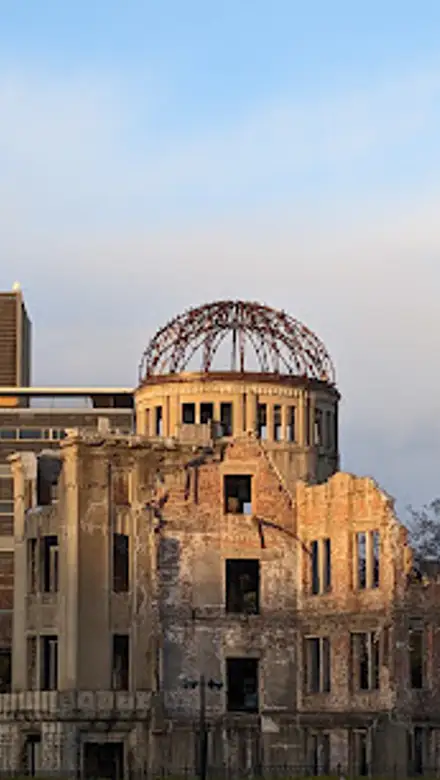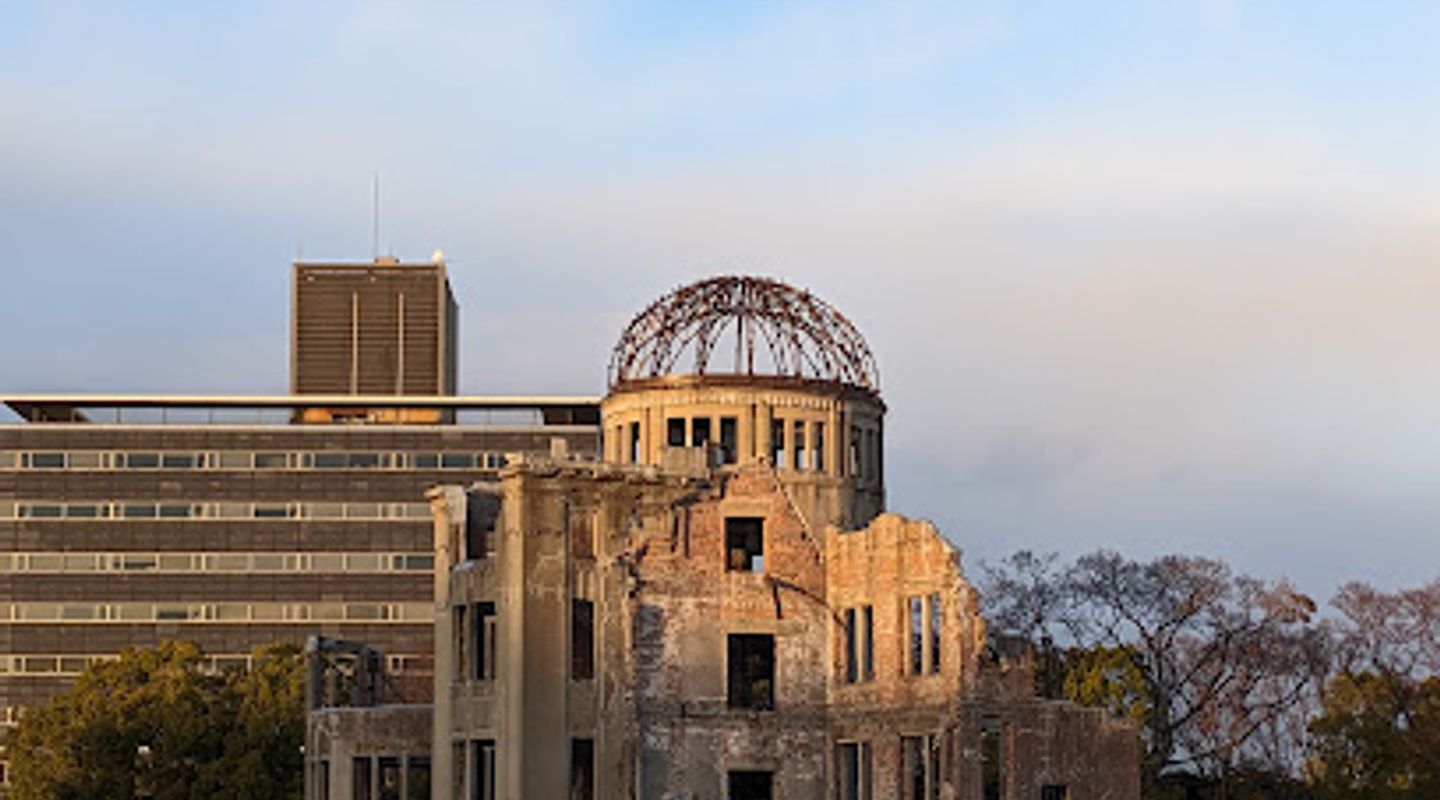
Atomic Bomb Dome, Hiroshima Travel Guide
Explore the Atomic Bomb Dome in Hiroshima, a UNESCO World Heritage Site and a profound symbol of peace and resilience, commemorating the city's history.
The Atomic Bomb Dome, a UNESCO World Heritage Site, stands as a poignant symbol of peace and resilience in Hiroshima. This iconic war memorial invites visitors to reflect on history and contemplate a hopeful future. Situated near the Peace Memorial Park, the Dome captivates with its haunting beauty and historical significance, making it a must-visit destination for tourists.
A brief summary to Atomic Bomb Dome
- 1-10 Otemachi, Hiroshima, 1 Chome Otemachi, Naka Ward, Hiroshima, 730-0051, JP
- Click to display
- Click to display

Know before you go
Hi, I'm Eve. Here are a few practical things to know before exploring Atomic Bomb Dome.
- Visit early in the morning or late in the afternoon to avoid crowds and enjoy a more contemplative experience.
- Consider joining a guided tour to gain deeper insights into the historical significance of the Dome and surrounding areas.
- Make sure to explore the nearby Hiroshima Peace Memorial Museum for a comprehensive understanding of the events surrounding the atomic bombing.
- Bring a camera, but be respectful while photographing; remember the somber nature of the site.
Do you manage this location?
Take control to get all the benefits, like improved information, better appearance, and stronger visibility across AI-powered discovery. Learn more about listing your business on Evendo
Activate your presenceOther nearby places you may find interesting
The closest places of the same kind, if this one is not quite what you had in mind.

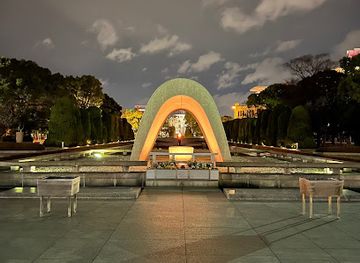
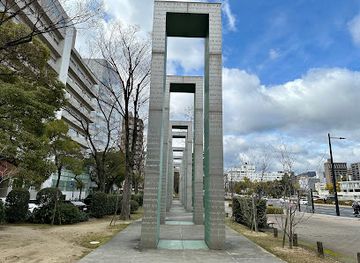
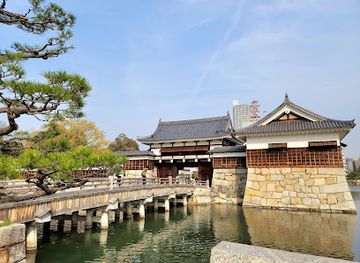
Explore Atomic Bomb Dome on the Map
A handpicked selection of must-see spots near Atomic Bomb Dome, mapped for you.
Unlock the Best of Atomic Bomb Dome
Buy tickets
-
No tickets available
Book tours with entry


Getting There
-
Walking
If you are starting from Hiroshima Station, exit the station and head south toward the main road (Hiroshima Ekimae-dori). Turn left onto the main road and walk for about 10 minutes until you reach the intersection. Continue straight on to the Peace Memorial Park. Walk through the park, and you will see the Atomic Bomb Dome on your left, just across the river.
-
Public Transportation - Tram
From Hiroshima Station, take the tram line number 2 (Hiroden) towards Ebisucho. Get off at Genbaku Dome-mae Station. Once you exit the tram, you will see the Atomic Bomb Dome directly in front of you across the river. It’s just a short walk from the tram stop.
-
Public Transportation - Bus
From the Hiroshima Bus Terminal, look for a bus that is heading to the Peace Memorial Park area. Board the bus and ask the driver to let you know when to get off for the Atomic Bomb Dome. Once you disembark, walk a short distance towards the river, and you will find the dome nearby.
-
Bicycle Rental
If you prefer to cycle, there are bicycle rental services available near Hiroshima Station. Rent a bike and head towards the Peace Memorial Park. Follow the signs pointing to the park. The Atomic Bomb Dome will be located within the park area, easily accessible by bike.
Discover more about Atomic Bomb Dome













Your all‑in‑one travel companion app
Explore expert travel guides, compare and book tours, experiences, hotels, and more—all from the palm of your hand. Download now for seamless trip planning wherever your wanderlust takes you.


Explore More of Hiroshima
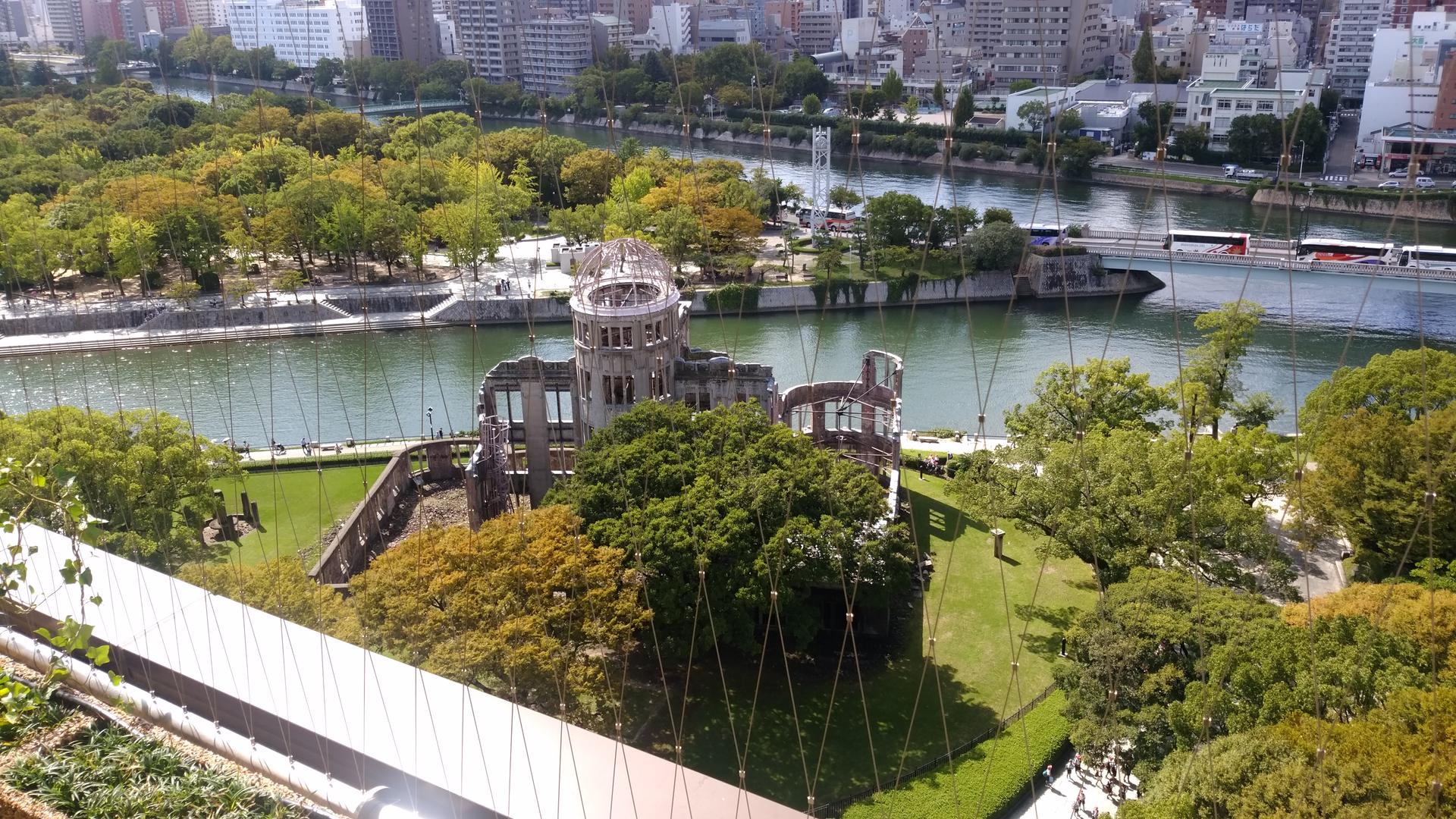
Looking beyond Atomic Bomb Dome? Discover Hiroshima for broader travel guides, local hot-spots, and regional highlights.
Explore Hiroshima
Explore Hiroshima's Ōtemachi: Where modern architecture meets historical significance in the heart of the city.
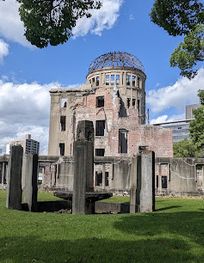
Reflect on history at the Atomic Bomb Dome Fountain Ruins, a poignant symbol of peace and remembrance in Hiroshima's Peace Memorial Park.