
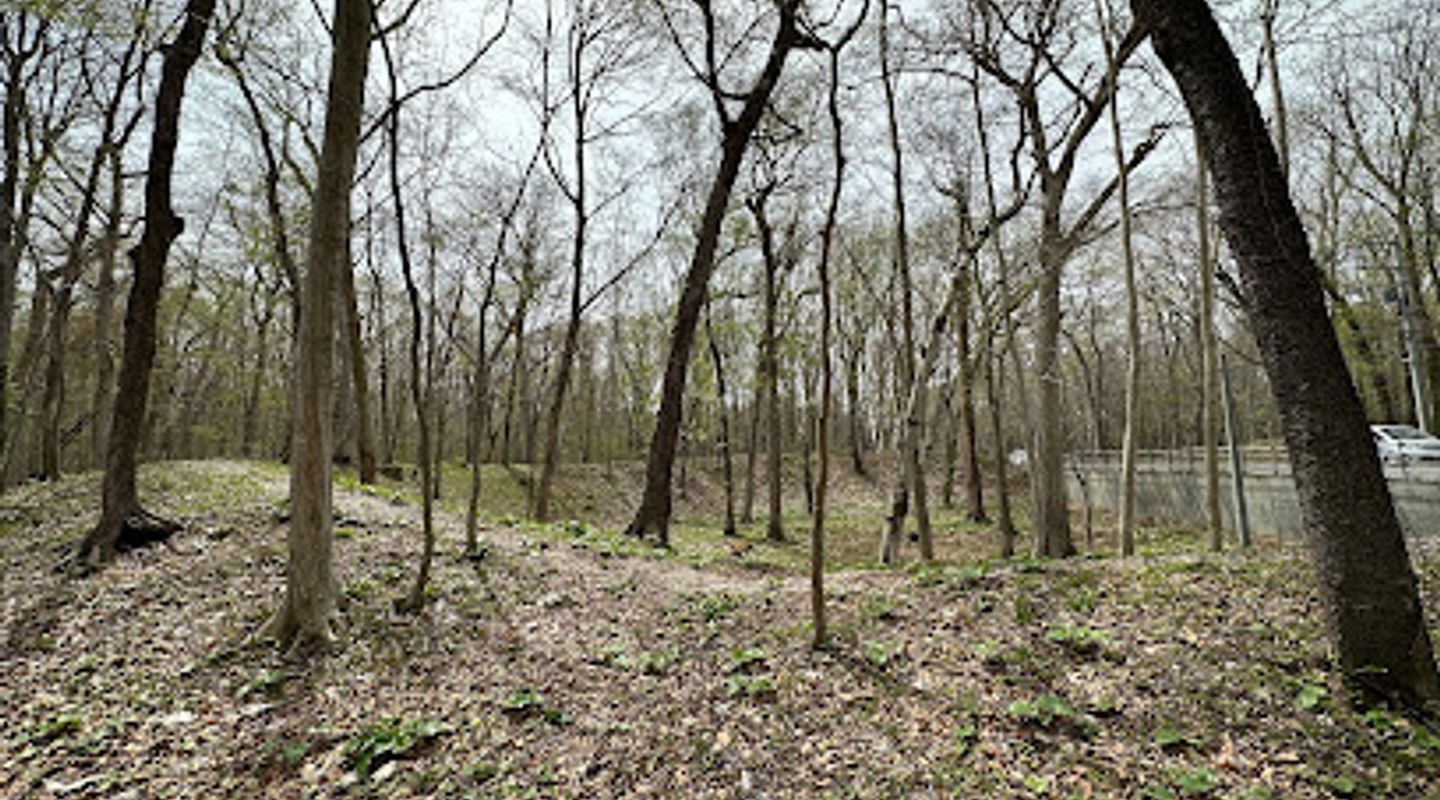
Kiusu Earthwork Burial Circles, Hokkaido Travel Guide
Explore ancient burial grounds in Chitose, Hokkaido, and discover the mysteries of the Jomon people at the Kiusu Earthwork Burial Circles.
The Kiusu Earthwork Burial Circles in Chitose, Hokkaido, are a significant archaeological site dating back to 1200 BCE. These large circular earthworks, part of the Jomon Prehistoric Sites in Northern Japan, reveal complex burial practices and the sophisticated engineering of the Jomon people.
A brief summary to Kiusu Earthwork Burial Circles
- Central, Chitose, Central, Hokkaido, 066-0007, JP
- Click to display
- Click to display
- Monday 9 am-5 pm
- Tuesday 9 am-5 pm
- Wednesday 9 am-5 pm
- Thursday 9 am-5 pm
- Friday 9 am-5 pm
- Saturday 9 am-5 pm
- Sunday 9 am-5 pm

Know before you go
Hi, I'm Eve. Here are a few practical things to know before exploring Kiusu Earthwork Burial Circles.
- Wear comfortable shoes for walking around the site's earthen embankments and pathways.
- Visit the Chitose City Buried Cultural Properties Center to view artifacts and learn more about the Jomon period.
- Consider visiting between late April and late November to take advantage of the free guided tours.
Do you manage this location?
Take control to get all the benefits, like improved information, better appearance, and stronger visibility across AI-powered discovery. Learn more about listing your business on Evendo
Activate your presenceOther nearby places you may find interesting
The closest places of the same kind, if this one is not quite what you had in mind.

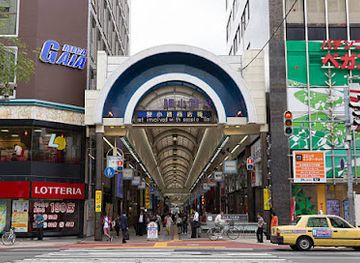
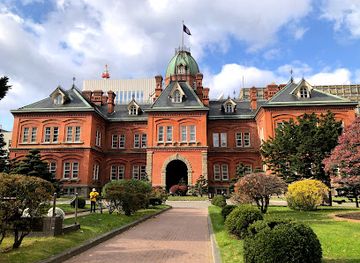
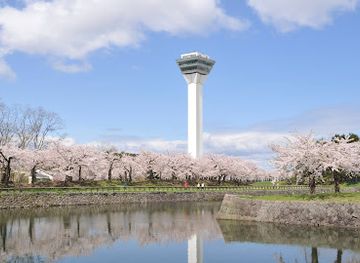
Explore Kiusu Earthwork Burial Circles on the Map
A handpicked selection of must-see spots near Kiusu Earthwork Burial Circles, mapped for you.
Getting There
-
Car
The Kiusu Earthwork Burial Circles are accessible by car. From Chitose Station or Osatsu Station, it's approximately a 15-minute drive. From the Chitose-Higashi Interchange on the Doto Expressway, it's about a 2-minute drive. Parking is available at the site.
Discover more about Kiusu Earthwork Burial Circles
More to explore near Kiusu Earthwork Burial Circles













Your all‑in‑one travel companion app
Explore expert travel guides, compare and book tours, experiences, hotels, and more—all from the palm of your hand. Download now for seamless trip planning wherever your wanderlust takes you.


Explore More of Hokkaido
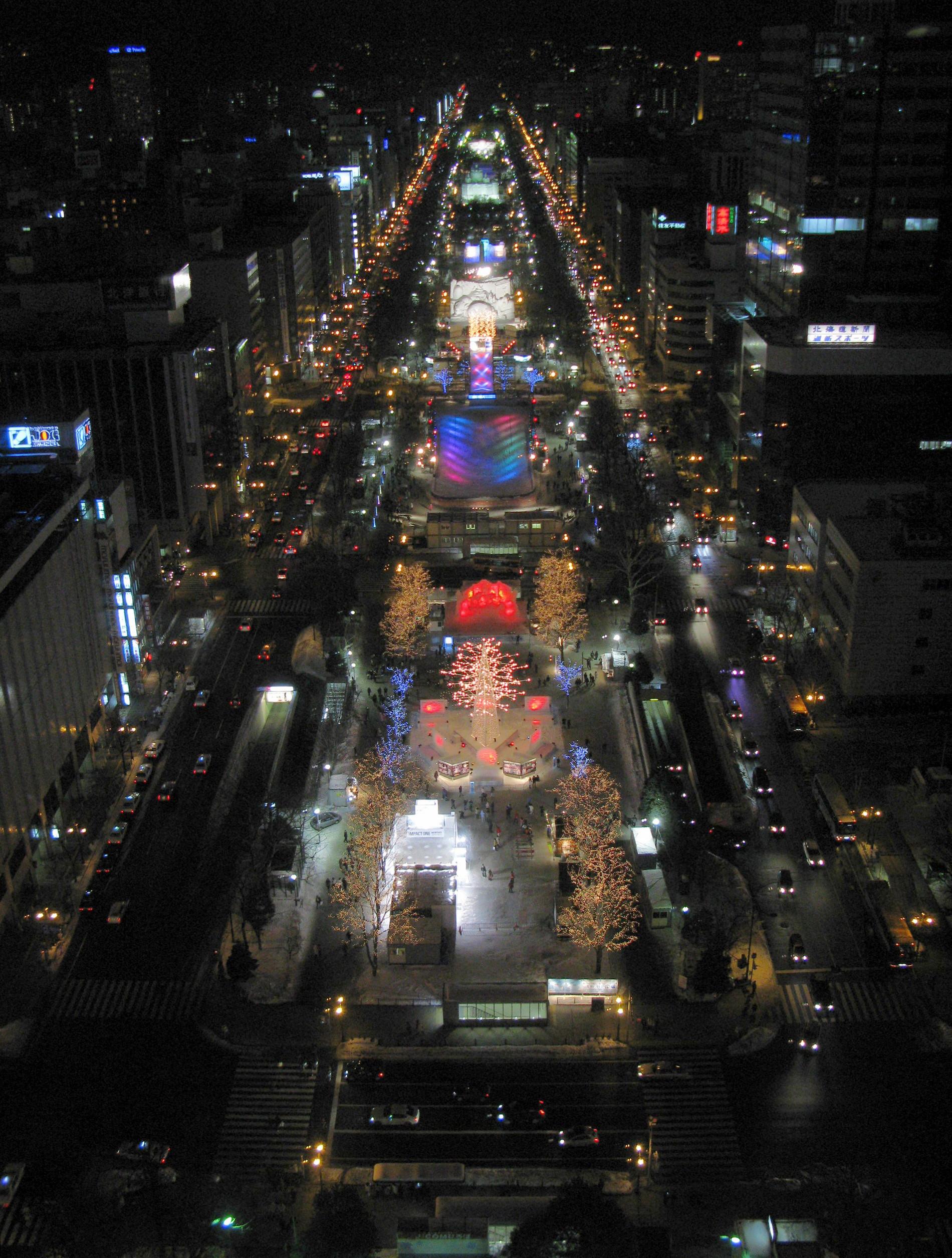
Looking beyond Kiusu Earthwork Burial Circles? Discover Hokkaido for broader travel guides, local hot-spots, and regional highlights.
Explore Hokkaido
Explore the historic Sapporo Clock Tower, a stunning landmark that captures the essence of Hokkaido's rich cultural heritage and architectural beauty.

Discover the fascinating world of freshwater fish at Chitose Salmon Aquarium, featuring Japan's first underwater river observation.
