

Free Izumo Travel Guide & Mobile App
Explore Izumo with free travel guides. Discover regional history, expert tips, proposed trips, and audio guides on web or mobile app.


Explore Izumo in Shimane for Japan’s ancient mythology, Izumo Taisha, coastal shrines, archaeological sites, soba and Sea of Japan landscapes.
Read more about Izumo
When is the best time to visit Izumo?
Best: April–May, October · 19–24°C| Month | High (°C) | Rainfall (mm) |
|---|---|---|
| January | 8 | 135 |
| February | 9 | 110 |
| March | 13 | 135 |
| April (best) | 19 | 120 |
| May (best) | 24 | 120 |
| June | 27 | 160 |
| July | 31 | 200 |
| August | 31 | 175 |
| September | 28 | 190 |
| October (best) | 22 | 135 |
| November | 16 | 130 |
| December | 10 | 140 |
Getting to and around Izumo
How to get there
Transportation
Best attractions in Izumo
Izumo’s attractions centre on the meeting of active religious practice, archaeology and coastal scenery. Izumo Taisha is the region’s principal destination, with a long pine-lined approach, substantial shrine buildings and a surrounding district of traditional shops and eateries. The nearby Shimane Museum of Ancient Izumo provides essential context through exhibits on the region’s early societies and religious history. Archaeological visitors can continue to the Kojindani Ruins, associated with major bronze artefact discoveries, and the Nishitani Tombs, which reveal the status of late Yayoi communities. Along the western coast, Hinomisaki Shrine, the lighthouse and sea-facing paths create a very different atmosphere from the inland plain. The old town of Hirata offers canals, merchant architecture and local museums, while visitors interested in traditional culture can explore smaller temples, shrines and craft businesses across the area. Outdoor options include coastal walking, cycling on quieter roads and seasonal visits to beaches and rural landscapes, although public transport is less frequent beyond the main urban and shrine corridors. The attraction landscape rewards a layered itinerary rather than a rapid checklist of celebrated sites.
-
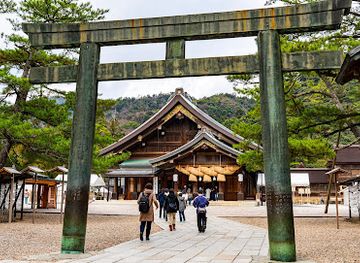
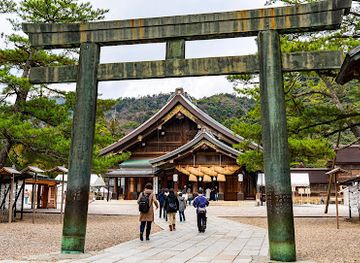
Izumo Taisha
Experience the serene beauty and spiritual significance of Izumo Taisha, a historic Shinto shrine offering a glimpse into Japan's rich cultural heritage.
-
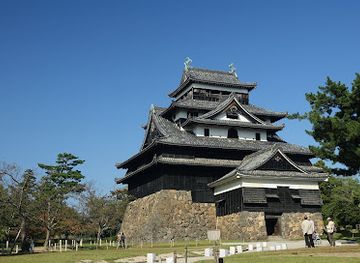
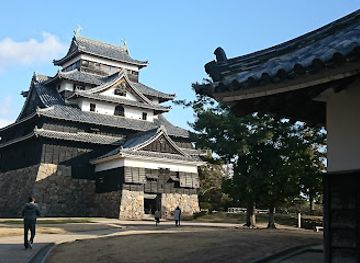
Matsue-jō Castle
Explore the majestic Matsue-jō Castle, a historical gem in Japan offering stunning architecture and captivating views of Matsue and Lake Shinji.
-
Tourist attraction
Izumo Hinomisaki Lighthouse
Experience breathtaking views and rich history at Izumo Hinomisaki Lighthouse, a must-visit landmark in Japan's scenic Shimane region.
-
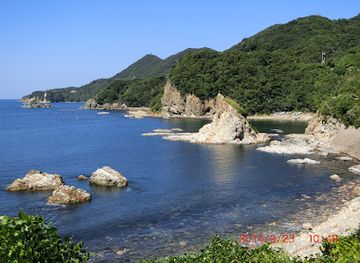
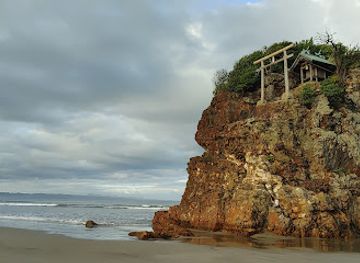
Inasa Beach
Discover the natural beauty and cultural richness of Inasa Beach in Izumo, a serene escape for every traveler in Japan.
Best landmarks in Izumo
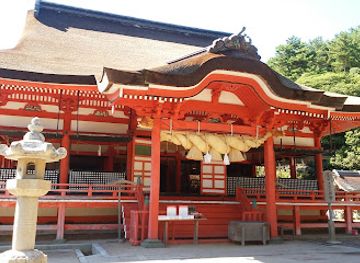
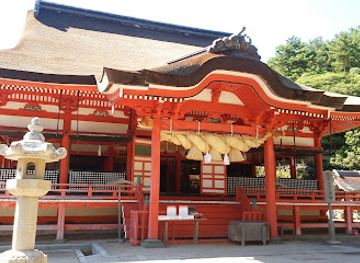
Izumo Taisha is the defining landmark of the region, recognised by its grand sacred precinct, monumental shimenawa rope at the Kaguraden and connection with Ōkuninushi worship. Its importance is religious as well as architectural, and the approach through old pine trees gives the complex a powerful sense of ceremony. On the western coast, Izumo Hinomisaki Lighthouse rises above the rugged shoreline and is paired with Hinomisaki Shrine, whose vermilion structures contrast with the surrounding cliffs and sea. Inasa Beach, associated in local mythology with the arrival and gathering of the kami, is another landmark of cultural rather than purely scenic significance. The Kojindani archaeological site and the Nishitani Tombs mark the region’s prehistoric and early historic importance, while the Shimane Museum of Ancient Izumo provides a modern architectural counterpart to these remains. Hirata’s canals, former merchant buildings and preserved streets represent a different kind of landmark: evidence of commercial life shaped by waterways and Japan Sea trade. Together these places make Izumo legible as a landscape where mythology, archaeology, commerce and the sea remain closely connected.
-
Shinto shrine
Izumo Taisha
Discover Japan's oldest shrine, dedicated to the god of marriage, and immerse yourself in ancient mythology in Izumo, Shimane.
-
Castle
Matsue-jō Castle
Explore one of Japan's last original castles in Matsue, offering stunning views, rich history, and a glimpse into samurai culture.
-
Tourist attraction
Izumo Hinomisaki Lighthouse
Climb Japan's tallest stone lighthouse for panoramic ocean views. Explore history and nature at this iconic Shimane Peninsula landmark.
-
Scenic spot
Inasa Beach
Discover Inasa Beach: where ancient myths meet stunning sunsets on one of Japan's most sacred and scenic coastlines near Izumo Taisha.
Explore Izumo on the map
Plan your trip on one map. See where the top cities, national parks and sights are, and book hotels and experiences in a few clicks.
Best hotels in Izumo
Best restaurants in Izumo
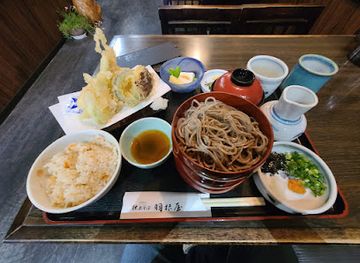
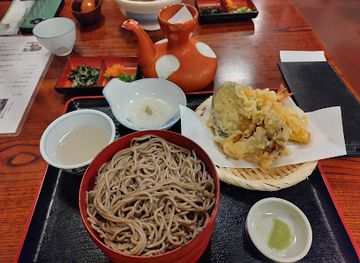
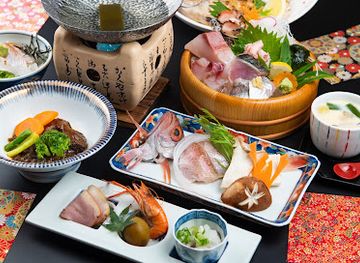
Izumo’s best-known food is Izumo soba, a darker, firm-textured buckwheat noodle traditionally served in stacked round warigo boxes with dipping sauce and garnishes. It is available in specialist noodle shops around Izumo Taisha, central Izumo and Hirata, though recipes and serving customs differ from one establishment to another. The region’s Sea of Japan setting also brings seasonal fish and shellfish to local restaurants, while agricultural areas supply rice, vegetables and other ingredients. Small cafés, shrine-town eateries, family-run diners and rural restaurants make up much of the dining scene, with more varied evening choices concentrated in central Izumo. Local sake is a natural accompaniment to regional food, reflecting Shimane’s long brewing tradition, and shops often sell packaged soba, sweets and other edible souvenirs. Around the coast, menus may emphasise seafood, while inland districts retain a more everyday Japanese style of cooking. Opening days and service periods can be limited at smaller establishments, so flexibility is useful outside the main visitor areas.
-
Soba noodle shop
Kenjo Soba Haneya
Discover authentic Japanese cuisine at Kenjo Soba Haneya in Izumo—home to delicious handmade soba noodles and a warm dining atmosphere.
-
Soba noodle shop
Arakiya
Discover authentic Japanese soba noodles at Arakiya in Izumo - where tradition meets taste in every bowl.
-
Izakaya
Nodoguro Nihonkai
Experience the authentic flavors of Japan at Nodoguro Nihonkai – where every dish tells a story.
-
Izakaya
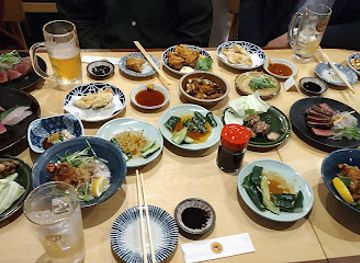
Tsubameya
Discover Tsubameya: A must-visit izakaya in Izumo offering authentic Japanese dishes and a warm atmosphere perfect for tourists.
Best bars in Izumo
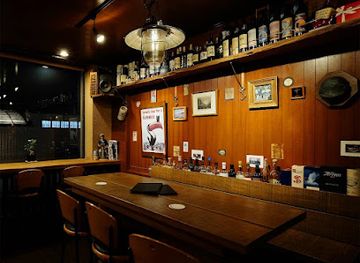
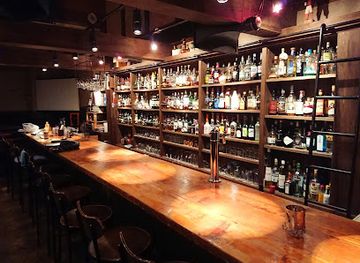
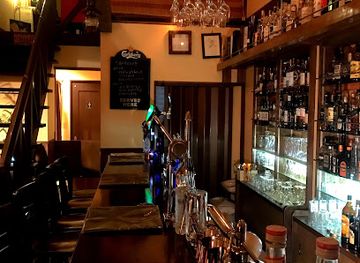
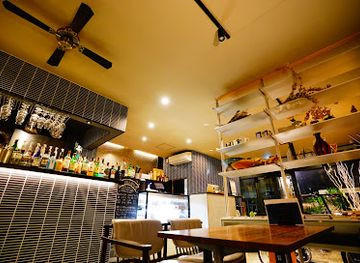
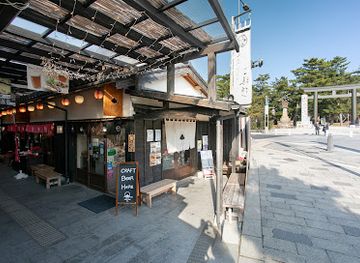
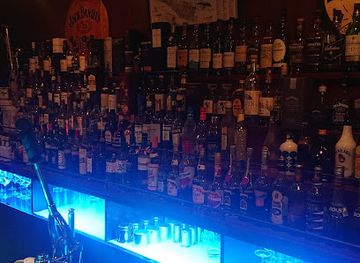
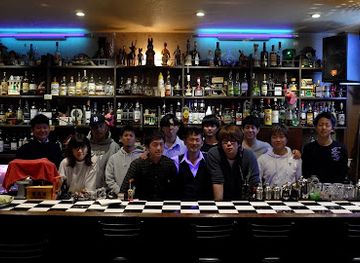
Izumo’s evening life is modest and locally oriented rather than built around a large club scene. Central Izumo, especially around Izumo-shi Station, has the widest choice of izakaya, casual restaurants, small bars and establishments serving local sake. Izakaya are informal places for food and drinks, and ordering several small dishes is often more typical than having a single drink in isolation. Around Izumo Taisha, evenings become quiet once the main visitor hours have passed, with accommodation lounges and a few restaurants providing the principal options. Hirata has its own smaller collection of local eateries and bars, while coastal and rural districts generally rely on traditional pubs, family restaurants and early-closing businesses. Live entertainment and seasonal events may occur, but they should not be assumed to operate on a fixed schedule. Visitors seeking late-night entertainment will find more choice in larger regional cities outside Izumo, while the local appeal lies in unhurried dining, conversation and the distinctive atmosphere of a shrine town after dark.
-
Bar
TANBEE タンベー
Discover the vibrant nightlife of Izumo at TANBEE, a must-visit bar for tourists seeking exceptional drinks and a warm atmosphere.
-
Bar
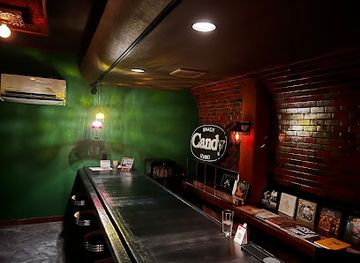
Snack Candy Izumo
Discover the whimsical world of candy-inspired cocktails at Snack Candy Izumo, a charming bar in the heart of Shimane.
-
Bar
Satindoll
Experience the lively atmosphere of Satindoll in Izumo, where great drinks meet friendly faces for a memorable night out.
-
Bar
BAR EDGE COCKTAIL WORKS
Experience the vibrant nightlife of Izumo at BAR EDGE COCKTAIL WORKS, where expertly crafted cocktails meet a stylish atmosphere.
Best nightclubs in Izumo
Izumo’s evening life is modest and locally oriented rather than built around a large club scene. Central Izumo, especially around Izumo-shi Station, has the widest choice of izakaya, casual restaurants, small bars and establishments serving local sake. Izakaya are informal places for food and drinks, and ordering several small dishes is often more typical than having a single drink in isolation. Around Izumo Taisha, evenings become quiet once the main visitor hours have passed, with accommodation lounges and a few restaurants providing the principal options. Hirata has its own smaller collection of local eateries and bars, while coastal and rural districts generally rely on traditional pubs, family restaurants and early-closing businesses. Live entertainment and seasonal events may occur, but they should not be assumed to operate on a fixed schedule. Visitors seeking late-night entertainment will find more choice in larger regional cities outside Izumo, while the local appeal lies in unhurried dining, conversation and the distinctive atmosphere of a shrine town after dark.
-
Bar
The Structure Hostel & Café Bar
Discover the perfect blend of comfort and cuisine at The Structure Hostel & Café Bar in Izumo, where modern design meets local flavors.
-
Bar
Izumo Brewing Co. TAISHA
Discover the art of craft brewing at Izumo Brewing Co. TAISHA in the scenic city of Izumo, Japan, where tradition meets innovation.
-
Lounge
バーウェイン
Discover the lively nightlife at Bar Wayne, a must-visit bar in Izumo, Shimane, where friendly vibes and unique drinks await.
-
Bar
Area Due
Unwind at Area Due, a vibrant bar in Izumo, Shimane, offering a delightful mix of local drinks and a warm, inviting atmosphere for all.
Best shops in Izumo
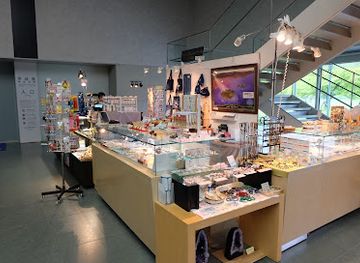
Shopping in Izumo is concentrated around shrine approaches, central shopping streets, transport areas and the older commercial district of Hirata rather than large luxury centres. Near Izumo Taisha, visitors will find shops selling amulets, traditional sweets, craft goods, books on local mythology and souvenirs connected with shrine culture. Izumo soba, regional confectionery, packaged seafood products, local sake and other foods make practical gifts, although regulations should be checked before carrying food or drink internationally. Hirata’s traditional streets provide opportunities to browse small independent businesses and buildings associated with its merchant past, while central Izumo offers everyday retail and department-store-style shopping. Craft galleries and local cultural shops may stock ceramics, textiles, woodwork and contemporary goods inspired by Shimane’s heritage. Farmers’ markets and roadside shops are useful for seasonal produce in the surrounding countryside, but their selection and opening days vary. Shopping is best approached as an extension of the region’s food, religious culture and local workmanship rather than as a destination for extensive designer retail.
-
Heritage museum
Shimane Prefecture Ancient Izumo History Museum
Discover the ancient history of Shimane at the Izumo History Museum, where culture and heritage come alive through immersive exhibits and artifacts.
-
Shopping mall
youme Town Izumo
Experience the charm of Youme Town Izumo, a shopping paradise blending local culture, dining, and entertainment for an unforgettable visit.
-
Shopping mall
AEON MALL IZUMO
Explore AEON MALL IZUMO: A premier shopping destination in Shimane, featuring diverse shops, delicious dining, and family-friendly entertainment.
-
Discount store
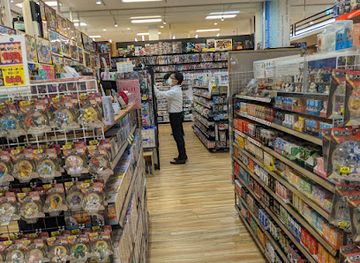
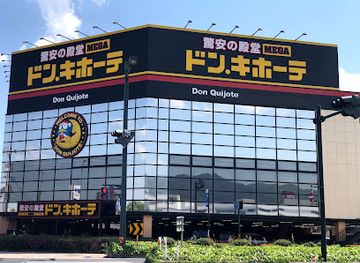
MEGA Don Quijote
Discover the vibrant MEGA Don Quijote in Izumo, a discount store offering a vast selection of products for every need and taste.

Get your free copy of our complete guide to Izumo, delivered straight to you.
Everything on this page, from attractions and restaurants to essentials and local phrases, in one PDF you can read offline, print or share.
Already have an account? Sign in
Your Izumo guide is ready.
We'll send it to · Not you? Sign out

Getting your guide ready…
We are putting together a fresh copy of the Izumo guide. This can take up to a minute.
This can take a few moments. If your browser asks, choose Allow so the download can start. You'll find the guide in your Downloads folder.
Nothing happened? Download it again
Sorry, the guide is taking longer than usual. Please try again in a minute, or get it by email instead.
Izumo essentials
Currency and Payment
Safety
Emergency Situations
Do's and Don'ts
Local Tips
From Eve
Local phrases worth knowing
You don't need to get them perfect. A few words go a long way, and locals appreciate the effort.
Basics
| English | Local | Say it |
|---|---|---|
| Hello | Hello | [Hello] |
| Goodbye | Goodbye | [Goodbye] |
| Yes | Yes | [Yes] |
| No | No | [No] |
| Please/You're welcome | Please/You're welcome | [Please/You're welcome] |
| Thank you | Thank you | [Thank you] |
| Excuse me/Sorry | Excuse me/Sorry | [Excuse me/Sorry] |
| How are you? | How are you? | [How are you?] |
| Fine. And you? | Fine. And you? | [Fine. And you?] |
| Do you speak English? | Do you speak English? | [Do you speak English?] |
| I don't understand | I don't understand | [I don't understand] |
Eating & Drinking
| English | Local | Say it |
|---|---|---|
| I'd like to see the menu, please | I'd like to see the menu, please | [I'd like to see the menu, please] |
| I don't eat meat | I don't eat meat | [I don't eat meat] |
| Cheers! | Cheers! | [Cheers!] |
| I would like to pay, please | I would like to pay, please | [I would like to pay, please] |
Emergencies
| English | Local | Say it |
|---|---|---|
| Help! | Help! | [Help!] |
| Go away! | Go away! | [Go away!] |
| Call the Police! | Call the Police! | [Call the Police!] |
| Call a doctor! | Call a doctor! | [Call a doctor!] |
| I'm lost | I'm lost | [I'm lost] |
| I'm ill | I'm ill | [I'm ill] |
Shopping
| English | Local | Say it |
|---|---|---|
| I'd like to buy... | I'd like to buy... | [I'd like to buy...] |
| I'm just looking | I'm just looking | [I'm just looking] |
| How much is it? | How much is it? | [How much is it?] |
| That's too expensive | That's too expensive | [That's too expensive] |
| Can you lower the price? | Can you lower the price? | [Can you lower the price?] |
Time & Numbers
| English | Local | Say it |
|---|---|---|
| What time is it? | What time is it? | [What time is it?] |
| It's one o'clock | It's one o'clock | [It's one o'clock] |
| Half past (10) | Half past (10) | [Half past (10)] |
| Morning | Morning | [Morning] |
| Afternoon | Afternoon | [Afternoon] |
| Evening | Evening | [Evening] |
| Yesterday | Yesterday | [Yesterday] |
| Today | Today | [Today] |
| Tomorrow | Tomorrow | [Tomorrow] |
| 1 | 1 | [1] |
| 2 | 2 | [2] |
| 3 | 3 | [3] |
| 4 | 4 | [4] |
| 5 | 5 | [5] |
| 6 | 6 | [6] |
| 7 | 7 | [7] |
| 8 | 8 | [8] |
| 9 | 9 | [9] |
| 10 | 10 | [10] |
Transport & Directions
| English | Local | Say it |
|---|---|---|
| Where's a/the...? | Where's a/the...? | [Where's a/the...?] |
| What's the address? | What's the address? | [What's the address?] |
| Can you show me (on the map)? | Can you show me (on the map)? | [Can you show me (on the map)?] |
| When's the next (bus)? | When's the next (bus)? | [When's the next (bus)?] |
| A ticket (to ....) | A ticket (to ....) | [A ticket (to ....)] |
History of Izumo
Jōmon and Yayoi Settlement
The Izumo plain and the surrounding coastal districts have been inhabited since prehistoric times. Archaeological evidence from settlements and burial sites records the transition from Jōmon hunter-gatherer communities to Yayoi societies based more heavily on wet-rice cultivation, metalworking and regional exchange. The Nishitani Tombs and related sites near central Izumo reveal the growing power of local elites during the late Yayoi period. Their scale and imported objects indicate that Izumo was connected to wider networks across western Japan and the Korean Peninsula, long before the formation of a unified Japanese state.
Izumo in Early Japanese Chronicles
Izumo occupies an unusually prominent place in the Kojiki and Nihon Shoki, Japan’s early eighth-century chronicles. Their accounts describe Ōkuninushi, a major deity associated with Izumo, transferring authority over the earthly realm to the heavenly deities. These narratives are mythological rather than straightforward historical records, but they preserve the memory of Izumo as a powerful and distinctive centre outside the political heartland of Yamato. The stories continue to shape worship, festivals and the interpretation of the region’s archaeological heritage.
The Foundation and Development of Izumo Taisha
Izumo Taisha, also known as Izumo Ōyashiro, is dedicated to Ōkuninushi and has been one of Japan’s major Shinto institutions for centuries. Medieval records, religious traditions and repeated rebuilding have created a layered history rather than a single surviving ancient structure. The shrine’s scale and ceremonial importance reflect the enduring status of Izumo within Japanese religious culture. Its worship traditions, including the emphasis on connections between people, remain central to the identity of the modern region.
Medieval Lords and Fortified Settlements
During the medieval period, Izumo was contested by regional warrior families and larger powers seeking control of western Japan. Fortified sites and castle remains in the wider area testify to this unsettled political landscape, while shrine estates and temple networks helped organise land, authority and religious life. The region’s position between the Sea of Japan and inland routes made it strategically relevant, even though political control shifted repeatedly. Later developments at nearby Matsue would also influence the economic and administrative life of the Izumo area.
Hirata and the Sea of Japan Trade
Hirata developed as a commercial settlement serving the waterways around Lake Shinji and routes towards the Sea of Japan. Merchants traded agricultural goods, textiles and other commodities, and the town’s canals and traditional buildings preserve traces of that commercial past. Izumo’s coastal position also connected it with ports and communities elsewhere along the Japan Sea. This maritime orientation helped distinguish the region from inland political centres and supported a culture in which shrine pilgrimage, commerce and transport were closely linked.
Modernisation and the Formation of Shimane
The administrative reforms of the Meiji period transformed the old provinces and domains into modern prefectures, placing Izumo within Shimane Prefecture. Central government institutions, new education systems and modern transport gradually altered local life, while Shinto shrines were reorganised within the new national framework. Railways and improved roads made pilgrimage and tourism easier, although the region remained more rural and less industrialised than Japan’s principal urban corridors. Its ancient religious identity consequently remained especially visible.
Archaeology and Heritage Tourism in Contemporary Izumo
From the late twentieth century onwards, excavations at sites such as Kojindani and Nishitani significantly deepened understanding of ancient Izumo. Discoveries including bronze ritual objects and large burial mounds helped establish the region as one of Japan’s important archaeological landscapes. Museums, conservation work and improved interpretation have made these discoveries accessible alongside Izumo Taisha and the coastal shrines. Contemporary Izumo therefore presents mythology, material history and active religious practice together, rather than treating the ancient past as a closed chapter.
Izumo in Photos
Browse through our photo collection highlighting the charm and character of the destination.
Neighbouring regions of Izumo
The closest regions to Izumo, if you have time for more than one.
-

-

-

-

-


Swipe for more regions
Explore more

Explore more of Japan
Discover the harmony of tradition and modernity in Japan, where ancient temples and cutting-edge technology coexist in perfect balance.
Explore Japan