

Free Omi Travel Guide & Mobile App
Explore Omi with free travel guides. Discover regional history, expert tips, proposed trips, and audio guides on web or mobile app.


Explore Omi’s Lake Biwa landscapes, castle towns, mountain temples, historic roads and distinctive food traditions in central Japan.
Read more about Omi
Getting to and around Omi
How to get there
Transportation
Top city travel guides in Omi
The cities of Omi, and the easiest places to base yourself.
-

-


Swipe for more cities
Destinations in Omi
Resorts, valleys and scenic spots worth a trip of their own.

Swipe for more destinations
Best attractions in Omi
Omi’s attractions centre on Lake Biwa and the historic settlements, temples and landscapes around it. The lake itself supports boating, seasonal swimming, lakeside cycling, birdwatching and scenic walks, although conditions and facilities vary between shore districts. In the south, Otsu provides access to Enryaku-ji on Mount Hiei, Miidera and the literary associations of Ishiyama-dera. Hikone Castle is the region’s most celebrated feudal attraction, while Nagahama combines merchant-town history with museums and access to northern lakeside scenery. Omihachiman is known for its canals, traditional townscape and nearby Mount Hachiman, and the Azuchi area preserves the remains of Oda Nobunaga’s castle. Rural Koka offers insights into ninjutsu traditions and wooded landscapes, while the eastern and northern districts contain temple complexes, farming villages and quieter shorelines. Visitors interested in nature can explore reed beds, wetlands and mountain trails, but should check transport and seasonal access before setting out. The region’s appeal lies in the relationship between water, sacred mountains, castle towns and working countryside rather than in a single concentrated sightseeing centre.
-
Buddhist temple
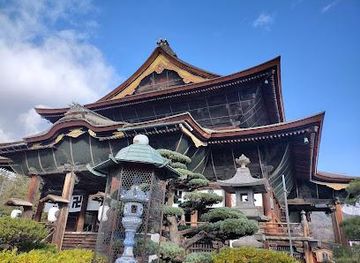
Zenkōji temple
Discover spiritual enlightenment and ancient history at Nagano's iconic Zenkōji Temple, a welcoming sanctuary for all.
-
Shinto shrine
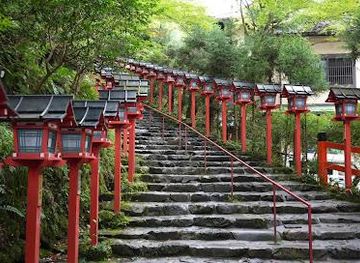
Kifune Shrine
Discover the serene beauty of Kifune Shrine, a sacred Shinto site in Kyoto, surrounded by lush nature and rich cultural traditions.
-
Buddhist temple
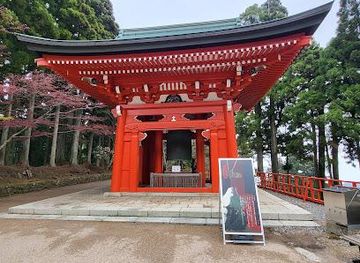
Enryaku-ji Temple
Discover the enchanting Enryaku-ji Temple on Mount Hiei, a UNESCO World Heritage site rich in Buddhist history and natural beauty.
-
Shinto shrine
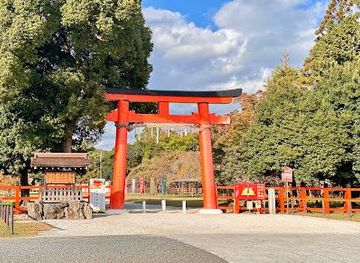
Kamigamo Shrine
Explore the historic and serene Kamigamo Shrine, a cultural gem in Kyoto, Japan, where spirituality meets breathtaking natural beauty.
Best landmarks in Omi
Lake Biwa is Omi’s defining natural landmark, its open water and surrounding mountains establishing the region’s visual identity. Hikone Castle, with its surviving keep, defensive structures and elevated position above the town, is one of Japan’s most important remaining original castles and a powerful symbol of the former Hikone domain. The stone foundations of Azuchi Castle preserve the site of Oda Nobunaga’s ambitious sixteenth-century stronghold, even though the castle itself no longer stands. Enryaku-ji’s temple buildings and forested Mount Hiei setting express the religious influence of one of Japan’s historic Buddhist institutions. Miidera, formally Onjo-ji, is another major sacred landmark overlooking Otsu, while Ishiyama-dera is associated with the literary culture of the Heian period and views towards the Setagawa area. The canals and preserved merchant streets of Omihachiman demonstrate how commerce adapted to the lake and its waterways. On the northern shore, Shirahige Shrine’s torii standing in Lake Biwa has become a recognisable lakeside image, although visitors should respect safety barriers and viewing restrictions.
-
Shinto shrine
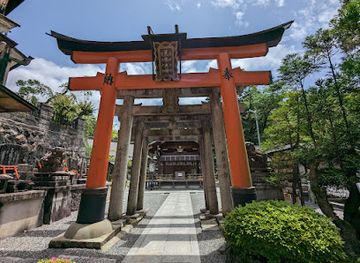
Fushimi Inari Taisha
Explore the enchanting Fushimi Inari Taisha, a UNESCO World Heritage site in Kyoto, famous for its thousands of vermilion torii gates and spiritual ambiance.
-
Observation deck
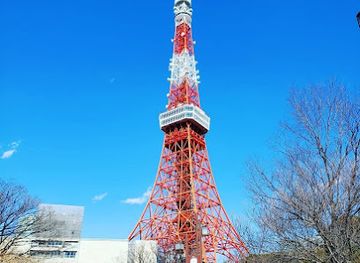
Tokyo Tower
Explore the heights of Tokyo Tower, where tradition meets modernity, offering breathtaking views, art, and shopping experiences in the heart of the city.
-
Castle
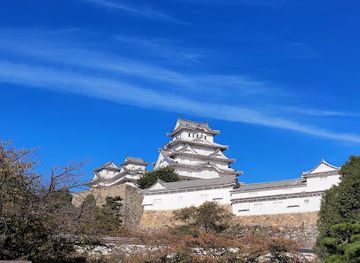
Himeji Castle
Explore the breathtaking Himeji Castle, a UNESCO World Heritage site showcasing stunning architecture and rich Japanese history.
-
Buddhist temple
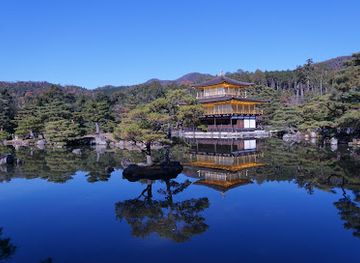
Kinkaku-ji
Discover the breathtaking beauty of Kinkaku-ji, the Golden Pavilion, a symbol of tranquility and elegance in Kyoto’s rich cultural landscape.
Explore Omi on the map
Plan your trip on one map. See where the top cities, national parks and sights are, and book hotels and experiences in a few clicks.
Best hotels in Omi
Best restaurants in Omi
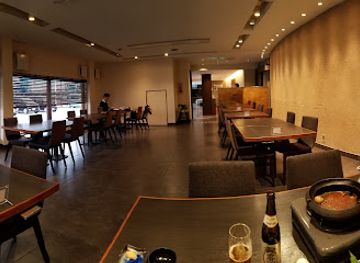
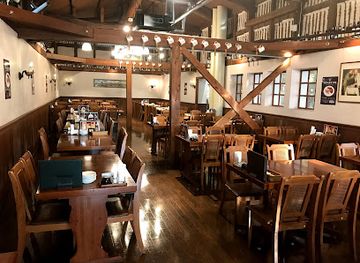
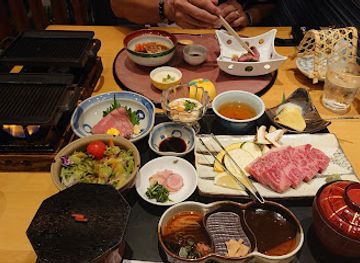
Omi’s food culture is strongly connected with Lake Biwa, fertile agricultural plains and the wider culinary traditions of Kansai. Omi beef is the region’s best-known speciality, served in restaurants ranging from traditional establishments to contemporary dining rooms. Freshwater fish, including trout and small lake fish, appears in seasonal dishes, while funazushi is a distinctive fermented carp preparation with a pronounced flavour and long local history. Rice, vegetables, pickles, tofu and miso reflect the surrounding farming landscape, and regional sake is produced by breweries supplied by local water and rice. Otsu, Hikone, Nagahama and Omihachiman offer the broadest choice of restaurants, cafés and traditional eateries, while rural districts are more likely to centre on family-run restaurants, noodle shops and inns. Farmers’ markets and food shops are useful for regional produce, sweets and preserved foods. Dining customs follow Japan-wide practice: menus may be seasonal, portions are often carefully arranged, and reservations can be sensible for specialist beef or traditional-course restaurants.
-
Meat
Morishima Omihachiman Honten
Experience the authentic taste of Omi Beef at Morishima Omihachiman Honten - a must-visit for meat lovers in Japan.
-
 Restaurant
Hotel New Omi
Discover comfort and cuisine at Hotel New Omi in Omihachiman - where exquisite dining meets exceptional hospitality.
-
Brewpub
Nagahama Roman Beer
Discover the art of brewing at Nagahama Roman Beer, where local flavors meet handcrafted excellence in every sip.
-
Meat
Omi Beef Okaki Honten
Discover the exquisite taste of Omi beef at Okaki Honten – where tradition meets culinary excellence in Shiga, Japan.
Best bars in Omi
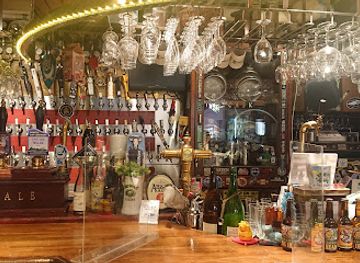
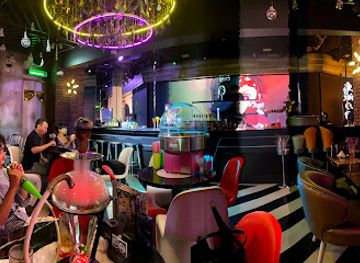
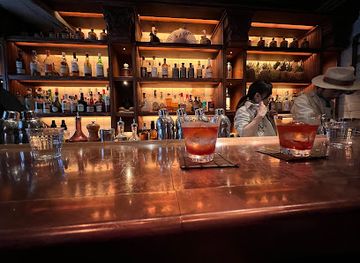
Evening life in Omi is generally modest and town-based rather than dominated by large clubs. Otsu has the broadest urban choice, with izakaya, small bars, restaurants and establishments serving customers travelling from nearby Kyoto. Hikone and Nagahama offer compact groups of izakaya, drinking houses and casual dining venues around their station areas, while Omihachiman has a quieter selection of traditional bars and restaurants. Local sake and beer may feature alongside food, and some breweries or specialist shops provide tastings subject to their own arrangements. In rural lakeside districts, evenings usually centre on an inn, ryokan dining room or a small local pub, with limited late transport. Visitors should check the final train or bus before going out, especially around the northern lake and mountain areas. Nightlife is best approached as an opportunity for food, conversation and local hospitality rather than as a major clubbing destination.
-
Pub
Beer Club Popeye
Discover a world of flavors at Beer Club Popeye, Tokyo's premier destination for craft beer enthusiasts and casual drinkers alike.
-
Bar
Kujira Entertainment
Experience the best of Tokyo's nightlife at Kujira Entertainment, where cocktails, cuisine, and captivating entertainment come together.
-
Bar
The SG Club
Experience innovative cocktails and vibrant nightlife at The SG Club, Shibuya's premier cocktail bar.
-
Grill
TOKYO Whisky Library
Discover the captivating world of whiskey at Tokyo Whisky Library, where exquisite flavors and an inviting ambiance await you.

Best nightclubs in Omi
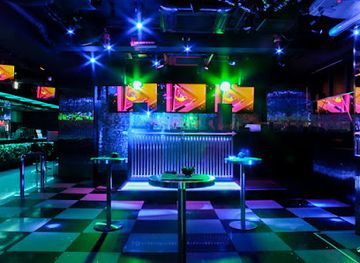
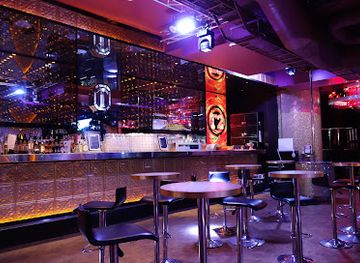
Evening life in Omi is generally modest and town-based rather than dominated by large clubs. Otsu has the broadest urban choice, with izakaya, small bars, restaurants and establishments serving customers travelling from nearby Kyoto. Hikone and Nagahama offer compact groups of izakaya, drinking houses and casual dining venues around their station areas, while Omihachiman has a quieter selection of traditional bars and restaurants. Local sake and beer may feature alongside food, and some breweries or specialist shops provide tastings subject to their own arrangements. In rural lakeside districts, evenings usually centre on an inn, ryokan dining room or a small local pub, with limited late transport. Visitors should check the final train or bus before going out, especially around the northern lake and mountain areas. Nightlife is best approached as an opportunity for food, conversation and local hospitality rather than as a major clubbing destination.
-
Night club
KITSUNE KYOTO
Discover the pulsating heart of Kyoto's nightlife at KITSUNE KYOTO, where music, dance, and vibrant energy await.
-
Night club
TK
Discover the heart of Tokyo's nightlife at TK Nightclub, where unforgettable nights of dancing and music await in Shibuya.
-
Night club
Ammona
Experience the vibrant nightlife of Osaka at Ammona, the ultimate dance club with electrifying music and an unforgettable atmosphere.
-
Night club
V2 TOKYO
Discover the electric nightlife of V2 Tokyo, where pulsating beats and vibrant crowds create an unforgettable party experience in the heart of Roppongi.


Best shops in Omi
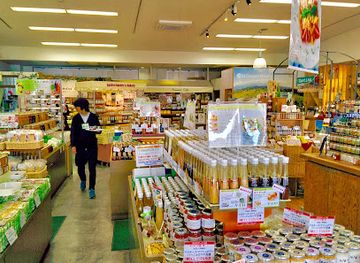
Shopping in Omi is concentrated in the historic centres and station districts of Otsu, Hikone, Nagahama and Omihachiman rather than in one large retail zone. Nagahama’s preserved merchant area contains craft shops, cafés, galleries and stores selling regional foods, while Omihachiman is suited to browsing traditional goods, sweets and products connected with its merchant heritage. Hikone offers castle-town souvenirs, local food shops and small independent retailers around the central town. Across the region, look for Omi beef products, rice crackers, pickles, miso, tea, sake and freshwater-food specialities, bearing in mind that some fresh items are difficult to transport internationally. Craft traditions include textiles, ceramics, woodwork and locally made household goods, though the selection varies by town. Farmers’ markets are useful for seasonal produce, while larger urban stations and shopping streets provide everyday goods and department-store retail. Shopping hours and card acceptance are less predictable at small independent businesses, so cash remains useful.
-
Department store
Hankyu Umeda Main Store
Explore the vibrant shopping and culinary experiences at Hankyu Umeda Main Store, a must-visit destination in Osaka for every traveler.
-
Shopping mall
Karuizawa Prince Shopping Plaza
Discover the ultimate shopping experience amidst the stunning backdrop of Karuizawa's natural beauty at Karuizawa Prince Shopping Plaza.
-
Department store
Hanshin Department Store Umeda Main Store
Explore the vibrant Hanshin Department Store Umeda Main Store in Osaka, where luxury meets local charm and shopping becomes an unforgettable experience.
-
Confectionery store
La Collina Ōmi-Hachiman
Discover the exquisite world of Japanese sweets at La Collina Ōmi-Hachiman, where tradition meets innovation in every bite.

Get your free copy of our complete guide to Omi, delivered straight to you.
Everything on this page, from attractions and restaurants to essentials and local phrases, in one PDF you can read offline, print or share.
Already have an account? Sign in
Your Omi guide is ready.
We'll send it to · Not you? Sign out

Getting your guide ready…
We are putting together a fresh copy of the Omi guide. This can take up to a minute.
This can take a few moments. If your browser asks, choose Allow so the download can start. You'll find the guide in your Downloads folder.
Nothing happened? Download it again
Sorry, the guide is taking longer than usual. Please try again in a minute, or get it by email instead.
Omi essentials
Currency and Payment
Safety
Emergency Situations
Do's and Don'ts
Local Tips
From Eve
Local phrases worth knowing
You don't need to get them perfect. A few words go a long way, and locals appreciate the effort.
Basics
| English | Local | Say it |
|---|---|---|
| Hello | Howdy | [haʊdi] |
| Goodbye | See ya | [si jə] |
| Yes | Yep | [jɛp] |
| No | Nope | [noʊp] |
| Please/You’re welcome | No problem | [noʊ ˈprɒbləm] |
| Thank you | Thanks | [θæŋks] |
| Excuse me/Sorry | Sorry | [ˈsɔri] |
| How are you? | How's it going? | [haʊz ɪt ˈɡoʊɪŋ] |
| Fine. And you? | Good. You? | [ɡʊd ju?] |
| Do you speak English? | Do you speak English? | [du jə spiːk ˈɪŋɡlɪʃ?] |
| I don't understand | I don't get it | [aɪ doʊnt ɡɛt ɪt] |
Eating & Drinking
| English | Local | Say it |
|---|---|---|
| I’d like to see the menu, please | Can I see the menu? | [kæn aɪ si ðə ˈmɛnjuː?] |
| I don't eat meat | I’m vegetarian | [aɪm ˌvɛdʒɪˈtɛəriən] |
| Cheers! | Cheers! | [ʧɪrz] |
| I would like to pay, please | Can I get the check? | [kæn aɪ ɡɛt ðə ʧɛk?] |
Emergencies
| English | Local | Say it |
|---|---|---|
| Help! | Help! | [hɛlp] |
| Go away! | Leave me alone! | [liːv mi əˈloʊn] |
| Call the Police! | Call the cops! | [kɔl ðə kɑps] |
| Call a doctor! | Get a doctor! | [ɡɛt ə ˈdɑktər] |
| I’m lost | I’m lost | [aɪm lɔst] |
| I’m ill | I’m not feeling well | [aɪm nɑt ˈfiːlɪŋ wɛl] |
Shopping
| English | Local | Say it |
|---|---|---|
| I’d like to buy... | I want to buy... | [aɪ wɑnt tə baɪ...] |
| I’m just looking | Just browsing | [dʒʌst ˈbraʊzɪŋ] |
| How much is it? | What’s the price? | [wʌts ðə praɪs?] |
| That’s too expensive | That’s too pricey | [ðæts tuː ˈpraɪsi] |
| Can you lower the price? | Can you give me a better price? | [kæn jə ɡɪv mi ə ˈbɛtər praɪs?] |
Time & Numbers
| English | Local | Say it |
|---|---|---|
| What time is it? | What time is it? | [wʌt taɪm ɪt?] |
| It’s one o'clock | It’s one | [ɪts wʌn] |
| Half past (10) | Half past ten | [hæf pæst tɛn] |
| Morning | Morning | [ˈmɔrnɪŋ] |
| Afternoon | Afternoon | [ˌæftərˈnuːn] |
| Evening | Evening | [ˈiːvnɪŋ] |
| Yesterday | Yesterday | [ˈjɛstərdeɪ] |
| Today | Today | [təˈdeɪ] |
| Tomorrow | Tomorrow | [təˈmɔroʊ] |
| 1 | One | [wʌn] |
| 2 | Two | [tuː] |
| 3 | Three | [θriː] |
| 4 | Four | [fɔr] |
| 5 | Five | [faɪv] |
| 6 | Six | [sɪks] |
| 7 | Seven | [ˈsɛvən] |
| 8 | Eight | [eɪt] |
| 9 | Nine | [naɪn] |
| 10 | Ten | [tɛn] |
Transport & Directions
| English | Local | Say it |
|---|---|---|
| Where's a/the...? | Where's the...? | [wɛrz ðə...?] |
| What's the address? | What’s the address? | [wʌts ði əˈdrɛs?] |
| Can you show me (on the map)? | Can you point it out on the map? | [kæn jə pɔɪnt ɪt aʊt ɑn ðə mæp?] |
| When's the next (bus)? | When's the next bus? | [wɛn z ðə nɛkst bʌs?] |
| A ticket (to ....) | A ticket to ... | [ə ˈtɪkɪt tə ...] |
History of Omi
Ancient Omi and Lake Biwa’s Inland Waterway
Omi’s location around Lake Biwa made it an important area from prehistoric times, supporting settlement, farming and movement between western and eastern Japan. The lake was not merely a scenic feature: it carried goods and people towards Kyoto and the Sea of Japan, while routes around its shores connected imperial, religious and commercial centres. Ancient provincial administration established Omi as a recognised political territory, and the surrounding plains became productive agricultural country. Archaeological sites, old shrines and surviving route patterns reflect a landscape shaped by water transport and communication long before modern roads and railways.
Buddhist Centres on Mount Hiei and Around the Lake
From the medieval period, Omi’s mountains and lakeside settlements became closely associated with influential Buddhist institutions. Enryaku-ji, founded on Mount Hiei in the late eighth century, developed into one of Japan’s most powerful religious centres and influenced Buddhist thought, politics and education far beyond the region. Miidera at Otsu and Ishiyama-dera further south contributed to Omi’s religious importance. These temples were not isolated monuments: they controlled land, attracted pilgrims and shaped the cultural life of settlements around the southern and western shores of Lake Biwa.
Medieval Roads, Ports and Castle Towns
Omi flourished as a corridor between Kyoto and eastern Japan. The Nakasendo and Tokaido routes carried officials, merchants and travellers through the province, while Otsu and other ports handled lake traffic. Castle towns emerged as military and commercial centres, particularly during the era of regional warfare. Towns such as Hikone, Nagahama and Omihachiman retained elements of this later urban pattern, including merchant houses, waterways, temple districts and planned streets. The combination of overland routes and inland navigation gave Omi an economic importance disproportionate to its relatively small area.
Azuchi Castle and the Unification of Japan
In the 1570s, Oda Nobunaga built Azuchi Castle on the eastern shore of Lake Biwa, close to a major route between Kyoto and the east. Although the castle was destroyed soon after Nobunaga’s death, its ambitious design and lavish decoration marked a decisive moment in Japanese castle architecture and political history. Azuchi served as a statement of central authority as Nobunaga sought to consolidate power during the wars of unification. The surviving stone foundations and surrounding archaeological landscape offer a more fragmentary but historically important encounter with this turning point.
Edo-Period Administration and Merchant Culture
Under the Tokugawa shogunate, Omi remained strategically significant because major highways and lake routes passed through it. Hikone Castle became the seat of the Ii family, powerful hereditary lords who held a close relationship with the shogunate. Commercial towns prospered through trade in textiles, medicines, rice and other goods, while Omihachiman’s merchants developed far-reaching business networks. Agricultural production also intensified around the lake. Many present-day townscapes, festival traditions and merchant buildings derive from this period of regulated travel, prosperous commerce and tightly organised domains.
Modernisation, Railways and Shiga Prefecture
The political reorganisation of Japan in the Meiji period transformed historic Omi into the modern prefecture of Shiga. Railways gradually replaced much of the practical importance of lake shipping and traditional post roads, linking Otsu, Hikone, Nagahama and other towns more directly with Kyoto and eastern Japan. Industrial activity expanded alongside farming and commerce, while the lake became increasingly valued as an environmental and recreational resource. Contemporary Shiga continues to balance urban development, manufacturing and agriculture with efforts to protect Lake Biwa, whose water supports millions of people in the wider Kansai region.
Omi in Photos
Browse through our photo collection highlighting the charm and character of the destination.
Neighbouring regions of Omi
The closest regions to Omi, if you have time for more than one.
-

-

-

-

-



Swipe for more regions
Explore more

Explore more of Japan
Discover the harmony of tradition and modernity in Japan, where ancient temples and cutting-edge technology coexist in perfect balance.
Explore Japan