

Free Kyoto Travel Guide & Mobile App
Plan your Kyoto trip with Evendo. Get free guides to top attractions, restaurants, hotels, and bars. Web access or download the mobile app.


Kyoto reveals Japan’s imperial history through temples, gardens, tea culture, seasonal scenery and atmospheric streets shaped by centuries of tradition.
Imperial Heritage and Living Tradition
Kyoto occupies a basin in Japan’s Kansai region, framed by wooded hills and shaped by more than a millennium as the country’s imperial capital. From 794 until 1868, the city was the centre of court life, religious scholarship, aristocratic culture and artistic innovation. Its historic fabric survives in Buddhist temples, Shinto shrines, stone lanes, machiya townhouses and carefully composed gardens, although Kyoto is also a working modern city with universities, offices and lively neighbourhoods.Read more about Kyoto
Temples, Gardens and Historic Streets
Culture Through the Seasons
When is the best time to visit Kyoto?
Best: September–November · 17–27°C| Month | High (°C) | Rainfall (mm) |
|---|---|---|
| January | 10 | 58 |
| February | 10 | 65 |
| March | 14 | 107 |
| April | 21 | 151 |
| May | 25 | 176 |
| June | 30 | 221 |
| July | 33 | 163 |
| August | 32 | 153 |
| September (best) | 27 | 142 |
| October (best) | 22 | 100 |
| November (best) | 17 | 68 |
| December | 12 | 53 |
Getting to and around Kyoto
How to get there
Transportation
Best attractions in Kyoto
Kyoto’s attractions range from grand religious complexes to intimate lanes and riverside scenery. Fushimi Inari-taisha is known for its long hillside succession of vermilion torii, while Kiyomizu-dera combines a celebrated wooden stage with views across Higashiyama. At Kinkaku-ji, the Golden Pavilion reflects in a pond within a carefully composed garden, and nearby Ryōan-ji is associated with one of Japan’s most studied dry landscapes. Arashiyama offers the Togetsukyō Bridge, riverbank walks and the atmospheric bamboo grove, though the wider district rewards exploration beyond its busiest path. Nijo-jo reveals the power and ceremony of the Tokugawa shogunate, while the Kyoto International Manga Museum and Kyoto National Museum provide different perspectives on Japanese visual culture. The Philosopher’s Path, Gion’s historic streets and the Imperial Palace grounds add slower, more open-ended ways to experience the city.
-
Shinto shrine
Fushimi Inari Taisha
Discover the spiritual heart of Kyoto at Fushimi Inari Taisha, renowned for its thousands of striking red torii gates and serene hiking trails.
36 min drive · 16 km from city centre
-
Tourist attraction
Kiyomizu-dera
Experience the serene beauty and rich history of Kiyomizu-dera, a UNESCO World Heritage site in Kyoto, where culture and nature harmoniously blend.
33 min drive · 13 km from city centre
-
Tourist attraction
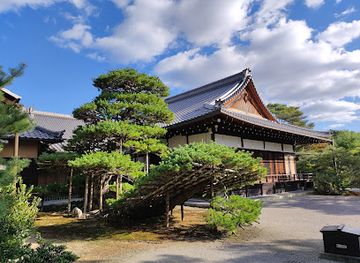
Kinkaku-ji
Explore Kinkaku-ji, the breathtaking Golden Pavilion in Kyoto, where history and nature blend beautifully in a tranquil setting.
20 min drive · 6.6 km from city centre
-
Castle
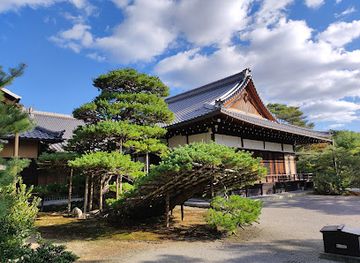
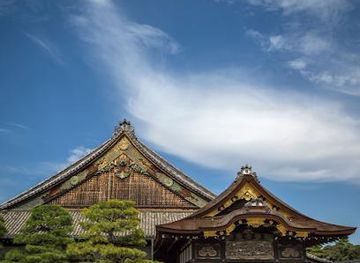
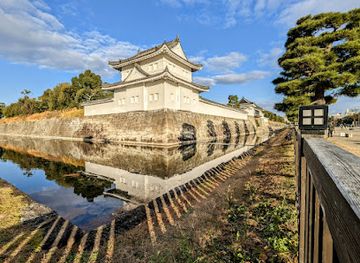
Nijō Castle
Experience the grandeur of Nijō Castle, a UNESCO World Heritage Site, where history, architecture, and nature intertwine in Kyoto's cultural heart.
29 min drive · 9.8 km from city centre


Best landmarks in Kyoto
Kyoto’s landmarks embody the city’s religious authority, imperial history and long craft tradition. Kiyomizu-dera, founded in the late eighth century and rebuilt over time, is recognised for its broad wooden stage projecting from the hillside. Kinkaku-ji’s gold-leafed pavilion is the most conspicuous element of a temple complex formally known as Rokuon-ji, while Ginkaku-ji presents a more restrained aesthetic of gardens and historic architecture. Nijo-jo preserves the ceremonial world of the Tokugawa shoguns, including palace interiors and painted rooms, and Kyoto Imperial Palace represents the city’s enduring connection with the imperial household. Yasaka Shrine anchors the eastern end of Shijō and remains closely linked with the Gion Matsuri. Fushimi Inari-taisha, with its thousands of torii on Mount Inari, is both a major religious site and a powerful visual symbol of Kyoto.
-
Shinto shrine
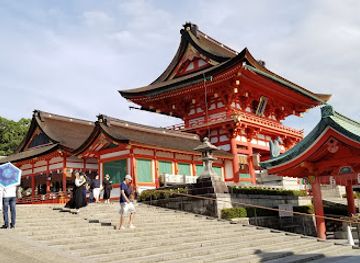
Fushimi Inari Taisha
Explore the enchanting Fushimi Inari Taisha, Kyoto's iconic Shinto shrine famous for its thousands of vibrant torii gates and breathtaking mountain trails.
36 min drive · 16 km from city centre
-
Buddhist temple
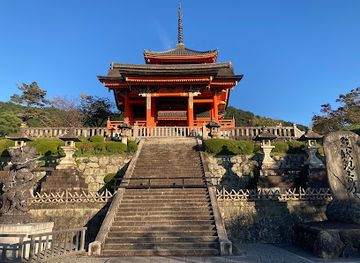
Kiyomizu-dera
Experience the serene beauty and spiritual essence of Kiyomizu-dera, an iconic Buddhist temple in Kyoto, renowned for its stunning architecture and breathtaking views.
33 min drive · 13 km from city centre
-
Buddhist temple
Kinkaku-ji
Explore Kinkaku-ji, the Golden Pavilion of Kyoto, a stunning Zen Buddhist temple adorned in gold and surrounded by tranquil gardens and reflective ponds.
20 min drive · 6.6 km from city centre
-
Castle
Nijō Castle
Explore the grandeur of Nijō Castle, a UNESCO World Heritage Site in Kyoto, showcasing the beauty of feudal Japan's architecture and gardens.
29 min drive · 9.8 km from city centre
Explore Kyoto on the map
Plan your Kyoto trip on one map. See where the top attractions, landmarks, restaurants, bars and hotels are, find what's near where you're staying, and book hotels and experiences in a few clicks.
Neighbourhoods in Kyoto
-

-

-
-


Swipe for more neighbourhoods
Best hotels in Kyoto
Best restaurants in Kyoto
Kyoto’s cuisine reflects courtly refinement, Buddhist traditions, seasonal agriculture and the quality of its water. Kaiseki presents carefully balanced courses built around seasonality, while shōjin ryōri offers Buddhist vegetarian cooking centred on tofu, vegetables and restrained preparation. Yudōfu, especially associated with temple districts such as Nanzen-ji, is a local speciality, and Kyoto-style tofu, pickles, sweet confections and delicate dashi-based dishes appear throughout the city. Nishiki Market is lined with specialist food sellers, though it is primarily a place to browse and sample rather than a conventional dining hall. Pontocho, Kiyamachi and the streets around Shijō offer everything from intimate counters and izakaya to contemporary restaurants, while traditional cafés serve matcha sweets and wagashi. Kyoto’s dining culture places emphasis on season, presentation and hospitality, with reservation customs and limited seating common at established establishments.
-
Confectionery store
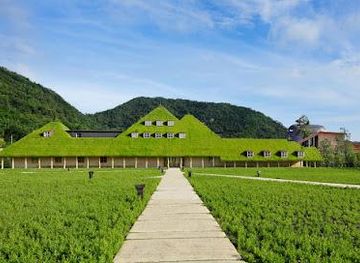
La Collina Ōmi-Hachiman
Discover Taneya's sweet empire amid grass-roofed wonders and satoyama serenity in Omihachiman, where fresh Baumkuchen meets sustainable fields and Fujimori architecture.
54 min drive · 34 km from city centre
-
Izakaya
Fushimi Sake Village
Kyoto's Fushimi sake epicenter: Taste 18 local brews amid izakaya feasts from eight stalls in a buzzing food hall celebrating centuries-old brewing artistry.
39 min drive · 19 km from city centre
-
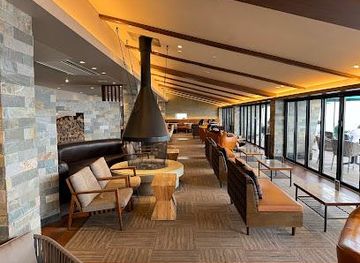
Cafe
Biwako Terrace
Elevated lakeside paradise atop Biwako Valley: savor Omi beef grills and champagne cocktails amid infinite water-mirrored views of Lake Biwa's majesty.
40 min drive · 20 km from city centre
-
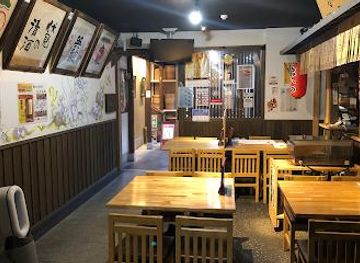
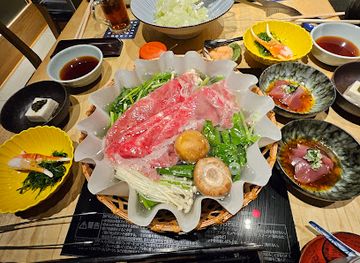
Japanese
Hyoto Shijo Karasuma
Experience authentic Japanese flavors with exquisite hot pot and Kaiseki dishes at Hyoto Shijo Karasuma in Kyoto.
31 min drive · 11 km from city centre
Best bars in Kyoto
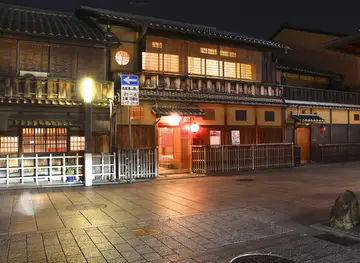
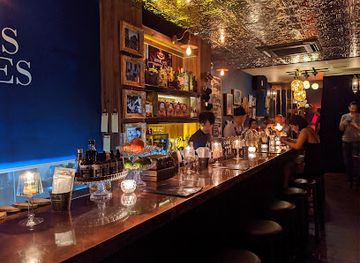
Kyoto’s evening life is concentrated around Pontocho, Kiyamachi and Gion, where narrow lanes lead to small bars, izakaya and establishments ranging from quiet whisky counters to lively music venues. Pontocho’s traditional townhouses create an atmospheric setting beside the Kamo River, although many venues are compact and may have specific entry customs or cover charges. Gion is associated with refined tea houses and traditional entertainment, not a conventional nightclub strip, and visitors should treat its private streets and performers with discretion. Larger numbers of bars, cafés and live-music venues can be found around Shijō and Kawaramachi, while theatres and seasonal performances provide alternatives to drinking. Kyoto’s nightlife tends to favour intimate conversation, food and cultural atmosphere over enormous clubs, though energetic late-night venues do exist in the central commercial area.
-
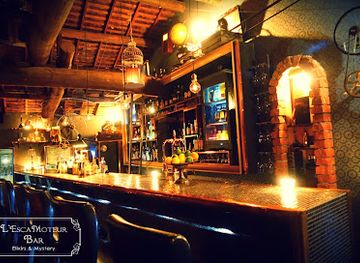
Cocktail bar
L'Escamoteur
Discover L'Escamoteur, Kyoto's enchanting cocktail bar where artistry meets mixology in a whimsical atmosphere. Unforgettable drinks await!
32 min drive · 12 km from city centre
-
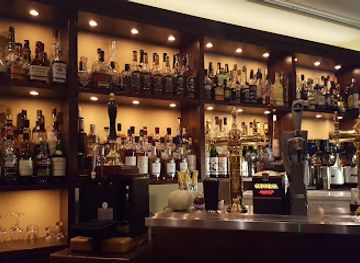
Bar
BEE’S KNEES
Discover BEE’S KNEES in Kyoto - A vibrant bar offering unique cocktails that blend local flavors with a lively nightlife experience.
31 min drive · 11 km from city centre
-
Bar
Bar K6
Discover the vibrant nightlife of Kyoto at Bar K6, where traditional Japanese drinks meet modern bar culture in a cozy setting.
31 min drive · 11 km from city centre
-
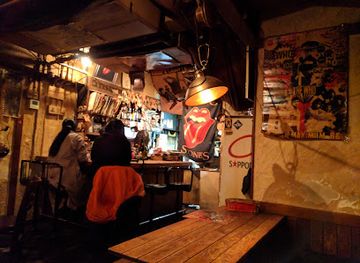
Bar
Rocking Bar ING
Discover Rocking Bar ING in Kyoto, where the spirit of rock music comes alive amidst an eclectic atmosphere and vibrant nightlife.
31 min drive · 11 km from city centre
Best nightclubs in Kyoto
Kyoto’s evening life is concentrated around Pontocho, Kiyamachi and Gion, where narrow lanes lead to small bars, izakaya and establishments ranging from quiet whisky counters to lively music venues. Pontocho’s traditional townhouses create an atmospheric setting beside the Kamo River, although many venues are compact and may have specific entry customs or cover charges. Gion is associated with refined tea houses and traditional entertainment, not a conventional nightclub strip, and visitors should treat its private streets and performers with discretion. Larger numbers of bars, cafés and live-music venues can be found around Shijō and Kawaramachi, while theatres and seasonal performances provide alternatives to drinking. Kyoto’s nightlife tends to favour intimate conversation, food and cultural atmosphere over enormous clubs, though energetic late-night venues do exist in the central commercial area.
-
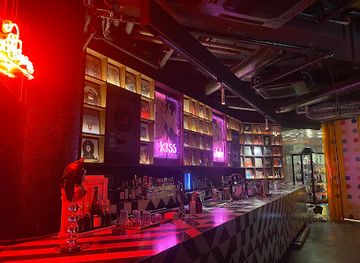
Night club
KITSUNE KYOTO
Discover the electrifying nightlife of KITSUNE KYOTO, where music, dance, and vibrant energy create unforgettable nights in the heart of Kyoto.
31 min drive · 11 km from city centre
-
Karaoke bar
Barcode
Experience Kyoto's vibrant nightlife at Barcode, the ultimate karaoke bar and dance club for an unforgettable evening of fun and entertainment.
31 min drive · 11 km from city centre
-
Night club
KYOTO Chambers
Immerse yourself in the vibrant nightlife of Kyoto at KYOTO Chambers, where music and culture come together for an unforgettable experience.
31 min drive · 11 km from city centre
-
Night club
WORLD KYOTO
Dive into the electrifying nightlife of Kyoto at WORLD KYOTO, where music, dance, and culture collide for an unforgettable experience.
31 min drive · 11 km from city centre


Best shops in Kyoto
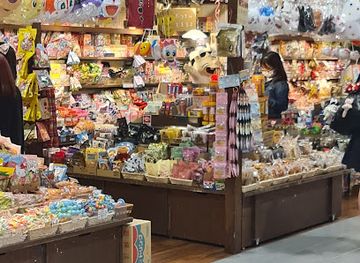
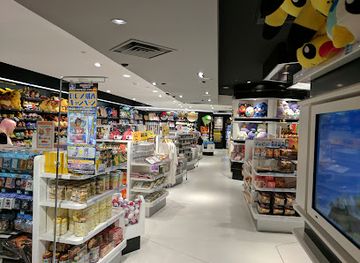
Kyoto shopping combines old specialist trades with contemporary Japanese retail. Nishiki Market, known as Kyoto’s Kitchen, occupies a narrow covered street filled with sellers of pickles, dried foods, sweets, tea, kitchenware and seasonal ingredients; visitors should follow sampling rules and avoid eating while walking in crowded sections. Teramachi and Shinkyōgoku arcades offer clothing, crafts, books, souvenirs and casual shops, while Shijō-dori contains department stores and established retailers. Nishijin remains associated with traditional weaving, and shops across the city sell textiles, folding fans, ceramics, lacquerware, paper goods and tea utensils. Kyoto Station’s commercial complex provides a modern contrast, with fashion, food and convenience under one roof. Independent craft galleries and long-established confectioners are particularly useful for finding locally made gifts rather than generic tourist merchandise.
-
Shopping mall
AEON MALL KYOTO
Explore AEON MALL KYOTO for a unique blend of shopping, dining, and entertainment in the heart of Japan's cultural capital.
33 min drive · 13 km from city centre
-
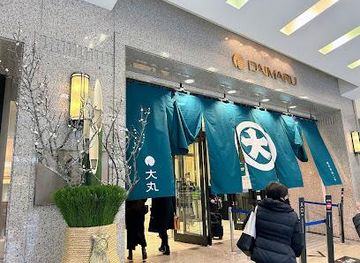
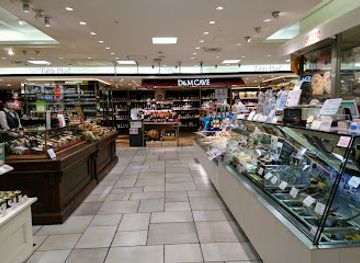
Department store
Daimaru Kyoto
Discover Daimaru Kyoto - a vibrant department store offering a unique blend of shopping, gourmet food, and cultural souvenirs in the heart of Kyoto.
31 min drive · 11 km from city centre
-
Gift shop
Daimaru Kyoto Store
Explore the heart of Kyoto shopping at Daimaru Kyoto Store, where tradition meets modernity in a vibrant department store experience.
31 min drive · 11 km from city centre
-
Gift shop
Takashimaya Kyoto S.C.
Explore Takashimaya Kyoto S.C. for an unforgettable shopping experience, blending tradition and modernity in the heart of Kyoto.
31 min drive · 11 km from city centre
Get your free copy of our complete guide to Kyoto, delivered straight to you.
Everything on this page, from attractions and restaurants to essentials and local phrases, in one PDF you can read offline, print or share.
Already have an account? Sign in
Your Kyoto guide is ready.
We'll send it to · Not you? Sign out

Getting your guide ready…
We are putting together a fresh copy of the Kyoto guide. This can take up to a minute.
This can take a few moments. If your browser asks, choose Allow so the download can start. You'll find the guide in your Downloads folder.
Nothing happened? Download it again
Sorry, the guide is taking longer than usual. Please try again in a minute, or get it by email instead.
Kyoto essentials
Currency and Payment
Safety
Emergency Situations
Do's and Don'ts
Local Tips
From Eve
Local phrases worth knowing
You don't need to get them perfect. A few words go a long way, and locals appreciate the effort.
Basics
| English | Local | Say it |
|---|---|---|
| Hello | こんにちは | [Konnichiwa] |
| Goodbye | さようなら | [Sayonara] |
| Yes | はい | [Hai] |
| No | いいえ | [Iie] |
| Please/You're welcome | どうぞ | [Douzo] |
| Thank you | ありがとうございます | [Arigatou gozaimasu] |
| Excuse me/Sorry | すみません | [Sumimasen] |
| How are you? | お元気ですか? | [Ogenki desu ka?] |
| Fine. And you? | 元気です。あなたは? | [Genki desu. Anata wa?] |
| Do you speak English? | 英語を話せますか? | [Eigo wo hanasemasu ka?] |
| I don't understand | わかりません | [Wakarimasen] |
Eating & Drinking
| English | Local | Say it |
|---|---|---|
| I'd like to see the menu, please | メニューを見せてください | [Menyu wo misete kudasai] |
| I don't eat meat | 肉は食べません | [Niku wa tabemasen] |
| Cheers! | 乾杯! | [Kanpai!] |
| I would like to pay, please | お会計をお願いします | [O-kanjo wo onegai shimasu] |
Emergencies
| English | Local | Say it |
|---|---|---|
| Help! | 助けて! | [Tasukete!] |
| Go away! | 去ってください! | [Satte kudasai!] |
| Call the Police! | 警察を呼んで! | [Keisatsu wo yonde!] |
| Call a doctor! | 医者を呼んで! | [Isha wo yonde!] |
| I'm lost | 道に迷っています | [Michi ni mayotte imasu] |
| I'm ill | 具合が悪いです | [Guai ga warui desu] |
Shopping
| English | Local | Say it |
|---|---|---|
| I'd like to buy... | ...を買いたいです | [... wo kaitai desu] |
| I'm just looking | 見てるだけです | [Miteru dake desu] |
| How much is it? | いくらですか? | [Ikura desu ka?] |
| That's too expensive | それは高すぎます | [Sore wa takasugimasu] |
| Can you lower the price? | 値段を下げてもらえますか? | [Nedan wo sagete moraemasu ka?] |
Time & Numbers
| English | Local | Say it |
|---|---|---|
| What time is it? | 今何時ですか? | [Ima nanji desu ka?] |
| It's one o'clock | 1時です | [Ichiji desu] |
| Half past (10) | 10時半です | [Juuji han desu] |
| Morning | 朝 | [Asa] |
| Afternoon | 午後 | [Gogo] |
| Evening | 夕方 | [Yuugata] |
| Yesterday | 昨日 | [Kinou] |
| Today | 今日 | [Kyou] |
| Tomorrow | 明日 | [Ashita] |
| 1 | 一 | [Ichi] |
| 2 | 二 | [Ni] |
| 3 | 三 | [San] |
| 4 | 四 | [Shi] |
| 5 | 五 | [Go] |
| 6 | 六 | [Roku] |
| 7 | 七 | [Nana] |
| 8 | 八 | [Hachi] |
| 9 | 九 | [Kyu] |
| 10 | 十 | [Juu] |
Transport & Directions
| English | Local | Say it |
|---|---|---|
| Where's a/the...? | ...はどこですか? | [... wa doko desu ka?] |
| What's the address? | 住所は何ですか? | [Jusho wa nan desu ka?] |
| Can you show me (on the map)? | (地図で)見せてもらえますか? | [(Chizu de) misete moraemasu ka?] |
| When's the next (bus)? | 次の(バス)はいつですか? | [Tsugi no (basu) wa itsu desu ka?] |
| A ticket (to ....) | チケット(へ...)をください | [Chiketto (he...) wo kudasai] |
History of Kyoto
Heian-kyō and the Imperial Capital
Kyoto began as Heian-kyō in 794, when Emperor Kanmu moved the capital from Nagaoka-kyō. Planned on a grid influenced by the Chinese capital Chang’an, the new city was laid out between the Higashiyama and western hills, with the imperial palace at its northern centre. Although political power was often exercised by aristocratic families and later military governments, the imperial court remained based here for more than a thousand years. Courtly customs, literature and ritual developed in this environment, most famously in works such as The Tale of Genji. The original palace district has changed substantially, but the city’s grid, ceremonial traditions and enduring association with imperial culture continue to shape Kyoto’s identity.
Buddhist Institutions and Court Culture
During the Heian period, Buddhism became deeply integrated into court and aristocratic life, while major temples and mountain monasteries developed around the capital. Saichō established Enryaku-ji on Mount Hiei in the early ninth century, and the Tendai tradition influenced religious and intellectual life far beyond Kyoto. Shingon Buddhism, associated with Kūkai and Mount Kōya, also held importance in the capital. Over succeeding centuries, temples acted as religious, educational and artistic institutions, commissioning paintings, sculpture, gardens and architecture. This relationship between spiritual practice and cultivated aesthetics helped create traditions that remain visible in Kyoto’s temple precincts, gardens, tea culture and annual observances.
War, Reconstruction and the Medieval City
Kyoto suffered repeated disruption during the medieval era, including the Ōnin War of 1467–1477, which began in the capital and devastated much of the city. Political authority fragmented during the Sengoku, or Warring States, period, yet religious institutions, craft communities and commercial districts helped sustain urban life. Oda Nobunaga and Toyotomi Hideyoshi later imposed greater order, and Hideyoshi undertook major reconstruction in the late sixteenth century. He reorganised parts of the street plan, built defensive earthworks and encouraged the concentration of temples in new areas. These interventions contributed to the broad urban structure and temple distribution recognisable in modern Kyoto.
Tokugawa Rule and Urban Prosperity
Under the Tokugawa shogunate, established in 1603, Kyoto remained the imperial and cultural capital while Edo became the seat of the shogun. The city prospered as a centre of textiles, publishing, craft production, tea practice and refined urban entertainment. The Nishijin district became associated with high-quality woven textiles, while merchant neighbourhoods developed along streets near the Kamo River and major temples. The imperial court continued its ceremonial role, and Kyoto’s artists and artisans shaped forms of painting, ceramics, lacquerware and cuisine that spread throughout Japan. Much of the city’s characteristic cultural vocabulary was refined during this long period of political stability.
Meiji Transition and the Capital’s Departure
The Meiji Restoration of 1868 transformed Kyoto’s political position. Emperor Meiji moved to Tokyo, effectively ending Kyoto’s role as Japan’s governing capital, and the city initially faced economic uncertainty. Modern institutions, including schools and industrial enterprises, were developed to strengthen its economy, while the opening of the Lake Biwa Canal in 1890 improved water supply, transport and power generation. Kyoto preserved its imperial and religious significance but adapted to modern administration, manufacturing and education. The contrast between new infrastructure and inherited streets, workshops and temple compounds became a defining feature of the modern city.
Preservation and Contemporary Kyoto
Kyoto escaped the large-scale wartime destruction experienced by many Japanese cities, allowing an exceptional concentration of historic buildings and landscapes to survive. Post-war growth brought universities, transport infrastructure and new commercial districts, while preservation policies sought to protect temples, shrines, gardens and traditional townscapes. In 1994, seventeen historic monuments in Kyoto, Uji and Ōtsu were inscribed together as the Historic Monuments of Ancient Kyoto UNESCO World Heritage property; several are within Kyoto city, including Kinkaku-ji, Ginkaku-ji and Nijo-jo. Contemporary Kyoto therefore combines a major student and business population with living religious institutions, craft industries and neighbourhood traditions.
Travel experiences inspired by this city
-
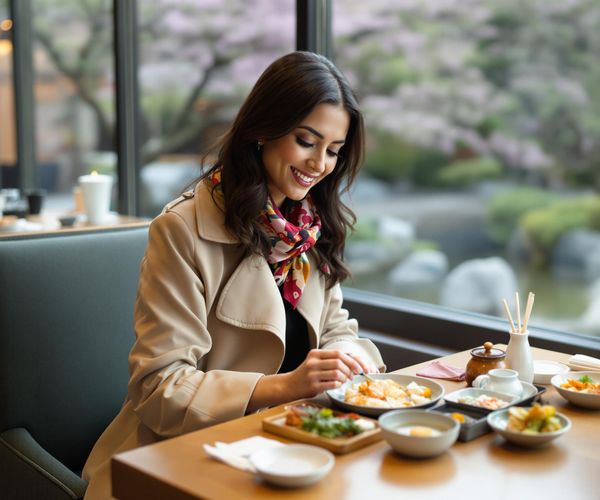 10 Day Trip
A Solo Cultural Exploration in Kyoto
Discover Kyoto's cultural treasures with Fatima Berrada on a solo adventure, staying at Tomoya Residence Hotel for a blend of comfort and tradition.
10 Day Trip
A Solo Cultural Exploration in Kyoto
Discover Kyoto's cultural treasures with Fatima Berrada on a solo adventure, staying at Tomoya Residence Hotel for a blend of comfort and tradition.
 5 Mar 2025
By Fatima Berrada -
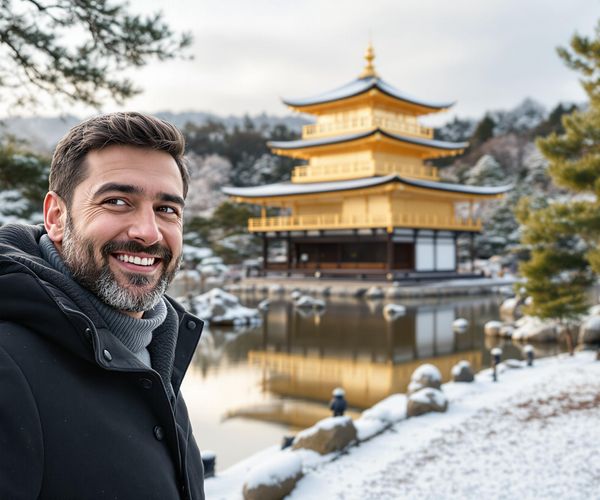 9 Day Trip
Solo Exploration of Kyoto's Cultural Heritage
Discover the rich history and vibrant culture of Kyoto with a solo journey, exploring iconic landmarks and embracing sustainable travel practices.
9 Day Trip
Solo Exploration of Kyoto's Cultural Heritage
Discover the rich history and vibrant culture of Kyoto with a solo journey, exploring iconic landmarks and embracing sustainable travel practices.
 20 Feb 2025
By Nuno Ferreira -
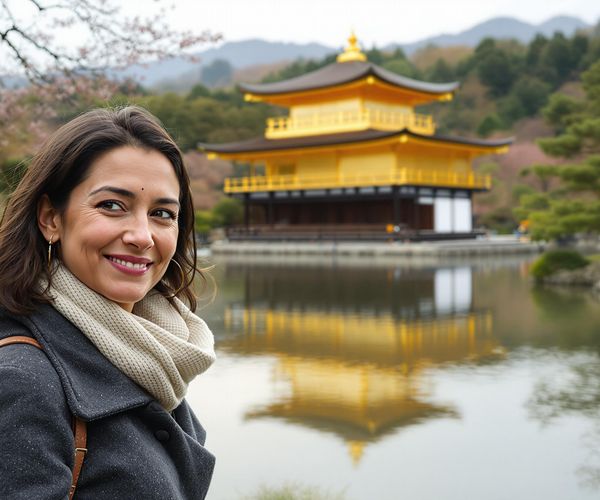 14 Day Trip
Carmen's Solo Adventure Through the Historical Wonders of Kyoto
Explore Kyoto's rich history and culture on a solo adventure, discovering ancient temples, shrines, and the heart of traditional Japan.
14 Day Trip
Carmen's Solo Adventure Through the Historical Wonders of Kyoto
Explore Kyoto's rich history and culture on a solo adventure, discovering ancient temples, shrines, and the heart of traditional Japan.
 20 Feb 2025
By Carmen Fernandez -
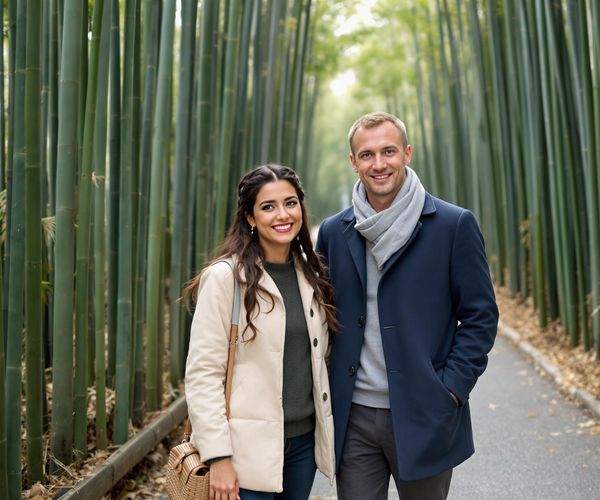 11 Day Trip
Exploring the Cultural Riches of Kyoto with Friends
Join Lucia and friends as they explore the cultural wonders of Kyoto, embracing tradition and modernity in Japan's historic heart.
11 Day Trip
Exploring the Cultural Riches of Kyoto with Friends
Join Lucia and friends as they explore the cultural wonders of Kyoto, embracing tradition and modernity in Japan's historic heart.
 15 Feb 2025
By Lucia Moreno -
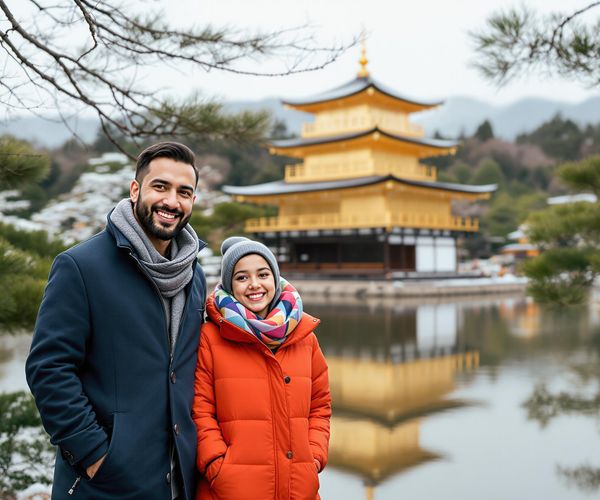 9 Day Trip
Exploring the Cultural Riches of Kyoto with Family
Join us as we explore Kyoto's historical wonders and cultural treasures with family-friendly adventures and authentic experiences.
9 Day Trip
Exploring the Cultural Riches of Kyoto with Family
Join us as we explore Kyoto's historical wonders and cultural treasures with family-friendly adventures and authentic experiences.
 15 Jan 2025
By Mohamed Ali -
 7 Day Trip
A Cultural Sojourn in Kyoto: Solo Exploration of Japan's Historic Heart
Embark on a solo cultural journey through Kyoto, exploring ancient temples, enchanting gardens, and the vibrant heart of Japan's history.
7 Day Trip
A Cultural Sojourn in Kyoto: Solo Exploration of Japan's Historic Heart
Embark on a solo cultural journey through Kyoto, exploring ancient temples, enchanting gardens, and the vibrant heart of Japan's history.
 10 Jan 2025
By Loide Johannes
Swipe for more travel diaries
Kyoto in Photos
Browse through our photo collection highlighting the charm and character of the destination.
Cities near Kyoto
The closest cities to Kyoto, if you have time for more than one stop.
-

-

-
-

-


Swipe for more cities

