

Free Mutsu Travel Guide & Mobile App
Explore Mutsu with free travel guides. Discover regional history, expert tips, proposed trips, and audio guides on web or mobile app.


Explore Mutsu on Japan’s Shimokita Peninsula for Mount Osore’s sacred landscape, Mutsu Bay seafood, forested valleys and maritime history.
Read more about Mutsu
When is the best time to visit Mutsu?
Best: June–August · 22–27°C| Month | High (°C) | Rainfall (mm) |
|---|---|---|
| January | 3 | 85 |
| February | 4 | 75 |
| March | 6 | 90 |
| April | 12 | 100 |
| May | 17 | 115 |
| June (best) | 22 | 115 |
| July (best) | 26 | 140 |
| August (best) | 27 | 155 |
| September | 23 | 170 |
| October | 18 | 135 |
| November | 10 | 105 |
| December | 5 | 90 |
Getting to and around Mutsu
How to get there
Transportation
Best attractions in Mutsu
Mutsu’s attractions are spread across a large municipality and are best understood through several contrasting landscapes. Mount Osore and Bodaiji Temple form the city’s most distinctive cultural destination, combining Buddhist pilgrimage, volcanic terrain, sulphurous pools and Lake Usori. The Yagen Valley offers a more wooded setting, with mountain scenery, hot springs and roads that follow a remote interior landscape. Around Ominato and Tanabu, visitors can explore waterfront spaces, local museums, shrines and traces of the city’s naval history. Coastal districts such as Wakinosawa provide insight into fishing communities and marine livelihoods, while Mutsu Bay is associated with scallop cultivation and changing northern seascapes. Outdoor experiences include scenic drives, short walks, hot-spring bathing and seasonal observation of forests and coastlines rather than a dense network of urban attractions. Conditions and access vary sharply with season, so mountain and temple visits require practical planning. Nearby peninsula destinations such as Hotokegaura in neighbouring Sai Village can be visited as excursions from Mutsu, but they lie outside Mutsu City and should not be confused with its own attractions.
-
Art museum
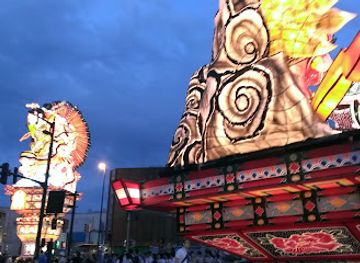
Nebuta Museum WA RASSE
Experience the heart of Aomori's culture and artistry at Nebuta Museum WA RASSE, where vibrant traditions come to life through stunning exhibits.
-
Tourist attraction
Aomori Prefecture Tourism Information Center ASPAM
Explore Aomori Prefecture at ASPAM: Your ultimate travel hub for attractions, culture, and shopping in Japan's stunning northern region.
-
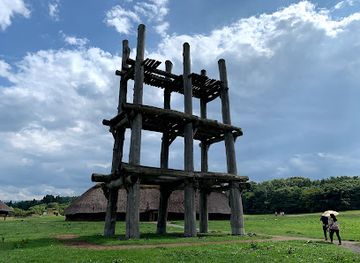
Tourist attraction
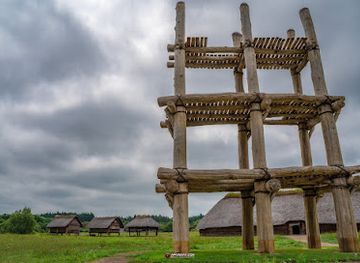
San'nai-Maruyama iseki Special Historical Site
Discover the rich history of the Jomon period at San'nai-Maruyama Iseki, a key archaeological site in Aomori, Japan.
-
Tourist attraction
Tachineputa Museum
Explore the Tachineputa Museum in Goshogawara, where tradition meets artistry, showcasing the majestic Tachineputa floats of Aomori's cultural heritage.

Best landmarks in Mutsu
Mount Osore is Mutsu’s most recognisable landmark, not only because of its stark volcanic setting but also because of its long association with Bodaiji Temple, memorial practice and pilgrimage. The temple grounds, barren mineral landscape, sulphurous pools and Lake Usori form a religious and geographical ensemble rather than a single monument. In Ominato, the harbour and naval presence express a different aspect of Mutsu’s identity, linking the city to modern maritime defence and the strategic importance of Mutsu Bay. Tanabu Shrine is an important local religious landmark, particularly during the Tanabu Festival, when its traditions connect the town with regional community life. The Yagen Valley is a natural landmark of steep forest, river scenery and hot-spring country, although its roads and facilities are subject to seasonal conditions. Across the city, fishing harbours, bay shorelines and wooded mountain approaches are less monumental but reveal the geography that has shaped settlement, work and movement on the northern peninsula.
-
Historical landmark
San'nai-Maruyama iseki Special Historical Site
Discover the ancient Jomon civilization at San'nai-Maruyama Iseki, a captivating historical site in Aomori, Japan, rich in culture and heritage.
-
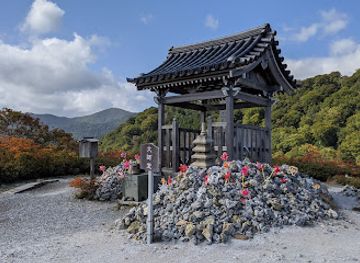
Buddhist temple
Osorezan Bodaiji Temple
Explore the serene beauty and spiritual heritage of Osorezan Bodaiji Temple - a tranquil haven for tourists in Aomori, Japan.
-
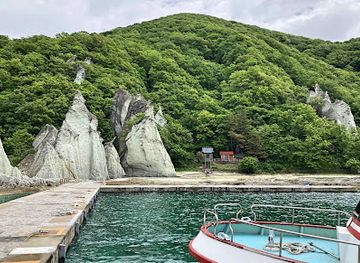
Scenic spot
Hotoke-ga-ura Rock Formations
Explore the breathtaking Hotoke-ga-ura Rock Formations in Aomori, a stunning blend of nature, adventure, and scenic beauty.
-
Archaeological museum
Jomon Jiyukan
Explore the Jomon Jiyukan Museum in Aomori for an enriching experience into Japan's ancient culture, showcasing artifacts and history from the Jomon period.
Explore Mutsu on the map
Plan your trip on one map. See where the top cities, national parks and sights are, and book hotels and experiences in a few clicks.
Best hotels in Mutsu
Best restaurants in Mutsu
Mutsu’s food culture is closely connected to Mutsu Bay, the surrounding Pacific waters and the needs of northern coastal communities. Scallops are a defining local product, appearing grilled, raw, fried or in rice-based dishes when supplies are available. Menus may also feature squid, sea urchin, crab, cod and other seasonal fish, with preparations ranging from straightforward sashimi to warming soups and hot-pot dishes. Tanabu and Ominato have the broadest choice of restaurants, izakaya, cafés and noodle shops, while smaller settlements offer more limited but often seafood-led dining. Local supermarkets and shops can be useful for picnic provisions when travelling towards mountain valleys or remote shores. Japanese staples such as ramen, sushi and donburi are widely available, but the strongest sense of place comes from asking about the day’s catch and locally farmed or landed produce. Opening patterns may be limited outside the main towns, particularly in winter, so early dining and advance planning are sensible.
-
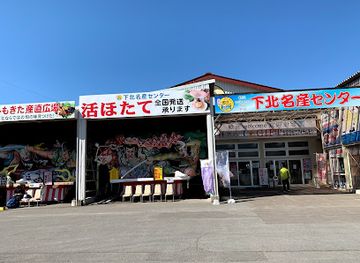
Souvenir store
Shimokita Meisan center
Discover unique souvenirs and authentic regional cuisine at Shimokita Meisan Center in Mutsu, Aomori - a perfect blend of culture and flavor.
-
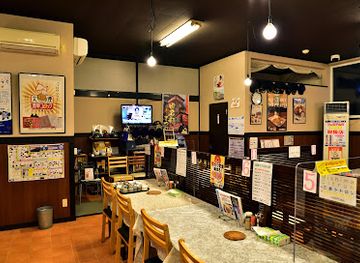
Syokudo and Teishoku restaurant
Ekimae Shokudo
Experience authentic Japanese flavors at Ekimae Shokudo - a must-visit Syokudo restaurant in Mutsu, Aomori.
-
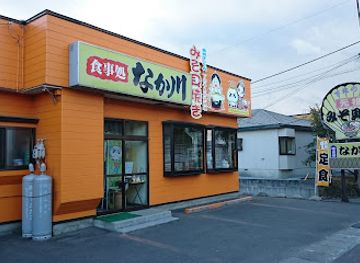
Syokudo and Teishoku restaurant
Nakagawa
Experience authentic Japanese cuisine at Nakagawa in Mutsu—where tradition meets taste in every delicious dish.
-
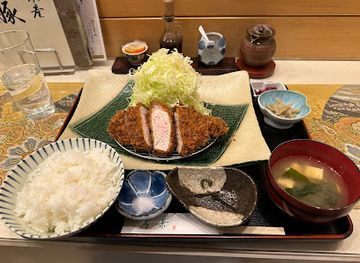
Japanese
Tonkatsu Wakana
Discover authentic Japanese tonkatsu at Tonkatsu Wakana—where flavor meets tradition in Mutsu's culinary scene.
Best bars in Mutsu
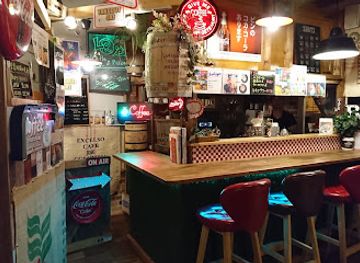
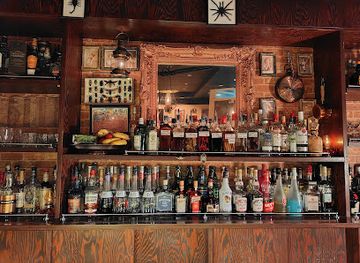
Mutsu’s evening life is modest and locally oriented rather than built around a large club scene. Tanabu and Ominato have the greatest concentration of izakaya, small bars, cafés and restaurants, where evenings centre on conversation, regional seafood and drinks rather than late-night entertainment. Traditional pubs and snack bars provide a window into the social life of the towns, while accommodation venues may offer a quieter alternative for visitors staying near the mountains or coast. Nightclubs are not a defining feature of the city, and rural districts become very quiet after dinner. Seasonal festivals and community events can add occasional evening activity, but dates and programmes vary. Visitors should remember that establishments may have limited English and may close earlier than venues in Japan’s major cities; asking at accommodation for current local recommendations is more reliable than assuming a fixed nightlife district.
-
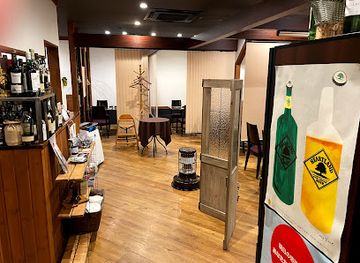
Restaurant
Pas à Pa
Experience the exquisite flavors of Pas à Pa, Mutsu's premier restaurant and wine bar, where culinary artistry meets a curated selection of wines.
-
Pizza
Catering Service L'rod
Experience the delicious flavors of pizza at Catering Service L'rod, a gem in Mutsu, Aomori, known for its fresh ingredients and friendly atmosphere.
-
Cocktail bar
BAR IBUKI
Experience the finest cocktails in Mutsu at BAR IBUKI, a charming cocktail bar offering a unique blend of Japanese hospitality and modern mixology.
-
Bar
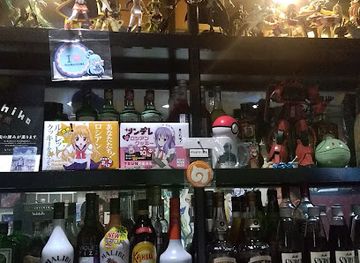
Otaku bar · Guild
Discover the enchanting Otaku Bar Guild in Mutsu, where anime culture meets vibrant nightlife for an unforgettable experience.
Best nightclubs in Mutsu
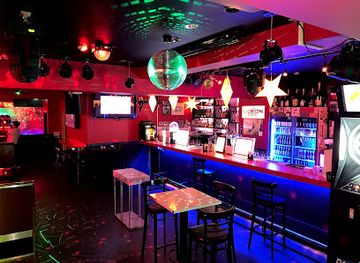
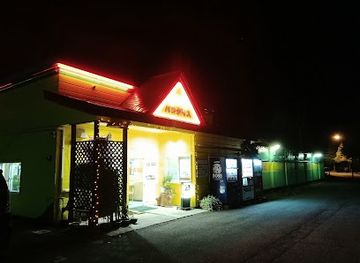
Mutsu’s evening life is modest and locally oriented rather than built around a large club scene. Tanabu and Ominato have the greatest concentration of izakaya, small bars, cafés and restaurants, where evenings centre on conversation, regional seafood and drinks rather than late-night entertainment. Traditional pubs and snack bars provide a window into the social life of the towns, while accommodation venues may offer a quieter alternative for visitors staying near the mountains or coast. Nightclubs are not a defining feature of the city, and rural districts become very quiet after dinner. Seasonal festivals and community events can add occasional evening activity, but dates and programmes vary. Visitors should remember that establishments may have limited English and may close earlier than venues in Japan’s major cities; asking at accommodation for current local recommendations is more reliable than assuming a fixed nightlife district.
-
Night club
TK
Discover the pulsating heart of Tokyo's nightlife at TK Nightclub, where unforgettable moments and vibrant energy await every night.
-
Night club
ODEON TOKYO
Discover the lively essence of Tokyo's nightlife at Odeon – a unique blend of bar, lounge, and dance club in the heart of Roppongi.
-
Concert hall
下北文化会館
Discover the artistic heart of Mutsu at Shimokita Cultural Hall, a vibrant concert venue and cafe where culture and community come alive.
-
Night club
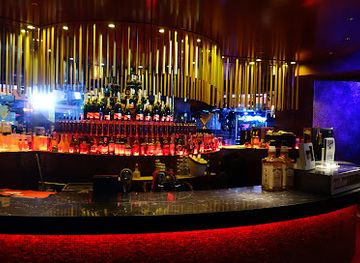
IBEX-TOKYO アイベックス トウキョウ Hip Hop, reggae, afro Night Club
Discover the pulsating nightlife of Tokyo at IBEX-TOKYO, where hip hop, reggae, and afro beats create an unforgettable club experience.

Best shops in Mutsu
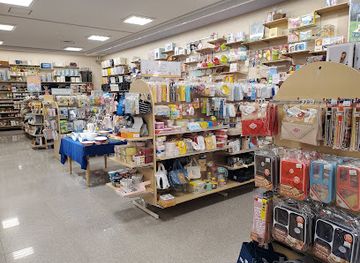
Shopping in Mutsu is practical, local and closely tied to the sea rather than centred on major fashion or luxury retail. Tanabu provides the broadest selection of everyday shops, supermarkets, cafés and small independent businesses, while Ominato has a separate waterfront and town-centre character shaped by its maritime community. Visitors can look for packaged scallops, dried seafood, seaweed, preserved fish and other northern food products, with availability varying by season and producer. Local shops and markets are useful places to buy provisions before travelling into the Yagen Valley or towards remote coastal districts. Souvenirs connected with Mount Osore and Bodaiji Temple are more appropriate to buy from established temple or local outlets than from informal sellers, and religious objects should be treated respectfully. Craft and gift choices are generally modest, with regional food products offering the clearest connection to Mutsu’s landscape and economy.
-
Magazine store
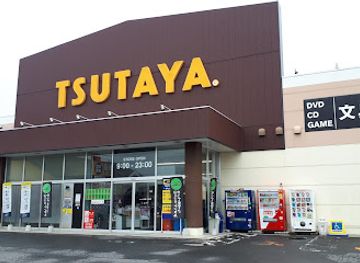
TSUTAYA Mutsuten
Explore TSUTAYA Mutsuten, Mutsu's premier destination for magazines, CDs, comics, and video games, and immerse yourself in Japanese pop culture.
-
Home improvement store
DCM Sanwa Mutsu
Discover DCM Sanwa Mutsu, your one-stop shop for home improvement, gardening, and crafts in Aomori, Japan.
-
General store
Chambre Mutsu
Explore Chambre Mutsu, a charming general store in Aomori, where local culture and delightful products await every visitor.
-
Dessert shop
Ragueneau Sasaki
Experience the taste of Aomori at Ragueneau Sasaki, a dessert shop offering a variety of traditional Japanese sweets and delightful confections.

Get your free copy of our complete guide to Mutsu, delivered straight to you.
Everything on this page, from attractions and restaurants to essentials and local phrases, in one PDF you can read offline, print or share.
Already have an account? Sign in
Your Mutsu guide is ready.
We'll send it to · Not you? Sign out

Getting your guide ready…
We are putting together a fresh copy of the Mutsu guide. This can take up to a minute.
This can take a few moments. If your browser asks, choose Allow so the download can start. You'll find the guide in your Downloads folder.
Nothing happened? Download it again
Sorry, the guide is taking longer than usual. Please try again in a minute, or get it by email instead.
Mutsu essentials
Currency and Payment
Safety
Emergency Situations
Do's and Don'ts
Local Tips
From Eve
Local phrases worth knowing
You don't need to get them perfect. A few words go a long way, and locals appreciate the effort.
Basics
| English | Local | Say it |
|---|---|---|
| Hello | こんにちは | [Konnichiwa] |
| Goodbye | さようなら | [Sayōnara] |
| Yes | はい | [Hai] |
| No | いいえ | [Iie] |
| Please/You're welcome | どうぞ | [Dōzo] |
| Thank you | ありがとう | [Arigatou] |
| Excuse me/Sorry | ごめんなさい | [Gomen nasai] |
| How are you? | お元気ですか? | [Ogenki desu ka?] |
| Fine. And you? | 元気です。あなたは? | [Genki desu. Anata wa?] |
| Do you speak English? | 英語を話せますか? | [Eigo o hanasemasu ka?] |
| I don't understand | わかりません | [Wakarimasen] |
Eating & Drinking
| English | Local | Say it |
|---|---|---|
| I'd like to see the menu, please | メニューを見せてください | [Menyū o misete kudasai] |
| I don't eat meat | 肉は食べません | [Niku wa tabemasen] |
| Cheers! | 乾杯! | [Kanpai!] |
| I would like to pay, please | お会計をお願いします | [Okaikei o onegaishimasu] |
Emergencies
| English | Local | Say it |
|---|---|---|
| Help! | 助けて! | [Tasukete!] |
| Go away! | どこかに行って! | [Doko ka ni itte!] |
| Call the Police! | 警察を呼んで! | [Keisatsu o yonde!] |
| Call a doctor! | 医者を呼んで! | [Isha o yonde!] |
| I'm lost | 迷いました | [Mayoimashita] |
| I'm ill | 具合が悪いです | [Guai ga warui desu] |
Shopping
| English | Local | Say it |
|---|---|---|
| I'd like to buy... | …を買いたいです | [… o kaitai desu] |
| I'm just looking | 見ているだけです | [Mite iru dake desu] |
| How much is it? | いくらですか? | [Ikura desu ka?] |
| That's too expensive | それは高すぎます | [Sore wa takasugimasu] |
| Can you lower the price? | 値段を下げてもらえますか? | [Nedan o sagete moraemasu ka?] |
Time & Numbers
| English | Local | Say it |
|---|---|---|
| What time is it? | 今何時ですか? | [Ima nanji desu ka?] |
| It's one o'clock | 1時です | [Ichi-ji desu] |
| Half past (10) | 10時半です | [Jū-ji han desu] |
| Morning | 朝 | [Asa] |
| Afternoon | 午後 | [Gogo] |
| Evening | 夕方 | [Yūgata] |
| Yesterday | 昨日 | [Kinō] |
| Today | 今日 | [Kyō] |
| Tomorrow | 明日 | [Ashita] |
| 1 | 一 | [Ichi] |
| 2 | 二 | [Ni] |
| 3 | 三 | [San] |
| 4 | 四 | [Shi] |
| 5 | 五 | [Go] |
| 6 | 六 | [Roku] |
| 7 | 七 | [Shichi] |
| 8 | 八 | [Hachi] |
| 9 | 九 | [Kyū] |
| 10 | 十 | [Jū] |
Transport & Directions
| English | Local | Say it |
|---|---|---|
| Where's a/the...? | …はどこですか? | [… wa doko desu ka?] |
| What's the address? | 住所は何ですか? | [Jūsho wa nan desu ka?] |
| Can you show me (on the map)? | 地図で見せてくれますか? | [Chizu de misete kuremasu ka?] |
| When's the next (bus)? | 次の(バス)はいつですか? | [Tsugi no (basu) wa itsu desu ka?] |
| A ticket (to ....) | …への切符 | [… e no kippu] |
History of Mutsu
Jomon Communities and Northern Coastal Life
The Shimokita Peninsula has been inhabited since prehistoric times, when Jomon communities combined fishing, shellfish gathering, hunting and plant use with seasonal settlement. Archaeological evidence across northern Japan shows that these societies were capable of sustained coastal exchange and sophisticated craft production, although the surviving sites around Mutsu are less internationally famous than the major Jomon centres elsewhere in Aomori. The peninsula’s bays, forests and rich marine environment continued to shape settlement patterns long after the Jomon period, establishing the close relationship between Mutsu’s communities and surrounding waters.
Medieval Northern Mutsu
For much of the medieval period, the area formed part of the wider northern territory historically known as Mutsu, a large and politically shifting region that covered much of present-day northeastern Honshu. Authority was exercised through a mixture of warrior clans, local institutions and religious foundations rather than from a single permanent centre. Roads and sea routes connected settlements around the peninsula with the wider Tohoku coast, while mountains and severe winters limited easy movement. The religious importance later attached to Osorezan developed within this broader northern landscape of pilgrimage, local belief and remote communities.
Osorezan and the Growth of Pilgrimage
Mount Osore became one of northern Japan’s most distinctive sacred landscapes through the development of Bodaiji Temple and pilgrimage traditions associated with the dead, spirits and the boundary between this world and the next. The volcanic basin’s sulphur, barren ground and lake were interpreted through Buddhist cosmology and local religious practice, giving the site an identity unlike ordinary mountain temples. Pilgrims travelled from communities across the region, and Osorezan became particularly associated with memorial rites and communication with the departed. Its importance remains visible in the temple precinct, rituals and continuing seasonal pilgrimages.
Ominato and Modern Maritime Defence
Ominato’s sheltered position on Mutsu Bay gave it strategic value during Japan’s modernisation in the late nineteenth and early twentieth centuries. The Imperial Japanese Navy developed a major presence there, and Ominato later became associated with the naval facilities that supported Japan’s northern maritime defence. The town’s history was consequently shaped by military employment, harbour infrastructure and connections with national events. After the Second World War, the area continued to have a maritime-defence role through the Japan Maritime Self-Defence Force. This legacy remains an important part of Mutsu’s modern identity.
Fishing, Whaling and Coastal Industries
The communities around Mutsu Bay and the Pacific coast developed economies based on fishing, shellfish cultivation and other marine industries. Wakinosawa, now within Mutsu City, was historically associated with whaling as well as coastal fishing, reflecting the changing importance of marine resources in northern Japan. More recently, scallop aquaculture and other fisheries have become especially significant around Mutsu Bay. These industries influenced food traditions, settlement patterns and local employment, while also exposing communities to fluctuating catches, environmental change and national shifts in Japan’s fishing economy.
Mutsu City and the Contemporary Peninsula
Mutsu City was formed through municipal mergers in the twenty-first century, bringing Tanabu, Ominato, Kawauchi, Ohata and Wakinosawa into one extensive administrative area. The result is a city with a dispersed geography ranging from urban waterfronts to remote valleys and fishing settlements. Today, tourism complements fisheries, public services and maritime employment, with Mount Osore, Yagen Valley, hot springs and coastal scenery providing its principal visitor focus. The city’s contemporary challenge is to maintain services and local communities across a large northern territory while presenting its distinctive natural and religious heritage responsibly.
Mutsu in Photos
Browse through our photo collection highlighting the charm and character of the destination.
Neighbouring regions of Mutsu
The closest regions to Mutsu, if you have time for more than one.
-

-

-

-

-


Swipe for more regions
Explore more

Explore more of Japan
Discover the harmony of tradition and modernity in Japan, where ancient temples and cutting-edge technology coexist in perfect balance.
Explore Japan