

Free Tohoku Travel Guide & Mobile App
Explore Tohoku with free travel guides. Discover regional history, expert tips, proposed trips, and audio guides on web or mobile app.


Explore Tohoku’s mountain temples, samurai towns, Pacific coast, hot springs, seasonal festivals and finely rooted regional food culture.
Read more about Tohoku
When is the best time to visit Tohoku?
Best: May–June, September · 20–24°C| Month | High (°C) | Rainfall (mm) |
|---|---|---|
| January | 4 | 40 |
| February | 4 | 35 |
| March | 8 | 55 |
| April | 15 | 75 |
| May (best) | 20 | 106 |
| June (best) | 24 | 146 |
| July | 28 | 166 |
| August | 29 | 156 |
| September (best) | 24 | 156 |
| October | 19 | 110 |
| November | 12 | 85 |
| December | 6 | 60 |
Getting to and around Tohoku
How to get there
Transportation
Destinations in Tohoku
Resorts, valleys and scenic spots worth a trip of their own.
-

-

-


Swipe for more destinations
Best attractions in Tohoku
Tohoku’s attractions range from major urban museums and gardens to remote mountain temples, hot-spring villages and working coastal communities. Sendai is a useful base for exploring the pine-covered islands of Matsushima Bay, while Hiraizumi in Iwate preserves Buddhist temples and gardens associated with the Ōshū Fujiwara. In Aomori, the Sannai Maruyama archaeological site offers a detailed introduction to Jōmon life, and the Nebuta Warasse museum explains the city’s famous illuminated festival floats. Akita’s Kakunodate is known for samurai residences and traditional streets, while Yamagata provides access to the temple complex of Yamadera and the volcanic scenery of Zao. Fukushima includes the castle town of Aizu-Wakamatsu, Lake Inawashiro and the Bandai-Asahi mountain region. Hiking, cycling, skiing, autumn foliage, fruit-picking, river scenery and onsen bathing add outdoor variety, while coastal museums and memorial parks in Iwate, Miyagi and Fukushima provide essential context for the 2011 disaster and its continuing aftermath.
-
Tourist attraction
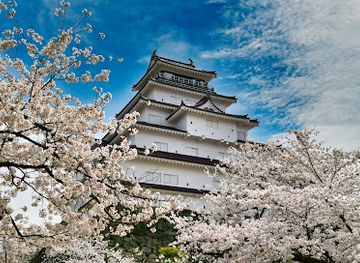
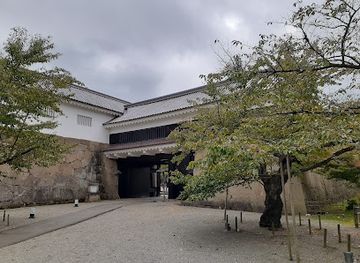
Tsuruga Castle
Explore Tsuruga Castle in Aizuwakamatsu: a symbol of samurai history with unique red-tiled roofs and stunning park views.
-
Tourist attraction
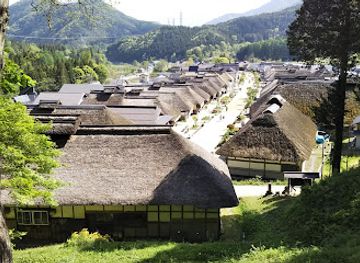
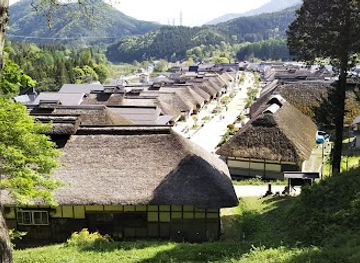
Ouchijuku
Step back in time at Ouchijuku, a beautifully preserved Edo-era post town in Fukushima, Japan, offering a unique cultural experience.
-
Tourist attraction
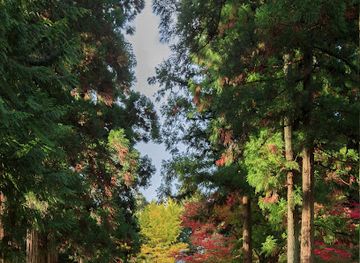
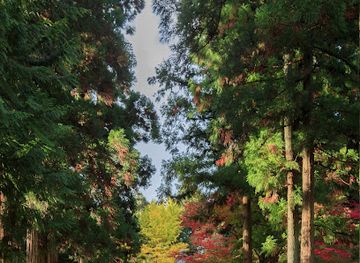
Chuson-ji
Discover a serene UNESCO World Heritage Site in Hiraizumi, featuring the dazzling Konjikido Golden Hall and exquisite Buddhist art.
-
Tourist attraction
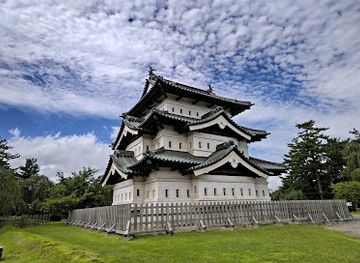
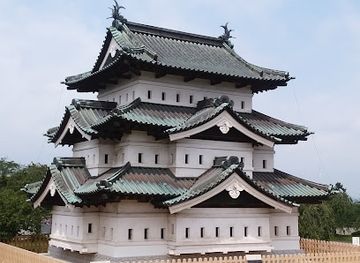
Hirosaki Castle
Discover feudal history and stunning natural beauty at Hirosaki Castle, one of Japan's top cherry blossom destinations. A must-see in Aomori.
Best landmarks in Tohoku
Tohoku’s most recognisable landmarks often combine architecture with dramatic natural settings. Matsushima Bay’s pine-covered islands form one of Japan’s celebrated scenic views, framed by temples and coastal viewpoints in Miyagi. In Iwate, Chūson-ji’s Konjikidō, a richly decorated Buddhist hall, represents the wealth and religious ambition of Hiraizumi’s medieval rulers, while Mōtsū-ji is noted for its historic Pure Land garden. Yamadera in Yamagata climbs a wooded mountainside through temple buildings, stone steps and viewpoints above the valley. Aomori’s Sannai Maruyama remains a landmark of prehistoric settlement rather than monumental architecture, and Hirosaki Castle and its surrounding park recall northern castle-town history. Tsuruga Castle in Aizu-Wakamatsu is a powerful symbol of Fukushima’s samurai past, while the volcanic cone of Mount Bandai and the Hakkōda Mountains provide defining natural silhouettes. Along the Pacific coast, memorial parks, seawalls and tsunami evacuation structures have become important contemporary landmarks, marking communities changed by the 2011 disaster.
-
Castle
Tsuruga Castle
Discover the rich history and stunning beauty of Tsuruga Castle, a historical gem in Aizuwakamatsu, Japan, showcasing feudal architecture and scenic views.
-
Tourist attraction
Ouchijuku
Explore Ouchijuku, a UNESCO World Heritage site in Japan, featuring traditional thatched-roof houses and a glimpse into the rich Edo period culture.
-
Buddhist temple
Chuson-ji
Explore the stunning Chuson-ji Temple in Hiraizumi, a UNESCO World Heritage site known for its serene beauty and rich cultural history.
-
Castle
Hirosaki Castle
Discover Hirosaki Castle, a breathtaking landmark in Aomori, renowned for its stunning cherry blossoms and rich historical significance.
Explore Tohoku on the map
Plan your trip on one map. See where the top cities, national parks and sights are, and book hotels and experiences in a few clicks.
Best hotels in Tohoku
Best restaurants in Tohoku
Tohoku’s food reflects cold winters, fertile basins, extensive rice cultivation and productive coasts. Sendai is associated with gyūtan, grilled beef tongue, while Yamagata is known for imoni, a regional stew whose ingredients and style vary across the prefecture, and for excellent cherries and other orchard fruit. Akita’s kiritanpo, grilled pounded rice served with a rich broth, is particularly suited to winter dining. Aomori contributes apples, seafood and garlic, Iwate is known for noodles and coastal produce, and Fukushima has strong ramen, rice and fruit traditions. Local soba, pickled vegetables, freshwater fish, mountain vegetables and miso-based dishes appear in rural restaurants and traditional inns. Tohoku’s sake breweries benefit from cold climates, clear water and local rice, while farmers’ markets and station food counters make regional specialities easy to sample. Dining ranges from compact noodle shops and izakaya to refined Japanese restaurants and ryokan meals.
-
Tongue restaurant
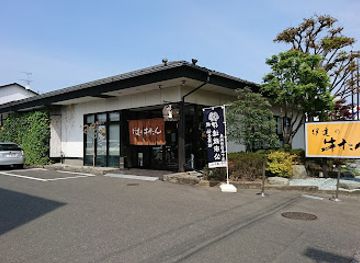
Date no Gyutan
Experience the authentic taste of Sendai at Date no Gyutan - a must-visit tongue restaurant serving exquisite meat dishes.
-
Restaurant
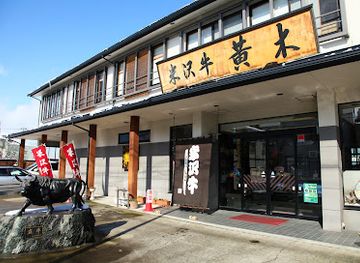
Kongokaku - Yonezawa Beef Restaurant
Experience the authentic taste of Japan at Kongokaku, where exquisite Yonezawa beef meets traditional culinary artistry.
-
 Restaurant
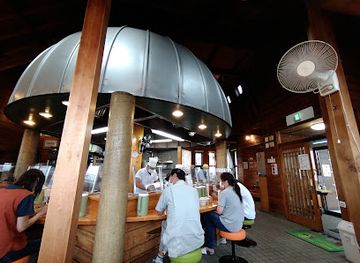
Hiraizumi Rest House
Explore Hiraizumi Rest House: A delightful fusion of authentic Japanese cuisine and cultural experiences nestled in Japan's historic heart.
-
Ramen
SAPPORO Kan
Discover Aomori's culinary treasure at SAPPORO Kan—where authentic ramen delights await every visitor.
Best bars in Tohoku
Evening life in Tohoku is concentrated in the principal cities rather than spread evenly across the countryside. Sendai has the broadest choice of izakaya, small bars, live-music venues and late-night dining, particularly around its central entertainment areas, while Aomori, Morioka, Akita, Yamagata and Fukushima offer more compact scenes shaped by local restaurants, pubs and sake bars. The region’s breweries and sake culture provide opportunities for tasting, but drinking is only one part of urban nightlife. In smaller towns and onsen resorts, evenings usually centre on a traditional inn, a local restaurant or a quiet bar rather than nightclubs. Summer festivals can transform city streets temporarily, but they are events with their own etiquette and crowd conditions rather than permanent nightlife districts. Check transport carefully when staying outside a major city, since rural buses and trains may finish early.
-
Restaurant
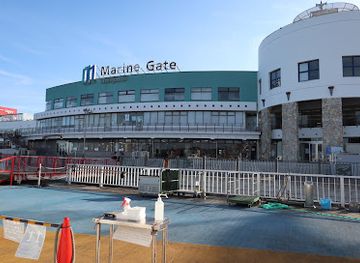
Marine Gate Shiogama
Explore Marine Gate Shiogama: A waterfront destination combining exquisite dining, shopping, and cultural experiences in Miyagi, Japan.
-
Restaurant
Hiraizumi Rest House
Experience authentic Japanese cuisine and cultural heritage at Hiraizumi Rest House, a culinary gem in the heart of Hiraizumi.
-
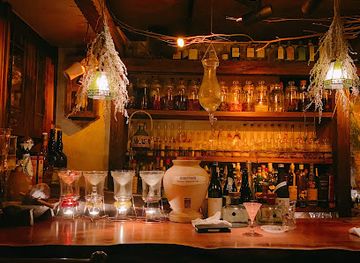
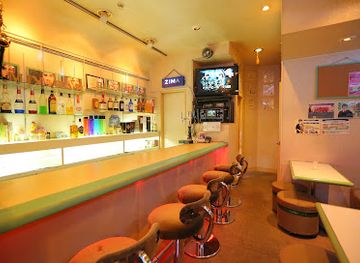
Bar
Bar Benfiddich
Discover the elegance of cocktail artistry at Bar Benfiddich, Tokyo's premier bar for unique drinks and intimate ambiance.
-
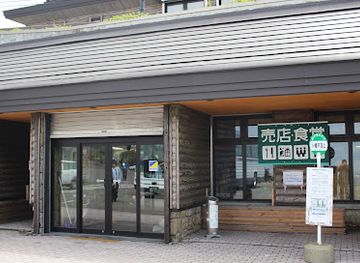
Restaurant
Hachimantai Summit Rest house (Rest area, light meal cafeteria and souvenir shop)
Experience the perfect blend of delicious udon noodles and breathtaking mountain views at Hachimantai Summit Rest House in Akita, Japan.
Best nightclubs in Tohoku
Evening life in Tohoku is concentrated in the principal cities rather than spread evenly across the countryside. Sendai has the broadest choice of izakaya, small bars, live-music venues and late-night dining, particularly around its central entertainment areas, while Aomori, Morioka, Akita, Yamagata and Fukushima offer more compact scenes shaped by local restaurants, pubs and sake bars. The region’s breweries and sake culture provide opportunities for tasting, but drinking is only one part of urban nightlife. In smaller towns and onsen resorts, evenings usually centre on a traditional inn, a local restaurant or a quiet bar rather than nightclubs. Summer festivals can transform city streets temporarily, but they are events with their own etiquette and crowd conditions rather than permanent nightlife districts. Check transport carefully when staying outside a major city, since rural buses and trains may finish early.
-
Night club
TK
Dive into the electrifying nightlife of Tokyo at TK Nightclub, a premier destination for music and unforgettable experiences in Shibuya.
-
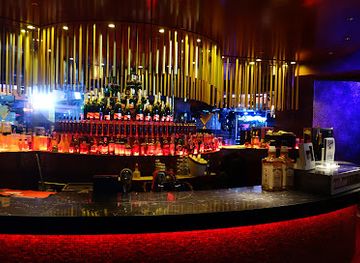
Night club
IBEX-TOKYO アイベックス トウキョウ Hip Hop, reggae, afro Night Club
Immerse yourself in the vibrant nightlife of Tokyo at IBEX-TOKYO, where hip hop, reggae, and afro beats create unforgettable memories.
-
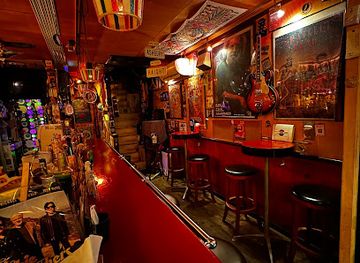
Bar
Crazy Horse Salon
Experience Aomori's vibrant nightlife at Crazy Horse Salon, an affordable bar offering a lively atmosphere and a great selection of drinks.
-
Bar
MixBar BigTree
Experience the vibrant nightlife of Akita at MixBar BigTree, where unique drinks and a cozy atmosphere await you.

Best shops in Tohoku
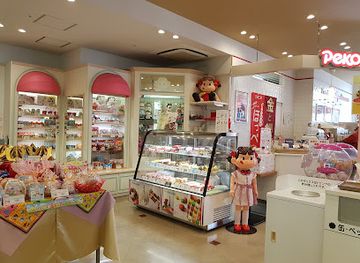
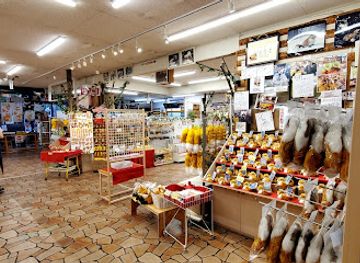
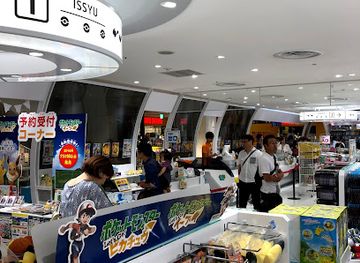
Shopping in Tohoku is strongest in station districts, covered arcades, historic market streets and the high streets of regional capitals. Sendai offers the widest urban selection, including department stores, specialist food shops, local crafts and confectionery, while smaller cities favour independent retailers, morning markets and carefully presented regional produce. Aomori apple sweets, Yamagata cherries and fruit products, Akita lacquerware, Iwate crafts, Fukushima sake and local rice snacks make distinctive gifts, subject to seasonal availability and luggage restrictions. Hirosaki and Kakunodate are useful places to look for traditional crafts and historic-town souvenirs, though the selection is more focused than in a major city. Rural markets often sell pickles, miso, mountain vegetables and handmade foods, while station shops are convenient for boxed meals and packaged specialities. Visitors should distinguish authentic regional products from generic souvenirs and check whether fresh or liquid items can be carried on their onward journey.
-
Outlet mall
Mitsui Outlet Park Sendai Port
Mitsui Outlet Park Sendai Port: A Shopping Paradise with Tax-Free Deals and Scenic Views in Sendai, Japan.
-
Souvenir store
Aomori Prefecture Tourism Information Center ASPAM
Discover Aomori's rich culture and vibrant local products at the Aomori Prefecture Tourism Information Center ASPAM.
-
Zoo
Zaō Fox Village
Discover the magic of wildlife at Zaō Fox Village, where friendly foxes await in a serene Japanese countryside setting.
-
Shopping mall
PARCO Sendai
Explore PARCO Sendai for an unmatched shopping experience featuring global brands, delicious cuisine, and local culture in the heart of Miyagi.

Get your free copy of our complete guide to Tohoku, delivered straight to you.
Everything on this page, from attractions and restaurants to essentials and local phrases, in one PDF you can read offline, print or share.
Already have an account? Sign in
Your Tohoku guide is ready.
We'll send it to · Not you? Sign out

Getting your guide ready…
We are putting together a fresh copy of the Tohoku guide. This can take up to a minute.
This can take a few moments. If your browser asks, choose Allow so the download can start. You'll find the guide in your Downloads folder.
Nothing happened? Download it again
Sorry, the guide is taking longer than usual. Please try again in a minute, or get it by email instead.
Tohoku essentials
Currency and Payment
Safety
Emergency Situations
Do's and Don'ts
Local Tips
From Eve
Local phrases worth knowing
You don't need to get them perfect. A few words go a long way, and locals appreciate the effort.
Basics
| English | Local | Say it |
|---|---|---|
| Hello | こんにちは | [Konnichiwa] |
| Goodbye | さようなら | [Sayōnara] |
| Yes | はい | [Hai] |
| No | いいえ | [Iie] |
| Please/You're welcome | お願いします | [Onegaishimasu] |
| Thank you | ありがとう | [Arigatou] |
| Excuse me/Sorry | ごめんなさい | [Gomen nasai] |
| How are you? | お元気ですか? | [Ogenki desu ka?] |
| Fine. And you? | 元気です。あなたは? | [Genki desu. Anata wa?] |
| Do you speak English? | 英語を話せますか? | [Eigo o hanasemasu ka?] |
| I don't understand | わかりません | [Wakarimasen] |
Eating & Drinking
| English | Local | Say it |
|---|---|---|
| I'd like to see the menu, please | メニューを見せてください | [Menyū o misete kudasai] |
| I don't eat meat | 肉は食べません | [Niku wa tabemasen] |
| Cheers! | 乾杯! | [Kanpai!] |
| I would like to pay, please | お会計をお願いします | [Okaikei o onegaishimasu] |
Emergencies
| English | Local | Say it |
|---|---|---|
| Help! | 助けて! | [Tasukete!] |
| Go away! | どいて! | [Doite!] |
| Call the Police! | 警察を呼んで! | [Keisatsu o yonde!] |
| Call a doctor! | 医者を呼んで! | [Isha o yonde!] |
| I'm lost | 迷いました | [Mayoimashita] |
| I'm ill | 具合が悪いです | [Guai ga warui desu] |
Shopping
| English | Local | Say it |
|---|---|---|
| I'd like to buy... | 買いたいのですが... | [Kaitai no desu ga...] |
| I'm just looking | 見ているだけです | [Mite iru dake desu] |
| How much is it? | これはいくらですか? | [Kore wa ikura desu ka?] |
| That's too expensive | それは高すぎます | [Sore wa takasugimasu] |
| Can you lower the price? | 値段を下げてくれますか? | [Nedan o sagete kuremasu ka?] |
Time & Numbers
| English | Local | Say it |
|---|---|---|
| What time is it? | 今何時ですか? | [Ima nanji desu ka?] |
| It's one o'clock | 1時です | [Ichi-ji desu] |
| Half past (10) | 10時半です | [Jū-ji han desu] |
| Morning | 朝 | [Asa] |
| Afternoon | 午後 | [Gogo] |
| Evening | 夕方 | [Yūgata] |
| Yesterday | 昨日 | [Kinō] |
| Today | 今日 | [Kyō] |
| Tomorrow | 明日 | [Ashita] |
| 1 | 1 | [Ichi] |
| 2 | 2 | [Ni] |
| 3 | 3 | [San] |
| 4 | 4 | [Shi] |
| 5 | 5 | [Go] |
| 6 | 6 | [Roku] |
| 7 | 7 | [Nana] |
| 8 | 8 | [Hachi] |
| 9 | 9 | [Kyuu] |
| 10 | 10 | [Juu] |
Transport & Directions
| English | Local | Say it |
|---|---|---|
| Where's a/the...? | どこに...がありますか? | [Doko ni... ga arimasu ka?] |
| What's the address? | 住所は何ですか? | [Jūsho wa nan desu ka?] |
| Can you show me (on the map)? | 地図で見せてくれますか? | [Chizu de misete kuremasu ka?] |
| When's the next (bus)? | 次の(バス)はいつですか? | [Tsugi no (basu) wa itsu desu ka?] |
| A ticket (to ....) | (...)までの切符 | [(...) made no kippu] |
History of Tohoku
Jōmon Communities and Northern Archaeology
Northern Tohoku preserves important evidence of the Jōmon period, when settled communities lived by a combination of fishing, hunting, gathering and cultivation over many centuries. The Sannai Maruyama site near Aomori is one of Japan’s best-known archaeological settlements, with remains of large structures, dwellings and storage facilities. Along with other sites in northern Japan, it demonstrates that complex communities existed in the region long before the formation of the historic Japanese state. The Northern Jōmon Sites were collectively inscribed as a UNESCO World Heritage property in 2021, giving international recognition to Tohoku’s deep prehistoric legacy.
Imperial Expansion and the Emishi Frontier
From the Nara and Heian periods, the central court sought to extend its authority into the north-east, a process that involved military campaigns, fortified settlements and changing relationships with the Emishi peoples. Taga Castle in Miyagi was an important administrative and military centre on this frontier, while the wider region remained distinct from the political heartlands around Kyoto. Over time, Buddhism, official institutions, agriculture and trade spread further north, but Tohoku’s frontier character continued to influence its political and cultural development.
Hiraizumi and the Ōshū Fujiwara
In the late eleventh and twelfth centuries, the Ōshū Fujiwara family made Hiraizumi in southern Iwate a wealthy political and cultural centre. Its power was built partly on control of northern resources and trade, and its leaders sponsored Buddhist temples and gardens on an ambitious scale. Chūson-ji, Mōtsū-ji and the ruins of Kanjizaiō-in reflect an ideal of a Buddhist Pure Land expressed through architecture and landscape. The city was destroyed after the defeat of the family by Minamoto no Yoritomo in 1189, but its surviving monuments and archaeological remains became a UNESCO World Heritage Site in 2011.
Castle Towns and the Edo Period
During the Tokugawa shogunate, Tohoku was divided among domains ruled by regional lords, including the Date domain centred on Sendai, the Satake domain in Akita and the Aizu domain in western Fukushima. Castle towns structured administration, commerce and social life, while rice cultivation, mining, forestry and regional trade supported local economies. The Kitamaebune trading routes connected ports on the Sea of Japan with markets elsewhere in the archipelago. Historic districts, gardens, storehouses and festival traditions in places such as Sendai, Hirosaki, Aizu-Wakamatsu and Kakunodate retain aspects of this period.
The Boshin War and Aizu Memory
The political upheaval surrounding the Meiji Restoration reached Tohoku dramatically during the Boshin War of 1868–69. Aizu-Wakamatsu remained loyal to the shogunate and endured a siege before its castle fell. The conflict left a lasting regional memory, particularly in Fukushima, where stories of the Aizu domain, the Byakkotai and the treatment of former shogunate territories shaped later identity. Tsuruga Castle and related museums present this history, while the episode also illustrates the uneven and contested process by which the new Meiji state consolidated authority across Japan.
Modernisation, Industry and Railways
During the late nineteenth and twentieth centuries, railways linked Tohoku more closely with Tokyo and other parts of Japan, transforming the movement of people, rice, timber, minerals and manufactured goods. Mining developed in several districts, while agriculture remained fundamental, with rice, apples, cherries and other crops well suited to local climates. Ports and coastal industries expanded, and cities such as Sendai grew as administrative and educational centres. These changes brought economic integration but did not erase the strong local identities of Tohoku’s prefectures, dialect areas and rural communities.
The 2011 Great East Japan Earthquake and Tsunami
On 11 March 2011, a powerful undersea earthquake off the Pacific coast triggered a devastating tsunami across northeastern Japan. Coastal communities in Iwate, Miyagi and Fukushima suffered extensive loss of life, displacement and destruction, while the Fukushima Daiichi nuclear accident created a separate and continuing legacy of evacuation, remediation and debate. Reconstruction has reshaped ports, roads and waterfronts, and museums and memorial parks now document the disaster. Visiting these places respectfully helps explain both the scale of the event and the continuing work of affected communities.
Tohoku in Photos
Browse through our photo collection highlighting the charm and character of the destination.
Neighbouring regions of Tohoku
The closest regions to Tohoku, if you have time for more than one.
-

-

-

-

-


Swipe for more regions
Explore more

Explore more of Japan
Discover the harmony of tradition and modernity in Japan, where ancient temples and cutting-edge technology coexist in perfect balance.
Explore Japan