

Free Tango Travel Guide & Mobile App
Explore Tango with free travel guides. Discover regional history, expert tips, proposed trips, and audio guides on web or mobile app.


Explore northern Kyoto’s Tango region for Amanohashidate, Ine’s boathouses, seafood, hot springs, textile heritage and Sea of Japan landscapes.
Read more about Tango
When is the best time to visit Tango?
Best: May–June, October · 23–27°C| Month | High (°C) | Rainfall (mm) |
|---|---|---|
| January | 8 | 50 |
| February | 8 | 60 |
| March | 12 | 85 |
| April | 18 | 105 |
| May (best) | 23 | 130 |
| June (best) | 27 | 155 |
| July | 31 | 205 |
| August | 31 | 185 |
| September | 28 | 165 |
| October (best) | 23 | 125 |
| November | 16 | 90 |
| December | 11 | 60 |
Getting to and around Tango
How to get there
Transportation
Best attractions in Tango
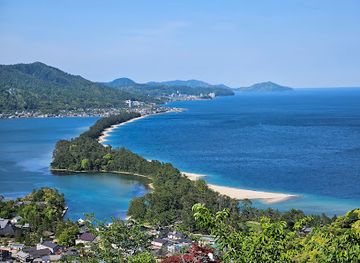
Tango’s attractions combine coastal scenery, maritime culture and inland heritage rather than concentrating in one large city. Amanohashidate is the regional centrepiece, offering a pine-lined sandbar, bay views, walking routes and elevated viewpoints on either side of Miyazu Bay. In Ine, waterfront lanes and traditional funaya provide an insight into a settlement where boats were historically kept beneath homes. Kyotango adds beaches, fishing ports, sea cliffs, rural landscapes and hot-spring accommodation, with the character changing between the eastern bays and the more open western coast. Visitors interested in history can explore temples, shrines, castle remains, ancient burial mounds and museums connected with local life and industry. Textile heritage is particularly important around Yosano, where Tango chirimen offers a window into silk production. Cycling, coastal walks, bathing, boat excursions and seasonal seafood experiences are practical ways to engage with the landscape. Because attractions are dispersed, the region is better approached as a sequence of linked areas than as a single sightseeing circuit.
-
Amusement park
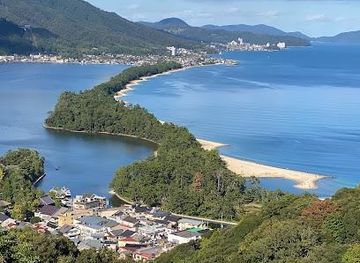
Amanohashidate Viewland
Experience stunning views and family-friendly fun at Amanohashidate Viewland, a must-visit amusement park in Miyazu, Kyoto.
-
Tourist attraction
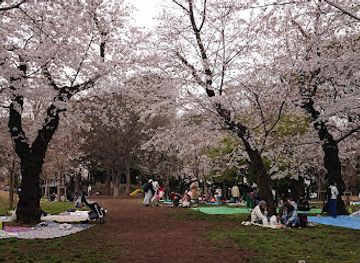
Asukayama Park
Discover Tokyo's historic Asukayama Park: Cherry blossoms, museums, railway exhibits, and family fun await in this tranquil Kita Ward escape.
-
Scenic spot
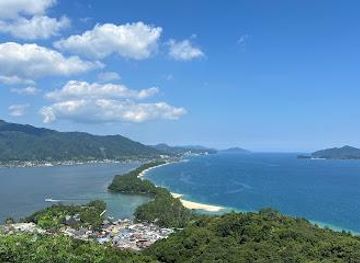
Amanohashidate
Discover Amanohashidate: Walk or cycle across a pine-covered sandbar, experience breathtaking views, and immerse yourself in Japanese mythology and natural beauty.
-
Park
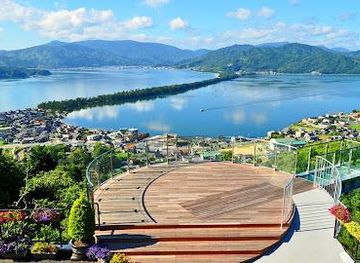
Amanohashidate Kasamatsu Park
Experience the magic of Amanohashidate from Kasamatsu Park: breathtaking views, ancient legends, and the birthplace of 'matanozoki'.
Best landmarks in Tango
Amanohashidate is Tango’s defining geographical landmark: its long, pine-covered sandbar divides Miyazu Bay from the open Sea of Japan and has been celebrated in Japanese landscape tradition for centuries. The views from the surrounding hills explain its importance more clearly than photographs taken at ground level. Ine’s continuous waterfront line of funaya is another highly distinctive landmark, with boat garages below living quarters creating an architectural relationship between homes and the sea. Miyazu’s castle-town setting, bay and historic religious sites reflect its former political and maritime role, even though the original castle has disappeared. In Yosano, ancient kofun burial mounds preserve evidence of powerful communities that occupied the region long before modern towns existed. The coastal cliffs, bays and fishing harbours of Kyotango form a broader natural landmark system, marked by the contrast between sheltered inlets and exposed Sea of Japan shore. Traditional textile workshops and surviving rural buildings add a human scale to these larger geographical and historical features.
-
Observation deck
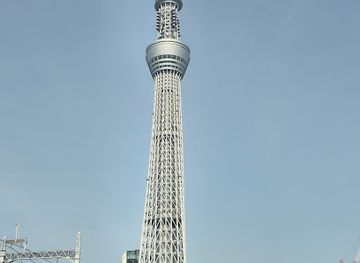
Tokyo Skytree
Experience breathtaking views of Tokyo from the iconic Tokyo Skytree, Japan's tallest structure and a hub for culture, shopping, and dining.
-
Observation deck
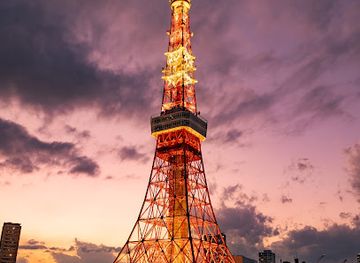
Tokyo Tower
Explore Tokyo Tower, a striking landmark that offers breathtaking views, cultural exhibits, and shopping experiences at the heart of Japan's bustling capital.
-
Castle
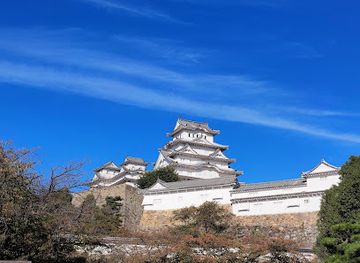
Himeji Castle
Discover Himeji Castle, a UNESCO World Heritage Site, and experience the beauty of Japan's feudal architecture and rich history.
-
Shinto shrine
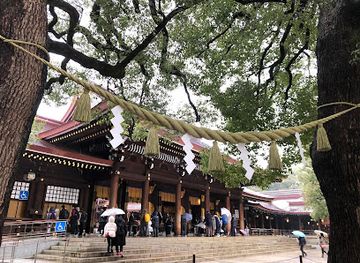
Meiji Jingu
Discover the tranquility of Meiji Jingu, Tokyo's serene Shinto shrine, surrounded by lush forests and steeped in cultural heritage.
Explore Tango on the map
Plan your trip on one map. See where the top cities, national parks and sights are, and book hotels and experiences in a few clicks.
Best hotels in Tango
Best restaurants in Tango
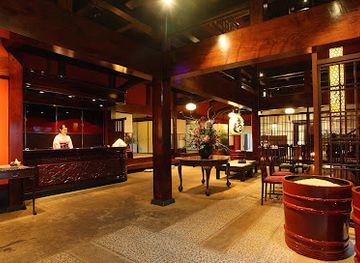
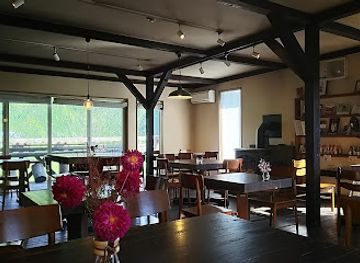
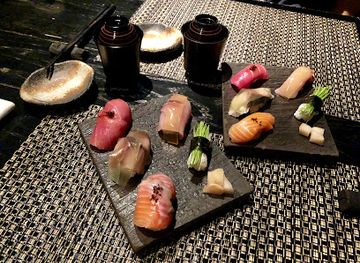
Tango’s food culture is shaped by the Sea of Japan, rice-growing valleys and a long tradition of household-scale production. Seasonal seafood is central, with crab particularly associated with the colder months, alongside fish, shellfish and other catches served in ryokan meals and local restaurants. Inland dining makes use of rice, vegetables, mushrooms, pickles and fermented ingredients, while locally made sake complements both seafood and traditional Japanese cuisine. Amanohashidate and Miyazu have restaurants and cafés aimed at day visitors, whereas Ine and Kyotango offer a more intimate selection concentrated around accommodation, ports and small settlements. Traditional inns often provide the most comprehensive regional menus, but visitors can also find bakeries, renovated-house cafés and informal noodle or set-meal restaurants. Look for dishes and products carrying Tango or northern Kyoto provenance, including locally produced rice, seafood and foods connected with rural agriculture. Opening arrangements can be limited outside the main towns, so dinner reservations are sensible in remote areas.
-
Japanese
Toufuya Ukai
Experience authentic kaiseki dining at Toufuya Ukai, where tradition meets culinary artistry in Tokyo's vibrant Minato City.
-
Dairy farm
Tango Jersey Farm
Experience authentic Japanese rural charm at Tango Jersey Farm - indulge in fresh dairy delights, delicious pizzas, and homemade ice cream.
-
Fusion restaurant
Ninja Tokyo
Discover Ninja Tokyo: Where Traditional Japanese Cuisine Meets Innovative Fusion Flavors in an Enchanting Setting.
-
American
Tony Roma's
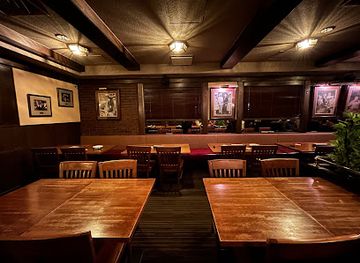
Experience authentic American barbecue at Tony Roma's in Roppongi—where delicious flavors meet vibrant atmosphere.
Best bars in Tango
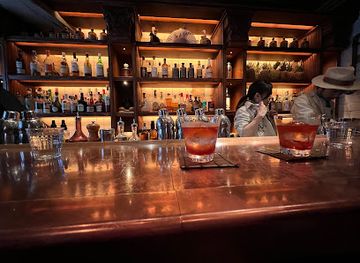
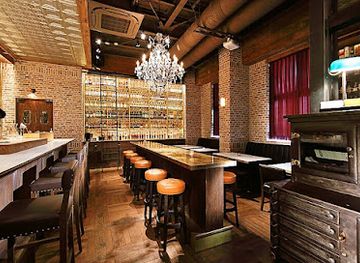
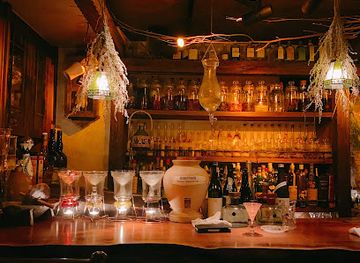
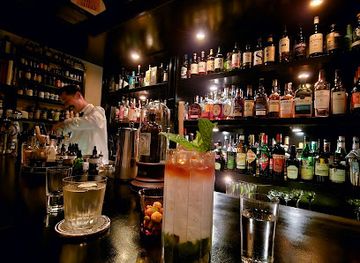
Evening life in Tango is quieter than in Kyoto or Osaka and is centred on traditional inns, small restaurants, local pubs and cafés rather than a large nightclub scene. Miyazu provides the broadest choice of casual evening venues, while Amanohashidate and Kyotango tend to wind down early outside holiday periods. In Ine and smaller fishing communities, the evening experience is primarily tied to accommodation, seafood dining and the waterfront atmosphere rather than a dedicated entertainment district. Some lodging houses serve local sake and regional drinks, and occasional live performances or community events may add seasonal interest, but these should not be assumed to operate on a fixed schedule. Visitors staying in ryokan can experience a structured dinner and bathing-focused evening, whereas a self-catering stay may require advance planning for food. Respect residential quiet, particularly around the funaya and village lanes, and remember that alcohol is not necessary to appreciate Tango’s night-time character.
-
Bar
The SG Club
Discover The SG Club, Tokyo's premier cocktail bar in Shibuya, where creativity meets taste in a vibrant atmosphere.
-
Grill
TOKYO Whisky Library
Explore the extensive whisky collection and exquisite cuisine at TOKYO Whisky Library, a culinary gem in the heart of Tokyo.
-
Bar
Bar Benfiddich
Explore the exquisite cocktail artistry at Bar Benfiddich, Tokyo's hidden gem for a unique nightlife experience in Shinjuku.
-
Cocktail bar
Bar TRENCH
Experience the art of cocktail making at Bar TRENCH, Tokyo's premier cocktail bar, where unique drinks meet an enchanting atmosphere.
Best nightclubs in Tango
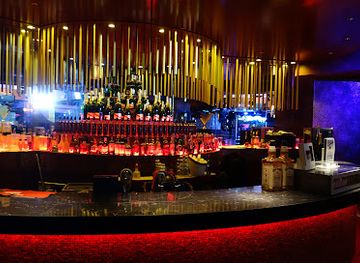
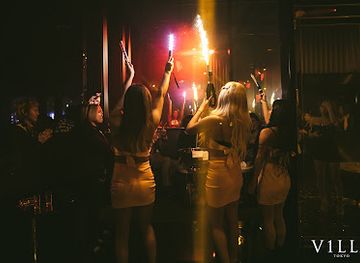
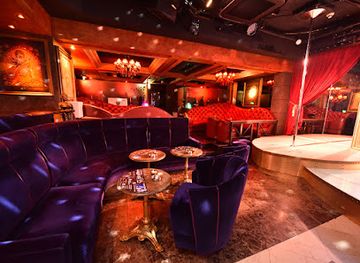
Evening life in Tango is quieter than in Kyoto or Osaka and is centred on traditional inns, small restaurants, local pubs and cafés rather than a large nightclub scene. Miyazu provides the broadest choice of casual evening venues, while Amanohashidate and Kyotango tend to wind down early outside holiday periods. In Ine and smaller fishing communities, the evening experience is primarily tied to accommodation, seafood dining and the waterfront atmosphere rather than a dedicated entertainment district. Some lodging houses serve local sake and regional drinks, and occasional live performances or community events may add seasonal interest, but these should not be assumed to operate on a fixed schedule. Visitors staying in ryokan can experience a structured dinner and bathing-focused evening, whereas a self-catering stay may require advance planning for food. Respect residential quiet, particularly around the funaya and village lanes, and remember that alcohol is not necessary to appreciate Tango’s night-time character.
-
Night club
TK
Experience the vibrant nightlife of Shibuya at TK Nightclub, where great music, drinks, and unforgettable memories await every night.
-
Night club
Ammona
Immerse yourself in the vibrant nightlife of Osaka at Ammona, where music, dance, and unforgettable experiences await every visitor.
-
Night club
V2 TOKYO
Discover the vibrant nightlife at V2 Tokyo, where world-class DJs and a stylish ambiance create an unforgettable clubbing experience.
-
Night club
TANTRA TOKYO
Discover the electrifying nightlife at TANTRA TOKYO, a premier night club offering thrilling cabaret shows and an unforgettable atmosphere in Roppongi.

Best shops in Tango
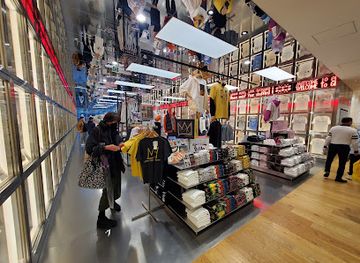
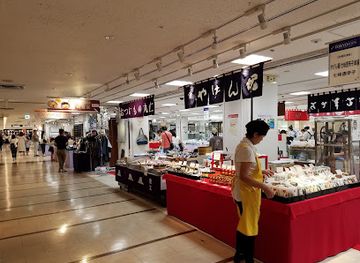
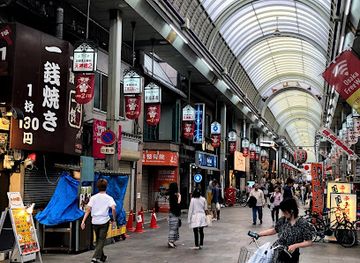
Shopping in Tango is oriented towards local products, practical craft and food rather than large-scale retail. Miyazu and Amanohashidate have souvenir shops selling regional sweets, seafood products, sake, pickles and small gifts associated with the sandbar, while market-style outlets in rural districts are useful for locally grown produce. Ine and Kyotango offer opportunities to buy marine products, rice, preserves and handmade goods, although shops may close early or operate seasonally. Tango chirimen, the region’s finely textured silk crepe, is the most distinctive craft association and can appear as fabric, accessories or finished items; specialist purchases benefit from an explanation of provenance and care. Small galleries, craft studios and renovated traditional buildings provide a more personal alternative to standard souvenirs. Sake, tea, dried seafood, rice-based foods and regional condiments travel well, but check packaging and customs rules before buying fresh or perishable products. The larger commercial centres outside Tango offer broader retail choices, but the region itself rewards shopping for goods tied to its coastline, agriculture and textile heritage.
-
Clothing store
Uniqlo Ginza Flagship Store
Discover style and innovation at the Uniqlo Ginza Flagship Store, Tokyo's premier destination for affordable fashion.
-
Scenic spot
Amanohashidate
Discover the stunning beauty of Amanohashidate, one of Japan's top scenic spots, with its breathtaking views and rich cultural experiences.
-
Department store
Tamagawa Takashimaya
Explore luxury shopping, gourmet food, and cultural experiences at Tamagawa Takashimaya, Tokyo's premier department store.
-
Business park
Tenjinbashi-suji Shopping Street
Experience Osaka's longest shopping arcade at Tenjinbashi-suji, filled with diverse shops, delicious street food, and vibrant local culture.
Get your free copy of our complete guide to Tango, delivered straight to you.
Everything on this page, from attractions and restaurants to essentials and local phrases, in one PDF you can read offline, print or share.
Already have an account? Sign in
Your Tango guide is ready.
We'll send it to · Not you? Sign out

Getting your guide ready…
We are putting together a fresh copy of the Tango guide. This can take up to a minute.
This can take a few moments. If your browser asks, choose Allow so the download can start. You'll find the guide in your Downloads folder.
Nothing happened? Download it again
Sorry, the guide is taking longer than usual. Please try again in a minute, or get it by email instead.
Tango essentials
Currency and Payment
Safety
Emergency Situations
Do's and Don'ts
Local Tips
From Eve
Local phrases worth knowing
You don't need to get them perfect. A few words go a long way, and locals appreciate the effort.
Basics
| English | Local | Say it |
|---|---|---|
| Hello | こんにちは | [Konnichiwa] |
| Goodbye | さようなら | [Sayōnara] |
| Yes | はい | [Hai] |
| No | いいえ | [Iie] |
| Please/You're welcome | どういたしまして | [Dōitashimashite] |
| Thank you | ありがとうございます | [Arigatou gozaimasu] |
| Excuse me/Sorry | すみません | [Sumimasen] |
| How are you? | お元気ですか? | [Ogenki desu ka?] |
| Fine. And you? | 元気です。あなたは? | [Genki desu. Anata wa?] |
| Do you speak English? | 英語は話せますか? | [Eigo wa hanasemasu ka?] |
| I don't understand | わかりません | [Wakarimasen] |
Eating & Drinking
| English | Local | Say it |
|---|---|---|
| I'd like to see the menu, please | メニューを見せてください | [Menyū o misete kudasai] |
| I don't eat meat | 肉は食べません | [Niku wa tabemasen] |
| Cheers! | 乾杯! | [Kanpai!] |
| I would like to pay, please | お会計をお願いします | [Okaikei o onegaishimasu] |
Emergencies
| English | Local | Say it |
|---|---|---|
| Help! | 助けて! | [Tasukete!] |
| Go away! | 去って! | [Satte!] |
| Call the Police! | 警察を呼んで! | [Keisatsu o yonde!] |
| Call a doctor! | 医者を呼んで! | [Isha o yonde!] |
| I'm lost | 迷いました | [Mayoimashita] |
| I'm ill | 具合が悪いです | [Guai ga warui desu] |
Shopping
| English | Local | Say it |
|---|---|---|
| I'd like to buy... | …を買いたいです | [… o kaitai desu] |
| I'm just looking | 見ているだけです | [Mite iru dake desu] |
| How much is it? | これはいくらですか? | [Kore wa ikura desu ka?] |
| That's too expensive | それは高すぎます | [Sore wa takasugimasu] |
| Can you lower the price? | 値段を下げてもらえますか? | [Nedan o sagete moraemasu ka?] |
Time & Numbers
| English | Local | Say it |
|---|---|---|
| What time is it? | 今何時ですか? | [Ima nanji desu ka?] |
| It's one o'clock | 1時です | [Ichi-ji desu] |
| Half past (10) | 10時半 | [Jū-ji han] |
| Morning | 朝 | [Asa] |
| Afternoon | 午後 | [Gogo] |
| Evening | 夕方 | [Yūgata] |
| Yesterday | 昨日 | [Kinō] |
| Today | 今日 | [Kyō] |
| Tomorrow | 明日 | [Ashita] |
| 1 | 1 | [Ichi] |
| 2 | 2 | [Ni] |
| 3 | 3 | [San] |
| 4 | 4 | [Shi/Yon] |
| 5 | 5 | [Go] |
| 6 | 6 | [Roku] |
| 7 | 7 | [Shichi/Nana] |
| 8 | 8 | [Hachi] |
| 9 | 9 | [Kyū] |
| 10 | 10 | [Jū] |
Transport & Directions
| English | Local | Say it |
|---|---|---|
| Where's a/the...? | …はどこですか? | [… wa doko desu ka?] |
| What's the address? | 住所は何ですか? | [Jūsho wa nan desu ka?] |
| Can you show me (on the map)? | 地図で見せてくれますか? | [Chizu de misete kuremasu ka?] |
| When's the next (bus)? | 次の(バス)はいつですか? | [Tsugi no (basu) wa itsu desu ka?] |
| A ticket (to ....) | (…までの)チケット | [(… made no) chiketto] |
History of Tango
Ancient Tombs and the Province of Tango
The northern Kyoto region has archaeological evidence of complex communities long before the modern prefectural boundaries existed. Large kofun burial mounds, including the nearby Konda-yama Kofun group around Yosano, reflect the status and connections of local elites during the Kofun period. From the seventh century, much of the area was organised as Tango Province. Its position on the Sea of Japan gave it links to neighbouring provinces and maritime routes, while fertile valleys supported rice cultivation and settlement.
Medieval Religious and Military Landscapes
During the medieval period, Tango was divided among competing military authorities and influential local families. Fortified sites and castle remains around the peninsula record the strategic importance of controlling valleys, ports and routes towards the Japan Sea. Buddhist temples and Shinto shrines also anchored village life, preserving local religious traditions that remain visible in historic settlements. The region’s geography made it both a maritime frontier and a corridor between the Japan Sea coast and the political centres farther south.
The Port Economy and Kitamaebune Trade
From the early modern period into the nineteenth century, ports along the Sea of Japan participated in the Kitamaebune shipping system. These cargo vessels carried rice, seafood, textiles and other goods between Hokkaido, western Honshu and ports on the Inland Sea. Miyazu and smaller coastal settlements benefited from this traffic, while merchants invested in houses, warehouses and local enterprises. The surviving character of several port communities reflects the wealth and maritime connections created by this trade.
Castle Towns and the Miyazu Domain
Miyazu developed as an important castle town and administrative centre under the Tokugawa shogunate, with the Miyazu domain governed at different times by several feudal families. The castle itself no longer survives, but the town’s position around the bay, its historic streets and its relationship with Amanohashidate reveal its long political and commercial importance. Domain administration, harbour activity and pilgrimage to celebrated nearby sites shaped Miyazu’s role in northern Kyoto.
Chirimen Silk and Rural Industry
Silk weaving became one of Tango’s defining industries, particularly through chirimen, a finely textured crepe fabric used in kimono and other Japanese clothing. Yosano and surrounding districts developed production networks linking sericulture, spinning, weaving and finishing. The trade brought income to rural households and helped connect inland communities with merchant markets. Although demand and production patterns have changed, textile workshops, craft knowledge and the region’s association with Tango chirimen remain important parts of its cultural identity.
Modern Transport and Regional Change
Railways, improved roads and coastal tourism transformed access to northern Kyoto during the twentieth century. The opening and later development of rail connections towards Miyazu and Amanohashidate made the area more accessible from Kyoto and the Kansai region, while seaside resorts and hot-spring accommodation expanded. At the same time, population decline and the changing economics of fishing, farming and textiles affected many rural communities. Contemporary Tango balances tourism with efforts to sustain local industries and settlement.
Tango in Contemporary Kyoto Prefecture
Today, Tango is administered within Kyoto Prefecture rather than existing as a separate political unit, but the historic name remains useful for understanding its shared landscape and identity. Maritime heritage, traditional buildings, food production, textile craft and scenic tourism connect communities that are administratively distinct. Amanohashidate’s international recognition and Ine’s boathouses have brought greater attention, while smaller coastal and farming settlements continue to express the region’s older relationship with the Sea of Japan.
Tango in Photos
Browse through our photo collection highlighting the charm and character of the destination.
Neighbouring regions of Tango
The closest regions to Tango, if you have time for more than one.
-

-

-

-

-


Swipe for more regions
Explore more

Explore more of Japan
Discover the harmony of tradition and modernity in Japan, where ancient temples and cutting-edge technology coexist in perfect balance.
Explore Japan