Lake Jūniko Travel Guide
Free Guide: Discover the serene beauty of Lake Jūniko: Hike through pristine forests and witness the enchanting blue waters of Aoike Pond.


A brief summary of Lake Jūniko
Discover the serene beauty of Lake Jūniko: Hike through pristine forests and witness the enchanting blue waters of Aoike Pond.
Lake Jūniko, or the Twelve Lakes, is a collection of 33 lakes and ponds nestled in the Shirakami Mountains of Aomori Prefecture, Japan. Formed in 1704 by an earthquake-induced landslide, the area offers stunning natural beauty, hiking trails, and the mystifyingly blue Aoike Pond.
- Address
- Matsugami, Fukaura, Nishitsugaru District, Aomori 038-2206
- Phone
- Website
Getting there
Public Transport
Walking
Driving
Discover more about Lake Jūniko
Overview
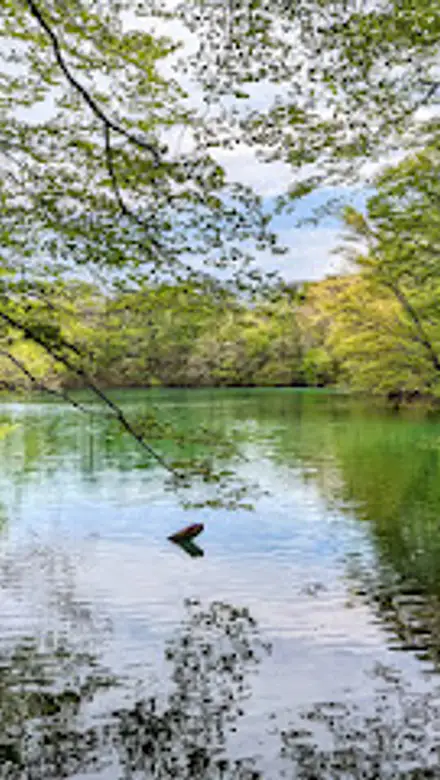
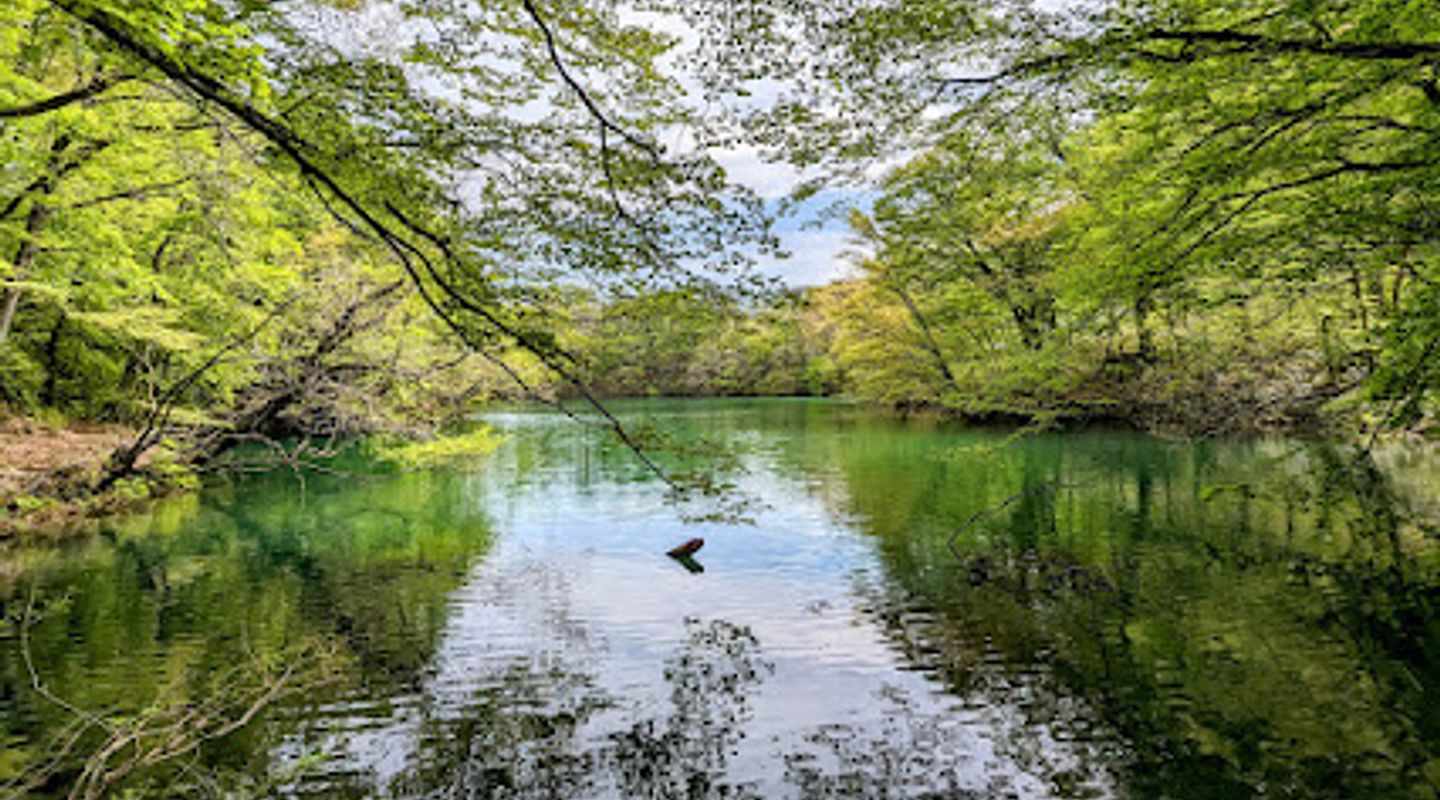
Lake Jūniko, part of the Tsugaru Quasi-National Park and bordering the Shirakami-Sanchi UNESCO World Heritage site, is a captivating destination for nature lovers. Despite its name, meaning 'Twelve Lakes,' Jūniko actually comprises 33 lakes and ponds scattered across a 4 square kilometer plateau. The name originates from the fact that only twelve lakes are visible from the summit of Mount Okuzure.The lakes were formed in 1704 when a major earthquake caused a landslide that blocked mountain streams. Today, the area is known for its pristine waters, ancient beech forests, and diverse wildlife. Hiking trails wind around the lakes, offering breathtaking views and a chance to immerse yourself in the tranquility of the forest.Aoike Pond, or Blue Pond, is the most famous of the lakes, renowned for its mesmerizing cobalt blue color. The water is so clear that you can see fallen beech trees submerged at the bottom, even at a depth of 9 meters. The reason for its unique color remains a mystery, adding to its allure. Other notable lakes include Wakitsubo Pond, known for its clear blue water, and Ketoba Pond.Visitors can explore the area year-round, with each season offering a unique perspective. Spring and summer bring lush greenery, while autumn transforms the forests into vibrant hues of red and gold. In winter, the area is covered in snow, offering opportunities for snowshoeing. The Juniko Visitor Center, located at Juniko Station, provides information about the area's geography, flora, and fauna.
Evendo Review Centre
 Google
Guest reviews
Explore Lake Jūniko on the map
A handpicked selection of must-see spots near Lake Jūniko, mapped for you.
Get your free copy of our complete guide to Lake Jūniko, delivered straight to you.
Everything on this page, from opening hours and how to get there to Eve’s tips and the best time to go, in one PDF you can read offline, print or share.
Already have an account? Sign in
Your Lake Jūniko guide is ready.
We'll send it to · Not you? Sign out

Getting your guide ready…
We are putting together a fresh copy of the Lake Jūniko guide. This can take up to a minute.
This can take a few moments. If your browser asks, choose Allow so the download can start. You'll find the guide in your Downloads folder.
Nothing happened? Download it again
Sorry, the guide is taking longer than usual. Please try again in a minute, or get it by email instead.
Other nearby places you may find interesting
The closest places of the same kind, if this one is not quite what you had in mind.
-
-
-
-
-


Swipe for more places
More to explore near Lake Jūniko

 Best experiences near Lake Jūniko
 Best hotels near Lake Jūniko
 Best landmarks near Lake Jūniko
 Best attractions near Lake Jūniko
 Best shops near Lake Jūniko
 Best restaurants near Lake Jūniko
 Best bars near Lake Jūniko
Do you manage this location?
Take control to get all the benefits, like improved information, better appearance, and stronger visibility across AI-powered discovery.
Explore more

Explore more of Tohoku
Discover Tohoku, Japan's hidden gem, where natural beauty, ancient temples, and vibrant festivals create a unique and unforgettable experience.
Explore Tohoku
Explore more of Japan
Discover the harmony of tradition and modernity in Japan, where ancient temples and cutting-edge technology coexist in perfect balance.
Explore Japan