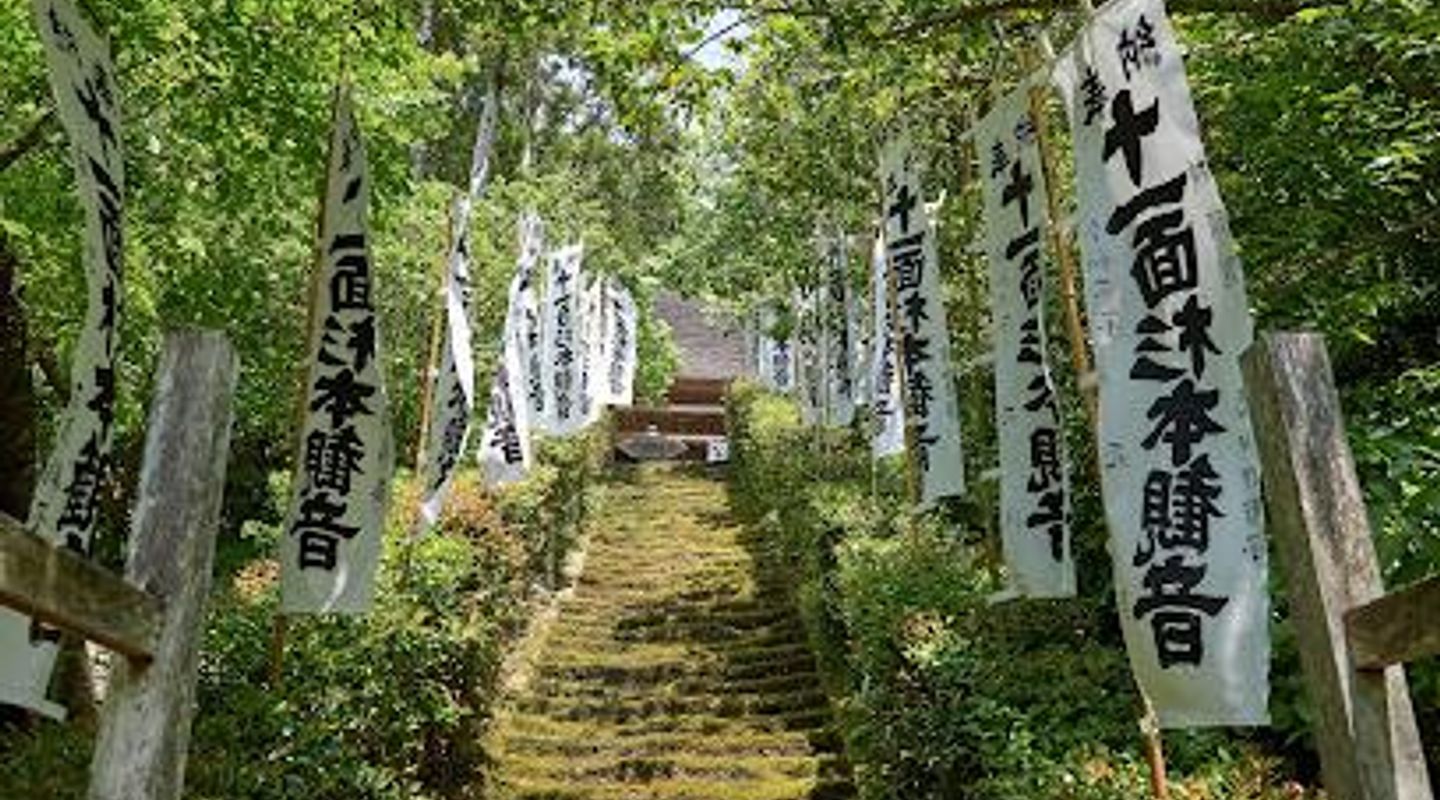
Sugimoto Temple, Sagami Travel Guide
Discover Kamakura's oldest temple, Sugimoto-dera, a serene escape with mossy steps, ancient statues, and a rich spiritual history dating back to 734.
Sugimoto-dera, reputedly Kamakura's oldest temple, offers a serene escape with its moss-covered stone steps, historic buildings, and revered Kannon statues. Founded in 734, it provides a tranquil glimpse into Japan's rich religious history and enduring spiritual traditions.
A brief summary to Sugimoto Temple
- 903 Nikaidō, Kamakura, Nikaidō, Kanagawa, 248-0002, JP
- Click to display
- Click to display
- Monday 9 am-4 pm
- Tuesday 9 am-4 pm
- Wednesday 9 am-4 pm
- Thursday 9 am-4 pm
- Friday 9 am-4 pm
- Saturday 9 am-4 pm
- Sunday 9 am-4 pm

Know before you go
Hi, I'm Eve. Here are a few practical things to know before exploring Sugimoto Temple.
- Visit during the rainy season (June-July) to see the moss-covered steps at their most vibrant.
- Attend the Goma fire ritual on the 1st or 18th of the month to view the unveiled Kannon statues.
- Combine your visit with nearby attractions like Hokoku-ji Temple and Jomyo-ji Temple for a full day of exploring.
Do you manage this location?
Take control to get all the benefits, like improved information, better appearance, and stronger visibility across AI-powered discovery. Learn more about listing your business on Evendo
Activate your presenceOther nearby places you may find interesting
The closest places of the same kind, if this one is not quite what you had in mind.



Explore Sugimoto Temple on the Map
A handpicked selection of must-see spots near Sugimoto Temple, mapped for you.
Unlock the Best of Sugimoto Temple
Buy tickets
-
No tickets available
Book tours with entry


Getting There
-
Bus
From Kamakura Station, take the Keihin Kyuko Bus (鎌23, 鎌24, or 鎌36) from the east exit. Get off at the 'Sugimoto Kannon' bus stop, a ride of about 10 minutes. The temple is a 1-minute walk from the bus stop. The bus fare is approximately ¥200.
-
Walking
From Kamakura Station, it is approximately a 30-minute walk to Sugimoto-dera Temple. Head northeast from the station, following the main road. The route is clearly marked with signs. Be aware that the walk involves some uphill sections.
Discover more about Sugimoto Temple













Your all‑in‑one travel companion app
Explore expert travel guides, compare and book tours, experiences, hotels, and more—all from the palm of your hand. Download now for seamless trip planning wherever your wanderlust takes you.


Explore More of Sagami

Looking beyond Sugimoto Temple? Discover Sagami for broader travel guides, local hot-spots, and regional highlights.
Explore Sagami