Genji Pond, Kanto Travel Guide
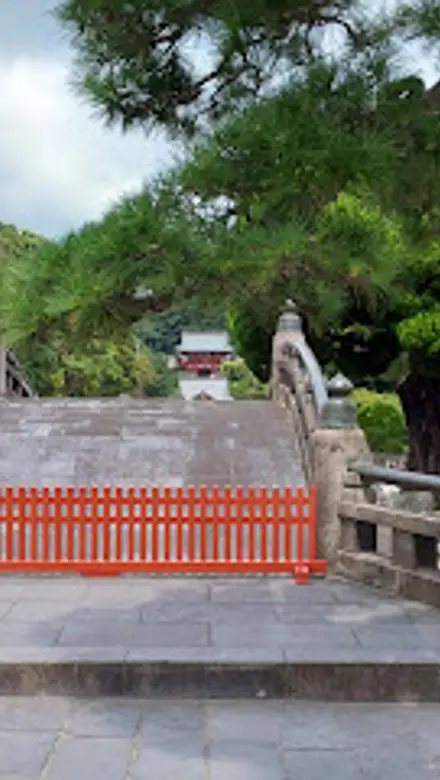
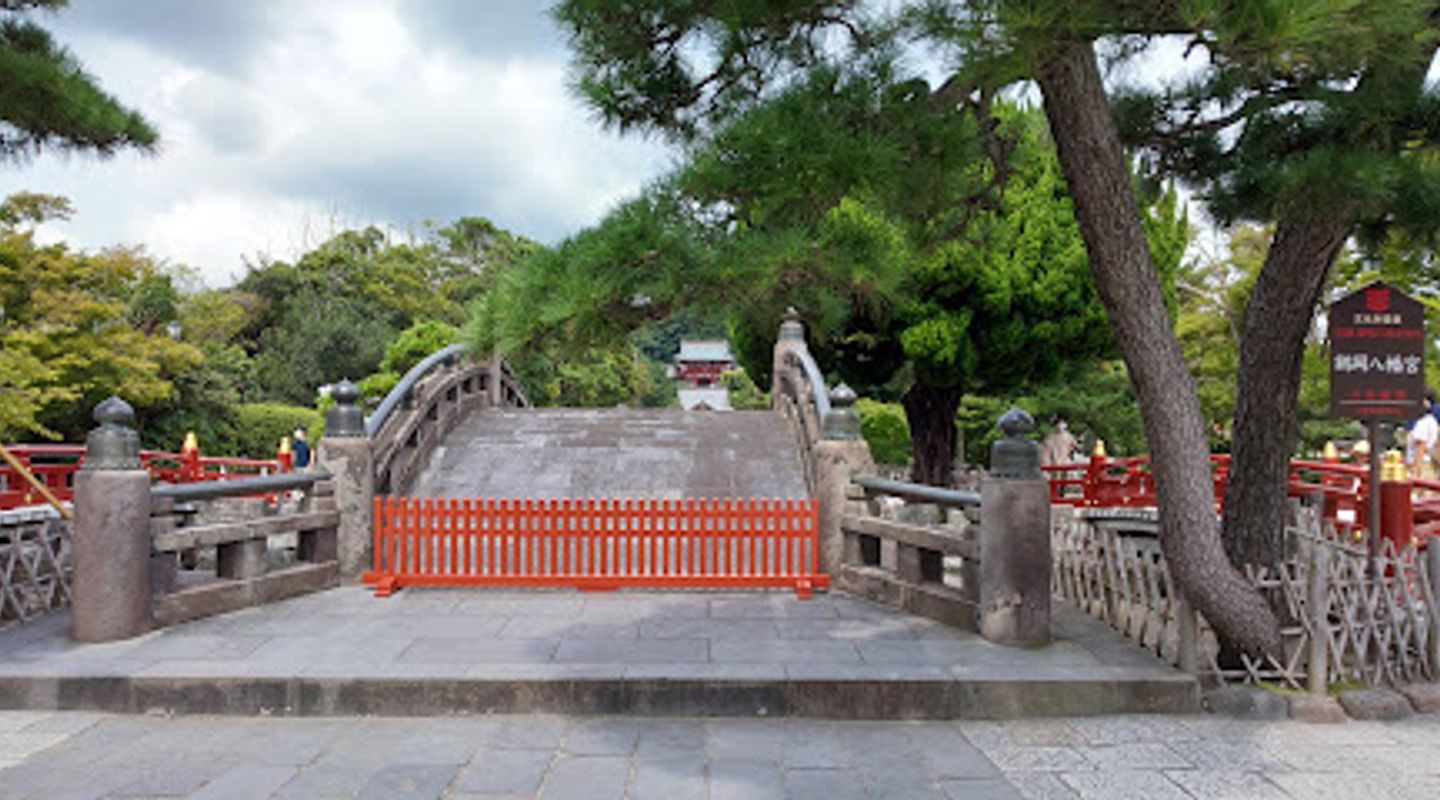
Reflecting history and serenity, Genji Pond offers a tranquil escape within Kamakura's iconic Tsurugaoka Hachimangu Shrine.
Genji Pond, located within the grounds of Kamakura's Tsurugaoka Hachimangu Shrine, is more than just a scenic pond. Created in 1182 by Minamoto no Yoritomo, it's steeped in symbolism, reflecting the rise of the Genji clan and the fall of their rivals, the Heike.
A brief summary to Genji Pond
- Yukinoshita, 2 Chome−1−31 鶴岡八幡宮内, Kamakura, 2 Chome Yukinoshita, Kanagawa, 248-0005, JP
- Click to display
- Click to display
- Monday 6 am-8:30 pm
- Tuesday 6 am-8:30 pm
- Wednesday 6 am-8:30 pm
- Thursday 6 am-8:30 pm
- Friday 6 am-8:30 pm
- Saturday 6 am-8:30 pm
- Sunday 6 am-8:30 pm

Know before you go
Hi, I'm Eve. Here are a few practical things to know before exploring Genji Pond.
- Visit early in the morning to avoid crowds and enjoy the pond's peaceful atmosphere.
- Take time to appreciate the symbolism of the lotus flowers and the arrangement of islands in the pond.
- Combine your visit with exploration of the rest of Tsurugaoka Hachimangu Shrine, including the main hall and museum.
Do you manage this location?
Take control to get all the benefits, like improved information, better appearance, and stronger visibility across AI-powered discovery. Learn more about listing your business on Evendo
Activate your presenceOther nearby places you may find interesting
The closest places of the same kind, if this one is not quite what you had in mind.
Explore Genji Pond on the Map
A handpicked selection of must-see spots near Genji Pond, mapped for you.
Getting There
-
Walking
From JR Kamakura Station, exit via the East Exit. Tsurugaoka Hachimangu Shrine is approximately a 10-15 minute walk. You can reach the shrine by walking along Wakamiya Oji Street, a central avenue lined with cherry trees, or via the bustling Komachi-dori shopping street. Genji Pond is located within the shrine grounds.
-
Public Transport
From Kamakura Station East Exit, multiple buses service the area. Check local bus routes for the most convenient option to Tsurugaoka Hachimangu Shrine. From the bus stop, Genji Pond is a short walk inside the shrine grounds. A one-day pass for unlimited use of certain buses and the Enoden train is available for around ¥570.
Discover more about Genji Pond













Your all‑in‑one travel companion app
Explore expert travel guides, compare and book tours, experiences, hotels, and more—all from the palm of your hand. Download now for seamless trip planning wherever your wanderlust takes you.


Explore More of Kanto
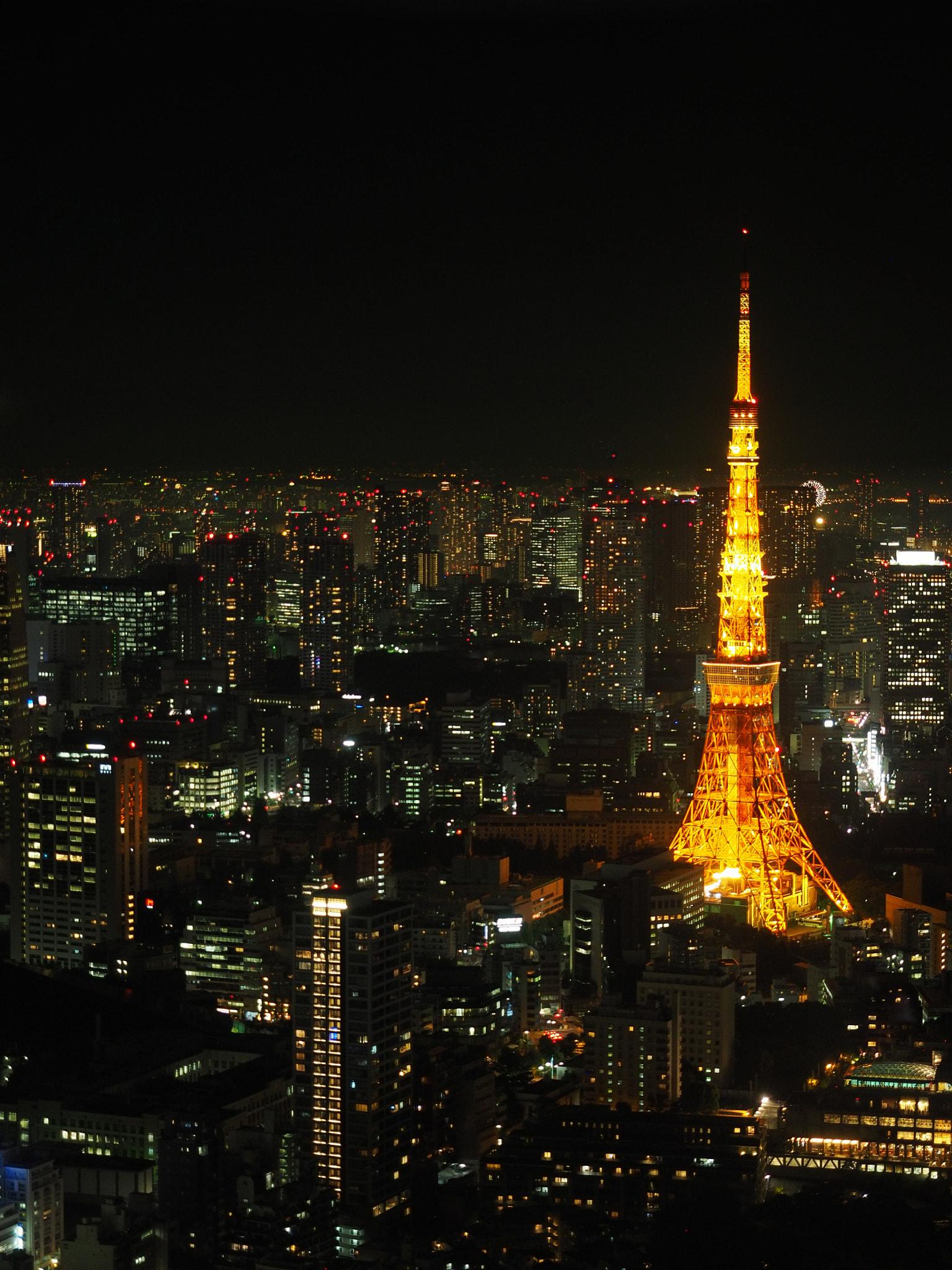
Looking beyond Genji Pond? Discover Kanto for broader travel guides, local hot-spots, and regional highlights.
Explore Kanto
Soar above Yokohama's Hakkeijima Sea Paradise for unforgettable 360° views of Tokyo Bay, Boso Peninsula, and even Mt. Fuji on clear days.
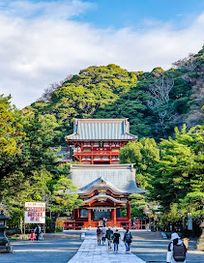
Experience the serene beauty and rich cultural heritage of Tsurugaoka Hachimangu, a premier Shinto shrine in Kamakura, Japan.