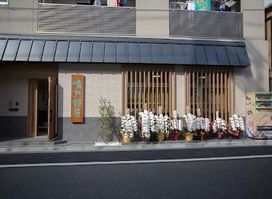
Ushijima Shrine, Tokyo Travel Guide
Discover Tokyo's Ushijima Shrine: A serene escape with healing traditions and unique architecture in the heart of Sumida Park.
Ushijima Shrine, nestled in Sumida Park, offers a serene escape in Tokyo. Founded in 860, this Shinto shrine is known for its unique 'nade-ushi' (stroking cow) statue, believed to heal ailments, and its rare three-wheeled torii gate.
A brief summary to Ushijima Shrine
- 1 Chome-4-5 Mukojima, Sumida City, 1 Chome Mukojima, Tokyo, 131-0033, JP
- Click to display
- Click to display

Know before you go
Hi, I'm Eve. Here are a few practical things to know before exploring Ushijima Shrine.
- Rub the 'nade-ushi' (stroking cow) statue for healing or good luck; tradition says to rub the part of the cow that corresponds to your ailment.
- Visit during the Ushijima Shrine Grand Festival in September for a vibrant cultural experience, featuring traditional music and processions.
- Explore Sumida Park, where the shrine is located, especially during cherry blossom season for picturesque views.
- Look for the rare Miwa Torii (three-gated torii) at the entrance, a unique architectural feature symbolizing the shrine's three deities.
- Take a moment to appreciate the intricate carvings on the hinoki cypress wood shrine buildings, showcasing traditional craftsmanship.
Do you manage this location?
Take control to get all the benefits, like improved information, better appearance, and stronger visibility across AI-powered discovery. Learn more about listing your business on Evendo
Activate your presenceOther nearby places you may find interesting
The closest places of the same kind, if this one is not quite what you had in mind.
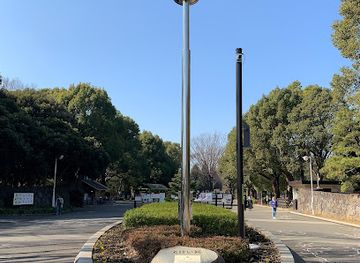

Explore Ushijima Shrine on the Map
A handpicked selection of must-see spots near Ushijima Shrine, mapped for you.
Unlock the Best of Ushijima Shrine
Buy tickets
-
No tickets available
Book tours with entry

Book tours without entry

Getting There
-
Public Transport
Ushijima Shrine is easily accessible via public transport. From Asakusa Station (Tobu Skytree, Toei Asakusa, and Ginza Subway Lines), it's approximately a 10-15 minute walk. Alternatively, take the Tobu Skytree Line to Tokyo Skytree Station or the Toei Asakusa Line to Honjo-Azumabashi Station, both about a 5-10 minute walk to the shrine. From any of these stations, follow signs for Sumida Park; the shrine is located within the park near the Kototoi Bridge. Tokyo Metro fares typically range from ¥170 to ¥320 depending on the distance [https://www.tokyometro.jp/en/ticket/fare/index.html]. Toei Subway fares are similar, starting around ¥180 [https://www.kotsu.metro.tokyo.jp/eng/fare/index.html]. Consider purchasing a day pass if you plan to use the subway extensively.
-
Walking
If you are already in the Asakusa area, walking to Ushijima Shrine is a pleasant option. From Senso-ji Temple, cross the Kototoi Bridge heading east. Ushijima Shrine is located within Sumida Park, on the east bank of the Sumida River. The walk is approximately 15-20 minutes, offering scenic views of the river and the Tokyo Skytree. No costs are associated with walking.
-
Taxi
Taxis are readily available in Tokyo. From Asakusa Station, a taxi ride to Ushijima Shrine would be relatively short, costing approximately ¥730 to ¥900, plus a possible late-night surcharge depending on the time of day [https://www.numbeo.com/cost-of-living/in/tokyo]. Be sure to provide the driver with the shrine's address: 1 Chome-4-5 Mukojima, Sumida City, Tokyo 131-0033.
Discover more about Ushijima Shrine













Your all‑in‑one travel companion app
Explore expert travel guides, compare and book tours, experiences, hotels, and more—all from the palm of your hand. Download now for seamless trip planning wherever your wanderlust takes you.


Explore More of Tokyo
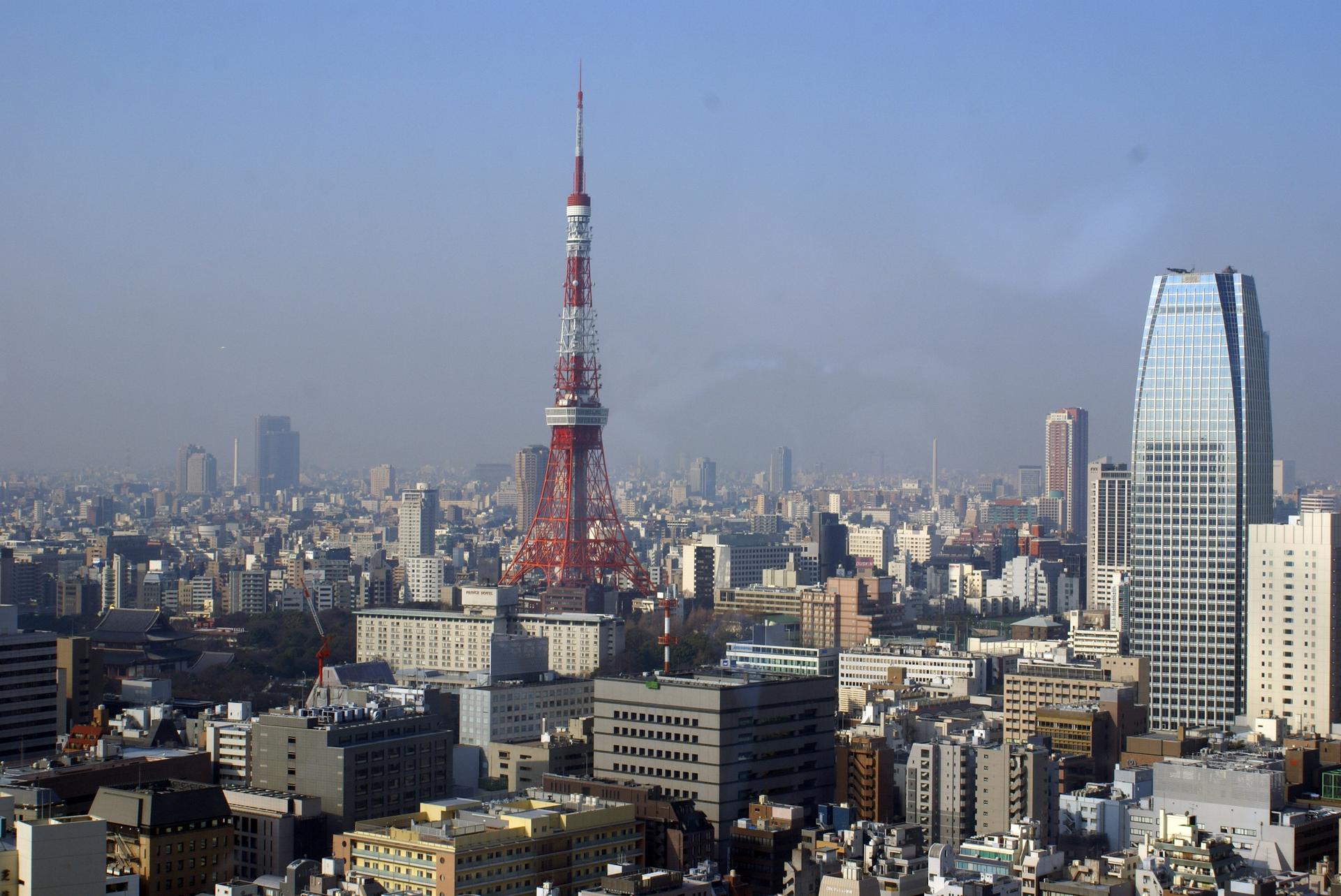
Looking beyond Ushijima Shrine? Discover Tokyo for broader travel guides, local hot-spots, and regional highlights.
Explore Tokyo