

Free Inner Bluegrass Travel Guide & Mobile App
Explore Inner Bluegrass with free travel guides. Discover regional history, expert tips, proposed trips, and audio guides on web or mobile app.


Explore Inner Bluegrass Kentucky for thoroughbred farms, historic Lexington, bourbon heritage, limestone landscapes and welcoming small towns.
Read more about Inner Bluegrass
Getting to and around Inner Bluegrass
How to get there
Transportation
Top city travel guides in Inner Bluegrass
The cities of Inner Bluegrass, and the easiest places to base yourself.
-

-


Swipe for more cities
Destinations in Inner Bluegrass
Resorts, valleys and scenic spots worth a trip of their own.
-

-

-


Swipe for more destinations
Best attractions in Inner Bluegrass
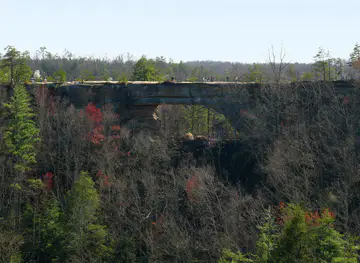
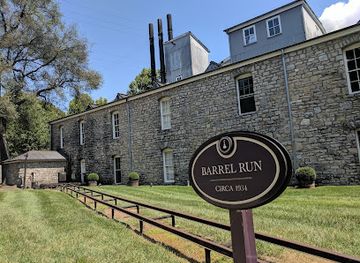
Inner Bluegrass attractions range from working horse venues and historic estates to nature reserves, museums and distilleries. Keeneland offers racing, architecture and the spectacle of thoroughbred sales, while the Kentucky Horse Park explains the practical and cultural roles of horses through exhibitions, demonstrations and outdoor displays. In Lexington, the Mary Todd Lincoln House and Ashland, the former estate of Henry Clay, provide contrasting views of nineteenth-century domestic and political life. Downtown museums, galleries and performance spaces add an urban dimension. Outside the city, Woodford County’s distilleries connect bourbon production with the agricultural landscape, and the small towns of Versailles, Midway and Georgetown are useful stops for local food, architecture and independent shops. Raven Run Nature Sanctuary protects wooded ravines, meadows and trails on Lexington’s southern edge, while the Kentucky River palisades introduce deeper gorges and limestone scenery. Farm roads, seasonal race meetings and guided visits to selected horse properties reveal a countryside that remains actively managed rather than presented merely as a scenic backdrop.
-
Convention center
Kentucky Exposition Center
Discover the dynamic Kentucky Exposition Center, the heart of Louisville's events and fairs, blending cultural experiences and modern facilities.
-
Tourist attraction
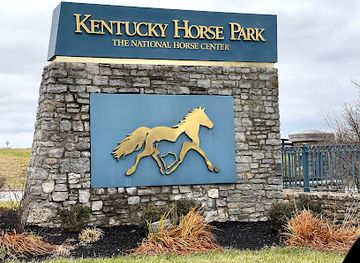
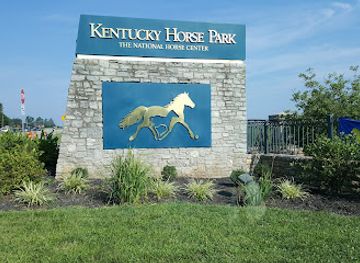
Kentucky Horse Park
Explore Kentucky Horse Park, a premier equestrian facility in Lexington, offering horse-related attractions, events, and activities for all ages.
-
Distillery
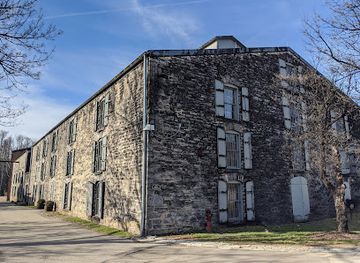
Woodford Reserve Distillery
Experience the rich heritage and craftsmanship of bourbon at Woodford Reserve Distillery, a must-visit destination for travelers to Kentucky.
-
Canoe & kayak tour agency
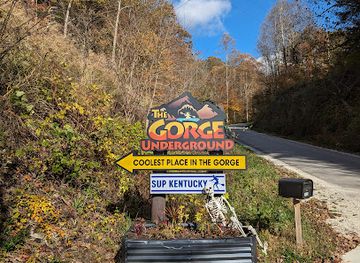
Gorge Underground
Discover the thrill of paddling through breathtaking waterways at Gorge Underground, a premier canoe and kayak tour agency in Kentucky.
Best landmarks in Inner Bluegrass
-
Tourist attraction
Kentucky Horse Park
Experience the rich equestrian culture at Kentucky Horse Park, where history, adventure, and horses come together in a breathtaking setting.
-
 Tourist attraction
Keeneland Association Inc
Discover the excitement of Keeneland, a premier racecourse in Lexington, where equestrian culture meets thrilling live horse racing amidst stunning landscapes.
-
Distillery
Woodford Reserve Distillery
Experience the rich history and exquisite flavors of Woodford Reserve Distillery, a premier destination for bourbon enthusiasts in Kentucky's Bluegrass region.
-
Historical landmark
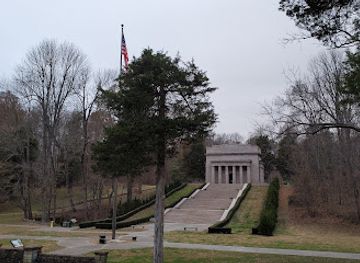
Abraham Lincoln Birthplace
Explore the birthplace of Abraham Lincoln, a testament to his enduring legacy nestled in the heart of Kentucky's historical landscape.
Explore Inner Bluegrass on the map
Plan your trip on one map. See where the top cities, national parks and sights are, and book hotels and experiences in a few clicks.
Best hotels in Inner Bluegrass
Best restaurants in Inner Bluegrass
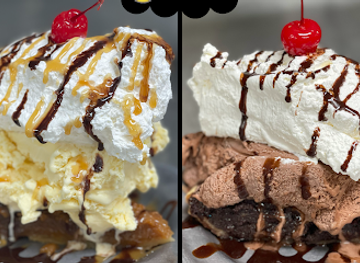
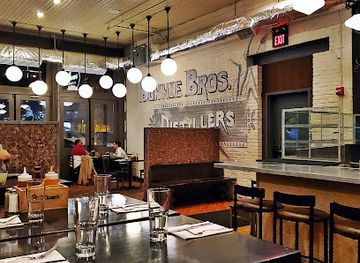
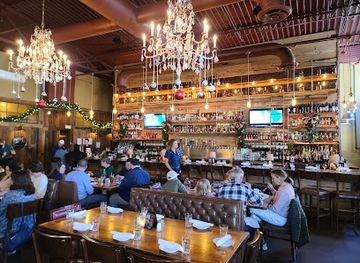
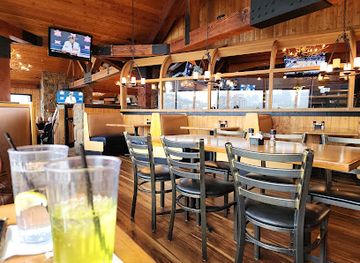
Dining in the Inner Bluegrass combines Lexington’s diverse restaurant scene with the food traditions of central Kentucky. Menus commonly draw on bourbon, locally raised meat, seasonal vegetables, country ham, biscuits, beans and other Southern staples, while barbecue and American comfort food remain important parts of the regional repertoire. Lexington has the widest choice, from cafés and bakeries to contemporary restaurants, breweries and polished dining rooms. Versailles, Midway, Georgetown and Nicholasville offer smaller collections of restaurants, cafés and rural inns, often suited to a day spent exploring nearby farms and historic sites. Farmers’ markets and farm shops provide seasonal produce, preserves, baked goods and locally made products, although availability varies by season. Bourbon may appear in sauces, desserts and cocktails, but it is only one element of the region’s culinary identity. Visitors should distinguish genuine local specialities from broader Kentucky and Southern dishes that are widely served across the United States.
-
Restaurant
Patti's 1880's Settlement
Discover Patti's 1880's Settlement: A historical dining experience with cozy accommodations nestled in Grand Rivers, Kentucky.
-
Barbecue
Doc Crow's
Experience the best of Southern BBQ and American cuisine at Doc Crow's in Downtown Louisville - where flavor meets atmosphere.
-
American
Carson's Food & Drink - On Main
Experience innovative American cuisine at Carson's Food & Drink in Lexington – a top spot for brunch enthusiasts and dinner lovers alike.
-
American
Buckhead Mountain Grill
Discover the delicious offerings at Buckhead Mountain Grill - where American flavors meet warm hospitality in Bellevue.
Best bars in Inner Bluegrass
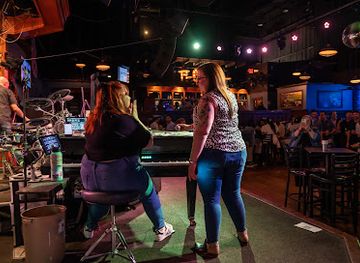
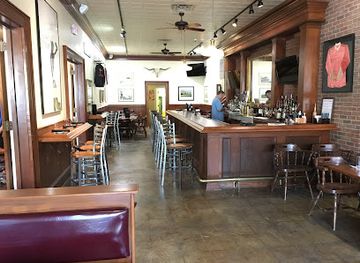
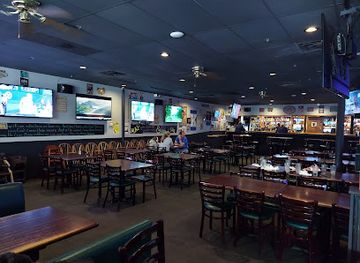
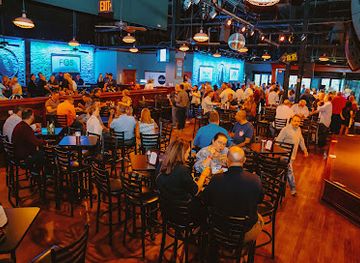
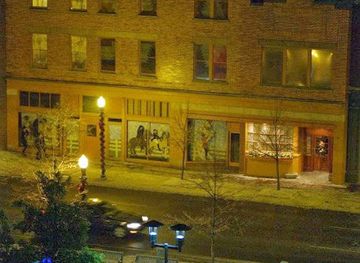
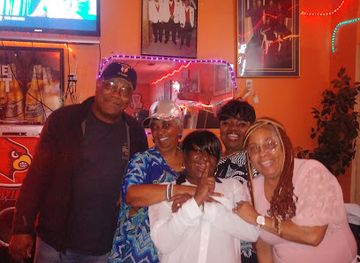
Nightlife is concentrated in Lexington, where downtown and nearby districts offer pubs, cocktail bars, breweries, live music, theatres and late-evening restaurants. The city’s university population supports a broader evening scene, although the atmosphere varies between student-oriented venues, established neighbourhood bars and more refined bourbon-focused rooms. Historic inns, local breweries and restaurants provide the principal evening options in Versailles, Midway and Georgetown, while rural areas generally become quiet after dinner. Distilleries may offer tastings or visitor experiences during the day, but they are not a substitute for late-night transport; pre-arranged rides are sensible when sampling bourbon. Racing dates, concert programmes and university calendars can make Lexington considerably busier, so visitors should check current arrangements rather than assume every venue operates nightly. The region’s evening culture is best approached as a mixture of food, conversation, music and local drink rather than as a major nightclub destination.
-
Bar
Howl at the Moon Louisville
Unleash your night at Howl at the Moon Louisville, where live music and cocktails create an unforgettable nightlife experience in Downtown.
-
American
The Brown Barrel & Blind Harry's
Discover The Brown Barrel & Blind Harry's, where fine American dining meets a vibrant bar experience in charming Midway, Kentucky.
-
Lounge
Gillum's Sports Lounge
Experience the vibrant sports culture at Gillum's Sports Lounge, where delicious food and thrilling games await in Richmond, KY.
-
Grill
Shamrock Bar and Grille
Discover Shamrock Bar and Grille, a vibrant American grill in Nicholasville, KY, offering delicious cuisine and a lively atmosphere for all visitors.
Best nightclubs in Inner Bluegrass
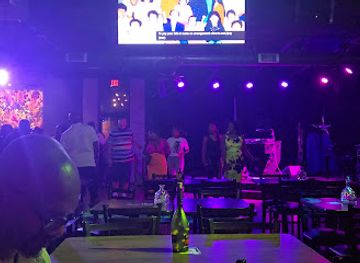
Nightlife is concentrated in Lexington, where downtown and nearby districts offer pubs, cocktail bars, breweries, live music, theatres and late-evening restaurants. The city’s university population supports a broader evening scene, although the atmosphere varies between student-oriented venues, established neighbourhood bars and more refined bourbon-focused rooms. Historic inns, local breweries and restaurants provide the principal evening options in Versailles, Midway and Georgetown, while rural areas generally become quiet after dinner. Distilleries may offer tastings or visitor experiences during the day, but they are not a substitute for late-night transport; pre-arranged rides are sensible when sampling bourbon. Racing dates, concert programmes and university calendars can make Lexington considerably busier, so visitors should check current arrangements rather than assume every venue operates nightly. The region’s evening culture is best approached as a mixture of food, conversation, music and local drink rather than as a major nightclub destination.
-
Bar
Howl at the Moon Louisville
Discover the electric atmosphere of Howl at the Moon Louisville, where live music and vibrant cocktails create unforgettable nightlife experiences.
-
Night club
The Bar Complex
Discover Lexington's vibrant nightlife at The Bar Complex, where live music and great drinks create unforgettable experiences.
-
Bar
100 Pipers Club
Discover the lively ambiance of 100 Pipers Club, a premier bar in Louisville offering great drinks, live music, and a vibrant community atmosphere.
-
Night club
The Palm Room
Experience the vibrant nightlife of The Palm Room, Louisville's premier night club with electrifying music and a lively crowd.
Best shops in Inner Bluegrass
Lexington has the Inner Bluegrass’s broadest shopping choice, including independent boutiques, bookshops, galleries, speciality food retailers and larger commercial areas. Its historic districts and downtown are particularly useful for Kentucky-made gifts, art, bourbon-related merchandise and locally produced food. Smaller centres such as Versailles, Midway and Georgetown offer a more compact selection of antiques, homewares, crafts, books and independent shops, often combined with cafés and historic architecture. Farmers’ markets and farm shops are the best places to look for seasonal produce, preserves, baked goods and regional pantry goods, with schedules changing through the year. Horse-themed gifts are widespread, but visitors should also look for locally made pottery, prints, leather goods and bourbon accessories rather than relying solely on branded souvenirs. Retail is scattered across the countryside, so verify current market days and shop arrangements before making a dedicated journey.
-
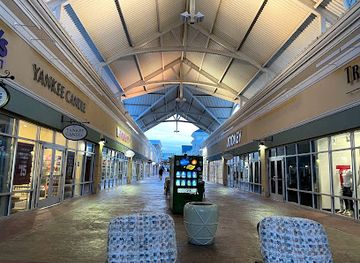
Outlet mall
The Outlet Shoppes of the Bluegrass
Explore The Outlet Shoppes of the Bluegrass for unbeatable deals and a delightful shopping experience in Kentucky.
-
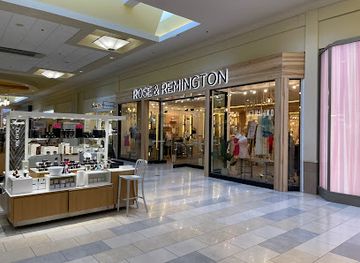
Shopping mall
Fayette Mall
Explore Fayette Mall, Lexington's premier shopping destination with diverse stores, dining, and events for an unforgettable retail experience.
-
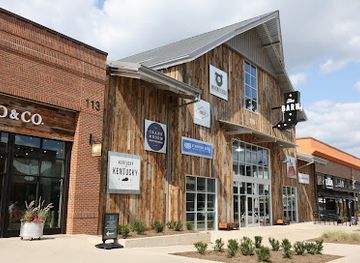
Shopping mall
The Summit at Fritz Farm
Experience the charm of The Summit at Fritz Farm, where shopping, dining, and community come together in the heart of Lexington, KY.
-
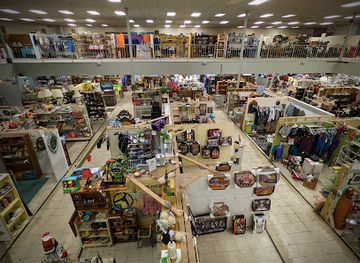
Flea market
Lexington Peddlers Mall
Explore the vibrant Lexington Peddlers Mall for unique collectibles and handcrafted treasures in the heart of Kentucky.
Get your free copy of our complete guide to Inner Bluegrass, delivered straight to you.
Everything on this page, from attractions and restaurants to essentials and local phrases, in one PDF you can read offline, print or share.
Already have an account? Sign in
Your Inner Bluegrass guide is ready.
We'll send it to · Not you? Sign out

Getting your guide ready…
We are putting together a fresh copy of the Inner Bluegrass guide. This can take up to a minute.
This can take a few moments. If your browser asks, choose Allow so the download can start. You'll find the guide in your Downloads folder.
Nothing happened? Download it again
Sorry, the guide is taking longer than usual. Please try again in a minute, or get it by email instead.
Inner Bluegrass essentials
Currency and Payment
Safety
Emergency Situations
Do's and Don'ts
Local Tips
From Eve
Local phrases worth knowing
You don't need to get them perfect. A few words go a long way, and locals appreciate the effort.
Basics
| English | Local | Say it |
|---|---|---|
| Hello | Howdy | [Ha-dee] |
| Goodbye | See ya later | [See ya lay-ter] |
| Yes | Yep | [Yep] |
| No | Nope | [Nope] |
| Please/You're welcome | Please/No problem | [Please/No prob-lem] |
| Thank you | Thank ya | [Thank ya] |
| Excuse me/Sorry | Excuse me/Sorry 'bout that | [Ex-cuse me/Sorry 'bout that] |
| How are you? | How ya doin'? | [How ya doin'?] |
| Fine. And you? | I'm doin' good. And you? | [I'm doin' good. And you?] |
| Do you speak English? | Can ya speak English? | [Can ya speak English?] |
| I don't understand | I ain't followin' | [I ain't followin'] |
Eating & Drinking
| English | Local | Say it |
|---|---|---|
| I'd like to see the menu, please | Can I see the menu, please? | [Can I see the menu, please?] |
| I don't eat meat | I don't eat no meat | [I don't eat no meat] |
| Cheers! | Cheers! | [Cheers!] |
| I would like to pay, please | I'd like to settle up, please | [I'd like to settle up, please] |
Emergencies
| English | Local | Say it |
|---|---|---|
| Help! | Help! | [Help!] |
| Go away! | Get on outta here! | [Get on outta here!] |
| Call the Police! | Call the cops! | [Call the cops!] |
| Call a doctor! | Get a doctor over here! | [Get a doctor over here!] |
| I'm lost | I'm all turned around | [I'm all turned around] |
| I'm ill | I'm feelin' sick | [I'm feelin' sick] |
Shopping
| English | Local | Say it |
|---|---|---|
| I'd like to buy... | I wanna buy... | [I wanna buy...] |
| I'm just looking | Just lookin' | [Just lookin'] |
| How much is it? | How much's this? | [How much's this?] |
| That's too expensive | That costs too much | [That costs too much] |
| Can you lower the price? | Can ya bring that down some? | [Can ya bring that down some?] |
Time & Numbers
| English | Local | Say it |
|---|---|---|
| What time is it? | What time's it? | [What time's it?] |
| It's one o'clock | It's one o'clock | [It's one o'clock] |
| Half past (10) | Half past ten | [Half past ten] |
| Morning | Mornin' | [Mornin'] |
| Afternoon | Afternoon | [Afternoon] |
| Evening | Evenin' | [Evenin'] |
| Yesterday | Yesterday | [Yesterday] |
| Today | Today | [Today] |
| Tomorrow | Tomorrow | [Tomorrow] |
| 1 | One | [One] |
| 2 | Two | [Two] |
| 3 | Three | [Three] |
| 4 | Four | [Four] |
| 5 | Five | [Five] |
| 6 | Six | [Six] |
| 7 | Seven | [Seven] |
| 8 | Eight | [Eight] |
| 9 | Nine | [Nine] |
| 10 | Ten | [Ten] |
Transport & Directions
| English | Local | Say it |
|---|---|---|
| Where's a/the...? | Where's the...? | [Where's the...?] |
| What's the address? | What's the address? | [What's the address?] |
| Can you show me (on the map)? | Can ya show me on the map? | [Can ya show me on the map?] |
| When's the next (bus)? | When's the next bus? | [When's the next bus?] |
| A ticket (to ....) | A ticket to... | [A ticket to...] |
History of Inner Bluegrass
Indigenous Landscapes and Early Settlement
Before Euro-American settlement, the Inner Bluegrass was shaped by Indigenous peoples who hunted, travelled and traded through the central Kentucky region. Open areas created by natural conditions and human land management supported abundant wildlife, while rivers and springs provided important routes and resources. The later appearance of broad pastureland should not be mistaken for untouched prairie: today’s farm scenery is the product of long interaction between people, soils, woodland and grassland.
Colonial Expansion and Lexington’s Foundation
Virginia settlers began entering central Kentucky in the late eighteenth century, and Lexington was established in 1775 and named after the Massachusetts battlefield. Surveyed lands, fortified settlements and new roads encouraged agricultural expansion across the limestone basin. The region became one of the principal centres of Kentucky’s early political and commercial life, with Lexington developing as a market town serving farms and smaller communities across the Bluegrass.
Plantation Agriculture and Enslaved Labour
The Inner Bluegrass grew wealthy through agriculture, especially hemp, livestock, grain and later horse breeding. That prosperity depended heavily on the labour of enslaved African Americans, whose work sustained farms, households, craft production and local commerce. Historic houses, churches, cemeteries and African American communities preserve parts of this difficult history. Any account of the region’s grand estates and nineteenth-century affluence must therefore recognise slavery as a central feature of its economic development.
Lexington’s Political and Cultural Influence
During the nineteenth century, Lexington became an influential centre of education, publishing, politics and trade in the young state of Kentucky. Henry Clay’s Ashland estate reflects the region’s connection with national political debates, while the city’s architecture records the wealth of merchants, lawyers, planters and professionals. The Mary Todd Lincoln House also illustrates Lexington’s place within the networks of prominent Kentucky families before the Civil War.
Thoroughbred Racing and Farm Transformation
Horse breeding and racing expanded from an established agricultural interest into the defining modern industry of the Inner Bluegrass. The region’s limestone soils, pasture quality, skilled labour and established bloodlines helped support thoroughbred farms and training operations. Keeneland, opened in Lexington in 1936, became especially important for racing and sales, while the Kentucky Horse Park later broadened public understanding of breeds, equestrian work and the cultural history of the horse.
Bourbon and the Modern Bluegrass Economy
Distilling has long been associated with Kentucky’s grain-growing economy, although bourbon heritage extends well beyond the Inner Bluegrass and is not exclusive to it. In the region, distilleries in and around Lexington and Woodford County connect working agriculture with tourism, craftsmanship and hospitality. Alongside horse breeding, higher education, healthcare, manufacturing and technology, bourbon now forms part of a diversified economy that combines historic identity with contemporary enterprise.
Inner Bluegrass in Photos
Browse through our photo collection highlighting the charm and character of the destination.
Neighbouring regions of Inner Bluegrass
The closest regions to Inner Bluegrass, if you have time for more than one.
-

-

-

-
-


Swipe for more regions
Explore more

Explore more of Kentucky
Discover Kentucky, a land of natural wonders, historic landmarks, and rich cultural heritage. From horse racing to bourbon distilleries, this state has it all.
Explore Kentucky