

Free Knobs Region Travel Guide & Mobile App
Explore Knobs Region with free travel guides. Discover regional history, expert tips, proposed trips, and audio guides on web or mobile app.


Explore Kentucky’s Knobs Region for wooded ridges, bourbon heritage, historic towns, forest trails and landscapes shaped by limestone and farming.
Read more about Knobs Region
Getting to and around Knobs Region
How to get there
Transportation
Top city travel guides in Knobs Region
The cities of Knobs Region, and the easiest places to base yourself.
-

-

-

-


Swipe for more cities
Destinations in Knobs Region
Resorts, valleys and scenic spots worth a trip of their own.
-

-

-
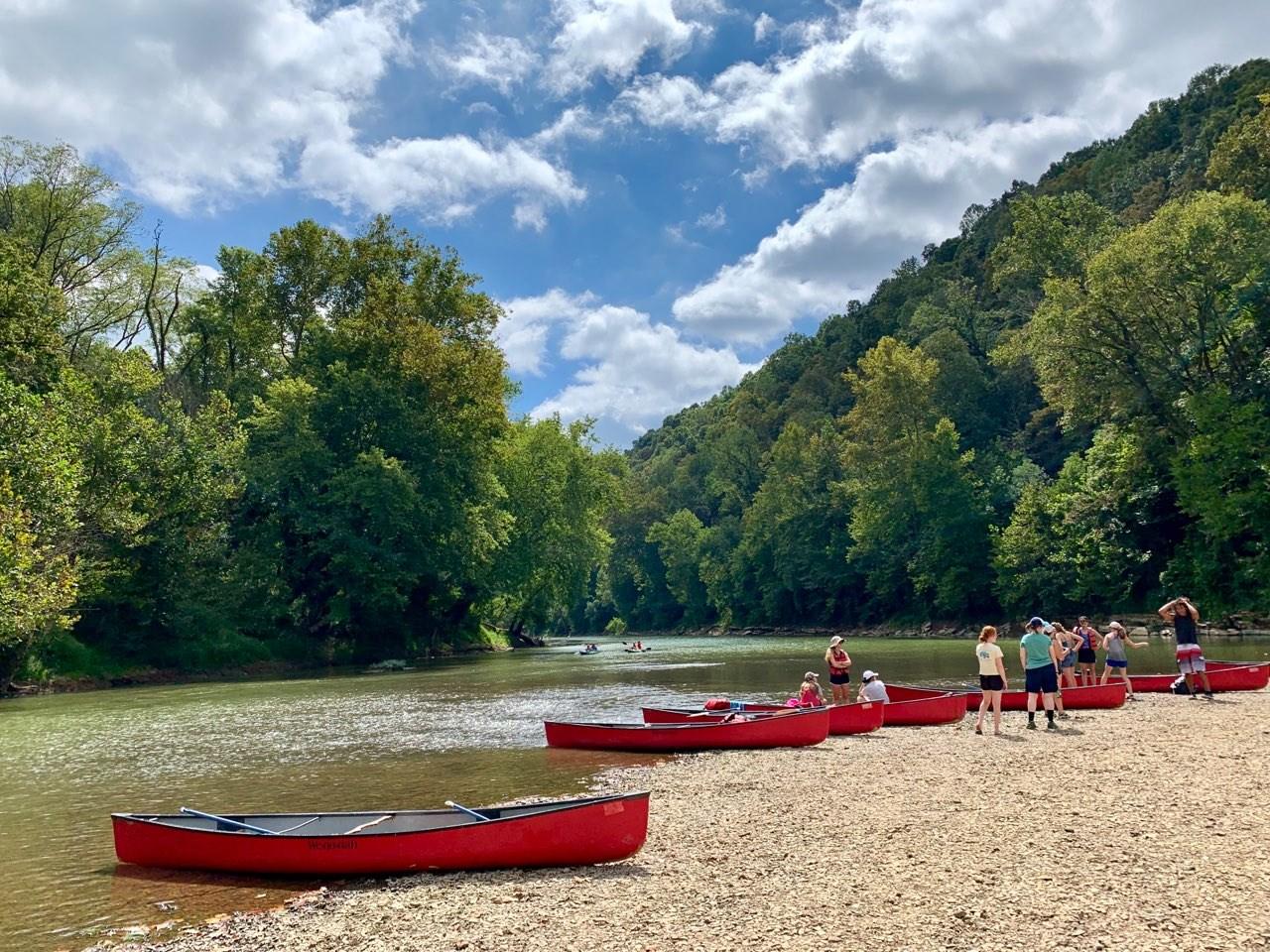 Green River Lake State Park
, Kentucky, offers boating, fishing, camping, hiking and golf amid wooded coves and rolling countryside near Campbellsville.
-


Swipe for more destinations
Best attractions in Knobs Region
The Knobs Region’s attractions combine rural heritage, bourbon culture and outdoor landscapes rather than clustering around one large city. Bernheim Forest is the principal nature destination, with woodland trails, lakes, an arboretum, environmental interpretation and large-scale outdoor artworks set among the hills south of Louisville. Around Bardstown, visitors find historic homes, museums, churches and bourbon distilleries that explain how agriculture, craftsmanship and trade shaped central Kentucky. The Abraham Lincoln Birthplace National Historical Park near Hodgenville interprets the future president’s early life through the Sinking Spring and Knob Creek settings. Springfield and Lebanon add courthouse-town architecture, local museums and historic religious sites, while the roads between them reveal the region’s farms, limestone country and wooded hollows. Outdoor interests include hiking, wildlife watching, scenic driving and selected cycling routes, though trail difficulty and facilities vary. Smaller historical properties and rural cemeteries reward research and advance planning, as opening arrangements can be limited. The most distinctive experience is the contrast between formal heritage attractions and the working landscape that surrounds them.
-
National forest
Daniel Boone National Forest
Discover the breathtaking beauty and adventure at Daniel Boone National Forest in Kentucky, a paradise for outdoor enthusiasts and nature lovers.
-
Tourist attraction
Cumberland Falls State Resort Park
Explore the stunning natural beauty and adventure-filled activities at Cumberland Falls State Resort Park, a top destination in Kentucky's wilderness.
-
Canoe & kayak tour agency
Gorge Underground
Discover the breathtaking beauty of Gorge Underground in Kentucky, where adventure meets nature in a stunning underground kayaking experience.
-
Tourist attraction
Crystal Onyx Cave
Discover the breathtaking beauty of Crystal Onyx Cave in Cave City, Kentucky, an enchanting underground adventure filled with unique formations and geological wonders.
Best landmarks in Knobs Region
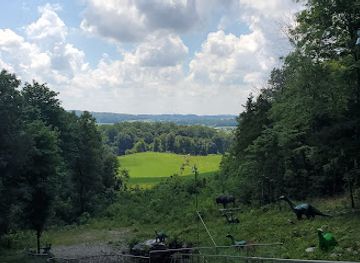
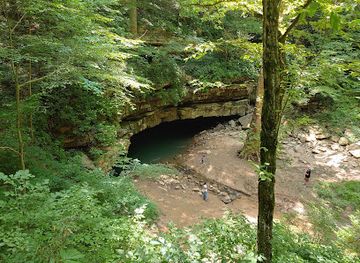
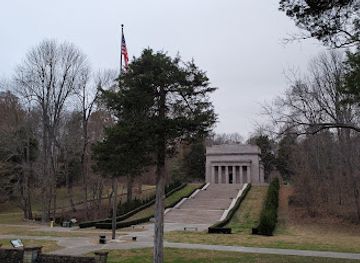
The Knobs Region’s most recognisable landmarks express its religious history, pioneer associations, bourbon economy and distinctive geology. The Basilica of Saint Joseph Proto-Cathedral in Bardstown is a major nineteenth-century religious landmark and a reminder of the town’s importance in Catholic history west of the Appalachians. Bardstown’s historic streets and surviving houses create a broader architectural landmark landscape, while the Abraham Lincoln Birthplace National Historical Park near Hodgenville gives national significance to an otherwise rural setting. The Lincoln Memorial at the birthplace and the memorial cabin at Knob Creek Farm connect the region to Lincoln’s Kentucky childhood. Bernheim Forest is a natural and cultural landmark, combining mature woodland, lakes, designed landscapes and prominent outdoor sculpture. Across the countryside, the wooded knobs themselves are the defining geographical feature: isolated ridges and steep-sided hills that distinguish this belt from the flatter farmland of the nearby Bluegrass. Historic courthouses, churches, cemeteries and distillery buildings complete the region’s visual identity.
-
Tourist attraction
Mammoth Cave National Park
Explore the depths of Mammoth Cave National Park in Kentucky - a unique blend of natural beauty, adventure, and historical significance.
-
Tourist attraction
Cumberland Falls State Resort Park
Explore the stunning Cumberland Falls and diverse outdoor adventures at this picturesque Kentucky State Resort Park, perfect for all nature lovers.
-
Historical landmark
Abraham Lincoln Birthplace
Explore the rich history of Abraham Lincoln at his birthplace, a serene memorial park that honors the legacy of America's 16th President.
-
Historical landmark
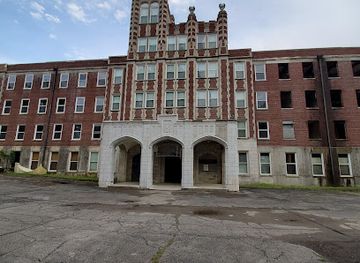
The Waverly Hills Sanatorium
Explore the spine-chilling history and architectural beauty of Waverly Hills Sanatorium, a must-see historical landmark in Louisville, Kentucky.
Explore Knobs Region on the map
Plan your trip on one map. See where the top cities, national parks and sights are, and book hotels and experiences in a few clicks.
Best hotels in Knobs Region
Best restaurants in Knobs Region
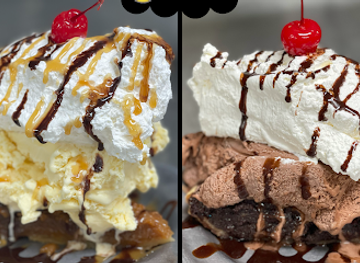
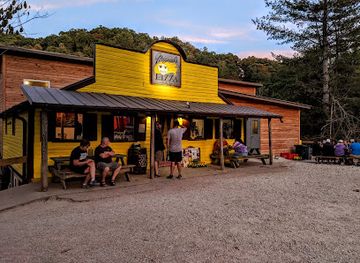
Dining in the Knobs Region reflects Kentucky’s farm and small-town traditions, with bourbon playing an important role in both local identity and contemporary menus. Bardstown has the broadest choice of restaurants, from cafés and traditional American cooking to more polished dining rooms, while smaller towns tend towards diners, family restaurants, bakeries and independent cafés. Visitors may encounter country ham, fried chicken, biscuits, seasonal vegetables, cornbread, sorghum and puddings associated with Kentucky home cooking, alongside barbecue and bourbon-infused sauces. Local distilleries and rural venues often highlight corn, oak and barrel-ageing in food and drink pairings. Farmers’ markets and farm shops provide opportunities to buy produce, preserves and baked goods when in season. Restaurant choice becomes more limited on rural roads, so it is sensible to check evening arrangements before leaving a town. Tipping follows United States norms, with gratuities generally expected for table service.
-
Restaurant
Patti's 1880's Settlement
Experience Southern hospitality at Patti's 1880's Settlement—where delicious food meets historical charm in Grand Rivers, Kentucky.
-
Pizza
Miguel's Pizza
Discover delicious pizzas and cozy vibes at Miguel's Pizza in Slade, Kentucky – a must-visit culinary hotspot for every traveler.
-
American
Carson's Food & Drink - On Main
Experience delightful American cuisine at Carson's Food & Drink in Lexington - where flavor meets hospitality in a charming setting.
-
Steak
Brazeiros Louisville - Brazilian Steakhouse
Indulge in authentic Brazilian flavors at Brazeiros in Louisville - where every meal is a celebration of taste and tradition.
Best bars in Knobs Region
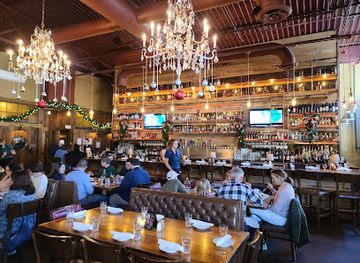
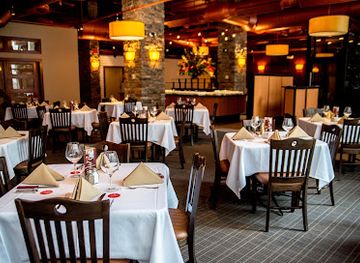
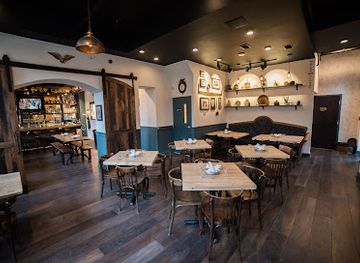
Evenings in the Knobs Region centre on traditional pubs, bourbon bars, restaurant lounges and community venues rather than a large nightclub scene. Bardstown provides the region’s most concentrated choice of places to drink and dine after dark, including establishments where Kentucky bourbon is served neat, in classic cocktails or as part of a tasting programme. Springfield, Lebanon, Hodgenville and other county-seat communities have local bars, casual restaurants and occasional live music, but opening patterns and entertainment can be modest compared with Louisville or Lexington, both outside the region. Distillery visitor experiences usually operate as scheduled daytime or early-evening activities rather than nightlife venues. Rural areas become quiet early, and driving distances make a designated driver particularly important. Local breweries, seasonal events and music performances may add variety, but should be checked locally rather than assumed to run year-round.
-
American
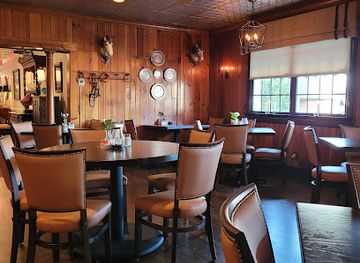
Greyhound Tavern
Discover the heart of American cuisine at Greyhound Tavern, where delicious food meets a welcoming atmosphere in Fort Mitchell.
-
Gastropub
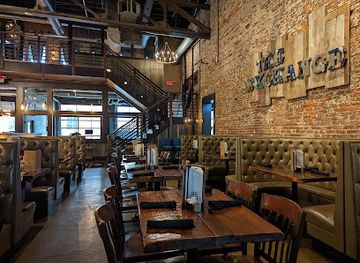
The Exchange Pub + Kitchen
Discover the flavors of America at The Exchange Pub + Kitchen, where local ingredients meet craft brews in a cozy historic setting in New Albany.
-
American
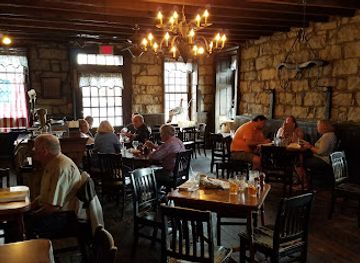
The Old Talbott Tavern
Experience the rich history and delicious American cuisine at The Old Talbott Tavern, a cherished gem in the heart of Bardstown, Kentucky.
-
American
Boomtown Biscuits & Whiskey
Experience the best of American breakfast cuisine at Boomtown Biscuits & Whiskey in Union, Kentucky, where comfort food meets culinary creativity.
Best nightclubs in Knobs Region
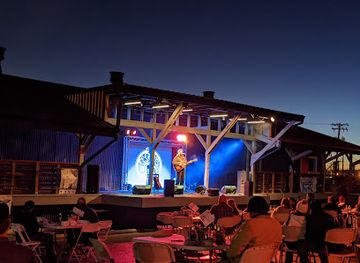
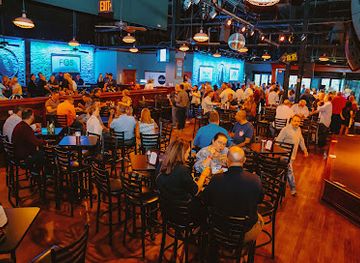
Evenings in the Knobs Region centre on traditional pubs, bourbon bars, restaurant lounges and community venues rather than a large nightclub scene. Bardstown provides the region’s most concentrated choice of places to drink and dine after dark, including establishments where Kentucky bourbon is served neat, in classic cocktails or as part of a tasting programme. Springfield, Lebanon, Hodgenville and other county-seat communities have local bars, casual restaurants and occasional live music, but opening patterns and entertainment can be modest compared with Louisville or Lexington, both outside the region. Distillery visitor experiences usually operate as scheduled daytime or early-evening activities rather than nightlife venues. Rural areas become quiet early, and driving distances make a designated driver particularly important. Local breweries, seasonal events and music performances may add variety, but should be checked locally rather than assumed to run year-round.
-
Bar
The Burl
Discover The Burl, Lexington's premier live music venue and bar, where great music and a vibrant atmosphere come together.
-
Night club
Howl at the Moon Louisville
Discover the ultimate nightlife experience at Howl at the Moon Louisville, where live music and cocktails create unforgettable moments.
-
Night club
Play Louisville
Explore Play Louisville: A dynamic night club and event venue offering unforgettable performances, vibrant dance nights, and a welcoming atmosphere for all.
-
Night club
Bobby Mackey's
Discover the vibrant night life at Bobby Mackey's, a historic music venue in Union, KY, perfect for live music lovers and nightlife enthusiasts.


Best shops in Knobs Region
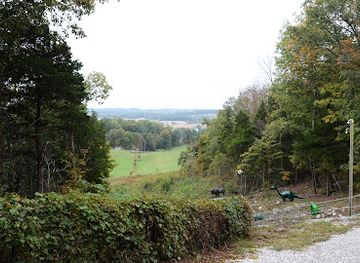
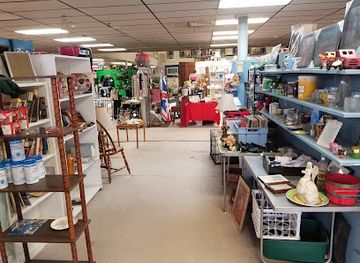
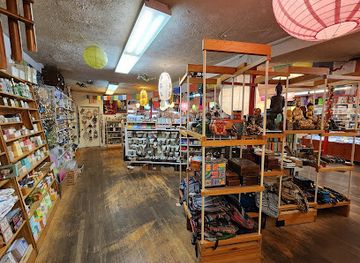
Shopping in the Knobs Region is concentrated in historic town centres, independent stores, antiques shops, galleries, farm shops and seasonal markets rather than large urban retail districts. Bardstown offers the widest choice, with locally oriented gift shops, books, crafts, homewares and bourbon-related products alongside cafés and places in which to browse historic streets. Visitors may find Kentucky-made pottery, woodwork, art, quilts, leather goods and small-batch food products, although stock varies between businesses and seasons. Distillery shops are useful for permitted bourbon purchases, branded glassware and regional gifts, subject to alcohol regulations and transport considerations. Farm stands and farmers’ markets can provide sorghum, preserves, baked goods and produce when available. Springfield, Lebanon and Hodgenville have smaller high streets with practical shops and occasional antiques or craft outlets. Independent retailers may close earlier than visitors expect, particularly outside the main towns, so plan shopping during daytime rather than assuming late-evening opening.
-
Gift shop
Crystal Onyx Cave
Discover the breathtaking beauty of Crystal Onyx Cave in Cave City, Kentucky, where nature's wonders come alive in a captivating underground adventure.
-
Flea market
Lexington Peddlers Mall
Explore the vibrant Lexington Peddlers Mall for unique collectibles, local crafts, and a memorable shopping experience in Kentucky.
-
Rock shop
Big Mike's Rock Shop
Explore Big Mike's Rock Shop in Cave City, KY - a hidden gem for rock and mineral enthusiasts, offering unique souvenirs and geological wonders.
-
Gift shop
sQecial Media
Explore sQecial Media in Lexington for unique gifts, books, and metaphysical treasures in a vibrant community setting.

Get your free copy of our complete guide to Knobs Region, delivered straight to you.
Everything on this page, from attractions and restaurants to essentials and local phrases, in one PDF you can read offline, print or share.
Already have an account? Sign in
Your Knobs Region guide is ready.
We'll send it to · Not you? Sign out

Getting your guide ready…
We are putting together a fresh copy of the Knobs Region guide. This can take up to a minute.
This can take a few moments. If your browser asks, choose Allow so the download can start. You'll find the guide in your Downloads folder.
Nothing happened? Download it again
Sorry, the guide is taking longer than usual. Please try again in a minute, or get it by email instead.
Knobs Region essentials
Currency and Payment
Safety
Emergency Situations
Do's and Don'ts
Local Tips
From Eve
Local phrases worth knowing
You don't need to get them perfect. A few words go a long way, and locals appreciate the effort.
Basics
| English | Local | Say it |
|---|---|---|
| Hello | Howdy | [How-dee] |
| Goodbye | See ya | [See ya] |
| Yes | Yep | [Yep] |
| No | Naw | [Naw] |
| Please/You're welcome | Please/No problem | [Please/No problem] |
| Thank you | Thank ya | [Thank ya] |
| Excuse me/Sorry | Excuse me/Sorry 'bout that | [Excuse me/Sorry 'bout that] |
| How are you? | How ya doin'? | [How ya doin'?] |
| Fine. And you? | Good. How 'bout you? | [Good. How 'bout you?] |
| Do you speak English? | You speakin' English? | [You speakin' English?] |
| I don't understand | I ain't followin' | [I ain't followin'] |
Eating & Drinking
| English | Local | Say it |
|---|---|---|
| I'd like to see the menu, please | Can I see the menu, please? | [Can I see the menu, please?] |
| I don't eat meat | I don't eat no meat | [I don't eat no meat] |
| Cheers! | Cheers! | [Cheers!] |
| I would like to pay, please | Can I pay now, please? | [Can I pay now, please?] |
Emergencies
| English | Local | Say it |
|---|---|---|
| Help! | Help! | [Help!] |
| Go away! | Get on outta here! | [Get on outta here!] |
| Call the Police! | Call the cops! | [Call the cops!] |
| Call a doctor! | Get a doctor here! | [Get a doctor here!] |
| I'm lost | I ain't got my bearings | [I ain't got my bearings] |
| I'm ill | I ain't feelin' good | [I ain't feelin' good] |
Shopping
| English | Local | Say it |
|---|---|---|
| I'd like to buy... | I wanna buy... | [I wanna buy...] |
| I'm just looking | Just lookin' around | [Just lookin' around] |
| How much is it? | How much fer that? | [How much fer that?] |
| That's too expensive | That’s too high | [That’s too high] |
| Can you lower the price? | Can ya bring it down some? | [Can ya bring it down some?] |
Time & Numbers
| English | Local | Say it |
|---|---|---|
| What time is it? | What time is it? | [What time is it?] |
| It's one o'clock | It's one o'clock | [It's one o'clock] |
| Half past (10) | Half past ten | [Half past ten] |
| Morning | Mornin' | [Mornin'] |
| Afternoon | Afternoon | [Afternoon] |
| Evening | Evenin' | [Evenin'] |
| Yesterday | Yesterday | [Yesterday] |
| Today | Today | [Today] |
| Tomorrow | Tomorrow | [Tomorrow] |
| 1 | One | [One] |
| 2 | Two | [Two] |
| 3 | Three | [Three] |
| 4 | Four | [Four] |
| 5 | Five | [Five] |
| 6 | Six | [Six] |
| 7 | Seven | [Seven] |
| 8 | Eight | [Eight] |
| 9 | Nine | [Nine] |
| 10 | Ten | [Ten] |
Transport & Directions
| English | Local | Say it |
|---|---|---|
| Where's a/the...? | Where's the...? | [Where's the...?] |
| What's the address? | What's the address? | [What's the address?] |
| Can you show me (on the map)? | Can ya show me on the map? | [Can ya show me on the map?] |
| When's the next (bus)? | When's the next bus? | [When's the next bus?] |
| A ticket (to ....) | A ticket to... | [A ticket to...] |
History of Knobs Region
Indigenous Landscapes and Ancient Routes
Long before European settlement, Indigenous peoples used the river valleys, springs and passes of central Kentucky for travel, hunting and exchange. Archaeological evidence across the wider region records ancient settlement and farming traditions, while the knobs themselves formed practical landmarks in an often heavily wooded landscape. The Salt River and its tributaries connected upland and lowland environments, and later roads frequently followed routes that had already proved useful to earlier communities. Visitors should remember that the region’s history begins well before the arrival of colonial settlers and is not represented solely by its later pioneer narratives.
European Settlement and the Wilderness Roads
During the late eighteenth century, settlers moved into Kentucky through routes across the Appalachian frontier and along river valleys leading towards the Bluegrass. The ridges and hollows of the Knobs could be difficult terrain for wagons, but they also offered timber, water and defensible high ground. Communities developed around farms, mills, churches and road crossings. Surveying, land claims and the displacement of Indigenous peoples transformed the landscape, while the opening of routes through the region helped connect eastern settlements with central Kentucky’s agricultural markets.
Farming, Towns and Early Industry
In the nineteenth century, the Knobs developed through mixed farming rather than a single dominant crop. Corn, livestock, timber and small-scale manufacturing supported growing settlements such as Bardstown, Springfield, Lebanon and Hodgenville. Improved roads, turnpikes and rail connections strengthened the relationship between rural farms and market towns. Churches, courthouses, schools and brick commercial buildings from this period remain important elements of the region’s built heritage. Limestone, timber and fertile valley soils also influenced local building materials and agricultural practice.
Bardstown, Catholic Heritage and Regional Culture
Bardstown became an important religious and civic centre in Kentucky, particularly after the establishment of the first Roman Catholic diocese west of the Appalachian Mountains in the early nineteenth century. The Basilica of Saint Joseph Proto-Cathedral and nearby historic institutions reflect the presence of Catholic communities in a predominantly Protestant frontier society. Bardstown’s wider architectural heritage also records the wealth generated by farming, trade and later bourbon production. Its preserved streets and historic properties make the town one of the clearest places to understand the region’s nineteenth-century social development.
Abraham Lincoln’s Kentucky Beginnings
Abraham Lincoln was born in 1809 at Sinking Spring Farm near present-day Hodgenville, and his family later lived at Knob Creek Farm, also in the Knobs landscape. The Abraham Lincoln Birthplace National Historical Park preserves and interprets these early settings, although Lincoln left Kentucky as a child. His association with the region has shaped local historical interpretation and national memory, linking an ordinary frontier farming environment with one of the United States’ most consequential political figures. The sites also provide context for family mobility, labour and education in early nineteenth-century Kentucky.
Bourbon, Conservation and Modern Heritage Tourism
Bourbon production became one of the region’s most recognisable modern industries, building on Kentucky’s corn agriculture, limestone water sources, cooperage traditions and transport networks. Distilleries around the Knobs continue to connect industrial practice with tourism, though the industry has changed considerably over time. In the twentieth century, conservation efforts created important public landscapes, including Bernheim Forest, established through the philanthropy of Isaac Wolfe Bernheim. Today, bourbon trails, historic preservation, environmental education and outdoor recreation sit alongside agriculture as major elements of the region’s visitor economy.
Knobs Region in Photos
Browse through our photo collection highlighting the charm and character of the destination.
Neighbouring regions of Knobs Region
The closest regions to Knobs Region, if you have time for more than one.
-

-

-

-
-
 Highland Rim
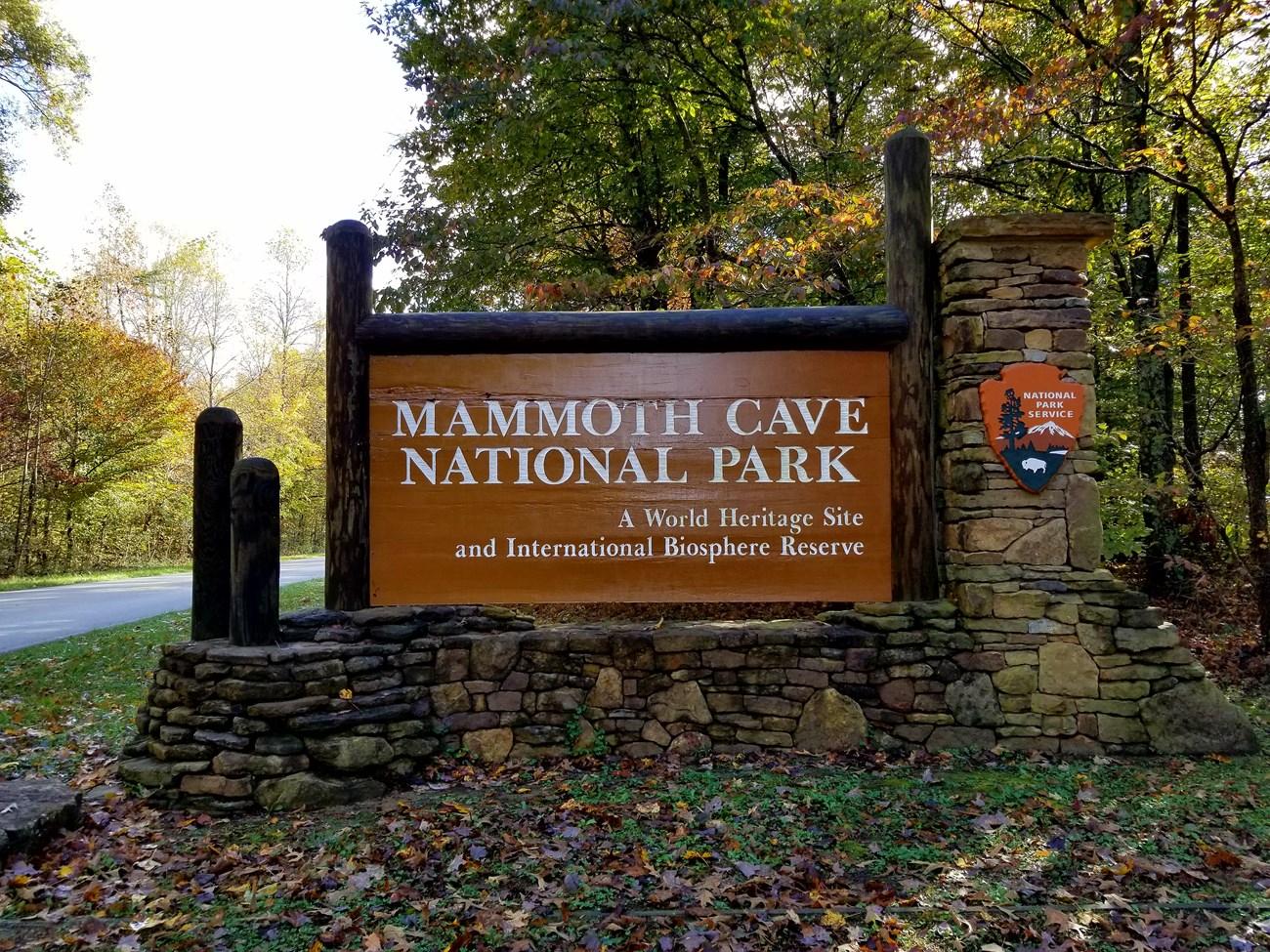
Explore Kentucky’s Highland Rim for Mammoth Cave, limestone landscapes, rural heritage, Bowling Green museums and outdoor adventures.


Swipe for more regions
Explore more

Explore more of Kentucky
Discover Kentucky, a land of natural wonders, historic landmarks, and rich cultural heritage. From horse racing to bourbon distilleries, this state has it all.
Explore Kentucky