

Free Outer Bluegrass Travel Guide & Mobile App
Explore Outer Bluegrass with free travel guides. Discover regional history, expert tips, proposed trips, and audio guides on web or mobile app.


Explore Outer Bluegrass Kentucky for bourbon heritage, historic settlements, horse-country roads, limestone landscapes and scenic river valleys.
Read more about Outer Bluegrass
When is the best time to visit Outer Bluegrass?
Best: May, September–October · 21–28°C| Month | High (°C) | Rainfall (mm) |
|---|---|---|
| January | 7 | 79 |
| February | 9 | 79 |
| March | 16 | 103 |
| April | 20 | 103 |
| May (best) | 25 | 114 |
| June | 31 | 100 |
| July | 33 | 104 |
| August | 32 | 96 |
| September (best) | 28 | 82 |
| October (best) | 21 | 83 |
| November | 14 | 93 |
| December | 9 | 94 |
Getting to and around Outer Bluegrass
How to get there
Transportation
Top city travel guides in Outer Bluegrass
The cities of Outer Bluegrass, and the easiest places to base yourself.
-

-

-

-

-

-


Swipe for more cities
Destinations in Outer Bluegrass
Resorts, valleys and scenic spots worth a trip of their own.
-

-

-

-

-
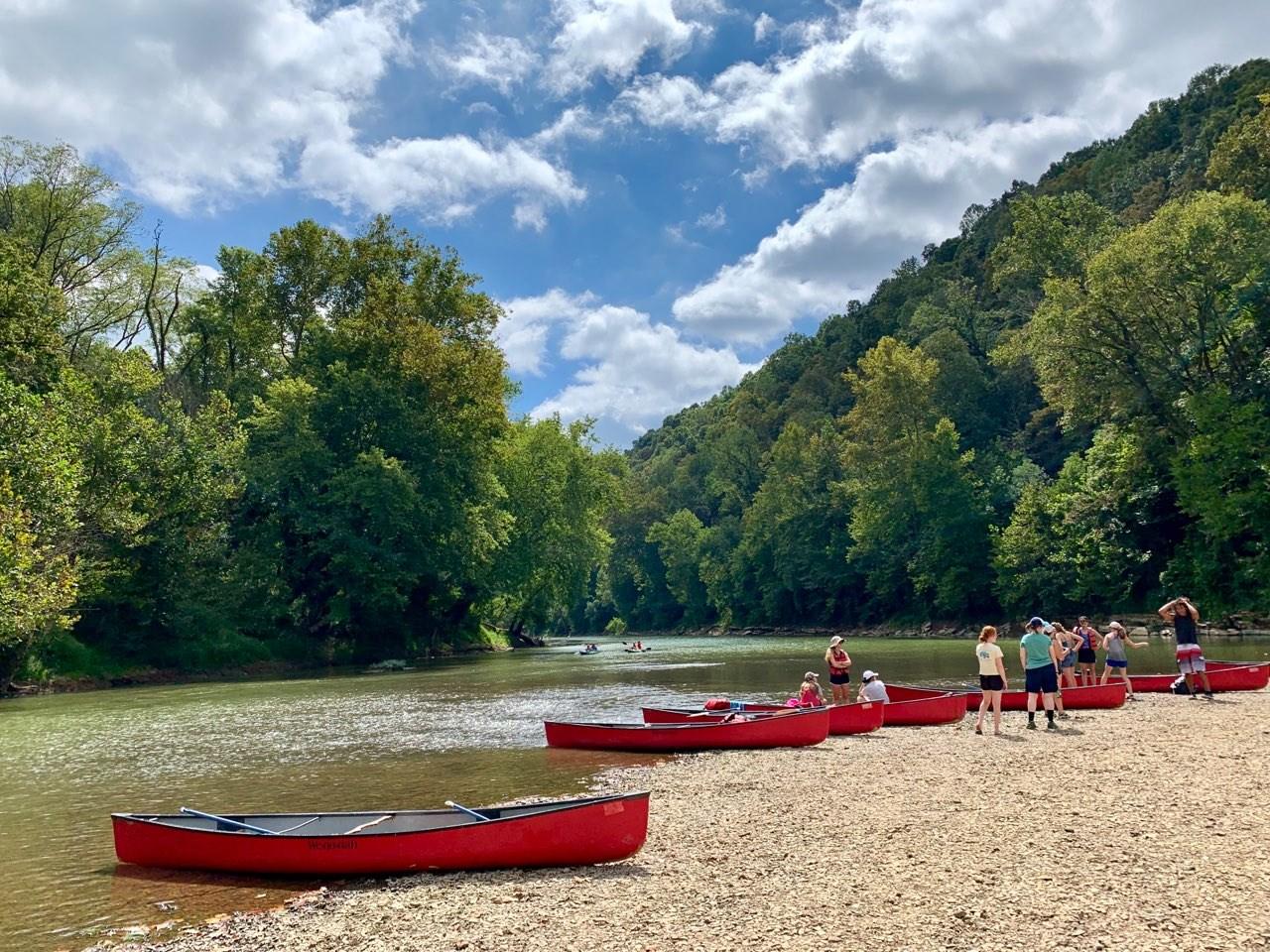 Green River Lake State Park
, Kentucky, offers boating, fishing, camping, hiking and golf amid wooded coves and rolling countryside near Campbellsville.
-


Swipe for more destinations
Best attractions in Outer Bluegrass
Outer Bluegrass offers a balanced mix of historic sites, rural landscapes, bourbon experiences and small-town culture. Frankfort combines the Kentucky State Capitol, the Old State Capitol and museums with a steep-sided Kentucky River setting, while nearby distilleries interpret the region’s long relationship with whiskey production. Around Georgetown, Versailles and Midway, scenic roads pass horse farms, stone fences and historic properties, with opportunities for tours and tastings where advance arrangements are available. Harrodsburg is the centre of a strong heritage itinerary, linking Old Fort Harrod State Park with Shaker Village of Pleasant Hill, whose restored buildings and farm landscape explore communal life and craftsmanship. Perryville Battlefield State Historic Site preserves a substantial rural Civil War landscape for walking and interpretation. Other attractions include local museums, historic courthouse squares, riverside parks, seasonal farm experiences and outdoor recreation on the Kentucky River and its tributaries. The region is best explored through combinations of sites rather than a single attraction district, with driving time forming part of the experience.
-
National forest
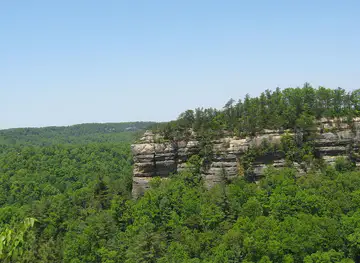
Daniel Boone National Forest
Explore Daniel Boone National Forest: A stunning natural paradise in Kentucky perfect for outdoor adventures and breathtaking scenery.
-
Tourist attraction
Louisville Mega Cavern
Discover the underground adventure of Louisville Mega Cavern, where history meets excitement in a unique subterranean experience.
-
Convention center
Kentucky Exposition Center
Discover the vibrant Kentucky Exposition Center in Louisville, a premier destination for fairs, exhibitions, and cultural events, showcasing the best of Kentucky.
-
Tourist attraction
Kentucky Horse Park
Discover the Kentucky Horse Park: A premier equestrian destination celebrating horse culture with exhibits, events, and unforgettable experiences for all ages.

Best landmarks in Outer Bluegrass
The Kentucky River and its wooded palisades provide Outer Bluegrass with one of its most recognisable natural settings, particularly around Frankfort, where the state capital occupies a narrow river valley. The Kentucky State Capitol and Old State Capitol express different stages of Kentucky’s political history, while Frankfort’s historic civic landscape gives the capital a strong architectural identity. Old Fort Harrod State Park in Harrodsburg commemorates the region’s early frontier settlement through its reconstructed fort and associated historic buildings. Shaker Village of Pleasant Hill is distinguished by its large collection of restored nineteenth-century structures, including substantial communal buildings arranged within an agricultural landscape. Perryville Battlefield’s ridges, fields and preserved farm buildings form a landmark landscape rather than a single monument, conveying the scale and terrain of the 1862 battle. Across the countryside, dry-stone fences, brick farmhouses, courthouse squares and distillery warehouses are recurring markers of the region’s agricultural, political and bourbon heritage.
-
Tourist attraction
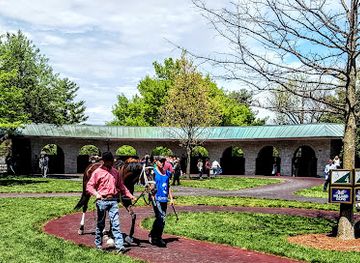
Kentucky Horse Park
Explore Kentucky Horse Park, the ultimate destination for horse lovers, featuring engaging exhibits, spectacular events, and unforgettable horseback riding experiences.
-
Tourist attraction
Keeneland Association Inc
Discover the charm of Keeneland, a historic racecourse in Lexington, Kentucky, offering thrilling races, beautiful grounds, and rich equestrian culture.
-
Historical landmark
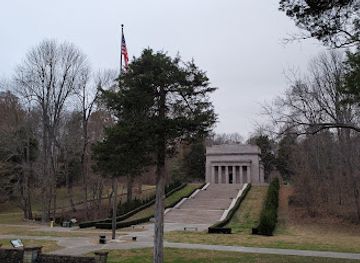
Abraham Lincoln Birthplace
Visit the Abraham Lincoln Birthplace, a national landmark honoring the early life of America's 16th president in picturesque Kentucky.
-
Boat tour agency
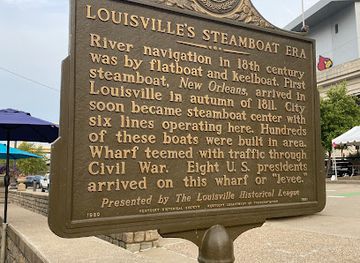
Belle of Louisville Riverboats
Explore the rich history of Louisville with a scenic boat tour on the iconic Belle of Louisville Riverboats, a must-visit for every traveler.
Explore Outer Bluegrass on the map
Plan your trip on one map. See where the top cities, national parks and sights are, and book hotels and experiences in a few clicks.
Best hotels in Outer Bluegrass
Best restaurants in Outer Bluegrass
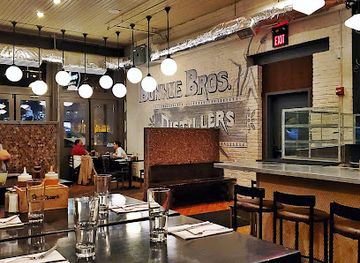
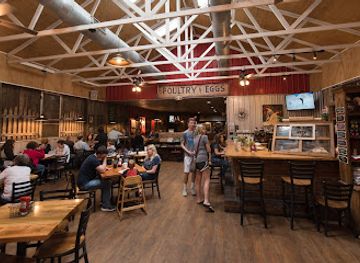
Dining in Outer Bluegrass reflects Kentucky’s farm economy, bourbon culture and small-town traditions. Menus commonly draw on pork, chicken, beef, seasonal vegetables, biscuits, cornbread and locally produced grains, while bourbon may appear in sauces, desserts and drinks. Barbecue and hearty country cooking are widely available, but the region’s food scene also includes contemporary restaurants, independent cafés, bakeries and rural inns in and around Frankfort, Georgetown, Versailles, Harrodsburg and other market towns. Farm shops and seasonal stands are useful for Kentucky produce, preserves, baked goods and locally made specialities, although availability follows the agricultural calendar. Bourbon distillery visits often include tastings rather than full meals, so plan dining separately when touring rural areas. In historic communities, courthouse squares and restored commercial streets are generally the most dependable places to find cafés and table-service restaurants, while larger towns provide greater choice and later service.
-
Restaurant
Patti's 1880's Settlement
Experience Southern hospitality at Patti's 1880's Settlement – where delicious cuisine meets historic charm in Grand Rivers, Kentucky.
-
Barbecue
Doc Crow's
Experience authentic Southern barbecue at Doc Crow's in downtown Louisville—where flavor meets hospitality.
-
American
Mammy's Kitchen & Bar
Discover the heartwarming flavors of American cuisine at Mammy's Kitchen & Bar in Bardstown - where comfort meets taste.
-
American
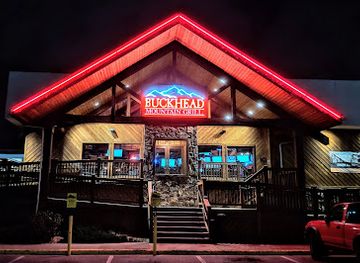
Buckhead Mountain Grill
Experience the taste of America at Buckhead Mountain Grill in Bellevue – where every meal is a celebration of flavor and hospitality.

Best bars in Outer Bluegrass
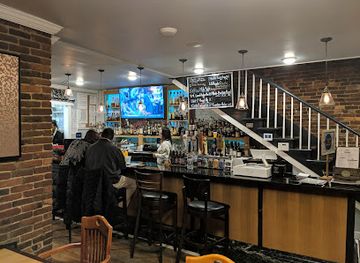
Evening life in Outer Bluegrass is shaped more by traditional pubs, bourbon bars, restaurants, live music and community events than by a large night-club scene. Frankfort provides the broadest concentration of evening venues, with additional options in Georgetown, Versailles, Harrodsburg and other larger towns. Distillery tasting rooms and bourbon-focused bars offer guided introductions to Kentucky whiskey, but their operating arrangements and booking requirements vary. Historic inns, local breweries and restaurant bars provide quieter alternatives, while rural communities often centre social life on family-friendly dining, seasonal festivals and live performances rather than late-night entertainment. Visitors staying outside the main towns should arrange transport in advance, particularly after tastings, because taxis and rideshares may be limited in the countryside. Nightlife is therefore best planned around a town or overnight base rather than assumed to continue between scattered attractions.
-
Restaurant
Bourbon On Main
Explore Bourbon On Main in Frankfort, KY – a perfect blend of Southern cuisine and local bourbon culture in a cozy atmosphere.
-
Southern
The Stave
Discover The Stave, a Southern restaurant in Frankfort, Kentucky, where rich flavors meet warm hospitality in a cozy atmosphere.
-
Bar
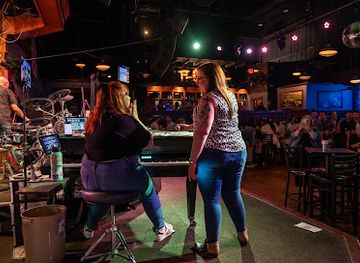
Howl at the Moon Louisville
Experience the vibrant nightlife of Louisville at Howl at the Moon, featuring live music, handcrafted cocktails, and an unforgettable atmosphere.
-
Bar
Mag Bar
Discover the lively Mag Bar in Old Louisville, a hotspot for live music and great drinks that captures the essence of the local nightlife.


Best nightclubs in Outer Bluegrass
Evening life in Outer Bluegrass is shaped more by traditional pubs, bourbon bars, restaurants, live music and community events than by a large night-club scene. Frankfort provides the broadest concentration of evening venues, with additional options in Georgetown, Versailles, Harrodsburg and other larger towns. Distillery tasting rooms and bourbon-focused bars offer guided introductions to Kentucky whiskey, but their operating arrangements and booking requirements vary. Historic inns, local breweries and restaurant bars provide quieter alternatives, while rural communities often centre social life on family-friendly dining, seasonal festivals and live performances rather than late-night entertainment. Visitors staying outside the main towns should arrange transport in advance, particularly after tastings, because taxis and rideshares may be limited in the countryside. Nightlife is therefore best planned around a town or overnight base rather than assumed to continue between scattered attractions.
-
Night club
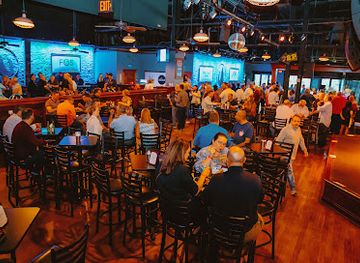
Howl at the Moon Louisville
Discover the vibrant nightlife at Howl at the Moon Louisville, where live music and cocktails create unforgettable experiences in downtown.
-
Night club
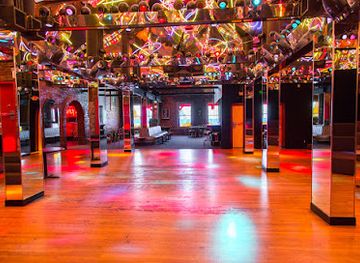
Play Louisville
Experience the vibrant nightlife of Play Louisville, a premier dance club and event venue celebrating inclusivity and entertainment in the heart of Kentucky.
-
Night club
Zero's Luxe Lounge
Discover the perfect blend of nightlife and dining at Zero's Luxe Lounge in Louisville, where chic ambiance meets delectable cuisine and crafted cocktails.
-
Night club
The Bar Complex
Discover the vibrant nightlife of The Bar Complex in Lexington, where live music, stylish ambiance, and unforgettable experiences await.


Best shops in Outer Bluegrass
Shopping in Outer Bluegrass is concentrated in historic town centres, independent stores, farm shops and seasonal markets rather than large destination malls. Frankfort, Georgetown, Versailles, Midway, Harrodsburg and Paris offer different combinations of antiques, books, clothing, home goods, galleries and locally produced food. Visitors commonly look for bourbon-related gifts, Kentucky-made preserves, sauces, confectionery, pottery, woodwork and crafts, while distillery shops provide branded bottles and glassware subject to applicable alcohol regulations and travel restrictions. Farm stands and farmers’ markets are useful for seasonal fruit and vegetables, baked goods and regional pantry products, although dates and availability change through the year. Antique and specialist shops are often found in restored commercial buildings around courthouse squares, making a town visit easy to combine with lunch or a heritage stop. Rural shopping is intermittent, so plan purchases during town visits rather than expecting retail services along every scenic route.
-
Outlet mall
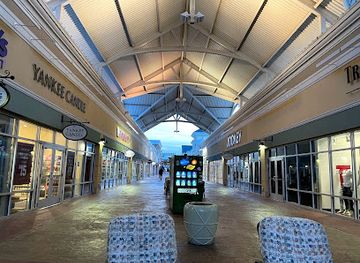
The Outlet Shoppes of the Bluegrass
Discover unbeatable deals at The Outlet Shoppes of the Bluegrass—your ultimate shopping destination in Simpsonville, Kentucky.
-
Shopping mall
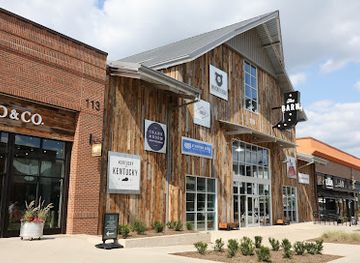
The Summit at Fritz Farm
Experience the charm of The Summit at Fritz Farm, where unique shopping meets delightful dining in the heart of Lexington, Kentucky.
-
Flea market
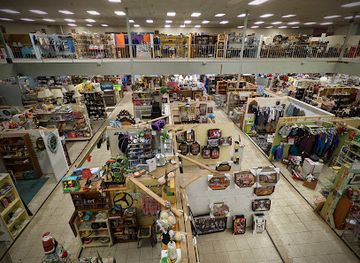
Lexington Peddlers Mall
Uncover the charm of Lexington Peddlers Mall, where unique treasures and local craftsmanship await every visitor.
-
Gift shop
Books-A-Million
Explore Books-A-Million in Louisville, KY for a diverse collection of books, collectibles, comics, and unique gifts that cater to all ages.

Get your free copy of our complete guide to Outer Bluegrass, delivered straight to you.
Everything on this page, from attractions and restaurants to essentials and local phrases, in one PDF you can read offline, print or share.
Already have an account? Sign in
Your Outer Bluegrass guide is ready.
We'll send it to · Not you? Sign out

Getting your guide ready…
We are putting together a fresh copy of the Outer Bluegrass guide. This can take up to a minute.
This can take a few moments. If your browser asks, choose Allow so the download can start. You'll find the guide in your Downloads folder.
Nothing happened? Download it again
Sorry, the guide is taking longer than usual. Please try again in a minute, or get it by email instead.
Outer Bluegrass essentials
Currency and Payment
Safety
Emergency Situations
Do's and Don'ts
Local Tips
From Eve
Local phrases worth knowing
You don't need to get them perfect. A few words go a long way, and locals appreciate the effort.
Basics
| English | Local | Say it |
|---|---|---|
| Hello | Howdy | [haʊdi] |
| Goodbye | See ya later | [si jə ˈleɪtər] |
| Yes | Yep | [jɛp] |
| No | Nope | [noʊp] |
| Please/You're welcome | Please/No problem | [pliz/nəʊ ˈprɒbləm] |
| Thank you | Thanks a lot | [θæŋks ə lɑt] |
| Excuse me/Sorry | Excuse me/Sorry 'bout that | [ɪkˈskjuːz mi/ˈsɔri baʊt ðæt] |
| How are you? | How ya doin'? | [haʊ jə ˈduɪn] |
| Fine. And you? | Good. And you? | [ɡʊd. ənd jə] |
| Do you speak English? | You speakin' English? | [ju ˈspikin ˈɪŋɡlɪʃ] |
| I don't understand | I ain't gettin' it | [aɪ eɪnt ˈɡɛtɪn ɪt] |
Eating & Drinking
| English | Local | Say it |
|---|---|---|
| I'd like to see the menu, please | Can I see the menu, please? | [kæn aɪ si ðə ˈmɛnjuː pliz] |
| I don't eat meat | I don't eat no meat | [aɪ doʊnt iːt noʊ miːt] |
| Cheers! | Cheers! | [ʧɪrz] |
| I would like to pay, please | Can I pay, please? | [kæn aɪ peɪ pliz] |
Emergencies
| English | Local | Say it |
|---|---|---|
| Help! | Help! | [hɛlp] |
| Go away! | Get outta here! | [ɡɛt ˈaʊtə hɪr] |
| Call the Police! | Call the cops! | [kɔl ðə kɒps] |
| Call a doctor! | Get a doctor! | [ɡɛt ə ˈdɒktər] |
| I'm lost | I’m lost | [aɪm lɔst] |
| I'm ill | I ain't feelin' well | [aɪ eɪnt ˈfiːlɪn wɛl] |
Shopping
| English | Local | Say it |
|---|---|---|
| I'd like to buy... | I wanna buy... | [aɪ ˈwɑnə baɪ] |
| I'm just looking | Just lookin' | [dʒʌst ˈlʊkɪn] |
| How much is it? | How much's this cost? | [haʊ mʌʧz ðɪs kɔst] |
| That's too expensive | That’s too pricey | [ðæts tu ˈpraɪsi] |
| Can you lower the price? | Can ya bring down the price? | [kæn jə brɪŋ daʊn ðə praɪs] |
Time & Numbers
| English | Local | Say it |
|---|---|---|
| What time is it? | What time’s it? | [wʌt taɪmz ɪt] |
| It's one o'clock | It's one o'clock | [ɪts wʌn əˈklɒk] |
| Half past (10) | Half past ten | [hæf pæst tɛn] |
| Morning | Mornin' | [ˈmɔrnɪn] |
| Afternoon | Afternoon | [ˌɑːftərˈnuːn] |
| Evening | Evenin' | [ˈiːvənɪn] |
| Yesterday | Yesterday | [ˈjɛstərdeɪ] |
| Today | Today | [təˈdeɪ] |
| Tomorrow | Tomorrow | [təˈmɒroʊ] |
| 1 | One | [wʌn] |
| 2 | Two | [tuː] |
| 3 | Three | [θriː] |
| 4 | Four | [fɔːr] |
| 5 | Five | [faɪv] |
| 6 | Six | [sɪks] |
| 7 | Seven | [ˈsɛvən] |
| 8 | Eight | [eɪt] |
| 9 | Nine | [naɪn] |
| 10 | Ten | [tɛn] |
Transport & Directions
| English | Local | Say it |
|---|---|---|
| Where's a/the...? | Where's the...? | [wɛrz ðə] |
| What's the address? | What’s the address? | [wʌts ði əˈdrɛs] |
| Can you show me (on the map)? | Can ya show me (on the map)? | [kæn jə ʃoʊ mi (ɒn ðə mæp)] |
| When's the next (bus)? | When's the next bus? | [wɛn zðə nɛkst bʌs] |
| A ticket (to ....) | A ticket (to ...) | [ə ˈtɪkɪt (tu ...)] |
History of Outer Bluegrass
Indigenous Landscapes and Early Settlement
Before European-American settlement, the central Kentucky landscape was used by Indigenous peoples for hunting, travel and trade, with river corridors and fertile uplands shaping movement through the region. The area was not an empty wilderness when colonial settlers arrived. Its limestone soils, springs and navigable waterways later attracted farmers and land speculators, while Indigenous communities faced displacement as Kentucky became incorporated into the expanding United States. Archaeological evidence and the geography of the Kentucky River and its tributaries remain important reminders that the region’s history begins well before the forts and farmsteads commonly associated with its colonial period.
Harrodsburg and the Revolutionary Frontier
Harrodsburg, founded in 1774 by James Harrod, is widely recognised as Kentucky’s oldest permanent European-American settlement. Its early fort and surrounding community became part of the revolutionary-era contest for control of the Kentucky frontier. Fort Harrod offered settlers protection and a base from which farms and roads developed, although life remained insecure and closely connected to the broader conflict between colonial settlers and Indigenous peoples. Old Fort Harrod State Park interprets this formative period through reconstructed buildings, exhibits and the town’s continuing historic fabric.
Farms, Roads and Market Towns
During the late eighteenth and nineteenth centuries, fertile soils and reliable springs supported a growing agricultural economy across Outer Bluegrass. Hemp, tobacco, livestock and grain were among the products that moved through towns such as Frankfort, Georgetown, Paris, Versailles, Harrodsburg and Shelbyville. Turnpikes, river transport and later railways connected local farms to larger markets, encouraging the construction of brick courthouses, commercial blocks, churches and substantial farmhouses. The region’s characteristic mixture of open pasture and wooded hollows reflects this long agricultural development rather than a single planned landscape.
Shaker Village at Pleasant Hill
The Shakers established the Pleasant Hill community near Harrodsburg in 1805. Their celibate religious society became known for communal ownership, disciplined labour, innovative farming and carefully made buildings and furniture. Pleasant Hill declined in the late nineteenth century and the village eventually closed, but the surviving structures and landscape have been preserved and interpreted as Shaker Village of Pleasant Hill. Its restored buildings reveal a social and religious experiment that was distinct from the surrounding farm economy, while demonstrations and exhibitions explain the community’s craftsmanship, agriculture and beliefs.
The Civil War and the Battle of Perryville
On 8 October 1862, Union and Confederate forces fought at Perryville in Boyle County during the Confederate campaign in Kentucky. The battle was the largest and most significant Civil War engagement fought in the state. Although the Confederates withdrew afterwards, the fighting caused heavy casualties and helped secure Union control of Kentucky. Perryville Battlefield State Historic Site preserves broad sections of the terrain, including ridges, fields and farm buildings that help visitors understand how the landscape influenced the battle. The site also reflects the war’s profound effects on Kentucky communities divided by loyalty and circumstance.
The Rise of Kentucky Bourbon
Distilling developed alongside farming in central Kentucky, where limestone water, grain production, timber and transport routes created favourable conditions for whiskey-making. Bourbon production became increasingly associated with the state during the nineteenth century, although the industry experienced consolidation, regulation and severe disruption during Prohibition. The distilleries and maturation warehouses of the Outer Bluegrass form part of a wider Kentucky bourbon tradition, with Frankfort, Versailles, Georgetown and surrounding rural districts retaining important links to production. Modern bourbon tourism builds on this industrial history while operating within a tightly regulated contemporary sector.
Railways, Industry and Modern Heritage Tourism
Railways strengthened the connections between Outer Bluegrass farms, market towns and larger commercial centres during the nineteenth and early twentieth centuries. Frankfort’s position on the Kentucky River and its role as the state capital gave it a political and trading importance beyond its size, while other towns developed around agriculture, milling, tobacco and livestock. In the later twentieth century, preservation efforts increasingly treated historic courthouses, Shaker buildings, battlefields, farm landscapes and distilleries as shared cultural assets. Tourism now sits alongside farming, manufacturing, government and bourbon production in the region’s economy.
Outer Bluegrass in Photos
Browse through our photo collection highlighting the charm and character of the destination.
Neighbouring regions of Outer Bluegrass
The closest regions to Outer Bluegrass, if you have time for more than one.
-

-

-

-
-


Swipe for more regions
Explore more

Explore more of Kentucky
Discover Kentucky, a land of natural wonders, historic landmarks, and rich cultural heritage. From horse racing to bourbon distilleries, this state has it all.
Explore Kentucky