

Free Cumberland Plateau Travel Guide & Mobile App
Explore Cumberland Plateau with free travel guides. Discover regional history, expert tips, proposed trips, and audio guides on web or mobile app.


Explore Kentucky’s Cumberland Plateau for sandstone gorges, forest trails, waterfalls, Appalachian heritage and outdoor adventures across eastern Kentucky.
Read more about Cumberland Plateau
When is the best time to visit Cumberland Plateau?
Best: May, September–October · 21–26°C| Month | High (°C) | Rainfall (mm) |
|---|---|---|
| January | 8 | 90 |
| February | 9 | 85 |
| March | 15 | 95 |
| April | 20 | 100 |
| May (best) | 24 | 110 |
| June | 30 | 105 |
| July | 31 | 110 |
| August | 31 | 105 |
| September (best) | 26 | 100 |
| October (best) | 21 | 90 |
| November | 15 | 95 |
| December | 9 | 100 |
Getting to and around Cumberland Plateau
How to get there
Transportation
Top city travel guides in Cumberland Plateau
The cities of Cumberland Plateau, and the easiest places to base yourself.
-

-

-

-

-


Swipe for more cities
Destinations in Cumberland Plateau
Resorts, valleys and scenic spots worth a trip of their own.
-

-

-

-

-

-
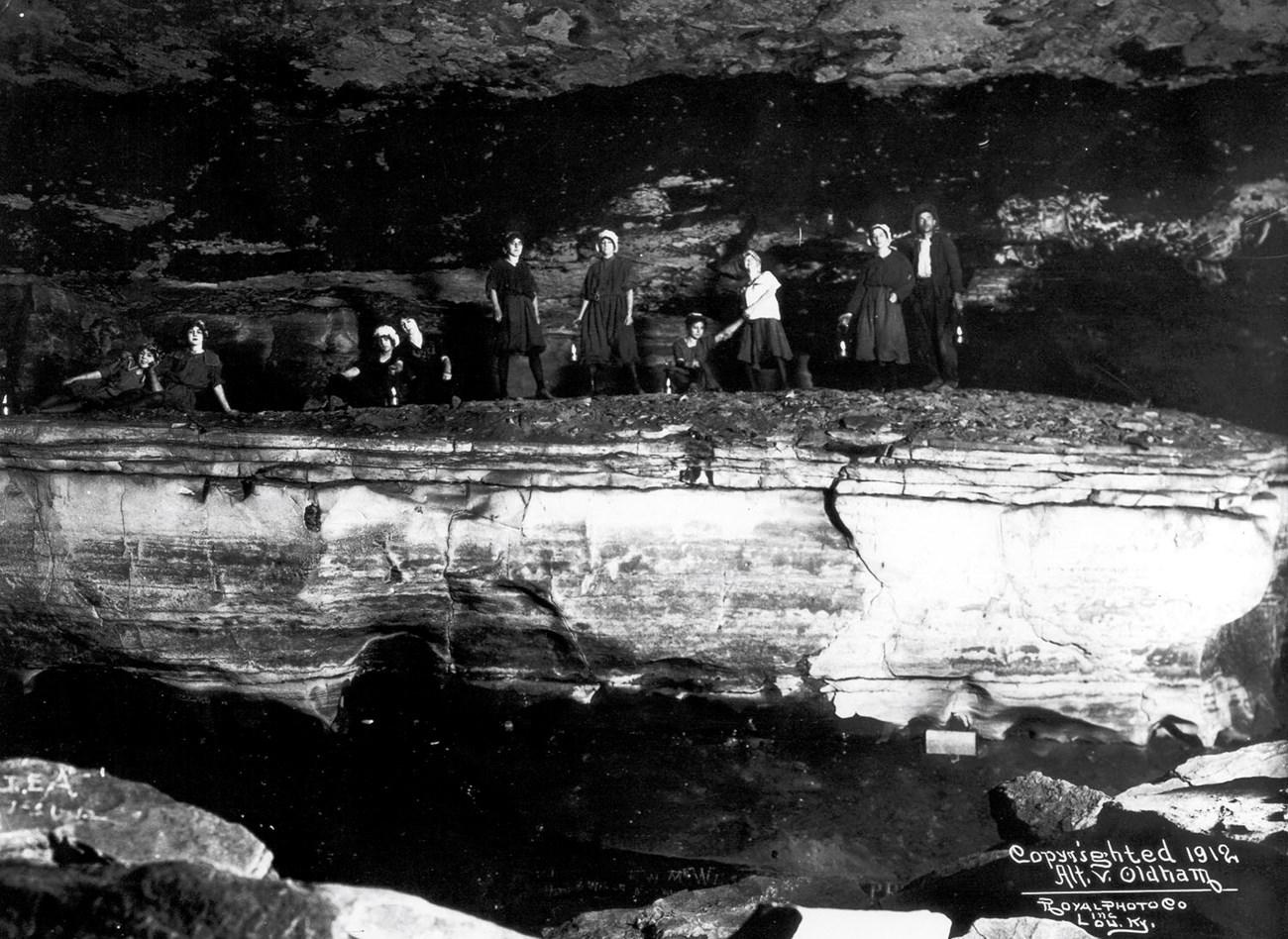 Carter Caves State Resort Park
Discover the hidden wonders of Carter Caves State Resort Park in Kentucky, where underground adventures meet breathtaking above-ground beauty.
Carter Caves State Resort Park
Discover the hidden wonders of Carter Caves State Resort Park in Kentucky, where underground adventures meet breathtaking above-ground beauty.


Swipe for more destinations
Best attractions in Cumberland Plateau
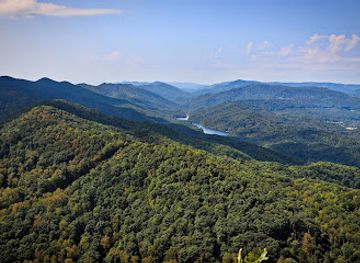
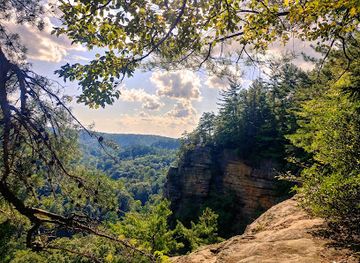
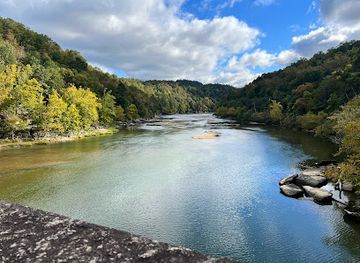
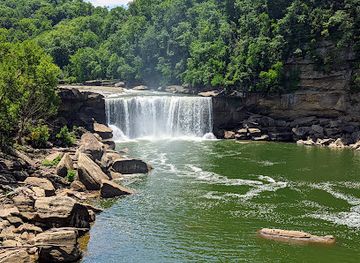
The Cumberland Plateau’s principal attractions are its public forests, sandstone formations, rivers and Appalachian heritage. Daniel Boone National Forest provides the broadest recreation setting, with hiking, camping, scenic drives, horse riding, fishing and climbing spread across a large, varied landscape. The Red River Gorge Geological Area is particularly noted for cliffs, arches and interconnected trails, while Natural Bridge State Resort Park offers a more structured introduction to the region’s sandstone geology. Cumberland Falls State Resort Park centres on a major waterfall and the Cumberland River, with walking routes and viewing areas, and Big South Fork National River and Recreation Area adds river gorges, overlooks, backcountry trails and historic transport traces in the Kentucky–Tennessee borderlands. Visitors can also explore local museums, coal and railway heritage, small-town cultural venues and craft traditions. Distances are substantial, and attractions often work best as focused day trips rather than as a single circuit.
-
National forest
Daniel Boone National Forest
Discover the stunning landscapes and rich history of Daniel Boone National Forest, a paradise for outdoor enthusiasts in Kentucky.
-
Hotel
Cumberland Falls State Resort Park
Explore the enchanting landscapes of Cumberland Falls State Resort Park, a premier destination for hiking, rafting, and breathtaking waterfalls in Kentucky.
-
National reserve
Cumberland Gap National Historical Park
Explore the natural beauty and rich history of Cumberland Gap National Historical Park, where adventure and education intertwine in the Appalachian wilderness.
-
Tourist attraction
Cumberland Caverns
Cumberland Caverns in McMinnville, TN: A captivating underground wonderland perfect for adventure seekers and history lovers alike.

Best landmarks in Cumberland Plateau
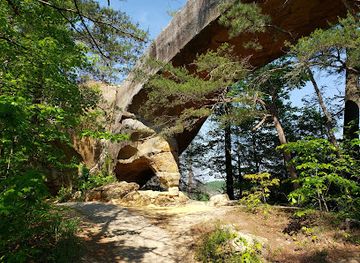
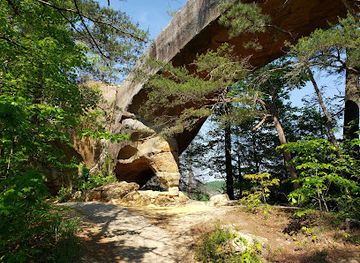
The Natural Bridge at Natural Bridge State Resort Park is one of the Cumberland Plateau’s most recognisable geological landmarks, a substantial sandstone arch formed by long-term weathering and reached by woodland trails. In the Red River Gorge, formations such as Sky Bridge and the surrounding cliff lines illustrate the plateau’s distinctive resistant sandstone geology, though their significance is best understood as part of a wider network of arches, ravines and rock shelters rather than as isolated monuments. Cumberland Falls is the region’s most celebrated water landmark, where the Cumberland River drops across a broad rock ledge and creates a powerful focal point in the southern plateau. The Nada Tunnel, cut through sandstone near the Red River Gorge, represents the area’s earlier transport and quarrying history. Across the wider region, former railway corridors, mining structures, company settlements and courthouse towns add human landmarks to the natural ones, revealing how transport, extraction and local government shaped communities in difficult terrain.
-
National park
Mammoth Cave National Park
Explore the breathtaking Mammoth Cave National Park, home to the world's longest cave system and diverse ecosystems in the heart of Kentucky.
-
National forest
Daniel Boone National Forest
Explore the natural beauty and adventure of Daniel Boone National Forest in Kentucky, a paradise for outdoor enthusiasts and nature lovers.
-
State park
Cumberland Falls State Resort Park
Experience the breathtaking beauty and adventure at Cumberland Falls State Resort Park, a natural paradise in Kentucky perfect for outdoor enthusiasts and nature lovers.
-
State park
Cumberland Mountain State Park
Explore the breathtaking landscapes and rich history of Cumberland Mountain State Park in Tennessee, a perfect destination for outdoor adventures.

Explore Cumberland Plateau on the map
Plan your trip on one map. See where the top cities, national parks and sights are, and book hotels and experiences in a few clicks.
Best hotels in Cumberland Plateau
Best restaurants in Cumberland Plateau
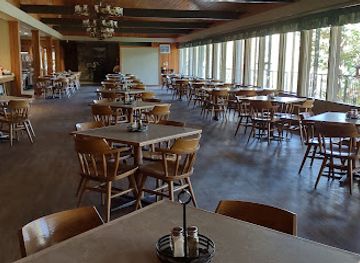
Dining across the Cumberland Plateau is rooted in Appalachian home cooking, country diners, family-run restaurants and the food traditions of eastern Kentucky. Menus may include beans and cornbread, fried chicken, country ham, biscuits, fried apples, soup beans, seasonal vegetables and desserts such as cobblers or banana pudding; recipes vary between families and communities rather than forming one rigid regional canon. Around Corbin, London, Somerset and the Red River Gorge, visitors will find a wider choice of diners, cafés, barbecue restaurants, pizza places and contemporary kitchens serving hikers and local residents. Small-town restaurants can be useful places to encounter regional conversation and locally familiar dishes, while farmers’ markets and roadside stands offer produce in season. Craft beer and other drinks are available in parts of the region, but alcohol regulations and availability can differ between counties, so visitors should check local arrangements rather than assume that every community has the same licensing rules.
-
Restaurant
Cumberland Falls State Resort Park
Discover the stunning waterfalls and outdoor adventures at Cumberland Falls State Resort Park in Kentucky - a natural gem for all explorers.
-
State park
Natural Bridge State Resort Park
Discover the breathtaking beauty of Natural Bridge State Resort Park in Kentucky - a paradise for hikers and nature lovers alike.
-
Restaurant
Patti's 1880's Settlement
Discover historic dining at Patti's 1880's Settlement - where delicious meals meet timeless charm in Grand Rivers, Kentucky.
-
Barbecue
Sonny's BBQ
Experience authentic Southern barbecue at Sonny's BBQ in Corbin - where every bite tells a story of flavor.



Best bars in Cumberland Plateau
Evening life on the Cumberland Plateau is generally centred on traditional pubs, restaurants, cafés, breweries and live music rather than a large nightclub scene. The larger towns, including Corbin, London, Somerset and Morehead, offer the widest choice of bars and late-opening venues, while areas around the Red River Gorge cater to outdoor visitors with relaxed restaurants, taprooms and occasional live performances. In smaller mountain communities, evenings may be quiet once restaurants close, and accommodation in or near a recreation area can be more practical than expecting a late-night district. Local music, community events and seasonal gatherings are often more representative of the region’s social life than formal clubbing. Visitors should drink responsibly, arrange a designated driver on winding rural roads and confirm current opening arrangements before travelling from a remote base.
-
State park
Cumberland Falls State Resort Park
Experience breathtaking waterfalls, scenic trails, and outdoor adventures at Cumberland Falls State Resort Park, a natural paradise in Kentucky.
-
Barbecue
Sonny's BBQ
Experience the authentic flavors of Southern barbecue at Sonny's BBQ in Corbin, Kentucky, a family-friendly restaurant with a mouthwatering menu.
-
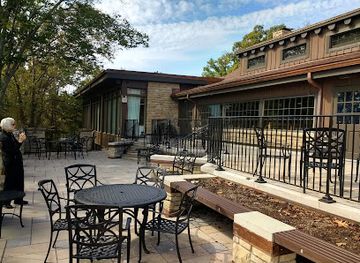
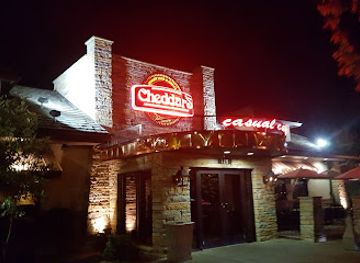
Traditional American
Cheddar's Scratch Kitchen
Experience the best of traditional American cuisine at Cheddar's Scratch Kitchen in London, KY, where every meal is made from scratch.
-
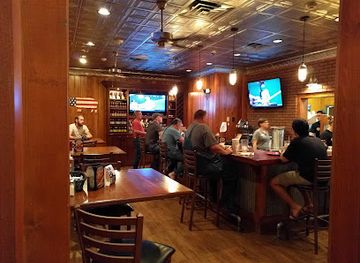
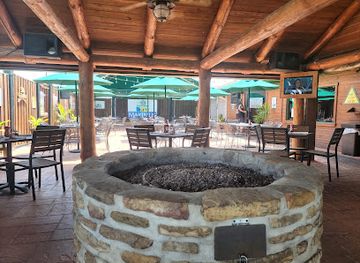
American
Old Town Grill of London
Experience a delightful fusion of American, Italian, and seafood cuisines at Old Town Grill, a must-visit restaurant in London, Kentucky.
Best nightclubs in Cumberland Plateau
Evening life on the Cumberland Plateau is generally centred on traditional pubs, restaurants, cafés, breweries and live music rather than a large nightclub scene. The larger towns, including Corbin, London, Somerset and Morehead, offer the widest choice of bars and late-opening venues, while areas around the Red River Gorge cater to outdoor visitors with relaxed restaurants, taprooms and occasional live performances. In smaller mountain communities, evenings may be quiet once restaurants close, and accommodation in or near a recreation area can be more practical than expecting a late-night district. Local music, community events and seasonal gatherings are often more representative of the region’s social life than formal clubbing. Visitors should drink responsibly, arrange a designated driver on winding rural roads and confirm current opening arrangements before travelling from a remote base.
-
Night club
Stevie Ray's Blues Bar
Immerse yourself in the vibrant blues scene at Stevie Ray's Blues Bar in downtown Louisville, where live music and a lively atmosphere await.
-
Night club
Howl at the Moon Louisville
Discover the electrifying atmosphere of Howl at the Moon Louisville, where live music, dancing, and unique cocktails create unforgettable nightlife experiences.
-
Night club
The Bar Complex
Discover the nightlife of Lexington at The Bar Complex, where live music and vibrant ambiance create unforgettable experiences.
-
Night club
Electric Cowboy Clarksville
Experience the vibrant nightlife at Electric Cowboy Clarksville, a lively night club blending dance, drinks, and fun in the heart of Tennessee.


Best shops in Cumberland Plateau
Shopping in the Cumberland Plateau is concentrated in the main towns, roadside businesses, outdoor retailers, local galleries and seasonal markets rather than large luxury centres. Around the Red River Gorge and Natural Bridge, specialist shops sell walking, climbing and camping equipment, while small galleries and craft outlets may carry pottery, woodwork, paintings, textiles and Appalachian-inspired work. Towns such as Corbin, London, Somerset and Morehead provide everyday retail, independent shops, antiques and locally produced food, with character varying according to their role as regional service centres. Farmers’ markets and roadside stands are useful for seasonal fruit, vegetables, preserves, baked goods and other produce, although availability changes through the year. Coal-related memorabilia, local books, music and handmade crafts can provide more meaningful souvenirs than generic merchandise, but visitors should ask about provenance and support genuine local makers where possible.
-
Gift shop
Three Bears General Store
Explore a charming blend of gifts, sweets, and fun at Three Bears General Store in Pigeon Forge, the ultimate tourist shopping destination.
-
National forest
Daniel Boone National Forest
Explore the breathtaking Daniel Boone National Forest, a natural wonder in Kentucky with endless outdoor adventures and stunning landscapes.
-
State park
Cumberland Falls State Resort Park
Experience the breathtaking beauty and adventure of Cumberland Falls State Resort Park, a premier natural destination in Kentucky.
-
Shopping mall
Kentucky Oaks Mall
Explore Kentucky Oaks Mall, a shopping paradise in Paducah, KY, featuring diverse stores, dining, and entertainment for every traveler.
Get your free copy of our complete guide to Cumberland Plateau, delivered straight to you.
Everything on this page, from attractions and restaurants to essentials and local phrases, in one PDF you can read offline, print or share.
Already have an account? Sign in
Your Cumberland Plateau guide is ready.
We'll send it to · Not you? Sign out

Getting your guide ready…
We are putting together a fresh copy of the Cumberland Plateau guide. This can take up to a minute.
This can take a few moments. If your browser asks, choose Allow so the download can start. You'll find the guide in your Downloads folder.
Nothing happened? Download it again
Sorry, the guide is taking longer than usual. Please try again in a minute, or get it by email instead.
Cumberland Plateau essentials
Currency and Payment
Safety
Emergency Situations
Do's and Don'ts
Local Tips
From Eve
Local phrases worth knowing
You don't need to get them perfect. A few words go a long way, and locals appreciate the effort.
Basics
| English | Local | Say it |
|---|---|---|
| Hello | Howdy | [Haw-dee] |
| Goodbye | See ya | [See yah] |
| Yes | Yup | [Yup] |
| No | Nope | [Nope] |
| Please/You're welcome | Please/No problem | [Please/No prob-lem] |
| Thank you | Thank ya | [Thank yah] |
| Excuse me/Sorry | Excuse me/Sorry 'bout that | [Ex-cuse me/Sorry 'bout that] |
| How are you? | How ya doin'? | [How yah doin'?] |
| Fine. And you? | I'm good. And you? | [I'm good. An' you?] |
| Do you speak English? | Ya speakin' English? | [Ya speakin' English?] |
| I don't understand | I ain't gettin' it | [I ain't gettin' it] |
Eating & Drinking
| English | Local | Say it |
|---|---|---|
| I'd like to see the menu, please | Can I see the menu, please? | [Can I see the men-u, please?] |
| I don't eat meat | I don't eat no meat | [I don't eat no meat] |
| Cheers! | Cheers! | [Cheers!] |
| I would like to pay, please | I wanna pay, please | [I wanna pay, please] |
Emergencies
| English | Local | Say it |
|---|---|---|
| Help! | Help! | [Help!] |
| Go away! | Get on outta here! | [Get on outta here!] |
| Call the Police! | Call the cops! | [Call the cops!] |
| Call a doctor! | Get a doctor here! | [Get a doctor here!] |
| I'm lost | I ain't got no idea where I am | [I ain't got no idea where I am] |
| I'm ill | I ain't feelin' well | [I ain't feelin' well] |
Shopping
| English | Local | Say it |
|---|---|---|
| I'd like to buy... | I wanna buy... | [I wanna buy...] |
| I'm just looking | I'm just lookin' | [I'm just lookin'] |
| How much is it? | How much fer that? | [How much fer that?] |
| That's too expensive | That there's too high | [That there's too high] |
| Can you lower the price? | Can ya bring the price down? | [Can ya bring the price down?] |
Time & Numbers
| English | Local | Say it |
|---|---|---|
| What time is it? | What time d'ya got? | [What time d'ya got?] |
| It's one o'clock | It's one o'clock | [It's one o'clock] |
| Half past (10) | Half past ten | [Half past ten] |
| Morning | Mornin' | [Mornin'] |
| Afternoon | Afternoon | [Afternoon] |
| Evening | Evenin' | [Evenin'] |
| Yesterday | Yestiddy | [Yestiddy] |
| Today | Today | [Today] |
| Tomorrow | Tomorra | [Tomorra] |
| 1 | One | [One] |
| 2 | Two | [Two] |
| 3 | Three | [Three] |
| 4 | Four | [Four] |
| 5 | Five | [Five] |
| 6 | Six | [Six] |
| 7 | Seven | [Seven] |
| 8 | Eight | [Eight] |
| 9 | Nine | [Nine] |
| 10 | Ten | [Ten] |
Transport & Directions
| English | Local | Say it |
|---|---|---|
| Where's a/the...? | Where's a...? | [Where's a...?] |
| What's the address? | What's the address? | [What's the address?] |
| Can you show me (on the map)? | Can ya show me on the map? | [Can ya show me on the map?] |
| When's the next (bus)? | When's the next bus? | [When's the next bus?] |
| A ticket (to ....) | A ticket to... | [A ticket to...] |
History of Cumberland Plateau
Indigenous Landscapes and Ancient Routes
Long before European settlement, Indigenous peoples travelled, hunted and gathered across the forests, rivers and sandstone uplands of eastern Kentucky. Rock shelters and archaeological sites in the broader Appalachian region record long periods of human occupation, while river corridors such as the Kentucky and Cumberland provided natural routes through difficult terrain. Later historic-era peoples, including Cherokee and Shawnee communities, maintained connections with the region, although colonial expansion increasingly disrupted Indigenous land use and sovereignty. Visitors should understand the plateau not as an untouched wilderness but as a cultural landscape with a much longer history than the pioneer era.
Pioneer Settlement and the Wilderness Road
From the late eighteenth century, Euro-American settlement expanded into Kentucky through routes associated with the Wilderness Road and the Cumberland Gap. The plateau’s steep ridges and isolated hollows made settlement slower and more dispersed than in the Bluegrass, and communities often developed along rivers, creeks and narrow valleys. Farming was generally small-scale, with corn, livestock and household production adapted to difficult terrain. The legacy of this period remains visible in old road patterns, family settlements, cemeteries and the cultural traditions of Appalachian Kentucky.
Timber, Railways and Industrial Access
During the nineteenth and early twentieth centuries, commercial timber cutting and railway construction transformed the plateau. Rail lines and logging developments opened remote valleys to outside markets, moved timber and minerals, and encouraged the growth of company towns and trading centres. The scale of extraction altered forests and river systems, while rail transport connected eastern Kentucky more closely with national industry. Historic railway grades, tunnels, bridges and former extractive sites provide reminders of this period, although many are now overgrown or incorporated into public-land recreation areas.
The Expansion of Coal Mining
Coal mining became one of the defining economic forces in eastern Kentucky during the twentieth century. Underground and later surface operations provided employment and supported towns, rail transport and local businesses, but they also brought dangerous working conditions, labour disputes, environmental damage and economic dependence on a single industry. The plateau’s modern communities were shaped by both mining prosperity and its decline. Abandoned mines, company housing, memorials and local museums continue to reflect the importance of coal to family histories and regional identity.
Public Forests and Protected Landscapes
The establishment and expansion of public land in the twentieth century helped conserve large parts of the plateau while creating a foundation for recreation. Daniel Boone National Forest, established in the 1930s, brought federal management to extensive forested areas and later supported trail systems, campgrounds and habitat protection. State parks and other protected sites added further safeguards for waterfalls, gorges and unusual geological formations. Conservation has sometimes involved controversy, particularly where recreation, private land, resource extraction and environmental protection overlap.
Red River Gorge Conservation and Outdoor Recreation
The Red River Gorge became a major focus of conservation efforts as its cliffs, arches and forests attracted hikers, climbers and researchers. Public campaigns helped protect important portions of the gorge from large-scale development, and the area later gained an international reputation for traditional climbing, sport climbing and backcountry recreation. The modern visitor economy around the gorge reflects this change, with guiding, lodging, food services and outdoor retail complementing older forestry and rural livelihoods. Its popularity also creates continuing responsibilities concerning erosion, waste, traffic and respect for private land.
Contemporary Appalachian Transition
In recent decades, the Cumberland Plateau has faced the decline of coal employment alongside efforts to diversify through tourism, small businesses, education, healthcare, manufacturing and outdoor recreation. Towns and counties have different economic experiences, and the transition should not be reduced to a simple story of abandonment. Community organisations, heritage projects and local entrepreneurs are developing new ways to present Appalachian culture while retaining control over its interpretation. Today’s plateau combines working landscapes and persistent economic challenges with a growing public interest in forests, rivers, climbing, hiking and regional history.
Cumberland Plateau in Photos
Browse through our photo collection highlighting the charm and character of the destination.
Neighbouring regions of Cumberland Plateau
The closest regions to Cumberland Plateau, if you have time for more than one.
-

-

-

-

-


Swipe for more regions
Explore more

Explore more of Kentucky
Discover Kentucky, a land of natural wonders, historic landmarks, and rich cultural heritage. From horse racing to bourbon distilleries, this state has it all.
Explore Kentucky