

Free Mississippi Plateau Travel Guide & Mobile App
Explore Mississippi Plateau with free travel guides. Discover regional history, expert tips, proposed trips, and audio guides on web or mobile app.


Explore Mississippi Plateau Kentucky for river towns, Indigenous heritage, Civil War sites, quilting culture, outdoor recreation and Southern food.
Read more about Mississippi Plateau
Getting to and around Mississippi Plateau
How to get there
Transportation
Top city travel guides in Mississippi Plateau
The cities of Mississippi Plateau, and the easiest places to base yourself.
-

-
-

-

-

-


Swipe for more cities
Destinations in Mississippi Plateau
Resorts, valleys and scenic spots worth a trip of their own.
-

-

-

-

-
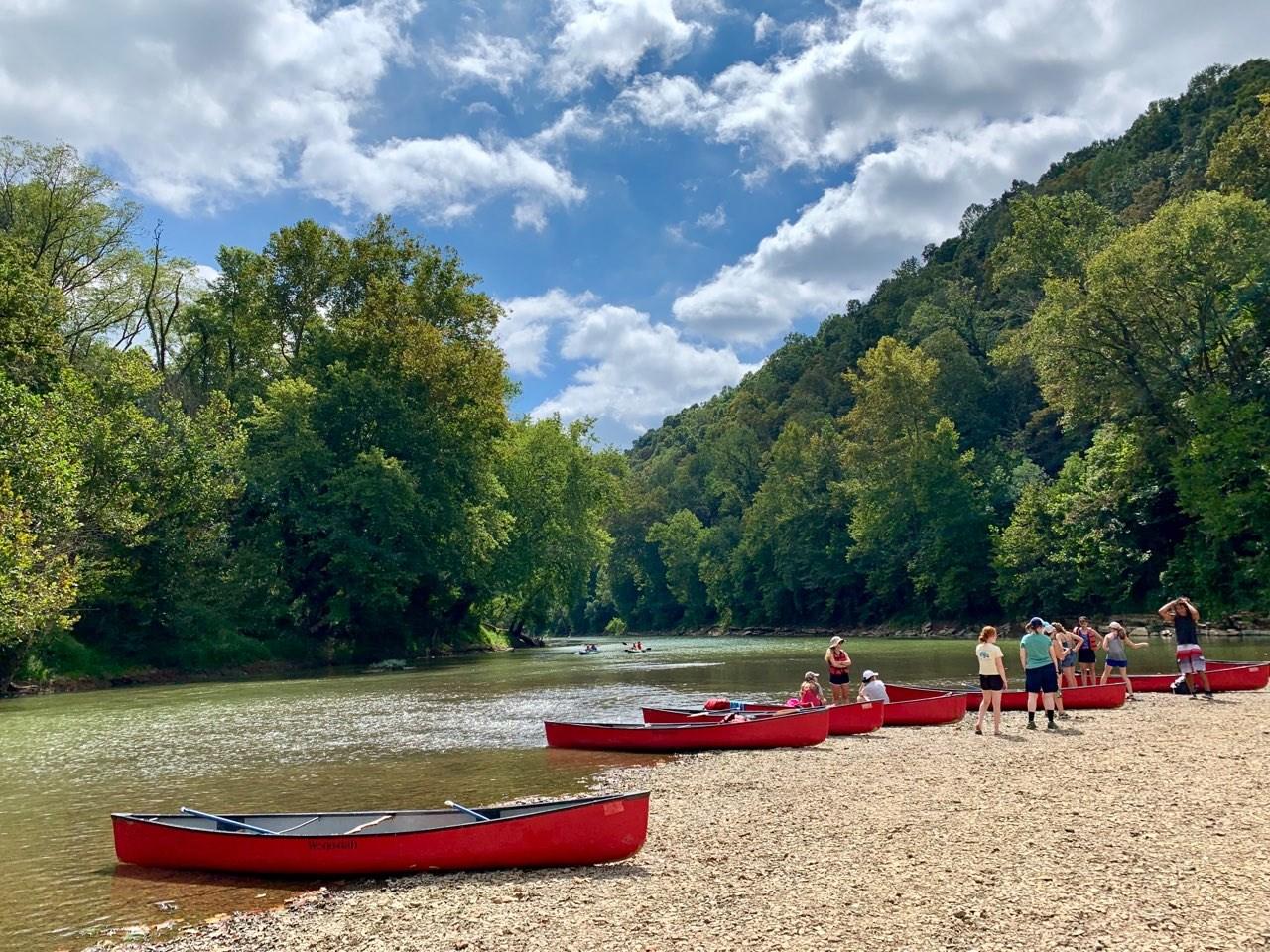 Green River Lake State Park
, Kentucky, offers boating, fishing, camping, hiking and golf amid wooded coves and rolling countryside near Campbellsville.
Green River Lake State Park
Green River Lake State Park, Kentucky, offers boating, fishing, camping, hiking and golf amid wooded coves and rolling countryside near Campbellsville.


Swipe for more destinations
Best attractions in Mississippi Plateau
The Mississippi Plateau’s attractions are spread across a river-oriented landscape, with Paducah providing the strongest concentration of museums and cultural venues. The National Quilt Museum presents historic and contemporary textile art, while the city’s Lower Town and floodwall murals connect galleries, historic streets and public history. The Paducah Railroad Museum adds context about the railway systems that helped the port city expand. At Wickliffe Mounds State Historic Site, visitors can explore the remains of a Mississippian settlement and learn about Indigenous societies of the lower Ohio Valley. Columbus-Belmont State Park combines Civil War interpretation with views over the Mississippi River and its surrounding bluffs. Elsewhere, reservoirs, backwaters and rural roads support fishing, boating, birdwatching and scenic touring. The region’s appeal lies less in a dense sequence of headline attractions than in the contrast between museums, archaeological heritage, military history, working river landscapes and quiet agricultural country.
-
Aquarium
Newport Aquarium
Explore Newport Aquarium, where the ocean's wonders come to life through captivating exhibits and unforgettable experiences for all ages.
-
Shopping mall
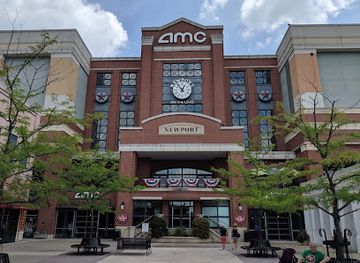
Newport on the Levee
Discover Newport on the Levee, a dynamic shopping mall in Kentucky featuring dining, entertainment, and stunning river views.
-
National park
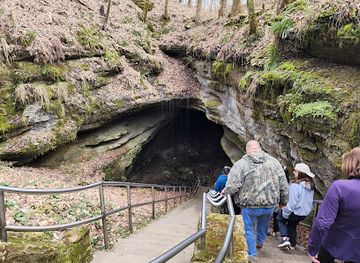
Mammoth Cave National Park
Discover the enchanting Mammoth Cave National Park, where adventure awaits in the world’s longest cave system and breathtaking natural landscapes.
-
Visitor center
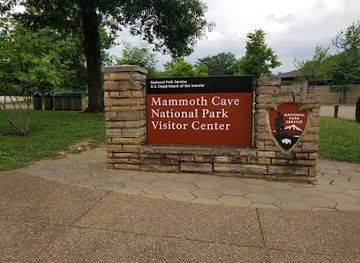
Mammoth Cave Visitor Center
Discover the breathtaking Mammoth Cave National Park at the Mammoth Cave Visitor Center - your gateway to adventure in the world's longest cave system.

Best landmarks in Mississippi Plateau
Paducah’s floodwall is one of the Mississippi Plateau’s most recognisable civic landmarks. Its long series of painted panels turns a practical flood-control structure into a public historical narrative, depicting people, industries and episodes associated with the city and the rivers. The confluence of the Tennessee and Ohio rivers provides the region’s defining geographical landmark, even though much of the view is experienced from developed riverfront areas rather than from a single monument. Wickliffe Mounds is significant as an archaeological landmark representing a Mississippian settlement and the deep Indigenous history of the lower Ohio Valley. Columbus-Belmont’s elevated position above the Mississippi River preserves a strategically important Civil War landscape, including earthworks and interpretive remains. Within Paducah, the historic buildings of Lower Town and the former railway architecture provide a smaller-scale architectural record of port, rail and commercial development. Together these landmarks show how water, Indigenous settlement, military strategy and modern civic identity have shaped western Kentucky.
-
National park
Mammoth Cave National Park
Discover the wonders of Mammoth Cave National Park in Kentucky, a UNESCO World Heritage Site featuring the world's longest cave system and breathtaking natural beauty.
-
Historical landmark
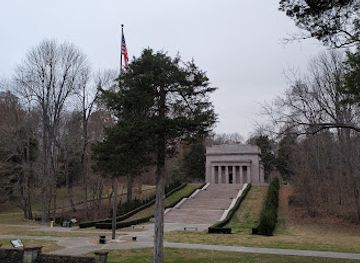
Abraham Lincoln Birthplace
Explore the Abraham Lincoln Birthplace, a historical landmark in Hodgenville, Kentucky, where the legacy of America's 16th president comes to life.
-
National reserve
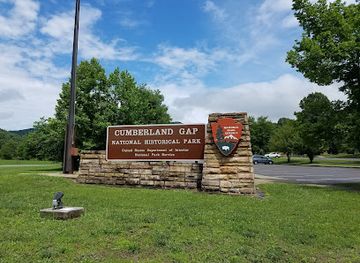
Cumberland Gap National Historical Park
Explore the historic Cumberland Gap National Historical Park, where nature and history converge in the heart of the Appalachian Mountains.
-
State park
Big Bone Lick State Historic Site
Discover the rich history and natural beauty of Big Bone Lick State Historic Site in Kentucky, where ancient fossils and scenic trails await.
Explore Mississippi Plateau on the map
Plan your trip on one map. See where the top cities, national parks and sights are, and book hotels and experiences in a few clicks.
Best hotels in Mississippi Plateau
Best restaurants in Mississippi Plateau
Dining in the Mississippi Plateau reflects western Kentucky’s position between the South and the Ohio Valley. Barbecue, catfish, country ham, biscuits, fried chicken, seasonal vegetables and hearty breakfast plates are common regional reference points, while locally owned diners remain useful places to encounter everyday food culture. Paducah offers the broadest choice, including cafés, bakeries, contemporary restaurants and establishments drawing on the city’s arts-oriented visitor economy. Smaller communities tend towards family restaurants, barbecue counters and informal eateries rather than extensive fine-dining districts. River and reservoir areas may feature catfish and other freshwater dishes, although menus vary by season and business. Farmers’ markets and roadside produce stands can provide access to fruit, vegetables, preserves and baked goods when operating. Visitors should distinguish local Kentucky traditions from dishes shared across the wider American South, since the region’s culinary identity is defined by overlap as much as by exclusive specialities.
-
Bed & breakfast
Patti's 1880's Settlement
Discover Southern hospitality at Patti's 1880's Settlement - A historic bed & breakfast with delicious dining experiences in Grand Rivers, Kentucky.
-
Mexican
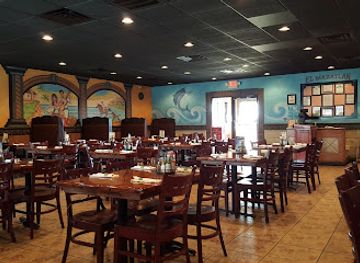
El Mazatlan Bar and Grill #4
Experience authentic Mexican cuisine at El Mazatlan Bar and Grill in Cave City - where flavor meets friendly service!
-
American
Watermill Restaurant
Discover the heart of American dining at Watermill Restaurant in Cave City, Kentucky – where delicious food meets warm hospitality.
-
American
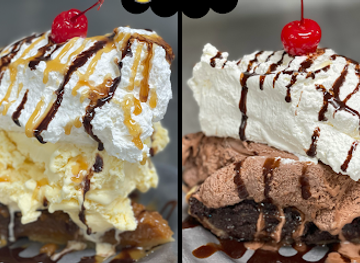
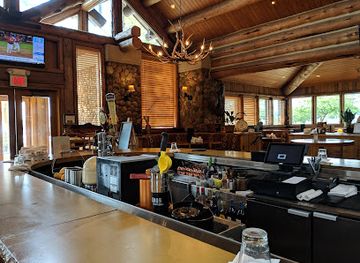
Montana Grille
Experience authentic American cuisine at Montana Grille, where delicious steaks meet warm hospitality in Bowling Green.

Best bars in Mississippi Plateau
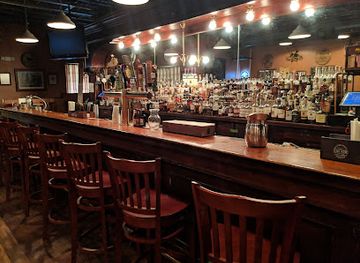
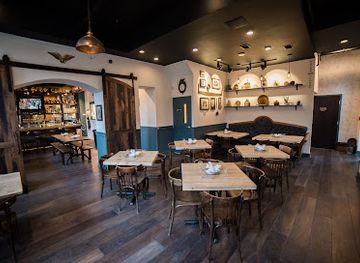
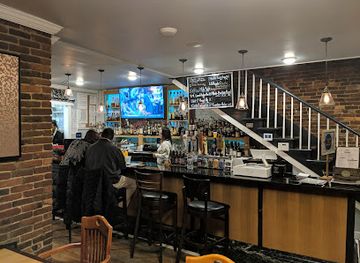
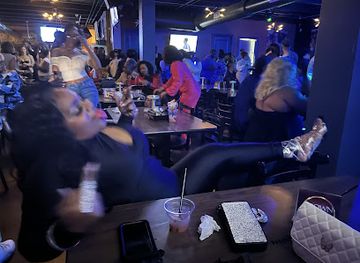
Evening life is centred on Paducah, where restaurants, traditional bars, breweries and occasional live-music or cultural events provide more choice than in the surrounding rural communities. Historic areas and the riverfront can offer a relaxed setting for an evening meal or drink, but the region is not primarily a major nightclub destination. In smaller towns, nightlife usually revolves around local pubs, family restaurants, seasonal community events and informal live music rather than dedicated club districts. Some visitors choose to explore regional beer and spirits in moderation, while others focus on food, galleries or performances. Opening arrangements and individual venues change, so current information should be checked locally. In rural areas, plan transport in advance, particularly where taxi and rideshare coverage is limited after dark.
-
American
Blind Squirrel - Louisville
Discover the lively spirit of Louisville at Blind Squirrel, where delicious American cuisine meets unforgettable live music and a vibrant atmosphere.
-
American
The Old Talbott Tavern
Discover the rich history and authentic American cuisine at The Old Talbott Tavern in Bardstown, Kentucky - a true culinary landmark.
-
American
Boomtown Biscuits & Whiskey
Discover Southern culinary delights at Boomtown Biscuits & Whiskey in Union, Kentucky, a must-visit breakfast spot with a cozy atmosphere.
-
Restaurant
Bourbon On Main
Experience the charm of Bourbon On Main in Frankfort, Kentucky, where local cuisine meets a rich bourbon cocktail culture.

Best nightclubs in Mississippi Plateau
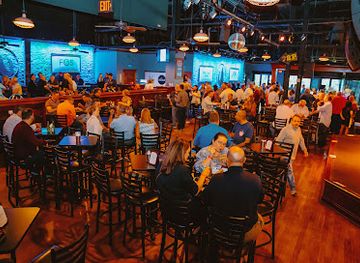
Evening life is centred on Paducah, where restaurants, traditional bars, breweries and occasional live-music or cultural events provide more choice than in the surrounding rural communities. Historic areas and the riverfront can offer a relaxed setting for an evening meal or drink, but the region is not primarily a major nightclub destination. In smaller towns, nightlife usually revolves around local pubs, family restaurants, seasonal community events and informal live music rather than dedicated club districts. Some visitors choose to explore regional beer and spirits in moderation, while others focus on food, galleries or performances. Opening arrangements and individual venues change, so current information should be checked locally. In rural areas, plan transport in advance, particularly where taxi and rideshare coverage is limited after dark.
-
Bar
Howl at the Moon Louisville
Discover the lively atmosphere and unforgettable live music at Howl at the Moon Louisville, a premier bar and nightlife destination in the heart of the city.
-
Grill
Wings Etc.
Experience the best of American cuisine at Wings Etc. in Madisonville, where flavor meets fun in a family-friendly atmosphere.
-
Gay bar
Play Louisville
Discover the heart of Louisville's nightlife at Play Louisville, a vibrant gay bar that promises unforgettable nights of dancing and entertainment.
-
Night club
The Palm Room
Discover The Palm Room, Louisville's vibrant night club offering amazing music, fun cocktails, and a lively atmosphere perfect for unforgettable nights.


Best shops in Mississippi Plateau
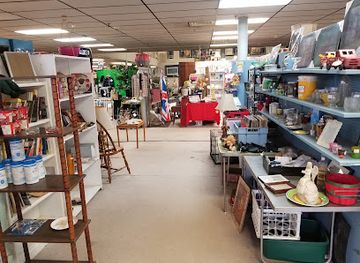
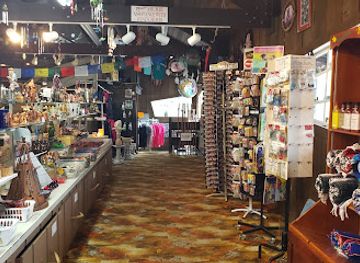
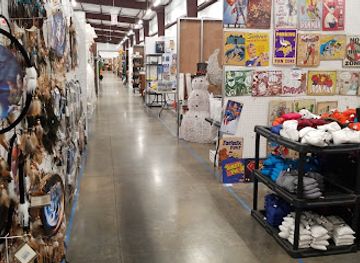
Shopping is most varied in Paducah, particularly in and around Lower Town, where independent galleries, studios, craft outlets, antiques dealers and locally oriented gift shops reflect the city’s connection with quilting and the arts. Textile work, handmade objects, books, prints and Kentucky-themed food products make more meaningful souvenirs than generic merchandise. The National Quilt Museum also helps explain why fabric arts are unusually prominent in the local retail and cultural scene, although visitors should distinguish museum exhibitions from commercial shopping. Market towns and rural communities offer a more practical mix of antique shops, independent stores, farm stands and seasonal produce sales. Farmers’ markets can provide preserves, baked goods and locally grown produce when in season, but schedules vary. Large-scale fashion and luxury shopping are not defining features of the region; travellers seeking broad retail choice will find it concentrated in Paducah and should expect longer distances between smaller-town shops.
-
Flea market
Lexington Peddlers Mall
Explore the eclectic charm of Lexington Peddlers Mall, a flea market brimming with collectibles, antiques, and unique local crafts.
-
Rock shop
Big Mike's Rock Shop
Explore the beauty of geology at Big Mike's Rock Shop, where unique rocks, crystals, and fossils await every visitor.
-
Flea market
Bardstown Peddlers Mall
Explore Bardstown Peddlers Mall, a unique flea market in Kentucky filled with antiques, collectibles, and local crafts for every treasure hunter.
-
Gift shop
Work the Metal
Experience the charm of Butchertown at Work the Metal, a gift shop filled with unique finds and local craftsmanship.
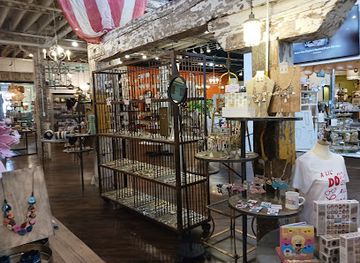
Get your free copy of our complete guide to Mississippi Plateau, delivered straight to you.
Everything on this page, from attractions and restaurants to essentials and local phrases, in one PDF you can read offline, print or share.
Already have an account? Sign in
Your Mississippi Plateau guide is ready.
We'll send it to · Not you? Sign out

Getting your guide ready…
We are putting together a fresh copy of the Mississippi Plateau guide. This can take up to a minute.
This can take a few moments. If your browser asks, choose Allow so the download can start. You'll find the guide in your Downloads folder.
Nothing happened? Download it again
Sorry, the guide is taking longer than usual. Please try again in a minute, or get it by email instead.
Mississippi Plateau essentials
Currency and Payment
Safety
Emergency Situations
Do's and Don'ts
Local Tips
From Eve
Local phrases worth knowing
You don't need to get them perfect. A few words go a long way, and locals appreciate the effort.
Basics
| English | Local | Say it |
|---|---|---|
| Hello | Howdy | [Hau-dee] |
| Goodbye | See ya later | [See ya lay-ter] |
| Yes | Yep | [Yep] |
| No | Nope | [Nope] |
| Please/You're welcome | Please/No problem | [Pleez/No prob-lum] |
| Thank you | Thank ya | [Thank ya] |
| Excuse me/Sorry | Pardon me/Sorry | [Par-dun me/Sor-ree] |
| How are you? | How ya doin'? | [How ya doin'?] |
| Fine. And you? | I'm good. And you? | [I'm good. An' you?] |
| Do you speak English? | Do ya speak English? | [Do ya speek Ing-lish?] |
| I don't understand | I ain't followin' | [I ain't fol-lowin'] |
Eating & Drinking
| English | Local | Say it |
|---|---|---|
| I'd like to see the menu, please | Can I see the menu, please? | [Can I see the men-yoo, pleez?] |
| I don't eat meat | I don't eat no meat | [I don't eet no meet] |
| Cheers! | Cheers! | [Cheers!] |
| I would like to pay, please | Can I pay, please? | [Can I pay, pleez?] |
Emergencies
| English | Local | Say it |
|---|---|---|
| Help! | Help! | [Help!] |
| Go away! | Get on outta here! | [Get on outta here!] |
| Call the Police! | Call the cops! | [Call the cops!] |
| Call a doctor! | Get a doctor! | [Get a doc-tor!] |
| I'm lost | I’m lost | [I’m lost] |
| I'm ill | I don’t feel good | [I don’t feel good] |
Shopping
| English | Local | Say it |
|---|---|---|
| I'd like to buy... | I wanna buy... | [I wanna buy...] |
| I'm just looking | Just lookin' | [Just lookin'] |
| How much is it? | How much it cost? | [How much it cost?] |
| That's too expensive | That’s too high | [That’s too hi] |
| Can you lower the price? | Can ya drop the price? | [Can ya drop the price?] |
Time & Numbers
| English | Local | Say it |
|---|---|---|
| What time is it? | What time is it? | [What time is it?] |
| It's one o'clock | It's one o'clock | [It's one o'clock] |
| Half past (10) | Half past ten | [Half past ten] |
| Morning | Mornin' | [Mornin'] |
| Afternoon | Afternoon | [Af-ter-noon] |
| Evening | Evenin' | [Evenin'] |
| Yesterday | Yesterday | [Yes-ter-day] |
| Today | Today | [To-day] |
| Tomorrow | Tomorrow | [To-mor-row] |
| 1 | One | [One] |
| 2 | Two | [Two] |
| 3 | Three | [Three] |
| 4 | Four | [Four] |
| 5 | Five | [Five] |
| 6 | Six | [Six] |
| 7 | Seven | [Seven] |
| 8 | Eight | [Eight] |
| 9 | Nine | [Nine] |
| 10 | Ten | [Ten] |
Transport & Directions
| English | Local | Say it |
|---|---|---|
| Where's a/the...? | Where's the...? | [Where's the...?] |
| What's the address? | What's the address? | [What's the ad-dress?] |
| Can you show me (on the map)? | Can ya show me on the map? | [Can ya show me on the map?] |
| When's the next (bus)? | When's the next bus? | [When's the next bus?] |
| A ticket (to ....) | A ticket to ... | [A tick-et to ...] |
History of Mississippi Plateau
Mississippian Settlement at Wickliffe
Between roughly the eleventh and fourteenth centuries, a substantial Mississippian community occupied a site now preserved at Wickliffe Mounds on the Mississippi River. Its inhabitants built platform mounds, organised a settled society and participated in regional networks of exchange and ceremony. The site is valuable because it provides tangible evidence of Indigenous life in the lower Ohio Valley before European colonisation. Archaeological interpretation has helped visitors understand the settlement’s buildings, burial practices and relationship with the surrounding river environment, while also placing it within the wider history of Mississippian cultures across the American Southeast and Midwest.
European Settlement and the Jackson Purchase
Western Kentucky developed within a complex history of Indigenous dispossession, shifting territorial claims and American expansion. In 1818, the United States acquired the land west of the Tennessee River from the Chickasaw through the Jackson Purchase, opening the area to large-scale settlement by migrants and speculators. The purchase transformed the political geography of Kentucky and accelerated the establishment of farms, river landings and towns. Its legacy remains visible in the region’s place names, agricultural landscape and continuing need to reckon with the removal of Indigenous communities from their homelands.
River Commerce and the Growth of Paducah
The creation of Paducah in the early nineteenth century reflected the commercial importance of the Ohio and Tennessee rivers. Its position at their junction made it a natural point for steamboat traffic, warehousing and the movement of agricultural products. Later, railway connections strengthened its role as a transport centre and linked western Kentucky more directly with markets beyond the river valley. The historic riverfront and Lower Town preserve parts of this urban development, while the city’s museums and cultural institutions continue to interpret the relationship between commerce, transport and community life.
Civil War on the Mississippi River
The region’s waterways gave it strategic importance during the American Civil War. In 1861, Confederate forces fortified Columbus, a commanding position on the Mississippi River, while Union forces occupied Paducah because control of the river and nearby rail routes was essential to military movement. Columbus-Belmont State Park preserves the setting of the Confederate fortification and explains the campaign’s significance. Paducah also experienced wartime occupation and disruption, illustrating how river towns were drawn directly into the conflict rather than remaining distant from its military and political consequences.
Agriculture, Timber and Industrial Change
For much of the nineteenth and twentieth centuries, agriculture shaped the economy of western Kentucky. Farms produced crops such as corn, wheat, tobacco and soybeans, while timber and river transport supported related industries. In the twentieth century, improved roads, railways, dams and industrial development altered patterns of work and settlement. Communities around the rivers and larger transport corridors gained manufacturing and logistics activity, although many rural areas remained dependent on farming. The resulting landscape combines broad cultivated fields, older villages, industrial sites and waterways that still influence regional life.
Flood Control and the Managed River Landscape
Flooding has always affected settlements beside the Ohio and Mississippi rivers, and the twentieth century brought extensive efforts to control water levels and protect towns, farms and transport infrastructure. Levees, floodwalls, navigation works and reservoirs changed the appearance and ecology of the river landscape. Paducah’s floodwall, now known for its historical murals, represents both a practical defence and a civic canvas. These engineering works helped support modern communities, but they also altered wetlands and river habitats, making flood management an important part of the region’s environmental history.
The Modern Cultural Identity of Paducah
From the late twentieth century onwards, Paducah developed a distinctive cultural profile alongside its older transport and industrial roles. The restoration of historic areas, the growth of arts organisations and the prominence of quilting helped broaden the city’s visitor economy. The National Quilt Museum became a major institution for contemporary and historic textile art, while the riverfront murals connected public art with local history. This cultural development did not replace the region’s agricultural and river-based identity; instead, it added new ways for communities to interpret and present their past.
Mississippi Plateau in Photos
Browse through our photo collection highlighting the charm and character of the destination.
Neighbouring regions of Mississippi Plateau
The closest regions to Mississippi Plateau, if you have time for more than one.
-

-
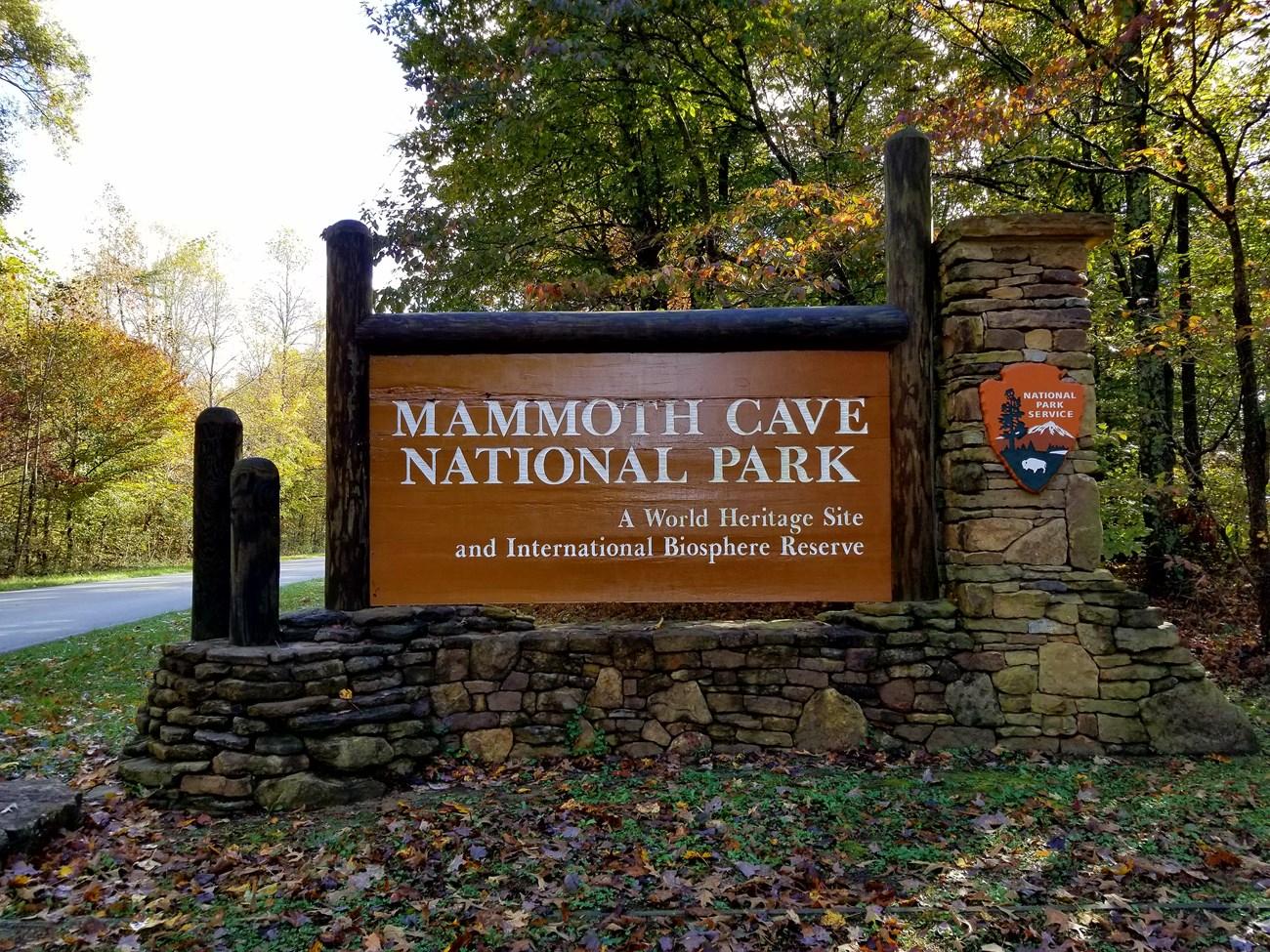 Highland Rim
Explore Kentucky’s Highland Rim for Mammoth Cave, limestone landscapes, rural heritage, Bowling Green museums and outdoor adventures.
Highland Rim
Explore Kentucky’s Highland Rim for Mammoth Cave, limestone landscapes, rural heritage, Bowling Green museums and outdoor adventures.
-
 Western Coal Fields
Explore Western Coal Fields in Kentucky for coal heritage, river landscapes, small-town culture, outdoor recreation and authentic western Kentucky food.
Western Coal Fields
Explore Western Coal Fields in Kentucky for coal heritage, river landscapes, small-town culture, outdoor recreation and authentic western Kentucky food.
-

-


Swipe for more regions
Explore more

Explore more of Kentucky
Discover Kentucky, a land of natural wonders, historic landmarks, and rich cultural heritage. From horse racing to bourbon distilleries, this state has it all.
Explore Kentucky