

Bernheim Arboretum and Research Forest Travel Guide - Free Web & App
Your ultimate guide to Bernheim Arboretum and Research Forest. Discover top landmarks, proposed trips, and local tips. Free on the web or via the Evendo companion app.


Bernheim Arboretum and Research Forest in Kentucky offers giant sculptures, native woodland, gardens, trails and quiet outdoor discovery near Louisville.
Woodland, Gardens and Open Country
South of Louisville, Bernheim Arboretum and Research Forest protects more than 16,000 acres of woodland, meadows, lakes and cultivated landscapes near Clermont in central Kentucky. Founded by Isaac Wolfe Bernheim as a public gift, it combines the functions of an arboretum, nature reserve, outdoor recreation area and centre for environmental education. Roads lead between distinct sections of the property, while a broad network of trails allows visitors to experience the forest at a slower pace.Read more about Bernheim Arboretum and Research Forest
A Forest Shaped for Discovery
Visiting Bernheim
When is the best time to visit Bernheim Arboretum and Research Forest?
Best: May, September–October · 20–26°C| Month | High (°C) | Rainfall (mm) |
|---|---|---|
| January | 7 | 76 |
| February | 9 | 77 |
| March | 14 | 96 |
| April | 20 | 88 |
| May (best) | 24 | 109 |
| June | 29 | 103 |
| July | 32 | 111 |
| August | 31 | 98 |
| September (best) | 26 | 93 |
| October (best) | 20 | 85 |
| November | 13 | 88 |
| December | 8 | 87 |
Getting to and around Bernheim Arboretum and Research Forest
How to get there
Transportation
Best attractions in Bernheim Arboretum and Research Forest
Bernheim’s attractions are distributed across a large forested property rather than concentrated in one visitor precinct. The arboretum’s cultivated collections introduce trees and landscapes from different parts of the world, while surrounding woodland, meadows and lakes provide a more natural setting for walking and wildlife observation. The Canopy Tree Walk raises visitors above the forest floor and offers a useful perspective on woodland structure. The Forest Giants, a group of large-scale sculptures by Thomas Dambo, bring an imaginative cultural element to selected trails and clearings. The visitor centre provides orientation and environmental interpretation, and the surrounding network of roads and footpaths leads to changing views of hills, water and planted landscapes. Seasonal programmes, gardens and educational areas add depth for families and returning visitors, although the exact availability of facilities and events can change. Bernheim is best understood as a series of linked landscapes, with the freedom to choose a short accessible outing or a longer day of exploration.
-
Tourist attraction
Kart Kountry
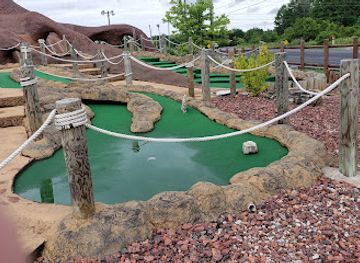
Experience the thrill of go-kart racing, miniature golf, and arcade fun at Kart Kountry in Shepherdsville, Kentucky – a perfect family destination.
-
Winery
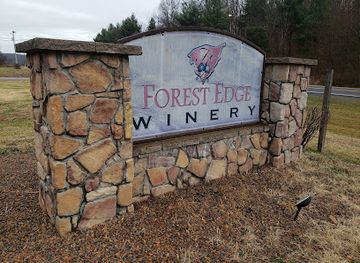
Forest Edge Winery
Experience the essence of Kentucky wines at Forest Edge Winery, where exquisite flavors meet breathtaking landscapes in a charming setting.
-
Woods
Bernheim Forest
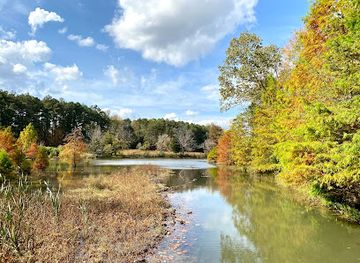
Explore Bernheim Forest, a serene 16,000-acre natural retreat in Kentucky, perfect for hiking, biking, and connecting with nature.
-
Nature preserve
Bernheim Forest and Arboretum
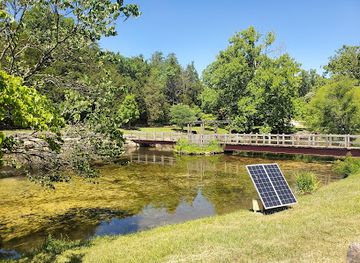
Explore the lush beauty of Bernheim Forest and Arboretum, a nature preserve with stunning trails, educational programs, and delightful café experiences.
Explore Bernheim Arboretum and Research Forest on the map
Plan your trip on one map. See where the top attractions, landmarks, restaurants and hotels are, and book hotels and experiences in a few clicks.
Best hotels in Bernheim Arboretum and Research Forest
Best bars in Bernheim Arboretum and Research Forest
Bernheim is a daytime nature and education destination, not a nightlife centre, and there are no grounds for expecting a concentration of bars or nightclubs inside the forest. Evening options are more likely to consist of a quiet meal or drink in Clermont and nearby rural communities, where hospitality tends towards informal restaurants, local bars and traditional gathering places rather than late-night entertainment districts. Bardstown, beyond Bernheim’s immediate setting, has a more developed visitor economy and bourbon-related hospitality, while Louisville offers the region’s widest range of bars, live music and evening cultural venues. Visitors staying near the forest should plan evening transport in advance because rural distances, limited public transport and the scale of the property make spontaneous movement after dark less convenient.
-
Restaurant
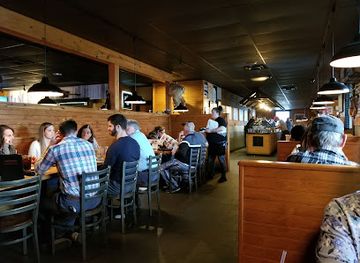
Cattleman's Roadhouse
Experience the best steaks and hearty American cuisine at Cattleman's Roadhouse in Shepherdsville, KY—where flavor meets hospitality.
-
Mexican
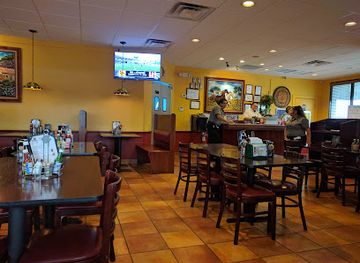
El Nopal Shepherdsville
Experience the vibrant flavors of Mexico at El Nopal Shepherdsville, where authentic dishes and a welcoming atmosphere await you.
-
Grill
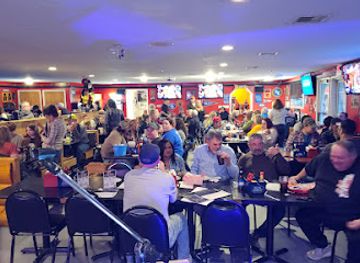
Little Rick's Neighborhood Bar & Grill
Experience the best of Kentucky's culinary scene at Little Rick's Neighborhood Bar & Grill, where great food meets a lively bar atmosphere.
-
Breakfast
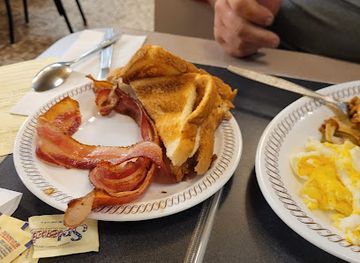
Waffle House
Experience the heart of American diner culture at Waffle House in Shepherdsville, serving delicious breakfast all day, every day.
Best shops in Bernheim Arboretum and Research Forest
Shopping at Bernheim is modest and focused on interpretation, gifts and products connected with the organisation rather than a broad retail scene. The visitor centre shop is the natural place to look for books, educational material, nature-themed gifts and items associated with the forest, subject to current stock and opening arrangements. Bernheim may also feature products linked to local makers, plants or conservation programmes at particular times, but visitors should not assume that temporary sales or events are permanent. Clermont and surrounding communities provide basic shopping, while Bardstown and Louisville offer a wider selection of food producers, bourbon-related goods, crafts, art and outdoor equipment. Regional purchases can include Kentucky-made food and drink, but alcohol transport and customs rules may affect international visitors. For a rural visit, obtain essentials before entering the property rather than relying on extensive on-site retail.
-
Gift shop
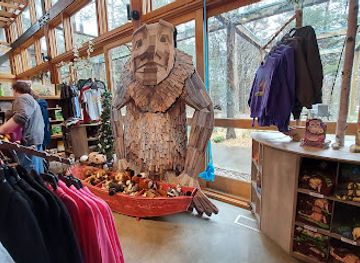
Bernheim Forest and Arboretum
Explore the serene beauty of Bernheim Forest and Arboretum, a nature lover's paradise with trails, gardens, and educational experiences in Kentucky.
-
Cafe
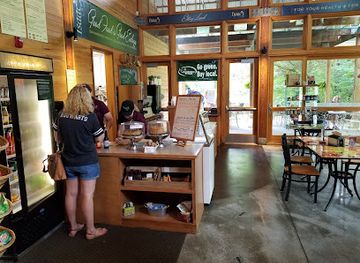
Isaac's Cafe
Explore Isaac's Cafe in Bernheim Forest for delicious food and a serene atmosphere amidst nature's beauty.
-
Thrift store
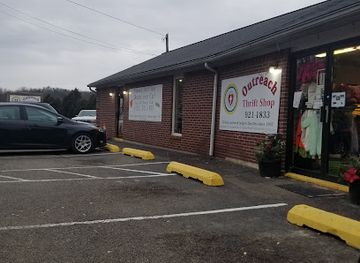
Outreach Thrift Shop
Explore unique finds and support local outreach at Outreach Thrift Shop in Shepherdsville, KY - a treasure trove for conscious shoppers.
-
Arboretum
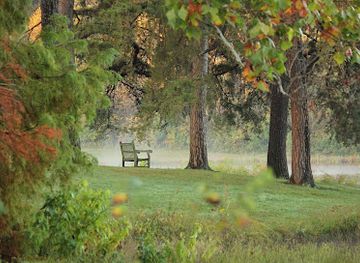
Bernheim Arboretum and Research Forest
Explore Bernheim Arboretum and Research Forest: A natural oasis of hiking trails, vibrant gardens, and a commitment to conservation in the heart of Kentucky.
Get your free copy of our complete guide to Bernheim Arboretum and Research Forest, delivered straight to you.
Everything on this page, from attractions and restaurants to essentials and local phrases, in one PDF you can read offline, print or share.
Already have an account? Sign in
Your Bernheim Arboretum and Research Forest guide is ready.
We'll send it to · Not you? Sign out

Getting your guide ready…
We are putting together a fresh copy of the Bernheim Arboretum and Research Forest guide. This can take up to a minute.
This can take a few moments. If your browser asks, choose Allow so the download can start. You'll find the guide in your Downloads folder.
Nothing happened? Download it again
Sorry, the guide is taking longer than usual. Please try again in a minute, or get it by email instead.
Bernheim Arboretum and Research Forest essentials
Currency and Payment
Safety
Emergency Situations
Do's and Don'ts
Local Tips
From Eve
Local phrases worth knowing
You don't need to get them perfect. A few words go a long way, and locals appreciate the effort.
Basics
| English | Local | Say it |
|---|---|---|
| Hello | Howdy | [haw-dee] |
| Goodbye | See ya | [see-yuh] |
| Yes | Yep | [yep] |
| No | Nah | [na] |
| Please/You're welcome | Please/No problem | [pleez/no problem] |
| Thank you | Thanks | [thanks] |
| Excuse me/Sorry | Pardon me | [par-dun me] |
| How are you? | How y'all doin'? | [how y'all doin'] |
| Fine. And you? | Fine. And you? | [fine. and y'all?] |
| Do you speak English? | Ya speak English? | [ya speak english?] |
| I don't understand | I reckon I don't get it | [eye reh-kin eye don't get it] |
Eating & Drinking
| English | Local | Say it |
|---|---|---|
| I'd like to see the menu, please | I'd like to see what's cookin', please | [eye'd like to see whats cookin', please] |
| I don't eat meat | I don't eat meat | [eye don't eat meat] |
| Cheers! | Cheers! | [cheers!] |
| I would like to pay, please | I reckon I'll settle up now, please | [eye reh-kin eye'll settle up now, please] |
Emergencies
| English | Local | Say it |
|---|---|---|
| Help! | Help! | [help!] |
| Go away! | Git! | [git!] |
| Call the Police! | Call the Sheriff! | [call the sheriff!] |
| Call a doctor! | Call the doc! | [call the doc!] |
| I'm lost | I'm turned around | [eye'm turned around] |
| I'm ill | I'm under the weather | [eye'm under the weather] |
Shopping
| English | Local | Say it |
|---|---|---|
| I'd like to buy... | I reckon I'll buy... | [eye reh-kin eye'll buy...] |
| I'm just looking | I'm just lookin' | [eye'm just lookin'] |
| How much is it? | How much is that? | [how much is that?] |
| That's too expensive | That's too pricey | [that's too pricey] |
| Can you lower the price? | Can you cut the price? | [can you cut the price?] |
Time & Numbers
| English | Local | Say it |
|---|---|---|
| What time is it? | What time is it? | [what time is it?] |
| It's one o'clock | It's one o'clock | [it's one o'clock] |
| Half past (10) | Half past (10) | [half past (10)] |
| Morning | Mornin' | [mornin'] |
| Afternoon | Afternoon | [afternoon] |
| Evening | Evenin' | [evenin'] |
| Yesterday | Yest'day | [yest'day] |
| Today | Today | [today] |
| Tomorrow | Tomorrah | [tomorrah] |
| 1 | One | [wun] |
| 2 | Two | [too] |
| 3 | Three | [three] |
| 4 | Four | [four] |
| 5 | Five | [five] |
| 6 | Six | [six] |
| 7 | Seven | [seven] |
| 8 | Eight | [eight] |
| 9 | Nine | [nine] |
| 10 | Ten | [ten] |
Transport & Directions
| English | Local | Say it |
|---|---|---|
| Where's a/the...? | Where's a/the...? | [where's a/the...?] |
| What's the address? | What's the address? | [what's the address?] |
| Can you show me (on the map)? | Can you show me (on the map)? | [can you show me (on the map)?] |
| When's the next (bus)? | When's the next (bus)? | [when's the next (bus)?] |
| A ticket (to ....) | A ticket (to ....) | [a ticket (to ....)] |
History of Bernheim Arboretum and Research Forest
A Glacial Landscape and Kentucky Woodland
Bernheim lies within the Kentucky Knobs, a rolling belt of hills between the Bluegrass and the Pennyroyal regions. Its landforms and soils were shaped over long geological periods, while the forests encountered by early settlers formed part of a wider eastern North American woodland. Oak, hickory and other native trees remain important to the character of the property, although the present landscape also reflects centuries of farming, timber use, road building and changing land management. Understanding this mixture of natural systems and human alteration is central to Bernheim’s role as a research forest.
Isaac Wolfe Bernheim’s Public Vision
Isaac Wolfe Bernheim, a German-born American who made his fortune in the distilling business, acquired land in the region during the early twentieth century. He envisioned a large public landscape where people could encounter trees, art and nature without the restrictions of a private estate. Bernheim established the Bernheim Foundation and arranged for the property to become a public resource. The forest and arboretum opened to visitors in 1931, giving central Kentucky a substantial destination devoted to recreation, education and the stewardship of plants and woodland.
From Estate to Research Forest
After opening, Bernheim developed beyond the model of a formal ornamental garden. Tree collections, roads, lakes, trails and educational facilities were integrated with the existing hills and forest, creating a landscape where horticulture and ecological study could coexist. Research and demonstration work has helped the organisation examine tree health, habitat management, restoration and the effects of environmental change. The property’s scale has also allowed sections of woodland to mature while other areas remain managed for collections, access or habitat diversity.
Contemporary Conservation and Public Art
Modern Bernheim continues to balance public access with conservation, scientific work and interpretation. Its forests provide habitat for wildlife and preserve a substantial green landscape within reach of Louisville and the surrounding communities. Contemporary installations have added a cultural layer to this work: the Forest Giants, created by Thomas Dambo, bring large-scale sculpture into direct conversation with trees and trails. The result is a destination whose history is still developing through ecological research, environmental education, changing woodland management and new ways of presenting nature to visitors.
Bernheim Arboretum and Research Forest in Photos
Browse through our photo collection highlighting the charm and character of the destination.
Neighbouring destination travel guides
The closest destinations to Bernheim Arboretum and Research Forest, if you have time for more than one.
-
 Green River Lake State Park
, Kentucky, offers boating, fishing, camping, hiking and golf amid wooded coves and rolling countryside near Campbellsville.
Green River Lake State Park
Green River Lake State Park, Kentucky, offers boating, fishing, camping, hiking and golf amid wooded coves and rolling countryside near Campbellsville.
-

-

-

-


Swipe for more destinations
Explore more

Explore more of Knobs Region
Explore Kentucky’s Knobs Region for wooded ridges, bourbon heritage, historic towns, forest trails and landscapes shaped by limestone and farming.
Explore Knobs Region
Explore more of Kentucky
Discover Kentucky, a land of natural wonders, historic landmarks, and rich cultural heritage. From horse racing to bourbon distilleries, this state has it all.
Explore Kentucky