

Mammoth Cave National Park Travel Guide - Free Web & App
Your ultimate guide to Mammoth Cave National Park. Discover top landmarks, proposed trips, and local tips. Free on the web or via the Evendo companion app.


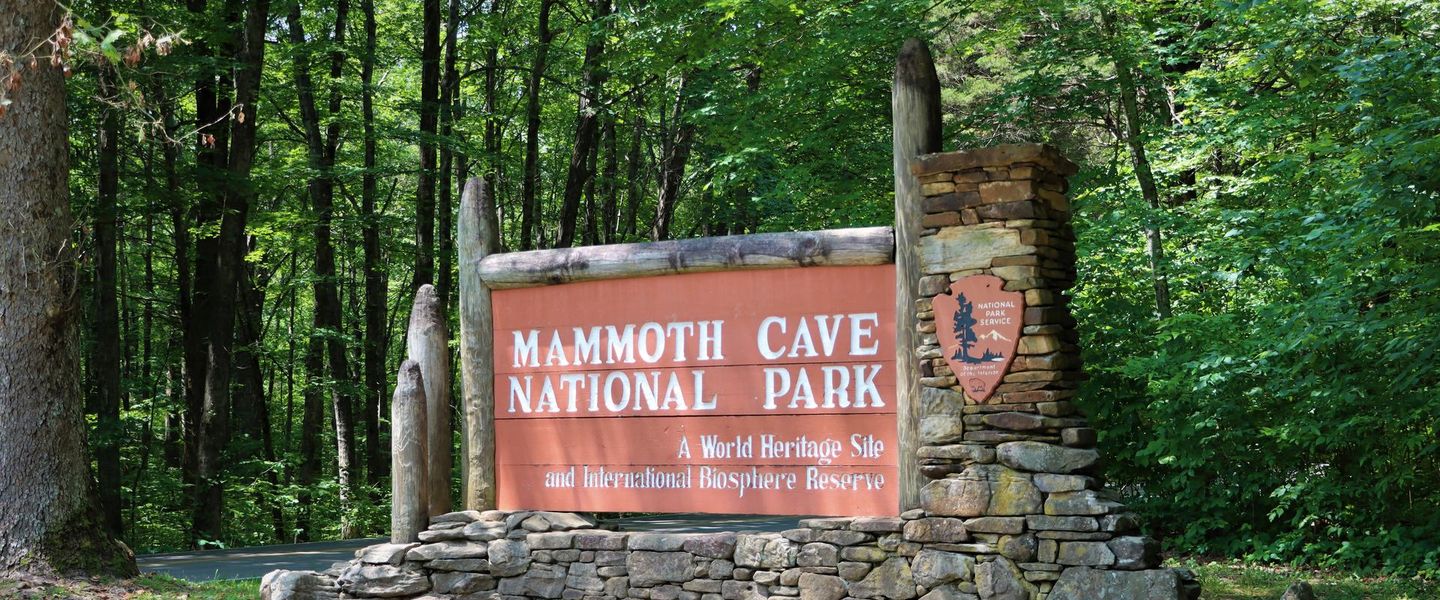


Mammoth Cave National Park in Kentucky pairs the world’s longest known cave system with forest trails, rivers, wildlife and American heritage.
A Landscape Above and Below
Mammoth Cave National Park occupies more than 52,000 acres of forest, karst hills, sinkholes and river valleys in south-central Kentucky, where the Green River and Nolin River drain a limestone landscape shaped by water. Its defining feature lies underground: Mammoth Cave is the world’s longest known cave system, with more than 426 surveyed miles of passages recorded by the National Park Service. The mapped network continues to develop as explorers document connections and extensions, while the surface remains a substantial destination in its own right.Read more about Mammoth Cave National Park
The Cave and Its Human Story
Exploring the Park
When is the best time to visit Mammoth Cave National Park?
Best: May, September–October · 21–26°C| Month | High (°C) | Rainfall (mm) |
|---|---|---|
| January | 6 | 98 |
| February | 9 | 97 |
| March | 16 | 114 |
| April | 20 | 110 |
| May (best) | 25 | 119 |
| June | 29 | 104 |
| July | 31 | 111 |
| August | 30 | 93 |
| September (best) | 26 | 89 |
| October (best) | 21 | 81 |
| November | 13 | 107 |
| December | 9 | 109 |
Getting to and around Mammoth Cave National Park
How to get there
Transportation
Best attractions in Mammoth Cave National Park
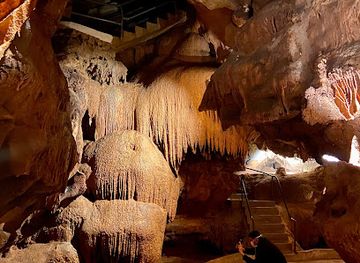
The principal attraction is Mammoth Cave itself, explored through National Park Service tours that range from broad historic passages to routes featuring domes, dripstone formations and more physically demanding sections. Above ground, the park’s karst scenery appears in sinkholes, springs, wooded ridges and disappearing streams, with trails leading through areas such as Cedar Sink and around the visitor-centre district. The Green River and Nolin River provide a contrasting open landscape, and paddling can reveal the relationship between the waterways and the cave system where access and conditions permit. Wildlife watching is possible in the forest, though cave-adapted species and other animals should be observed without disturbance. The visitor centre offers orientation to the geology, history and biology of the park, while nearby Cave City and Park City provide additional museums, services and attractions outside the national park boundary.
-
Visitor center
Mammoth Cave Visitor Center
Discover the gateway to Mammoth Cave National Park, where nature's wonders unfold in the world's longest cave system.
-
Tourist attraction
Kentucky Down Under Adventure Zoo
Explore Kentucky Down Under Adventure Zoo – A unique wildlife experience in Horse Cave, showcasing exotic animals and interactive encounters.
-
Tourist attraction
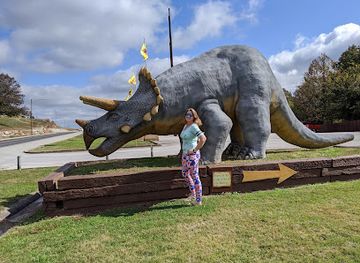
Dinosaur World
Explore the prehistoric wonders of Dinosaur World in Cave City, Kentucky, where education meets adventure at this family-friendly attraction.
-
Tourist attraction
Crystal Onyx Cave
Explore the breathtaking Crystal Onyx Cave in Cave City, Kentucky - a stunning natural wonder with dazzling onyx formations and unique art.
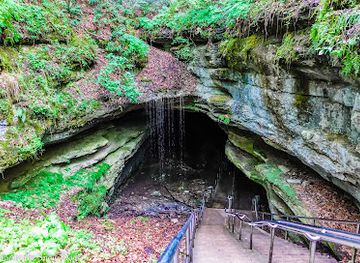
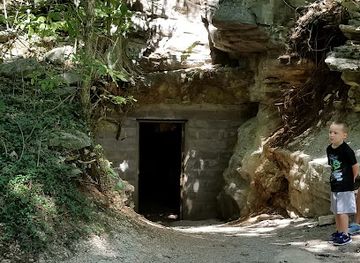
Best landmarks in Mammoth Cave National Park
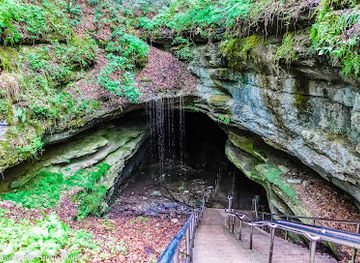
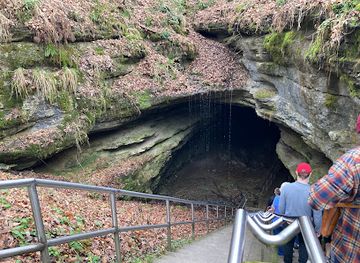
Mammoth Cave is the defining natural landmark, its immense mapped network representing one of the world’s most extensive known cave systems and a rare record of underground geological and human history. The Green River is the park’s principal surface feature, cutting through the limestone country and helping explain the formation and drainage of the cave. Sinkholes, springs and sinking streams are equally important karst landmarks because they show how water moves between the surface and subterranean passages. Within the cave, named areas such as Mammoth Dome and Frozen Niagara are recognised for their scale or mineral formations, while historic routes and saltpetre works recall nineteenth-century exploration and industry. The visitor-centre landscape and former cave entrances also connect the natural setting with the long history of guided tourism.
-
Visitor center
Mammoth Cave Visitor Center
Discover the gateway to the world's longest cave system at the Mammoth Cave Visitor Center, where adventure and education meet in Kentucky's natural beauty.
-
Tourist attraction
Diamond Caverns
Explore the stunning Diamond Caverns in Park City, Kentucky, where nature's beauty meets geological wonder in an unforgettable underground adventure.
-
Tourist attraction
The Rotunda
Discover the stunning natural beauty and rich history of The Rotunda, a captivating underground chamber in Mammoth Cave National Park.
-
Hiking area
Dixon Cave Overlook Trail
Discover the natural beauty of Dixon Cave Overlook Trail in Mammoth Cave National Park, where stunning views and serene hiking await.
Explore Mammoth Cave National Park on the map
Plan your trip on one map. See where the top attractions, landmarks, restaurants and hotels are, and book hotels and experiences in a few clicks.
Best hotels in Mammoth Cave National Park
Best restaurants in Mammoth Cave National Park
Mammoth Cave itself has limited dining infrastructure, so most meals are taken at accommodation facilities, seasonal park services or restaurants in nearby gateway communities. Cave City and Park City offer the broadest concentration of casual restaurants, cafés and familiar American dining, while Brownsville serves visitors approaching from the south. Regional eating reflects south-central Kentucky’s rural traditions, with barbecue, fried chicken, biscuits, country ham, sandwiches and locally produced ingredients appearing more often than a specialised park cuisine. Farm shops and small-town food businesses can add a local dimension, although opening patterns and availability vary. Visitors planning a full day on trails or a river should carry suitable food and water rather than assuming refreshments will be available at every part of the park.
-
German
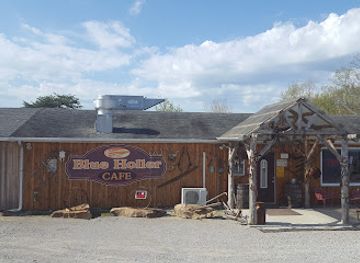
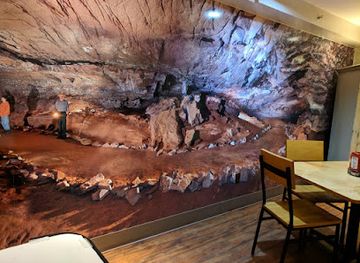
Blue Holler Cafe
Experience authentic German cuisine at Blue Holler Cafe in Mammoth Cave - where delicious food meets stunning natural beauty.
-
Restaurant
Green River Grill
Experience delicious local cuisine at Green River Grill near Mammoth Cave National Park, where nature meets flavor in every bite.
Best bars in Mammoth Cave National Park
Evenings around Mammoth Cave are generally quiet and rural rather than centred on nightlife. Cave City and Park City have the area’s main selection of traditional American eateries, casual bars and places to relax after a cave tour, while nearby accommodation may provide a low-key social setting. Brownsville and larger regional centres such as Bowling Green offer a wider choice of evening restaurants, entertainment and live events outside the immediate park area. Inside Mammoth Cave National Park, darkness, woodland and the river landscape create opportunities for stargazing and peaceful evening walks where permitted, but visitors should follow park rules and avoid entering caves or trails after hours without authorisation. Seasonal community events may add local character, though programmes change from year to year.
-
Visitor center
Mammoth Cave Visitor Center
Explore the gateway to Mammoth Cave National Park, where adventure, history, and nature intertwine in the world's longest cave system.
-
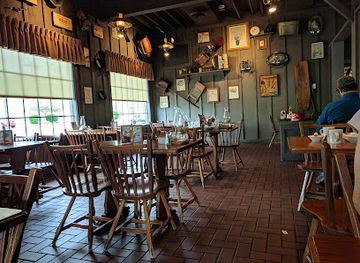
American
Cracker Barrel Old Country Store
Experience the essence of Southern hospitality at Cracker Barrel Old Country Store in Cave City, where comfort food meets charming shopping.
-
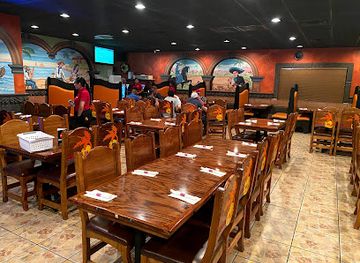
Mexican
El Mazatlan Bar and Grill #4
El Mazatlan Bar and Grill in Cave City, KY offers an unforgettable dining experience with authentic Mexican cuisine and a vibrant atmosphere for all.
-
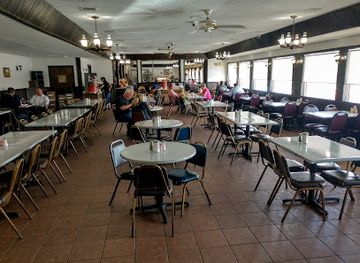
American
Watermill Restaurant
Experience the charm of American cuisine at Watermill Restaurant in Cave City, Kentucky, where home-cooked meals await in a cozy setting.
Best shops in Mammoth Cave National Park
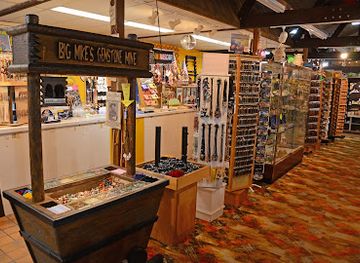
Shopping within Mammoth Cave National Park is limited and primarily connected with visitor services, interpretive material and practical outdoor needs. More varied retail opportunities are found in Cave City, Park City and Brownsville, including grocery stores, fuel stations, outdoor supplies, souvenirs and locally oriented food products. Visitors may find Kentucky-themed gifts, regional crafts, artwork, books about the cave and small-batch products associated with the wider state, although stock differs between businesses. Gateway towns are also the most practical places to buy provisions before a day on the trails or river. The area is not a major shopping destination, and visitors should not expect an extensive permanent market or specialised artisan district within the park itself.
-
Visitor center
Mammoth Cave Visitor Center
Discover the Mammoth Cave Visitor Center: Your gateway to the world's longest cave system and an incredible natural landscape in Kentucky.
-
Rock shop
Big Mike's Rock Shop
Discover the beauty of geology at Big Mike's Rock Shop in Cave City, Kentucky, a treasure trove of rocks, minerals, and fossils waiting to be explored.
-
Gift shop
The Lodge at Mammoth Cave
Experience the perfect blend of comfort and adventure at The Lodge at Mammoth Cave, your gateway to the stunning natural beauty of Kentucky.
-
Grocery store
Salings Grocery & Bait Shop
Discover local flavors and fishing essentials at Salings Grocery & Bait Shop, your convenient stop in Mammoth Cave, Kentucky.
Get your free copy of our complete guide to Mammoth Cave National Park, delivered straight to you.
Everything on this page, from attractions and restaurants to essentials and local phrases, in one PDF you can read offline, print or share.
Already have an account? Sign in
Your Mammoth Cave National Park guide is ready.
We'll send it to · Not you? Sign out

Getting your guide ready…
We are putting together a fresh copy of the Mammoth Cave National Park guide. This can take up to a minute.
This can take a few moments. If your browser asks, choose Allow so the download can start. You'll find the guide in your Downloads folder.
Nothing happened? Download it again
Sorry, the guide is taking longer than usual. Please try again in a minute, or get it by email instead.
Mammoth Cave National Park essentials
Currency and Payment
Safety
Emergency Situations
Do's and Don'ts
Local Tips
From Eve
Local phrases worth knowing
You don't need to get them perfect. A few words go a long way, and locals appreciate the effort.
Basics
| English | Local | Say it |
|---|---|---|
| Hello | Howdy | [hah-dee] |
| Goodbye | See ya | [see yah] |
| Yes | Yep | [yep] |
| No | Nah | [nah] |
| Please/You're welcome | Please | [pleez] |
| Thank you | Thanks | [thanks] |
| Excuse me/Sorry | Pardon | [par-dun] |
| How are you? | How y'all doin'? | [hao yahl doo-in] |
| Fine. And you? | Just fine. How 'bout you? | [just fain. hao-bout yu] |
| Do you speak English? | Y'all speak English? | [yawl speek ing-glish] |
| I don't understand | I reckon I don't get ya | [ai re-kun ai doant get yah] |
Eating & Drinking
| English | Local | Say it |
|---|---|---|
| I'd like to see the menu, please | Can I take a gander at the menu? | [kan ai tayk uh gan-der at the menu] |
| I don't eat meat | I don't do meat | [ai doant doo meet] |
| Cheers! | Here's to ya! | [heers to yah] |
| I would like to pay, please | I reckon I'll settle up | [ai re-kun ayl set-ul up] |
Emergencies
| English | Local | Say it |
|---|---|---|
| Help! | S.O.S! | [ess-oh-ess] |
| Go away! | Skedaddle! | [sked-uh-dl] |
| Call the Police! | Ring up the Sheriff! | [ring up the sher-iff] |
| Call a doctor! | Get the doc on the line! | [get the dawk on the line] |
| I'm lost | I'm turned around | [aim turnd uh-round] |
| I'm ill | I'm feelin' poorly | [aim feel-in poor-lee] |
Shopping
| English | Local | Say it |
|---|---|---|
| I'd like to buy... | I reckon I'll buy... | [ai re-kun ayl by...] |
| I'm just looking | I'm just browsin' | [aim just brow-sin] |
| How much is it? | What's the damage? | [wuts the dam-ij] |
| That's too expensive | That's a mite pricey | [thats uh mait prai-see] |
| Can you lower the price? | Can ya knock a bit off? | [kan yah nok uh bit off] |
Time & Numbers
| English | Local | Say it |
|---|---|---|
| What time is it? | What's the hour? | [wuts the ow-er] |
| It's one o'clock | It's one on the dot | [its wun on the daht] |
| Half past (10) | Ten-thirty | [ten-thur-tee] |
| Morning | Mornin' | [morn-in] |
| Afternoon | Afternoon | [af-ter-noon] |
| Evening | Evenin' | [ee-ven-in] |
| Yesterday | Yest'day | [yest-day] |
| Today | Today | [to-day] |
| Tomorrow | Tomorra | [to-mor-rah] |
| 1 | One | [wun] |
| 2 | Two | [too] |
| 3 | Three | [three] |
| 4 | Four | [four] |
| 5 | Five | [five] |
| 6 | Six | [six] |
| 7 | Seven | [sev-un] |
| 8 | Eight | [ate] |
| 9 | Nine | [nine] |
| 10 | Ten | [ten] |
Transport & Directions
| English | Local | Say it |
|---|---|---|
| Where's a/the...? | Where's the... | [wheres the] |
| What's the address? | Where's it located? | [wheres it loh-kay-ted] |
| Can you show me (on the map)? | Can ya point it out (on the map)? | [kan yah point it out (on the map)] |
| When's the next (bus)? | When's the next one (bus)? | [whens the next wun (bus)] |
| A ticket (to ....) | A pass (to ....) | [a pass (to)] |
History of Mammoth Cave National Park
Limestone, Water and Karst Formation
Mammoth Cave developed within thick layers of Mississippian limestone deposited in an ancient sea hundreds of millions of years ago. Over geological time, groundwater entered the rock through joints and fractures, gradually dissolving passages, chambers and sinkholes. The Green River and its tributaries helped lower the water table and shape the cave system at different levels. This continuing interaction between soluble rock, drainage and erosion produced the extensive karst landscape visible across the park, where caves, springs, sinking streams and closed depressions are closely connected.
Indigenous Presence and Early Discovery
People used the Mammoth Cave region long before European settlement, and archaeological evidence from the cave records Indigenous activity, including the removal of minerals and the use of underground spaces. The cave’s modern name emerged during the early nineteenth century, when local settlers explored its large passages and recognised opportunities for commercial use. Early accounts did not represent an untouched wilderness: the area was already part of a landscape known and used by Native peoples before Kentucky’s expanding settler economy transformed the surrounding forests and farms.
Saltpetre and the War of 1812
During the War of 1812, workers extracted saltpetre from Mammoth Cave sediments to produce potassium nitrate, an ingredient in gunpowder. The operation relied on labourers, including enslaved people, and left industrial traces within the cave. After the war, commercial mineral extraction declined and the cave increasingly became a tourist attraction. Guided visits expanded through the nineteenth century, linking Mammoth Cave to the development of American travel, commercial show caves and the growing popularity of natural curiosities.
Guides, Tourism and Enslaved Labour
Mammoth Cave’s nineteenth-century reputation depended heavily on guides who knew its routes and formations. Enslaved guides, including Stephen Bishop, Materson Bransford and Nick Bransford, explored passages, named features and led visitors through technically demanding sections. Stephen Bishop’s 1840 map helped establish early knowledge of the cave’s extent, although the historical record also reflects the unequal conditions under which this expertise was acquired. After emancipation, several former guides and their families continued to shape the cave’s tourism tradition and the surrounding community.
From Private Enterprise to National Park
Mammoth Cave remained associated with privately run tourism and competing cave interests through much of the nineteenth and early twentieth centuries. Conservation advocates eventually promoted public ownership and protection of the wider landscape. Mammoth Cave National Park was established in 1941, placing the cave and its surface watershed under federal stewardship. The park became a UNESCO World Heritage Site in 1981 in recognition of its exceptional cave system and biological importance, while modern management has increasingly emphasised groundwater protection, scientific research and the conservation of cave ecosystems.
Mammoth Cave National Park in Photos
Browse through our photo collection highlighting the charm and character of the destination.
Neighbouring destination travel guides
The closest destinations to Mammoth Cave National Park, if you have time for more than one.
-
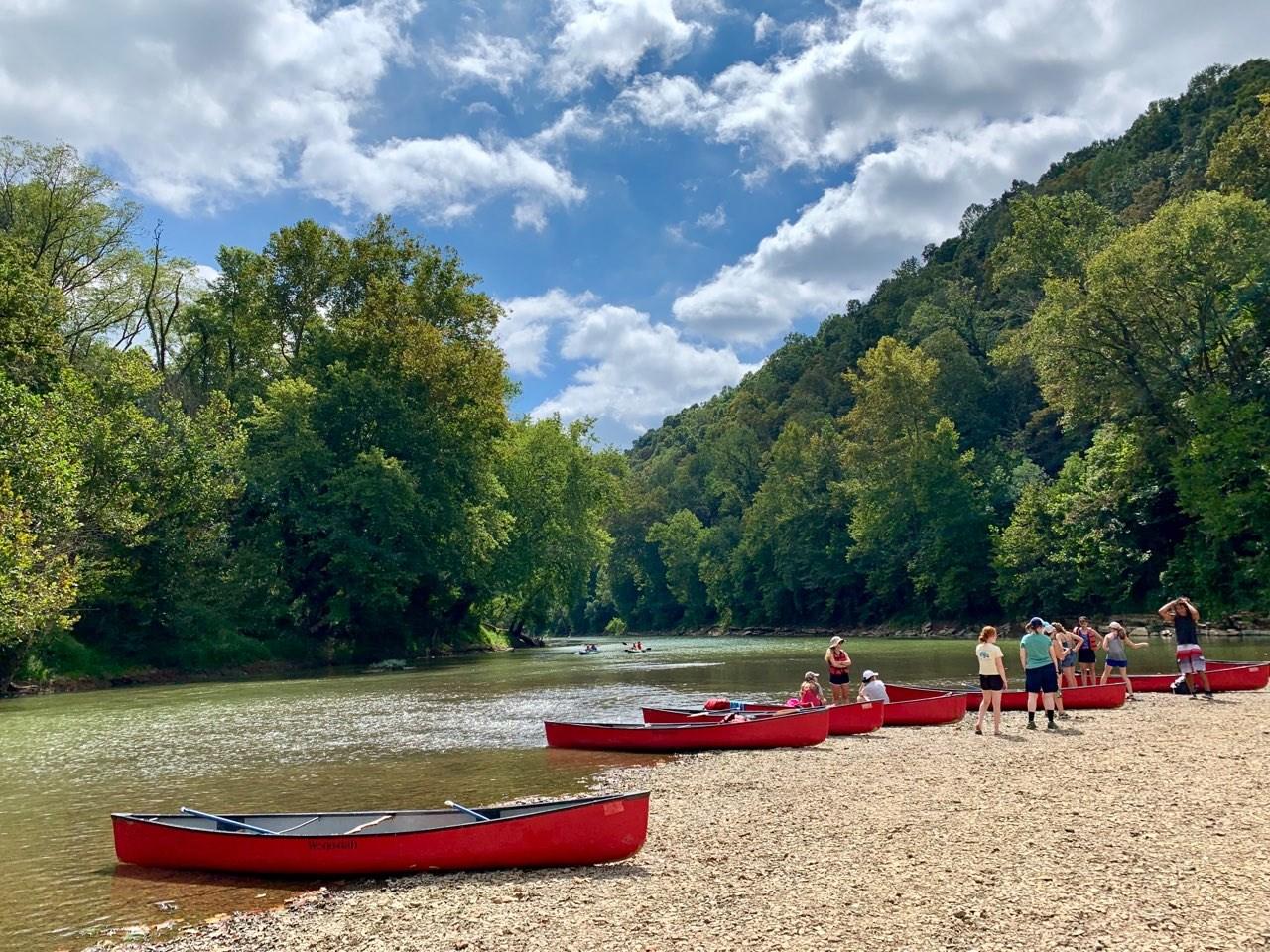 Green River Lake State Park
, Kentucky, offers boating, fishing, camping, hiking and golf amid wooded coves and rolling countryside near Campbellsville.
Green River Lake State Park
Green River Lake State Park, Kentucky, offers boating, fishing, camping, hiking and golf amid wooded coves and rolling countryside near Campbellsville.
-

-

-

-


Swipe for more destinations
Explore more
Explore more of Highland Rim
Explore Kentucky’s Highland Rim for Mammoth Cave, limestone landscapes, rural heritage, Bowling Green museums and outdoor adventures.
Explore Highland Rim
Explore more of Kentucky
Discover Kentucky, a land of natural wonders, historic landmarks, and rich cultural heritage. From horse racing to bourbon distilleries, this state has it all.
Explore Kentucky