

Free North Eastern Province Travel Guide & Mobile App
Explore North Eastern Province with free travel guides. Discover regional history, expert tips, proposed trips, and audio guides on web or mobile app.


Explore North Eastern Province for arid landscapes, Somali heritage, camel culture, Wajir’s geology and remote riverine wilderness in Kenya.
Read more about North Eastern Province
When is the best time to visit North Eastern Province?
Best: December–February · 28–31°C| Month | High (°C) | Rainfall (mm) |
|---|---|---|
| January (best) | 30 | 5 |
| February (best) | 31 | 5 |
| March | 33 | 20 |
| April | 34 | 25 |
| May | 35 | 20 |
| June | 33 | 5 |
| July | 33 | 5 |
| August | 33 | 5 |
| September | 33 | 5 |
| October | 31 | 20 |
| November | 30 | 25 |
| December (best) | 28 | 20 |
Getting to and around North Eastern Province
How to get there
Transportation
Top city travel guides in North Eastern Province
The cities of North Eastern Province, and the easiest places to base yourself.

Swipe for more cities
Destinations in North Eastern Province
Resorts, valleys and scenic spots worth a trip of their own.
-

-

-

-

-

-


Swipe for more destinations
Best attractions in North Eastern Province
North Eastern Province’s attractions are dispersed and predominantly cultural, environmental and landscape-based rather than concentrated in large tourism complexes. Garissa provides access to the Tana River corridor, where doum palms, farms and riverine vegetation contrast with the surrounding dry plains; local guidance is important for reaching suitable viewpoints and community areas. Wajir Museum, housed in a former colonial rest house, presents regional geology, natural history and cultural material, making it one of the clearest introductions to the area’s past. Around Wajir, limestone terrain, shallow depressions and historic wells reveal the relationship between geology and pastoral settlement. In Mandera County, Malka Mari National Park follows the Daua River and protects a remote dry-country habitat with wildlife potential, although access depends on security, roads, permits and local arrangements. County markets, camel and livestock activity, and journeys between settlements can also be meaningful experiences when approached respectfully. The region is not designed for rapid sightseeing: its scale, heat and limited infrastructure favour carefully organised excursions, patient observation and an emphasis on local knowledge.
-
Heritage museum
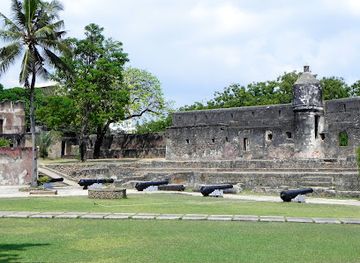
Fort Jesus Museum
Discover the rich history and stunning architecture of Fort Jesus Museum, a UNESCO World Heritage Site in Mombasa, Kenya.
-
National reserve
Maasai Mara National Reserve
Explore the breathtaking Maasai Mara National Reserve, home to the Great Migration and diverse wildlife, offering an unforgettable African adventure.
-
Tourist attraction
Watamu Marine National Park & Reserve
Discover the breathtaking beauty and diverse ecosystems of Watamu Marine National Park & Reserve, a coastal paradise on the Kenyan shores.
-
City park
Machakos Peoples Park
Explore Machakos Peoples Park, a stunning urban oasis in Kenya offering outdoor adventures, scenic views, and family-friendly activities.
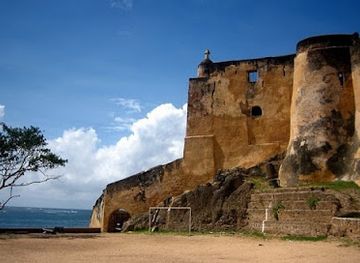

Best landmarks in North Eastern Province
Wajir Museum is one of the former province’s most recognisable built landmarks. Its colonial-era rest-house architecture and displays connect the town with the history of frontier administration while introducing the area’s geology, wildlife and pastoral culture. The geological surroundings of Wajir are equally distinctive: exposed limestone, caves, depressions and wells reflect an ancient water environment and explain why this otherwise dry location became an important settlement. In Garissa, the Tana River is the defining natural landmark, forming a green, linear landscape of palms and cultivated ground through an otherwise arid county. In Mandera County, the Daua River at Malka Mari is both a geographical and ecological landmark, marking a remote borderland landscape and supporting wildlife in a region better known for dry plains. County headquarters, mosques and market areas are important contemporary reference points, but visitors should treat them as working civic and community spaces rather than photographic scenery. Access to remote landmarks can be constrained by weather, security and permissions.
-
International airport
Jomo Kenyatta International Airport
Discover the vibrant spirit of Kenya as you arrive at Jomo Kenyatta International Airport, the gateway to unforgettable adventures in East Africa.
-
Heritage museum
Fort Jesus Museum
Discover the rich history and stunning architecture of Fort Jesus Museum, a UNESCO World Heritage Site in Mombasa, where culture meets breathtaking coastal views.
-
National park
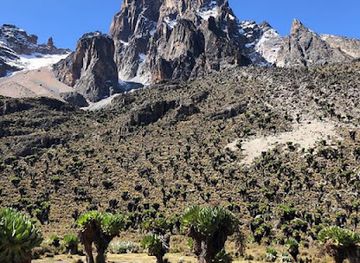
Mount Kenya National Park
Explore the breathtaking beauty and rich biodiversity of Mount Kenya National Park, a paradise for adventure seekers and nature lovers.
-
Tourist attraction
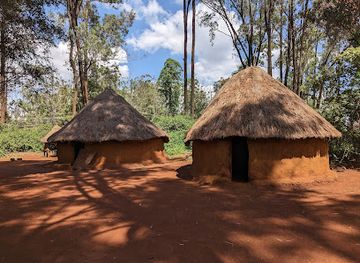
Bomas Of Kenya
Discover the heart of Kenyan culture at Bomas of Kenya, where traditional music, dance, and art come alive in Nairobi's cultural center.
Explore North Eastern Province on the map
Plan your trip on one map. See where the top cities, national parks and sights are, and book hotels and experiences in a few clicks.
Best hotels in North Eastern Province
Best restaurants in North Eastern Province
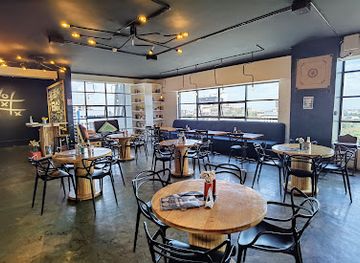
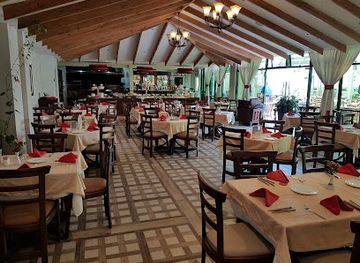
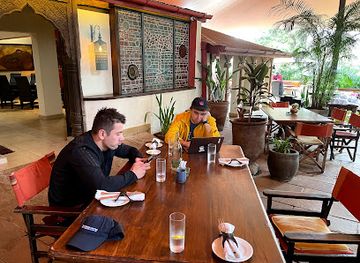
Dining in North Eastern Province is shaped by Somali food traditions, pastoral livelihoods and the availability of supplies in a dry region. In Garissa, Wajir and Mandera, restaurants and cafés commonly serve rice dishes, spiced meat, soups, flatbreads, sambusas and tea, with camel, goat and beef appearing more often than in many other parts of Kenya. Camel milk and camel meat are culturally significant products, though availability and preparation vary by town and season. Tea flavoured with spices is a familiar social drink, while halal food is widely available in predominantly Muslim communities. Roadside eateries and modest hotel restaurants are generally more useful than expectation-led fine dining, and menus may be limited outside county headquarters. Markets provide opportunities to see dates, grains, vegetables, livestock products and imported goods moving through the regional economy, but visitors should choose food that is freshly cooked and drink treated or bottled water. Dining customs are best followed by observing local practice and asking courteously when unsure.
-
Restaurant
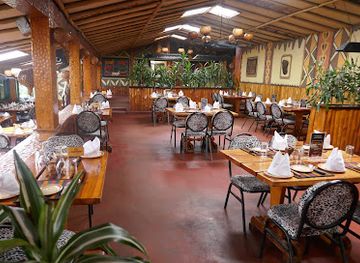
The carnivore restaurant
Experience the ultimate meat feast at The Carnivore Restaurant in Nairobi – where every bite tells a story of Kenyan culture.
-
Cafe
Bao Box
Discover Bao Box: A family-friendly cafe in Nairobi serving delicious fusion cuisine in a warm atmosphere perfect for any occasion.
-
Brazilian
Fogo Gaucho Kilimani
Savor authentic Brazilian cuisine at Fogo Gaucho Kilimani – a vibrant spot in Nairobi known for its delicious Churrasco and lively atmosphere.
-
Restaurant
Talisman Restaurant
Experience culinary excellence at Talisman Restaurant in Nairobi – where local flavors meet international cuisine in a stunning garden setting.
Best bars in North Eastern Province
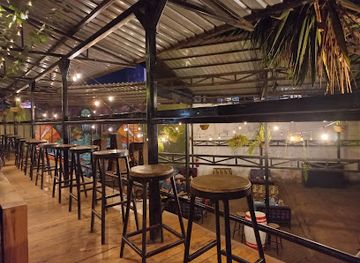
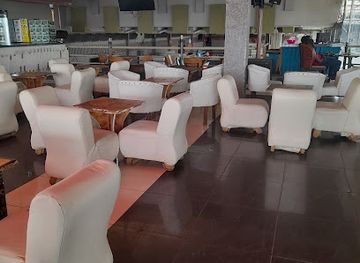
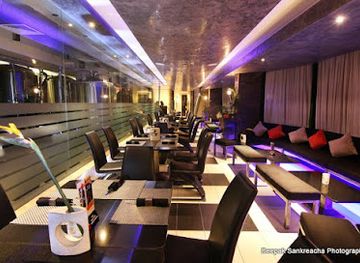
Evening life is relatively restrained and varies across the predominantly Muslim towns of North Eastern Province. Garissa, Wajir and Mandera have cafés, tea houses, hotel restaurants and small social venues where people meet after the heat of the day, while nightlife is not generally centred on large clubs or alcohol-led entertainment. Alcohol may be unavailable or discreet in some establishments, and visitors should respect local religious and community norms rather than expecting the bar culture found in Nairobi or Kenya’s coastal resorts. Live conversation, tea, televised sport and late meals are more reliable features of an evening out. In smaller settlements, activity often quietens early, and remote accommodation may offer little beyond dinner and a secure place to rest. Ask locally about appropriate venues, dress modestly and avoid photographing people without permission.
-
Bar
1824 Bar & Restaurant
Experience the vibrant nightlife at 1824 Bar & Restaurant, Nairobi's go-to spot for delicious food and refreshing drinks.
-
Bar
The Alchemist
Discover Nairobi's vibrant nightlife at The Alchemist, a bar and event venue offering live music, diverse food options, and a lively shopping experience.
-
Lounge
Quiver Lounge - Thika Road
Experience the vibrant atmosphere of Quiver Lounge on Thika Road, Nairobi - a perfect blend of relaxation, entertainment, and exquisite cuisine.
-
Brewpub
Brew Bistro and Lounge
Discover a vibrant brewpub in Nairobi offering delicious meals and craft beers in a lively atmosphere perfect for socializing.
Best nightclubs in North Eastern Province
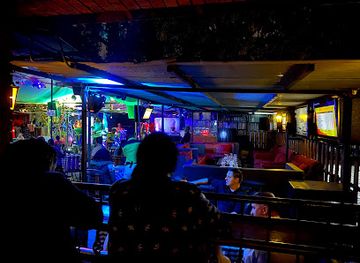
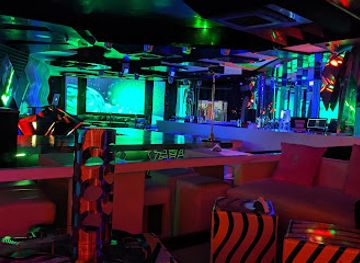
Evening life is relatively restrained and varies across the predominantly Muslim towns of North Eastern Province. Garissa, Wajir and Mandera have cafés, tea houses, hotel restaurants and small social venues where people meet after the heat of the day, while nightlife is not generally centred on large clubs or alcohol-led entertainment. Alcohol may be unavailable or discreet in some establishments, and visitors should respect local religious and community norms rather than expecting the bar culture found in Nairobi or Kenya’s coastal resorts. Live conversation, tea, televised sport and late meals are more reliable features of an evening out. In smaller settlements, activity often quietens early, and remote accommodation may offer little beyond dinner and a secure place to rest. Ask locally about appropriate venues, dress modestly and avoid photographing people without permission.
-
Night club
K1 Klub House
Experience Nairobi's nightlife at K1 Klub House, a vibrant venue combining a night club, bar, and restaurant with local markets in a lively atmosphere.
-
Lounge
Onyx Lounge & Restaurant
Experience the vibrant nightlife and culinary delights at Onyx Lounge & Restaurant, Nairobi's premier lounge and night club destination.
-
Lounge
B-CLUB Nairobi
Discover the electrifying nightlife at B-CLUB Nairobi, a premier lounge featuring exquisite cocktails, vibrant music, and an unforgettable atmosphere.
-
Night club
The Tunnel
Discover The Tunnel, Nairobi's premier night club, offering vibrant nightlife and delicious grill dishes for an unforgettable experience.


Best shops in North Eastern Province
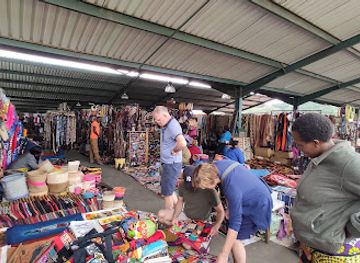
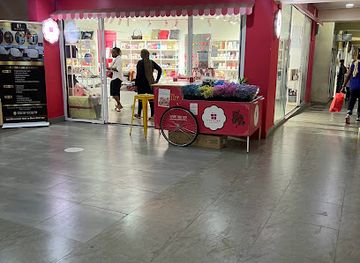
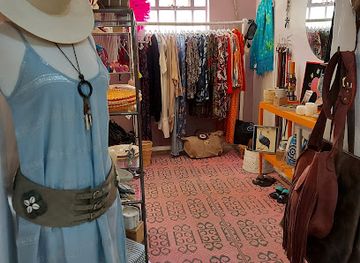
Shopping in North Eastern Province is centred on practical town markets, livestock trading and small independent businesses rather than large retail districts. Garissa, Wajir and Mandera offer shops selling clothing, household goods, mobile-phone services, food and imported products circulating through Kenya’s eastern and northern trade routes. Markets are particularly useful for observing the importance of camels, goats and other livestock, although visitors should ask before taking photographs and keep clear of trading activity. Regional food products may include camel milk, dates, grains, spices and dried goods, depending on season and supply. Somali-style textiles, modest clothing, scarves and household items can make more appropriate purchases than generic souvenirs, while baskets and other craft objects may be available through local sellers. Bargaining is customary in some open markets but not every shop; keep negotiations courteous and agree prices before accepting goods or transport. Carry cash in smaller denominations, since card facilities and mobile connectivity are less dependable outside the main towns.
-
Shopping mall
Village Market
Experience the vibrant blend of shopping, dining, and culture at Nairobi's Village Market, a must-visit destination for every tourist.
-
Clothing store
Star Shopping Mall
Explore a vibrant shopping haven at Star Shopping Mall in Nairobi, where fashion meets local culture in a bustling atmosphere.
-
Gift shop
Purpink Gifts Limited
Explore Purpink Gifts Limited in Nairobi for unique gifts and stunning floral arrangements, perfect for every occasion during your travels.
-
Gift shop
Langata Link Shops
Explore the vibrant Langata Link Shops in Nairobi, where local crafts and unique gifts await every traveler seeking authentic Kenyan souvenirs.

Get your free copy of our complete guide to North Eastern Province, delivered straight to you.
Everything on this page, from attractions and restaurants to essentials and local phrases, in one PDF you can read offline, print or share.
Already have an account? Sign in
Your North Eastern Province guide is ready.
We'll send it to · Not you? Sign out

Getting your guide ready…
We are putting together a fresh copy of the North Eastern Province guide. This can take up to a minute.
This can take a few moments. If your browser asks, choose Allow so the download can start. You'll find the guide in your Downloads folder.
Nothing happened? Download it again
Sorry, the guide is taking longer than usual. Please try again in a minute, or get it by email instead.
North Eastern Province essentials
Currency and Payment
Safety
Emergency Situations
Do's and Don'ts
Local Tips
From Eve
Local phrases worth knowing
You don't need to get them perfect. A few words go a long way, and locals appreciate the effort.
Basics
| English | Local | Say it |
|---|---|---|
| Hello | Hello | [Hello] |
| Goodbye | Goodbye | [Goodbye] |
| Yes | Yes | [Yes] |
| No | No | [No] |
| Please/You're welcome | Please/You're welcome | [Please/You're welcome] |
| Thank you | Thank you | [Thank you] |
| Excuse me/Sorry | Excuse me/Sorry | [Excuse me/Sorry] |
| How are you? | How are you? | [How are you?] |
| Fine. And you? | Fine. And you? | [Fine. And you?] |
| Do you speak English? | Do you speak English? | [Do you speak English?] |
| I don't understand | I don't understand | [I don't understand] |
Eating & Drinking
| English | Local | Say it |
|---|---|---|
| I'd like to see the menu, please | I'd like to see the menu, please | [I'd like to see the menu, please] |
| I don't eat meat | I don't eat meat | [I don't eat meat] |
| Cheers! | Cheers! | [Cheers!] |
| I would like to pay, please | I would like to pay, please | [I would like to pay, please] |
Emergencies
| English | Local | Say it |
|---|---|---|
| Help! | Help! | [Help!] |
| Go away! | Go away! | [Go away!] |
| Call the Police! | Call the Police! | [Call the Police!] |
| Call a doctor! | Call a doctor! | [Call a doctor!] |
| I'm lost | I'm lost | [I'm lost] |
| I'm ill | I'm ill | [I'm ill] |
Shopping
| English | Local | Say it |
|---|---|---|
| I'd like to buy... | I'd like to buy... | [I'd like to buy...] |
| I'm just looking | I'm just looking | [I'm just looking] |
| How much is it? | How much is it? | [How much is it?] |
| That's too expensive | That's too expensive | [That's too expensive] |
| Can you lower the price? | Can you lower the price? | [Can you lower the price?] |
Time & Numbers
| English | Local | Say it |
|---|---|---|
| What time is it? | What time is it? | [What time is it?] |
| It's one o'clock | It's one o'clock | [It's one o'clock] |
| Half past (10) | Half past (10) | [Half past (10)] |
| Morning | Morning | [Morning] |
| Afternoon | Afternoon | [Afternoon] |
| Evening | Evening | [Evening] |
| Yesterday | Yesterday | [Yesterday] |
| Today | Today | [Today] |
| Tomorrow | Tomorrow | [Tomorrow] |
| 1 | 1 | [1] |
| 2 | 2 | [2] |
| 3 | 3 | [3] |
| 4 | 4 | [4] |
| 5 | 5 | [5] |
| 6 | 6 | [6] |
| 7 | 7 | [7] |
| 8 | 8 | [8] |
| 9 | 9 | [9] |
| 10 | 10 | [10] |
Transport & Directions
| English | Local | Say it |
|---|---|---|
| Where's a/the...? | Where's a/the...? | [Where's a/the...?] |
| What's the address? | What's the address? | [What's the address?] |
| Can you show me (on the map)? | Can you show me (on the map)? | [Can you show me (on the map)?] |
| When's the next (bus)? | When's the next (bus)? | [When's the next (bus)?] |
| A ticket (to ....) | A ticket (to ....) | [A ticket (to ....)] |
History of North Eastern Province
Pastoral societies and ancient trade routes
For centuries, the region’s dry grasslands and seasonal watercourses have supported mobile pastoral communities, especially Somali-speaking groups who move livestock according to rainfall, pasture and access to wells. Camels, cattle, goats and sheep have been central to the economy and social organisation. The area also formed part of wider trade networks linking the interior of the Horn of Africa with the Swahili coast and markets farther north. Archaeological and geological evidence around Wajir indicates that today’s arid environment has changed over time, while oral traditions preserve knowledge of migration, wells, grazing territories and community alliances.
The Northern Frontier District under colonial rule
British administration incorporated the region into the Northern Frontier District, a large and lightly governed frontier zone adjoining Ethiopia and Italian Somaliland. Colonial rule relied heavily on movement controls, district stations and arrangements with local leaders, while pastoral mobility frequently crossed boundaries drawn without regard to older social and economic connections. Administrative centres such as Wajir developed around government, security and commercial functions. The legacy of this period remains visible in the region’s political geography and in long-standing debates about marginalisation, mobility and the relationship between border communities and the Kenyan state.
Independence and the Shifta conflict
After Kenya became independent in 1963, an armed conflict known as the Shifta War broke out in the Northern Frontier District. Supporters of a proposed union with neighbouring Somali territories opposed incorporation into Kenya, while the government responded with military operations and emergency measures. The conflict lasted into the late 1960s and caused displacement, disruption to pastoral livelihoods and enduring mistrust between many residents and central authorities. Its effects shaped policing, development policy and political identity in Garissa, Wajir and Mandera for decades.
The Wagalla massacre and its legacy
In February 1984, Kenyan security forces gathered Degodia men at Wagalla airstrip in Wajir County during a security operation. Large numbers died or suffered abuse, although the full toll remains disputed. Later investigations and public testimony brought the event into national focus and made it a significant reference point in discussions of state violence, ethnic relations and accountability. The Wagalla Memorial and continuing community remembrance reflect the importance of acknowledging this history when interpreting Wajir and the wider former province.
Devolution and the county era
Kenya’s 2010 Constitution introduced devolved county governments, implemented from 2013, replacing the former provincial administrative framework with elected counties. Garissa, Wajir and Mandera gained county institutions responsible for a range of local services and development priorities. Devolution has supported new roads, public buildings, health facilities and urban growth, although infrastructure and service provision remain uneven across the vast territory. For visitors, this era is visible in the expansion of county headquarters and commercial centres, set within a region whose pastoral economy and cross-border connections remain fundamental.
North Eastern Province in Photos
Browse through our photo collection highlighting the charm and character of the destination.
Neighbouring regions of North Eastern Province
The closest regions to North Eastern Province, if you have time for more than one.
-

-

-

-

-


Swipe for more regions
Explore more
Explore more of Kenya
Discover Kenya: A land of breathtaking safaris, rich cultural heritage, and stunning coastlines that promise adventure and relaxation all in one.
Explore Kenya