

Tian Shan Mountains, Kyrgyzstan Travel Guide
Explore the serene beauty and adventurous trails of the Tian Shan Mountains in Kyrgyzstan, where stunning landscapes and rich culture await your discovery.
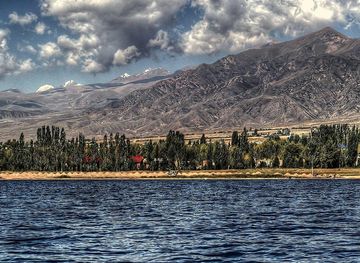
The Tian Shan Mountains, known as the 'Mountains of Heaven,' offer awe-inspiring landscapes that captivate the soul. Stretching across the heart of Kyrgyzstan, this majestic range boasts snow-capped peaks, lush valleys, and pristine alpine lakes. Whether you are an adventurer seeking thrilling hikes or a nature lover yearning for tranquility, the Tian Shan Mountains deliver an unforgettable experience. One of the highlights of the Tian Shan is Lake Issyk-Kul, the second-largest saline lake in the world. Nestled between towering mountains, this lake is a paradise for swimmers and photographers alike. The surrounding area is perfect for exploring picturesque villages and soaking in the rich local culture. Trekking routes such as the Ala-Kul Lake trek offer panoramic views and a sense of isolation that is hard to find elsewhere. For those interested in wildlife, the Tian Shan Mountains are home to a diverse range of species, including the elusive snow leopard. Birdwatchers will be thrilled with the variety of birds that inhabit this region. The best time to visit is from June to September when the weather is most favorable for outdoor activities. The blend of natural beauty and cultural richness makes the Tian Shan Mountains a must-visit destination in Central Asia.

Know before you go
Hi, I'm Eve. Here are a few practical things to know before exploring Tian Shan Mountains.
- Visit in summer months (June-September) for the best weather conditions.
- Pack layers of clothing as temperatures can vary greatly between day and night.
- Hire a local guide for trekking to ensure safety and to learn more about the region.
- Bring a good camera to capture the incredible landscapes and wildlife.
- Try local Kyrgyz dishes in the nearby villages for an authentic culinary experience.
Destinations in Tian Shan Mountains
Resorts, valleys and scenic spots worth a trip of their own.


Explore Tian Shan Mountains: Things to Do, Places to Eat, Hotels & More
Handpicked recommendations for top attractions, local dining, accommodations, and more

Top Attractions & Sightseeing in Tian Shan Mountains
Top-rated picks
Best Attractions

Ala Archa National Park
Explore the breathtaking beauty of Ala Archa National Park, a natural wonder just outside Bishkek, offering stunning landscapes and adventure.

Rukh Ordo
Explore the vibrant cultural center of Rukh Ordo in Cholpon Ata, where art, heritage, and breathtaking landscapes converge.

Altyn-Arashan
Explore Altyn-Arashan, a breathtaking nature preserve in Kyrgyzstan with stunning landscapes, hot springs, and unforgettable hiking experiences.

Sary-Chelek
Discover the breathtaking beauty of Sary-Chelek, a pristine lake in Kyrgyzstan, surrounded by majestic mountains and rich biodiversity.

Best landmarks in Tian Shan Mountains
Top-rated picks
Best Landmarks

Ala Archa National Park
Explore the stunning landscapes and rich biodiversity of Ala Archa National Park, a breathtaking natural haven near Bishkek, Kyrgyzstan.

Burana Tower
Explore Burana Tower, a historical landmark that offers breathtaking views and a rich tapestry of Kyrgyzstan's cultural heritage.

Altyn-Arashan
Discover the breathtaking beauty of Altyn-Arashan, a serene nature preserve in Kyrgyzstan, perfect for relaxation and adventure amid stunning landscapes.

Tash Rabat
Discover Tash Rabat, an ancient caravanserai in Kyrgyzstan, where history meets breathtaking landscapes amidst the legendary Silk Road.

Best restaurants in Tian Shan Mountains
Top-rated picks
Best Restaurants

Cafe Faiza
Discover authentic Kyrgyz cuisine at Cafe Faiza in Bishkek – where tradition meets taste in every delightful bite.

Dastorkon (Дасторкон)
Discover the flavors of Kyrgyzstan at Dastorkon - the ultimate destination for barbecue lovers in Karakol.

Hyatt Regency Bishkek
Discover luxury and comfort at Hyatt Regency Bishkek – your gateway to exploring Kyrgyzstan's captivating capital.

Ala Archa National Park
Explore Ala Archa National Park: A Natural Wonderland Amidst Majestic Mountains and Lush Valleys.

Best bars in Tian Shan Mountains
Top-rated picks
Best Bars

Hyatt Regency Bishkek
Discover unparalleled luxury and breathtaking views at Hyatt Regency Bishkek, the perfect retreat in Kyrgyzstan's vibrant capital.

Ala Archa National Park
Discover the natural wonder of Ala Archa National Park, a scenic retreat near Bishkek with stunning mountain views and endless outdoor adventures.

Bublik
Discover Bublik, Bishkek's favorite coffee shop, where every cup is a journey into local flavors and relaxing vibes.

Tsentr Otdykha Raduga Issyk-Kul'
Experience the perfect blend of nature and comfort at Tsentr Otdykha Raduga Issyk-Kul', your serene lakeside retreat.

Best nightclubs in Tian Shan Mountains
Top-rated picks
Best Nightclubs

Promzona Club
Discover the vibrant nightlife at Promzona Club in Bishkek, where electrifying music and an energetic crowd create unforgettable experiences.

Metro Pub
Experience the vibrant nightlife of Bishkek at Metro Pub with great cocktails, live music, and an energetic atmosphere.

Shanson Night Club
Discover the vibrant nightlife at Shanson Night Club in Bishkek, where good music and a lively atmosphere promise thrilling nights.

Suzie Wong
Suzie Wong: The ultimate nightlife destination in Bishkek with a spacious dance floor and vibrant atmosphere.

Best shops in Tian Shan Mountains
Top-rated picks
Best Shops

Osh Bazaar
Experience the vibrant culture and flavors of Kyrgyzstan at Osh Bazaar in Bishkek, a bustling market filled with spices, crafts, and local delicacies.

Asia Mall
Discover the vibrant shopping experience at Asia Mall in Bishkek, where local flavor meets international brands in a modern setting.

ZUM Aichurok
Experience the vibrant shopping and cultural scene at ZUM Aichurok in Bishkek, where local charm meets international flair.

Bishkek Park
Explore Bishkek Park – your ultimate shopping and dining destination in the heart of Kyrgyzstan's capital, offering a vibrant mix of local and international flavors.

Explore Tian Shan Mountains on the Map
A handpicked selection of must-see spots in Tian Shan Mountains, mapped for you.
Tian Shan Mountains Essentials
-
The Tian Shan Mountains in Kyrgyzstan are accessible via Manas International Airport in Bishkek, the capital of Kyrgyzstan. From Bishkek, you can take a domestic flight to Osh, the largest city in the southern part of the country, which is another gateway to the Tian Shan region. Alternatively, you can travel by road from Bishkek to various entry points in the Tian Shan Mountains. The journey by car or bus can take several hours, depending on your final destination within the mountain range.
-
Transportation within the Tian Shan Mountains can be challenging due to the rugged terrain. Renting a 4x4 vehicle is highly recommended for exploring the mountains, as many roads are unpaved and can be difficult to navigate. Local taxis and marshrutkas (minibuses) are available in towns and cities but may not reach remote areas. For trekking and deeper exploration, hiring a local guide with knowledge of the trails and terrain is advisable. Horses and donkeys are also commonly used for transportation in more inaccessible areas.
-
The official currency in Kyrgyzstan is the Kyrgyzstani Som (KGS). While credit cards are accepted in some hotels and larger establishments in Bishkek and Osh, cash is the preferred method of payment in rural areas and within the Tian Shan Mountains. ATMs are available in major towns and cities, but it is wise to carry sufficient cash before heading into the mountains. Currency exchange services are available at airports and in larger cities.
-
The Tian Shan Mountains are generally safe for tourists, but it is essential to take standard precautions. Avoid traveling alone in remote areas and always inform someone of your travel plans. Petty crime, such as pickpocketing, can occur in crowded places, so keep an eye on your belongings. There are no specific high-crime areas targeting tourists, but it is best to remain vigilant. Be cautious of wildlife and changing weather conditions, which can pose risks.
-
In case of emergency, dial 112 for immediate assistance. Medical facilities in remote areas may be limited, so it is crucial to have comprehensive travel insurance that covers medical evacuation. For minor health issues, carry a basic first aid kit and any necessary medications. Local guides can assist in emergencies, and it is advisable to have their contact information readily available. The nearest major hospitals are in Bishkek and Osh.
-
Fashion: Do dress in layers and wear appropriate footwear for hiking and trekking. Avoid wearing overly revealing clothing out of respect for local customs. Religion: Do respect local religious practices and be mindful when visiting mosques or religious sites. Public Transport: Do be polite and give up your seat to elderly passengers. Don’t eat or drink on public transport. Greetings: Do greet people with a handshake or a slight nod. Avoid overly enthusiastic gestures. Eating & Drinking: Do try local dishes and accept food offerings graciously. Don’t refuse hospitality, as it is considered impolite.
-
To experience the Tian Shan Mountains like a local, consider staying in traditional yurts, which offer a unique and immersive cultural experience. Engage with local shepherds and villagers, as they are often willing to share their knowledge of the area. Participate in traditional festivals and events if your visit coincides with them. Visit local markets to buy handmade crafts and fresh produce. Hiring a local guide can enhance your experience by providing insights into the region’s history, culture, and natural beauty.
When is the best time to visit Tian Shan Mountains?
Useful Local Phrases for Tian Shan Mountains
You don't need to speak the language perfectly. Even learning a few simple words can make conversations warmer—and locals usually appreciate the effort.
— Eve

Here are the phrases I use most often in Tian Shan Mountains. Try a few—you'll be surprised how far they go! 😊
❤️
-
- HelloСалам
[Salam] - GoodbyeКош келиңиз
[Kosh keliniz] - YesОоба
[Ooba] - NoЖок
[Jok] - Please/You're welcomeСураныч
[Suranych] - Thank youРахмат
[Rakhmat] - Excuse me/SorryКечиресиз
[Kechiresiz] - How are you?Кандайсыз?
[Kandaysyz?] - Fine. And you?Жакшы. Сиз?
[Zhaky. Siz?] - Do you speak English?Сиз англисче сүйлөйсүзбү?
[Siz anglishe süylöyüsüzbü?] - I don't understandМен түшүнбөй жатам
[Men tüşünböy jatam]
- HelloСалам
-
- I'd like to see the menu, pleaseМени менюну көрсөтүңүз, сураныч
[Meni menyunu körsötüñüz, suranych] - I don't eat meatМен эт жебеймин
[Men et jebeýmin] - Cheers!Саламаттык!
[Salamattyk!] - I would like to pay, pleaseМен төлөйм, сураныч
[Men tölöym, suranych]
- I'd like to see the menu, pleaseМени менюну көрсөтүңүз, сураныч
-
- Help!Жардам бериңиз!
[Jardam beriñiz!] - Go away!Жогол!
[Jogol!] - Call the Police!Полицияны чакырыңыз!
[Politsiyany chakyryñyz!] - Call a doctor!Дарыгерди чакырыңыз!
[Darygerdi chakyryñyz!] - I'm lostМен жоголдум
[Men jogoldum] - I'm illМен ооруп жатам
[Men oоруп jatam]
- Help!Жардам бериңиз!
-
- I'd like to buy...Мен сатып алгым келет...
[Men satyp algym kelet...] - I'm just lookingМен жөн гана карап жатам
[Men jön gana karap jatam] - How much is it?Бул канча турат?
[Bul kancha turat?] - That's too expensiveБул өтө кымбат
[Bul ötot kymbat] - Can you lower the price?Баасын төмөндөтсөңүз болот?
[Baasyn tömöndötsöñüz bolot?]
- I'd like to buy...Мен сатып алгым келет...
-
- What time is it?Саат канча?
[Saat kancha?] - It's one o'clockБир саат
[Bir saat] - Half past (10)Он бирге он беш
[On birge on besh] - MorningТаң
[Tañ] - AfternoonТүштөн кийин
[Tüshtön kiyin] - EveningКечинде
[Kechinde] - YesterdayЭртең
[Erteñ] - TodayБүгүн
[Bügün] - TomorrowЭртең
[Erteñ] - 1Бир
[Bir] - 2Эки
[Eki] - 3Үч
[Üch] - 4Төрт
[Tört] - 5Беш
[Besh] - 6Алты
[Alty] - 7Жети
[Zheti] - 8Сегиз
[Segiz] - 9Тогуз
[Toguz] - 10Он
[On]
- What time is it?Саат канча?
-
- Where's a/the...?Кайда...?
[Kayda...?] - What's the address?Дарек кандай?
[Darek kanday?] - Can you show me (on the map)?Маңа көрсөтсөңүз (картада)?
[Maña körsötsöñüz (kartada)?] - When's the next (bus)?Кийинки (автобус) качан?
[Kiyinki (avtobus) kachan?] - A ticket (to ....)Билет (.... үчүн)
[Bilet (.... üchün)]
- Where's a/the...?Кайда...?
History of Tian Shan Mountains
-
The Tian Shan Mountains played a pivotal role in the history of the Silk Road, serving as a natural barrier and a guide for traders traveling between China and the West. The mountainous routes were used by caravans carrying silk, spices, precious metals, and other goods. The challenging terrain required skilled guides and resilient animals, making the journey both arduous and rewarding. The cultural exchange fostered by the Silk Road left an indelible mark on the region, with influences seen in local art, cuisine, and traditions.
-
The Tian Shan Mountains are home to a rich tapestry of nomadic cultures, particularly those of the Kyrgyz people. For centuries, the Kyrgyz have traversed these mountains with their herds, living in traditional yurts and following a lifestyle adapted to the harsh, yet stunningly beautiful, environment. The nomadic way of life is deeply intertwined with the region's history, reflecting resilience and a profound connection to nature. Traditional festivals, music, and oral storytelling continue to celebrate this heritage, preserving the nomadic legacy.
-
In the 18th and 19th centuries, the Tian Shan Mountains were part of the territory controlled by the Khanate of Kokand. This Central Asian state, centered in what is now eastern Uzbekistan, extended its influence into the mountain range. The Khanate's rule saw the establishment of new trade routes and the construction of fortifications to protect its interests. The strategic significance of the Tian Shan region during this period highlights its importance in regional politics and commerce.
-
The 19th century saw the Russian Empire's expansion into Central Asia, including the Tian Shan Mountains. Russian explorers and military expeditions mapped the region, bringing it under imperial control. This period was marked by the establishment of new settlements and the integration of the mountainous areas into the broader Russian administrative framework. The influence of Russian culture and infrastructure can still be seen today in local architecture and urban planning.
-
During the Soviet era, the Tian Shan Mountains underwent significant transformations. The Soviet government implemented large-scale agricultural and mining projects, altering the landscape and local economy. Infrastructure development, such as roads and hydroelectric dams, connected remote areas with urban centers. The period also saw efforts to assimilate the diverse ethnic groups of the region into Soviet culture, impacting local traditions and lifestyles. Despite these changes, the natural beauty and cultural heritage of the Tian Shan continued to endure.
Neighbouring Regions of Tian Shan Mountains
The closest regions to Tian Shan Mountains, if you have time for more than one.


Your all‑in‑one travel companion app
Explore expert travel guides, compare and book tours, experiences, hotels, and more—all from the palm of your hand. Download now for seamless trip planning wherever your wanderlust takes you.


Explore More of Kyrgyzstan
Looking beyond Tian Shan Mountains? Discover Kyrgyzstan for broader travel guides, local hot-spots, and regional highlights.
Explore KyrgyzstanTian Shan Mountains in Photos
Browse through our photo collection highlighting the charm and character of the destination.


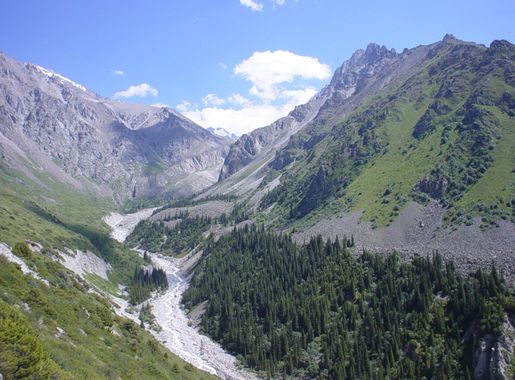


The Majestic Tian Shan Mountains of Kyrgyzstan
The Tian Shan Mountains, known as the 'Mountains of Heaven,' offer awe-inspiring landscapes that captivate the soul. Stretching across the heart of Kyrgyzstan, this majestic range boasts snow-capped peaks, lush valleys, and pristine alpine lakes. Whether you are an adventurer seeking thrilling hikes or a nature lover yearning for tranquility, the Tian Shan Mountains deliver an unforgettable experience. One of the highlights of the Tian Shan is Lake Issyk-Kul, the second-largest saline lake in the world. Nestled between towering mountains, this lake is a paradise for swimmers and photographers alike. The surrounding area is perfect for exploring picturesque villages and soaking in the rich local culture. Trekking routes such as the Ala-Kul Lake trek offer panoramic views and a sense of isolation that is hard to find elsewhere. For those interested in wildlife, the Tian Shan Mountains are home to a diverse range of species, including the elusive snow leopard. Birdwatchers will be thrilled with the variety of birds that inhabit this region. The best time to visit is from June to September when the weather is most favorable for outdoor activities. The blend of natural beauty and cultural richness makes the Tian Shan Mountains a must-visit destination in Central Asia.