

Jety-Oguz Valley Travel Guide - Free Web & App
Your ultimate guide to Jety-Oguz Valley. Discover top landmarks, proposed trips, and local tips. Free on the web or via the Evendo companion app.


Jety-Oguz Valley, Kyrgyzstan: explore red sandstone cliffs, alpine meadows, waterfalls, nomadic culture and mountain trails near Issyk-Kul and Karakol.
A Valley of Red Rock
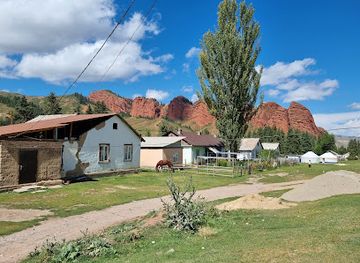
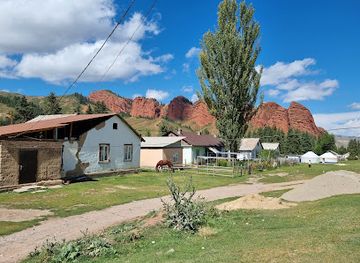
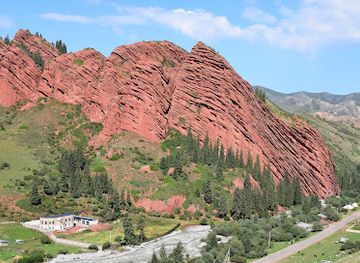
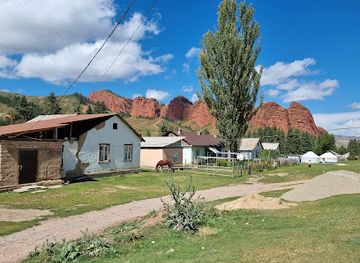
Jety-Oguz Valley, also written as Jeti-Oguz, extends southwards from the northern shore of Lake Issyk-Kul in eastern Kyrgyzstan. Its name is commonly translated as “Seven Bulls”, referring to a line of rust-red rock formations whose weathered shapes have become one of the region’s most recognisable natural sights. Nearby, the Broken Heart rock adds another distinctive silhouette to the valley entrance. The formations rise above a broad, relatively wooded mountain landscape, while the upper valley narrows into alpine pastures, conifer-covered slopes and high mountain terrain.Read more about Jety-Oguz Valley
Pastures, Trails and Waterfalls
Mountain Culture and Bases
When is the best time to visit Jety-Oguz Valley?
Best: June, August–September · 21–27°C| Month | High (°C) | Rainfall (mm) |
|---|---|---|
| January | 1 | 14 |
| February | 2 | 14 |
| March | 6 | 15 |
| April | 14 | 21 |
| May | 20 | 24 |
| June (best) | 26 | 27 |
| July | 29 | 29 |
| August (best) | 27 | 28 |
| September (best) | 21 | 25 |
| October | 12 | 19 |
| November | 4 | 16 |
| December | 1 | 15 |
Getting to and around Jety-Oguz Valley
How to get there
Transportation
Best attractions in Jety-Oguz Valley
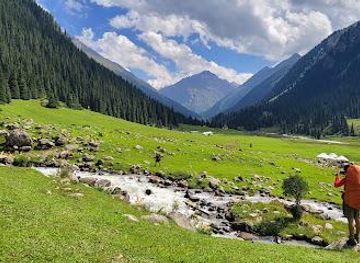
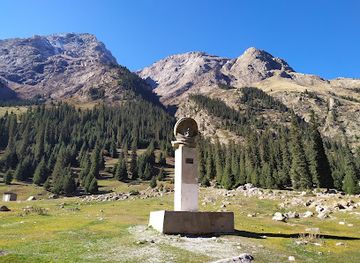
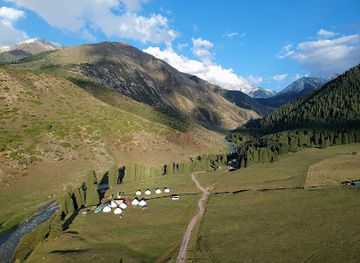
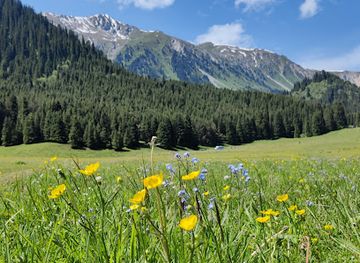
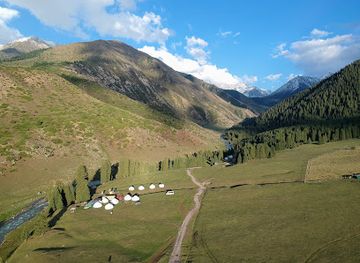
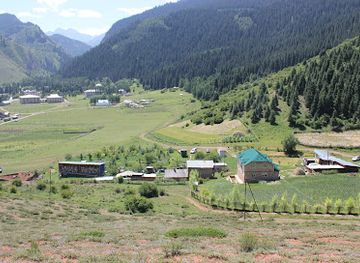
The Seven Bulls are Jety-Oguz’s defining sight: a row of red rock formations above the lower valley, best appreciated from viewpoints near the approach road. Close by, the Broken Heart formation provides another prominent red-rock landmark and is associated with local stories and romantic symbolism. Beyond the resort settlement, the valley opens into forested slopes and pastureland, with Kok-Jaiyk, or the Valley of Flowers, offering a broad alpine setting used seasonally for grazing. A waterfall farther up the valley is reached by walking routes whose condition depends on weather and runoff. The attraction lies in the transition between accessible geological viewpoints and increasingly remote mountain scenery, where horses, yurts and meadow landscapes form part of the experience. Jety-Oguz is also a useful starting point for longer excursions into the Terskey Ala-Too, although routes into higher terrain require appropriate preparation and should be assessed locally.
-
Resort hotel
Jeti-Ögüz resort
Experience the enchanting beauty and tranquility of Jeti-Ögüz Resort, a premier destination for relaxation and adventure in Kyrgyzstan's stunning landscapes.
-
Nature preserve
Altyn-Arashan
Explore Altyn-Arashan, a hidden gem in Kyrgyzstan, where nature's beauty meets adventure with stunning landscapes and rejuvenating hot springs.
-
Park
Karakol River Park
Experience the beauty of nature at Karakol River Park, a serene escape in Kyrgyzstan offering lush landscapes and recreational activities for all.
-
Park
Karakol River Park
Experience the serene beauty of Karakol River Park, a peaceful retreat in the heart of Kyrgyzstan’s stunning landscapes, perfect for relaxation and exploration.

Best landmarks in Jety-Oguz Valley
The Seven Bulls and Broken Heart are Jety-Oguz’s principal natural landmarks, formed from red sedimentary rock that stands in strong contrast to the surrounding green slopes and darker mountain forests. Their sculpted outlines have become closely linked with the valley’s name and local storytelling. The Jety-Oguz resort and sanatorium provide a cultural landmark of a different kind, representing the area’s development as a Soviet-era health retreat. Farther up the valley, Kok-Jaiyk’s open pasture landscape illustrates the continuing relationship between mountain scenery and seasonal pastoralism, while the upper-valley waterfall marks the transition from settled recreation into more rugged terrain. Together these features express Jety-Oguz as both a geological sight and a lived mountain landscape rather than simply a roadside viewpoint.
-
Mosque
Dungan Mosque
Discover the Dungan Mosque in Karakol, a stunning architectural gem that showcases the rich cultural heritage and harmonious coexistence of diverse traditions.
-
Resort hotel
Jeti-Ögüz resort
Discover tranquility and adventure at Jeti-Ögüz Resort, a luxurious retreat surrounded by stunning Kyrgyz landscapes and rich cultural experiences.
-
Nature preserve
Barskoon Waterfall
Experience the breathtaking beauty of Barskoon Waterfall, a stunning natural wonder nestled in Kyrgyzstan's majestic landscapes.
-
Tourist attraction
Kok Jaiyk valley
Explore the breathtaking Kok Jaiyk Valley, a hidden gem in Kyrgyzstan, perfect for nature lovers and adventure seekers seeking tranquility and stunning views.
Explore Jety-Oguz Valley on the map
Plan your trip on one map. See where the top attractions, landmarks, restaurants and hotels are, and book hotels and experiences in a few clicks.
Best hotels in Jety-Oguz Valley
Best restaurants in Jety-Oguz Valley
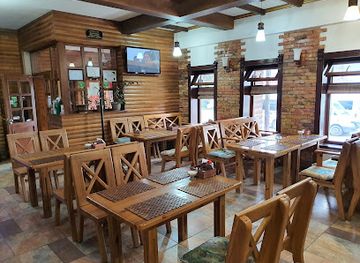
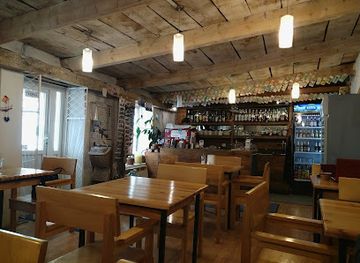
Dining in Jety-Oguz Valley is modest and closely connected with rural hospitality rather than a substantial restaurant scene. The resort area and surrounding villages may offer simple cafés, guesthouse meals or food arranged by local families, while more dependable choice is found in Karakol. Regional cooking commonly reflects Kyrgyz pastoral life, with dishes based on meat, noodles, rice, bread and dairy products; visitors may encounter beshbarmak, lagman, plov, manty, kurut and kymyz depending on season and host. In summer pasture areas, yurt stays can include home-prepared meals, but arrangements should be made in advance rather than assumed. Carrying provisions from Karakol is sensible for waterfall walks and upper-valley outings, where shops and regular food services are limited.
-
Restaurant
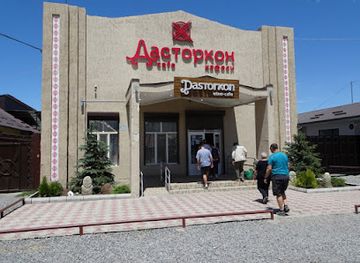
Dastorkon (Дасторкон)
Experience authentic Kyrgyz cuisine at Dastorkon in Karakol—home to exquisite barbecue and warm hospitality.
-
Resort hotel
Jeti-Ögüz resort
Experience unparalleled tranquility at Jeti-Ögüz Resort, where stunning landscapes meet luxurious comfort in Kyrgyzstan's breathtaking wilderness.
-
Restaurant
Cafe Zarina
Experience authentic Kyrgyz flavors at Cafe Zarina in Karakol - where local cuisine meets warm hospitality.
-
Coffee shop
Karakol Coffee
Discover cozy vibes and exquisite brews at Karakol Coffee – the perfect spot for tourists in search of relaxation and local flavor.
Best nightclubs in Jety-Oguz Valley
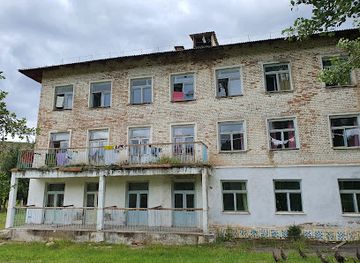
Jety-Oguz Valley has no established nightlife district and should be approached as a quiet rural destination. Evenings are generally centred on guesthouses, sanatorium accommodation, family-run meals or seasonal yurt stays rather than bars and nightclubs. Visitors may share tea, local food and conversation with hosts, provided that invitations and household customs are respected. Karakol, outside the valley, has the eastern Issyk-Kul region’s broadest choice of cafés, pubs and informal evening venues, although its atmosphere remains considerably quieter than that of a large city. In the valley, darkness, mountain weather and limited transport make it impractical to plan late-night movement between scattered settlements, so evening activities are usually close to the place where visitors are staying.
-
Resort hotel
Jeti-Ögüz Resort
Experience the breathtaking beauty and tranquility of Jeti-Ögüz Resort, a perfect getaway in Kyrgyzstan's stunning landscapes, offering relaxation and adventure.
-
Tourist attraction
Kok Jaiyk valley
Explore the stunning Kok Jaiyk Valley, a natural paradise in Dzhetyoguz offering breathtaking views, outdoor adventures, and cultural experiences.
-
Hiking area
Seven Bulls Rock
Explore the breathtaking natural wonders of Seven Bulls Rock in Dzhetyoguz, Kyrgyzstan – a hiker's paradise with stunning views and unique rock formations.
-
Night club
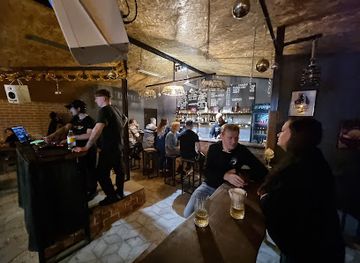
Chalet Dj Bar
Explore the vibrant nightlife at Chalet Dj Bar in Karakol, where exceptional cocktails and DJs create unforgettable evenings.
Best shops in Jety-Oguz Valley
Shopping within Jety-Oguz Valley is limited, with small local provisions and pastoral products more relevant than conventional retail. Karakol is the practical place to buy food, outdoor supplies, travel essentials and locally made goods before an excursion. Visitors may find felt items, embroidered textiles, wool products, handicrafts and regional foods through craft businesses, markets or family-run sellers in the wider Issyk-Kul area, though stock and opening arrangements vary. In rural settlements and pasture camps, dairy products such as kurut or homemade foods may be offered directly by local producers, but purchases should be made respectfully and with clear agreement. There is no extensive shopping street or permanent commercial district inside the valley itself.
-
Supermarket
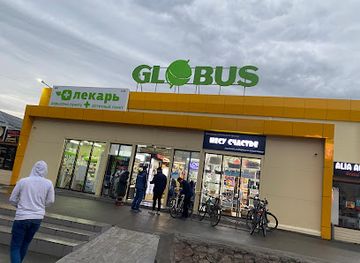
Globus
Explore local flavors at Globus supermarket in Karakol, offering a wide selection of Kyrgyz and international products for every traveler.
-
Resort hotel
Jeti-Ögüz resort
Experience the enchanting beauty of Jeti-Ögüz Resort, a luxurious escape in Kyrgyzstan surrounded by breathtaking landscapes and rich culture.
-
Tourist attraction
Kok Jaiyk valley
Explore Kok Jaiyk Valley, a hidden gem in Kyrgyzstan, where breathtaking landscapes and rich culture await every traveler.
-
Hiking area
Seven Bulls Rock
Discover the breathtaking beauty of Seven Bulls Rock, a premier hiking destination in Kyrgyzstan known for its stunning vistas and unique rock formations.
Get your free copy of our complete guide to Jety-Oguz Valley, delivered straight to you.
Everything on this page, from attractions and restaurants to essentials and local phrases, in one PDF you can read offline, print or share.
Already have an account? Sign in
Your Jety-Oguz Valley guide is ready.
We'll send it to · Not you? Sign out

Getting your guide ready…
We are putting together a fresh copy of the Jety-Oguz Valley guide. This can take up to a minute.
This can take a few moments. If your browser asks, choose Allow so the download can start. You'll find the guide in your Downloads folder.
Nothing happened? Download it again
Sorry, the guide is taking longer than usual. Please try again in a minute, or get it by email instead.
Jety-Oguz Valley essentials
Currency and Payment
Safety
Emergency Situations
Do's and Don'ts
Local Tips
From Eve
Local phrases worth knowing
You don't need to get them perfect. A few words go a long way, and locals appreciate the effort.
Basics
| English | Local | Say it |
|---|---|---|
| Hello | Саламатсызбы? | [Salamatsyzby?] |
| Goodbye | Жакшы калыңыз | [Jaksy kalynyz] |
| Yes | Ооба | [Ooba] |
| No | Жок | [Jok] |
| Please/You're welcome | Карындаш | [Karındash] |
| Thank you | Рахмат | [Rahmat] |
| Excuse me/Sorry | Кечиресиз | [Keçiresiz] |
| How are you? | Кандайсыз? | [Kandaysyz?] |
| Fine. And you? | Жакшы. Сиз кандайсыз? | [Jakshy. Siz kandaysyz?] |
| Do you speak English? | Сиз инглизче сөйлөсүңүзбү? | [Siz inglizche söylösüngüzbü?] |
| I don't understand | Мен түшүндүм жок | [Men tüshündüm jok] |
Eating & Drinking
| English | Local | Say it |
|---|---|---|
| I'd like to see the menu, please | Менюгө карап алгым келет | [Menyugö karap algım kelet] |
| I don't eat meat | Мен майыт тамакты жемем | [Men mayıt tamakty jemem] |
| Cheers! | Бас-сагын | [Bas-sagın] |
| I would like to pay, please | Төлөмүңүм келет | [Tölömüngüm kelet] |
Emergencies
| English | Local | Say it |
|---|---|---|
| Help! | Жардам! | [Jardam!] |
| Go away! | Кет! | [Ket!] |
| Call the Police! | Полицеяга чакырыңыз! | [Politsiyaga çakırıngız!] |
| Call a doctor! | Дакторго чакырыңыз! | [Daktorgo çakırıngız!] |
| I'm lost | Мен тапкандайм | [Men tapqandaym] |
| I'm ill | Мен жараанмын | [Men jaranmın] |
Shopping
| English | Local | Say it |
|---|---|---|
| I'd like to buy... | Сатып алгым келет... | [Satıp algım kelet...] |
| I'm just looking | Мен тек арактап жатам | [Men tek araktap çatam] |
| How much is it? | Буна чыгарат? | [Buna çıgarat?] |
| That's too expensive | Буу көп жакшы | [Buı köp jaqşı] |
| Can you lower the price? | Баасын төмөндетерсизби? | [Baasın tömöndetersizbi?] |
Time & Numbers
| English | Local | Say it |
|---|---|---|
| What time is it? | Саат канчада? | [Saat kançada?] |
| It's one o'clock | Бир саат | [Bir saat] |
| Half past (10) | Онда жарым | [Onda jarım] |
| Morning | Күн | [Kün] |
| Afternoon | Эртең | [Erteñ] |
| Evening | Кеч | [Keç] |
| Yesterday | Кече | [Keçe] |
| Today | Бүгүн | [Bügün] |
| Tomorrow | Эртең | [Erteñ] |
| 1 | Бир | [Bir] |
| 2 | Эки | [Eki] |
| 3 | Үч | [Üç] |
| 4 | Төрт | [Tört] |
| 5 | Беш | [Beş] |
| 6 | Алты | [Altı] |
| 7 | Жети | [Jeti] |
| 8 | Сегиз | [Segiz] |
| 9 | Тогуз | [Toguz] |
| 10 | Он | [On] |
Transport & Directions
| English | Local | Say it |
|---|---|---|
| Where's a/the...? | ...кайда? | [...kayda?] |
| What's the address? | Мекен-жайы канчада? | [Meken-jayı kançada?] |
| Can you show me (on the map)? | Мен көрсөтсөңүзбү (картада)? | [Men körsötsöngüzbü (kartada)?] |
| When's the next (bus)? | Кийинки кайда (автобус)? | [Kiyinki kayda (avtobus)?] |
| A ticket (to ....) | Билет (....га) | [Bilet (....ga)] |
History of Jety-Oguz Valley
A Landscape Shaped by Mountains
Jety-Oguz Valley belongs to the Terskey Ala-Too range, the mountain system forming the southern rim of the eastern Issyk-Kul basin. Its scenery reflects the interaction of uplift, erosion, river action and changing mountain climates over geological time. The red cliffs at the valley entrance are composed of comparatively soft sedimentary rock, allowing weathering to create the grouped forms known as the Seven Bulls and the Broken Heart. These formations are natural features rather than constructed monuments, but their distinctive colour and shape have long given the valley a powerful visual identity.
Pastoral Life in the Valley
For centuries, the wider Issyk-Kul region has been shaped by mobile pastoralism, with Kyrgyz communities moving animals between lower settlements and summer pastures known as jailoo. Jety-Oguz’s meadows and side valleys remain part of this living pastoral landscape, particularly during the warmer months. Horses, sheep and cattle are familiar features of the countryside, while yurts may appear in seasonal pasture areas. The valley’s cultural character therefore comes not only from historic sites but also from continuing relationships between communities, livestock, mountain water and grazing land.
The Resort and Soviet-Era Development
Jety-Oguz became known during the Soviet period as a health-resort area, supported by its mountain climate, mineral springs and scenic setting. The sanatorium and associated settlement introduced a more formal visitor infrastructure to a landscape previously experienced mainly through rural travel and seasonal pastoral use. This development connected the valley with the wider Soviet tourism network around Lake Issyk-Kul. Although the scale and appearance of the resort have changed over time, the settlement still provides a useful reference point for understanding the valley’s modern visitor history.
Tourism and Landscape Stewardship
Since Kyrgyzstan’s independence, Jety-Oguz has become increasingly associated with nature-based travel from Karakol and the eastern Issyk-Kul region. Visitors come for the red formations, forested slopes, pasture walks and mountain routes, while local families and guides support transport, food and seasonal stays. Tourism remains concentrated around accessible parts of the valley rather than forming a dense resort complex. Responsible travel is important because grazing land, streams and mountain paths serve both visitors and residents, and changing weather can make apparently simple routes more demanding.
Jety-Oguz Valley in Photos
Browse through our photo collection highlighting the charm and character of the destination.
Cities in Jety-Oguz Valley
The towns and cities of Jety-Oguz Valley, and the easiest places to base yourself.

Swipe for more cities
Neighbouring destination travel guides
The closest destinations to Jety-Oguz Valley, if you have time for more than one.
-

-

-

-

-


Swipe for more destinations
Explore more

Explore more of Issyk-Kul Region
Issyk-Kul Region combines a high-altitude lake, Kyrgyz mountain culture, petroglyphs, trekking valleys and lakeside towns in north-eastern Kyrgyzstan.
Explore Issyk-Kul Region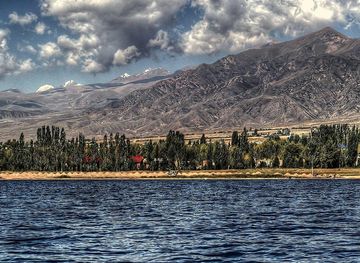
Explore more of Kyrgyzstan
Discover Kyrgyzstan: A land of majestic mountains, nomadic traditions, and rich history in the heart of Central Asia.
Explore Kyrgyzstan