

Free Northern Laos Travel Guide & Mobile App
Explore Northern Laos with free travel guides. Discover regional history, expert tips, proposed trips, and audio guides on web or mobile app.


Northern Laos combines Luang Prabang's temples with Mekong journeys, mountain villages, forest trekking and quiet highland towns.
Read more about Northern Laos
When is the best time to visit Northern Laos?
Best: December–February · 24–27°C| Month | High (°C) | Rainfall (mm) |
|---|---|---|
| January (best) | 24 | 10 |
| February (best) | 27 | 20 |
| March | 30 | 40 |
| April | 33 | 60 |
| May | 35 | 100 |
| June | 36 | 150 |
| July | 34 | 200 |
| August | 34 | 200 |
| September | 33 | 150 |
| October | 32 | 80 |
| November | 28 | 40 |
| December (best) | 24 | 20 |
Getting to and around Northern Laos
How to get there
Transportation
Top city travel guides in Northern Laos
The cities of Northern Laos, and the easiest places to base yourself.
-

-

-

-

-


Swipe for more cities
Destinations in Northern Laos
Resorts, valleys and scenic spots worth a trip of their own.
-

-

-

-
-

-


Swipe for more destinations
Best attractions in Northern Laos
Northern Laos offers a varied collection of cultural, natural and outdoor attractions spread across river valleys and mountain provinces. Luang Prabang's temple-lined historic centre is complemented by the waterfalls and forest pools of Kuang Si and the Buddhist caves at Pak Ou, reached along the Mekong. Around Nong Khiaw and Muang Ngoi, limestone cliffs frame walking routes, viewpoints and village paths beside the Nam Ou. Luang Namtha is a principal base for guided trekking, cycling and river excursions in and around the Nam Ha National Protected Area, where forest conservation and community tourism are closely connected. Bokeo offers forest experiences associated with the Nam Kan area, while Oudomxay provides access to northern landscapes and a useful cultural crossroads. Phongsaly appeals to travellers interested in highland scenery, tea cultivation and quieter mountain settlements. Markets, weaving communities, temples and river travel add human and historical dimensions, while activities such as kayaking, hiking and caving depend on seasonal weather and local operators. The region's strongest attraction is its combination of living culture and varied terrain rather than a single concentrated sightseeing circuit.
-
Tourist attraction
Kuang Si Waterfall
Experience the stunning beauty of Kuang Si Waterfall in Laos, where cascading turquoise waters meet lush tropical landscapes, perfect for nature lovers.
-
Buddhist temple
Pha That Luang Vientiane
Discover the splendor of Pha That Luang, Laos' iconic Buddhist temple, rich in history and cultural significance, a must-visit landmark in Vientiane.
-
City park
Chao Anouvong Park
Discover the serene beauty of Chao Anouvong Park in Vientiane, a perfect blend of nature and culture along the Mekong River.
-
Buddhist temple
Phousi Hill
Discover the spiritual heart of Luang Prabang at Phousi Hill, where breathtaking views and rich culture converge in a serene setting.



Best landmarks in Northern Laos
Luang Prabang's historic peninsula is Northern Laos's most recognisable concentration of landmarks, with Wat Xieng Thong representing the refined temple architecture of the former royal capital and Mount Phousi providing a prominent viewpoint above the old town and rivers. The former Royal Palace complex, now a national museum, reflects the city's monarchical history and later political transformation. Along the Mekong, the Pak Ou caves are both a natural formation and a longstanding Buddhist pilgrimage site, known for their accumulated images of the Buddha. The Nam Ou valley around Nong Khiaw is defined by steep limestone mountains and the distinctive bridge crossing near the town, while the old quarter of Phongsaly occupies a high mountain setting shaped by historic Tai communities and regional trade. In Luang Namtha, the landscape of the Nam Ha protected area is itself a significant natural landmark, combining forested ridges, streams and cultivated valleys. These places are important not only for their visual presence but also for the religious, royal, ecological and commercial histories embedded in them.
-
Tourist attraction
Kuang Si Waterfall
Discover the turquoise beauty of Kuang Si Waterfall near Luang Prabang, Laos. Swim, hike, and explore the Tat Kuang Si Bear Rescue Centre.
-
Monument
Patuxay - Victory Monument
Vientiane's iconic Victory Monument: A blend of Laotian and French architecture with panoramic city views and historical significance.
-
Buddhist temple
Pha That Luang Vientiane
A dazzling golden stupa in Vientiane, Pha That Luang is Laos' most important national monument and a symbol of Lao identity and Buddhist faith.
-
Buddhist temple
Phousi Hill
Ascend Luang Prabang's sacred Phousi Hill for panoramic views, ancient temples, and a glimpse into Lao spirituality. A cultural and visual delight.


Explore Northern Laos on the map
Plan your trip on one map. See where the top cities, national parks and sights are, and book hotels and experiences in a few clicks.
Best hotels in Northern Laos
Best restaurants in Northern Laos
Northern Lao food is built around sticky rice, herbs, river fish, vegetables, chilli relishes and fermented flavours, with recipes varying between lowland towns and upland communities. In Luang Prabang, restaurants and market stalls serve familiar Lao dishes alongside food influenced by the town's royal and colonial past, while riverside settlements often feature grilled fish, bamboo shoots and locally gathered greens. Luang Namtha and other northern centres are good places to encounter dishes associated with Tai-speaking and upland communities, although names and ingredients can differ between villages. Khao soi, a northern noodle soup with a tomato-based topping, is widely associated with northern Lao cuisine, while local tea and forest produce appear in markets and small cafés. Morning markets are useful for sampling snacks, fruit and sticky rice, and rural inns may offer simple set meals prepared from regional ingredients. Visitors should ask about spice levels and unfamiliar fermented foods, and should not assume that dishes labelled northern are prepared identically throughout the region.
-
Laotian
Manda de Laos
Experience authentic Laotian cuisine at Manda de Laos in Luang Prabang—where every dish tells a story amidst stunning natural beauty.
-
Restaurant
Bamboo Garden Restaurant
Savor authentic Laotian cuisine amidst lush greenery at Bamboo Garden Restaurant in Luang Prabang.
-
Restaurant
Dyen Sabai Restaurant
Experience authentic Lao flavors with stunning Mekong River views at Dyen Sabai Restaurant in Luang Prabang.
-
Restaurant
BOUANG Asian Eatery
Experience authentic Asian cuisine at BOUANG Asian Eatery in Luang Prabang - where tradition meets modernity in every delicious bite.



Best bars in Northern Laos
Evening life in Northern Laos is generally modest and social rather than centred on large nightclubs. Luang Prabang has the broadest choice of riverside restaurants, relaxed bars, cafés, hotel lounges and venues with occasional live music, while the historic centre becomes quiet relatively early compared with a major Asian city. In Nong Khiaw, Muang Ngoi, Luang Namtha and other smaller towns, evenings usually revolve around guesthouse restaurants, local beer, simple riverside establishments and conversation rather than a formal nightlife district. Huay Xai has a more transient border-town atmosphere, with casual bars and restaurants serving travellers moving along the Mekong or between Laos and Thailand. Local breweries, rice whisky and Lao beer may appear on menus, but alcohol is not necessary to participate in evening culture. Respect local closing times, keep noise low near monasteries and homes, and arrange transport before travelling outside town after dark.
-
Bar
Utopia Bar & Restaurant
Experience the perfect blend of relaxation and culinary delight at Utopia Bar & Restaurant in Luang Prabang, where the river meets vibrant culture.
-
Irish pub
Gary's Irish Bar - The Rising Sun
Experience the vibrant atmosphere and authentic Irish hospitality at Gary's Irish Bar - The Rising Sun in Vang Vieng.
-
Bar
Go Dunk
Discover the vibrant nightlife of Vientiane at Go Dunk, where live music meets a lively bar atmosphere, perfect for tourists seeking local culture.
-
Bar
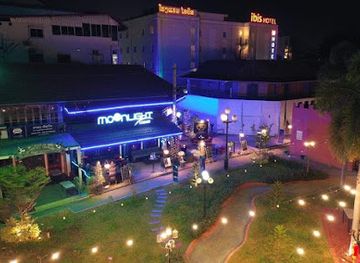
Moonlight Lounge
Discover the lively atmosphere of Moonlight Lounge, a premier bar and restaurant in Vientiane, perfect for nightlife enthusiasts and food lovers alike.


Best nightclubs in Northern Laos
Evening life in Northern Laos is generally modest and social rather than centred on large nightclubs. Luang Prabang has the broadest choice of riverside restaurants, relaxed bars, cafés, hotel lounges and venues with occasional live music, while the historic centre becomes quiet relatively early compared with a major Asian city. In Nong Khiaw, Muang Ngoi, Luang Namtha and other smaller towns, evenings usually revolve around guesthouse restaurants, local beer, simple riverside establishments and conversation rather than a formal nightlife district. Huay Xai has a more transient border-town atmosphere, with casual bars and restaurants serving travellers moving along the Mekong or between Laos and Thailand. Local breweries, rice whisky and Lao beer may appear on menus, but alcohol is not necessary to participate in evening culture. Respect local closing times, keep noise low near monasteries and homes, and arrange transport before travelling outside town after dark.
-
Night market
Night Market
Explore the vibrant Night Market in Luang Prabang, where culture, cuisine, and craftsmanship come together in a lively evening atmosphere.
-
Bar
Moonlight Lounge
Experience the vibrant nightlife at Moonlight Lounge, a premier bar and nightclub in Vientiane with cocktails, hookah, and live entertainment.
-
Hotel
Dao Fa Hotel & club
Discover the vibrant nightlife and comfortable stay at Dao Fa Hotel & Club in the enchanting Luang Prabang, Laos.
-
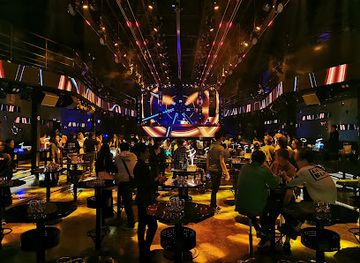
Night club
Club DPlus
Discover the electrifying nightlife at Club DPlus, Vientiane's premier nightclub featuring top DJs, great drinks, and an unforgettable atmosphere.


Best shops in Northern Laos
Shopping in Northern Laos is strongest in market towns and historic centres rather than large retail complexes. Luang Prabang's night market and daytime shops offer woven textiles, scarves, paper goods, carved objects, jewellery and packaged foods, although visitors should ask about provenance and favour fairly traded or locally made products. The city is also known for textiles produced in different Lao weaving traditions, with patterns and techniques varying between communities. Luang Namtha and Phongsaly have markets where visitors may find tea, herbs, bamboo goods and locally made textiles, while smaller provincial markets focus more on everyday food and household commerce than souvenirs. Lao coffee and northern tea make practical purchases when their origin and processing are clear. Bargaining is sometimes customary in tourist markets but should remain courteous and proportionate; fixed-price craft cooperatives and social enterprises can make purchasing more transparent. Avoid buying old religious objects, antiquities, wildlife products or items whose export legality is uncertain.
-
Shopping mall
Talat Sao Morning Market
Explore the bustling Talat Sao Morning Market in Vientiane, a vibrant hub of local culture, shopping, and delicious Lao cuisine.
-
Shopping mall
Vientiane Center Lao
Discover a modern shopping experience at Vientiane Center, featuring diverse shops, delicious dining, and family-friendly entertainment in Laos.
-
Market
Luang Prabang morning market
Experience the vibrant culture and flavors of Luang Prabang at its bustling morning market, a unique destination for every traveler.
-
Shopping mall
ITECC Mall
Experience shopping, dining, and entertainment at ITECC Mall, Vientiane's premier destination for tourists and locals alike.


Get your free copy of our complete guide to Northern Laos, delivered straight to you.
Everything on this page, from attractions and restaurants to essentials and local phrases, in one PDF you can read offline, print or share.
Already have an account? Sign in
Your Northern Laos guide is ready.
We'll send it to · Not you? Sign out

Getting your guide ready…
We are putting together a fresh copy of the Northern Laos guide. This can take up to a minute.
This can take a few moments. If your browser asks, choose Allow so the download can start. You'll find the guide in your Downloads folder.
Nothing happened? Download it again
Sorry, the guide is taking longer than usual. Please try again in a minute, or get it by email instead.
Northern Laos essentials
Currency and Payment
Safety
Emergency Situations
Do's and Don'ts
Local Tips
From Eve
Local phrases worth knowing
You don't need to get them perfect. A few words go a long way, and locals appreciate the effort.
Basics
| English | Local | Say it |
|---|---|---|
| Hello | ສະບາຍດີ | [sabaidee] |
| Goodbye | ລາສະບາຍ | [lasabaai] |
| Yes | ແມ່ນ | [maen] |
| No | ບໍ່ | [bo] |
| Please/You’re welcome | ແມ່ນບໍ່ບໍ່ | [maen bo bo] |
| Thank you | ຂອບໃຈ | [khop chai] |
| Excuse me/Sorry | ອະໄພ | [aphai] |
| How are you? | ສະບາຍດີບໍ? | [sabaidee bo?] |
| Fine. And you? | ສະບາຍດີ. ແລະເຈົ້າລະ? | [sabaidee. lae jao la?] |
| Do you speak English? | ເຈົ້າສຽງພາສາອັງກິດໄດ້ບໍ? | [jao siang phasa angkit dai bo?] |
| I don’t understand | ຂໍອະໄພ, ຂໍອະໄພບໍ່ເຂົ້າໃຈ | [kho aphai, kho aphai bo khoy chai] |
Eating & Drinking
| English | Local | Say it |
|---|---|---|
| I’d like to see the menu, please | ຂໍແບບລາຍການອາຫານແດ່ | [kho baep lai kan a-han dae] |
| I don’t eat meat | ຂໍບໍ່ກິນແຂງ | [kho bo kin khang] |
| Cheers! | ເພີ່ນມາ! | [phern ma!] |
| I would like to pay, please | ຂໍເອົາເງິນແດ່ | [kho ao ngin dae] |
Emergencies
| English | Local | Say it |
|---|---|---|
| Help! | ຊ່ອຍ! | [sai!] |
| Go away! | ເອົາໄປ! | [ao pai!] |
| Call the Police! | ໂທສຽງຕໍ່ຕໍ່ສົນ! | [tho siang to ton!] |
| Call a doctor! | ໂທໂດດອນ! | [tho do don!] |
| I’m lost | ຂໍຫາສູນ | [kho ha sun] |
| I’m ill | ຂໍບໍ່ສະດັບ | [kho bo sa dap] |
Shopping
| English | Local | Say it |
|---|---|---|
| I’d like to buy... | ຂໍຊື້... | [kho si] |
| I’m just looking | ຂໍເບິ່ງແຕ່ | [kho beng tae] |
| How much is it? | ລາຄາເທົ່າໃດ? | [lakha thao dai?] |
| That’s too expensive | ນັ້ນແພງເກີນໄປ | [nan phaeng kern pai] |
| Can you lower the price? | ເຈົ້າສາມາດລົດລາຄາໄດ້ບໍ? | [jao sao mat lot lakha dai bo?] |
Time & Numbers
| English | Local | Say it |
|---|---|---|
| What time is it? | ເປັນແຕ່ໃດ? | [pen ta dai?] |
| It’s one o’clock | ແມ່ນແດ່ແດ່ | [maen dae] |
| Half past (10) | ເຕັມໃຈ (10) | [tem chai (10)] |
| Morning | ເຊົ້າ | [sao] |
| Afternoon | ບ່າຍ | [bay] |
| Evening | ແດ່ | [dae] |
| Yesterday | ມື້ຄົນ | [mue khon] |
| Today | ມື້ນີ້ | [mue ni] |
| Tomorrow | ມື້ພະລິງ | [mue phaling] |
| 1 | 1 | [1] |
| 2 | 2 | [2] |
| 3 | 3 | [3] |
| 4 | 4 | [4] |
| 5 | 5 | [5] |
| 6 | 6 | [6] |
| 7 | 7 | [7] |
| 8 | 8 | [8] |
| 9 | 9 | [9] |
| 10 | 10 | [10] |
Transport & Directions
| English | Local | Say it |
|---|---|---|
| Where's a/the...? | ທີ່ໃສ່...? | [ti sai...?] |
| What’s the address? | ທີ່ຢູ່ແມ່ນໃສ? | [ti yu maen sai?] |
| Can you show me (on the map)? | ເຈົ້າສາມາດແສະແບບໄດ້ບໍ? | [jao sao mat sa baep dai bo?] |
| When’s the next (bus)? | ເວລາແມ່ນບັດໃດ? | [wela maen bat dai?] |
| A ticket (to ....) | ປໍເຕັດ (ໄປ....) | [pa tet (pai....)] |
History of Northern Laos
Early River Settlements and Highland Cultures
Northern Laos has long been shaped by the Mekong, Nam Ou and other river systems, which provided transport, fertile valleys and links between upland and lowland communities. Archaeological evidence and surviving local traditions point to long-established settlements in river basins alongside successive migrations of Tai-speaking peoples and other communities into the mountains. These movements created the region's enduring cultural diversity, with different languages, agricultural systems and religious practices existing within a relatively small geographical area.
The Lan Xang Kingdom and Luang Prabang
In the fourteenth century, Fa Ngum established Lan Xang, the kingdom commonly regarded as the foundation of the Lao state. Muang Sua, later known as Luang Prabang, became one of its principal royal and religious centres. Theravada Buddhism gained institutional importance, and temples, monasteries and royal patronage shaped the urban form of the town. Although political power later shifted to Vientiane, Luang Prabang retained exceptional spiritual and dynastic significance.
Regional Kingdoms and Cross-Border Trade
After Lan Xang fragmented in the early eighteenth century, northern territories were connected to several competing Lao and Tai political centres, including Luang Prabang, while neighbouring powers exerted influence across the Mekong and mountain frontiers. Trade followed river routes and mountain passes, carrying forest products, livestock, textiles, salt and manufactured goods. These networks help explain why northern communities developed close cultural and commercial connections with present-day Thailand, Myanmar, China and Vietnam.
French Indochina and the Mekong Frontier
French rule expanded into Laos during the late nineteenth century, and the Mekong became an important colonial boundary and administrative reference point. Luang Prabang remained a royal centre under the French protectorate, while colonial officials developed roads, administrative posts and new commercial links. French influence is still visible in Luang Prabang's urban architecture and in parts of the region's administrative history, although local Buddhist and Lao cultural forms remained central to public life.
The Indochina Wars and Unexploded Ordnance
Northern Laos was deeply affected by the conflicts that surrounded the Vietnam War, including fighting, aerial bombardment and disruption to rural communities. The Ho Chi Minh Trail network lay mainly farther south and east, but northern provinces also became contested areas and received large-scale bombing. Unexploded ordnance remains a serious legacy in parts of Laos, restricting land use and requiring visitors to stay on marked routes and follow local warnings, particularly outside established towns and tourist paths.
Postwar Development and New Transport Links
After the Lao People's Democratic Republic was established in 1975, northern Laos gradually developed roads, schools, health services and cross-border trade, though many mountain communities remained difficult to reach. Tourism expanded around Luang Prabang, river journeys and nature-based activities, while regional borders became more connected to Thailand and China. The Laos-China Railway, opened in 2021, created a major new transport corridor through the north, improving links between Vientiane, Luang Prabang, Oudomxay and the Chinese border while also changing patterns of travel and commerce.
Northern Laos in Photos
Browse through our photo collection highlighting the charm and character of the destination.
Neighbouring regions of Northern Laos
The closest regions to Northern Laos, if you have time for more than one.
-

-

-

-

-


Swipe for more regions
Explore more

Explore more of Laos
Discover Laos: A tranquil escape with breathtaking landscapes, rich culture, and warm hospitality. Perfect for adventure seekers and those craving serene beauty.
Explore Laos