

Xieng Khouang Plateau, Laos Travel Guide
Explore the enigmatic Plain of Jars and the serene beauty of Xieng Khouang Plateau, a historical gem in the heart of Laos with rich landscapes and cultural heritage.
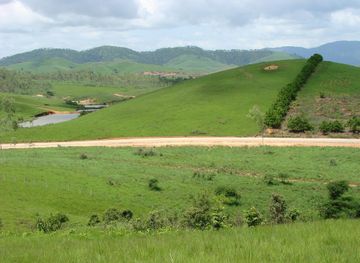
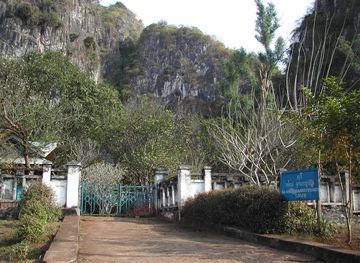
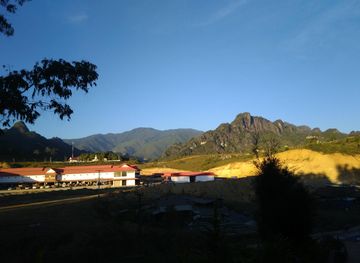
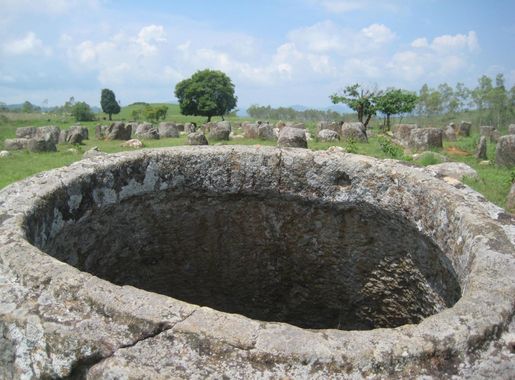
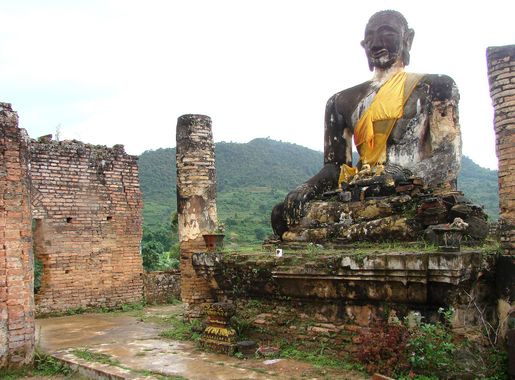
Nestled in the heart of Laos, the Xieng Khouang Plateau is a destination rich with history and natural beauty. This elevated region is most famous for the Plain of Jars, an archaeological site scattered with thousands of large stone jars, the origins and purpose of which remain a mystery. Visitors can explore several different jar sites, each offering a unique glimpse into ancient cultures and civilizations. The plateau is also home to stunning landscapes, with rolling hills, verdant valleys, and picturesque villages. The cooler climate and high altitude make it a refreshing escape from the tropical heat found in other parts of Laos. Trekking, cycling, and exploring local markets are just a few of the activities that allow tourists to experience the area's charm and hospitality. Xieng Khouang has a poignant history tied to the Vietnam War, where it was heavily bombed. Today, visitors can learn about this history at the MAG (Mines Advisory Group) Visitor Center, which provides insight into the ongoing efforts to clear unexploded ordnance from the region. This blend of natural beauty, historical intrigue, and cultural richness makes the Xieng Khouang Plateau a must-visit destination in Laos.

Know before you go
Hi, I'm Eve. Here are a few practical things to know before exploring Xieng Khouang Plateau.
- Visit the Plain of Jars early in the morning or late afternoon to avoid crowds and enjoy the best lighting for photography.
- Wear sturdy walking shoes as the terrain can be uneven and sometimes muddy, especially during the rainy season.
- Respect local customs and dress modestly, especially when visiting villages and temples.
- Learn about the region's history at the MAG Visitor Center to gain a deeper understanding of the impact of the Vietnam War.
- Consider hiring a local guide to enhance your visit with detailed insights and stories about the Plain of Jars and the local culture.
Top City Travel Guides in Xieng Khouang Plateau
The cities of Xieng Khouang Plateau, and the easiest places to base yourself.


Destinations in Xieng Khouang Plateau
Resorts, valleys and scenic spots worth a trip of their own.


Explore Xieng Khouang Plateau: Things to Do, Places to Eat, Hotels & More
Handpicked recommendations for top attractions, local dining, accommodations, and more

Top Attractions & Sightseeing in Xieng Khouang Plateau
Top-rated picks
Best Attractions

Phousi Hill
Explore Phousi Hill in Luang Prabang for breathtaking views, rich culture, and a serene retreat amidst stunning natural beauty.

Buddha Park (Wat Xieng Khouane Luang)
Explore the mesmerizing Buddha Park in Vientiane, Laos, where art and spirituality intertwine in a lush landscape of over 200 unique sculptures.

Phou Khao Khouay National Bio-Diversity Conservation Area
Discover the untouched beauty and rich biodiversity of Phou Khao Khouay National Bio-Diversity Conservation Area, a must-visit destination in Laos.

Nam Xay Viewpoint
Experience the breathtaking views at Nam Xay Viewpoint in Laos, a perfect destination for nature lovers and adventurers seeking stunning panoramas.

Best landmarks in Xieng Khouang Plateau
Top-rated picks
Best Landmarks

Kuang Si Waterfall
Experience the magic of Kuang Si Waterfall: turquoise waters, lush jungle, and rescued bears await near Luang Prabang.

Patuxay - Victory Monument
Vientiane's iconic Victory Monument: a unique blend of Laotian and French architecture with panoramic city views.

Pha That Luang Vientiane
Discover Laos' most sacred monument, a gleaming symbol of national pride and Buddhist heritage in the heart of Vientiane.

Phousi Hill
Climb Phousi Hill in Luang Prabang for breathtaking panoramic views, ancient temples, and a spiritual journey in the heart of Laos.

Best restaurants in Xieng Khouang Plateau
Top-rated picks
Best Restaurants

Manda de Laos
Savor authentic Laotian flavors amidst lush gardens at Manda de Laos in Luang Prabang – a culinary gem for every tourist.

Bamboo Garden Restaurant
Experience authentic Laotian cuisine surrounded by nature at Bamboo Garden Restaurant in Luang Prabang.

Dyen Sabai Restaurant
Experience authentic Lao flavors at Dyen Sabai Restaurant in Luang Prabang – where cozy ambiance meets culinary excellence along the Mekong River.

BOUANG Asian Eatery
Experience authentic Asian flavors at BOUANG Asian Eatery in Luang Prabang – where every dish tells a story.

Best bars in Xieng Khouang Plateau
Top-rated picks
Best Bars

RnB Bar
Experience the vibrant nightlife at RnB Bar in Luang Prabang, where delicious food and refreshing drinks meet a lively atmosphere.

Maolin Tavern
Discover the vibrant nightlife at Maolin Tavern in Luang Prabang, serving delicious drinks amidst a lively atmosphere.

Fullmoon karaoke
Experience the vibrant nightlife of Luang Prabang at Fullmoon Karaoke, where music and fun come together for an unforgettable evening.

Redbul Sport bar
Experience the lively atmosphere of Redbul Sport Bar, where Pan-Asian cuisine meets the excitement of live sports in Luang Prabang.

Best nightclubs in Xieng Khouang Plateau
Top-rated picks
Best Nightclubs

Fullmoon karaoke
Experience unforgettable nights filled with music and laughter at Fullmoon Karaoke in the heart of Luang Prabang.

Icon Klub
Discover the lively atmosphere and exquisite drinks at Icon Klub, a top bar in Luang Prabang's vibrant nightlife scene.

Artisan Bar
Experience the vibrant nightlife of Luang Prabang at Artisan Bar, where handcrafted cocktails and a retro vibe await you.

LPMC Bar & Restaurant
Experience the lively ambiance and delightful cuisine at LPMC Bar & Restaurant, the perfect spot for relaxation and socializing in Sakarine.

Best shops in Xieng Khouang Plateau
Top-rated picks
Best Shops

Ock Pop Tok Living Craft Centre
Discover the art of Lao weaving and craftsmanship at Ock Pop Tok Living Craft Centre – a cultural experience in the heart of Luang Prabang.

Morning Market
Discover Phonsavan's Morning Market, where fresh produce and local flavors unite in a vibrant cultural experience.

Xieng Khouang Provincial Museum
Discover the rich history and cultural tapestry of Laos at Xieng Khouang Provincial Museum, where every artifact tells a story.

The Boutique by Ock Pop Tok
Explore the rich textile heritage of Laos at The Boutique by Ock Pop Tok, where craftsmanship meets creativity in Luang Prabang.

Explore Xieng Khouang Plateau on the Map
A handpicked selection of must-see spots in Xieng Khouang Plateau, mapped for you.
Xieng Khouang Plateau Essentials
-
Xieng Khouang Plateau is located in northern Laos. The nearest airport is Phonsavan's Xieng Khouang Airport (XKH), which has flights from Vientiane and Luang Prabang. From the airport, you can take a taxi or a tuk-tuk to reach the town center. Alternatively, you can travel by bus or minivan from Vientiane, Luang Prabang, or other major cities in Laos. The road trip offers scenic views but can be lengthy and bumpy.
-
Phonsavan, the main town in the Xieng Khouang Plateau, is small and many attractions can be explored on foot. For longer distances, tuk-tuks and taxis are readily available. Renting a motorbike is another popular option for tourists who want to explore the area at their own pace. Public buses and minivans connect Phonsavan to nearby towns and tourist spots, including the Plain of Jars.
-
The official currency in Laos is the Lao Kip (LAK). While some hotels, restaurants, and shops in Phonsavan accept credit cards, it's advisable to carry cash, especially for smaller establishments and when visiting rural areas. ATMs are available in Phonsavan, but it's a good idea to withdraw enough cash before venturing out of town. U.S. dollars and Thai baht are also widely accepted.
-
Xieng Khouang Plateau is generally a safe destination for tourists. However, like any travel destination, it’s important to take standard precautions. Avoid walking alone at night in unfamiliar areas and keep an eye on your belongings in crowded places. Be cautious when exploring remote areas due to the presence of unexploded ordnance (UXO) from past conflicts.
-
In case of an emergency, dial 195 for the police or 1623 for an ambulance. The provincial hospital in Phonsavan provides medical services, but it is recommended to have travel insurance that covers medical emergencies. For minor health issues, there are pharmacies in Phonsavan where you can purchase over-the-counter medications.
-
Fashion: Do dress modestly, especially when visiting temples and religious sites. Avoid wearing revealing clothing. Religion: Do respect local customs and traditions. Remove your shoes and cover your shoulders when entering temples. Public Transport: Do be respectful and give up your seat to elderly passengers. Don’t eat or drink on public transport. Greetings: Do greet people with a slight bow and the 'nop' gesture (palms together in front of your chest). Eating & Drinking: Do try local delicacies and accept food offerings graciously. Don’t refuse hospitality, as it is considered impolite.
-
To experience Xieng Khouang Plateau like a local, visit the local markets in Phonsavan where you can buy fresh produce and traditional Lao goods. Engage with locals, as they are often friendly and willing to share stories about the region’s history and culture. Don’t miss visiting the Plain of Jars, a mysterious archaeological site. For a unique experience, visit a Hmong village to learn about their customs and way of life.
When is the best time to visit Xieng Khouang Plateau?
Useful Local Phrases for Xieng Khouang Plateau
You don't need to speak the language perfectly. Even learning a few simple words can make conversations warmer—and locals usually appreciate the effort.
— Eve

Here are the phrases I use most often in Xieng Khouang Plateau. Try a few—you'll be surprised how far they go! 😊
❤️
-
- Helloສະບາຍດີ
[sabaidee] - Goodbyeລາກ່ອນ
[laakon] - Yesແມ່ນ
[maen] - Noບໍ່
[bo] - Please/You're welcomeກະລຸນາ
[kaluna] - Thank youຂອບໃຈ
[khob chai] - Excuse me/Sorryອະໄພ
[aphai] - How are you?ສະບາຍດີບໍ?
[sabaidee bo?] - Fine. And you?ສະບາຍດີ. ອີກແນະ?
[sabaidee. eek na?] - Do you speak English?ທ່ານສຽງອັງກິດແມ່ນບໍ?
[thaan siang angkit maen bo?] - I don't understandຂໍອະໄພ, ຂໍອະໄພບໍ່ເຂົ້າໃຈ
[khaw aphai, khaw aphai bo khaw chai]
- Helloສະບາຍດີ
-
- I'd like to see the menu, pleaseຂໍເບິ່ງເມນູ, ກະລຸນາ
[khaw beng menu, kaluna] - I don't eat meatຂໍອະໄພ, ຂໍບໍ່ກິນເຊື່ອ
[khaw aphai, khaw bo kin seu] - Cheers!ສຸດສົດ!
[sud sod!] - I would like to pay, pleaseຂໍໃຫ້ຈ່າຍ, ກະລຸນາ
[khaw hai jai, kaluna]
- I'd like to see the menu, pleaseຂໍເບິ່ງເມນູ, ກະລຸນາ
-
- Help!ຊ່ອຍ!
[sai!] - Go away!ໄປເພື່ອນ!
[pai puen!] - Call the Police!ໂທແກ້ງສິດ!
[tho kaeng sit!] - Call a doctor!ໂທແພດ!
[tho paet!] - I'm lostຂໍອະໄພ, ຂໍສູນເສຍ
[khaw aphai, khaw sun sia] - I'm illຂໍອະໄພ, ຂໍປ່ອນບໍ່ສະດອນ
[khaw aphai, khaw pon bo sa don]
- Help!ຊ່ອຍ!
-
- I'd like to buy...ຂໍຊື້...
[khaw si] - I'm just lookingຂໍອະໄພ, ຂໍກວດສອບແຕ່ບໍ່ຊື້
[khaw aphai, khaw guat sop tae bo si] - How much is it?ເມັນຈໍານວນເທົ່າໃດ?
[men chamnuan thao dai?] - That's too expensiveນັ້ນແພ້ເກົ່ນໄປ
[nan pae ken pai] - Can you lower the price?ສາມາດລົງເລຄ່າບໍ?
[samaat long le kha bo?]
- I'd like to buy...ຂໍຊື້...
-
- What time is it?ເວລາແມ່ນເທົ່າໃດ?
[wela men thao dai?] - It's one o'clockເວລາດຽວ
[wela diao] - Half past (10)ເວລາສິບເອົາສິບສິບ
[wela sip ao sip sip] - Morningເຊົ້າ
[sao] - Afternoonແດ່ນ
[daen] - Eveningແລງ
[laeng] - Yesterdayມື້ທີ່ແລ້ວ
[mue thi laew] - Todayມື້ນີ້
[mue ni] - Tomorrowມື້ອະທິ
[mue athi] - 11
[1] - 22
[2] - 33
[3] - 44
[4] - 55
[5] - 66
[6] - 77
[7] - 88
[8] - 99
[9] - 1010
[10]
- What time is it?ເວລາແມ່ນເທົ່າໃດ?
-
- Where's a/the...?ສິ່ງແນວໃດ?
[sing naew dai?] - What's the address?ທີ່ຢູ່ແມ່ນຢ່າງໃດ?
[thi yu men yang dai?] - Can you show me (on the map)?ສາມາດສະແດງໃຫ້ຂໍເບິ່ງ (ໃນແຜນທີ່)?
[samaat sa daeng hai khaw beng (nang phan thi)?] - When's the next (bus)?ບັດໜ້າແມ່ນເທົ່າໃດ?
[bat na men thao dai?] - A ticket (to ....)ບັດສົ່ງ (ໄປ....)
[bat song (pai....)]
- Where's a/the...?ສິ່ງແນວໃດ?
History of Xieng Khouang Plateau
-
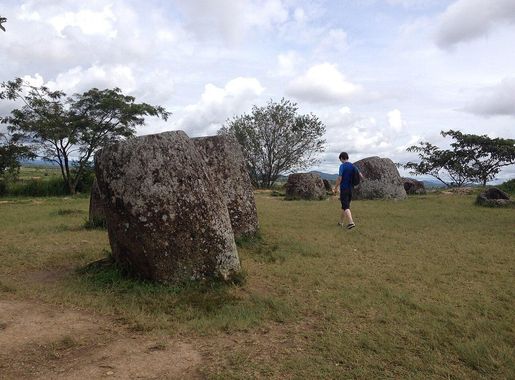
The Xieng Khouang Plateau is famously home to the enigmatic Plain of Jars, a vast area scattered with thousands of large stone jars, dating back to the Iron Age. Archaeologists believe these jars were used in ancient funerary practices, but the exact purpose remains a mystery. The jars vary in size, with some weighing up to 14 tons and standing over 3 meters tall.
-
Historically, the Xieng Khouang Plateau was the heart of the Kingdom of Muang Phuan, an influential Tai Phuan polity that flourished from the 14th to the 19th century. This kingdom was a significant cultural and economic hub in the region, known for its skilled artisans and strategic location on trade routes.
-
In the late 19th and early 20th centuries, Xieng Khouang came under French colonial rule as part of French Indochina. The French influence is still visible today in the architecture of some buildings in Phonsavan, the province's capital. During this period, the area saw the introduction of new agricultural practices and infrastructure development.
-
During the 1960s and 1970s, Xieng Khouang was heavily impacted by the Secret War, a covert operation conducted by the CIA during the Vietnam War. The plateau was one of the most bombed areas in history, with millions of unexploded ordnances (UXOs) still posing a danger today. This dark period left a lasting scar on the landscape and its people.
-
Xieng Khouang is home to a rich tapestry of ethnic groups, including the Hmong, Tai Phuan, and Khmu. Each group has preserved its unique traditions, from colorful textiles and intricate silverwork to vibrant festivals and ceremonies. The annual Hmong New Year celebration is a particularly significant event, showcasing traditional music, dance, and games.
-
In recent years, efforts have been made to have the Plain of Jars recognized as a UNESCO World Heritage site. This initiative aims to protect and promote the cultural and historical significance of the area. In 2019, the Plain of Jars was officially inscribed on the UNESCO World Heritage List, highlighting its global importance and attracting more international attention.
Neighbouring Regions of Xieng Khouang Plateau
The closest regions to Xieng Khouang Plateau, if you have time for more than one.


Your all‑in‑one travel companion app
Explore expert travel guides, compare and book tours, experiences, hotels, and more—all from the palm of your hand. Download now for seamless trip planning wherever your wanderlust takes you.


Explore More of Laos

Looking beyond Xieng Khouang Plateau? Discover Laos for broader travel guides, local hot-spots, and regional highlights.
Explore LaosXieng Khouang Plateau in Photos
Browse through our photo collection highlighting the charm and character of the destination.



Mystical Wonders of Xieng Khouang Plateau
Nestled in the heart of Laos, the Xieng Khouang Plateau is a destination rich with history and natural beauty. This elevated region is most famous for the Plain of Jars, an archaeological site scattered with thousands of large stone jars, the origins and purpose of which remain a mystery. Visitors can explore several different jar sites, each offering a unique glimpse into ancient cultures and civilizations. The plateau is also home to stunning landscapes, with rolling hills, verdant valleys, and picturesque villages. The cooler climate and high altitude make it a refreshing escape from the tropical heat found in other parts of Laos. Trekking, cycling, and exploring local markets are just a few of the activities that allow tourists to experience the area's charm and hospitality. Xieng Khouang has a poignant history tied to the Vietnam War, where it was heavily bombed. Today, visitors can learn about this history at the MAG (Mines Advisory Group) Visitor Center, which provides insight into the ongoing efforts to clear unexploded ordnance from the region. This blend of natural beauty, historical intrigue, and cultural richness makes the Xieng Khouang Plateau a must-visit destination in Laos.