Historic Centre of Riga: A UNESCO World Heritage Site
Explore Riga's Historic Centre: a UNESCO site blending medieval charm & Art Nouveau elegance. A journey through time in Latvia's capital.
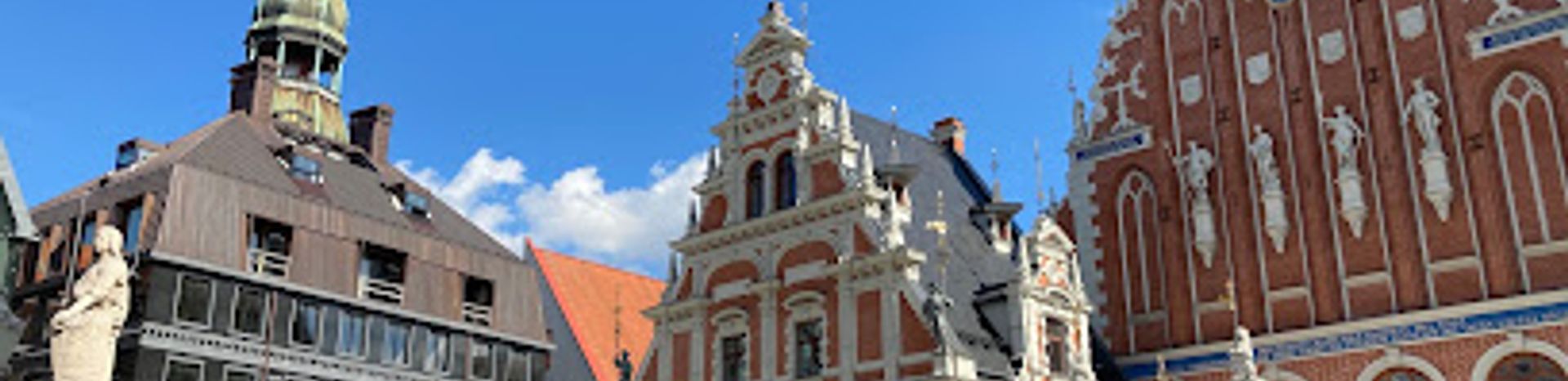
The Historic Centre of Riga, a UNESCO World Heritage site since 1997, showcases a captivating blend of medieval history and stunning Art Nouveau architecture. As a former Hanseatic League center, Riga's well-preserved urban fabric reflects its rich cultural and economic past, drawing visitors into a world of cobblestone streets and architectural marvels.
A brief summary to Reconocimiento UNESCO al Centro Histórico de Riga
- Riga, Central District, 1050, LV
- Visit website
Local tips
- Wear comfortable shoes to navigate the cobblestone streets of the Old Town.
- Visit early in the morning or late afternoon to avoid the largest crowds.
- Take a guided walking tour to fully appreciate the rich history and architectural details.
- Try local Latvian cuisine at one of the many cafes and restaurants in the area.
- Check for local events or festivals happening in Doma laukums (Cathedral Square) to immerse yourself in the culture.

Getting There
-
Walking
From the Freedom Monument, a central landmark in Riga, walk south along Brivibas bulvaris. Continue straight, passing the Latvian National Opera on your right. After a few blocks, you'll enter the Old Town through the Bastion Hill park area. From there, follow the cobblestone streets towards Doma laukums (Cathedral Square), where you'll find the UNESCO World Heritage marker. This final approach is free and takes approximately 10-15 minutes.
-
Public Transport
Several trams and buses serve the Old Town area. From Riga International Airport, take bus number 22 to the city center. Get off at a stop near the Old Town, such as Aspazijas bulvāris. From there, it's a short walk to the heart of the Historic Centre. A single public transport ticket costs €1.15 if purchased in advance or €2.00 from the driver. Consider purchasing a Riga Card for unlimited travel if you plan to explore other parts of the city.
-
Taxi
Taxis are readily available throughout Riga. You can hail a taxi on the street or use a ride-hailing app like Bolt. A taxi ride from the central train station to the Old Town will cost approximately €6, depending on traffic. Be sure to confirm the fare with the driver before starting your journey. The base fare is around €2.50, with an additional €0.70 per kilometer.
Discover more about Reconocimiento UNESCO al Centro Histórico de Riga
Iconic landmarks you can’t miss

Dome Square
0.0 km
Experience the heart of Riga in Dome Square: a historic hub where culture, architecture, and vibrant city life converge.

Herdera laukums 6-8
0.1 km
Explore Riga Cathedral: a majestic blend of architectural styles, rich history, and spiritual significance in the heart of Riga's Old Town.
Barricades Memorial
0.1 km
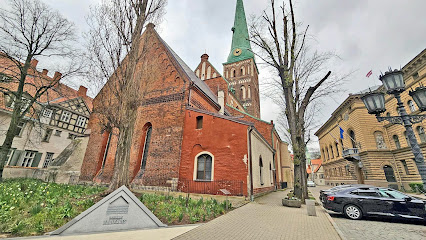
A powerful symbol of Latvia's struggle for independence, commemorating the courage and unity of its people during the Barricades of 1991.
Viduslaiku restorāns LĀSĪTE
0.2 km
Experience the enchanting flavors of medieval Latvia at Viduslaiku restorāns LĀSīTE, a must-visit restaurant in Riga's Central District.
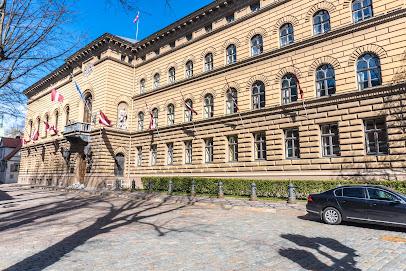
Saeima
0.2 km
Explore the heart of Latvian democracy at the Saeima, a historic parliament building in Riga's central district. Guided tours available.
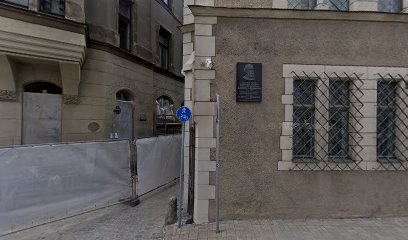
Monument and former place of residence of Dr. Ernst Von Bergmann
0.2 km
Commemorating a pioneer in aseptic surgery, this monument marks the former residence of Dr. Ernst Von Bergmann in Riga's historic Centra District.
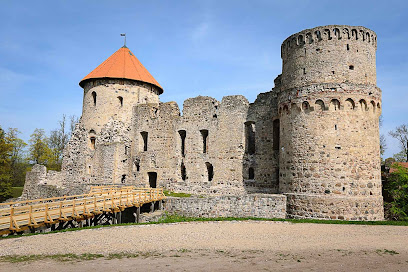
Discover Latvia Tours
0.2 km
Uncover Latvia's hidden treasures and iconic landmarks with personalized tours from Discover Latvia Tours, your ultimate travel guide in Riga.
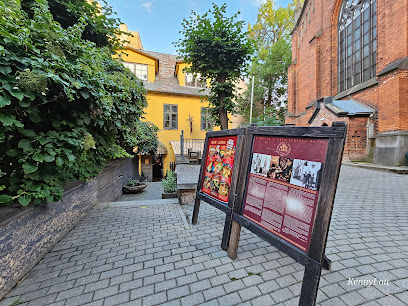
UNESCO Latvijas Nacionalas komisijas sekretariats
0.2 km
Explore Latvia's cultural heritage at the UNESCO Latvijas Nacionalas komisijas sekretariats, a symbol of national pride and preservation in Riga's Central District.
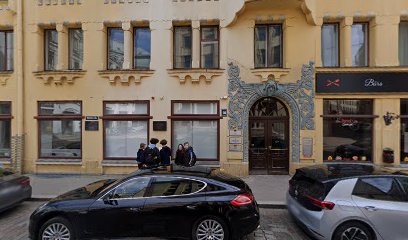
Riga City Hall
0.2 km
Discover Riga City Hall: Where history, governance, and vibrant city life converge in the heart of Latvia's capital.
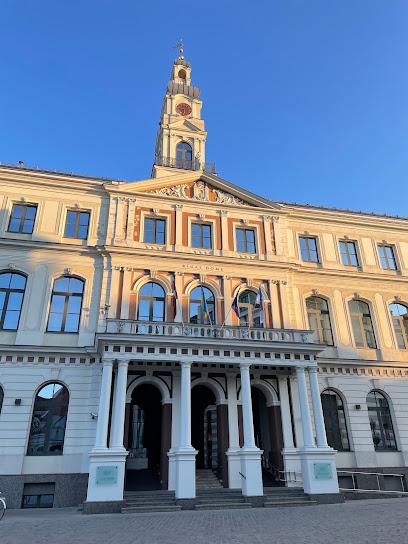
Triangula Bastion
0.2 km
Explore Riga's Triangula Bastion: Where history meets modernity at the heart of the city's ancient fortifications.
Kungu iela 3
0.2 km
Explore Kungu iela 3 in Riga's Old Town: A captivating blend of architectural styles and historical significance in the heart of Latvia's capital.
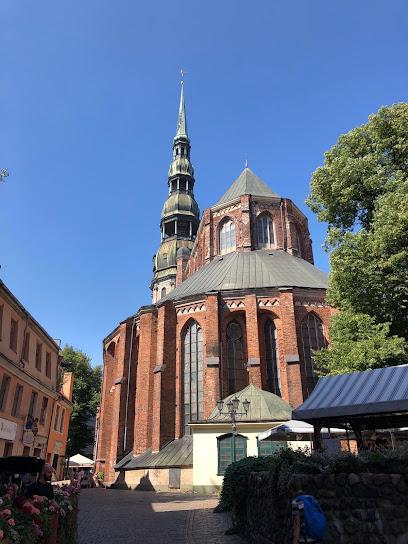
Roland's Statue
0.2 km
A historic landmark in Riga's Town Hall Square, symbolizing freedom, justice, and the city's Hanseatic heritage.
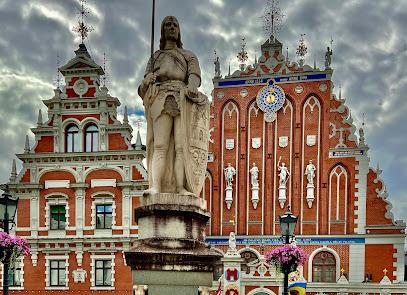
Rātslaukums
0.3 km
Discover Riga's vibrant heart at Rātslaukums, a historic town square filled with culture, stunning architecture, and local charm.
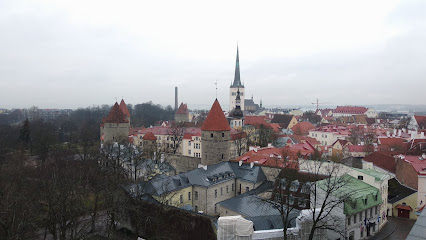
Kalēju iela 3
0.3 km
Explore Kalēju iela 3 in Riga, a stunning architectural masterpiece that showcases the city’s rich history and vibrant culture.
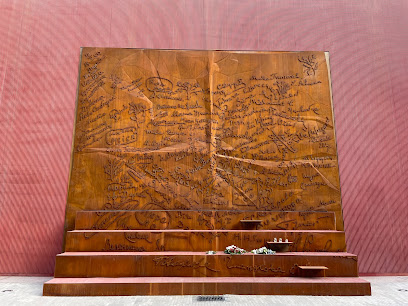
Latviešu strēlnieku laukums
0.3 km
Explore Latvian Riflemen Square in Riga, a site of historical reflection and contested meanings, honoring the soldiers of Latvia's past.
Unmissable attractions to see

VR viewer "Riga's Time Jump"
0.0 km
Discover Riga's history like never before at VR Viewer Riga's Time Jump, an immersive virtual reality experience that transports you through time.
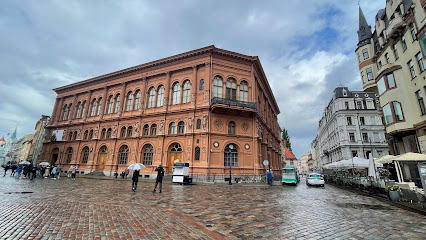
Vecrīga
0.1 km
Discover the historic charm of Vecrīga, Riga's Old Town, where medieval architecture meets vibrant culture in a UNESCO World Heritage Site.
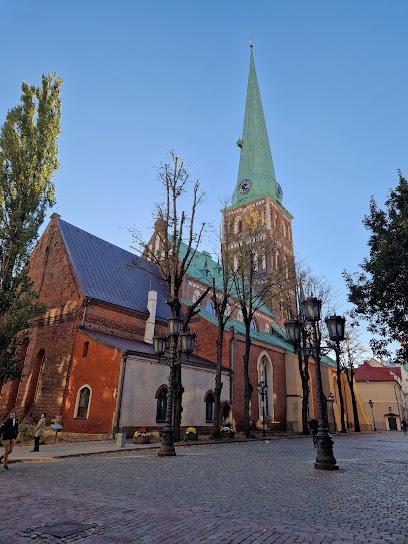
Mākslas muzejs RĪGAS BIRŽA
0.1 km
Explore the artistic treasures of Mākslas muzejs Rīgas Birža, a cultural gem in the heart of Riga, showcasing diverse art collections and exhibitions.
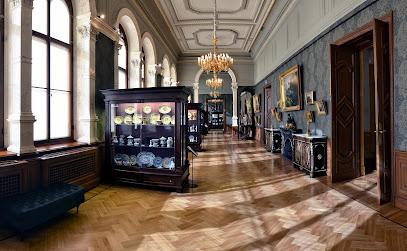
Riga Cathedral
0.1 km
Explore the grandeur of Riga Cathedral, a historic and architectural marvel at the heart of Latvia's capital, rich in heritage and culture.
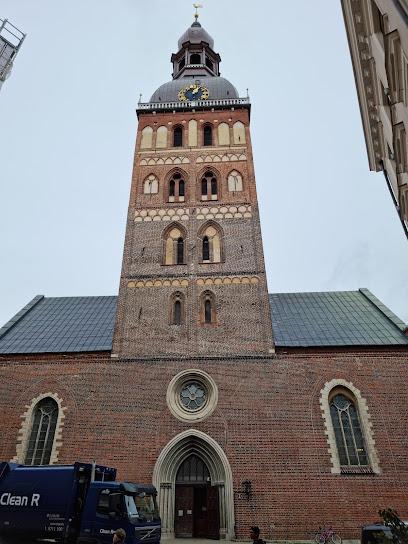
Three Brothers, Latvian Museum of Architecture
0.1 km
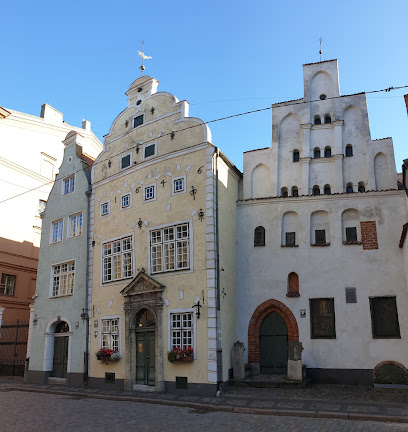
Uncover the architectural heritage of Latvia at the Three Brothers, a captivating museum showcasing centuries of design evolution in the heart of Riga.
Museum of the barricades of 1991
0.1 km
Discover the powerful stories of Latvia's fight for independence at the Museum of the Barricades of 1991 in Riga, an essential stop for history enthusiasts.
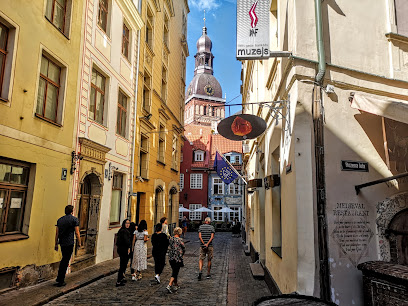
Cosmos Illusion Museum
0.1 km
Discover the captivating Cosmos Illusion Museum in Riga, a unique fusion of art and science that offers interactive experiences and mind-bending illusions for all ages.
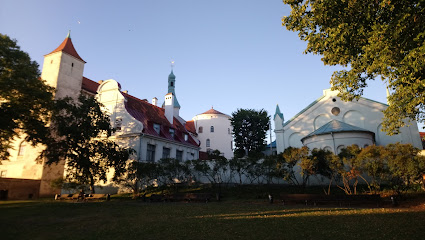
Museum of the History of Riga and Navigation
0.1 km
Uncover the historical treasures of Riga at the Museum of the History of Riga and Navigation, where the past meets the present in a captivating journey.
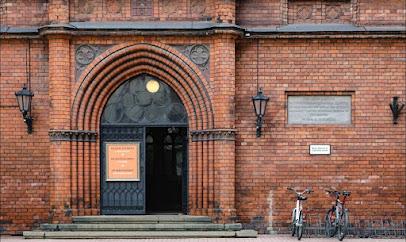
The Small Guild
0.2 km
Explore The Small Guild in Riga, a cultural center that embodies the city's artistic spirit and rich history, making it a perfect destination for tourists.
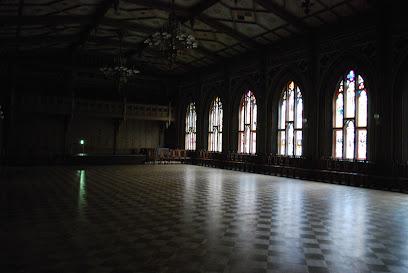
Jauniela
0.2 km
Explore Jauniela, a charming historic street in Riga's Central District, offering a delightful mix of culture, cuisine, and local artistry.
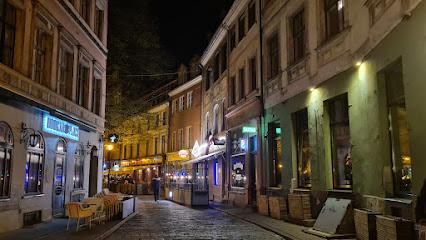
Cat House
0.2 km
Explore the whimsical Cat House in Riga, an architectural gem filled with history and local folklore, perfect for a memorable visit.
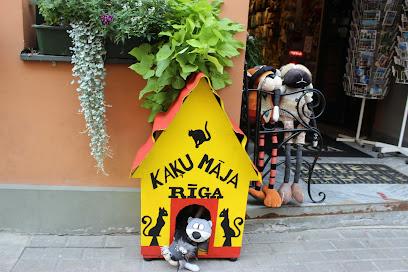
Rāmera torņa muzejs
0.2 km
Explore the rich culture and history of Latvia at Rāmēra Torņa Muzejs, a museum that captivates and educates every visitor.
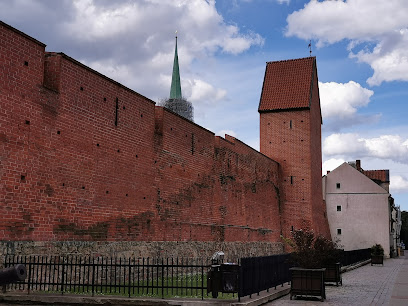
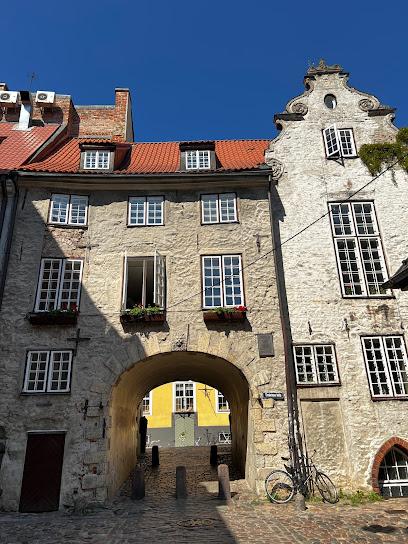
Swedish Gate
0.2 km
Explore the historic Swedish Gate in Riga, a stunning architectural gem that embodies the rich culture and vibrant history of Latvia's capital city.
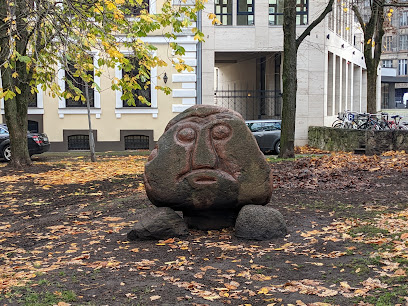
Dekoratīva skulptūra "Līva galva"
0.2 km
Explore the Decorative Sculpture of the Latvian Head in Riga, a stunning cultural landmark that embodies Latvia's rich heritage and artistic spirit.
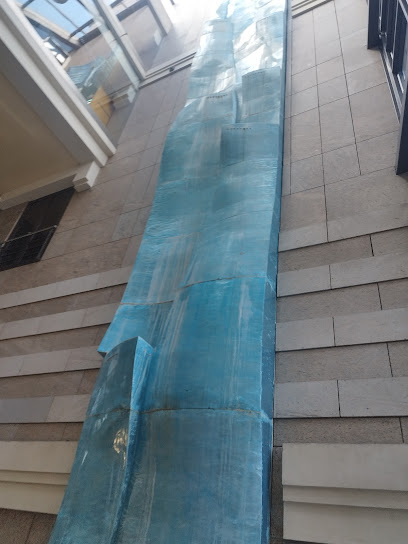
Water Fall
0.2 km
Experience the serene beauty of Riga's Waterfall, a tranquil escape amidst nature in the bustling city.
Essential places to dine

Key to Riga
0.0 km
Experience exquisite Latvian cuisine blended with modern flavors at Key to Riga in the heart of Latvia's capital.
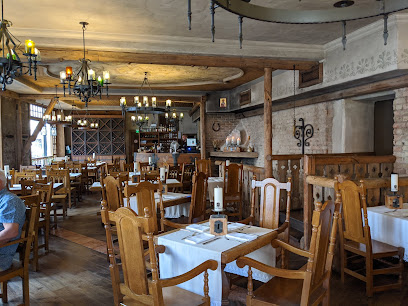
Olde Riga Restaurant
0.1 km
Experience authentic Latvian cuisine at Olde Riga Restaurant in the heart of Latvia's capital - where tradition meets taste.
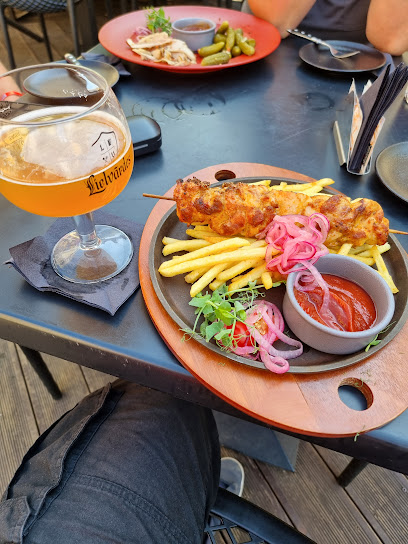
Black garlic
0.1 km
Discover the culinary delights at Black Garlic in Riga - where local ingredients meet innovative cuisine in an inviting atmosphere.
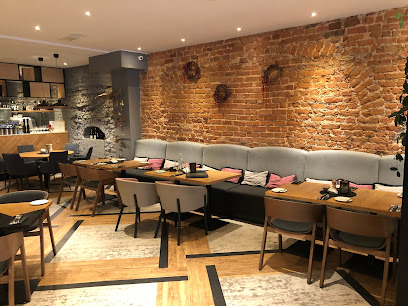
Kalku Varti
0.1 km
Experience authentic Latvian cuisine at Kalku Varti - where local flavors meet modern dining in the heart of Riga.
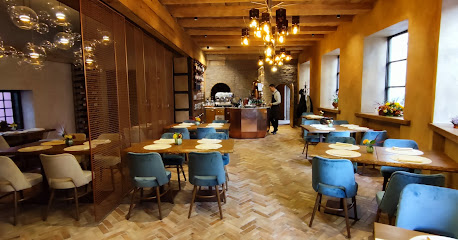
B Bārs Restorāns
0.1 km
Discover culinary excellence at B Bārs Restorāns in Riga - where local flavors meet innovative cuisine and vibrant cocktails.
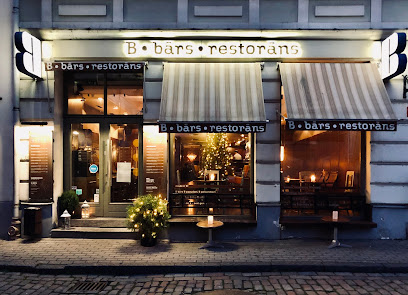
Le Dome Restaurant
0.1 km
Discover the culinary artistry at Le Dome Restaurant in Riga—where traditional flavors meet modern elegance.
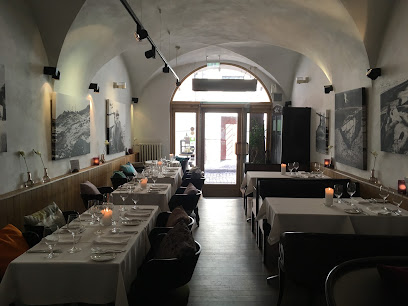
Dome Hotel
0.1 km
Experience luxury at Dome Hotel in Riga—where elegance meets exceptional service amid rich culture.
Rozengrāls (Vinarium civitatis rigensis)
0.1 km
Experience medieval charm and exquisite Latvian cuisine at Rozengrāls in the heart of Riga's Central District.
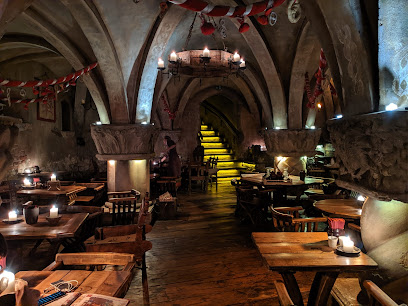
Restorāns NEIBURGS
0.1 km
Discover exquisite Latvian cuisine at Restorāns NEIBURGS in Riga – where tradition meets modern elegance.
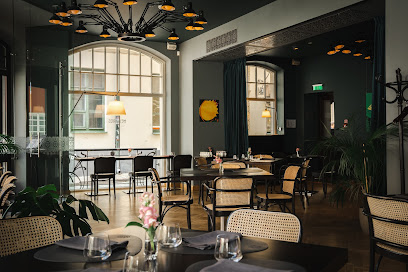
PEPPO’s - Pizzeria Contemporanea
0.1 km
Discover the vibrant flavors of contemporary Italian cuisine at PEPPO's, Riga's premier destination for exquisite pizzas crafted with passion.
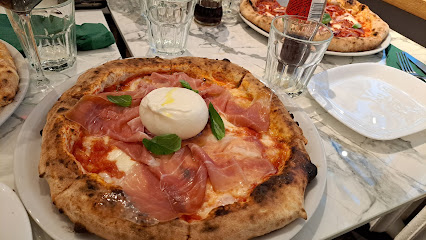
Garage
0.2 km
Discover the flavors of Latvia at Garage, where modern cuisine meets vibrant nightlife in Riga's Central District.
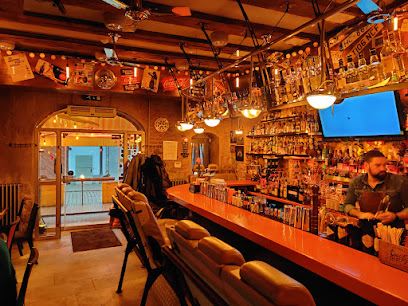
Tēvocis Vaņa
0.2 km
Savor the best of Russian cuisine at Tēvocis Vaņa in Riga – where tradition meets taste in every dish.
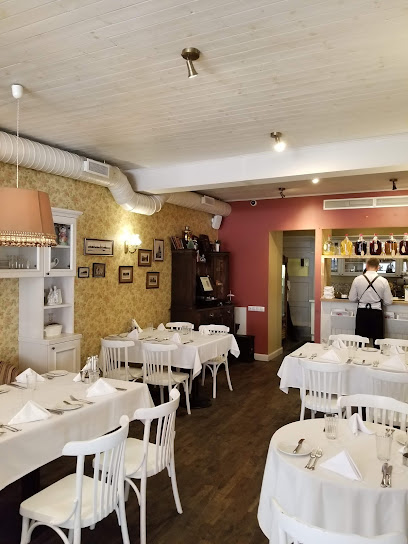
The Good Father
0.2 km
Experience authentic Latvian cuisine at The Good Father in Riga – where tradition meets modern taste.
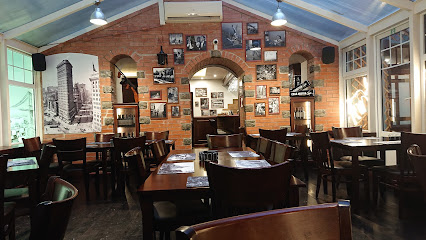
Zilā Govs Restorāns
0.2 km
Experience authentic Latvian cuisine at Zilā Govs Restorāns in Riga - a culinary gem offering local flavors in a welcoming atmosphere.
Markets, malls and hidden boutiques

EKO SUVENĪRS Rīga /ECO SOUVENIR Riga
0.1 km
Explore EKO SUVENĪRS Rīga for authentic Latvian souvenirs that reflect the culture and craftsmanship of Latvia, perfect for unique gifts.
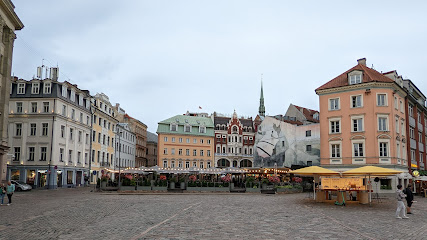
Hobbywool
0.1 km
Discover the enchanting world of yarn and art supplies at Hobbywool in Riga, where creativity and craftsmanship come together in a vibrant atmosphere.
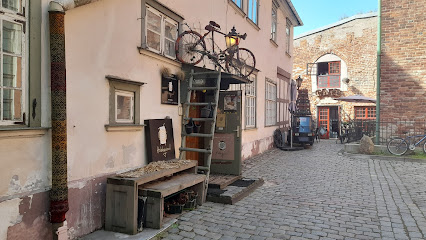
ELKOR Gift Shop suvenīru veikals
0.1 km
Explore the best of Latvian craftsmanship at ELKOR Gift Shop, your go-to destination for unique souvenirs and gifts in the heart of Riga.
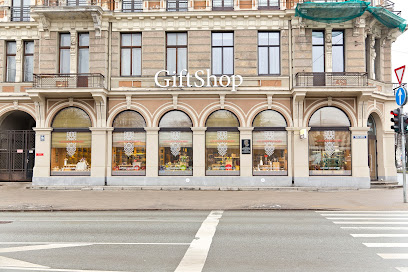
Linen and Souvenirs
0.1 km
Explore authentic Latvian handicrafts and unique souvenirs at Linen and Souvenirs in the heart of Riga.
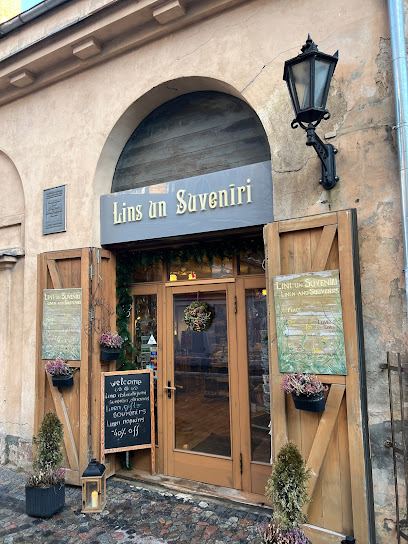
One Wolf Boutique
0.2 km
Explore One Wolf Boutique in Riga for stylish men's and women's clothing and unique fashion accessories in a chic atmosphere.
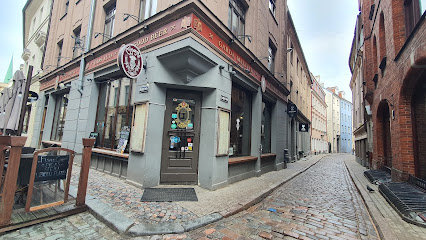
Black Cat Souvenirs
0.2 km
Explore Black Cat Souvenirs in Riga for unique gifts, traditional Latvian crafts, and memorable keepsakes that capture the spirit of Latvia.
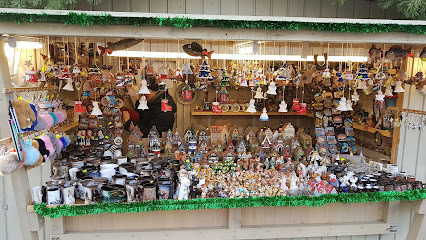
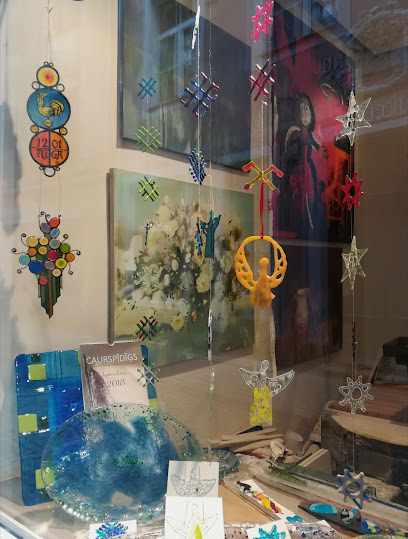
Stikla galerija
0.2 km
Explore the enchanting Stikla Galerija, a unique glass art gallery and gift shop in the heart of Riga, showcasing exquisite handicrafts and local artistry.
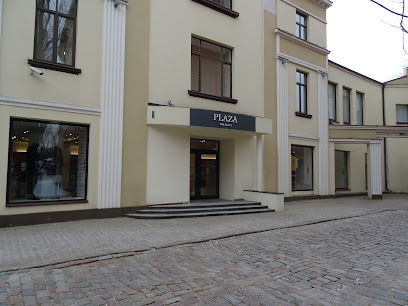
PLAZA OUTLET
0.2 km
Experience the charm of local craftsmanship at Plaza Outlet, a boutique store in the heart of Riga offering unique treasures and friendly service.
Latviskie darinājumi
0.2 km
Discover the essence of Latvia at Latviskie darinājumi, your go-to spot for authentic gifts and souvenirs in the heart of Riga.
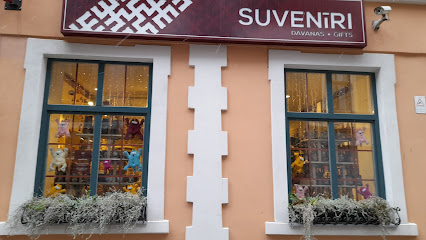
Suvenīri
0.2 km
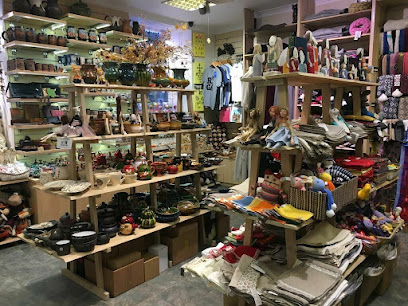
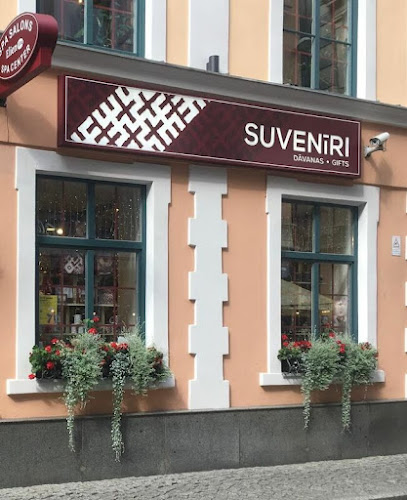
Explore Suvenīri: A Gift Shop in Riga, Discover Unique Latvian Souvenirs and Support Local Artisans.
Tautas terpu centrs Sena klets , SIA
0.2 km
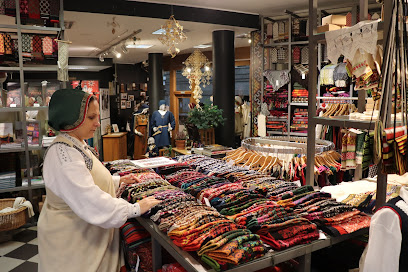
Explore the heart of Latvian culture at Tautas Terpu Centrs Sena Klets, a treasure trove of handicrafts and ethnographic wonders in Riga.
Candy Pop
0.2 km
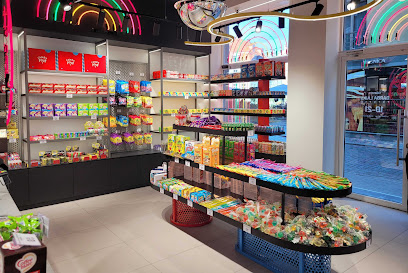
Explore the vibrant Candy Pop in Riga, where a world of delightful sweets and artisanal treats awaits every candy lover.
COINSTORE
0.2 km
Explore COINSTORE in Riga for rare antiques, unique chinaware, and expert restoration services – a must-visit for history and art lovers!
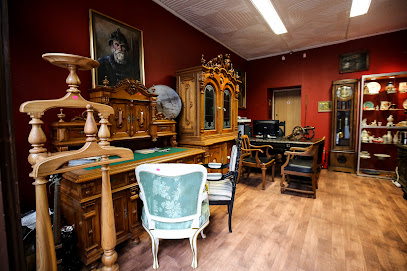
Souvenir Shop
0.2 km
Explore the Souvenir Shop in Central Riga for authentic Latvian crafts, unique gifts, and a delightful shopping experience.
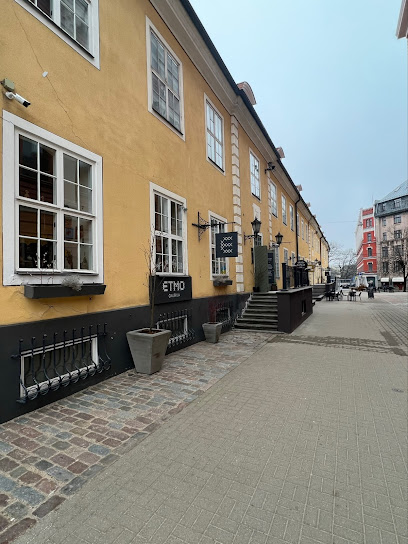
Gallery ETMO
0.3 km
Discover unique Latvian art and souvenirs at Gallery ETMO, a charming store in the heart of Riga's Central District.
Essential bars & hidden hideouts

Cuba Cafe
0.1 km
Experience the vibrant flavors of Cuba in Rīga at Cuba Cafe, where expertly crafted cocktails and a lively atmosphere await you.
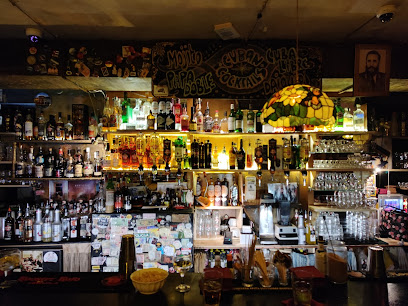
Spot Kafe
0.1 km
Experience Riga's vibrant nightlife at Spot Kafe, where delicious cocktails and high-energy vibes create the perfect night out.
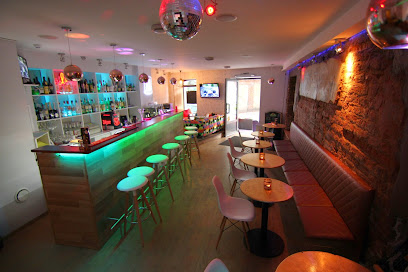
Greenwood bar
0.1 km
Discover the electrifying nightlife at Greenwood Bar in Riga, where good vibes, great music, and amazing drinks await you.
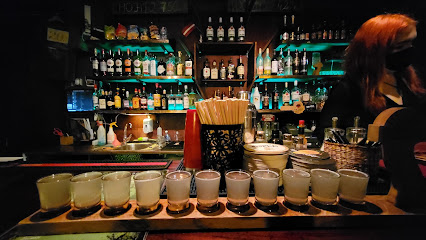
Victory Pub Riga
0.1 km
Experience the vibrant atmosphere of Victory Pub Riga, a favorite gastropub for locals and tourists alike, serving delicious food and drinks.
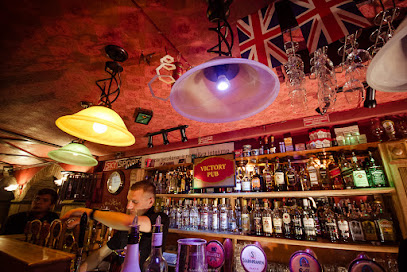
Ms&Mr Beer
0.1 km
Discover the best local and international brews at Ms&Mr Beer, a vibrant bar in Riga's Central District, perfect for relaxation and socializing.
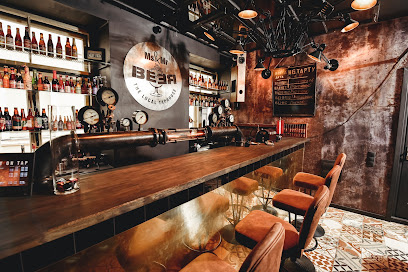
The Christmas Bar Riga
0.1 km
Discover festive cheer at The Christmas Bar Riga, where cocktails and breakfast unite in a cozy holiday atmosphere all year round.
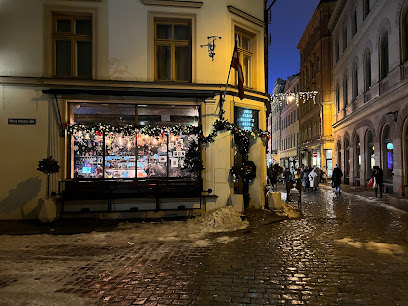
This Place Doesn't Need A Name Šķūņu
0.1 km
Experience the unique charm of Riga at 'This Place Doesn't Need A Name'—a bar offering delightful cocktails and a cozy atmosphere for all.
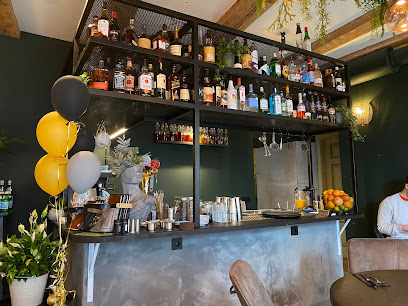
Republika
0.2 km
Discover the lively ambiance of Republika, a must-visit bar in Riga known for its affordable drinks and vibrant live music scene.
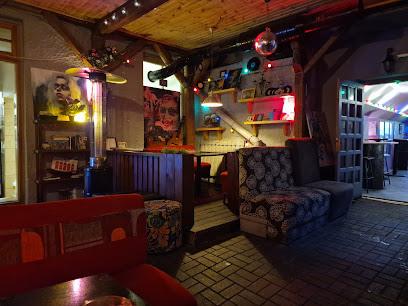
Piana Vyshnia
0.2 km
Experience Riga's vibrant nightlife at Piana Vyshnia, where delightful drinks meet a cozy ambiance in the heart of the city.
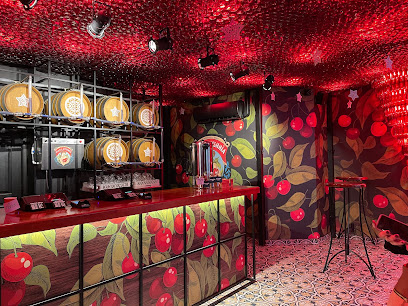
Long Island Bar
0.2 km
Discover the vibrant nightlife at Long Island Bar in Riga, where cocktails flow and the music keeps you dancing all night long.
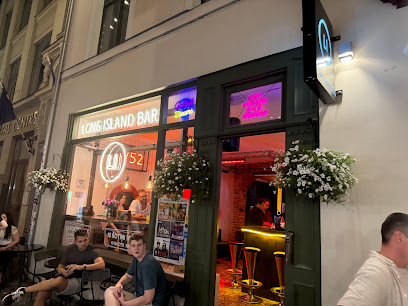
O'Paps
0.2 km
Discover O'Paps, a cozy pub in Riga offering a diverse beer selection and a vibrant atmosphere in the heart of Latvia's capital.
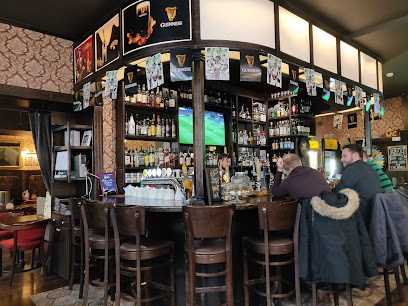
Gastro Pub Duvel's
0.2 km
Discover the heart of Riga's craft beer culture at Gastro Pub Duvel's, where gourmet pub fare meets a cozy brewpub atmosphere.
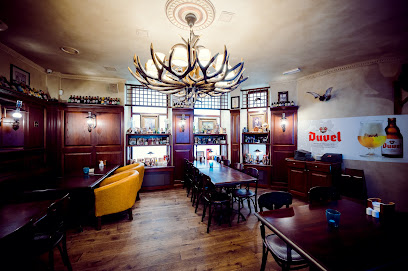
DM Bar Riga
0.2 km
Experience the unique cellar ambiance and extensive drink selection at DM Bar Riga, a must-visit bar in the heart of Latvia's vibrant capital.
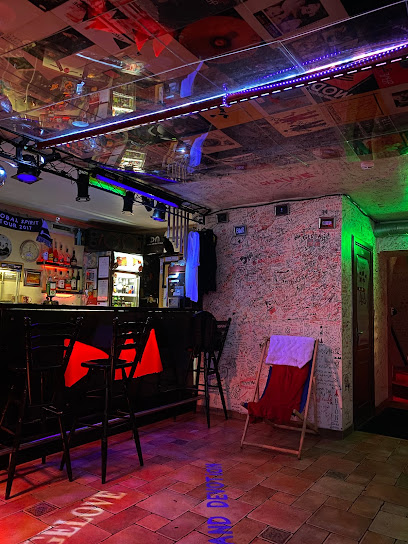
Queens
0.2 km
Experience the vibrant atmosphere and local flavors at Queens Pub, a must-visit spot for tourists in Riga.
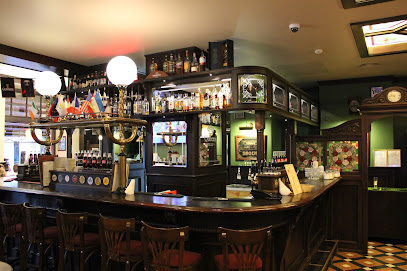
The Stage, by Two More Beers.
0.2 km
Discover the vibrant atmosphere and delicious local cuisine at The Stage, Riga's premier restaurant and pub, perfect for tourists seeking authentic experiences.
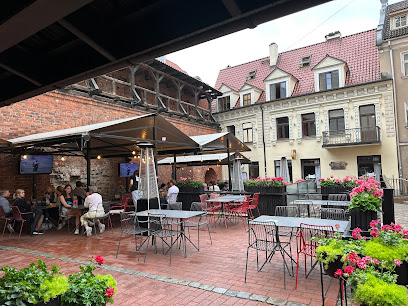
Nightclubs & after hour spots

Radio bar
0.1 km
Discover the vibrant nightlife of Riga at Radio Bar, where eclectic music and exquisite cocktails create unforgettable evenings.
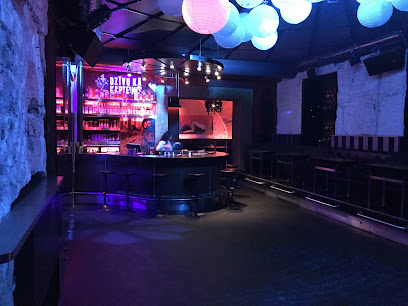
Lust Riga Bar and Night Club
0.2 km
Immerse yourself in the vibrant nightlife of Riga at Lust Bar and Night Club, featuring top DJs and a lively atmosphere for unforgettable nights.
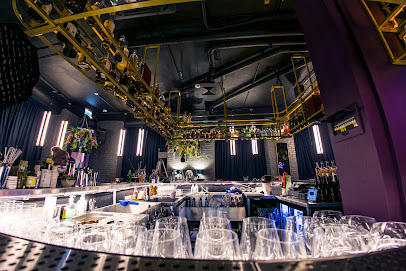
Papillon Gentlman's Club
0.3 km
Discover the thrilling nightlife at Papillon Gentleman's Club, Riga's top destination for entertainment and unforgettable experiences.
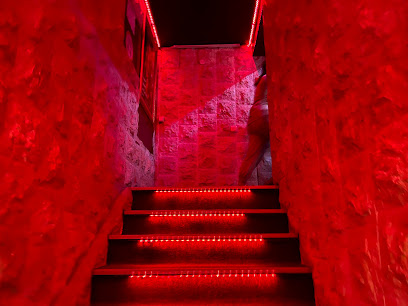
The Sinners Club
0.4 km
Discover the electrifying nightlife at The Sinners Club in Riga, a premier disco and night club perfect for unforgettable dance experiences.
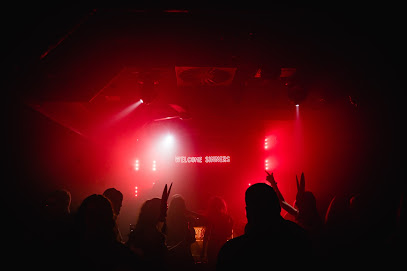
Night club Valknut
0.4 km
Unleash your wild side at Night Club Valknut, Rīga's top destination for a thrilling nightlife experience with vibrant music and exquisite cocktails.
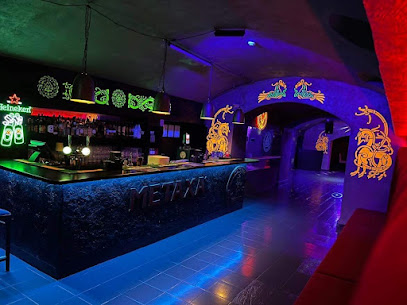
Pandemonium Night Club
0.4 km
Dive into Riga's electrifying nightlife at Pandemonium Night Club, where unforgettable dance experiences and vibrant energy await every night.
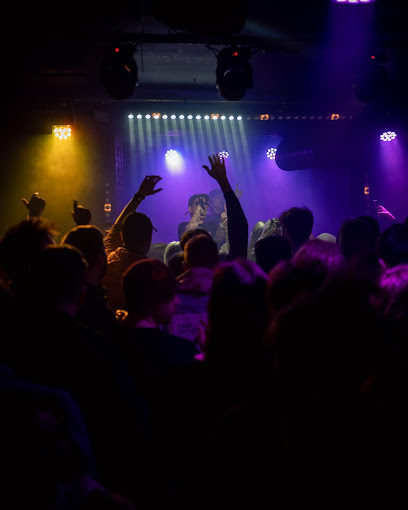
Puce. Club at Night
0.4 km
Experience the vibrant nightlife of Riga at Puce, a lively nightclub with electrifying music and an unforgettable atmosphere.
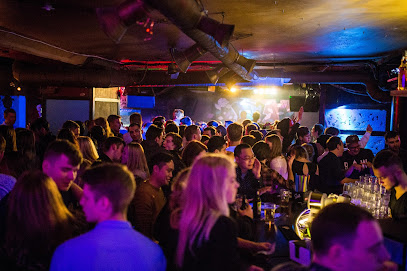
Valhalla
0.5 km
Discover the pulse of Riga's nightlife at Valhalla, where vibrant music and eclectic vibes create unforgettable experiences.