Dzirnavkalns, Talsi Travel Guide
Free Guide: Explore Dzirnavkalns in Talsi: a historic hill offering panoramic views, a glimpse into ancient times, and a peaceful park experience.


A brief summary of Dzirnavkalns
Explore Dzirnavkalns in Talsi: a historic hill offering panoramic views, a glimpse into ancient times, and a peaceful park experience.
Dzirnavkalns, or Mill Hill, is one of the nine hills of Talsi, Latvia, offering scenic views and a glimpse into the town's history. Once a site of ancient Curonian worship and a Livonian Order castle, it later hosted a windmill and a grand villa. Today, it's a park providing panoramic vistas of Talsi.
Opening hours
- Every dayOpen 24 hours
Opening hours as listed on the venue’s Google Business Profile. Hours can change for services and special events, so check with the venue before you go.
- Address
- Ezera iela 5, Talsi, Talsu pilsēta, Talsu novads, LV-3201
- Phone
- Website
Getting there
Walking
Public Transport
Taxi
Discover more about Dzirnavkalns
Overview
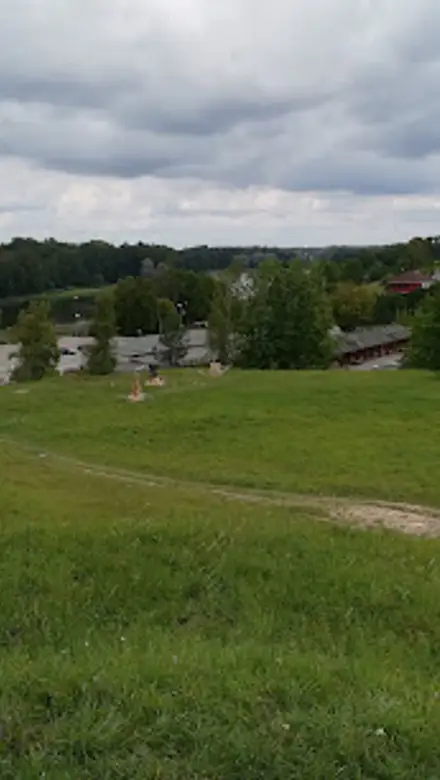
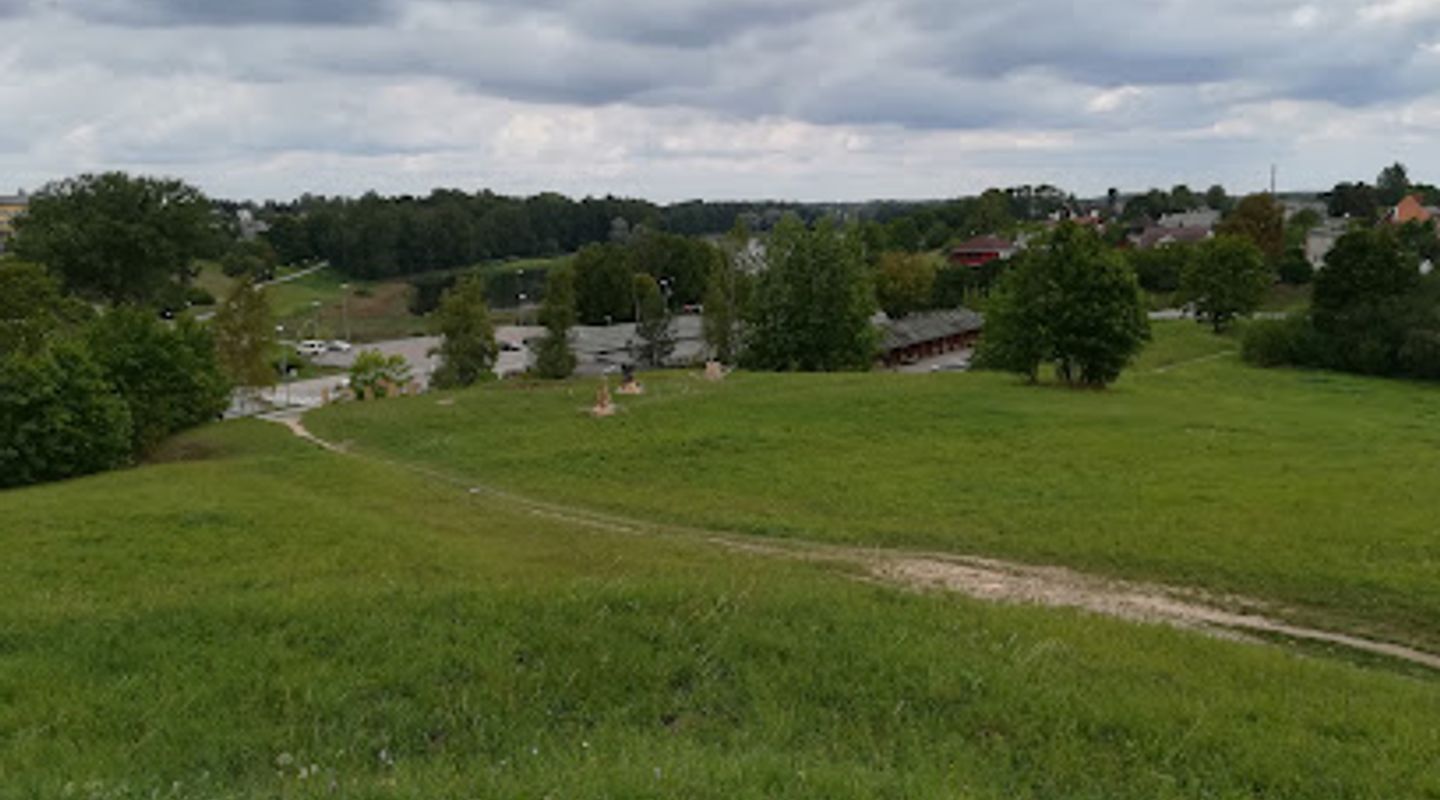
Dzirnavkalns, rising 87 meters above sea level, is one of Talsi's distinctive nine hills, located at the southern end of Lake Vilkmuiža. Historically known as Sudmalkalns, this site is believed to have been an ancient Curonian worship place. In the 13th century, the Livonian Order built a stone castle here, which was last mentioned in chronicles in 1636.In 1839, Johann Heinrich Voldemārs, the first Latvian historian, surveyed the castle foundations. Detailed records from the early 19th century reveal that in 1835, Baron Friedrich von Firks of Nurmuiža Manor and Fridrihs Vicinskis, a miller, signed an agreement to build a windmill on the hill. This Dutch-type windmill operated for many years, though the millers changed frequently.By 1875, the land was divided. The windmill and a small house remained with the miller, and in 1886, Ābrams Jeruhmanovs purchased them. On the hillside, Baroness Emīlija Katrīna fon Heikinga built Villa Heyking, offering scenic views of Jauntalsi. The windmill continued to operate until World War I but was burned down around 1921.Today, no traces of the windmill remain. Dzirnavkalns now serves as a park, offering views of Lake Vilkmuiža, the market square, the residential area built in the 1950s and 1960s, and the Talsi Ice Hall. Walking along Kalna Street's old cobblestones leads to Ezeru Square, the site of the famous Dižmāra market, which features a memorial to the victims of the 1997 Talsi tragedy.
Evendo Review Centre
 Google
Guest reviews
Explore Dzirnavkalns on the map
A handpicked selection of must-see spots near Dzirnavkalns, mapped for you.
Get your free copy of our complete guide to Dzirnavkalns, delivered straight to you.
Everything on this page, from opening hours and how to get there to Eve’s tips and the best time to go, in one PDF you can read offline, print or share.
Already have an account? Sign in
Your Dzirnavkalns guide is ready.
We'll send it to · Not you? Sign out

Getting your guide ready…
We are putting together a fresh copy of the Dzirnavkalns guide. This can take up to a minute.
This can take a few moments. If your browser asks, choose Allow so the download can start. You'll find the guide in your Downloads folder.
Nothing happened? Download it again
Sorry, the guide is taking longer than usual. Please try again in a minute, or get it by email instead.
Other nearby places you may find interesting
The closest places of the same kind, if this one is not quite what you had in mind.
-
-
-
-
-


Swipe for more places
More to explore near Dzirnavkalns

 Best experiences near Dzirnavkalns
 Best hotels near Dzirnavkalns
 Best landmarks near Dzirnavkalns
 Best attractions near Dzirnavkalns
 Best shops near Dzirnavkalns
 Best restaurants near Dzirnavkalns
 Best bars near Dzirnavkalns
Do you manage this location?
Take control to get all the benefits, like improved information, better appearance, and stronger visibility across AI-powered discovery.
Explore more

Explore more of Talsi
Discover Talsi: A picturesque Latvian town known for its nine hills, rich history, and vibrant arts scene. A perfect destination for nature lovers and culture enthusiasts.
Explore Talsi
Explore more of Latvia
Explore Latvia: A Baltic treasure with rich history, stunning landscapes, vibrant festivals, and warm hospitality. Discover Riga's charm and Latvia's natural beauty.
Explore Latvia