

Best Landmarks in Beirut
Planning a trip to Beirut? Discover the best landmarks in Beirut with history, expert tips, and routes. Free on web or the Evendo app.


The best landmarks in Beirut
Beirut offers visitors a rich tapestry of history and culture, with landmarks such as the iconic Pigeon Rocks, the ancient Roman Baths, and the stunning Mohammad Al-Amin Mosque. Explore the vibrant neighborhoods of Gemmayze and Mar Mikhael, filled with colorful street art and trendy cafes. Don't miss a visit to the National Museum of Beirut to learn about the city's fascinating past, or take a leisurely stroll along the Corniche to soak in the beautiful views of the Mediterranean Sea. From bustling markets to tranquil gardens, Beirut has something for every traveler to discover and enjoy.
- Top rated
- Closest to the centre
- A–Z
43 landmarks
-
Promenade4.5★9,416 reviews
Zaitunay Bay
Zaitunay Bay is a high-end waterfront promenade in Beirut, Lebanon, offering a blend of dining, shopping, and marina activities. Opened in the early 2010s, it symbolizes Beirut's post-war revitalization, providing a modern and lively space for locals and tourists alike to enjoy the Mediterranean seafront.
Daily 8:00–24:00
-
Tourist attraction4.5★7,150 reviews
Al Raouche Rocks
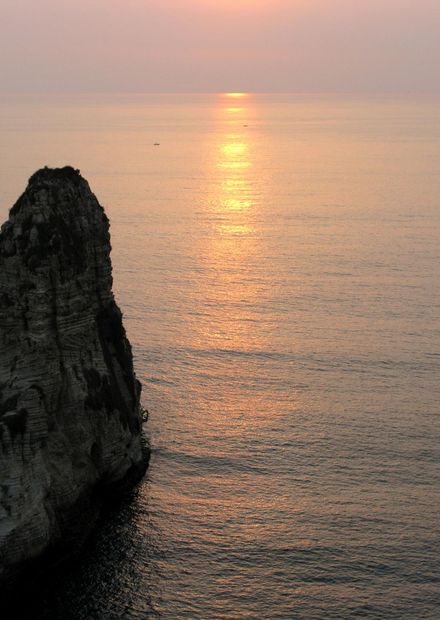
Al Raouche Rocks, also known as Pigeon Rocks, are towering limestone formations off the coast of Beirut, Lebanon. These iconic rocks are a popular destination for tourists and locals, offering stunning views of the Mediterranean Sea and the Beirut skyline. They stand as a testament to the city's natural beauty and resilience.
Open 24 hours
-
Shopping mall4.4★5,094 reviews
Beirut Souks
Beirut Souks, located in the heart of Beirut Central District, is a major commercial district that blends historical significance with modern shopping and leisure. Rebuilt after the Lebanese Civil War, it stands on the ancient market site, offering a diverse range of shops, restaurants, and entertainment options.
Daily 10:00–22:00
-
Mosque4.7★2,745 reviews
Mohammad Al Amin Mosque
Experience the breathtaking architecture and serene atmosphere of the Mohammad Al Amin Mosque, a stunning landmark in the heart of Beirut. This iconic mosque showcases intricate designs and serves as a testament to the city's rich Islamic heritage.
-
National museum4.6★2,658 reviews
National Museum of Beirut
The National Museum of Beirut is the primary archaeological museum in Lebanon, showcasing a vast collection of artifacts that narrate the country's history from prehistoric times to the Mamluk period. Despite suffering damage during the Lebanese Civil War, it has been restored and now displays around 1,300 artifacts, offering insights into the region's rich cultural heritage.
Tue–Sun 10:00–15:00
-
Plaza4.5★2,325 reviews
Martyrs' Square
Martyrs' Square is a historic and vibrant plaza located in the heart of Beirut, offering visitors a unique glimpse into Lebanon's rich history and culture. This iconic site is surrounded by stunning architecture, lively streets, and numerous attractions, making it a must-visit for tourists. From its commemorative monuments to the bustling atmosphere, Martyrs' Square encapsulates the spirit of the city and serves as a hub for both locals and visitors alike.
Open 24 hours
-
Tourist attraction4.5★519 reviews
Place de l'Étoile
Place de l'Étoile, or Nejmeh Square, is a star-shaped square in downtown Beirut, Lebanon, blending history, culture, and modern architecture. Home to the Lebanese Parliament, cathedrals, and cafes, it symbolizes Beirut's resilience.
Open 24 hours
-
Hotel4.4★501 reviews
Hamra Urban Gardens
Hamra Urban Gardens (HUG) is a vibrant hotel in the heart of Beirut's Hamra district, offering a blend of modern comfort and Lebanese charm. With a rooftop pool, on-site restaurant, and a friendly atmosphere, it's a popular spot for both tourists and locals.
-
Museum4.4★457 reviews
Beit Beirut - Museum and Urban Cultural Center
Beit Beirut, also known as the Yellow House, is a museum and urban cultural center in Beirut, Lebanon, dedicated to the city's history, particularly the Lebanese Civil War. Housed in the restored Barakat Building, it stands as a testament to Beirut's resilience, blending historical preservation with contemporary cultural expression.
Wed–Sun 12:00–20:00
-
Amusement park3.5★648 reviews
مدينة ملاهي بيروت
Beirut Luna Park is a vibrant amusement park located in the heart of Beirut, Lebanon. Offering a variety of thrilling rides and attractions, it promises an unforgettable experience for visitors of all ages. With its stunning seaside views and lively atmosphere, it's a must-visit destination for tourists looking to enjoy some fun and excitement.
Mon–Fri 18:00–24:00 · Sat–Sun 15:00–24:00


مسجد زقاق البلاط
مسجد زقاق البلاط, located in the Zuqaq al-Blat district of Beirut, is a historic mosque dating back to 1893. Known for its Ottoman-era architecture and tranquil atmosphere, it offers a serene escape from the city's bustle.
Open 24 hours

I love Beirut
The 'I Love Beirut' landmark is a vibrant symbol of the city's resilience, located in downtown Beirut. It's a popular spot for both tourists and locals to take memorable photos and immerse themselves in the city's lively atmosphere.

Horsh Beirut
Horsh Beirut, also known as Bois de Pins, is the largest public park in Beirut, Lebanon, offering a green oasis in the heart of the bustling city. Spanning 0.3 square kilometers, it provides a much-needed escape with walking paths, diverse flora, and a peaceful atmosphere, connecting diverse neighborhoods and offering a space for recreation and relaxation.
Daily 6:00–19:00

Saint George Maronite Cathedral
Saint George Maronite Cathedral, located in downtown Beirut, is a stunning example of Neoclassical architecture and a significant religious center for the Maronite community. Inspired by the Basilica di Santa Maria Maggiore in Rome, the cathedral stands as a testament to the city's rich history and the enduring spirit of its people.

Lebanon tours - City Sightseeing Beirut
Explore Beirut's rich history and vibrant culture with City Sightseeing's hop-on hop-off bus tours. Discover key landmarks, museums, and historical sites at your own pace, enjoying panoramic views and multilingual audio commentary. A convenient way to experience the best of Beirut.
Mon–Sat 9:30–18:30 · Sun 9:30–6:30

St. Maroun Maronite Catholic Church
Located in Beirut's Gemmayzeh district, St. Maroun Maronite Catholic Church is a significant religious and architectural landmark. As a cornerstone of Lebanese culture and spirituality, the church showcases the intricate craftsmanship of Maronite heritage with its elegant facade, exquisite carvings, and stained glass windows. The peaceful ambiance inside provides a sanctuary for reflection.

Place de l'Etoile
Place de l'Étoile, also known as Nejmeh Square, is a historic star-shaped square in downtown Beirut. Designed in the 1920s by French colonial authorities, it symbolizes Beirut's modernization. Surrounded by significant political and religious buildings, it's a vibrant hub reflecting the city's resilience.

St. Nicolas Stairs
The St. Nicolas Stairs, also known as the Stairs of Art, is a vibrant public stairway in Beirut's Achrafieh district. Connecting Rue Gouraud and Rue Sursock, the 125 steps and 500-meter span make it the longest stairway in the Middle East. Adorned with colorful murals and street art, the stairs have become a cultural landmark and a popular tourist destination.

American University of Beirut Archaeological Museum
The AUB Archaeological Museum, established in 1868, is the third oldest museum in the Near East. Showcasing artifacts from Lebanon, Syria, Cyprus, and beyond, it offers a captivating overview of the region's history from the Stone Age to the Islamic Period.
Mon–Fri 9:00–17:00

Show Me Lebanon
Show Me Lebanon offers curated tours showcasing the beauty and culture of Lebanon, with a focus on Beirut. While tour operators aren't typically highlighted, their 5-star rating suggests a potentially valuable service for visitors seeking structured exploration of the city and country.

Downtown Tree
Downtown Tree is a cherished landmark in Beirut, offering a serene escape amidst the city's vibrant energy. This natural attraction provides a tranquil space for relaxation, social interaction, and cultural appreciation, embodying the heart and soul of Lebanese culture.
Open 24 hours

Tour Beirut
Tour Beirut offers curated experiences to explore the vibrant city, from historical sites to modern attractions. While it functions as a tour operator, understanding its location can help travelers find a starting point for their Beirut adventures.
Mon–Sat 9:00–18:00

Alternative Beirut
Alternative Beirut offers unique tours that delve into the city's political landscape, urban art, and cultural nuances, providing an off-the-beaten-path experience for travelers seeking a deeper understanding of Beirut.

Grand Serail (Government Palace)
The Grand Serail, or Government Palace, is a historic Ottoman-era building in Beirut serving as the headquarters of the Prime Minister of Lebanon. Perched atop a hill in downtown Beirut, it offers a glimpse into the country's political past and architectural heritage, though public access is generally restricted.

Musée de la Préhistoire Libanaise
Delve into Lebanon's prehistoric past at the Musée de la Préhistoire Libanaise in Beirut. Showcasing artifacts from over 400 archaeological sites, the museum offers a glimpse into the lives of early humans in the region, from Stone Age tools to Neolithic pottery.
Tue–Fri 8:30–16:30

Berytus Cardo & Decumanus Maximus
Explore the remnants of Roman Beirut at the Berytus Cardo & Decumanus Maximus, where five standing columns mark the intersection of the ancient city's main thoroughfares. Wander through history and imagine the bustling life of Roman Berytus.

lebanon local tour
Lebanon Local Tour, based in Beirut, offers immersive experiences showcasing the beauty and history of Lebanon. While the agency itself isn't a tourist attraction, it serves as a gateway to exploring the country's diverse landscapes and cultural treasures.
Mon–Fri 8:00–18:00 · Sat 8:00–17:00

Statue Of The Immigrant
The Statue Of The Immigrant in Beirut stands as a tribute to the courage and resilience of immigrants who have contributed to the city's diverse cultural heritage. This monument serves as a reminder of the struggles and triumphs faced by those who sought a better life in Lebanon. The statue, created by Mexican artist Ramis Barquet, represents Lebanese emigrants and their impact on countries worldwide.
Open 24 hours

Tour Beirut's Walking Tour
Immerse yourself in the vibrant culture and history of Beirut with a guided walking tour that takes you through iconic landmarks, hidden gems, and local stories. Explore the city's rich heritage and engage with its pulsating life.

Roman Forum of Beirut
The Roman Forum of Beirut, located in the heart of the city, offers a glimpse into Beirut's rich Roman past as the ancient city of Berytus. Discovered during excavations in 1994, the ruins showcase the colonnades and facades that once marked the center of civic life, reflecting the power and prosperity of Roman Beirut.
Open 24 hours

St. Elie - Church
St. Elie Church in Beirut is a beautiful and historically significant church that serves as a spiritual center for the local community and a point of interest for tourists. Known for its stunning facade and intricate design, the church showcases a blend of traditional and contemporary architectural elements, reflecting Beirut's rich cultural heritage.

Al-Abed Clock Tower
The Al-Abed Clock Tower, gracing Nejmeh Square in downtown Beirut, is a prominent historical landmark and a symbol of the city's resilience. Gifted by Lebanese-Mexican émigré Michel Abed in the 1930s, the Art Deco tower features a four-faced Rolex clock and has become an icon of Beirut.
Open 24 hours

Le Grand Théatre des Milles et Une Nuits
Le Grand Théâtre des Milles et Une Nuits, or Beirut's Grand Theater, is a historical landmark in Beirut, Lebanon. Designed by Youssef Aftimos and built in the 1920s, it opened in 1929 and hosted international performances and movie productions. Though currently unused, its restored facade stands as a reminder of Beirut's pre-war cultural vibrancy.
Open 24 hours

Saint George Greek Orthodox Cathedral Crypt Museum
Beneath the bustling streets of Beirut lies the Saint George Greek Orthodox Cathedral Crypt Museum, a hidden gem unveiled after a bomb damaged the cathedral in 1975. This small but atmospheric museum showcases archaeological finds from the Seleucid to medieval periods, including Byzantine mosaic floors and ancient tombs, offering a unique glimpse into the city's layered past.

Heneine palace
Heneine Palace, located in Beirut's Zokak el-Blat district, is a late 19th-century Ottoman-era palace showcasing Moorish-inspired architecture. Once a symbol of Beirut's elite, it housed consulates and intellectuals before falling into disrepair during the Lebanese Civil War. Today, it stands as a landmark, a reminder of Beirut's rich, though endangered, cultural heritage.

Beirut Nymphaeum
The Beirut Nymphaeum, a historical landmark in the heart of Beirut, offers a glimpse into the city's Roman past. This ancient structure, once a monumental fountain dedicated to the Nymphs, showcases intricate stonework and detailed carvings, providing insight into the artistry and engineering of the Roman era.

The Memory Tree
The Memory Tree in Beirut stands as a poignant reminder of the Great Famine of Mount Lebanon (1915-1918). This historical landmark, created by Lebanese street artist Yazan Halwani, commemorates the lives lost and the resilience of the Lebanese people.
Open 24 hours

Hamidiye Clock Tower
The Hamidiye Clock Tower, located in downtown Beirut, is a historical monument reflecting the city's Ottoman heritage. Built in 1897 to commemorate the 10th anniversary of Sultan Abdul Hamid II's coronation, it also served to indicate Muslim prayer times. Restored in 1994 after damage from the Lebanese Civil War, it stands as a symbol of Beirut's resilience.

Rafīq al-Ḥarīrī Memorial Flame
The Rafīq al-Ḥarīrī Memorial Flame in Beirut stands as a tribute to the former Lebanese Prime Minister, symbolizing resilience and the quest for peace. The perpetually lit flame serves as a place for reflection on al-Ḥarīrī's contributions to Lebanon.
Open 24 hours

Beirut Christmas Village
The Beirut Christmas Village is a captivating tourist attraction that embodies the festive spirit of Lebanon. Each year, this village transforms into a winter wonderland, adorned with twinkling lights, festive decorations, and charming stalls offering handcrafted gifts and holiday treats. Visitors can enjoy live entertainment, indulge in local delicacies, and create cherished holiday memories.
تمثال جبران خليل جبران
The Gibran Khalil Gibran Statue in Beirut stands as a memorial to the celebrated Lebanese-American poet, philosopher, and artist. It's a place for reflection on Gibran's profound impact on literature and art.

Place Amin El Hafez
Place Amin El Hafez is a historical landmark in Beirut, Lebanon, reflecting the city's rich history and cultural significance. It serves as a gathering spot for locals and tourists, surrounded by architecture that showcases a blend of cultural influences.

Berytus Saifi Archaeological Park - موقع الصيفي الأثري، بيروت
Step back in time at the Berytus Saifi Archaeological Park, located in the heart of Beirut. This historical landmark showcases well-preserved ruins from the ancient Roman city of Berytus, offering a glimpse into the city's rich past. Explore remnants of Roman architecture, including mosaics, columns, and public baths, set amidst lush greenery.
Explore Beirut on the map
A handpicked selection of must-see spots in Beirut, mapped for you.
More about Beirut
Beirut travel guide
Beirut blends Phoenician heritage, Ottoman and French architecture, sea views, art, cuisine and lively neighbourhoods for rich cultural city breaks in Lebanon.
Tell me more about BeirutMore to explore in Beirut

 Best attractions in Beirut

 Best shops in Beirut

 Best bars in Beirut

 Best restaurants in Beirut

 Best nightclubs in Beirut

 Best experiences in Beirut

 Best hotels in Beirut

 All neighbourhoods in Beirut
Explore more

Explore more of Lebanon
Discover Lebanon: A land of ancient history, vibrant culture, stunning landscapes, and delicious cuisine, nestled on the Mediterranean coast.
Explore Lebanon
Getting your guide ready…
We are putting together a fresh copy of the Beirut guide. This can take up to a minute.
This can take a few moments. If your browser asks, choose Allow so the download can start. You'll find the guide in your Downloads folder.
Nothing happened? Download it again
Sorry, the guide is taking longer than usual. Please try again in a minute, or get it by email instead.

