

Free Beqaa Valley Travel Guide & Mobile App
Explore Beqaa Valley with free travel guides. Discover regional history, expert tips, proposed trips, and audio guides on web or mobile app.


Explore Lebanon’s Beqaa Valley for Roman ruins, Umayyad heritage, vineyards, mountain scenery, local food and agricultural landscapes.
Read more about Beqaa Valley
When is the best time to visit Beqaa Valley?
Best: May–June, October · 25–30°C| Month | High (°C) | Rainfall (mm) |
|---|---|---|
| January | 9 | 120 |
| February | 12 | 100 |
| March | 16 | 90 |
| April | 20 | 60 |
| May (best) | 26 | 40 |
| June (best) | 30 | 20 |
| July | 33 | 10 |
| August | 33 | 10 |
| September | 30 | 20 |
| October (best) | 25 | 40 |
| November | 17 | 70 |
| December | 11 | 100 |
Getting to and around Beqaa Valley
How to get there
Transportation
Top city travel guides in Beqaa Valley
The cities of Beqaa Valley, and the easiest places to base yourself.
-

-

-
-

-

-


Swipe for more cities
Destinations in Beqaa Valley
Resorts, valleys and scenic spots worth a trip of their own.
-

-

-

-

-

-


Swipe for more destinations
Best attractions in Beqaa Valley
The Beqaa’s attractions range from world-class archaeology to working agricultural landscapes. Baalbek’s Roman sanctuary is the region’s major historical draw, with immense temples and ceremonial courts that convey the scale of ancient Heliopolis. At Anjar, a planned Umayyad city offers a contrasting experience of arcaded streets, palaces and baths. Zahle provides restaurants, river-side promenades and access to the valley’s food and drink traditions, while wineries and arak producers around the central plain introduce visitors to contemporary viticulture. Taanayel’s agricultural estate combines open countryside with religious and farming heritage. The Qaraoun reservoir and the western Beqaa provide a quieter landscape of water, fields and mountain horizons, although activities and access around the lake should be checked locally. Smaller temples and rural churches, including the Roman Temple of Niha, add archaeological interest beyond the principal sites. The region is also suitable for scenic drives, photography, birdwatching and seasonal walks, but it is not a destination where every attraction can be reached easily by public transport. Distances, security restrictions and rural road conditions make local guidance particularly useful.
-
Shrine
Sayyida Khawla Shrine
Discover the serene Sayyida Khawla Shrine in Baalbek, a stunning blend of spirituality and history that enchants every visitor.
-
Historical landmark
Anjar Citadel
Explore Anjar Citadel, a stunning historical landmark in Lebanon that reveals the beauty of ancient Umayyad architecture amidst breathtaking landscapes.
-
Winery
Chateau Rayak
Explore the stunning vineyards and exquisite wines at Chateau Rayak in Riyaq, a true gem of Lebanese winemaking.
-
Tourist attraction
Niha Temple to Hadaranes.
Discover the ancient wonders of Niha Temple, a hidden archaeological gem in Lebanon that reveals the country's rich history and stunning landscapes.


Best landmarks in Beqaa Valley
The Temple of Bacchus at Baalbek is the Beqaa’s most recognisable architectural landmark, standing within a Roman sanctuary whose gigantic columns and richly carved façade demonstrate the scale of imperial construction in the ancient Levant. The nearby Temple of Jupiter, although less complete, is distinguished by its enormous platform and surviving columns. At Anjar, the straight colonnaded streets and monumental gateways form a rare, legible Umayyad city plan, making the site important as both an archaeological and architectural landmark. Zahle’s hillside setting and the Berdawni valley give the city a strong visual identity, with restaurants and buildings following the river corridor below the surrounding slopes. The Roman Temple of Niha, set among the western mountain villages, is a smaller but significant reminder that ancient religious architecture extended well beyond Baalbek. In the wider landscape, the Qaraoun reservoir is a prominent modern geographical feature, contrasting with the cultivated plain and mountain walls. Together these places express the valley’s defining succession of ancient sanctuaries, early Islamic urban planning, mountain settlements and productive agricultural scenery.
-
Tourist attraction
Jeita Grotto
Explore Lebanon's natural masterpiece: a stunning cave system with breathtaking formations and an enchanting underground river.
-
Tourist attraction
Al Raouche Rocks
Discover Beirut's iconic Al Raouche Rocks: a stunning natural landmark offering breathtaking views, rich history, and unforgettable experiences.
-
Historical landmark
Baalbek Roman Ruins
Explore the grandeur of Baalbek Roman Ruins, a UNESCO World Heritage site showcasing stunning ancient temples and rich Lebanese heritage.
-
Nature preserve
Cedars of God Bsharri
Discover the Cedars of God in Bsharri, a UNESCO World Heritage site filled with ancient cedars and breathtaking natural beauty.


Explore Beqaa Valley on the map
Plan your trip on one map. See where the top cities, national parks and sights are, and book hotels and experiences in a few clicks.
Best hotels in Beqaa Valley
Best restaurants in Beqaa Valley
Dining in the Beqaa is closely tied to agriculture, family hospitality and the culinary traditions of Lebanon. Zahle is the region’s best-known dining centre, particularly along the Berdawni, where restaurants serve mezze, grilled meats, fresh salads, kibbeh and dishes designed for sharing. Across the plain, seasonal produce such as cherries, apricots, grapes, potatoes and leafy vegetables appears in home cooking, market stalls and rural eateries. Dairy products, olives, breads and pickles are everyday staples, while arak accompanies many traditional meals and is often diluted with water and served with mezze. Wineries and agricultural estates may offer tastings or food pairings by arrangement, though availability varies. Cafés and bakeries in Zahle, Baalbek and the market towns provide simpler options, including manakish and Lebanese pastries. Visitors should distinguish between established local specialities and dishes found throughout Lebanon: the Beqaa’s particular identity lies less in a single signature recipe than in the combination of fertile produce, wine and arak culture, generous mezze and mountain-influenced cooking.
-
Restaurant
Amaleen Cafe & Restaurant
Experience authentic Lebanese flavors at Amaleen Cafe & Restaurant in Zahlé, where every dish tells a story.
-
Restaurant
Lakkis Farm - Baalbeck
Discover authentic Lebanese cuisine at Lakkis Farm in Baalbeck, where tradition meets tranquility amidst stunning natural beauty.
-
Restaurant
Lakkis Farm - Chtaura
Discover authentic Lebanese flavors at Lakkis Farm in Chtaura – where culinary tradition meets natural beauty.
-
Restaurant
Sama Chtaura
Discover authentic Lebanese cuisine at Sama Chtaura in Zebdol - where every meal tells a story.


Best bars in Beqaa Valley
Evening life in the Beqaa is centred more on restaurants, cafés, family gatherings and traditional pubs than on a large nightclub circuit. Zahle has the broadest choice of places to dine late, sit beside the Berdawni and enjoy arak, wine or coffee, while Baalbek offers a more locally oriented evening scene around its cafés and restaurants. Wineries and specialist producers may host tastings or occasional cultural events, but these are often arranged seasonally or by reservation rather than operating as conventional nightlife venues. In rural districts, evenings are generally quiet, with social life focused on food, conversation and village establishments. Chtaura and other transport-oriented towns have practical cafés and restaurants, though their character is different from Zahle’s leisure areas. Visitors should not assume late opening hours or extensive taxi availability outside the principal towns, and should settle transport plans before heading into the countryside.
-
Bar
Brut Bar
Discover the charm of Brut Bar in Zahlé, where exquisite wines and craft beers meet Lebanese hospitality in a vibrant atmosphere.
-
Pub
Castle Black
Castle Black in Zahlé: A vibrant pub for drinks and live music, perfect for tourists seeking a lively nightlife experience.
-
Bar
Chapter II
Experience the vibrant nightlife of Wadi El Aarayech at Chapter II, where handcrafted cocktails meet stunning views.
-
Bar
Pravda Valley Zahle
Experience the lively nightlife at Pravda Valley Zahle, a cocktail bar and live music venue in the heart of Lebanon's Zahle region.


Best nightclubs in Beqaa Valley
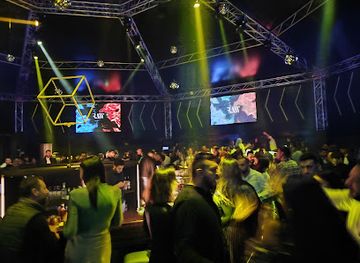
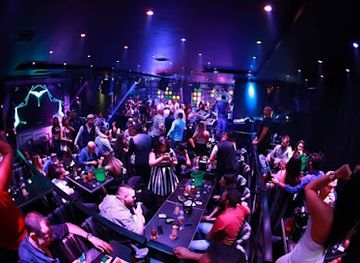
Evening life in the Beqaa is centred more on restaurants, cafés, family gatherings and traditional pubs than on a large nightclub circuit. Zahle has the broadest choice of places to dine late, sit beside the Berdawni and enjoy arak, wine or coffee, while Baalbek offers a more locally oriented evening scene around its cafés and restaurants. Wineries and specialist producers may host tastings or occasional cultural events, but these are often arranged seasonally or by reservation rather than operating as conventional nightlife venues. In rural districts, evenings are generally quiet, with social life focused on food, conversation and village establishments. Chtaura and other transport-oriented towns have practical cafés and restaurants, though their character is different from Zahle’s leisure areas. Visitors should not assume late opening hours or extensive taxi availability outside the principal towns, and should settle transport plans before heading into the countryside.
-
Night club
Mine Beirut
Discover the electrifying nightlife at Mine Beirut, a top night club and live music venue along the beautiful seaside of Daoura.
-
Disco club
Kult
Experience the vibrant nightlife of Beirut at Kult, a premier disco club filled with electrifying music and an energetic crowd.
-
Disco club
Vault Night Club
Discover the electrifying energy of Vault Night Club in Sarba, a top destination for nightlife with vibrant music, dynamic cocktails, and an unforgettable atmosphere.
-
Night club
Posh Club- Beirut
Discover the electrifying atmosphere of Posh Club in Beirut, the ultimate destination for a vibrant nightlife experience.


Best shops in Beqaa Valley
Shopping in the Beqaa is strongest in market towns rather than in large specialist retail districts. Zahle and Baalbek have everyday shops, bakeries, delicatessens and small businesses selling clothing, household goods and locally produced food. Visitors can look for bottles of Lebanese wine and arak, olive oil, preserves, dried fruit, nuts, herbs, sweets and other agricultural products, buying only from established producers and checking packaging and transport restrictions where relevant. Wineries and larger food estates may have tasting rooms or retail counters, although opening arrangements vary. Local bakeries offer practical edible souvenirs such as maamoul and other Lebanese pastries, while markets and roadside stalls reflect the valley’s seasonal harvests. Chtaura is useful for provisions when travelling between the central and eastern parts of the region. Craft shopping is less concentrated than in Beirut, so the most representative purchases are generally food and drink rather than luxury goods. Carry cash for small traders and ask about storage requirements during hot weather.
-
Shopping mall
Cascada
Explore Cascada Shopping Mall in Taanayel, where modern retail meets vibrant local culture, perfect for your shopping and dining adventures.
-
Bakery
Chamsine Bakery
Experience the essence of Lebanese flavors at Chamsine Bakery, where every bite tells a story of tradition and craftsmanship.
-
Gift shop
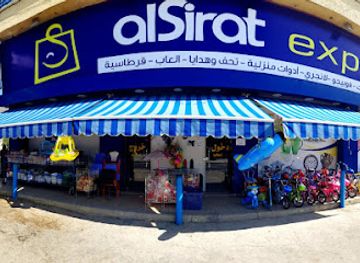
Al-Sirat Shopping
Discover Al-Sirat Shopping: Your one-stop destination in Bekaa for gifts, fashion, and unique local finds.
-
Shopping mall
Wonderland online butik
Explore the vibrant shopping experience at Wonderland Online Butik in Zahlé, where local craftsmanship meets contemporary style.



Get your free copy of our complete guide to Beqaa Valley, delivered straight to you.
Everything on this page, from attractions and restaurants to essentials and local phrases, in one PDF you can read offline, print or share.
Already have an account? Sign in
Your Beqaa Valley guide is ready.
We'll send it to · Not you? Sign out

Getting your guide ready…
We are putting together a fresh copy of the Beqaa Valley guide. This can take up to a minute.
This can take a few moments. If your browser asks, choose Allow so the download can start. You'll find the guide in your Downloads folder.
Nothing happened? Download it again
Sorry, the guide is taking longer than usual. Please try again in a minute, or get it by email instead.
Beqaa Valley essentials
Currency and Payment
Safety
Emergency Situations
Do's and Don'ts
Local Tips
From Eve
Local phrases worth knowing
You don't need to get them perfect. A few words go a long way, and locals appreciate the effort.
Basics
| English | Local | Say it |
|---|---|---|
| Hello | مرحبا | [Marhaba] |
| Goodbye | مع السلامة | [Ma'a as-salama] |
| Yes | نعم | [Na'am] |
| No | لا | [La] |
| Please/You're welcome | من فضلك | [Min fadlik] |
| Thank you | شكرا | [Shukran] |
| Excuse me/Sorry | عفوا | [Afwan] |
| How are you? | كيف حالك؟ | [Kayfa halak?] |
| Fine. And you? | بخير. وأنت؟ | [Bikhayr. Wa anta?] |
| Do you speak English? | هل تتحدث الإنجليزية؟ | [Hal tatahaddath al-ingliziyya?] |
| I don't understand | لا أفهم | [La afham] |
Eating & Drinking
| English | Local | Say it |
|---|---|---|
| I'd like to see the menu, please | أود رؤية القائمة، من فضلك | [Awad ru'yat al-qaimah, min fadlik] |
| I don't eat meat | لا آكل اللحم | [La akul al-lahm] |
| Cheers! | في صحتك! | [Fi sihtak!] |
| I would like to pay, please | أود الدفع، من فضلك | [Awad al-daf', min fadlik] |
Emergencies
| English | Local | Say it |
|---|---|---|
| Help! | نجدة! | [Najda!] |
| Go away! | اذهب بعيدا! | [Idhhab ba'idan!] |
| Call the Police! | اتصل بالشرطة! | [Ittasil bil-shurta!] |
| Call a doctor! | اتصل بطبيب! | [Ittasil bi-tabeeb!] |
| I'm lost | أنا ضائع | [Ana da'i'] |
| I'm ill | أنا مريض | [Ana marid] |
Shopping
| English | Local | Say it |
|---|---|---|
| I'd like to buy... | أود شراء... | [Awad shira'...] |
| I'm just looking | أنا فقط أنظر | [Ana faqat anzur] |
| How much is it? | كم ثمنه؟ | [Kam thamanuh?] |
| That's too expensive | هذا مكلف جدا | [Hatha mukallaf jidan] |
| Can you lower the price? | هل يمكنك تخفيض السعر؟ | [Hal yumkinuka takhfid as-si'r?] |
Time & Numbers
| English | Local | Say it |
|---|---|---|
| What time is it? | كم الساعة؟ | [Kam as-saa'a?] |
| It's one o'clock | الساعة الواحدة | [As-saa'a al-wahidah] |
| Half past (10) | العاشرة والنصف | [Al-'ashirah wa-n-nisf] |
| Morning | صباح | [Sabaah] |
| Afternoon | ظهيرة | [Dhuhairah] |
| Evening | مساء | [Masa'] |
| Yesterday | أمس | [Ams] |
| Today | اليوم | [Al-yawm] |
| Tomorrow | غدا | [Ghadan] |
| 1 | واحد | [Wahid] |
| 2 | اثنان | [Ithnain] |
| 3 | ثلاثة | [Thalatha] |
| 4 | أربعة | [Arba'a] |
| 5 | خمسة | [Khamsa] |
| 6 | ستة | [Sitta] |
| 7 | سبعة | [Sab'a] |
| 8 | ثمانية | [Thamaniya] |
| 9 | تسعة | [Tis'a] |
| 10 | عشرة | [Ashara] |
Transport & Directions
| English | Local | Say it |
|---|---|---|
| Where's a/the...? | أين...؟ | [Ayn...?] |
| What's the address? | ما هو العنوان؟ | [Ma huwa al-'unwan?] |
| Can you show me (on the map)? | هل يمكنك أن تريني (على الخريطة)؟ | [Hal yumkinuka an turini (ala al-kharita)?] |
| When's the next (bus)? | متى تصل الحافلة التالية؟ | [Mata tasal al-hafilah at-taliya?] |
| A ticket (to ....) | تذكرة (إلى ...) | [Tadhkarah (ila ...)] |
History of Beqaa Valley
Prehistoric settlement and early agriculture
The Beqaa Valley’s reliable water sources, fertile soils and position between mountain ranges encouraged settlement from prehistoric times. Archaeological evidence from the wider valley records early farming communities, pottery production and long-distance exchange. The plain also formed a natural corridor linking the Mediterranean coast with inland Syria and the northern Levant. Its agricultural importance has continued through successive civilisations, although cultivation has changed considerably with irrigation, mechanisation and modern markets.
Roman Heliopolis and the sanctuary at Baalbek
Under Roman rule, Baalbek developed into Heliopolis, a major religious centre whose monumental sanctuary was expanded especially during the first and second centuries AD. The complex’s colossal masonry, terraces and temples reflected imperial investment and the importance of the site within the Roman Near East. Later earthquakes, changing religious use and the removal of building material altered the complex, but its surviving courts and temples remain the clearest architectural expression of Roman power in the Beqaa.
Christian and Byzantine Beqaa
After the Roman period, Christianity became influential across the valley, and settlements, churches and agricultural estates formed part of the Byzantine landscape. Baalbek’s sanctuary was adapted for Christian use, while the wider Beqaa remained connected to regional trade and administration. The valley’s communities experienced the political and religious changes affecting the eastern Mediterranean, including the gradual transformation of urban centres and rural estates during the later Byzantine period.
Anjar and the Umayyad period
The ruins of Anjar represent an important eighth-century Umayyad foundation, usually identified with the city of al-Walid. Its regular plan, colonnaded streets, palatial buildings, baths and mosque show how Umayyad rulers drew on Roman and Byzantine urban traditions while creating new centres of administration and residence. The city was relatively short-lived, but its well-defined remains provide an unusually clear view of early Islamic urban planning in Lebanon.
Medieval routes and Ottoman administration
Throughout the medieval and Ottoman periods, the Beqaa remained an agricultural basin and a route between coastal Lebanon, Damascus and northern inland settlements. Villages, caravan movement and local landholding shaped the valley’s economy, while towns developed as places for trade and administration. Ottoman rule lasted from the early sixteenth century until the First World War, leaving administrative, religious and architectural traces amid a landscape that remained predominantly rural.
Modern agriculture, Zahle and the wine industry
During the nineteenth and twentieth centuries, Zahle grew as a commercial and cultural centre for the central Beqaa, while improved roads and changing markets strengthened links with Beirut and Damascus. Modern wineries developed from older viticultural traditions, and arak production became an important expression of local food culture. Agricultural expansion, irrigation and mechanisation later transformed the plain, increasing production but also placing pressure on water resources and the valley’s environment.
Conflict, displacement and contemporary change
The Beqaa has repeatedly been affected by Lebanon’s modern political and military crises because of its strategic position near Syria and its major transport routes. The Lebanese Civil War and later regional conflicts disrupted communities and infrastructure, while the valley has also hosted large numbers of displaced people and refugees. Today, farming, trade, heritage tourism and food production coexist with economic pressure, environmental concerns and heightened dependence on changing security conditions.
Beqaa Valley in Photos
Browse through our photo collection highlighting the charm and character of the destination.
Neighbouring regions of Beqaa Valley
The closest regions to Beqaa Valley, if you have time for more than one.
-

-

-

-

-


Swipe for more regions
Explore more

Explore more of Lebanon
Discover Lebanon: A land of ancient history, vibrant culture, stunning landscapes, and delicious cuisine, nestled on the Mediterranean coast.
Explore Lebanon