

Free Triesen Region Travel Guide & Mobile App
Explore Triesen Region with free travel guides. Discover regional history, expert tips, proposed trips, and audio guides on web or mobile app.


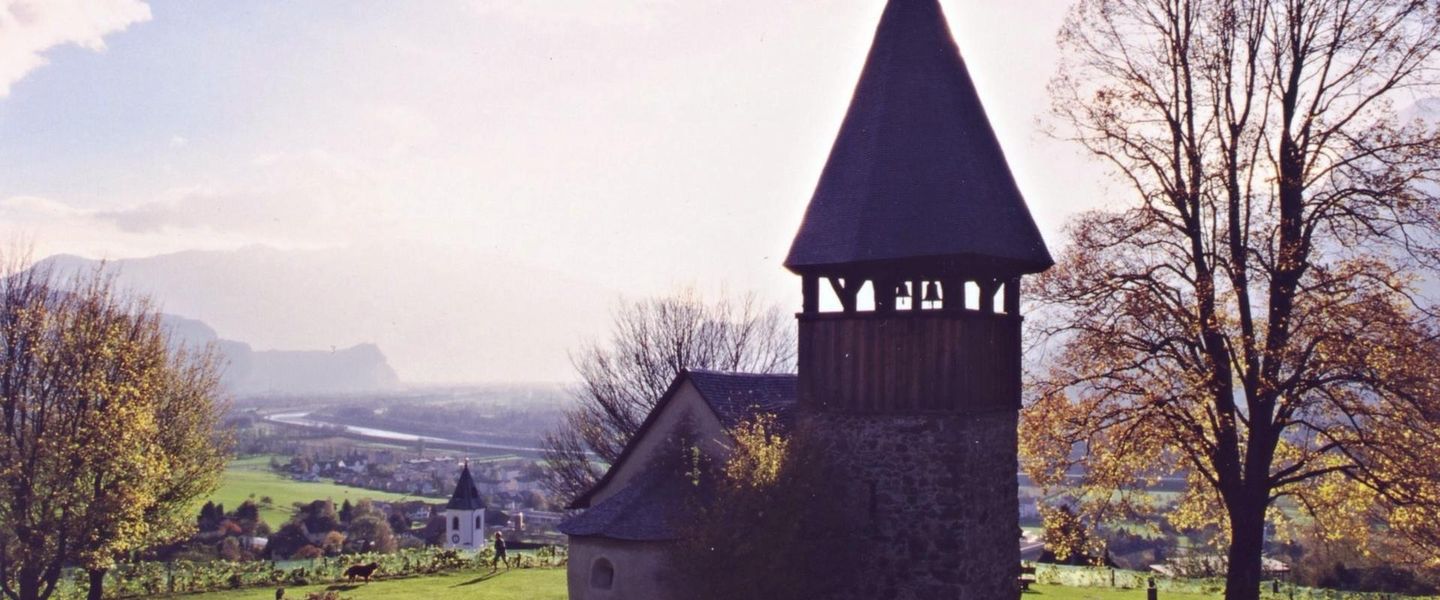


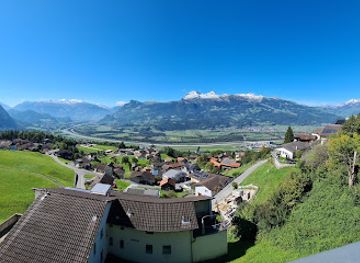
Triesen combines Liechtenstein village heritage, sunny vineyards, industrial culture and Alpine foothill walks in a quieter Rhine Valley setting.
Read more about Triesen Region
When is the best time to visit Triesen Region?
Best: June–August · 22–23°C| Month | High (°C) | Rainfall (mm) |
|---|---|---|
| January | 3 | 70 |
| February | 4 | 60 |
| March | 8 | 70 |
| April | 12 | 80 |
| May | 18 | 90 |
| June (best) | 22 | 100 |
| July (best) | 23 | 100 |
| August (best) | 23 | 90 |
| September | 19 | 80 |
| October | 15 | 70 |
| November | 9 | 80 |
| December | 4 | 80 |
Getting to and around Triesen Region
How to get there
Transportation
Top city travel guides in Triesen Region
The cities of Triesen Region, and the easiest places to base yourself.
-

-

-


Swipe for more cities
Destinations in Triesen Region
Resorts, valleys and scenic spots worth a trip of their own.
-

-
-
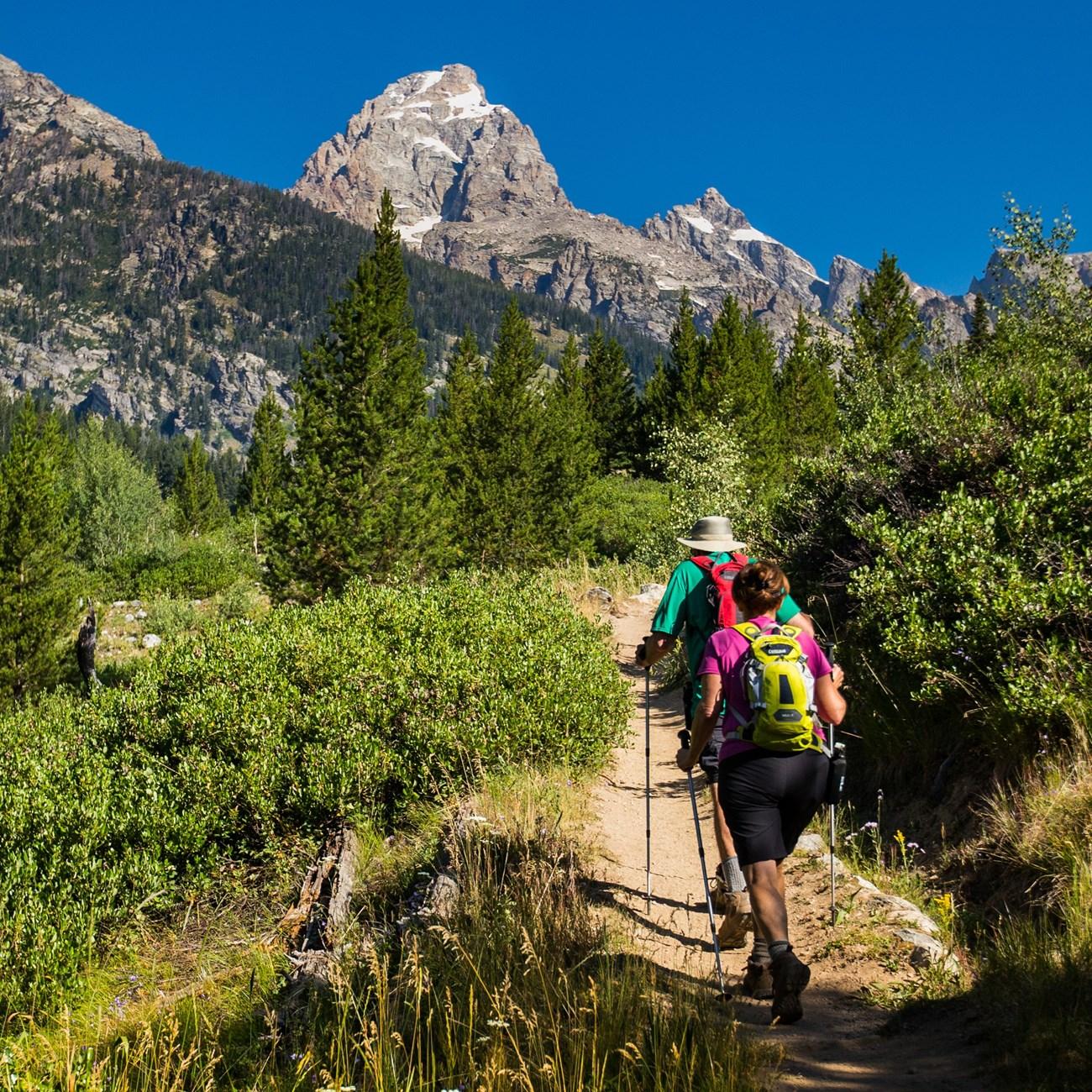 Princes' Way
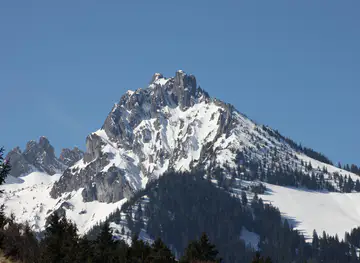
, Liechtenstein: hike the historic Fürstensteig above the Rhine Valley, with alpine ridges, mountain views and access from Gaflei.
-
-

-


Swipe for more destinations
Best attractions in Triesen Region
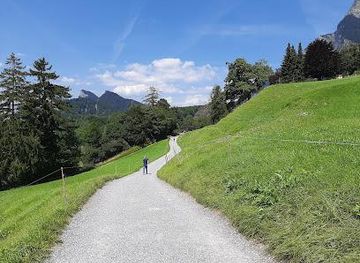
Triesen’s attractions are closely tied to its layered landscape rather than to a long list of major ticketed sites. The historic village centre and St Gallus parish church provide an introduction to the municipality’s religious and agricultural past, while vineyard paths on the sunny slopes offer gentle walking and broad views across the Rhine Valley. The Gasometer cultural centre, housed in a former industrial complex, adds exhibitions, performances and local cultural programming to the area’s heritage offer. Beyond the built-up districts, wooded slopes and mountain approaches create opportunities for walking and nature observation, with routes becoming more demanding as they rise towards Alpine terrain. Triesen is also well placed for exploring Liechtenstein’s compact valley corridor by bus or bicycle, although attractions in Vaduz, Balzers or Triesenberg belong to those neighbouring municipalities and should not be confused with Triesen itself. The appeal lies in seeing how parish life, wine growing, industrial development and contemporary residential settlement occupy the same small stretch of valley.
-
Tourist attraction
Heididorf
Experience the timeless charm of Heidi's world in the authentic Swiss village of Maienfeld, a perfect family destination.
-
Tourist attraction
Rope Park in the Forest
Experience a thrilling treetop adventure at Rope Park in the Forest, Triesen. Climb, zip, and explore nature's heights in Liechtenstein!
-
Tourist attraction
Wiaga Tunnel (alter Tunnel Steg)
Discover the historic Wiaga Tunnel in Triesenberg: a pedestrian passageway offering stunning views and a glimpse into Liechtenstein's past.
-
Tourist attraction
Tüüfelstaa
Discover the stunning landscapes and serene atmosphere of Tüüfelstaa, a must-visit tourist attraction in Triesen, Liechtenstein.


Best landmarks in Triesen Region
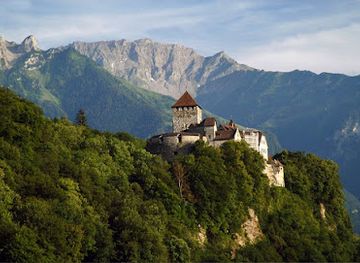
St Gallus parish church is Triesen’s principal architectural landmark, standing as a visible expression of the village’s long ecclesiastical history and its continuing role as a local centre. The surrounding older settlement contains traditional houses and agricultural buildings that help explain how the municipality developed before modern roads and industrial growth. The former industrial structures of the Gasometer form a different kind of landmark: their scale and materials recall Triesen’s textile and manufacturing era, while their cultural reuse illustrates the municipality’s contemporary identity. The vineyards on the slopes above the village are also a defining geographical landmark, marking the transition from the Rhine Valley floor to the wooded foothills. Together, these places create a compact sequence of religious, rural, industrial and landscape references rather than a collection of monumental castles or grand civic buildings.
-
Castle
Vaduz Castle
Explore the historical Vaduz Castle, a stunning symbol of Liechtenstein's heritage with breathtaking views and rich culture.
-
Castle
Schloss Werdenberg
Explore the enchanting Schloss Werdenberg, a medieval castle offering art exhibitions and breathtaking hiking trails amidst stunning Swiss scenery.
-
Live Music
Burg Gutenberg
Experience the heart of Liechtenstein at Burg Gutenberg, a historical castle and vibrant live music venue in Balzers.
-
Tourist information center
Liechtenstein Center
Explore the charm of Vaduz at the Liechtenstein Center—your gateway to discovering the rich culture, history, and attractions of Liechtenstein.


Explore Triesen Region on the map
Plan your trip on one map. See where the top cities, national parks and sights are, and book hotels and experiences in a few clicks.
Best hotels in Triesen Region
Best restaurants in Triesen Region
Dining in Triesen reflects Liechtenstein’s position within the Alpine Rhine region, with Swiss, Austrian and broader Central European influences visible alongside contemporary European cooking. Restaurants and cafés tend to serve practical regional fare, seasonal dishes, baked goods and familiar Alpine specialities rather than a narrowly defined Triesen cuisine. Local products may include Liechtenstein wines, dairy, bread and farm produce, while nearby market and agricultural networks contribute fruit, vegetables and meat to menus. Traditional inns and informal restaurants are useful places to encounter hearty dishes, whereas more modern establishments offer lighter and internationally influenced cooking. Dining options are more dispersed and less extensive than in a major city, so evening reservations can be sensible for popular restaurants and visitors staying outside the central valley corridor. Wine from Triesen’s slopes is a particularly apt local choice when available, linking the meal to one of the municipality’s most distinctive landscapes.
-
Restaurant
Berggasthaus Masescha
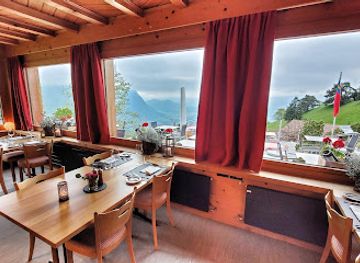
Discover culinary delights at Berggasthaus Masescha, where breathtaking alpine views meet traditional Liechtenstein cuisine.
-
Brasserie
Brasserie Burg
Discover delectable dishes at Brasserie Burg in Vaduz - where Italian flair meets classic brasserie charm amidst Liechtenstein's scenic beauty.
-
Family-friendly
Sareis
Discover the charm of Sareis in Malbun – where delightful dining meets stunning mountain views.
-
Swiss
Restaurant Forum
Experience authentic Swiss cuisine at Restaurant Forum in Schaan – delicious dishes at affordable prices await you.


Best bars in Triesen Region
Triesen’s evening life is modest and local rather than centred on a large club district. Pubs, hotel bars, cafés and restaurant lounges provide the main settings for a quiet drink or conversation, with the wider Liechtenstein nightlife concentrated more broadly around Vaduz and Schaan, both outside Triesen. Cultural programming at venues such as the Gasometer can add performances, exhibitions or community events, depending on the current schedule. Traditional inns and restaurants are generally more significant to the municipality’s evening culture than nightclubs, and late-night transport should be checked in advance if returning from another town. Liechtenstein’s compact distances make it possible to combine a Triesen dinner with an evening elsewhere, but the last bus may be earlier than visitors expect.
-
Gastropub
Kainer
Discover the flavors of Liechtenstein at Kainer, a charming gastropub in Triesenberg offering exquisite local cuisine and a cozy atmosphere.
-
Bar
Esquire Bar.Bistro
Experience the vibrant atmosphere and delightful cuisine at Esquire Bar.Bistro, Vaduz's premier destination for relaxation and local flavors.
-
Restaurant
Osteria Adler
Discover the authentic flavors of Triesen at Osteria Adler, where local ingredients meet culinary artistry in a warm, inviting atmosphere.
-
Restaurant
Zur Alten Eiche
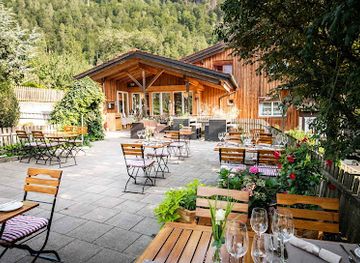
Discover the delightful Zur Alten Eiche, a family-friendly restaurant in Triesen with a charming beer garden and exceptional cuisine.


Best nightclubs in Triesen Region
Triesen’s evening life is modest and local rather than centred on a large club district. Pubs, hotel bars, cafés and restaurant lounges provide the main settings for a quiet drink or conversation, with the wider Liechtenstein nightlife concentrated more broadly around Vaduz and Schaan, both outside Triesen. Cultural programming at venues such as the Gasometer can add performances, exhibitions or community events, depending on the current schedule. Traditional inns and restaurants are generally more significant to the municipality’s evening culture than nightclubs, and late-night transport should be checked in advance if returning from another town. Liechtenstein’s compact distances make it possible to combine a Triesen dinner with an evening elsewhere, but the last bus may be earlier than visitors expect.
-
Bar
Esquire Bar.Bistro
Experience the vibrant culinary scene at Esquire Bar.Bistro in Vaduz, where exquisite dishes and a lively atmosphere await every visitor.
-
Restaurant
Zur Alten Eiche
Experience the enchanting flavors of Triesen at Zur Alten Eiche, a family-friendly restaurant perfect for dining and special celebrations.
-
Bar
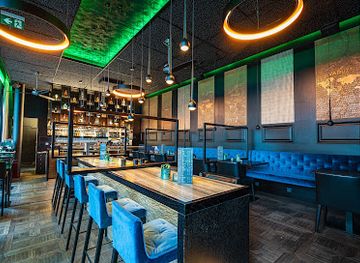
Zwei Bar
Experience the lively atmosphere and creative cocktails at Zwei Bar, Vaduz's social hub blending modernity with local culture.
-
Bar
Take 5 Vaduz
Discover Take 5 Vaduz: a vibrant bar in Triesen offering a delightful mix of drinks, ambiance, and local nightlife experiences for every traveler.

Best shops in Triesen Region
Shopping in Triesen is chiefly local and practical, with everyday shops, small businesses and services serving residents rather than a large visitor-oriented retail quarter. For regional purchases, look for Liechtenstein wines, farm products, confectionery, bread and locally made gifts in suitable shops, wineries or markets. The village and nearby settlements can also provide craft, design and cultural products connected with the principality, although selection varies and opening arrangements should be checked. Visitors seeking a broader concentration of boutiques, galleries and souvenir outlets may find more choice in Vaduz, outside Triesen, while larger general retail centres are spread along the Rhine Valley. Triesen’s most characteristic shopping experience is therefore finding local produce and wine within an ordinary working municipality, rather than browsing a purpose-built luxury district.
-
 Campground
Camping Mittagspitze AG
Discover the serene beauty of Liechtenstein at Camping Mittagspitze AG, a perfect outdoor haven for nature lovers and adventure seekers.
-
Farm
Lama- & Alpakahof Triesenberg
Discover the enchanting world of llamas and alpacas at Lama- & Alpakahof Triesenberg, a serene farm retreat in the heart of the Swiss Alps.
-
Coffee shop
American Bagel&Coffee Co.
Savor delicious bagels and coffee in Vaduz at the American Bagel&Coffee Co., a perfect spot for relaxation and local flavor.
-
Cafe
Bäckerei Guflina
Discover Bäckerei Guflina in Triesenberg, where delightful European pastries meet breathtaking views of Liechtenstein's stunning landscapes.


Get your free copy of our complete guide to Triesen Region, delivered straight to you.
Everything on this page, from attractions and restaurants to essentials and local phrases, in one PDF you can read offline, print or share.
Already have an account? Sign in
Your Triesen Region guide is ready.
We'll send it to · Not you? Sign out

Getting your guide ready…
We are putting together a fresh copy of the Triesen Region guide. This can take up to a minute.
This can take a few moments. If your browser asks, choose Allow so the download can start. You'll find the guide in your Downloads folder.
Nothing happened? Download it again
Sorry, the guide is taking longer than usual. Please try again in a minute, or get it by email instead.
Triesen Region essentials
Currency and Payment
Safety
Emergency Situations
Do's and Don'ts
Local Tips
From Eve
Local phrases worth knowing
You don't need to get them perfect. A few words go a long way, and locals appreciate the effort.
Basics
| English | Local | Say it |
|---|---|---|
| Hello | Hallo | [Hah-loh] |
| Goodbye | Adieu | [Ah-dyuh] |
| Yes | Ja | [Yah] |
| No | Nein | [Nine] |
| Please/You're welcome | Bitte | [Bitt-eh] |
| Thank you | Danke | [Dahn-keh] |
| Excuse me/Sorry | Entschuldigung | [Ent-shool-dee-goong] |
| How are you? | Wie geht's? | [Vee gates?] |
| Fine. And you? | Gut. Und dir? | [Gooot. Oond deer?] |
| Do you speak English? | Sprechen Sie Englisch? | [Shpre-khen zee English?] |
| I don't understand | Ich verstehe nicht | [Eekh fer-shteh-eh nikht] |
Eating & Drinking
| English | Local | Say it |
|---|---|---|
| I'd like to see the menu, please | Ich möchte die Speisekarte sehen, bitte | [Eekh murkh-teh dee Shpy-zeh-kahr-teh zeen, bitt-eh] |
| I don't eat meat | Ich esse kein Fleisch | [Eekh es-seh kine Flysh] |
| Cheers! | Prost! | [Prohst!] |
| I would like to pay, please | Ich möchte zahlen, bitte | [Eekh murkh-teh tsah-len, bitt-eh] |
Emergencies
| English | Local | Say it |
|---|---|---|
| Help! | Hilfe! | [Hihl-feh!] |
| Go away! | Geh weg! | [Gay vek!] |
| Call the Police! | Rufen Sie die Polizei! | [Roo-fen zee dee Poh-li-tsai!] |
| Call a doctor! | Rufen Sie einen Arzt! | [Roo-fen zee eye-nen Artst!] |
| I'm lost | Ich habe mich verirrt | [Eekh hah-beh mikh feh-ree-rt] |
| I'm ill | Ich bin krank | [Eekh bin krank] |
Shopping
| English | Local | Say it |
|---|---|---|
| I'd like to buy... | Ich möchte kaufen... | [Eekh murkh-teh kough-fen...] |
| I'm just looking | Ich schaue nur | [Eekh shou-eh noor] |
| How much is it? | Wie viel kostet es? | [Vee feel kos-tet es?] |
| That's too expensive | Das ist zu teuer | [Dahs ist tsu toy-er] |
| Can you lower the price? | Können Sie den Preis senken? | [Kurn-en zee den Preis sen-ken?] |
Time & Numbers
| English | Local | Say it |
|---|---|---|
| What time is it? | Wie spät ist es? | [Vee shpaht ist es?] |
| It's one o'clock | Es ist ein Uhr | [Es ist ine Oor] |
| Half past (10) | Halb (10) | [Hahlb (10)] |
| Morning | Morgen | [Mor-gen] |
| Afternoon | Nachmittag | [Nahk-mit-tahg] |
| Evening | Abend | [Ah-bent] |
| Yesterday | Gestern | [Ges-tern] |
| Today | Heute | [Hoy-teh] |
| Tomorrow | Morgen | [Mor-gen] |
| 1 | 1 | [Eins] |
| 2 | 2 | [Zwei] |
| 3 | 3 | [Drei] |
| 4 | 4 | [Vier] |
| 5 | 5 | [Fünf] |
| 6 | 6 | [Sechs] |
| 7 | 7 | [Sieben] |
| 8 | 8 | [Acht] |
| 9 | 9 | [Neun] |
| 10 | 10 | [Zehn] |
Transport & Directions
| English | Local | Say it |
|---|---|---|
| Where's a/the...? | Wo ist ein/das...? | [Vo ist ine/dahs...?] |
| What's the address? | Wie ist die Adresse? | [Vee ist dee Ah-dres-seh?] |
| Can you show me (on the map)? | Können Sie mir (auf der Karte) zeigen? | [Kurn-en zee meer (auf der Kar-teh) tsai-gen?] |
| When's the next (bus)? | Wann kommt der nächste (Bus)? | [Vahn komt der nayshteh (Boos)?] |
| A ticket (to ....) | Ein Ticket (nach ....) | [Ine Ti-ket (nahkh ....)] |
History of Triesen Region
Early settlement and Roman influence
The Rhine Valley around Triesen has supported settlement since prehistoric times, and archaeological evidence indicates activity in the wider area before and during the Roman period. Under Roman rule, the valley formed part of a connected Alpine landscape linked by roads, estates and river routes. Although little of the modern visitor experience resembles a Roman town, the pattern of settlement on the valley floor and the importance of routes through the Alpine Rhine region have much older foundations.
Medieval village and ecclesiastical development
Triesen emerged as a recognisable medieval settlement within the political and religious structures of the Rhine Valley. Its parish church, dedicated to St Gallus, reflects the long importance of ecclesiastical institutions in organising local communities, even though the present building represents later phases of construction and alteration. Medieval agriculture, vineyard cultivation and village-based landholding shaped the landscape that continued to influence Triesen well into the modern period.
From county to the Principality of Liechtenstein
The territory that became Liechtenstein was assembled from the Lordship of Schellenberg and the County of Vaduz, both acquired by the Liechtenstein family in the early eighteenth century. In 1719 Emperor Charles VI united them as the Principality of Liechtenstein. Triesen consequently became part of a small sovereign polity whose political centre lay nearby in Vaduz, while local life continued to be organised around farming, parish institutions and connections across the Rhine.
Agriculture, vineyards and traditional village life
For centuries Triesen’s economy relied heavily on agriculture, livestock, orchards and wine growing. The sunny slopes above the valley were particularly suited to vines, while the Rhine plain provided fields and grazing land. Flooding and the shifting course of the Rhine created longstanding challenges before major river regulation works stabilised the valley in the nineteenth century. Traditional houses, farm structures and vineyard terraces preserve aspects of this rural economy, even as most residents now work in modern industries and services.
Industrialisation and the textile era
During the nineteenth century, improved infrastructure and industrial investment began to change Triesen’s economy. Textile production became especially significant, and the former industrial buildings now associated with the Gasometer recall the period when factories brought wage employment and new urban influences to a previously agricultural community. Industrialisation altered the village’s social and physical form, helping create the mixed landscape of homes, workplaces, roads and cultural buildings visible today.
Modern prosperity and cultural continuity
Liechtenstein’s twentieth-century transformation from a largely rural principality into a high-income industrial and financial economy reshaped Triesen through residential growth, infrastructure and expanded public services. The municipality remains closely connected to the national economy while retaining local institutions, vineyards, religious heritage and cultural venues. Its present character is therefore neither purely historic nor wholly modern: it is a working municipality where older landscapes and buildings coexist with contemporary Liechtenstein.
Triesen Region in Photos
Browse through our photo collection highlighting the charm and character of the destination.
Neighbouring regions of Triesen Region
The closest regions to Triesen Region, if you have time for more than one.
-

-

-

-

-


Swipe for more regions
Explore more

Explore more of Liechtenstein
Discover the charm of Liechtenstein, a tiny Alpine principality offering medieval castles, stunning hiking trails, and a rich cultural heritage in the heart of Europe.
Explore Liechtenstein