

Free Klaipėda Region Travel Guide & Mobile App
Explore Klaipėda Region with free travel guides. Discover regional history, expert tips, proposed trips, and audio guides on web or mobile app.


Explore Klaipėda Region for Baltic port heritage, Curonian Spit dunes, lagoon villages, amber, bird-rich wetlands and Lithuania’s coastal resorts.
Read more about Klaipėda Region
When is the best time to visit Klaipėda Region?
Best: June–August · 18–20°C| Month | High (°C) | Rainfall (mm) |
|---|---|---|
| January | 1 | 50 |
| February | 1 | 40 |
| March | 5 | 45 |
| April | 10 | 40 |
| May | 15 | 45 |
| June (best) | 18 | 50 |
| July (best) | 20 | 60 |
| August (best) | 20 | 65 |
| September | 17 | 55 |
| October | 13 | 50 |
| November | 8 | 55 |
| December | 4 | 60 |
Getting to and around Klaipėda Region
How to get there
Transportation
Top city travel guides in Klaipėda Region
The cities of Klaipėda Region, and the easiest places to base yourself.

Swipe for more cities
Destinations in Klaipėda Region
Resorts, valleys and scenic spots worth a trip of their own.
-

-
-

-


Swipe for more destinations
Best attractions in Klaipėda Region
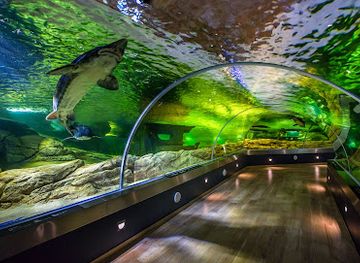
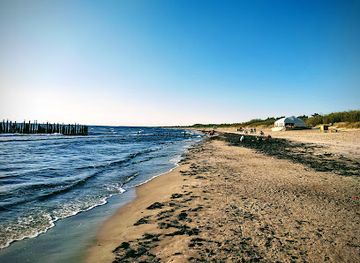
Klaipėda Region’s attractions range from maritime urban heritage to protected coastal and wetland landscapes. Klaipėda’s Old Town, Castle Museum area, harbour and Lithuanian Sea Museum in Smiltynė introduce the region’s seafaring history, while Palanga combines a broad beach with the Amber Museum and Botanical Park. The Curonian Spit is the region’s major natural and cultural landscape: visitors come for pine forests, lagoon villages, dune viewpoints, cycling routes and the open Baltic shore, particularly around Juodkrantė and Nida. South of Klaipėda, the Nemunas Delta Regional Park offers boat excursions, birdwatching and floodplain scenery, with Ventė Cape providing a focus for migration studies and observation. Kretinga adds manor-era architecture, gardens and museum collections, while smaller towns and villages reveal the continuing relationship between farming, fishing and the lagoon. Conditions and access can vary seasonally, so the region is best approached as a collection of connected journeys rather than a single concentrated sightseeing zone.
-
Tourist attraction
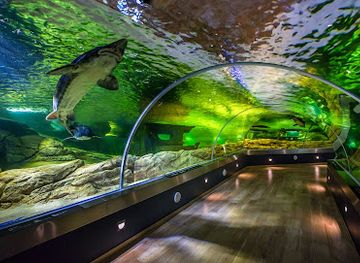
Lithuanian Sea Museum
Discover the maritime treasures of Lithuania at the Sea Museum in Klaipėda, where history and marine life come alive for every visitor.
-
Art museum
Palangos gintaro muziejus
Explore the enchanting world of amber at Palangos Gintaro Muziejus, a cultural gem nestled in the heart of Palanga, Lithuania.
-
Tourist attraction
Dino parkas Radailiai
Discover the wonder of the prehistoric era at Dino Parkas Radailiai, where adventure and education meet in a family-friendly amusement center.
-
Tourist attraction
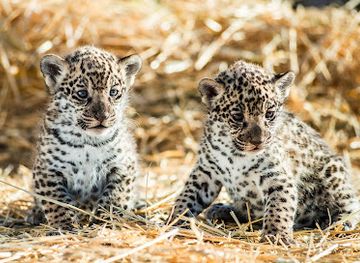
Klaipėdos zoologijos sodas
Experience the beauty of wildlife at Klaipėdos Zoologijos Sodas, a premier zoo in Lithuania dedicated to animal conservation and education.

Best landmarks in Klaipėda Region
Klaipėda’s Theatre Square, historic fachwerk warehouses and the surviving traces of Memel Castle provide the clearest architectural symbols of the region’s port history. Across the water in Smiltynė, the sea-facing setting of the Lithuanian Sea Museum and the former fishermen’s environment connect the city to the Curonian Spit. The spit itself is marked by the Great Dune near Nida, woodland-covered dunes, traditional lagoon settlements and the Hill of Witches near Juodkrantė, whose wooden sculptures interpret Lithuanian folk imagery. Palanga’s Tiškevičiai palace, now home to the Amber Museum, stands within a mature botanical landscape and represents the resort’s late nineteenth-century development. In the south, Ventė Cape lighthouse and bird-observation facilities symbolise the ecological importance of the Nemunas Delta, while Šilutė’s historic urban fabric reflects the region’s former market and administrative role. These landmarks are significant because they show, in physical form, the interaction of port commerce, coastal ecology, aristocratic resort culture and lagoon livelihoods.
-
Maritime museum
Lithuanian Sea Museum
Explore the maritime heritage and marine life at the Lithuanian Sea Museum in Klaipėda, a captivating destination for all sea lovers.
-
 National park
Curonian Spit National Park
Discover the natural beauty and cultural heritage of Curonian Spit National Park, a UNESCO World Heritage site with unique landscapes and rich biodiversity.
-
Ferry service
Old Ferry Terminal, North Horn
Explore the Old Ferry Terminal at North Horn in Klaipėda, your gateway to the stunning Curonian Spit and vibrant Baltic Sea experiences.
-
Bridge
Monkey Bridge
Explore the charm of Monkey Bridge in Palanga, Lithuania, where adventure meets tranquility amidst stunning natural beauty.
Explore Klaipėda Region on the map
Plan your trip on one map. See where the top cities, national parks and sights are, and book hotels and experiences in a few clicks.
Best hotels in Klaipėda Region
Best restaurants in Klaipėda Region
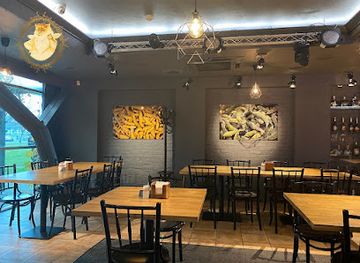
Dining in Klaipėda Region draws on both Lithuania’s wider culinary traditions and the particular produce of the coast and lagoon. Smoked fish, herring, freshwater species and rye-based foods are especially associated with maritime and lagoon communities, while seasonal vegetables, mushrooms and berries appear in home-style cooking and contemporary menus. Klaipėda has the broadest year-round choice, from cafés and traditional restaurants to modern kitchens, whereas Palanga and Neringa develop a strongly seasonal restaurant culture focused on visitors and seaside dining. Rural inns and small eateries around Šilutė and the Nemunas Delta may offer simpler local food, including fish when available. Lithuanian staples such as cepelinai, kugelis and šaltibarščiai are widely found, though they belong to the national repertoire rather than exclusively to the region. Look for farmers’ produce, smoked specialities and amber-coloured local drinks, and confirm opening arrangements outside the summer period.
-
Restaurant
Pepper Grey
Discover the culinary artistry of Lithuania at Pepper Grey – where local flavors meet modern innovation in an inviting atmosphere.
-
Restaurant
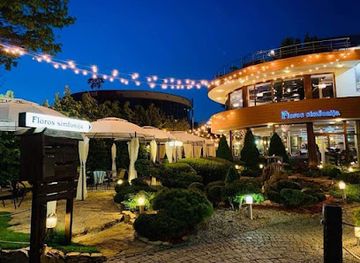
Floros Simfonija
Experience exquisite dining at Floros Simfonija in Palanga—where local flavors meet modern culinary art in a beautiful setting.
-
Restaurant
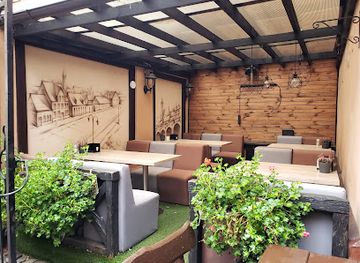
Kavinė Klaipėdos Senamiestis
Experience authentic Lithuanian flavors at Kavinė Klaipėdos Senamiestis, where every dish tells a story.
-
Restaurant
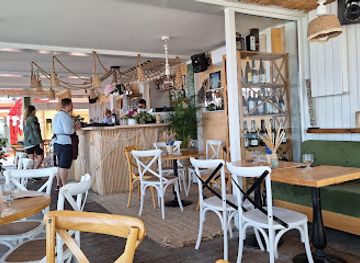
Baltas Ruonis
Discover authentic Lithuanian cuisine at Baltas Ruonis in Klaipėda—where fresh seafood meets traditional flavors in a charming setting.
Best bars in Klaipėda Region
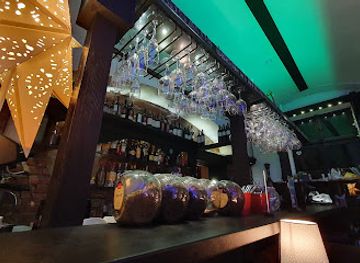
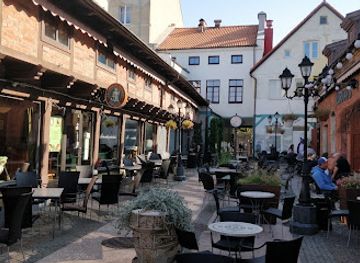
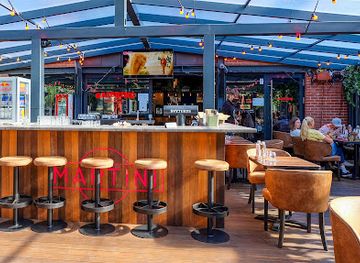
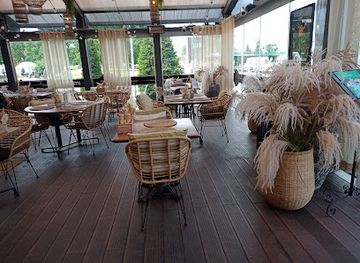
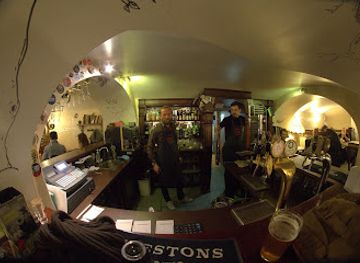
Evening life is concentrated in Klaipėda, Palanga and the larger resort settlements rather than spread evenly across the region. Klaipėda offers pubs, beer bars, cocktail venues, cafés and occasional live music around the Old Town and central streets, with a steadier year-round rhythm than the coastal resorts. Palanga becomes considerably busier in summer, when seafront bars, restaurants and entertainment venues extend into the evening. Nida and Juodkrantė are generally quieter, favouring hotel bars, cafés, restaurants and relaxed drinks rather than a large club scene. In smaller towns and the Nemunas Delta, traditional pubs and local restaurants are more typical than late-night venues. Seasonal events can alter the atmosphere, but opening arrangements change, so visitors should check locally instead of assuming that resort nightlife continues at full strength outside summer.
-
Restaurant
Kavinė Klaipėdos Senamiestis
Experience authentic Lithuanian cuisine at Kavinė Klaipėdos Senamiestis, a cozy restaurant in Klaipėda blending tradition with a warm ambiance.
-
Restaurant
Friedricho pasažas
Experience the rich culinary heritage of Lithuania at Friedricho Pasažas in Klaipėda, where traditional dishes meet modern flavors.
-
Restaurant
Gaisrinė | Restobaras
Experience the culinary delights of Gaisrinė Restobar in Klaipėda, where local flavors meet contemporary dining in a vibrant atmosphere.
-
Restaurant
Katpėdėlė
Experience authentic Lithuanian cuisine and vibrant nightlife at Katpėdėlė, a must-visit restaurant and bar in Klaipėda.
Best nightclubs in Klaipėda Region
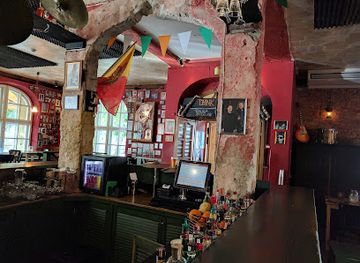
Evening life is concentrated in Klaipėda, Palanga and the larger resort settlements rather than spread evenly across the region. Klaipėda offers pubs, beer bars, cocktail venues, cafés and occasional live music around the Old Town and central streets, with a steadier year-round rhythm than the coastal resorts. Palanga becomes considerably busier in summer, when seafront bars, restaurants and entertainment venues extend into the evening. Nida and Juodkrantė are generally quieter, favouring hotel bars, cafés, restaurants and relaxed drinks rather than a large club scene. In smaller towns and the Nemunas Delta, traditional pubs and local restaurants are more typical than late-night venues. Seasonal events can alter the atmosphere, but opening arrangements change, so visitors should check locally instead of assuming that resort nightlife continues at full strength outside summer.
-
Bar
Faksas
Experience the vibrant nightlife at Faksas, Klaipėda's premier bar, where delightful drinks and lively music await every night.
-
Bar
Herkus Kantas
Discover the vibrant nightlife at Herkus Kantas, a live music bar in Klaipėda, offering delightful drinks and a warm atmosphere for all music lovers.
-
Bar
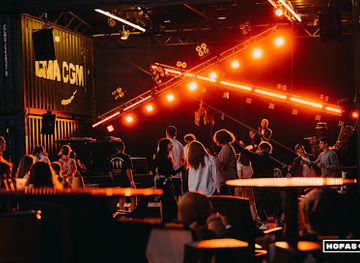
HOFAS
Experience the vibrant nightlife of Klaipėda at HOFAS, where delicious drinks and local culture meet in a lively atmosphere.
-
Bar
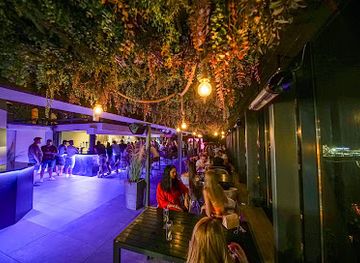
Sky 21 Terrace
Experience the vibrant nightlife and stunning views of Klaipėda at Sky 21 Terrace, the ultimate bar and concert hall destination.
Best shops in Klaipėda Region
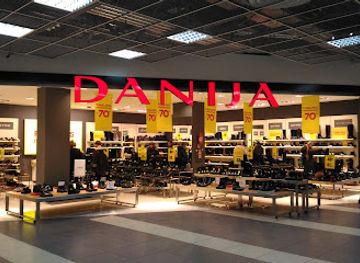
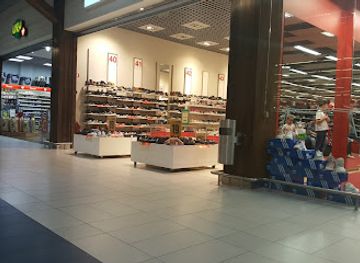
Shopping in Klaipėda centres on the Old Town and central streets, where independent boutiques, bookshops, galleries, cafés and everyday retail sit among historic buildings. Palanga has a more seasonal resort market, with seaside clothing, souvenirs, jewellery and amber products, while Nida and Juodkrantė offer smaller galleries and craft shops reflecting the Curonian Spit’s artistic identity. Amber is the region’s most recognisable purchase, but buyers should look for clear information about quality and provenance rather than assuming every beach-coloured stone is valuable Baltic amber. Markets and farm stalls in the wider region can provide smoked fish, honey, rye products and seasonal produce, subject to local trading days. Kretinga and Šilutė are useful for ordinary regional shopping and small-town services rather than extensive luxury retail. For crafts, look for textiles, woodwork, ceramics and locally made food products, while remembering that protected natural areas prohibit casual removal of amber, plants or other materials.
-
Shopping mall
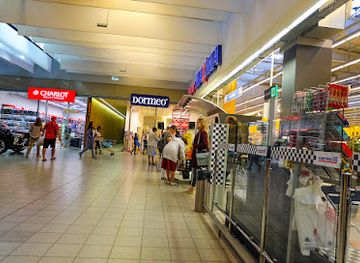
Akropolis Klaipėda
Experience the best of shopping, dining, and entertainment at Akropolis Klaipėda, a vibrant hub in Lithuania's coastal city.
-
National park
Curonian Spit National Park
Explore the stunning landscapes and rich biodiversity of Curonian Spit National Park, a UNESCO World Heritage site in Lithuania.
-
Shopping mall
MOLAS
Discover MOLAS, Klaipėda's premier shopping mall, where fashion, dining, and entertainment come together for an unforgettable experience.
-
Shopping mall
Banginis
Explore Banginis, Klaipeda's premier shopping mall, where retail therapy meets leisure in a vibrant and family-friendly environment.
Get your free copy of our complete guide to Klaipėda Region, delivered straight to you.
Everything on this page, from attractions and restaurants to essentials and local phrases, in one PDF you can read offline, print or share.
Already have an account? Sign in
Your Klaipėda Region guide is ready.
We'll send it to · Not you? Sign out

Getting your guide ready…
We are putting together a fresh copy of the Klaipėda Region guide. This can take up to a minute.
This can take a few moments. If your browser asks, choose Allow so the download can start. You'll find the guide in your Downloads folder.
Nothing happened? Download it again
Sorry, the guide is taking longer than usual. Please try again in a minute, or get it by email instead.
Klaipėda Region essentials
Currency and Payment
Safety
Emergency Situations
Do's and Don'ts
Local Tips
From Eve
Local phrases worth knowing
You don't need to get them perfect. A few words go a long way, and locals appreciate the effort.
Basics
| English | Local | Say it |
|---|---|---|
| Hello | Labas | [lah-bahs] |
| Goodbye | Viso gero | [vee-so geh-ro] |
| Yes | Taip | [type] |
| No | Ne | [neh] |
| Please/You're welcome | Prašau | [prah-show] |
| Thank you | Ačiū | [ah-choo] |
| Excuse me/Sorry | Atsiprašau | [ah-tsee-prah-show] |
| How are you? | Kaip sekasi? | [kai-p seh-kah-see] |
| Fine. And you? | Gerai. O kaip tu? | [geh-rye. oh kai-p too] |
| Do you speak English? | Ar kalbate angliškai? | [ar kahl-bah-teh ahn-glee-shee] |
| I don't understand | Aš nesuprantu | [ahsh neh-soo-prahn-too] |
Eating & Drinking
| English | Local | Say it |
|---|---|---|
| I'd like to see the menu, please | Norėčiau pamatyti meniu, prašau | [nor-ay-choo pah-mah-tee men-yoo, prah-show] |
| I don't eat meat | Aš nevalgau mėsos | [ahsh neh-vahl-gau meh-sohs] |
| Cheers! | Į sveikatą! | [ee svei-kah-tah] |
| I would like to pay, please | Noriu sumokėti, prašau | [nor-yoo soo-moh-keh-tee, prah-show] |
Emergencies
| English | Local | Say it |
|---|---|---|
| Help! | Pagalbos! | [pah-gahl-bos] |
| Go away! | Eik šalin! | [eyk shah-lin] |
| Call the Police! | Kvieti policiją! | [kvee-eh-tee poh-lee-tsi-yah] |
| Call a doctor! | Kvieti gydytoją! | [kvee-eh-tee gee-dih-toh-yah] |
| I'm lost | Aš pasiklydau | [ahsh pah-see-klee-dow] |
| I'm ill | Aš sergu | [ahsh sehr-goo] |
Shopping
| English | Local | Say it |
|---|---|---|
| I'd like to buy... | Norėčiau pirkti... | [nor-ay-choo peer-kee] |
| I'm just looking | Aš tik žiūriu | [ahsh teek zhoo-ree-oo] |
| How much is it? | Kiek tai kainuoja? | [kyek tie kahy-noy-ah] |
| That's too expensive | Tai per brangu | [tie per brahn-goo] |
| Can you lower the price? | Ar galite sumažinti kainą? | [ar gah-lee-teh soo-mah-zin-tee kahy-nah] |
Time & Numbers
| English | Local | Say it |
|---|---|---|
| What time is it? | Kiek valandų? | [kyek vah-lahn-doo] |
| It's one o'clock | Yra viena valanda | [ee-rah vee-eh-nah vah-lahn-dah] |
| Half past (10) | Pusė (dešimt) | [poo-seh (deh-sheemt)] |
| Morning | Rytas | [ree-tahs] |
| Afternoon | Pietūs | [pee-ay-toos] |
| Evening | Vakaras | [vah-kah-ras] |
| Yesterday | Vakar | [vah-kar] |
| Today | Šiandien | [shee-ahn-dyain] |
| Tomorrow | Rytoj | [ree-toy] |
| 1 | 1 | [vienas] |
| 2 | 2 | [du] |
| 3 | 3 | [trys] |
| 4 | 4 | [keturi] |
| 5 | 5 | [penki] |
| 6 | 6 | [šeši] |
| 7 | 7 | [septyni] |
| 8 | 8 | [aštuoni] |
| 9 | 9 | [devyni] |
| 10 | 10 | [dešimt] |
Transport & Directions
| English | Local | Say it |
|---|---|---|
| Where's a/the...? | Kur yra...? | [koor ee-rah] |
| What's the address? | Koks adresas? | [koks ah-dreh-sahs] |
| Can you show me (on the map)? | Ar galite parodyti (žemėlapyje)? | [ar gah-lee-teh pah-roh-dee-tee (zheh-meh-lah-pih-yeh)] |
| When's the next (bus)? | Kada bus kitas (autobusas)? | [kah-dah boos kee-tahs (ow-toh-boo-sahs)] |
| A ticket (to ....) | Bilietas (į ....) | [bee-lyeh-tahs (ee ....)] |
History of Klaipėda Region
Curonian Lagoon Communities and Amber Trade
Long before modern national borders, the western Baltic shore and Curonian Lagoon supported fishing, small-scale farming, hunting and trade. The Curonian Spit and lagoon settlements developed distinctive boat-building, fishing and architectural traditions, while amber from the Baltic coast circulated widely through prehistoric and later trading networks. Archaeological evidence across western Lithuania records contacts among Baltic communities and neighbouring peoples. The lagoon’s geography remained central to regional life: it offered transport and food, but also exposed settlements to storms, moving sand and periodic flooding.
The Foundation of Memel, 1252
In 1252 the Livonian branch of the Teutonic Order established Memel Castle at the mouth of the Danė River, creating the fortified settlement that developed into modern Klaipėda. The castle and port helped the order consolidate control over the Baltic coast and supported trade between the lagoon, inland Lithuania and the wider Baltic world. Although much of the medieval fortification has disappeared or survives archaeologically, the site explains Klaipėda’s long-standing strategic importance and its position at the meeting point of river, lagoon and sea routes.
Memel within Prussia and Germany
For centuries Klaipėda, known in German as Memel, belonged to the political world of Prussia and later Germany, while the surrounding coastal population included German-speaking and Lithuanian-speaking communities. The port expanded through timber, grain and other Baltic trade, and the town acquired much of the urban form visible in its historic centre today. The Curonian Spit and lagoon settlements also remained connected to East Prussian administrative and cultural networks. This period left a layered architectural and cultural legacy rather than a single uniform identity.
The Klaipėda Revolt and Incorporation into Lithuania, 1923
After the First World War, the Klaipėda Territory was placed under Allied administration, with France overseeing the port and surrounding area. In January 1923, Lithuanian forces and local supporters took control during the Klaipėda Revolt. The subsequent arrangement incorporated the territory into Lithuania while granting it a degree of autonomy. Klaipėda became the country’s principal maritime outlet, and the episode remains a defining moment in modern Lithuanian state-building and in the region’s complex relationship with German, Lithuanian and international political interests.
War, Displacement and Soviet Rule
Nazi Germany reoccupied the Klaipėda Territory in 1939, and the Second World War brought military destruction, persecution and the displacement of long-established communities. In 1945 the region was incorporated into the Soviet Union as part of the Lithuanian Soviet Socialist Republic. Many former inhabitants did not return, while newcomers from other parts of the Soviet Union and Lithuania changed the demographic character of Klaipėda and the coastal settlements. Soviet industrialisation strengthened the port and shipbuilding sector but also reshaped the shoreline and urban landscape.
The Port and Industrial Transformation
During the Soviet period and after the restoration of Lithuanian independence in 1990, Klaipėda developed as a major commercial port and centre of shipbuilding, logistics and industry. The port connects Lithuania with Baltic and northern European trade routes, while ferries and cruise services have strengthened its role as a gateway. Industrial facilities coexist with restored historic streets, waterfront public spaces and maritime museums. The contrast between working harbour, resort coast and protected wetlands is one of the region’s defining modern characteristics.
Conservation of the Curonian Spit and Nemunas Delta
The dunes, forests and lagoon settlements of the Curonian Spit became the focus of increasingly organised conservation during the twentieth century, culminating in national-park protection in Lithuania and international recognition of the spit as a shared cultural landscape. The Lithuanian section is part of a UNESCO World Heritage cultural site with the Russian section. The Nemunas Delta has likewise gained importance for wetland protection and bird migration. Conservation now shapes access, cycling, dune walking, building design and the management of seasonal visitor pressure.
Klaipėda Region in Photos
Browse through our photo collection highlighting the charm and character of the destination.
Neighbouring regions of Klaipėda Region
The closest regions to Klaipėda Region, if you have time for more than one.
-

-

-

-

-


Swipe for more regions
Explore more

Explore more of Lithuania
Discover Lithuania, a captivating blend of medieval charm, natural beauty, and vibrant culture, offering a unique and enriching travel experience in the heart of the Baltics.
Explore Lithuania