

Free Lithuanian Seaside Travel Guide & Mobile App
Explore Lithuanian Seaside with free travel guides. Discover regional history, expert tips, proposed trips, and audio guides on web or mobile app.


Discover the Lithuanian Seaside: Pristine beaches, charming towns, rich culture, and natural beauty along the Baltic coast await you.
Read more about Lithuanian Seaside
When is the best time to visit Lithuanian Seaside?
Best: June–August · 21–23°C| Month | High (°C) | Rainfall (mm) |
|---|---|---|
| January | 2 | 50 |
| February | 2 | 42 |
| March | 7 | 45 |
| April | 12 | 40 |
| May | 17 | 45 |
| June (best) | 21 | 50 |
| July (best) | 23 | 55 |
| August (best) | 22 | 60 |
| September | 18 | 55 |
| October | 13 | 50 |
| November | 7 | 55 |
| December | 2 | 60 |
Getting to and around Lithuanian Seaside
How to get there
Transportation
Top city travel guides in Lithuanian Seaside
The cities of Lithuanian Seaside, and the easiest places to base yourself.

Swipe for more cities
Destinations in Lithuanian Seaside
Resorts, valleys and scenic spots worth a trip of their own.
-

-
-

-


Swipe for more destinations
Best attractions in Lithuanian Seaside
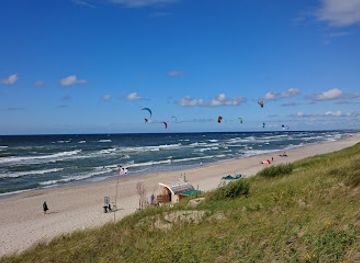
The Lithuanian Seaside boasts a unique blend of natural beauty and historical charm, making it an irresistible destination for visitors. The Curonian Spit, a UNESCO World Heritage site, offers stunning sand dunes and quaint fishing villages that feel like stepping back in time. Klaipėda, the vibrant port city, attracts with its rich maritime history, cobblestone streets, and the picturesque Old Town adorned with half-timbered houses. Palanga, renowned for its lively atmosphere, features the Botanical Park and Amber Museum, where you can uncover the mystical allure of Baltic amber. The pristine beaches along the Baltic Sea invite relaxation and adventure, with opportunities for water sports, cycling, and hiking. Nature enthusiasts will be captivated by the diverse wildlife in the coastal reserves, while those seeking tranquility can find solace in the serene coastal landscapes.
-
Catholic cathedral
Vilnius Cathedral
Discover the beauty and history of Vilnius Cathedral, a stunning architectural gem in the heart of Lithuania's capital, rich with cultural significance.
-
City park
Vingis Park
Vingis Park: A lush urban escape in Vilnius, perfect for outdoor adventures, cultural events, and serene relaxation by the river.
-
National park
Curonian Spit National Park
Explore the mesmerizing landscapes and diverse wildlife of Curonian Spit National Park, a UNESCO Heritage site in Lithuania.
-
History museum
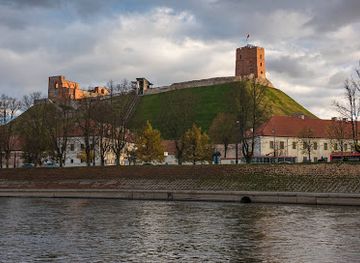
Gediminas Castle Tower
Discover the historic Gediminas Castle Tower in Vilnius, offering stunning views and a glimpse into Lithuania's rich cultural heritage.
Best landmarks in Lithuanian Seaside
The Lithuanian Seaside is a treasure trove of natural beauty and historical marvels. Visitors can stroll through the enchanting Curonian Spit, a UNESCO World Heritage site, where pristine beaches meet towering dunes and mysterious forests. The charming town of Nida offers a glimpse into traditional Lithuanian fishing culture and boasts the majestic Parnidis Dune with its sundial calendar. Klaipėda, the region's largest city, is a vibrant port town teeming with cultural attractions, including the historic Old Town with its half-timbered buildings and the fascinating Maritime Museum set within a 19th-century fortress. Don't miss the serene seaside resort of Palanga, known for its stunning Botanical Park and the Amber Museum housed in a 19th-century palace. Every corner of the Lithuanian Seaside beckons with its blend of natural splendor and rich heritage, promising a captivating experience for every traveler.
-
Castle
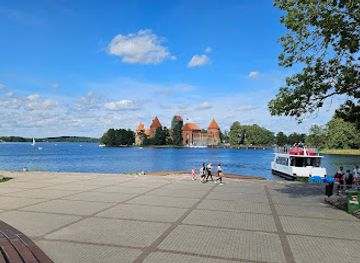
Trakai Island Castle
Explore the enchanting Trakai Island Castle, a medieval gem surrounded by stunning lakes and rich Lithuanian history, perfect for every traveler.
-
Catholic cathedral
Vilnius Cathedral
Discover the stunning Vilnius Cathedral, a masterpiece of architecture and history in the heart of Lithuania's capital, Vilnius.
-
City park
Vingis Park
Discover Vingis Park, Vilnius' premier urban park, offering stunning landscapes, recreational activities, and a vibrant atmosphere for all visitors.
-
Maritime museum
Lithuanian Sea Museum
Discover the rich marine life and maritime history at the Lithuanian Sea Museum, a top attraction in Klaipėda for families and ocean enthusiasts alike.
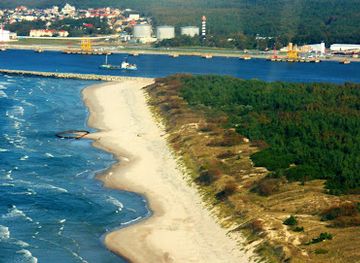
Explore Lithuanian Seaside on the map
Plan your trip on one map. See where the top cities, national parks and sights are, and book hotels and experiences in a few clicks.
Best hotels in Lithuanian Seaside
Best restaurants in Lithuanian Seaside
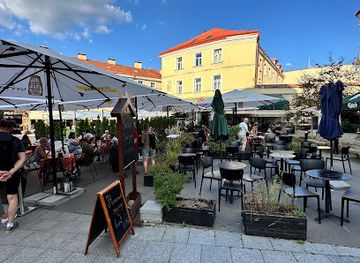
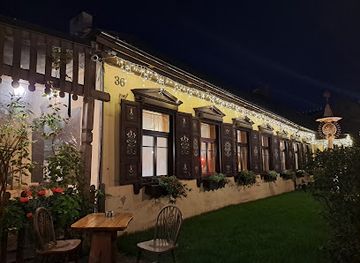
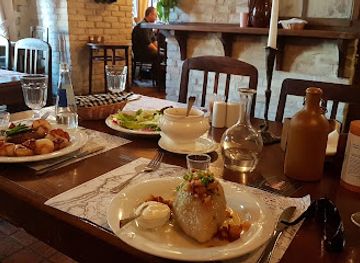
The Lithuanian Seaside offers an exquisite dining landscape that is as varied and vibrant as its scenic coastline. Visitors can indulge in freshly caught Baltic seafood, often served in quaint, rustic eateries that line the shore, or dive into the rich, hearty flavors of traditional Lithuanian dishes in charming, family-run taverns. Modern bistros and upscale restaurants provide a contemporary twist on local cuisine, with innovative chefs incorporating seasonal ingredients and gourmet techniques. From sipping on locally brewed craft beers in cozy pubs to enjoying sunset dinners with panoramic sea views, the culinary experience here is deeply rooted in the region's culture and natural bounty, promising a delightful adventure for the palate.
-
Lithuanian
Etno Dvaras
Savor authentic Lithuanian cuisine at Etno Dvaras - where tradition meets taste in the heart of Vilnius.
-
Lithuanian
Senoji trobelė
Discover authentic Lithuanian flavors at Senoji Trobelė, where tradition meets taste in a cozy Vilnius setting.
-
Lithuanian
Žemaičių ąsotis
Savor the essence of Lithuania at Žemaičių ąsotis, where traditional flavors meet warm hospitality.
-
Restaurant
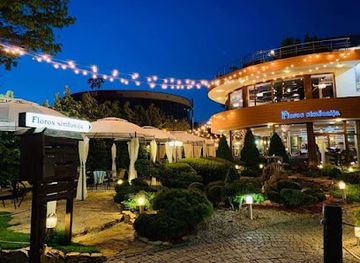
Floros Simfonija
Experience delightful cuisine at Floros Simfonija, Palanga's premier restaurant offering local flavors and stunning beachside views.
Best bars in Lithuanian Seaside
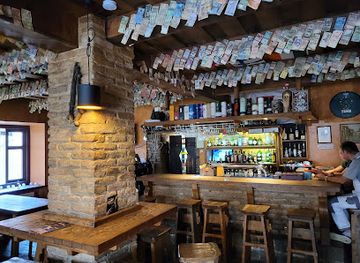
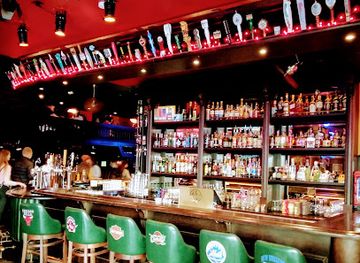
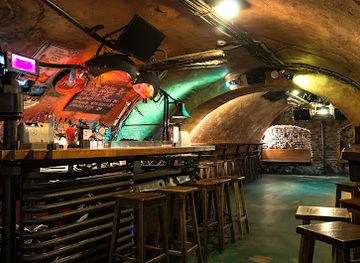
The nightlife scene of the Lithuanian Seaside is a vibrant blend of lively beach bars, chic nightclubs, and cozy pubs that cater to a wide range of tastes and preferences. Picture yourself sipping a cocktail at a stylish beachfront bar as the sun sets over the Baltic Sea, or dancing the night away to pulsating beats at a trendy nightclub in Palanga, where DJs spin a mix of international and local hits. For those seeking a more laid-back atmosphere, the charming town of Nida offers intimate venues with live music performances and a chance to mingle with the friendly locals. Whether you're a party enthusiast or someone looking for a more relaxed evening, the Lithuanian Seaside promises an unforgettable nightlife experience.
-
Pub
Būsi trečias
Discover the lively spirit of Vilnius at Būsi trečias, a trendy pub offering unique drinks and local flavors in a vibrant atmosphere.
-
Pub
Uncle Sam's American pub
Discover the flavors of America at Uncle Sam's American Pub in Vilnius, where vibrant atmosphere meets delicious food and local brews.
-
Restaurant
BIX Baras
Discover BIX Baras in Vilnius for a perfect blend of local cuisine and lively pub atmosphere, ideal for tourists and locals alike.
-
Pub
Džem'pub
Experience the vibrant nightlife of Kaunas at Džem'pub, where live music, great drinks, and a lively atmosphere await.
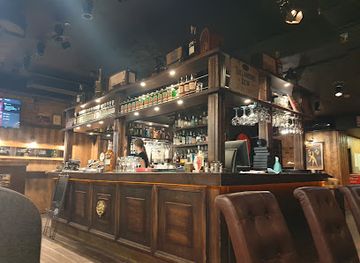
Best nightclubs in Lithuanian Seaside
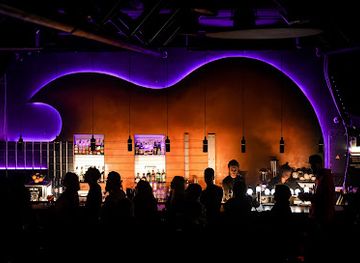
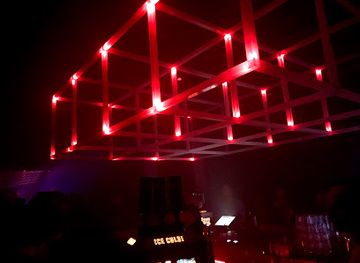
The nightlife scene of the Lithuanian Seaside is a vibrant blend of lively beach bars, chic nightclubs, and cozy pubs that cater to a wide range of tastes and preferences. Picture yourself sipping a cocktail at a stylish beachfront bar as the sun sets over the Baltic Sea, or dancing the night away to pulsating beats at a trendy nightclub in Palanga, where DJs spin a mix of international and local hits. For those seeking a more laid-back atmosphere, the charming town of Nida offers intimate venues with live music performances and a chance to mingle with the friendly locals. Whether you're a party enthusiast or someone looking for a more relaxed evening, the Lithuanian Seaside promises an unforgettable nightlife experience.
-
Night club
Tamsta Club
Discover the heart of Vilnius nightlife at Tamsta Club, a premier venue for live music, concerts, and unforgettable experiences.
-
Night club
Rumor Lounge & Club
Discover the pulsating nightlife of Vilnius at Rumor Lounge & Club, a top destination for dancing, drinks, and vibrant entertainment.
-
Night club
Lithuanian Wild Club, kaljano ir arbatos klubas
Discover the vibrant nightlife of Vilnius at the Lithuanian Wild Club, a unique hookah bar and nightclub offering unforgettable experiences.
-
Night club
Opium Club
Experience the vibrant nightlife of Vilnius at Opium Club, where electrifying beats and unforgettable parties await you.


Best shops in Lithuanian Seaside
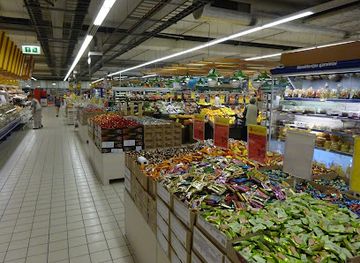
The Lithuanian Seaside offers an enchanting shopping experience that seamlessly blends the charm of its picturesque coastal towns with the rich tapestry of local culture. Visitors can stroll through bustling open-air markets, where the air is filled with the scent of fresh seafood and the vibrant colors of artisanal crafts. Boutique stores line the quaint, cobblestone streets, offering everything from unique amber jewelry—renowned in the region—to handcrafted textiles and pottery. For those seeking modern amenities, there are chic shopping centers that provide a mix of international and local brands. Don't miss the opportunity to explore the many pop-up shops and seasonal markets that feature exclusive, locally-made products, perfect for those looking to take home a piece of Lithuanian heritage.
-
Shopping mall
MEGA
Discover MEGA in Kaunas: The ultimate shopping mall experience with fashion, entertainment, and dining for all ages.
-
Shopping mall
Kauno AKROPOLIS
Experience Kaunas's premier shopping destination at Kauno AKROPOLIS – a hub of retail, dining, and entertainment for all ages.
-
Shopping mall
Ozas
Discover Ozas, Vilnius' premier shopping mall, where retail therapy meets entertainment in a vibrant atmosphere.
-
Shopping mall
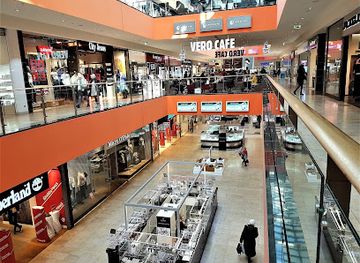
Shopping Center "Urmas", Kaunas
Explore the bustling Shopping Center Urmas in Kaunas, where shopping meets local culture and vibrant experiences await.

Get your free copy of our complete guide to Lithuanian Seaside, delivered straight to you.
Everything on this page, from attractions and restaurants to essentials and local phrases, in one PDF you can read offline, print or share.
Already have an account? Sign in
Your Lithuanian Seaside guide is ready.
We'll send it to · Not you? Sign out

Getting your guide ready…
We are putting together a fresh copy of the Lithuanian Seaside guide. This can take up to a minute.
This can take a few moments. If your browser asks, choose Allow so the download can start. You'll find the guide in your Downloads folder.
Nothing happened? Download it again
Sorry, the guide is taking longer than usual. Please try again in a minute, or get it by email instead.
Lithuanian Seaside essentials
Currency and Payment
Safety
Emergency Situations
Do's and Don'ts
Local Tips
From Eve
Local phrases worth knowing
You don't need to get them perfect. A few words go a long way, and locals appreciate the effort.
Basics
| English | Local | Say it |
|---|---|---|
| Hello | Labas | [lah-bahs] |
| Goodbye | Viso gero | [vee-so geh-ro] |
| Yes | Taip | [type] |
| No | Ne | [neh] |
| Please/You're welcome | Prašau | [prah-show] |
| Thank you | Ačiū | [ah-choo] |
| Excuse me/Sorry | Atsiprašau | [ah-tsi-prah-show] |
| How are you? | Kaip sekasi? | [kai-p seh-kah-see] |
| Fine. And you? | Gerai. O tu? | [geh-rai. oh too?] |
| Do you speak English? | Ar kalbate angliškai? | [ar kahl-bah-teh ahn-glee-ski?] |
| I don't understand | Aš nesuprantu | [ahsh neh-soo-prahn-too] |
Eating & Drinking
| English | Local | Say it |
|---|---|---|
| I'd like to see the menu, please | Norėčiau pamatyti meniu, prašau | [nor-eh-chow pah-mah-ti-tee men-yoo, prah-show] |
| I don't eat meat | Aš nevalgau mėsos | [ahsh neh-vahl-gau meh-sohs] |
| Cheers! | Į sveikatą! | [ee svei-kah-tah] |
| I would like to pay, please | Norėčiau sumokėti, prašau | [nor-eh-chow soo-mo-keh-tee, prah-show] |
Emergencies
| English | Local | Say it |
|---|---|---|
| Help! | Pagalba! | [pah-gahl-bah] |
| Go away! | Eik tolyn! | [eyk toh-leen] |
| Call the Police! | Kviečkite policiją! | [kvee-chkee-teh poh-lee-tsi-yah] |
| Call a doctor! | Kviečkite gydytoją! | [kvee-chkee-teh gee-dee-toh-yah] |
| I'm lost | Aš pasiklydau | [ahsh pah-see-klee-dow] |
| I'm ill | Aš sergu | [ahsh sehr-goo] |
Shopping
| English | Local | Say it |
|---|---|---|
| I'd like to buy... | Norėčiau pirkti... | [nor-eh-chow peer-ktee] |
| I'm just looking | Aš tik žiūriu | [ahsh tik zhoo-ree-oo] |
| How much is it? | Kiek tai kainuoja? | [kee-ehk tie kah-ee-nu-yah] |
| That's too expensive | Tai per brangu | [tie pehr brahn-goo] |
| Can you lower the price? | Ar galite sumažinti kainą? | [ar gah-lee-teh soo-mah-zin-ti kah-ee-nah] |
Time & Numbers
| English | Local | Say it |
|---|---|---|
| What time is it? | Kiek valandų? | [kee-ehk vah-lan-doo] |
| It's one o'clock | Yra viena valanda | [ee-rah vee-eh-nah vah-lan-dah] |
| Half past (10) | Pusvalandis (10) | [poos-vah-lan-dis (deh-sim)] |
| Morning | Rytas | [ree-tahs] |
| Afternoon | Popietė | [poh-pyeh-teh] |
| Evening | Vakaras | [vah-kah-ras] |
| Yesterday | Vakar | [vah-kar] |
| Today | Šiandien | [shee-ahn-dyen] |
| Tomorrow | Rytoj | [ree-toy] |
| 1 | 1 | [vienas] |
| 2 | 2 | [du] |
| 3 | 3 | [trys] |
| 4 | 4 | [keturi] |
| 5 | 5 | [penki] |
| 6 | 6 | [šeši] |
| 7 | 7 | [septyni] |
| 8 | 8 | [aštuoni] |
| 9 | 9 | [devyni] |
| 10 | 10 | [dešimt] |
Transport & Directions
| English | Local | Say it |
|---|---|---|
| Where's a/the...? | Kur yra...? | [koor ee-rah] |
| What's the address? | Koks adresas? | [koks ah-dre-sahs] |
| Can you show me (on the map)? | Ar galite man parodyti (žemėlapyje)? | [ar gah-lee-teh mahn pah-roh-dee-tee (zheh-meh-lah-pee-yeh)] |
| When's the next (bus)? | Kada bus kitas (autobusas)? | [kah-dah boos kee-tahs (ow-toh-boo-sahs)] |
| A ticket (to ....) | Bilietas (į ....) | [bee-lyeh-tahs (ee ....)] |
History of Lithuanian Seaside
The Prussian Period and the Teutonic Knights
In the 13th century, the Lithuanian Seaside area came under the influence of the Teutonic Knights, a military order from Prussia. The Knights built several fortifications along the coast to protect their trade routes and assert their dominance. The castles in Klaipėda (then known as Memel) and Palanga are remnants of this era, providing a glimpse into the region's medieval past.
The Founding of Klaipėda
Klaipėda, Lithuania's oldest city, was founded in 1252 by the Teutonic Knights. The city's strategic location at the mouth of the Akmena-Danė River made it an important port and trading hub. Over the centuries, Klaipėda changed hands multiple times, being ruled by the Duchy of Prussia, the Kingdom of Poland, and the Russian Empire, reflecting the turbulent history of the region.
The Curonian Spit and Curonian Tribes
The Curonian Spit is a unique geographical feature, a narrow sand dune peninsula stretching between Lithuania and Russia. Historically, it was inhabited by the Curonian tribes, a Baltic people known for their seafaring skills and fishing culture. The Curonians played a crucial role in shaping the local culture and traditions, many of which are still celebrated today.
The Interwar Period and Memel Territory
After World War I, the Treaty of Versailles created the Memel Territory, which included the Lithuanian Seaside. Initially under French administration, the region was annexed by Lithuania in 1923. This period saw significant economic and cultural development, including the establishment of new industries and the growth of tourism in towns like Palanga and Nida.
World War II and Soviet Occupation
During World War II, the Lithuanian Seaside was heavily impacted by the conflict. Klaipėda was annexed by Nazi Germany in 1939 and later suffered extensive damage during the war. After the war, the region was incorporated into the Soviet Union, leading to significant demographic changes and the introduction of Soviet architectural styles and industries.
Independence and Modern Era
With the collapse of the Soviet Union, Lithuania regained its independence in 1990. The Lithuanian Seaside underwent a period of revitalization, with efforts to restore historical landmarks, promote tourism, and preserve natural landscapes. Today, the region is known for its beautiful beaches, cultural festivals, and vibrant maritime heritage.
The UNESCO World Heritage Curonian Spit
In 2000, the Curonian Spit was designated a UNESCO World Heritage Site, recognizing its outstanding universal value. The Spit is celebrated for its unique natural environment, dynamic dunes, and cultural history. Conservation efforts have been crucial in maintaining its ecological balance and ensuring that both locals and visitors can enjoy its pristine beauty.
Lithuanian Seaside in Photos
Browse through our photo collection highlighting the charm and character of the destination.
Neighbouring regions of Lithuanian Seaside
The closest regions to Lithuanian Seaside, if you have time for more than one.
-

-

-

-

-


Swipe for more regions
Explore more

Explore more of Lithuania
Discover Lithuania, a captivating blend of medieval charm, natural beauty, and vibrant culture, offering a unique and enriching travel experience in the heart of the Baltics.
Explore Lithuania