

Free Northshore Travel Guide & Mobile App
Explore Northshore with free travel guides. Discover regional history, expert tips, proposed trips, and audio guides on web or mobile app.


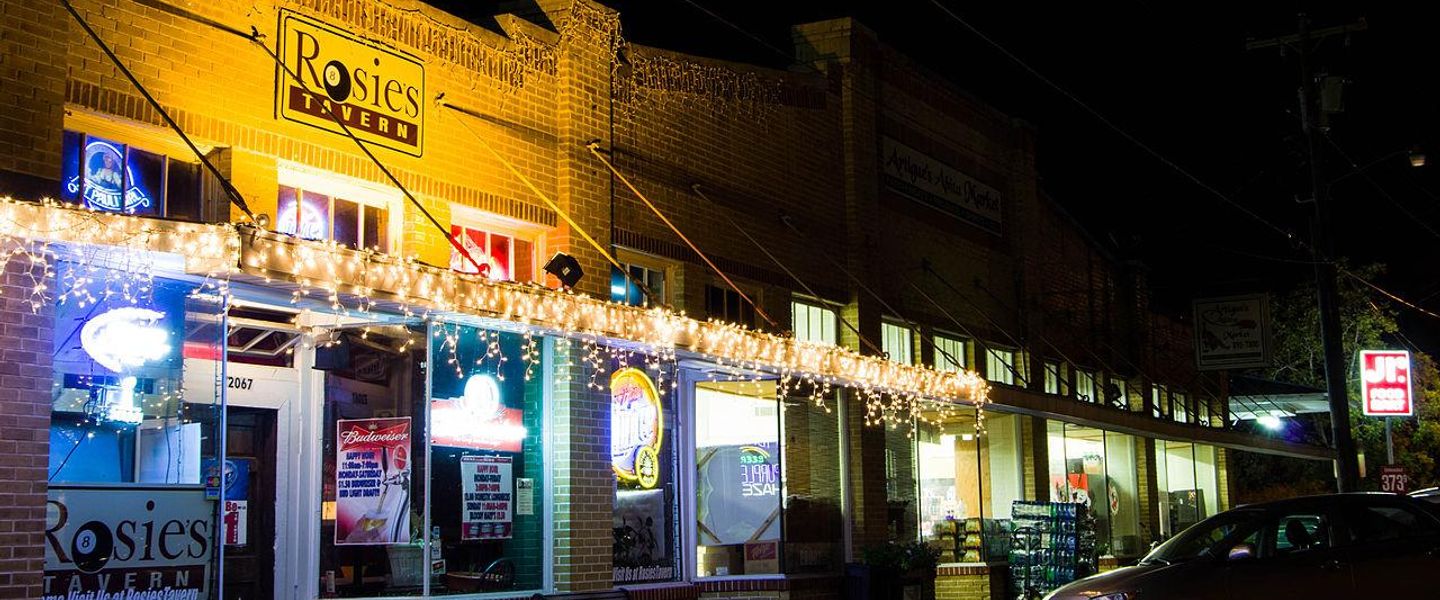


Explore Northshore Louisiana for lakefront towns, bayous, pine forests, historic communities, local food and outdoor adventures near New Orleans.
Read more about Northshore
Getting to and around Northshore
How to get there
Transportation
Top city travel guides in Northshore
The cities of Northshore, and the easiest places to base yourself.
-

-


Swipe for more cities
Destinations in Northshore
Resorts, valleys and scenic spots worth a trip of their own.
-

-

-


Swipe for more destinations
Best attractions in Northshore
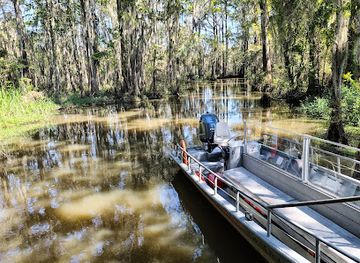
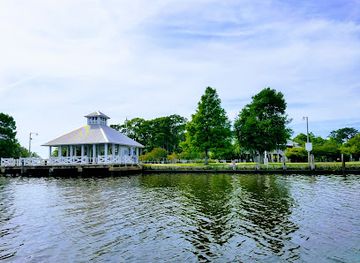
Northshore’s attractions range from lakefront recreation to forested nature areas and small-town cultural sites. Along Lake Pontchartrain, Mandeville’s lakefront and Madisonville’s maritime setting provide opportunities for walking, boating and birdwatching, while the Tchefuncte River connects the area to Louisiana’s working-waterfront history. The Bayou Lacombe Museum and the nearby Big Branch Marsh National Wildlife Refuge introduce visitors to local communities and wetland ecology. In Abita Springs, the Abita Mystery House presents an eccentric folk-art interpretation of regional life, while Covington offers galleries, historic streets and cultural venues. Hammond combines university-town energy with access to the agricultural landscapes of Tangipahoa Parish and the Tangipahoa Wildlife Management Area. Farther north, Washington Parish brings pine forests, rivers and the unusual sandstone formations of the Tunica Hills, best explored with suitable footwear and careful attention to weather. Farm stands, paddling routes, fishing locations and seasonal community events add a more local dimension to the formal attractions, making the region especially rewarding for visitors who divide their time between water, woodland, heritage and food.
-
Tour operator
Cajun Encounters Tour Company
Experience Louisiana's enchanting landscapes and vibrant culture with Cajun Encounters Tour Company, your gateway to unforgettable adventures.
-
 Tourist attraction
Jackson Square
Discover the charm of Jackson Square, an iconic park in New Orleans filled with history, art, and lively performances.
-
Tourist attraction
Fontainebleau State Park
Explore the beauty and history of Fontainebleau State Park, a natural paradise with trails, camping, and fishing on Lake Pontchartrain's shores.
-
Tourist attraction
Global Wildlife Center
Explore the diverse wildlife of Louisiana at Global Wildlife Center, an unforgettable safari experience with hands-on encounters and educational tours.

Best landmarks in Northshore
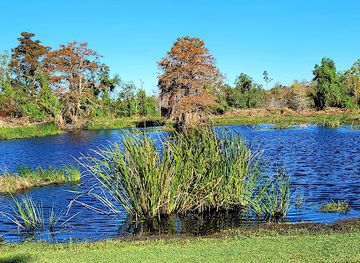
The Lake Pontchartrain Causeway is Northshore’s most recognisable modern landmark, stretching from the Mandeville area across the lake to the south shore and defining the region’s connection with greater New Orleans. Along the water, the Mandeville lakefront and the Tchefuncte River waterfront at Madisonville express the area’s maritime geography, while the historic centre of Covington preserves streetscapes and buildings associated with nineteenth-century commerce and civic development. The St Tammany Parish courthouse complex is a prominent feature of Covington’s civic landscape, and the Abita Springs Museum and surrounding historic community preserve memories of the town’s springs, rail connections and local folklore. In the north, the Tunica Hills’ sandstone bluffs and ravines form a natural landmark unlike the flatter lake and marsh country farther south. Big Branch Marsh and the Pearl River wetlands are less architectural but equally significant: their cypress, marsh and open-water habitats embody the ecological character that has long shaped settlement, work and recreation across Northshore.
-
Tour operator
Cajun Encounters Tour Company
Discover Louisiana's rich culture and wildlife with Cajun Encounters Tour Company: an immersive experience in the captivating bayous.
-
Historical landmark
Jackson Square
Explore the historic Jackson Square in New Orleans, a vibrant park surrounded by stunning architecture and rich cultural experiences.
-
State park
Fontainebleau State Park
Explore Fontainebleau State Park, a natural gem in Louisiana offering stunning landscapes, endless outdoor activities, and serene lakeside relaxation.
-
Historical place
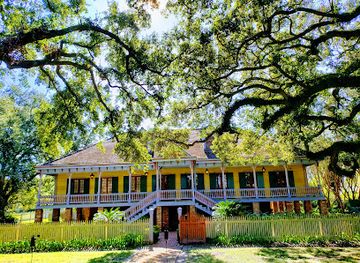
Laura Plantation: Louisiana's Créole Heritage Site
Explore the heart of Louisiana's Creole culture at Laura Plantation, a historical gem showcasing the rich heritage and stories of the region.
Explore Northshore on the map
Plan your trip on one map. See where the top cities, national parks and sights are, and book hotels and experiences in a few clicks.
Best hotels in Northshore
Best restaurants in Northshore
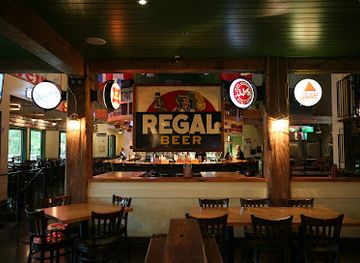
Northshore dining draws on Louisiana’s wider culinary traditions while reflecting its own lake, river and farming environments. Seafood is prominent, including crawfish, shrimp, oysters and locally sourced fish when available, while menus also feature gumbo, jambalaya, po’boys, boudin and other dishes shared across southern Louisiana. Around Mandeville, Madisonville and Slidell, restaurants often emphasise seafood and waterfront settings; Covington has a varied collection of independent cafés, casual restaurants and more polished dining rooms; and Hammond combines student-friendly food with regional cooking and produce from Tangipahoa’s agricultural hinterland. Rural inns, barbecue restaurants, bakeries and family-run cafés provide a different atmosphere from the lake towns. Farmers’ markets and roadside stands are useful for seasonal vegetables, fruit, baked goods and prepared foods, while local breweries and other small producers add contemporary touches. Visitors should distinguish Northshore produce and seafood from dishes marketed simply as generic Louisiana cuisine, as the region’s appeal lies in that blend of shared traditions and local supply.
-
Seafood
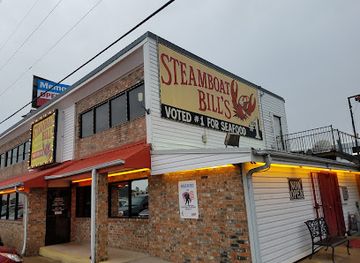
Steamboat Bill's on the Lake
Discover authentic Louisiana seafood at Steamboat Bill's on the Lake - where flavor meets tradition in every bite!
-
American
The Chimes Covington
Experience the best of American and contemporary Louisiana cuisine at The Chimes Covington - where flavor meets Southern hospitality.
-
Louisianan
Palmettos On The Bayou
Experience authentic Louisiana cuisine amidst scenic bayou views at Palmettos On The Bayou – a must-visit destination for food lovers.
-
Seafood
Middendorf's Slidell
Experience mouthwatering seafood at Middendorf's Slidell - home to unique catfish fillets and Southern hospitality.

Best bars in Northshore
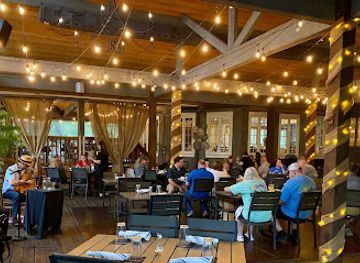
Evening life on Northshore is generally social and relaxed rather than dominated by large nightclubs. Covington, Mandeville, Slidell and Hammond have the broadest choice of bars, restaurants, breweries, live-music settings and late-evening cafés, with Hammond’s university population contributing a more youthful atmosphere in parts of the town. Historic-style pubs and neighbourhood bars are common places to meet, while lakefront communities offer restaurants and drinks near the water rather than a continuous seafront party district. Abita Springs is associated with local beer culture and community events, although arrangements vary and should be checked for the date of travel. In smaller rural communities, evenings tend to centre on family restaurants, informal bars, music and community gatherings. Nightlife is therefore best approached as a series of local scenes connected by driving, with a designated driver or other safe transport arranged in advance.
-
American
The Chimes Covington
Discover a taste of Louisiana at The Chimes Covington, where contemporary American cuisine meets a vibrant atmosphere.
-
Restaurant
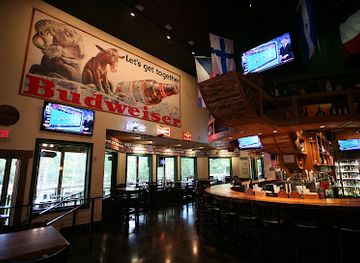
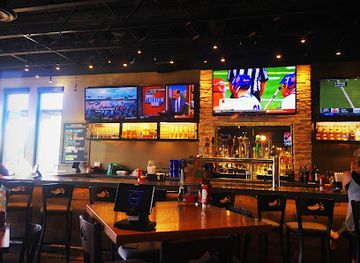
Walk-On's Sports Bistreaux - Covington Restaurant
Discover the vibrant atmosphere and delicious Southern cuisine at Walk-On's Sports Bistreaux in Covington, where every meal is a celebration of flavor and fun.
-
Grill
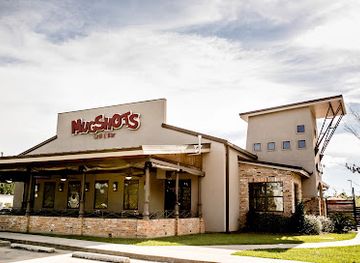
Mugshots Grill and Bar - Covington, LA
Savor the flavors of Louisiana at Mugshots Grill and Bar, where great food and sports unite in a family-friendly atmosphere.
-
Bar
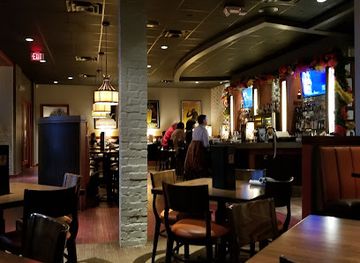
Chili's Grill & Bar
Discover the vibrant flavors of American and Tex-Mex cuisine at Chili's Grill & Bar in Covington, a perfect spot for families and friends.
Best nightclubs in Northshore
Evening life on Northshore is generally social and relaxed rather than dominated by large nightclubs. Covington, Mandeville, Slidell and Hammond have the broadest choice of bars, restaurants, breweries, live-music settings and late-evening cafés, with Hammond’s university population contributing a more youthful atmosphere in parts of the town. Historic-style pubs and neighbourhood bars are common places to meet, while lakefront communities offer restaurants and drinks near the water rather than a continuous seafront party district. Abita Springs is associated with local beer culture and community events, although arrangements vary and should be checked for the date of travel. In smaller rural communities, evenings tend to centre on family restaurants, informal bars, music and community gatherings. Nightlife is therefore best approached as a series of local scenes connected by driving, with a designated driver or other safe transport arranged in advance.
-
Night club
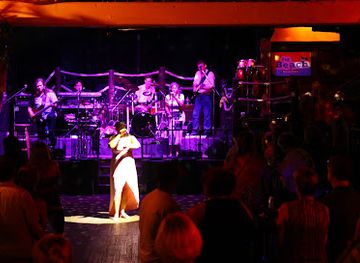
Beach On Bourbon
Experience the electrifying nightlife of New Orleans at Beach On Bourbon, your go-to destination for live music, dancing, and unforgettable memories.
-
Night club
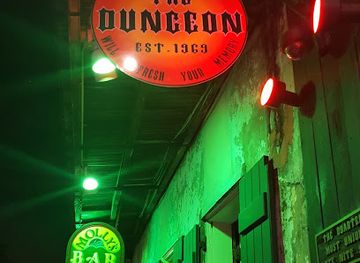
The Dungeon
Experience the electrifying atmosphere of The Dungeon, New Orleans' premier night club for rock music enthusiasts in the heart of the French Quarter.
-
Night club
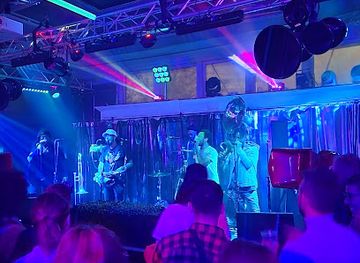
The Rabbit Hole
Experience the vibrant nightlife of New Orleans at The Rabbit Hole, a unique night club with live music, creative cocktails, and an eclectic atmosphere.
-
Night club
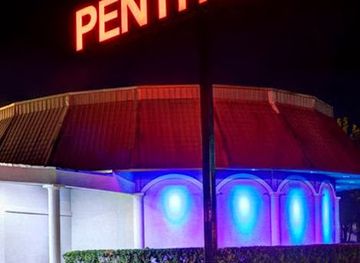
The Penthouse Club - Baton Rouge
Discover the vibrant nightlife at The Penthouse Club, Baton Rouge's premier adult entertainment destination with upscale ambiance and thrilling performances.
Best shops in Northshore
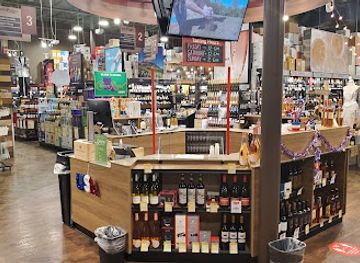
Shopping on Northshore is concentrated in independent town centres, suburban retail areas, markets and specialist food outlets rather than one dominant shopping district. Covington is the strongest base for galleries, antiques, books, homewares and independent boutiques, with a historic setting that makes browsing part of a town visit. Mandeville and Abita Springs offer smaller collections of craft, art and gift shops, while Slidell and Hammond provide larger everyday retail choices and practical shopping. Farmers’ markets and roadside stands are worthwhile for Louisiana produce, preserves, baked goods, seafood products and locally made foods, although selection varies by season and day. Regional souvenirs may include pottery, paintings, handmade objects, Louisiana cookbooks, locally produced beer and foodstuffs rather than mass-produced symbols alone. Visitors interested in antiques or art should allow time for several shops and check individual opening arrangements, especially in smaller communities. Large national retailers are available around the region, but Northshore’s more distinctive purchases usually come from artists, makers, growers and independent sellers.
-
Shopping mall
Nord du Lac
Discover Nord du Lac, the ultimate shopping mall in Covington, LA, blending diverse retail, dining, and entertainment options for every visitor.
-
Shopping mall
Premier Centre
Discover the vibrant shopping scene at Premier Centre in Mandeville, where retail therapy meets dining and entertainment in one exciting location.
-
Shopping mall
Northlake Shopping Center
Explore Northlake Shopping Center, where shopping, dining, and local culture come together in the heart of Mandeville, Louisiana.
-
Consignment shop
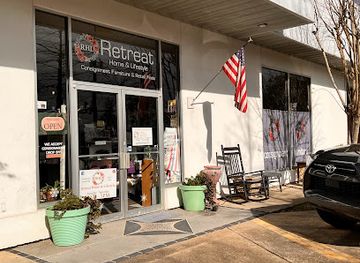
Retreat Home & Lifestyle
Explore Covington's finest consignment shop for unique home decor and lifestyle treasures that embody local culture and charm.


Get your free copy of our complete guide to Northshore, delivered straight to you.
Everything on this page, from attractions and restaurants to essentials and local phrases, in one PDF you can read offline, print or share.
Already have an account? Sign in
Your Northshore guide is ready.
We'll send it to · Not you? Sign out

Getting your guide ready…
We are putting together a fresh copy of the Northshore guide. This can take up to a minute.
This can take a few moments. If your browser asks, choose Allow so the download can start. You'll find the guide in your Downloads folder.
Nothing happened? Download it again
Sorry, the guide is taking longer than usual. Please try again in a minute, or get it by email instead.
Northshore essentials
Currency and Payment
Safety
Emergency Situations
Do's and Don'ts
Local Tips
From Eve
Local phrases worth knowing
You don't need to get them perfect. A few words go a long way, and locals appreciate the effort.
Basics
| English | Local | Say it |
|---|---|---|
| Hello | Bonjour | [Bohn-zhoor] |
| Goodbye | Au revoir | [Oh ruh-vwahr] |
| Yes | Oui | [Wee] |
| No | Non | [Nohn] |
| Please/You’re welcome | S'il vous plaît | [Seel voo pleh] |
| Thank you | Merci | [Mehr-see] |
| Excuse me/Sorry | Pardon | [Par-dohn] |
| How are you? | Comment ça va? | [Koh-mohn sah vah] |
| Fine. And you? | Bien. Et vous? | [Byehn. Eh voo?] |
| Do you speak English? | Parlez-vous anglais? | [Par-lay voo ahn-glay?] |
| I don't understand | Je ne comprends pas | [Zhuh nuh kom-prahn pah] |
Eating & Drinking
| English | Local | Say it |
|---|---|---|
| I’d like to see the menu, please | Je voudrais voir le menu, s'il vous plaît | [Zhuh voo-dray vwar luh meh-nu, seel voo pleh] |
| I don't eat meat | Je ne mange pas de viande | [Zhuh nuh mahnj pah duh vyahnd] |
| Cheers! | À votre santé! | [Ah vah-truh sahn-tay!] |
| I would like to pay, please | Je voudrais payer, s'il vous plaît | [Zhuh voo-dray pay-ay, seel voo pleh] |
Emergencies
| English | Local | Say it |
|---|---|---|
| Help! | Au secours! | [Oh suh-koor!] |
| Go away! | Allez-vous-en! | [Ah-lay voo-zahn!] |
| Call the Police! | Appelez la police! | [Ah-peh-lay lah poh-lees!] |
| Call a doctor! | Appelez un médecin! | [Ah-peh-lay uhn may-deh-sahn!] |
| I’m lost | Je suis perdu | [Zhuh swee pair-doo] |
| I’m ill | Je suis malade | [Zhuh swee mah-lahd] |
Shopping
| English | Local | Say it |
|---|---|---|
| I’d like to buy... | Je voudrais acheter... | [Zhuh voo-dray ah-she-tay...] |
| I’m just looking | Je regarde juste | [Zhuh ruh-gard zhoost] |
| How much is it? | C'est combien? | [Say kohm-byen?] |
| That’s too expensive | C'est trop cher | [Say troh shair] |
| Can you lower the price? | Pouvez-vous baisser le prix? | [Poo-vay voo beh-say luh pree?] |
Time & Numbers
| English | Local | Say it |
|---|---|---|
| What time is it? | Quelle heure est-il? | [Kel uhr eh-teel?] |
| It’s one o'clock | Il est une heure | [Il eht oon uhr] |
| Half past (10) | Dix heures et demie | [Deeze uhr eh duh-mee] |
| Morning | Matin | [Mah-tahn] |
| Afternoon | Après-midi | [Ah-pray mee-dee] |
| Evening | Soir | [Swahr] |
| Yesterday | Hier | [Ee-air] |
| Today | Aujourd'hui | [Oh-zhoor-dwee] |
| Tomorrow | Demain | [Duh-mahn] |
| 1 | Un | [Uhn] |
| 2 | Deux | [Duh] |
| 3 | Trois | [Trwah] |
| 4 | Quatre | [Kah-truh] |
| 5 | Cinq | [Sank] |
| 6 | Six | [Sees] |
| 7 | Sept | [Seht] |
| 8 | Huit | [Wheet] |
| 9 | Neuf | [Nuhf] |
| 10 | Dix | [Dee] |
Transport & Directions
| English | Local | Say it |
|---|---|---|
| Where's a/the...? | Où est un/une...? | [Oo eh uhn/eun...?] |
| What’s the address? | Quelle est l'adresse? | [Kel eh l'ah-dress?] |
| Can you show me (on the map)? | Pouvez-vous me montrer (sur la carte)? | [Poo-vay voo muh mohn-tray (sur lah kart)?] |
| When's the next (bus)? | Quand est le prochain (bus)? | [Kahn eh luh pro-shen (bus)?] |
| A ticket (to ....) | Un billet (pour....) | [Uhn bee-yay (poor....)] |
History of Northshore
Indigenous Homelands and Waterways
Long before European settlement, the lake, rivers and forests of the Northshore supported Indigenous communities whose lives were closely connected to fishing, hunting, gathering and movement along waterways. The region lies within the historic homelands and travel networks of peoples including the Acolapissa, Bayogoula, Choctaw and other Indigenous communities associated with southeastern Louisiana. Archaeological evidence across the wider area records longstanding occupation, while place names and surviving cultural knowledge preserve traces of this earlier landscape. Lake Pontchartrain and its tributaries were not barriers but routes through a complex wetland environment.
French and Spanish Colonial Louisiana
European influence expanded around Lake Pontchartrain during the eighteenth century as French Louisiana developed small settlements, plantations, trading links and religious institutions. Spain governed Louisiana for periods during the late eighteenth century, adding another layer to the region’s political and cultural history. Settlement remained dispersed because wetlands, streams and dense forests made movement difficult. The Tchefuncte and other waterways connected inland communities to the lake and to the larger Mississippi Valley, while the area’s population and traditions were shaped by Indigenous, African, French, Spanish and later Anglo-American influences.
American Statehood and Parish Development
Louisiana entered the United States through the Louisiana Purchase of 1803 and became a state in 1812. During the nineteenth century, the Northshore developed through the creation and reorganisation of parishes, plantation and small-farm agriculture, timber work, fishing and river commerce. Covington, Madisonville, Slidell and other settlements grew as local service and trading centres. The region’s old houses, churches, cemeteries and town grids reflect this period, although the surviving built record is only one part of a history also shaped by enslaved labour, free communities of colour, migration and changing land ownership.
Timber, Railways and Industrial Change
Forestry became especially important in the late nineteenth and early twentieth centuries as railways and improved roads opened the pine lands and river corridors to larger-scale timber extraction. Rail connections helped towns such as Hammond and Covington exchange agricultural and forest products with New Orleans and other markets. Sawmills, turpentine production, farming and related trades contributed to local economies, while rail travel altered the pattern of settlement. The region’s present mixture of wooded countryside, market towns and transport corridors owes much to these industrial and agricultural transformations.
Lake Pontchartrain Crossings and Suburban Growth
The opening of the Lake Pontchartrain Causeway in 1956, followed by the completion of the second parallel span in 1969, transformed travel between the Northshore and the New Orleans metropolitan area. Communities such as Mandeville, Covington and Slidell experienced substantial residential and commercial growth as commuting became easier. This brought new infrastructure and population, but also increased pressure on wetlands, roads and historic centres. The causeway remains both a major transport link and one of the defining structures of the regional landscape.
Hurricane Katrina and Regional Recovery
Hurricane Katrina struck southeastern Louisiana in August 2005, causing severe flooding, wind damage and displacement across the Northshore, particularly in low-lying communities near Lake Pontchartrain and the Pearl River. Recovery affected homes, businesses, public facilities, wetlands and historic buildings for years afterwards. The disaster also highlighted the region’s dependence on bridges, drainage systems and coastal ecosystems. Rebuilding and resilience efforts have since formed an important part of contemporary Northshore life, alongside continued debate about wetland protection, storm risk and development.
Conservation, Heritage and Contemporary Culture
In recent decades, Northshore communities have increasingly promoted their waterways, wildlife habitats, historic districts, arts organisations, food producers and independent businesses as interconnected regional assets. Protection of places such as Big Branch Marsh National Wildlife Refuge reflects growing recognition of the ecological value of wetlands, while historic preservation and cultural programming have strengthened town centres in communities including Covington and Abita Springs. The modern Northshore therefore combines suburban links to New Orleans with a renewed emphasis on local landscapes, small-town identity and outdoor recreation.
Northshore in Photos
Browse through our photo collection highlighting the charm and character of the destination.
Neighbouring regions of Northshore
The closest regions to Northshore, if you have time for more than one.
-
-

-

-

-


Swipe for more regions
Explore more

Explore more of Louisiana
Discover Louisiana: A melting pot of cultures, flavors, and music in the heart of the American South. Experience the vibrant heritage and natural beauty of the Bayou State.
Explore Louisiana