

Grand Isle State Park, Louisiana Travel Guide
Discover the serene beauty of Grand Isle State Park, where pristine beaches, abundant wildlife, and outdoor adventures await in Louisiana's coastal paradise.
Nestled on a barrier island in the Gulf of Mexico, Grand Isle State Park in Louisiana offers a unique blend of pristine beaches, rich wildlife, and tranquil nature. This picturesque destination is known for its stunning sunsets, making it a perfect getaway for those looking to escape the hustle and bustle of city life. The park is a haven for outdoor enthusiasts. Visitors can enjoy fishing, crabbing, and birdwatching, with over 280 species of birds observed throughout the island. The waters surrounding Grand Isle are teeming with marine life, making it a popular spot for anglers. Nature trails wind through the park, providing an opportunity to explore the local flora and fauna. The Grand Isle Butterfly Dome is a must-see, offering a close-up view of various butterfly species. For those who prefer a more relaxed experience, the sandy shores invite you to sunbathe or take a leisurely swim in the warm Gulf waters. Camping is another highlight of Grand Isle State Park. With both tent and RV sites available, visitors can spend the night under the stars, lulled to sleep by the gentle sound of the waves. The park also hosts several events throughout the year, including the renowned Grand Isle Migratory Bird Celebration, attracting nature lovers from far and wide.

Know before you go
Hi, I'm Eve. Here are a few practical things to know before exploring Grand Isle State Park.
- Visit during spring or fall for the best birdwatching opportunities.
- Bring insect repellent; mosquitoes can be prevalent, especially in the summer.
- Check the local fishing regulations before casting your line.
- Reserve your camping spot in advance, particularly during peak seasons.
- Explore the Grand Isle Butterfly Dome for a unique experience.
Explore Grand Isle State Park: Things to Do, Places to Eat, Hotels & More
Handpicked recommendations for top attractions, local dining, accommodations, and more

Best attractions in Grand Isle State Park
Top-rated picks
Best Attractions

Fontainebleau State Park
Explore Fontainebleau State Park: A Natural Oasis of Hiking, Fishing, and Historical Wonders in Louisiana's Scenic Landscape.

Elmer's Island Wildlife Refuge
Explore the rich biodiversity and serene landscapes of Elmer's Island Wildlife Refuge in Louisiana, a paradise for nature lovers and wildlife enthusiasts.

Grand Isle Marina
Experience the beauty and adventure of Grand Isle Marina, a premier destination for fishing, boating, and coastal relaxation in Louisiana.

Elmer's Island Beach
Explore the breathtaking beauty and diverse wildlife at Elmer's Island Beach, a serene escape on the Louisiana Gulf Coast.

Best landmarks in Grand Isle State Park
Top-rated picks
Best Landmarks

Elmer's Island Wildlife Refuge
Explore the untouched beauty of Elmer's Island Wildlife Refuge, a serene coastal paradise filled with diverse wildlife and breathtaking landscapes.

Elmer's Island Beach
Explore Elmer's Island Beach: A Wildlife Refuge in Grand Isle, Louisiana, Perfect for Nature Lovers and Beach Enthusiasts.

Grand Isle Beach
Experience the tranquil beauty and vibrant wildlife at Grand Isle Beach, a perfect coastal escape in Louisiana for families and nature lovers.

Fort Livingston
Discover the historic Fort Livingston on Grand Terra Island, a stunning fortress with rich history and breathtaking coastal views in Louisiana.

Best restaurants in Grand Isle State Park
Top-rated picks
Best Restaurants

Starfish Restaurant
Experience authentic Louisiana seafood at Starfish Restaurant in Grand Isle - where every bite tells a story of coastal culinary excellence.

Hurricane Hole
Experience authentic Louisiana seafood at Hurricane Hole in Grand Isle - where fresh catches meet vibrant coastal charm.

Yum's
Discover Yum's in Grand Isle – where authentic Louisiana cuisine meets warm hospitality in a charming coastal setting.

Jo-Bob's Gas & Grill
Experience local flavors at Jo-Bob's Gas & Grill in Grand Isle – where great food meets Southern hospitality.

Best bars in Grand Isle State Park
Top-rated picks
Best Bars

Tommy’s Bar & Restaurant
Discover the lively charm of Tommy's Bar & Restaurant in Grand Isle, Louisiana - a perfect blend of local cuisine and vibrant atmosphere.

Hurricane Hole
Discover the vibrant flavors of the Gulf at Hurricane Hole, Grand Isle's premier seafood restaurant, where fresh catches meet local hospitality.

Cisco's Hideaway Lounge
Discover Cisco's Hideaway Lounge in Grand Isle, a lively bar offering delicious drinks, friendly service, and an authentic local atmosphere.

Native Island Daiquiri
Discover the refreshing flavors of Native Island Daiquiri in Grand Isle, LA—your perfect tropical escape for delicious cocktails and vibrant local culture.

Best nightclubs in Grand Isle State Park
Top-rated picks
Best Nightclubs

Tommy’s Bar & Restaurant
Discover the flavors of Louisiana at Tommy's Bar & Restaurant in Grand Isle, where delicious food and a friendly atmosphere await.

Cisco's Hideaway Lounge
Experience the lively atmosphere at Cisco's Hideaway Lounge in Grand Isle, where great drinks, pool, and live music come together in a local favorite bar.

Native Island Daiquiri
Discover the tropical oasis of Native Island Daiquiri in Grand Isle, Louisiana, where refreshing cocktails and a vibrant atmosphere await.

Pirate Island Daiquiri
Discover the laid-back charm and delicious daiquiris at Pirate Island Daiquiri, the perfect bar experience in Grand Isle, Louisiana.

Best shops in Grand Isle State Park
Top-rated picks
Best Shops

Grand Isle State Park
Experience the tranquility and natural beauty of Grand Isle State Park, a coastal paradise for outdoor enthusiasts and nature lovers in Louisiana.

Grand Isle Supermarket
Experience the heart of Grand Isle at Grand Isle Supermarket, your go-to spot for local groceries and fresh seafood in Louisiana.

Explore Grand Isle State Park on the Map
A handpicked selection of must-see spots in Grand Isle State Park, mapped for you.
Grand Isle State Park Essentials
-
Grand Isle State Park is located at the southern tip of Grand Isle, Louisiana. The closest major city is New Orleans, about a two-hour drive away. From New Orleans, you can rent a car and take LA-1 S towards Grand Isle. Alternatively, there are private shuttle services that offer transport to the island. There are no public transportation options directly to the park, so renting a car or using a shuttle service is recommended.
-
Once on Grand Isle, transportation options are limited. The island is small, and many of its attractions are within walking distance. Bicycles are a popular way to get around and can be rented from various locations on the island. For those who prefer driving, car rentals are available, though parking can be limited near popular spots. There is no public bus service on the island.
-
The official currency in the United States is the US Dollar (USD). Credit and debit cards are widely accepted at most establishments on Grand Isle, including restaurants, shops, and hotels. However, it's advisable to carry some cash for smaller vendors or in case of electronic payment issues. ATMs are available on the island for cash withdrawals.
-
Grand Isle is generally a safe destination for tourists. However, it is always wise to take standard precautions. Avoid leaving valuables in plain sight in your vehicle and be cautious when walking alone at night. While Grand Isle itself has a low crime rate, it is still important to stay vigilant. Areas outside of the park, especially in some parts of New Orleans, have higher crime rates targeting tourists, so it's best to stay cautious when traveling through these areas.
-
In case of an emergency, dial 911 for immediate assistance. Grand Isle has a local police department and a volunteer fire department. For medical emergencies, there is a local clinic on the island, but for more serious medical issues, you may need to be transported to a larger hospital on the mainland. It is highly recommended to have travel insurance that covers medical emergencies.
-
Fashion: Do dress comfortably and appropriately for the beach and outdoor activities. Lightweight clothing and sun protection are essential. Religion: Grand Isle has a predominantly Christian population, but there are no specific religious customs tourists need to follow. Public Transport: As there is no public transport, plan your travel arrangements ahead of time. Greetings: Do greet locals with a friendly 'hello' or 'hi'. Southern hospitality is appreciated. Eating & Drinking: Do try local seafood delicacies; they are a highlight of the island. Don't forget to tip service staff, as it is customary in the United States.
-
To experience Grand Isle like a local, visit the local seafood markets and try fresh catches of the day. Participate in local events, such as the Grand Isle Tarpon Rodeo, one of the oldest fishing tournaments in the United States. Explore the nature trails in the state park and take advantage of the excellent bird-watching opportunities. Engage with locals to learn about the island's history and get recommendations for hidden gems.
When is the best time to visit Grand Isle State Park?
Useful Local Phrases for Grand Isle State Park
You don't need to speak the language perfectly. Even learning a few simple words can make conversations warmer—and locals usually appreciate the effort.
— Eve

Here are the phrases I use most often in Grand Isle State Park. Try a few—you'll be surprised how far they go! 😊
❤️
-
- HelloBonjour
[bon-zhoor] - GoodbyeAu revoir
[oh ruh-vwah] - YesOui
[wee] - NoNon
[nohn] - Please/You're welcomeS'il vous plaît/De rien
[seel voo pleh/dee ryehn] - Thank youMerci
[mehr-see] - Excuse me/SorryExcusez-moi/Désolé
[ex-kew-zay-mwah/day-zoh-lay] - How are you?Comment ça va?
[koh-mohn sah vah] - Fine. And you?Bien. Et vous?
[byen. ay voo] - Do you speak English?Parlez-vous anglais?
[par-lay voo ahn-glay] - I don't understandJe ne comprends pas
[zhuh nuh kohm-prahnd pah]
- HelloBonjour
-
- I'd like to see the menu, pleaseJe voudrais voir le menu, s'il vous plaît
[zhuh voo-dray vwahr luh meh-nyoo, seel voo pleh] - I don't eat meatJe ne mange pas de viande
[zhuh nuh mahnj pah duh vyand] - Cheers!Santé!
[sahn-tay] - I would like to pay, pleaseJe voudrais payer, s'il vous plaît
[zhuh voo-dray pay-ay, seel voo pleh]
- I'd like to see the menu, pleaseJe voudrais voir le menu, s'il vous plaît
-
- Help!Au secours!
[oh seh-koor] - Go away!Allez-vous en!
[al-ay vooz ahn] - Call the Police!Appelez la police!
[ah-pay-lay lah poh-lees] - Call a doctor!Appelez un médecin!
[ah-pay-lay uh may-day-sahn] - I'm lostJe suis perdu
[zhuh swee pair-doo] - I'm illJe suis malade
[zhuh swee mah-lahd]
- Help!Au secours!
-
- I'd like to buy...Je voudrais acheter...
[zhuh voo-dray zheh-tey...] - I'm just lookingJe regarde juste
[zhuh ruh-gard zhuhst] - How much is it?Combien ça coûte?
[kohm-byen sah koot] - That's too expensiveC'est trop cher
[say troh shehr] - Can you lower the price?Pouvez-vous baisser le prix?
[poo-veh voo beh-say luh pree]
- I'd like to buy...Je voudrais acheter...
-
- What time is it?Quelle heure est-il?
[kehl uhr ay eel] - It's one o'clockIl est une heure
[eel ay oon uhr] - Half past (10)Dix heures et demie
[dees uhr ay duh-mee] - MorningMatin
[mah-tahn] - AfternoonAprès-midi
[ah-pray mee-dee] - EveningSoir
[swahr] - YesterdayHier
[yehr] - TodayAujourd'hui
[oh-zhoor-dwee] - TomorrowDemain
[duh-man] - 1Un
[uhn] - 2Deux
[duh] - 3Trois
[twah] - 4Quatre
[kah-truh] - 5Cinq
[sank] - 6Six
[sees] - 7Sept
[sept] - 8Huit
[weet] - 9Neuf
[nuhf] - 10Dix
[dees]
- What time is it?Quelle heure est-il?
-
- Where's a/the...?Où est...?
[oo ay...] - What's the address?Quelle est l'adresse?
[kehl ay lah-drehss] - Can you show me (on the map)?Pouvez-vous me montrer (sur la carte)?
[poo-veh voo muh mohn-tray (soor lah kart)] - When's the next (bus)?Quand est le prochain (bus)?
[kahnd ay luh proh-shahn (bus)] - A ticket (to ....)Un billet (pour ....)
[uhn bee-yay (poor)]
- Where's a/the...?Où est...?
History of Grand Isle State Park
-
Long before European settlers arrived, the area now known as Grand Isle was inhabited by Native American tribes, particularly the Chitimacha. These early inhabitants relied on the abundant natural resources of the Gulf Coast, fishing, hunting, and gathering in the marshlands and bayous.
-
In the 16th and 17th centuries, European explorers from Spain and France began to chart the Gulf Coast. Grand Isle caught the attention of these adventurers due to its strategic location and natural beauty. The island was included in various territorial claims and maps during this period, marking the beginning of its European history.
-
In the 18th century, Grand Isle became a hideout for pirates and privateers, including the infamous Jean Lafitte. The island's remote location and numerous inlets made it an ideal spot for these seafaring outlaws to stash their loot and evade authorities. Lafitte's legacy is still a part of local lore and adds an air of mystery to the island's history.
-
The 19th century saw Grand Isle develop as a resort destination for wealthy New Orleanians. Grand hotels and summer homes were constructed, and the island became a popular vacation spot. The completion of a railway line further boosted its accessibility and popularity.
-
One of the most devastating events in Grand Isle's history was the Hurricane of 1893, which struck with catastrophic force. The storm caused widespread destruction, leading to significant loss of life and property. The hurricane drastically altered the island’s landscape and had a lasting impact on its development.
-
During World War II, Grand Isle played a role in national defense. The U.S. military established a presence on the island, using it as a lookout point and training ground. The remnants of military installations can still be found, serving as historical markers of this period.
-
Grand Isle State Park was established in 1968, marking a new chapter in the island's history. The creation of the state park aimed to preserve the natural beauty and historical significance of the area while providing recreational opportunities for the public. Today, it stands as a testament to the island's rich and diverse heritage.
-
Grand Isle State Park is not only a historical site but also an ecological treasure. The park's diverse habitats, including beaches, marshes, and woodlands, support a wide variety of wildlife. It is a critical stopover point for migratory birds and a hotspot for marine biodiversity, reflecting the island's ongoing natural and cultural significance.
Neighbouring destination travel guides
Browse our curated selection of top destinations, scenic points, and must-visit spots in the area.

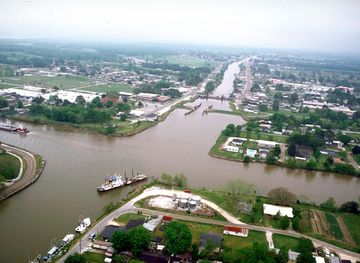


Your all‑in‑one travel companion app
Explore expert travel guides, compare and book tours, experiences, hotels, and more—all from the palm of your hand. Download now for seamless trip planning wherever your wanderlust takes you.


Explore More of Greater New Orleans
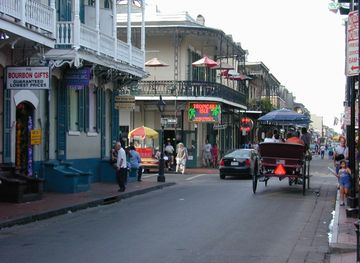
Looking beyond Grand Isle State Park? Discover Greater New Orleans for broader travel guides, local hot-spots, and regional highlights.
Explore Greater New OrleansExplore More of Louisiana

Looking beyond Grand Isle State Park? Discover Louisiana for broader travel guides, local hot-spots, and regional highlights.
Explore LouisianaGrand Isle State Park in Photos
Browse through our photo collection highlighting the charm and character of the destination.
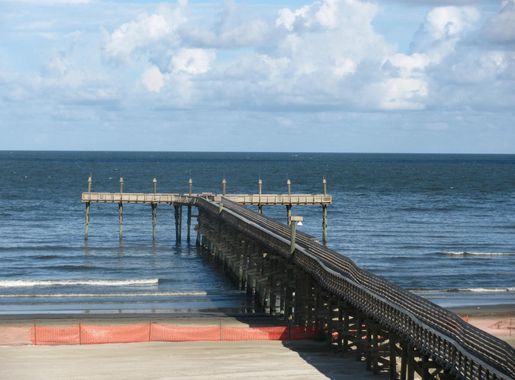


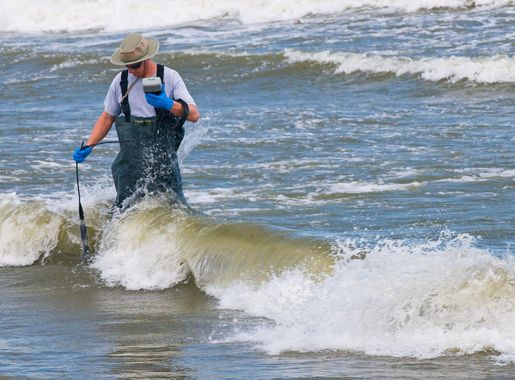




The Enchanting Shores of Grand Isle State Park
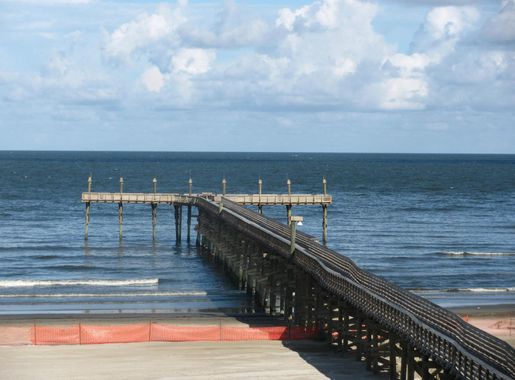
Nestled on a barrier island in the Gulf of Mexico, Grand Isle State Park in Louisiana offers a unique blend of pristine beaches, rich wildlife, and tranquil nature. This picturesque destination is known for its stunning sunsets, making it a perfect getaway for those looking to escape the hustle and bustle of city life. The park is a haven for outdoor enthusiasts. Visitors can enjoy fishing, crabbing, and birdwatching, with over 280 species of birds observed throughout the island. The waters surrounding Grand Isle are teeming with marine life, making it a popular spot for anglers. Nature trails wind through the park, providing an opportunity to explore the local flora and fauna. The Grand Isle Butterfly Dome is a must-see, offering a close-up view of various butterfly species. For those who prefer a more relaxed experience, the sandy shores invite you to sunbathe or take a leisurely swim in the warm Gulf waters. Camping is another highlight of Grand Isle State Park. With both tent and RV sites available, visitors can spend the night under the stars, lulled to sleep by the gentle sound of the waves. The park also hosts several events throughout the year, including the renowned Grand Isle Migratory Bird Celebration, attracting nature lovers from far and wide.