

Free Luxembourg Ardennes Travel Guide & Mobile App
Explore Luxembourg Ardennes with free travel guides. Discover regional history, expert tips, proposed trips, and audio guides on web or mobile app.


Explore Luxembourg Ardennes landscapes through castle towns, forested valleys, reservoir walks, wartime history and the quiet trails of Éislek.
Read more about Luxembourg Ardennes
When is the best time to visit Luxembourg Ardennes?
Best: June–August · 22–24°C| Month | High (°C) | Rainfall (mm) |
|---|---|---|
| January | 5 | 70 |
| February | 6 | 60 |
| March | 10 | 70 |
| April | 14 | 60 |
| May | 19 | 70 |
| June (best) | 22 | 80 |
| July (best) | 24 | 80 |
| August (best) | 24 | 80 |
| September | 19 | 70 |
| October | 14 | 70 |
| November | 8 | 80 |
| December | 5 | 80 |
Getting to and around Luxembourg Ardennes
How to get there
Transportation
Top city travel guides in Luxembourg Ardennes
The cities of Luxembourg Ardennes, and the easiest places to base yourself.
-

-
-

-


Swipe for more cities
Destinations in Luxembourg Ardennes
Resorts, valleys and scenic spots worth a trip of their own.
-

-

-
-

-


Swipe for more destinations
Best attractions in Luxembourg Ardennes
Attractions in the Luxembourg Ardennes combine fortified heritage with outdoor landscapes rather than forming a concentration of large urban museums. Vianden Castle is the region's best-known historic sight, while Bourscheid Castle, Clervaux Castle, Wiltz Castle and the ruins of Esch-sur-Sûre offer different perspectives on medieval power and later restoration. Clervaux also houses The Family of Man photographic exhibition, and Diekirch provides important military and local-history collections. The Upper Sûre area brings together woodland, reservoir scenery and water-based recreation, while the Our Nature Park and surrounding valleys support walking, cycling and nature interpretation. Marked trails range from short village circuits to demanding multi-day routes across the Éislek. Families may prefer castle towns, gentle reservoir paths and accessible museums; experienced walkers can follow longer ridge and valley itineraries. Seasonal conditions matter, particularly after rain or during winter, when forest tracks and exposed plateaux can become slippery. The region rewards visitors who leave time for viewpoints, village churches, small museums and quiet stretches of countryside between its major sites.
-
Castle
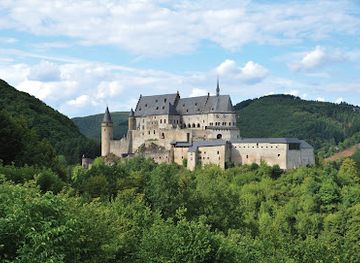
Vianden Castle
Discover the grandeur of Vianden Castle—a restored medieval fortress above the Our Valley, where centuries of history and breathtaking landscapes blend in Luxembourg’s north.
-
Historical landmark
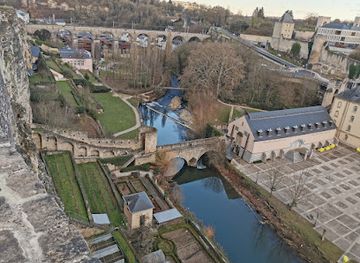
Bock Casemates
Descend into the Bock Casemates, Luxembourg’s legendary fortress tunnels and UNESCO site, where dramatic underground passages reveal centuries of military history and unrivaled city views.
-
Zoo
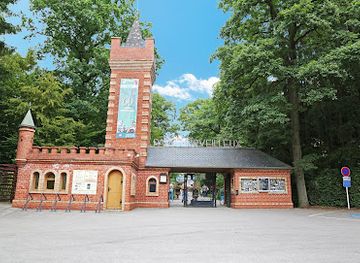
Parc Merveilleux
Parc Merveilleux delights families with exotic animals, enchanting fairytale attractions, and adventure play zones, making it Luxembourg’s top family outing destination.
-
Historical landmark
Palais Grand-Ducal
Experience Luxembourg’s royal tradition at Palais Grand-Ducal, a 16th-century Renaissance palace in Ville Haute and the official residence of the Grand Duke.
Best landmarks in Luxembourg Ardennes
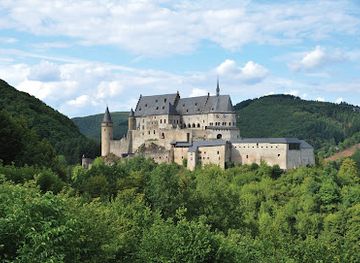
Vianden Castle is the defining architectural landmark of the Luxembourg Ardennes, rising above the Our valley with a long history as a fortified residence and a later nineteenth-century restoration. Bourscheid Castle occupies a high spur above the Sûre and is notable for the scale of its walls, towers and surrounding views. In Clervaux, the castle and the parish church form the visual centre of a town strongly associated with the Second World War and post-war cultural memory. Esch-sur-Sûre is distinguished by the remains of its castle on a rocky promontory above a tight river bend, while Wiltz Castle anchors the upper town and reflects the area's former noble and civic importance. The Upper Sûre reservoir is a natural and engineered landmark whose wooded shores have become central to the region's identity. Further north, the Our valley marks a quieter international frontier landscape, with steep slopes and villages spread along the river. Together these sites show how defensive geography, water, settlement and political history have shaped northern Luxembourg.
-
Castle
Vianden Castle
Explore the majestic Vianden Castle, a medieval fortress offering breathtaking views, rich history, and a glimpse into Luxembourg's storied past.
-
Bridge
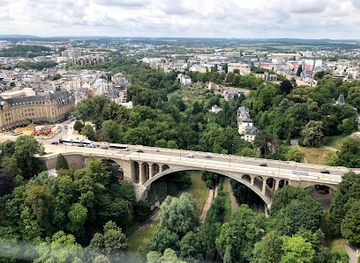
Pont Adolphe
Discover the architectural beauty and stunning views at Pont Adolphe, Luxembourg's iconic bridge connecting history and modernity.
-
Historical landmark
Palais Grand-Ducal
Discover the grandeur of the Palais Grand-Ducal, Luxembourg's historic royal residence, showcasing stunning architecture and rich heritage.
-
Military cemetery
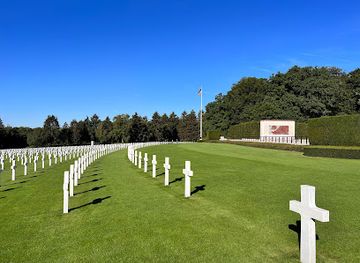
Luxembourg American Cemetery
Visit the Luxembourg American Cemetery, a serene military cemetery honoring WWII heroes, with stunning memorials and a peaceful ambiance for reflection.
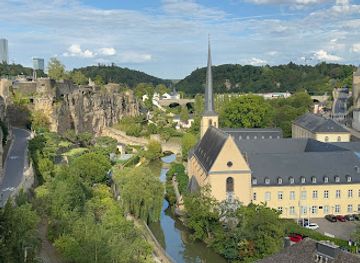
Explore Luxembourg Ardennes on the map
Plan your trip on one map. See where the top cities, national parks and sights are, and book hotels and experiences in a few clicks.
Best hotels in Luxembourg Ardennes
Best restaurants in Luxembourg Ardennes
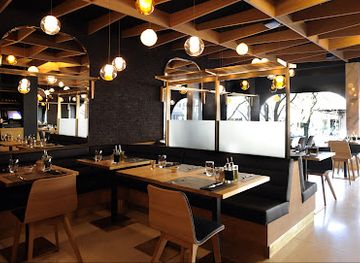
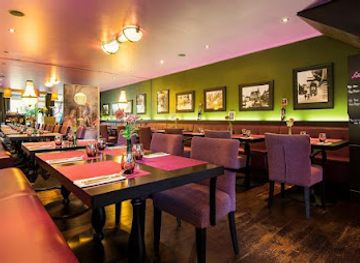
Dining in the Luxembourg Ardennes is shaped by the food traditions of northern Luxembourg and the wider Ardennes borderland. Rural inns, village cafés and small-town restaurants commonly serve substantial dishes based on potatoes, pork, beef, game when in season, root vegetables and seasonal produce. Trout and other freshwater fish appear in restaurants near the Sûre and Our, while Luxembourgish specialities such as bouneschlupp, a green-bean soup, and judd mat gaardebounen, smoked pork with broad beans, reflect the country's broader culinary heritage rather than belonging exclusively to the north. Local beers, including those associated with Wiltz's brewing history, are a natural accompaniment, and Luxembourg wines from the south may also feature. Menus range from traditional country cooking to contemporary interpretations in larger towns and established visitor centres. Market stalls, bakeries and farm shops are useful for picnic supplies, particularly before setting out on a trail. In remote areas, restaurant choices can be limited and service may follow rural opening patterns, so checking arrangements in advance is sensible.
-
Restaurant
Grand Café
Discover the culinary delights at Grand Café in Ville Haute, Luxembourg - where exquisite grill dishes meet a charming atmosphere.
-
Restaurant
Brasserie du Cercle
Discover Brasserie du Cercle: Luxurious dining with a touch of local flavor in the heart of Luxembourg City.
-
Lebanese
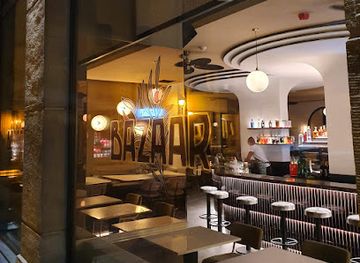
Bazaar Bar and Restaurant
Discover exquisite Lebanese flavors at Bazaar Bar and Restaurant in Luxembourg's vibrant Ville Haute district – where dining meets nightlife.
-
Greek
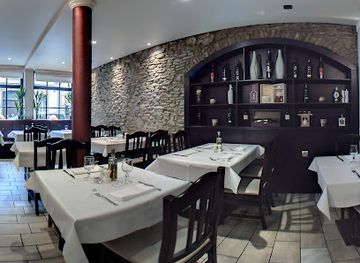
Ambrosia Restaurant
Discover authentic Greek flavors at Ambrosia Restaurant in Luxembourg - where every meal is a journey through Mediterranean cuisine.
Best bars in Luxembourg Ardennes
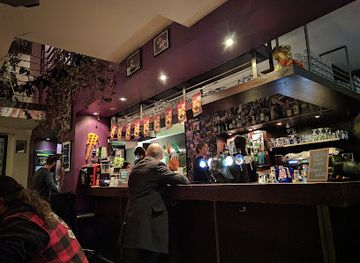
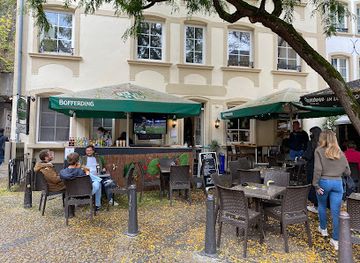
Evening life in the Luxembourg Ardennes is generally quiet and social rather than club-oriented. Traditional cafés, hotel bars, village pubs and restaurant terraces form the main evening options, with the greatest choice in towns such as Vianden, Clervaux, Wiltz, Diekirch and Ettelbruck. Local beer is widely available, and some establishments focus on regional or Luxembourgish selections, while occasional live music and seasonal town events provide entertainment without creating a major nightlife circuit. In smaller villages, venues may close relatively early and public transport becomes more limited later in the evening, making a nearby base or pre-arranged taxi useful. Vianden's historic setting gives its evening dining particular atmosphere, whereas Wiltz and Diekirch offer a more practical choice of cafés and bars. Visitors should not expect a dense nightclub scene; the region's evening character lies in unhurried meals, conversation and occasional cultural programming rather than late-night entertainment.
-
Gastropub
Scott's Pub
Experience the vibrant atmosphere and delicious cuisine at Scott's Pub, a must-visit gastropub in the heart of Luxembourg's Grund district.
-
Bar
Tube
Discover the lively ambiance and delicious pinsa at The Tube, a top bar destination in the heart of Luxembourg.
-
Cafe
Rock Solid
Discover the heart of Luxembourg at Rock Solid, a vibrant cafe and cocktail bar offering a lively atmosphere, local beers, and exquisite cocktails.
-
Bar
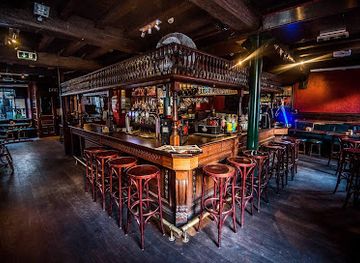
Updown Bar
Experience the vibrant atmosphere and delightful offerings of Updown Bar, Luxembourg's favorite Irish pub and restaurant in the heart of Ville-Haute.
Best nightclubs in Luxembourg Ardennes
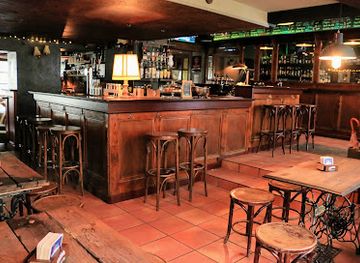
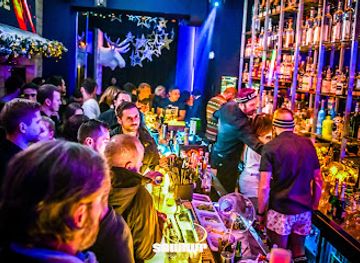
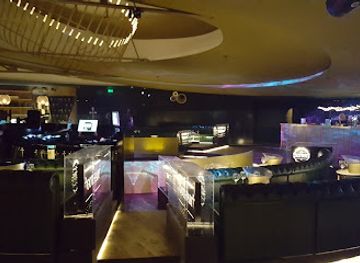
Evening life in the Luxembourg Ardennes is generally quiet and social rather than club-oriented. Traditional cafés, hotel bars, village pubs and restaurant terraces form the main evening options, with the greatest choice in towns such as Vianden, Clervaux, Wiltz, Diekirch and Ettelbruck. Local beer is widely available, and some establishments focus on regional or Luxembourgish selections, while occasional live music and seasonal town events provide entertainment without creating a major nightlife circuit. In smaller villages, venues may close relatively early and public transport becomes more limited later in the evening, making a nearby base or pre-arranged taxi useful. Vianden's historic setting gives its evening dining particular atmosphere, whereas Wiltz and Diekirch offer a more practical choice of cafés and bars. Visitors should not expect a dense nightclub scene; the region's evening character lies in unhurried meals, conversation and occasional cultural programming rather than late-night entertainment.
-
Bar
Liquid Bar
Experience the vibrant atmosphere of Liquid Bar in Grund, Luxembourg, where creative cocktails and a lively ambiance await you.
-
Disco club
Apoteca
Experience the vibrant nightlife of Luxembourg at Apoteca, where delicious Italian cuisine meets an electrifying disco atmosphere.
-
Restaurant
Saumur Crystal Club
Discover the vibrant nightlife at Saumur Crystal Club, a premier destination in Luxembourg for dining, dancing, and unforgettable entertainment.
-
Night club
Gotham
Discover Gotham, the vibrant night club in Limpertsberg, Luxembourg, where electrifying music and a lively atmosphere create unforgettable nights.

Best shops in Luxembourg Ardennes
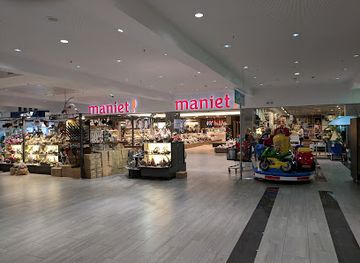
Shopping in the Luxembourg Ardennes is centred on compact town centres, practical high streets, bakeries, delicatessens, craft outlets and seasonal markets rather than large retail districts. Vianden, Clervaux, Wiltz, Diekirch and Ettelbruck provide the broadest choice, with independent shops and food retailers useful for assembling walking provisions or gifts. Regional products may include Luxembourgish beer, honey, preserves, chocolates, biscuits and other farm or artisan foods, although availability varies by town and season. Castle towns also offer postcards, books and locally themed souvenirs, while galleries and craft shops sometimes showcase ceramics, woodwork, textiles or photography. Farmers' markets and town events are good places to look for produce and meet the everyday commercial side of the region, but dates differ between communities. Visitors seeking extensive fashion or designer shopping should use Luxembourg City rather than the Ardennes; the northern region's appeal lies in small-scale retail, edible gifts, practical outdoor supplies and purchases connected to its landscape and heritage.
-
Shopping mall
Belle Etoile Shopping Center
Experience the best of shopping, dining, and entertainment at Belle Etoile Shopping Center in Bertrange, Luxembourg.
-
Shopping mall
Knauf Shopping Center Pommerloch
Explore a vibrant shopping paradise at Knauf Shopping Center Pommerloch, featuring diverse shops, delicious dining options, and family-friendly entertainment.
-
Shopping mall
Knauf Shopping Schmiede
Explore Knauf Shopping Schmiede, a premier shopping destination in Luxembourg, offering a delightful mix of local culture and retail therapy near the Belgian border.
-
Shopping mall
Cloche d'Or Shopping Center
Experience luxury shopping and exquisite dining at Cloche d'Or Shopping Center, the premier retail destination in Luxembourg.



Get your free copy of our complete guide to Luxembourg Ardennes, delivered straight to you.
Everything on this page, from attractions and restaurants to essentials and local phrases, in one PDF you can read offline, print or share.
Already have an account? Sign in
Your Luxembourg Ardennes guide is ready.
We'll send it to · Not you? Sign out

Getting your guide ready…
We are putting together a fresh copy of the Luxembourg Ardennes guide. This can take up to a minute.
This can take a few moments. If your browser asks, choose Allow so the download can start. You'll find the guide in your Downloads folder.
Nothing happened? Download it again
Sorry, the guide is taking longer than usual. Please try again in a minute, or get it by email instead.
Luxembourg Ardennes essentials
Currency and Payment
Safety
Emergency Situations
Do's and Don'ts
Local Tips
From Eve
Local phrases worth knowing
You don't need to get them perfect. A few words go a long way, and locals appreciate the effort.
Basics
| English | Local | Say it |
|---|---|---|
| Hello | Moien | [moy-en] |
| Goodbye | Äddi | [ed-dee] |
| Yes | Jo | [yo] |
| No | Nee | [nay] |
| Please/You're welcome | Ech sinn Äre wëllkomm | [esh sin air-eh will-kohm] |
| Thank you | Merci | [mehr-see] |
| Excuse me/Sorry | Entschëllegt | [ent-shel-legt] |
| How are you? | Wéi geet et Iech? | [vay gate et eesh?] |
| Fine. And you? | Gutt. A Dir? | [goot. ah deer?] |
| Do you speak English? | Sprécht Dir Englesch? | [sprecht deer eng-laysh?] |
| I don't understand | Ech verstoen net | [esh fer-stoen net] |
Eating & Drinking
| English | Local | Say it |
|---|---|---|
| I'd like to see the menu, please | Ech hätt gären de Menu gesin, wann ech gelift | [esh het gair-en deh meh-nu geh-sin, van esh gelift] |
| I don't eat meat | Ech iessen keen Fleesch | [esh ee-sen keen flesh] |
| Cheers! | Prost! | [prohst] |
| I would like to pay, please | Ech géif gären bezuelen, wann ech gelift | [esh gayf gair-en beh-zoy-len, van esh gelift] |
Emergencies
| English | Local | Say it |
|---|---|---|
| Help! | Hëllef! | [hel-lef] |
| Go away! | Géi fort! | [gay fort] |
| Call the Police! | Rufft d'Police! | [roo-ft dee poh-lees] |
| Call a doctor! | Rufft e Dokter! | [roo-ft eh dok-ter] |
| I'm lost | Ech sinn verluer | [esh sin fer-loor] |
| I'm ill | Ech sinn krank | [esh sin krank] |
Shopping
| English | Local | Say it |
|---|---|---|
| I'd like to buy... | Ech géif gären kafen... | [esh gayf gair-en kah-fen] |
| I'm just looking | Ech kucken nëmmen | [esh kook-en num-en] |
| How much is it? | Wéi vill kascht et? | [vay vil kasht et?] |
| That's too expensive | Dat ass ze deier | [dat ass ze di-er] |
| Can you lower the price? | Kënnt Dir de Präis erofsetzen? | [kent deer deh prays er-rof-setzen?] |
Time & Numbers
| English | Local | Say it |
|---|---|---|
| What time is it? | Wéi spät ass et? | [vay shpaht ass et?] |
| It's one o'clock | Et ass een Auer | [et ass een ow-er] |
| Half past (10) | Halscht (10) | [hal-sht (10)] |
| Morning | Mëdet | [med-it] |
| Afternoon | Nomëden | [no-may-den] |
| Evening | Owend | [ow-end] |
| Yesterday | Gëschter | [gesh-ter] |
| Today | Haut | [howt] |
| Tomorrow | Mëchden | [meck-den] |
| 1 | Eent | [eent] |
| 2 | Zwee | [zway] |
| 3 | Dräi | [dry] |
| 4 | Véier | [fee-er] |
| 5 | Fënnef | [fun-ef] |
| 6 | Sechs | [zex] |
| 7 | Siwen | [see-ven] |
| 8 | Acht | [acht] |
| 9 | Néng | [nang] |
| 10 | Zéng | [zeng] |
Transport & Directions
| English | Local | Say it |
|---|---|---|
| Where's a/the...? | Wou ass e/d'...? | [voo ass eh/deh...?] |
| What's the address? | Wat ass d'Adress? | [wat ass dee ah-dress?] |
| Can you show me (on the map)? | Kënnt Dir mir weisen (op der Kaart)? | [kent deer meer vize-en (op der kart)?] |
| When's the next (bus)? | Wann ass de nächsten (Bus)? | [van ass deh next-en (boos)?] |
| A ticket (to ....) | E Ticket (op ...) | [eh tee-ket (op ...)] |
History of Luxembourg Ardennes
Early Settlement and Roman Roads
The northern Luxembourg Ardennes were settled long before the modern Grand Duchy emerged. Communities used the high ground, valleys and river crossings for farming, movement and trade, while Roman administration connected the wider area to the empire's road and settlement network. Archaeological evidence across northern Luxembourg includes traces of Gallo-Roman occupation, although the region remained more rural than the densely settled areas around the Moselle and capital. Its later importance grew from the same geography: wooded uplands, defensible spurs and routes following the river valleys.
Medieval Lordships and Castle Building
During the Middle Ages, the northern valleys were divided among powerful lordships whose castles controlled roads, river crossings and agricultural territories. Vianden became the centre of an influential county, while Bourscheid, Clervaux, Wiltz and Esch-sur-Sûre developed around fortified strongholds or seigneurial seats. Churches, mills and small market settlements grew under this political order. The surviving ruins and restored structures are not isolated romantic monuments but evidence of a densely organised medieval landscape in which local rulers, religious institutions and farming communities were closely connected.
Vianden and the House of Nassau
Vianden County passed through several noble dynasties before becoming associated with the House of Nassau. Vianden Castle, one of the largest fortified residences in the region, was expanded over centuries and later fell into decline. Its nineteenth-century restoration, encouraged by renewed interest in Luxembourg's medieval heritage and the Nassau connection, helped establish it as a national symbol. The town's castle, church and steeply enclosed setting preserve the political importance that Vianden held within the northern borderlands.
Rural Economy and Industrial Change
For centuries, life in the Luxembourg Ardennes depended on mixed farming, forestry, small-scale craft and local trade. The upland soils and climate demanded different agricultural practices from the country's more productive southern districts, while river valleys supported mills and modest industries. Improved roads and railways in the nineteenth and early twentieth centuries connected towns such as Wiltz, Clervaux, Diekirch and Troisvierges more closely with the rest of Luxembourg. Brewing, forestry, quarrying and food production remained important alongside agriculture, though the region never experienced the industrial concentration seen in the south.
The First World War and the Interwar Borderlands
Luxembourg's northern position placed its communities close to the military and political tensions of the Belgian and German borderlands during the First World War and its aftermath. The period brought occupation, economic disruption and changes in cross-border movement, followed by the gradual development of modern transport and public administration. Although the region was not a principal industrial battlefield, its roads, towns and institutions were shaped by the instability of a small country situated between larger European powers.
The Battle of the Bulge, 1944–45
The Luxembourg Ardennes became a battlefield during the German Ardennes Offensive, known in English as the Battle of the Bulge, launched in December 1944. German forces advanced through parts of northern Luxembourg before Allied resistance and the counter-offensive pushed them back. Towns and villages suffered fighting, displacement and damage, and the winter campaign left a lasting mark on local memory. Museums and memorials in the north, including those around Clervaux, Diekirch and Wiltz, explain the military events while also documenting the experience of civilians.
Conservation, Walking and Regional Renewal
From the later twentieth century, the northern region increasingly presented its forests, valleys, waterways and cultural heritage as assets for carefully managed tourism. The Öewersauer and Our nature parks support landscape protection, environmental education and rural development, while marked walking routes have made the area accessible without erasing its agricultural character. Castle restoration, local museums, cycling routes and cross-border initiatives have strengthened the region's identity as Éislek: a northern Luxembourg landscape where outdoor recreation and historical interpretation complement, rather than replace, village life.
Luxembourg Ardennes in Photos
Browse through our photo collection highlighting the charm and character of the destination.
Neighbouring regions of Luxembourg Ardennes
The closest regions to Luxembourg Ardennes, if you have time for more than one.
-

-

-

-

-


Swipe for more regions
Explore more

Explore more of Luxembourg
Discover Luxembourg: A charming blend of historical wonders, breathtaking landscapes, and cultural vibrancy in the heart of Europe.
Explore Luxembourg