

Free Oesling Travel Guide & Mobile App
Explore Oesling with free travel guides. Discover regional history, expert tips, proposed trips, and audio guides on web or mobile app.


Explore Oesling’s wooded valleys, medieval castles, Ardennes trails, wartime heritage and rural food culture in northern Luxembourg.
Read more about Oesling
When is the best time to visit Oesling?
Best: June–August · 21–23°C| Month | High (°C) | Rainfall (mm) |
|---|---|---|
| January | 4 | 70 |
| February | 5 | 60 |
| March | 9 | 70 |
| April | 13 | 60 |
| May | 17 | 70 |
| June (best) | 21 | 80 |
| July (best) | 23 | 80 |
| August (best) | 22 | 80 |
| September | 19 | 70 |
| October | 14 | 70 |
| November | 9 | 70 |
| December | 5 | 70 |
Getting to and around Oesling
How to get there
Transportation
Top city travel guides in Oesling
The cities of Oesling, and the easiest places to base yourself.
-

-
-

-


Swipe for more cities
Destinations in Oesling
Resorts, valleys and scenic spots worth a trip of their own.
-

-

-
-

-


Swipe for more destinations
Best attractions in Oesling
Oesling’s attractions are closely integrated with its upland landscape. Clervaux combines the Family of Man photographic exhibition in the castle with the Benedictine abbey and a compact historic centre, while Wiltz offers museums, cultural venues and access to wooded valley walks. Vianden provides the region’s most celebrated heritage visit with its restored medieval castle, but the town is also a starting point for exploring the Our valley. The northern nature parks make the countryside itself a principal attraction, with marked trails through forests, farmland, streams and viewpoints. Long-distance hiking is particularly well developed, including routes associated with Escapardenne, while cyclists can follow quieter roads and valley corridors, provided they are prepared for steep gradients. Second World War museums and memorial sites explain the Battle of the Bulge and the experience of local civilians. Smaller villages, chapels, woodland paths and traditional farm landscapes reward slower exploration, while family visitors can combine gentle walks with castle, museum and riverside visits. Because attractions are dispersed, a good itinerary alternates town-based heritage with outdoor sections rather than attempting to cover the entire region in a single day.
-
Tourist attraction
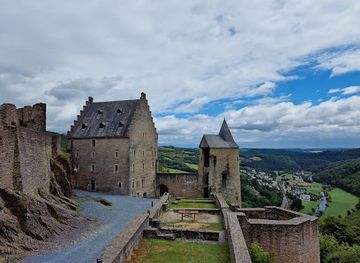
Bourscheid Castle
Bourscheid Castle rises above Luxembourg’s Sûre valley, offering dramatic medieval ruins, panoramic Ardennes views, and authentic heritage experiences.
-
Animal park
Butterfly Garden, Grevenmacher
Wander through Grevenmacher’s Butterfly Garden, a tropical indoor paradise where hundreds of exotic butterflies and vibrant flora create a stunning immersive experience.
-
War museum
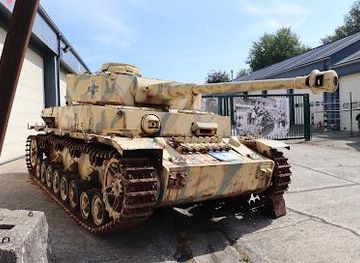
Bastogne Barracks
Explore Bastogne Barracks—a standout war museum where WWII artifacts, legendary tanks, and immersive exhibitions animate the Ardennes’ dramatic history.
-
Aquarium
Wasserbillig Aquarium
Wasserbillig Aquarium in Mertert showcases local and tropical aquatic life with over 50 tanks, making it an immersive and affordable riverside escape for families and explorers.

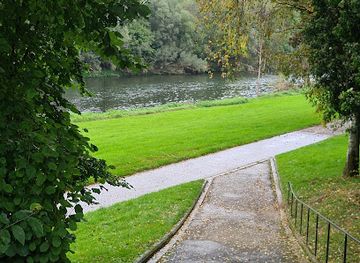
Best landmarks in Oesling
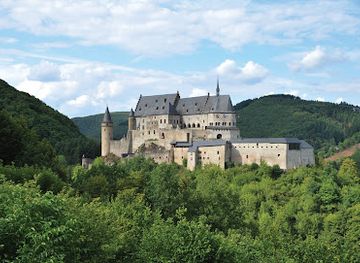
Vianden Castle is Oesling’s defining landmark, rising above the town and the River Our as a powerful reminder of the region’s medieval county. Its towers, walls and hillside position make it visible from numerous approaches, while the surrounding town preserves a strong historic character. In Clervaux, the castle stands at the centre of the valley settlement and is associated with the Family of Man collection; the Benedictine abbey above the town adds a contrasting religious presence. Wiltz Castle, set within the town, reflects the importance of the former counts of Wiltz and remains a prominent civic and cultural landmark. The Our valley, with its steep wooded slopes and river landscape, is a geographical landmark as much as a scenic route, while the high plateaux and forested ridges around the nature parks define Oesling’s visual identity. War memorials, museums and preserved military traces form a different category of landmark, recording the Battle of the Bulge and the destruction experienced by northern Luxembourg communities in 1944–45. Together these places show how medieval power, religious life, rural geography and twentieth-century conflict have shaped the region.
-
Castle
Vianden Castle
Perched high above the Our Valley, Vianden Castle is Luxembourg's most famous fortress, enchanting visitors with medieval halls, sweeping vistas, and centuries of rich history.
-
Historical landmark
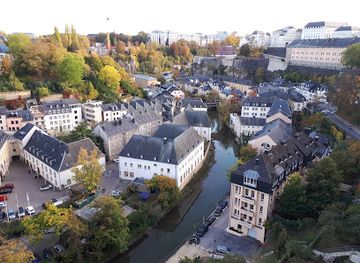
Bock Casemates
Explore Luxembourg’s iconic Bock Casemates, a vast network of tunnels and defense chambers carved into sandstone cliffs, revealing the city’s fortress legacy.
-
Bridge
Pont Adolphe
Pont Adolphe is an iconic symbol of Luxembourg City, blending historic grandeur with sweeping valley views and connecting the vibrant Ville Haute to lush parklands.
-
Catholic cathedral
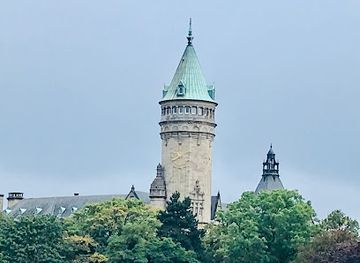
Cathédrale Notre-Dame
Experience the majestic blend of Gothic and Renaissance architecture at Cathédrale Notre-Dame, Luxembourg's iconic cathedral nestled in the Ville-Haute district.

Explore Oesling on the map
Plan your trip on one map. See where the top cities, national parks and sights are, and book hotels and experiences in a few clicks.
Best hotels in Oesling
Best restaurants in Oesling
Dining in Oesling reflects the hearty cooking of Luxembourg’s northern countryside and the region’s connections with the wider Ardennes. Menus may feature Ardennes-style ham and sausages, potatoes, seasonal vegetables, soups, freshwater fish and substantial meat dishes, alongside Luxembourgish classics also enjoyed elsewhere in the country. Country inns and family-run restaurants in the valleys provide a natural setting for traditional meals, while Clervaux, Wiltz and Vianden offer the broadest choice of cafés and restaurants. Bakeries are useful for breakfast, picnic supplies and regional pastries, and local shops sometimes feature Luxembourgish cheeses, preserves, honey and meats. Beer has a long association with Wiltz and northern Luxembourg, while wine is more strongly identified with the Moselle region, although both are widely available. Vegetarian and contemporary cooking is increasingly found in the larger towns, but rural opening patterns can be seasonal, with some kitchens operating limited hours or closing between service periods. Reservations are sensible for popular country restaurants, especially on summer weekends and during walking season.
-
Hiking area
Mullerthal Trail
Explore Mullerthal Trail: A Scenic Hiking Adventure Through Luxembourg's Natural Wonders
-
Lebanese
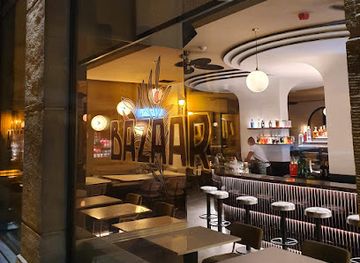
Bazaar Bar and Restaurant
Experience the vibrant blend of Lebanese cuisine and nightlife at Bazaar Bar and Restaurant in Luxembourg's Ville Haute.
-
Tourist attraction
Gorges du Loup
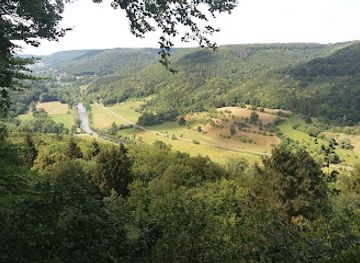
Explore Gorges du Loup: A Natural Marvel in Luxembourg’s Mullerthal Region with Stunning Trails and Unique Rock Formations.
-
Restaurant
Café du Pont
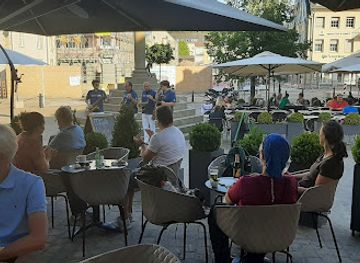
Discover Café du Pont in Vianden: where delightful cuisine meets stunning views in Luxembourg's picturesque setting.

Best bars in Oesling
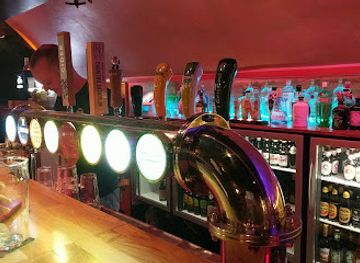
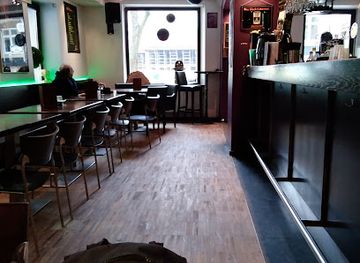
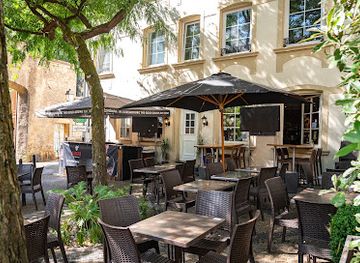
Evening life in Oesling is understated and concentrated in the principal towns rather than organised around large club districts. Traditional cafés, hotel bars, country inns and village pubs provide places for a drink or conversation, while restaurants often form the main evening focus. Clervaux, Wiltz and Vianden have the widest selection, with occasional live music, cultural programming and seasonal events adding variety. Wiltz’s brewing history gives beer a visible place in the region’s hospitality culture, but visitors will also find Luxembourgish and international wines, spirits and non-alcoholic drinks. Nightclubs are limited compared with Luxembourg City, and rural roads can be dark and winding after public transport services have ended. Plan a taxi, designated driver or overnight stay rather than assuming that late connections will be available. The most rewarding evenings often combine a local meal with a quiet walk through an illuminated historic town or a cultural event, rather than a late-night party.
-
Gastropub
Scott's Pub
Experience gourmet burgers and crafted cocktails at Scott's Pub, a lively gastropub in Luxembourg's scenic Grund district.
-
Bar
Tube
Discover The Tube, a lively bar in Luxembourg City, renowned for its vibrant ambiance, diverse drink menu, and social events that capture the city's nightlife essence.
-
Cafe
Rock Solid
Rock Solid: Experience the vibrant nightlife of Luxembourg in a unique café, cocktail bar, and beer garden setting.
-
Bar
Updown Bar
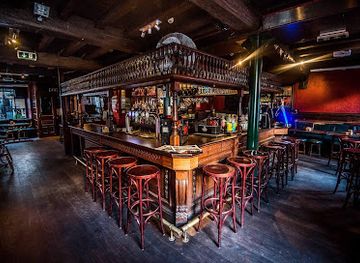
Experience the charm of Updown Bar, a vibrant Irish pub in Ville Haute, Luxembourg, offering delicious food, drinks, and a lively atmosphere.
Best nightclubs in Oesling
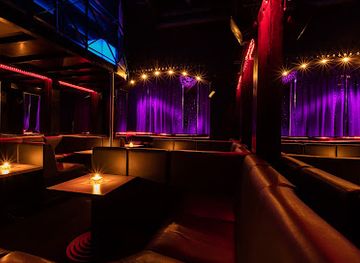
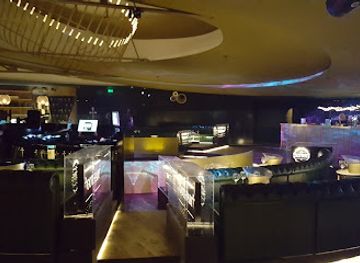
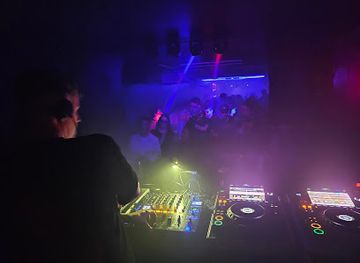
Evening life in Oesling is understated and concentrated in the principal towns rather than organised around large club districts. Traditional cafés, hotel bars, country inns and village pubs provide places for a drink or conversation, while restaurants often form the main evening focus. Clervaux, Wiltz and Vianden have the widest selection, with occasional live music, cultural programming and seasonal events adding variety. Wiltz’s brewing history gives beer a visible place in the region’s hospitality culture, but visitors will also find Luxembourgish and international wines, spirits and non-alcoholic drinks. Nightclubs are limited compared with Luxembourg City, and rural roads can be dark and winding after public transport services have ended. Plan a taxi, designated driver or overnight stay rather than assuming that late connections will be available. The most rewarding evenings often combine a local meal with a quiet walk through an illuminated historic town or a cultural event, rather than a late-night party.
-
Restaurant
Saumur Crystal Club
Experience the vibrant nightlife at Saumur Crystal Club, where dining meets entertainment in the heart of Luxembourg.
-
Disco club
Lenox Club
Dive into the vibrant nightlife of Luxembourg at Lenox Club, a premier disco destination for unforgettable late-night experiences.
-
Night club
Gotham
Discover the vibrant nightlife at Gotham, Luxembourg's premier night club in Limpertsberg, where music and dance come alive.
-
Night club
Ground
Experience the electrifying nightlife of Luxembourg at Ground, a top-rated night club where music and dancing come alive.

Best shops in Oesling
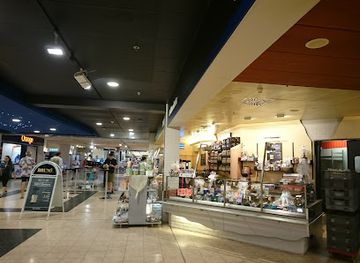
Shopping in Oesling is centred on the high streets and independent businesses of Clervaux, Wiltz, Vianden and the smaller market communities rather than on large retail complexes. Visitors can browse bakeries, delicatessens, farm shops and specialist food retailers for Luxembourgish cheeses, Ardennes-style ham, sausages, honey, preserves, chocolates and locally made drinks. Craft and gift shops near the principal castles often carry postcards, books, photography publications and practical souvenirs connected with the region’s heritage. Galleries and small studios may offer ceramics, textiles, woodwork or artwork, although availability varies by town and season. Weekly markets and seasonal producers’ events can be useful for regional food and household goods, but dates should be checked locally before travelling. Vianden is particularly suited to browsing alongside a heritage visit, while Clervaux and Wiltz provide more everyday shopping and services. The most meaningful purchases are generally portable regional foods, books about Luxembourg or the Ardennes, and work by local makers rather than mass-produced souvenirs.
-
Shopping mall
Belle Etoile Shopping Center
Discover the ultimate shopping experience at Belle Etoile Shopping Center, where fashion, dining, and entertainment await in Bertrange, Luxembourg.
-
Shopping mall
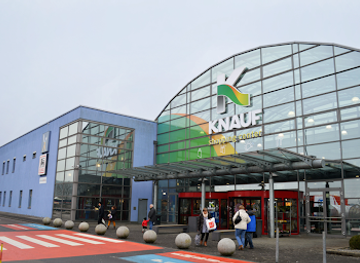
Knauf Shopping Center Pommerloch
Explore the Knauf Shopping Center Pommerloch, a vibrant shopping hub in Luxembourg offering diverse stores, dining, and entertainment for all ages.
-
Shopping mall
Knauf Shopping Schmiede
Discover a diverse shopping experience at Knauf Shopping Schmiede, where luxury meets convenience in the heart of Luxembourg.
-
Shopping mall
Belval Plaza Shopping Center
Discover the Belval Plaza Shopping Center, a vibrant shopping destination in Esch-sur-Alzette with diverse stores and dining options for every taste.
Get your free copy of our complete guide to Oesling, delivered straight to you.
Everything on this page, from attractions and restaurants to essentials and local phrases, in one PDF you can read offline, print or share.
Already have an account? Sign in
Your Oesling guide is ready.
We'll send it to · Not you? Sign out

Getting your guide ready…
We are putting together a fresh copy of the Oesling guide. This can take up to a minute.
This can take a few moments. If your browser asks, choose Allow so the download can start. You'll find the guide in your Downloads folder.
Nothing happened? Download it again
Sorry, the guide is taking longer than usual. Please try again in a minute, or get it by email instead.
Oesling essentials
Currency and Payment
Safety
Emergency Situations
Do's and Don'ts
Local Tips
From Eve
Local phrases worth knowing
You don't need to get them perfect. A few words go a long way, and locals appreciate the effort.
Basics
| English | Local | Say it |
|---|---|---|
| Hello | Moïen | [moy-en] |
| Goodbye | Äddi | [edd-ee] |
| Yes | Jo | [yo] |
| No | Nee | [nay] |
| Please/You're welcome | Bitte | [bit-uh] |
| Thank you | Merci | [mehr-see] |
| Excuse me/Sorry | Entschëlleg | [ent-shell-ig] |
| How are you? | Wéi geet et Iech? | [vee gate et eech?] |
| Fine. And you? | Gutt. A wéi ass et Iech? | [gut. a vee ass et eech?] |
| Do you speak English? | Spriecht Dir Englesch? | [shprecht deer eng-lish?] |
| I don't understand | Ech verstoen net | [esh fer-stoe en et] |
Eating & Drinking
| English | Local | Say it |
|---|---|---|
| I'd like to see the menu, please | Ech géif gär d'Menu gesin, bitte | [esh gayf gar deh-meh-noo geh-sin, bit-uh] |
| I don't eat meat | Ech iessen keen Fleesch | [esh ees-en kayn flesh] |
| Cheers! | Prost! | [prohst] |
| I would like to pay, please | Ech géif gär bezuelen, bitte | [esh gayf gar beh-zoil-en, bit-uh] |
Emergencies
| English | Local | Say it |
|---|---|---|
| Help! | Hëllef! | [hel-ef] |
| Go away! | Geh fort! | [geh fort] |
| Call the Police! | Rufft d'Police! | [rooft deh po-lees] |
| Call a doctor! | Rufft e Dokter! | [rooft eh dok-ter] |
| I'm lost | Ech sinn verluer | [esh sinn fer-loo-er] |
| I'm ill | Ech sinn krank | [esh sinn krank] |
Shopping
| English | Local | Say it |
|---|---|---|
| I'd like to buy... | Ech géif gär kafen... | [esh gayf gar kah-fen] |
| I'm just looking | Ech kucken just | [esh kook-en yoost] |
| How much is it? | Wéi vill kascht et? | [vee feel kasht et?] |
| That's too expensive | Dat ass ze deier | [daht ass tuh die-er] |
| Can you lower the price? | Kënnt Dir de Präis erofsetzen? | [kent deer deh prah-is er-off-set-zen?] |
Time & Numbers
| English | Local | Say it |
|---|---|---|
| What time is it? | Wéi spät ass et? | [vee shpat ass et?] |
| It's one o'clock | Et ass éng Auer | [et ass eng ow-er] |
| Half past (10) | Halb (10) | [halb (10)] |
| Morning | Mëdetten | [med-et-ten] |
| Afternoon | Nomëdetten | [no-med-et-ten] |
| Evening | Owen | [ow-en] |
| Yesterday | Gëschter | [gesh-ter] |
| Today | Haut | [howt] |
| Tomorrow | Mëchtes | [mech-t-es] |
| 1 | Ech | [esh] |
| 2 | Zwee | [zvee] |
| 3 | Dräi | [dry] |
| 4 | Véier | [vee-er] |
| 5 | Fënnef | [fe-nuf] |
| 6 | Sechs | [zex] |
| 7 | Siwen | [see-ven] |
| 8 | Acht | [acht] |
| 9 | Nëng | [neng] |
| 10 | Zehn | [zehn] |
Transport & Directions
| English | Local | Say it |
|---|---|---|
| Where's a/the...? | Wou ass e/d'...? | [voo ass eh/deh...?] |
| What's the address? | Wat ass d'Adress? | [vaht ass deh ah-dress?] |
| Can you show me (on the map)? | Kënnt Dir mir weisen (op der Kaart)? | [kent deer meer vy-zen (op der cart)?] |
| When's the next (bus)? | Wéini ass den nächsten (Bus)? | [vay-nee ass den nay-shten (boos)?] |
| A ticket (to ....) | E Ticket (no ....) | [eh tee-ket (no ....)] |
History of Oesling
Early Settlement and Roman Routes
The Oesling’s uplands were inhabited long before Luxembourg became a state, although its rugged terrain produced fewer large urban settlements than the country’s southern and central areas. Celtic and later Roman influence is reflected in archaeological remains and route networks across the wider Ardennes. Roman roads linked settlements and military centres through the region, but the most visible landscape today remains rural: forests, pasture and valleys shaped by centuries of small-scale cultivation rather than by extensive ancient towns.
Medieval Lordships and Castle Building
During the Middle Ages, control of river crossings, valleys and trading routes led to the development of fortified settlements and territorial lordships across the Oesling. Vianden became the centre of an important medieval county, while castles and fortified houses appeared at strategic points elsewhere in the northern highlands. The surviving castle at Vianden, repeatedly altered over the centuries and later restored, is the clearest expression of this period. Churches, abbeys and historic street plans also preserve the region’s medieval political and religious geography.
Rural Economy and Ardennes Communities
For many centuries, Oesling communities depended on mixed farming, livestock, forestry and small local industries. The poor, often acidic soils of the highlands encouraged pastoral farming and woodland management, while valleys provided more productive ground. Villages developed compact forms suited to the terrain, with farm buildings, churches and mills tied to local resources. Seasonal work, cross-border exchange and movement through the Ardennes connected the region to neighbouring Belgium and Germany as well as to the rest of Luxembourg.
Religious and Cultural Centres
Religious institutions played a major role in the cultural life of northern Luxembourg. The Benedictine abbey at Clervaux, founded in the twentieth century but part of a longer monastic tradition in the area, became a prominent spiritual and architectural landmark. Rural churches and pilgrimage traditions added smaller centres of devotion throughout the region. In the modern era, Clervaux also gained international cultural importance through the Family of Man photographic collection, assembled by Edward Steichen and displayed in the town’s castle.
Transport, Industry and Modernisation
The arrival of improved roads and rail connections in the nineteenth and early twentieth centuries reduced the isolation of the northern highlands and encouraged trade, tourism and the movement of agricultural goods. Oesling did not become an industrial centre on the scale of Luxembourg’s southern iron basin, but local activities included quarrying, forestry, milling and brewing. Wiltz became particularly associated with beer production, while the railway and road network helped connect the valley towns with Luxembourg City and neighbouring regions.
The Battle of the Bulge, 1944–45
Northern Luxembourg was directly affected by the German Ardennes offensive, known in English as the Battle of the Bulge, which began in December 1944. Towns and villages including Clervaux and Wiltz experienced fighting, evacuation, damage and the disruption of civilian life. American and German forces contested roads and valleys across the region before the offensive failed. Museums, memorials and preserved military remains now document the campaign, while local remembrance focuses not only on military operations but also on the hardship endured by residents.
Conservation and Walking Landscapes
In the later twentieth century, growing appreciation of the northern landscape encouraged stronger protection of its forests, valleys, rivers and traditional rural character. Nature parks in the Oesling promote conservation alongside agriculture, settlement and recreation rather than treating the area as untouched wilderness. The development and promotion of long-distance routes such as the Escapardenne trails helped establish hiking as a major part of the regional economy. Contemporary Oesling balances village life, farming and forestry with heritage tourism and outdoor travel.
Oesling in Photos
Browse through our photo collection highlighting the charm and character of the destination.
Neighbouring regions of Oesling
The closest regions to Oesling, if you have time for more than one.
-

-

-

-

-


Swipe for more regions
Explore more

Explore more of Luxembourg
Discover Luxembourg: A charming blend of historical wonders, breathtaking landscapes, and cultural vibrancy in the heart of Europe.
Explore Luxembourg