

Eislek, Luxembourg Travel Guide
Explore Eislek in Luxembourg: A Stunning Highland Region with Medieval Castles, Dense Forests, and a Rich Cultural Heritage.
Eislek, also known as the Oesling region, is a picturesque area in northern Luxembourg. This region is renowned for its rolling hills, dense forests, and charming villages. The landscape is dotted with medieval castles, offering a glimpse into the area's rich history and heritage. The region is a haven for outdoor enthusiasts. There are numerous hiking and biking trails that wind through the stunning scenery. The Upper Sûre Lake, a highlight of the region, is perfect for water sports and leisurely picnics by the shore. The natural beauty and tranquility of Eislek make it a perfect destination for nature lovers. Eislek is not just about natural beauty; it also boasts a vibrant cultural scene. Small towns like Clervaux and Vianden host festivals and events throughout the year. Local markets offer a taste of traditional Luxembourgish cuisine and crafts. A visit to Eislek promises a blend of adventure, relaxation, and cultural immersion.

Know before you go
Hi, I'm Eve. Here are a few practical things to know before exploring Eislek.
- Visit the medieval castle in Vianden, one of the largest and most beautiful feudal residences in Europe.
- Explore the numerous hiking trails, especially the Escapardenne Lee Trail, for breathtaking views of the Ardennes.
- Take a boat trip on the Upper Sûre Lake to enjoy the serene waters and surrounding landscapes.
- Attend local festivals and markets to experience traditional Luxembourgish culture and cuisine.
- Stay in a local guesthouse or B&B to enjoy the warm hospitality of the region.
Top City Travel Guides in Eislek
The cities of Eislek, and the easiest places to base yourself.


Destinations in Eislek
Resorts, valleys and scenic spots worth a trip of their own.


Explore Eislek: Things to Do, Places to Eat, Hotels & More
Handpicked recommendations for top attractions, local dining, accommodations, and more

Top Attractions & Sightseeing in Eislek
Top-rated picks
Best Attractions

Bastogne War Museum
Discover the Bastogne War Museum, an immersive center in Belgium bringing the dramatic story of the Battle of the Bulge and World War II history to vivid life.

Bastogne Barracks
Experience Bastogne Barracks: Belgium’s premier WWII museum, preserving the dramatic legacy of the Battle of the Bulge with immersive exhibits and authentic military artifacts.

Mardasson Memorial
A sweeping star-shaped monument on Bastogne’s edge, the Mardasson Memorial honors American sacrifices in WWII’s Battle of the Bulge, joining history and remembrance.

Caves Bernard-Massard
Experience Luxembourg’s iconic sparkling wine at Caves Bernard-Massard, where historic cellars, expert tastings, and sweeping Moselle views await wine lovers.

Best landmarks in Eislek
Top-rated picks
Best Landmarks

Bock Casemates
Descend into Luxembourg’s UNESCO-listed Bock Casemates, a remarkable maze of fortress tunnels and chambers weaving through history above the stunning Grund valley.

Pont Adolphe
Pont Adolphe is an architectural marvel and national symbol spanning Luxembourg’s Petrusse Valley, offering panoramic city views and a unique pedestrian walkway.
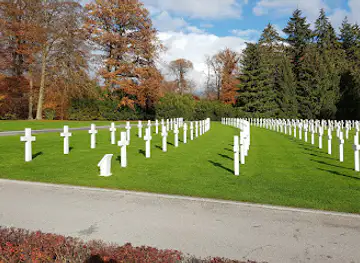
Luxembourg American Cemetery
The Luxembourg American Cemetery in Hamm honors over 5,000 fallen U.S. soldiers of WWII, including General Patton, with immaculate grounds and a poignant memorial chapel.

Monument of Remembrance
Luxembourg City's gilded Gëlle Fra monument stands atop ancient ramparts, symbolizing patriotism and remembrance through sweeping city vistas and poignant history.

Best restaurants in Eislek
Top-rated picks
Best Restaurants

Brasserie du Cercle
Experience exquisite dining at Brasserie du Cercle in Luxembourg – where local flavors meet modern cuisine in a charming atmosphere.
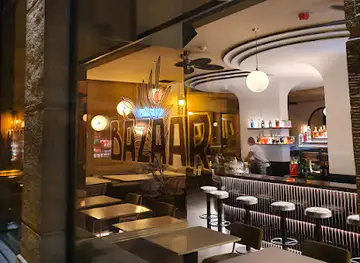
Bazaar Bar and Restaurant
Discover vibrant Lebanese flavors at Bazaar Bar and Restaurant – where exquisite dining meets electrifying nightlife in Luxembourg.

Brasserie Guillaume
Experience the best seafood dining at Brasserie Guillaume in Luxembourg City—where fresh flavors meet refined elegance.

Ambrosia Restaurant
Discover authentic Greek flavors at Ambrosia Restaurant in Luxembourg's Ville Haute – where every meal is a celebration of Mediterranean cuisine.

Best bars in Eislek
Top-rated picks
Best Bars

Scott's Pub
Discover the culinary delights of Luxembourg at Scott's Pub, a cozy gastropub offering local and international dishes in the heart of Grund.

Restaurant Bar Brauerei - Big Beer Company - Rives de clausen
Discover Bavarian flavors and craft brews at Restaurant Bar Brauerei - Big Beer Company in Luxembourg's vibrant Rives de Clausen.

The Game Sportsbar & Steakhouse
Experience a dynamic blend of delicious cuisine and thrilling sports at The Game Sportsbar & Steakhouse in Kirchberg, Luxembourg.

Tube
Experience the vibrant nightlife of Luxembourg at The Tube, a lively bar in the heart of Ville Haute with great drinks and an electric atmosphere.

Best nightclubs in Eislek
Top-rated picks
Best Nightclubs

Apoteca
Discover the lively nightlife and delicious Italian cuisine at Apoteca, a premier disco club in the heart of Luxembourg's Ville Haute district.

Saumur Crystal Club
Discover the vibrant nightlife at Saumur Crystal Club, Luxembourg's premier destination for dining, dancing, and unforgettable entertainment.

Gotham
Discover Gotham, Luxembourg's vibrant night club, where unforgettable nights and electrifying music come together in a stylish ambiance.

Lenox Club
Dive into the electrifying nightlife of Lenox Club, Luxembourg's premier disco club, known for its vibrant atmosphere and pulsating beats.

Best shops in Eislek
Top-rated picks
Best Shops

Belle Etoile Shopping Center
Explore Belle Etoile Shopping Center: Your Ultimate Shopping and Dining Destination in Bertrange, Luxembourg.

Knauf Shopping Center Pommerloch
Explore Knauf Shopping Center Pommerloch, a vibrant shopping mall in Luxembourg offering diverse stores, delicious dining, and family-friendly fun.

Auchan Kirchberg
Explore Auchan Kirchberg, the ultimate shopping destination in Luxembourg with local flavors and international delights.

Knauf Shopping Schmiede
Explore Knauf Shopping Schmiede, the ultimate shopping mall in Luxembourg offering a diverse array of stores, dining options, and a family-friendly atmosphere.

Explore Eislek on the Map
A handpicked selection of must-see spots in Eislek, mapped for you.
Eislek Essentials
-
Eislek, also known as the Oesling region, is located in the northern part of Luxembourg. The nearest international airport is Luxembourg Airport (LUX), approximately 60 kilometers away. From the airport, you can take a train or bus to Clervaux, Wiltz, or Ettelbruck, which are key towns in the Eislek region. The journey by train or bus typically takes around 1 to 1.5 hours. Renting a car is also a convenient option, providing flexibility to explore the scenic landscapes at your own pace.
-
Eislek is well-served by public transportation. The Luxembourg National Railway Company (CFL) operates regular trains connecting major towns like Clervaux, Wiltz, and Ettelbruck. Buses are also available and connect smaller villages. For more remote areas, renting a car is advisable. Cycling is popular, with numerous well-marked trails. Taxis are available but can be costly for longer distances.
-
The official currency in Luxembourg is the Euro (EUR). Credit cards are widely accepted in hotels, restaurants, and shops. However, it is advisable to carry some cash, especially when visiting smaller establishments or rural areas. ATMs are available in major towns like Clervaux, Wiltz, and Ettelbruck, where you can withdraw cash as needed.
-
Eislek is generally a safe destination for tourists. Luxembourg has a low crime rate, but standard precautions should still be taken. Avoid leaving valuables unattended and be cautious in crowded areas. There are no specific high-crime areas targeting tourists in Eislek, but it is always best to stay vigilant and aware of your surroundings.
-
In case of emergency, dial 112 for immediate assistance, which covers police, fire, and medical emergencies. There are medical facilities in major towns like Clervaux, Wiltz, and Ettelbruck. It is recommended to have travel insurance that covers medical emergencies. Pharmacies are available for minor health issues, where you can purchase over-the-counter medications.
-
Fashion: Do dress comfortably but respectfully, especially when visiting religious sites. Avoid overly casual or revealing clothing. Religion: Do respect local customs and traditions. When visiting churches, it is polite to be quiet and respectful. Public Transport: Do be punctual and validate your ticket. Don’t speak loudly or disturb other passengers. Greetings: Do greet people with a friendly 'Moien' (hello in Luxembourgish). A handshake is common in formal settings. Eating & Drinking: Do try local specialties like Ardennes ham and Gromperekichelcher (potato fritters). Don’t refuse food or drink offered by locals, as it can be considered impolite.
-
To experience Eislek like a local, visit local markets where you can buy fresh produce and traditional Luxembourgish goods. Engage with locals, as they are often friendly and willing to share stories about the region’s history and culture. Don’t miss visiting the medieval castles like Bourscheid and Vianden. For a unique experience, hike the Escapardenne Lee Trail, offering stunning views of the Ardennes landscape.
When is the best time to visit Eislek?
Useful Local Phrases for Eislek
You don't need to speak the language perfectly. Even learning a few simple words can make conversations warmer—and locals usually appreciate the effort.
— Eve

Here are the phrases I use most often in Eislek. Try a few—you'll be surprised how far they go! 😊
❤️
-
- HelloMoien
[moy-en] - GoodbyeÄddi
[edd-ee] - YesJo
[yo] - NoEch net
[esh net] - Please/You're welcomeBitte
[bit-te] - Thank youMerci
[mer-see] - Excuse me/SorryEntschëllegt
[ent-shel-lekt] - How are you?Wéi geet et Iech?
[vee gate et eesh] - Fine. And you?Gutt. An Iech?
[goot. an eesh] - Do you speak English?Sprécht Dir Englesch?
[shprekt deer eng-laysh] - I don't understandEch verstin net
[esh fers-tin net]
- HelloMoien
-
- I'd like to see the menu, pleaseEch géif gär d'Menu gesin, bitte
[esh geef gar d'me-nu ge-sin, bit-te] - I don't eat meatEch iessen keen Fleesch
[esh ee-sen keen flesh] - Cheers!Prost!
[prohst] - I would like to pay, pleaseEch géif gär bezuelen, bitte
[esh geef gar bez-wey-len, bit-te]
- I'd like to see the menu, pleaseEch géif gär d'Menu gesin, bitte
-
- Help!Hëllef!
[hel-lef] - Go away!Geet fort!
[geet fort] - Call the Police!Rufft d'Police!
[rooft d'po-leece] - Call a doctor!Rufft e Dokter!
[rooft e dock-ter] - I'm lostEch sinn verluer
[esh sinn fer-loo-er] - I'm illEch sinn krank
[esh sinn krank]
- Help!Hëllef!
-
- I'd like to buy...Ech géif gär kafen...
[esh geef gar ka-fen] - I'm just lookingEch kucken just
[esh kook-en joost] - How much is it?Wéi vill kascht et?
[vee vil kasht et] - That's too expensiveDat ass ze deier
[dat ass ze die-er] - Can you lower the price?Kënnt Dir de Präis erofsetzen?
[kent deer de prys er-off-set-zen]
- I'd like to buy...Ech géif gär kafen...
-
- What time is it?Wéi vill Auer ass et?
[vee vil ow-er ass et] - It's one o'clockEt ass eng Auer
[et ass eng ow-er] - Half past (10)Halscht (10)
[hal-sht (10)] - MorningMoien
[moy-en] - AfternoonNomëden
[no-may-den] - EveningOwend
[ow-end] - YesterdayGëschter
[gesh-ter] - TodayHaut
[howt] - TomorrowMëden
[may-den] - 1Eent
[aynt] - 2Zwee
[zway] - 3Dräi
[dry] - 4Véier
[vee-er] - 5Fënnef
[fuen-ef] - 6Sechs
[zeks] - 7Siwen
[see-ven] - 8Acht
[acht] - 9Nëng
[neng] - 10Zehn
[zehn]
- What time is it?Wéi vill Auer ass et?
-
- Where's a/the...?Wou ass e/...?
[woo ass e/...?] - What's the address?Wéi ass d'Adress?
[vee ass d'ah-dress?] - Can you show me (on the map)?Kënnt Dir mir weisen (op der Kaart)?
[kent deer meer vize-en (op der kart)?] - When's the next (bus)?Wann ass de nächste (Bus)?
[van ass de na-sht-eh (boos)?] - A ticket (to ....)E Ticket (an ...)
[e tick-et (an ...)]
- Where's a/the...?Wou ass e/...?
History of Eislek
-
Eislek, often referred to as the Ardennes of Luxembourg, is dotted with medieval castles and fortresses that narrate the region's turbulent history. The majestic Vianden Castle, dating back to the 10th century, is a prime example of Romanesque and Gothic architecture. This castle was a significant stronghold during the Middle Ages, and its history is intertwined with the powerful Counts of Vianden. Another notable site is Bourscheid Castle, which stands on a promontory overlooking the Sûre River. Built in the 10th century, it offers an insight into the feudal life of medieval Luxembourg.
-
Eislek played a pivotal role during World War II, particularly during the Battle of the Bulge in the winter of 1944-1945. This was the last major German offensive campaign on the Western Front, and the region's rugged terrain and dense forests made it a strategic location. The town of Bastogne, just across the border in Belgium, is closely associated with this battle, but Eislek too witnessed intense fighting. The National Museum of Military History in Diekirch offers a comprehensive exhibit on the battle, with detailed dioramas and personal stories of soldiers who fought in the region.
-
Long before the medieval period, Eislek was part of the Roman Empire. The region has several remnants of its Roman past, including the ruins of Roman villas and roads. One notable site is the Roman villa of Goeblange, which provides insight into the rural life of Roman Gaul. Archaeological findings from these sites include mosaics, pottery, and tools, showcasing the sophisticated lifestyle of the Roman inhabitants.
-
Eislek's culture is a blend of its historical influences and traditional Luxembourgish practices. The region is known for its folklore, festivals, and artisanal crafts. One of the most famous cultural events is the Vianden Medieval Festival, held annually at Vianden Castle, where visitors can experience medieval jousting, music, and markets. Moreover, the local cuisine, featuring hearty dishes like Judd mat Gaardebounen (smoked pork collar with broad beans), reflects the agricultural heritage of the region.
-
The 19th century brought industrialization to Eislek, transforming its economic landscape. Iron ore mining became a significant industry, particularly in the towns of Wiltz and Esch-sur-Sûre. The Industrial and Railway Park Fond-de-Gras, though located slightly outside Eislek, provides an excellent portrayal of this era with its preserved mining facilities and vintage trains, offering visitors a glimpse into the region's industrial past.
Neighbouring Regions of Eislek
The closest regions to Eislek, if you have time for more than one.



Your all‑in‑one travel companion app
Explore expert travel guides, compare and book tours, experiences, hotels, and more—all from the palm of your hand. Download now for seamless trip planning wherever your wanderlust takes you.


Explore More of Luxembourg

Looking beyond Eislek? Discover Luxembourg for broader travel guides, local hot-spots, and regional highlights.
Explore LuxembourgEislek in Photos
Browse through our photo collection highlighting the charm and character of the destination.


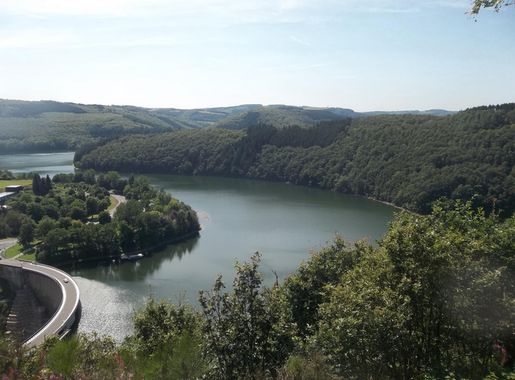


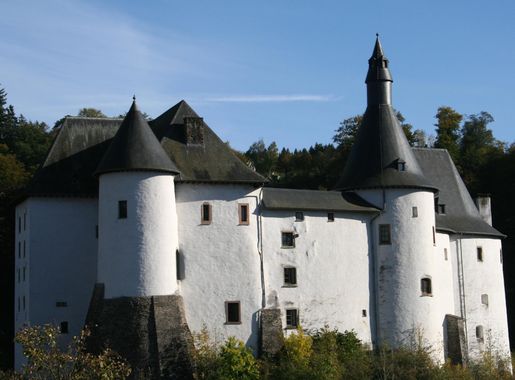
Eislek: The Enchanted Highlands of Luxembourg
Eislek, also known as the Oesling region, is a picturesque area in northern Luxembourg. This region is renowned for its rolling hills, dense forests, and charming villages. The landscape is dotted with medieval castles, offering a glimpse into the area's rich history and heritage. The region is a haven for outdoor enthusiasts. There are numerous hiking and biking trails that wind through the stunning scenery. The Upper Sûre Lake, a highlight of the region, is perfect for water sports and leisurely picnics by the shore. The natural beauty and tranquility of Eislek make it a perfect destination for nature lovers. Eislek is not just about natural beauty; it also boasts a vibrant cultural scene. Small towns like Clervaux and Vianden host festivals and events throughout the year. Local markets offer a taste of traditional Luxembourgish cuisine and crafts. A visit to Eislek promises a blend of adventure, relaxation, and cultural immersion.