

East End (Portland) Travel Guide - Free
Explore East End in Portland with Evendo's free guide. Find the best shops, historic streets, restaurants, and gems on web or mobile.


East End Portland blends Munjoy Hill views, the Eastern Promenade, historic homes, East End Beach, local cafés and harbour culture on Maine's coast.
Munjoy Hill and the Waterfront
Portland’s East End occupies the eastern side of the peninsula, rising from the harbour to the streets of Munjoy Hill and opening towards Casco Bay. It is a neighbourhood of weathered clapboard houses, narrow residential streets, small businesses and long coastal outlooks, with the Eastern Promenade providing its defining public landscape. From the promenade’s grassy slopes, visitors can look across the islands of Casco Bay, while East End Beach offers one of the city’s few accessible salt-water swimming spots.Read more about East End
History in the Streets
Everyday East End
Best attractions in East End
The East End’s principal attractions are its coastal parks, historic viewpoints and compact collection of heritage sites. The Eastern Promenade curves along the harbour edge, combining broad Casco Bay views with lawns, walking paths and access towards East End Beach. Fort Allen Park offers another open vantage point and marks the site of historic defensive works. On Munjoy Hill, the Portland Observatory is the neighbourhood’s most distinctive visitor attraction, an early nineteenth-century maritime signal tower whose elevated position explains the hill’s importance to Portland’s shipping community. Eastern Cemetery, near the western edge of the East End, provides a quieter encounter with the peninsula’s early history. The surrounding streets are part of the experience: clapboard houses, small-scale commercial buildings and steep residential lanes reveal a neighbourhood that is lived in as much as visited.
-
Park
Fort Allen Park
Discover Fort Allen Park, Portland's scenic park with breathtaking harbor views, lush landscapes, and rich history, a must-visit for Maine tourists.
12 min walk · 1.0 km from neighbourhood centre
-
Art museum
Portland Museum of Art
Discover the rich artistic heritage of Maine at the Portland Museum of Art, featuring diverse collections and engaging exhibitions for all ages.
16 min walk · 1.2 km from neighbourhood centre
-
Beach
East End Beach
Explore the serene beauty of East End Beach in Portland, Maine, a perfect destination for relaxation, outdoor activities, and stunning coastal views.
15 min walk · 1.2 km from neighbourhood centre
-
Tourist attraction
Maine Narrow Gauge Railroad
Explore the Maine Narrow Gauge Railroad, a scenic rail museum offering a captivating journey through the history of rail travel in Portland, Maine.
6 min walk · 0.5 km from neighbourhood centre


Best landmarks in East End
The Portland Observatory is the East End’s defining landmark: built in 1807 on Munjoy Hill, it is a rare surviving maritime signal tower and a reminder that the neighbourhood’s elevation once served Portland’s commercial harbour. Eastern Cemetery, established in 1668, is one of the peninsula’s oldest historic sites and contains gravestones and memorials associated with Portland’s early communities. Along the shore, Fort Allen Park preserves the memory of military defences while functioning today as a public park with expansive harbour views. The Eastern Promenade is itself an important civic landscape, framing the water with lawns, paths and long vistas towards Casco Bay. Together these places show how the East End moved from a strategically positioned maritime district to a residential neighbourhood whose historic structures and open spaces remain part of daily urban life.
-
Park
Fort Allen Park
Discover the beauty and history of Fort Allen Park, a must-visit waterfront oasis in Portland, Maine, perfect for relaxation and exploration.
12 min walk · 1.0 km from neighbourhood centre
-
Museum
Portland Observatory
Explore Portland Observatory, a historic maritime signal tower offering stunning views and a rich glimpse into Maine's nautical heritage.
6 min walk · 0.5 km from neighbourhood centre
-
Museum
Maine Historical Society and the Wadsworth-Longfellow House
Explore Portland's history at the Maine Historical Society and Wadsworth-Longfellow House, showcasing Maine's rich heritage and the legacy of Henry Wadsworth Longfellow.
11 min walk · 0.9 km from neighbourhood centre
-
Memorial park
Major Charles Loring Memorial Park
Discover the serene beauty and historical significance of Major Charles Loring Memorial Park in Portland, a perfect retreat for tourists and locals alike.
15 min walk · 1.2 km from neighbourhood centre


Explore East End on the map
A handpicked selection of must-see spots in East End, mapped for you.
Best hotels in East End
Best restaurants in East End
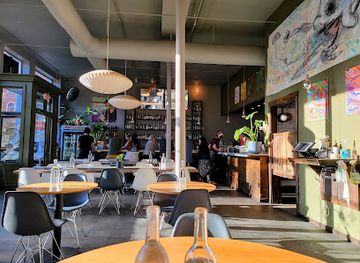
Eating in the East End ranges from longstanding neighbourhood dining to newer businesses concentrated around Congress Street and Washington Avenue. Munjoy Hill has cafés, bakeries, restaurants and bars within walking distance of the residential streets, while Washington Avenue has become associated with independent food and drink businesses in former commercial and workshop spaces. The wider Portland food culture is strongly represented through seafood, seasonal produce, craft beer and inventive small-plate cooking, but the East End’s appeal lies in its local scale rather than a single dining strip. Visitors will find places suited to breakfast, relaxed lunches, casual dinners and evening drinks, with menus that reflect Maine’s access to the coast alongside contemporary influences. Because independent businesses change frequently, checking current opening information is sensible, particularly outside the main summer season.
-
Belgian
Duckfat
Discover the delightful flavors of Belgium at Duckfat, Portland's beloved brasserie known for its fries cooked in duck fat and gourmet sandwiches.
3 min walk · 0.2 km from neighbourhood centre
-
Oyster Bar
Eventide Oyster Co.
Discover Eventide Oyster Co., Portland's premier oyster bar serving fresh seafood delights in a vibrant coastal setting.
4 min walk · 0.3 km from neighbourhood centre
-
New American
Fore Street Restaurant
Experience the essence of Portland's culinary scene at Fore Street Restaurant - where local ingredients meet exquisite New American cuisine.
6 min walk · 0.4 km from neighbourhood centre
-
Restaurant
The Honey Paw
Discover The Honey Paw: A culinary delight in Portland offering innovative American cuisine with locally sourced ingredients.
4 min walk · 0.3 km from neighbourhood centre


Best bars in East End
The East End is better known for neighbourhood bars, breweries and restaurant-led evenings than for large nightclubs. Congress Street and Munjoy Hill provide the most established evening activity, with places such as The Front Room contributing to the area’s local dining-and-drinking culture. Washington Avenue brings a more contemporary brewery and bar presence, while the streets around the Eastern Promenade are generally quiet after dark and primarily residential. Portland’s live-music and late-night options extend into the downtown area nearby, but they should not be described as East End venues unless they are actually located in the neighbourhood. Visitors should expect an early-evening restaurant atmosphere, weekend socialising and craft-beer culture rather than a concentrated club district.
-
Cocktail bar
The Portland Hunt & Alpine Club
Experience the flavors of Scandinavia and expertly crafted cocktails at The Portland Hunt & Alpine Club in Old Port, Portland, Maine.
6 min walk · 0.5 km from neighbourhood centre
-
Pub
Andy's Old Port Pub
Discover the heart of Portland at Andy's Old Port Pub, where fresh seafood, live music, and American classics await you in a vibrant waterfront setting.
8 min walk · 0.6 km from neighbourhood centre
-
Grill
The East Ender
Discover a vibrant mix of delicious grilled cuisine and lively entertainment at The East Ender in Portland, Maine, perfect for foodies and night owls alike.
3 min walk · 0.2 km from neighbourhood centre
-
Lounge
Top of the East
Experience the captivating views and vibrant atmosphere at Top of the East, Portland's premier lounge and bar destination for cocktails and culinary delights.
16 min walk · 1.3 km from neighbourhood centre


Best nightclubs in East End
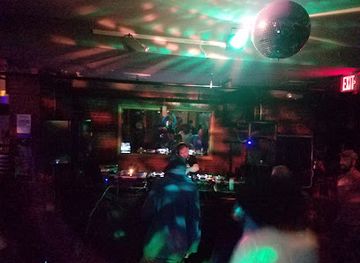
The East End is better known for neighbourhood bars, breweries and restaurant-led evenings than for large nightclubs. Congress Street and Munjoy Hill provide the most established evening activity, with places such as The Front Room contributing to the area’s local dining-and-drinking culture. Washington Avenue brings a more contemporary brewery and bar presence, while the streets around the Eastern Promenade are generally quiet after dark and primarily residential. Portland’s live-music and late-night options extend into the downtown area nearby, but they should not be described as East End venues unless they are actually located in the neighbourhood. Visitors should expect an early-evening restaurant atmosphere, weekend socialising and craft-beer culture rather than a concentrated club district.
-
Cocktail bar
The Portland Hunt & Alpine Club
Discover the perfect blend of Scandinavian cuisine and artisanal cocktails at The Portland Hunt & Alpine Club in Portland, Maine.
6 min walk · 0.5 km from neighbourhood centre
-
Lounge
Bubba's Sulky Lounge
Experience the eclectic charm of Bubba's Sulky Lounge, where vintage decor meets innovative cocktails in the heart of Portland.
15 min walk · 1.2 km from neighbourhood centre
-
Night club
Flask Lounge
Experience the vibrant nightlife at Flask Lounge in Downtown Portland, a premier spot for live music, dancing, and affordable drinks.
17 min walk · 1.3 km from neighbourhood centre
-
Bar
Geno’s Rock Club
Geno's Rock Club: Your go-to spot for live rock music and vibrant nightlife in Portland, Maine.
17 min walk · 1.4 km from neighbourhood centre


Best shops in East End
Shopping in the East End is predominantly independent and neighbourhood-scaled rather than centred on a large retail complex. Congress Street and the streets around Munjoy Hill contain small food shops, cafés, specialist businesses and locally oriented retailers, while Washington Avenue has a changing mix of food producers, breweries and creative enterprises. The area is a useful place to browse Maine-made food and drink, design-led goods and practical local businesses, although stock and commercial identities can change. The Eastern Promenade itself is not a shopping street; its value is as public open space between the residential hill and the harbour. Visitors seeking a broader concentration of bookshops, galleries and city-centre retail can continue west into downtown Portland, which is nearby but outside the East End.
-
Gift shop
The Maine Souvenir Shop - Portland
Explore the heart of Maine at The Maine Souvenir Shop, where local artistry meets memorable keepsakes in Portland's vibrant Old Port.
8 min walk · 0.6 km from neighbourhood centre
-
Gift shop
Pinecone+Chickadee
Explore Pinecone+Chickadee, Portland's enchanting gift shop featuring unique art, jewelry, and vintage finds that capture the essence of Maine.
9 min walk · 0.7 km from neighbourhood centre
-
Gift shop
Lisa-Marie's Made in Maine
Explore Lisa-Marie's Made in Maine for authentic local gifts, featuring unique jewelry, pottery, and home goods that celebrate Maine's artisanal craftsmanship.
7 min walk · 0.6 km from neighbourhood centre
-
Gift shop
Shipwreck & Cargo
Discover unique gifts and charming souvenirs at Shipwreck & Cargo in Portland's Old Port, a must-visit for every traveler.
9 min walk · 0.7 km from neighbourhood centre


East End essentials
Getting There
Getting Around
Safety
Emergency Situations
Do's and Don'ts
Local Tips

From Eve
Local phrases worth knowing
You don't need to get them perfect. A few words go a long way, and locals appreciate the effort.
Basics
| English | Local | Say it |
|---|---|---|
| Hello | Ayuh | [ah-yuh] |
| Goodbye | Buh-bye | [buh-bye] |
| Yes | Yup | [yup] |
| No | Naw | [naw] |
| Please/You're welcome | Please/You're welcome | [Please/You're welcome] |
| Thank you | Thanks | [thanks] |
| Excuse me/Sorry | Scuse me/Sorry | [skews me/sorry] |
| How are you? | How ya doin'? | [how ya doin'] |
| Fine. And you? | Fine. An' you? | [fine. an' you?] |
| Do you speak English? | Ya speak English? | [ya speak english?] |
| I don't understand | I dunno | [I dunno] |
Eating & Drinking
| English | Local | Say it |
|---|---|---|
| I'd like to see the menu, please | Gimme the menu, wouldja? | [gimme the menu, would-ya?] |
| I don't eat meat | I don't eat meat | [I don't eat meat] |
| Cheers! | Cheers! | [cheers!] |
| I would like to pay, please | I'll pay now | [I'll pay now] |
Emergencies
| English | Local | Say it |
|---|---|---|
| Help! | Help! | [help!] |
| Go away! | Get lost! | [get lost!] |
| Call the Police! | Call the cops! | [call the cops!] |
| Call a doctor! | Get a doc! | [get a doc!] |
| I'm lost | I'm lost | [I'm lost] |
| I'm ill | I'm sick | [I'm sick] |
Shopping
| English | Local | Say it |
|---|---|---|
| I'd like to buy... | I wanna buy... | [I wanna buy...] |
| I'm just looking | Just lookin' | [just lookin'] |
| How much is it? | How much? | [how much?] |
| That's too expensive | That's wicked dear | [that's wicked dear] |
| Can you lower the price? | Can ya drop the price? | [can ya drop the price?] |
Time & Numbers
| English | Local | Say it |
|---|---|---|
| What time is it? | What time is it? | [what time is it?] |
| It's one o'clock | It's one o'clock | [It's one o'clock] |
| Half past (10) | Ha' past ten | [ha' past ten] |
| Morning | Mornin' | [mornin'] |
| Afternoon | Afternoon | [afternoon] |
| Evening | Evenin' | [evenin'] |
| Yesterday | Yestidy | [yestidy] |
| Today | Today | [today] |
| Tomorrow | Tomorra | [tomorra] |
| 1 | One | [one] |
| 2 | Two | [two] |
| 3 | Three | [three] |
| 4 | Four | [four] |
| 5 | Five | [five] |
| 6 | Six | [six] |
| 7 | Seven | [seven] |
| 8 | Eight | [eight] |
| 9 | Nine | [nine] |
| 10 | Ten | [ten] |
Transport & Directions
| English | Local | Say it |
|---|---|---|
| Where's a/the...? | Where's the...? | [where's the...?] |
| What's the address? | What's the address? | [what's the address?] |
| Can you show me (on the map)? | Show me (on the map), wouldja? | [show me (on the map), would-ya?] |
| When's the next (bus)? | When's the next (bus)? | [when's the next (bus)?] |
| A ticket (to ....) | A ticket (to ....) | [a ticket (to ....)] |
History of East End
Early Settlement and Munjoy Hill
The eastern peninsula formed part of the wider homeland of the Wabanaki peoples before English settlement reshaped Casco Bay. Portland’s early colonial settlement developed around the harbour, while the hill later known as Munjoy Hill took its name from George Munjoy, an English settler associated with the area in the seventeenth century. Conflict and destruction repeatedly disrupted the early settlement, including attacks during the late seventeenth century, but the peninsula was rebuilt as Portland’s maritime importance grew. The hill’s elevated position made it useful for observation as well as habitation, establishing a relationship with the harbour that remains central to the East End’s identity.
A Maritime Working District
During the eighteenth and nineteenth centuries, Portland expanded as a regional port, and the East End developed alongside that commercial growth. Fishing, shipping and harbour trades shaped the waterfront, while houses climbed Munjoy Hill and streets connected the residential area with wharves and commercial parts of the peninsula. The Portland Observatory, completed in 1807, provided a practical vantage point from which signalmen could watch for incoming vessels and communicate their arrival to merchants. Its survival gives physical form to the maritime economy that once governed daily life on the hill and in the surrounding harbour.
Cemeteries, Fortifications and Public Landscapes
The East End also preserves several layers of civic and military history. Eastern Cemetery, established in 1668, became one of Portland’s principal burial grounds and contains memorials connected with the city’s early development. Fort Allen Park occupies the site of defensive works associated with the War of 1812 and later military use, although much of the present landscape is recreational. In the nineteenth century, the eastern waterfront increasingly served public as well as commercial purposes, and the Eastern Promenade emerged as an open coastal space where residents could enjoy views of Casco Bay.
The Modern East End
Twentieth-century changes in shipping, transport and urban life altered the East End without erasing its older character. The waterfront became less dominated by the working port, while the promenade, parks and beach gained importance as everyday public amenities. Munjoy Hill retained a mixture of historic housing, small businesses and long-established community institutions. In recent decades, restaurants, breweries and creative enterprises have joined the older residential fabric, particularly along Washington Avenue and Congress Street. Rising visitor interest and property pressure have brought change, but the neighbourhood remains defined by its coastal parks, maritime outlook and close-grained streets rather than by a single commercial centre.
East End in Photos
Browse through our photo collection highlighting the charm and character of the destination.
Neighbourhoods near East End
The closest neighbourhoods to East End, if you have time for more than one stop.
-

-


Swipe for more neighbourhoods
Explore more
Explore more of Portland
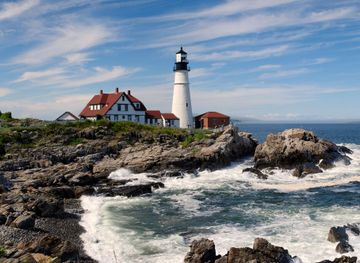
Portland, Maine pairs a historic waterfront, acclaimed museums, island ferries, seafood, craft breweries and walkable neighbourhoods on Casco Bay.
Explore Portland