

Old Port (Portland) Travel Guide - Free
Explore Old Port in Portland with Evendo's free guide. Find the best shops, historic streets, restaurants, and gems on web or mobile.


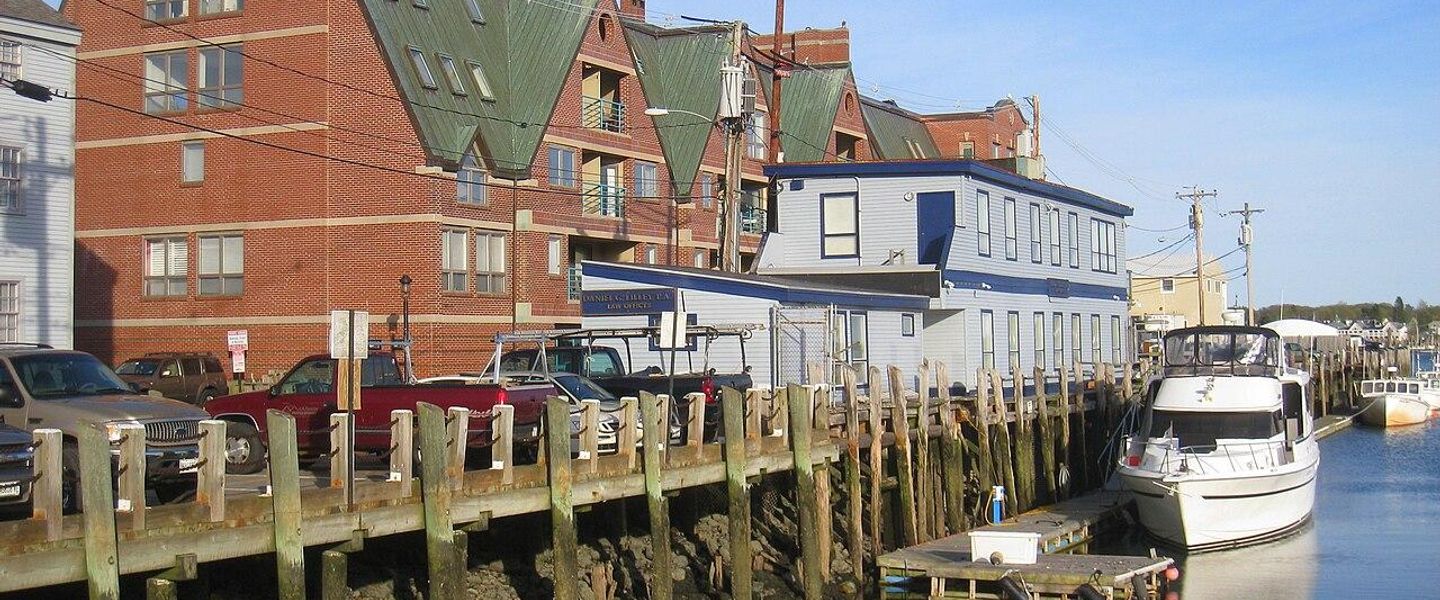


Old Port Portland Maine: cobblestone streets, harbour views, historic warehouses, seafood restaurants, boutique shopping and Casco Bay ferries in Portland.
Waterfront Character
Old Port is Portland's compact historic waterfront district, where cobbled lanes descend towards Casco Bay and nineteenth-century brick warehouses now contain restaurants, galleries, bars, boutiques and small hotels. Its most recognisable streets include Commercial Street along the harbour, Fore Street, Exchange Street, Market Street and Wharf Street, although the district's atmosphere is best understood through its connected network of lanes, piers and former commercial wharves rather than through a formal boundary. The tide, working boats and ferry traffic remain visible reminders that this is still a port as well as a leisure district.Read more about Old Port
Warehouses, Wharves and Daily Life
Food, Ferries and Evening Streets
Best attractions in Old Port
Old Port's principal attraction is the district itself: a walkable sequence of cobbled streets, brick warehouses, granite-fronted commercial buildings and harbour-facing wharves. Commercial Street offers views across Casco Bay and close encounters with Portland's working waterfront, while Fore Street, Exchange Street and Wharf Street lead through the most concentrated historic streetscape. Custom House Wharf and Union Wharf provide particularly clear reminders of the area's maritime origins, although visitors should follow signs around operational spaces. The Casco Bay Lines terminal is a major local point of interest and departure for island ferries and sightseeing cruises. Independent galleries, small design shops and food businesses occupy many of the reused warehouses, creating an attraction rooted in adaptive reuse rather than a single museum or monument. The neighbourhood is especially rewarding at the meeting point between everyday port activity and preserved nineteenth-century architecture.
-
Tourist attraction
Maine Duck Tours
Experience the thrill of Maine Duck Tours, where land and sea adventures await in beautiful Portland, Maine.
2 min walk · 0.2 km from neighbourhood centre
-
Historical landmark
A piece of the Berlin Wall
Explore a significant historical landmark in Portland—a piece of the Berlin Wall that symbolizes freedom and unity amidst a divided past.
2 min walk · 0.1 km from neighbourhood centre
-
Park
Tommy's Park
Explore the tranquil beauty of Tommy's Park, an urban oasis in Portland's historic Old Port, perfect for relaxation and social gatherings.
6 min walk · 0.4 km from neighbourhood centre
-
Tourist attraction
Statue of Lighthouse
Discover the Statue of Lighthouse in Downtown Portland, a stunning tribute to maritime history with breathtaking views of Casco Bay and vibrant local culture.
8 min walk · 0.6 km from neighbourhood centre


Best landmarks in Old Port
Old Port's most important landmark is its cohesive nineteenth-century commercial streetscape, preserved in brick warehouses, granite detailing, narrow plots and former loading entrances. Commercial Street forms the district's maritime edge, with Custom House Wharf, Union Wharf and other historic piers expressing Portland's long connection to coastal trade. The Portland Custom House, associated with the city's federal maritime administration, is a notable historic building near the waterfront, while the brick blocks along Fore and Exchange Streets show how merchants and warehouse operators shaped the rebuilt district after the 1866 fire. The cobbled surfaces and upper-storey hoists are significant details rather than decorative inventions, revealing how goods once moved between ships, wharves and shops. Casco Bay Lines' terminal adds a living landmark: ferries, excursion boats and island traffic keep the harbour relationship visible in the present day.
-
Historical landmark
Victoria Mansion
Experience the exquisite beauty and rich history of Victoria Mansion, a stunning 19th-century architectural masterpiece in Portland, Maine.
11 min walk · 0.9 km from neighbourhood centre
-
Plaza
Monument Square
Explore Monument Square in Portland, Maine – a vibrant plaza featuring a rich history, local events, delicious eateries, and charming shops.
9 min walk · 0.7 km from neighbourhood centre
-
Museum
Maine Historical Society and the Wadsworth-Longfellow House
Discover the literary heritage and rich history of Maine at the Maine Historical Society and Wadsworth-Longfellow House in Portland.
10 min walk · 0.8 km from neighbourhood centre
-
Historical place
Portland Waterfront Historic District
Discover the vibrant charm of Portland's Waterfront Historic District, where history meets modern culture along the scenic Maine coast.
4 min walk · 0.3 km from neighbourhood centre


Explore Old Port on the map
A handpicked selection of must-see spots in Old Port, mapped for you.
Best hotels in Old Port
Best restaurants in Old Port
Old Port is central to Portland's celebrated dining culture, with seafood and Maine produce prominent across a broad range of establishments. Oyster bars, lobster restaurants, contemporary tasting rooms, bakeries, cafés and compact counter-service spots occupy former warehouses and storefronts along Fore Street, Exchange Street, Commercial Street and the surrounding lanes. Established names associated with the area include Eventide Oyster Co., Duckfat, Fore Street, Central Provisions, Street & Co., Standard Baking Co. and DiMillo's on the waterfront, though the district's offer changes over time. Menus commonly draw on Gulf of Maine seafood, shellfish, seasonal vegetables and regional dairy, while the atmosphere ranges from informal daytime eating to destination dining. Portland's popularity means that queues and limited tables are part of the experience at some venues, especially during summer and weekend evenings.
-
Seafood
DiMillo's On the Water
Experience waterfront dining at its best with fresh seafood delights at DiMillo's On the Water in Portland, Maine.
1 min walk · 0.1 km from neighbourhood centre
-
Seafood
The Highroller Lobster Co.
Experience the best of Maine's seafood at The Highroller Lobster Co., where fresh flavors meet coastal charm in Portland's Old Port.
7 min walk · 0.5 km from neighbourhood centre
-
Seafood
Scales
Experience exquisite seafood dining at Scales in Portland's Waterfront District with stunning views and locally-sourced ingredients.
3 min walk · 0.2 km from neighbourhood centre
-
New American
Fore Street Restaurant
Experience exquisite New American cuisine at Fore Street Restaurant in Portland's Old Port - where every meal celebrates local flavors.
4 min walk · 0.4 km from neighbourhood centre


Best bars in Old Port
Old Port is Portland's main evening social district, but its nightlife is more varied than a dedicated club strip. Fore Street, Exchange Street and the lanes around the wharves contain Irish-style pubs, craft-beer bars, cocktail rooms, wine-focused venues and restaurants that remain active after dinner. Bull Feeney's and Gritty McDuff's are established names associated with the district, while Novare Res Bier Café, just beyond the tightest historic core, is known for its extensive beer focus. Live music and late-night activity appear in selected venues rather than throughout every street, and the atmosphere can change markedly between busy summer weekends and quieter weekdays. Visitors should expect narrow pavements, restaurant queues and residential neighbours alongside the evening crowds, with working waterfront areas remaining unsuitable for casual wandering.
-
Cocktail bar
Blyth & Burrows
Discover Blyth & Burrows in Portland, ME - a cocktail bar offering fresh seafood and innovative drinks in a vibrant waterfront setting.
4 min walk · 0.3 km from neighbourhood centre
-
Bar
Bonfire Country Bar Portland
Experience the lively atmosphere of Bonfire Country Bar in Old Port, Portland, where great food, drinks, and entertainment come together for an unforgettable night.
3 min walk · 0.3 km from neighbourhood centre
-
Cocktail bar
The Portland Hunt & Alpine Club
Experience the flavors of Scandinavia at The Portland Hunt & Alpine Club, where craft cocktails and unique dishes await in a cozy setting.
6 min walk · 0.5 km from neighbourhood centre
-
Beer hall
Portland Mash TUN
Discover the heart of Portland at Mash TUN - a lively beer hall offering craft brews and delicious bites in the vibrant Old Port district.
3 min walk · 0.3 km from neighbourhood centre


Best nightclubs in Old Port
Old Port is Portland's main evening social district, but its nightlife is more varied than a dedicated club strip. Fore Street, Exchange Street and the lanes around the wharves contain Irish-style pubs, craft-beer bars, cocktail rooms, wine-focused venues and restaurants that remain active after dinner. Bull Feeney's and Gritty McDuff's are established names associated with the district, while Novare Res Bier Café, just beyond the tightest historic core, is known for its extensive beer focus. Live music and late-night activity appear in selected venues rather than throughout every street, and the atmosphere can change markedly between busy summer weekends and quieter weekdays. Visitors should expect narrow pavements, restaurant queues and residential neighbours alongside the evening crowds, with working waterfront areas remaining unsuitable for casual wandering.
-
Cocktail bar
The Portland Hunt & Alpine Club
Experience the vibrant blend of Scandinavian cuisine and artisanal cocktails at The Portland Hunt & Alpine Club in Portland, ME.
6 min walk · 0.5 km from neighbourhood centre
-
Lounge
Bubba's Sulky Lounge
Experience the eclectic charm and vibrant nightlife at Bubba's Sulky Lounge, Portland's favorite cocktail bar and dance club.
15 min walk · 1.2 km from neighbourhood centre
-
Night club
Flask Lounge
Discover the vibrant nightlife of Portland at Flask Lounge, where live music and dancing create unforgettable experiences.
12 min walk · 0.9 km from neighbourhood centre
-
Bar
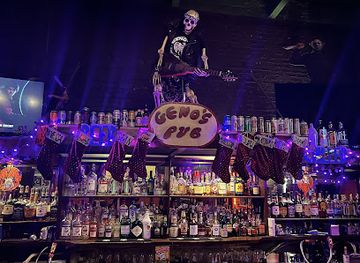
Geno’s Rock Club
Geno's Rock Club: Where Portland's Rock Scene Comes Alive with Live Music, Great Drinks, and Unforgettable Nights.
14 min walk · 1.1 km from neighbourhood centre
Best shops in Old Port
Shopping in Old Port is concentrated in small independent storefronts and converted warehouse spaces along Exchange Street, Fore Street, Middle Street, Market Street and the lanes leading towards Commercial Street. Visitors will find Maine-made food products, coastal gifts, clothing, jewellery, design objects, books, art and homewares alongside shops aimed at the seasonal visitor trade. The area is not a traditional produce market district, and its retail identity rests more on boutiques, galleries and specialist shops than on one central market hall. The historic buildings give the experience its character, with narrow frontages and upper floors that retain former commercial details above contemporary displays. Nearby downtown streets extend the retail area, but Old Port is best suited to browsing independent businesses and locally themed goods rather than seeking a large shopping centre or uniform chain selection.
-
Gift shop
The Maine Souvenir Shop - Portland
Discover unique Maine gifts and local treasures at The Maine Souvenir Shop, your go-to spot for authentic souvenirs in Portland's Old Port.
3 min walk · 0.3 km from neighbourhood centre
-
Gift shop
Pinecone+Chickadee
Explore Pinecone+Chickadee in Portland, Maine, a treasure trove of unique gifts, art, and vintage finds that celebrate local creativity.
7 min walk · 0.5 km from neighbourhood centre
-
Clothing store
Urban Outfitters
Explore Urban Outfitters in Portland for trendy fashion, unique home goods, and stylish beauty products in a vibrant shopping atmosphere.
5 min walk · 0.4 km from neighbourhood centre
-
Gift shop
Cool As A Moose
Explore Cool As A Moose, Portland's premier gift shop, offering unique souvenirs, stylish clothing, and a taste of local culture.
3 min walk · 0.2 km from neighbourhood centre


Old Port essentials
Getting There
Getting Around
Safety
Emergency Situations
Do's and Don'ts
Local Tips

From Eve
Local phrases worth knowing
You don't need to get them perfect. A few words go a long way, and locals appreciate the effort.
Basics
| English | Local | Say it |
|---|---|---|
| Hello | Ahoy | [ah-oy] |
| Goodbye | So long | [so long] |
| Yes | Yup | [yup] |
| No | Nah | [nah] |
| Please/You're welcome | Please/You're welcome | [Please/You're welcome] |
| Thank you | Much obliged | [much uh-blahy-d] |
| Excuse me/Sorry | Beg your pardon | [beg yoor pahr-dn] |
| How are you? | How's it hangin'? | [hows it hanguhn] |
| Fine. And you? | Doin' alright. You? | [doin alright. yoo] |
| Do you speak English? | Ya speak English? | [ya speak ing-glish] |
| I don't understand | I ain't got a clue | [I aint got uh kloo] |
Eating & Drinking
| English | Local | Say it |
|---|---|---|
| I'd like to see the menu, please | I'll take a gander at the card, if ya please | [ill take uh gan-duhr at the kahrd, if ya please] |
| I don't eat meat | I don't go for the meat | [I dont go for the meet] |
| Cheers! | Skoal! | [skohl] |
| I would like to pay, please | I'll settle up, if ya please | [ill set-l up, if ya please] |
Emergencies
| English | Local | Say it |
|---|---|---|
| Help! | SOS! | [S-O-S] |
| Go away! | Scram! | [skram] |
| Call the Police! | Ring up the 5-0! | [ring up the fahyv-oh] |
| Call a doctor! | Fetch a sawbones! | [fetch uh saw-bohns] |
| I'm lost | I'm turned around | [im turnd uh-round] |
| I'm ill | I'm under the weather | [im under the we-thur] |
Shopping
| English | Local | Say it |
|---|---|---|
| I'd like to buy... | I'm in the market for... | [im in the mahr-kit for] |
| I'm just looking | Just browsing | [jusst brau-zing] |
| How much is it? | What's the damage? | [whats the dam-ij] |
| That's too expensive | That's a steep price | [thats uh steep prahys] |
| Can you lower the price? | Can ya knock a bit off? | [can yuh nok uh bit off] |
Time & Numbers
| English | Local | Say it |
|---|---|---|
| What time is it? | What's the hour? | [whats the our] |
| It's one o'clock | It's one bell | [its one bel] |
| Half past (10) | Half past (10) | [Half past (10)] |
| Morning | Mornin' | [mornin] |
| Afternoon | Afternoon | [Afternoon] |
| Evening | Evenin' | [evenin] |
| Yesterday | Yest'day | [yest-day] |
| Today | Today | [Today] |
| Tomorrow | Morrow | [morrow] |
| 1 | One | [wuhn] |
| 2 | Two | [too] |
| 3 | Three | [three] |
| 4 | Four | [for] |
| 5 | Five | [fahyv] |
| 6 | Six | [siks] |
| 7 | Seven | [sev-uhn] |
| 8 | Eight | [ayt] |
| 9 | Nine | [nahyn] |
| 10 | Ten | [ten] |
Transport & Directions
| English | Local | Say it |
|---|---|---|
| Where's a/the...? | Where's the... | [wheres the] |
| What's the address? | Where's it located? | [wheres it loh-key-ted] |
| Can you show me (on the map)? | Can ya point it out (on the chart)? | [can ya point it out (on the chart)] |
| When's the next (bus)? | When's the next (bus)? | [When's the next (bus)] |
| A ticket (to ....) | A ticket (to ....) | [A ticket (to ....)] |
History of Old Port
A Maritime Commercial Quarter
Old Port grew from Portland's relationship with the harbour, whose deep-water setting supported shipping, fishing, trade and coastal connections. The district's streets and wharves developed as practical infrastructure rather than as a planned visitor quarter, with merchants, ship chandlers, warehouses and offices concentrated close to the water. Commercial Street became the principal waterfront route, while piers and wharves extended into Casco Bay for loading and unloading. Many of the brick commercial buildings visible today date from the nineteenth century, when Portland's port economy and role as a regional trading centre expanded. Their robust construction, narrow plots and large upper-storey openings reflect the needs of storage and commerce.
Fire and Brick Reconstruction
A major fire in 1866 destroyed much of central Portland, including buildings in and around the waterfront commercial area. Reconstruction brought more substantial brick buildings and helped create the architectural character now associated with Old Port. The rebuilt district combined warehouses, shops, offices and maritime premises, while granite and brick construction offered greater resilience than the earlier timber streetscape. Surviving structures from this period are important not only for their appearance but also for the evidence they provide of Portland's nineteenth-century economy. The district's lanes, loading entrances and wharf connections still reveal how closely everyday urban life was once tied to the movement of goods.
Rail, Roads and a Changing Waterfront
As railways, improved roads and larger transport systems altered the movement of goods, parts of Portland's old waterfront lost their earlier commercial importance. Some warehouses and wharves remained active, but others experienced decline or changes of use during the twentieth century. The district was increasingly valued for its historic building stock, even as modern traffic routes and port operations reshaped the edges of the area. Commercial Street retained a working maritime function, while the older streets inland from the harbour gradually became less dominated by wholesale trade. This transition laid the groundwork for later preservation and adaptive reuse without erasing the port's continuing practical role.
Preservation and Adaptive Reuse
From the late twentieth century, restoration and new investment transformed many former warehouses into restaurants, galleries, shops, offices and accommodation. Historic preservation helped retain the scale and materials of the district while allowing buildings to serve contemporary purposes. The result is the Old Port recognised by visitors today: a walkable collection of nineteenth-century commercial structures alongside active wharves and ferry facilities. The change also brought familiar pressures of a successful waterfront district, including seasonal crowds, rising commercial interest and the need to balance tourism with working businesses and residential life. Old Port's identity therefore remains both inherited and continually negotiated.
Old Port in Photos
Browse through our photo collection highlighting the charm and character of the destination.
Neighbourhoods near Old Port
The closest neighbourhoods to Old Port, if you have time for more than one stop.
-

-


Swipe for more neighbourhoods
Explore more
Explore more of Portland
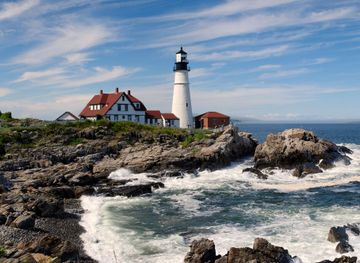
Portland, Maine pairs a historic waterfront, acclaimed museums, island ferries, seafood, craft breweries and walkable neighbourhoods on Casco Bay.
Explore Portland