

Alimatha Island Travel Guide - Free Web & App
Your ultimate guide to Alimatha Island. Discover top landmarks, proposed trips, and local tips. Free on the web or via the Evendo companion app.


Alimatha Island, Maldives, pairs a secluded Vaavu Atoll resort with coral reefs, lagoon views, snorkelling, diving and easy access from Malé.
Island Setting
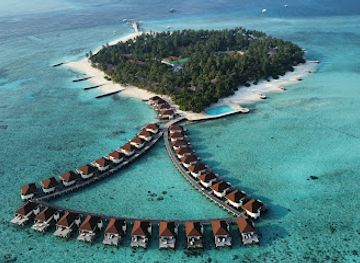
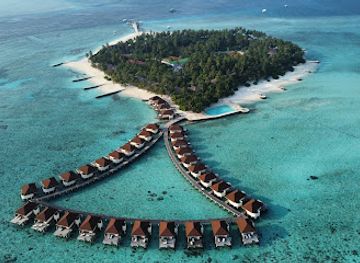
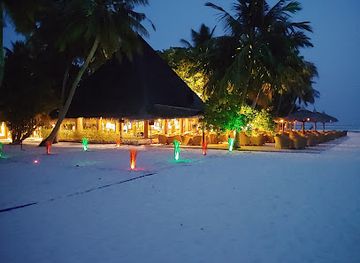
Alimatha Island is a small resort island in Vaavu Atoll, part of the Maldives’ central Indian Ocean archipelago. Its character is defined by the classic atoll landscape: a narrow strip of white coral sand, a shallow turquoise lagoon, coconut palms and reef-fringed water extending towards the open sea. The island is occupied primarily by the Alimatha Aquatic Resort, so visitors encounter a compact, self-contained base rather than a conventional Maldivian town with streets, shops and public facilities.Read more about Alimatha Island
Marine Life and Outdoor Experiences
Resort-Based Island Life
When is the best time to visit Alimatha Island?
Best: January–March · 30–31°C| Month | High (°C) | Rainfall (mm) |
|---|---|---|
| January (best) | 30 | 101 |
| February (best) | 30 | 57 |
| March (best) | 31 | 54 |
| April | 31 | 131 |
| May | 31 | 223 |
| June | 31 | 270 |
| July | 30 | 237 |
| August | 30 | 246 |
| September | 30 | 234 |
| October | 30 | 221 |
| November | 30 | 248 |
| December | 30 | 247 |
Getting to and around Alimatha Island
How to get there
Transportation
Best attractions in Alimatha Island
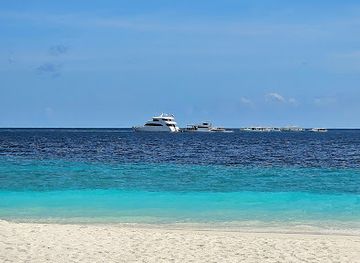
Alimatha’s principal attraction is the marine setting around its compact resort island, where a pale beach, shallow lagoon and coral reef create a natural focus for swimming, snorkelling and relaxed shoreline walks where permitted. Beneath the surface, reef fish and coral habitats provide the visual character of the destination, while organised dive and boat excursions can extend exploration into Vaavu Atoll’s channels and outer reef areas. Conditions vary considerably with tide, wind and visibility, making local guidance important. The island itself offers a quieter experience than Malé or the inhabited atoll communities, with the resort providing the practical base for meals, equipment and excursions. Wider Vaavu can be experienced through carefully arranged visits to local islands such as Felidhoo or Keyodhoo, but these are separate communities rather than attractions contained within Alimatha. There are no conventional museums, historic town quarters or extensive inland sightseeing routes on the island.
-
Island
Alimathaa
Explore Alimathaa, a stunning island in the Maldives, known for its breathtaking beaches, vibrant marine life, and serene atmosphere perfect for relaxation.
-
Tourist attraction
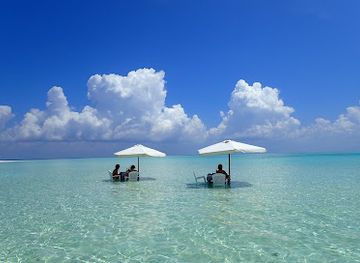
Sandbank
Explore the serene beauty of Sandbank in Thinadhoo, a tranquil paradise for relaxation, adventure, and breathtaking views in the Maldives.
-
Tourist attraction
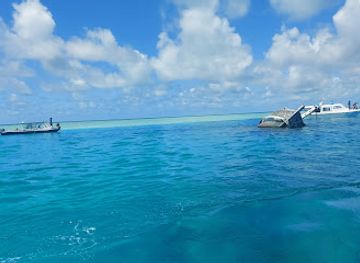
Vaavu Shipwreck
Explore the captivating Vaavu Shipwreck in the Maldives, a mesmerizing underwater attraction filled with vibrant marine life and rich history.
-
Tourist attraction
Bodumohora Beach
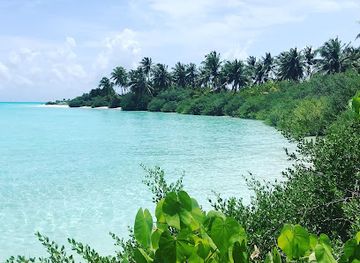
Explore the serene Bodumohora Beach in Rakeedhoo, Maldives - a tranquil paradise perfect for relaxation and aquatic adventures.
Best landmarks in Alimatha Island
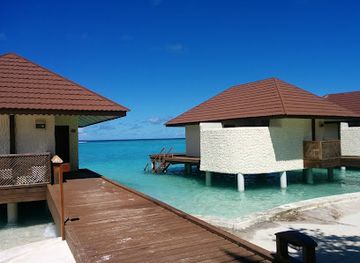
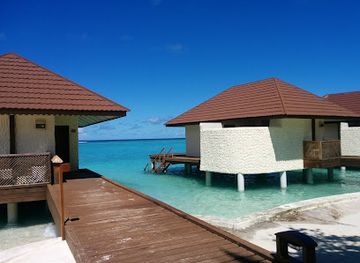
Alimatha’s defining landmarks are natural rather than architectural. The island’s narrow coral-sand shoreline, palm-fringed interior and surrounding lagoon express the low-lying atoll geography of the Maldives, while the house reef and nearby reef formations are the features that give the destination its strongest identity beneath the water. Vaavu Atoll’s channels are also significant marine landmarks, linking the lagoon environment with deeper ocean waters and creating conditions that attract experienced divers, although currents can be strong and locations should be approached with qualified local guidance. The resort buildings form the island’s principal human presence, but Alimatha has no historic urban quarter, castle, major monument or traditional village centre. Nearby inhabited islands, including Felidhoo and Keyodhoo, represent the wider cultural landscape of Vaavu rather than landmarks situated on Alimatha itself.
-
Island
Alimathaa
Alimathaa Island in the Maldives: A serene tropical paradise with stunning beaches, vibrant marine life, and a tranquil escape for all travelers.
-
 Resort hotel
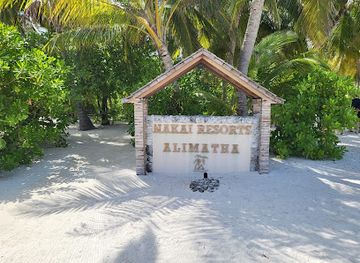
Nakai Resort Alimatha
Discover the enchanting Nakai Resort Alimatha, where luxury meets the pristine beauty of the Maldives, offering a perfect getaway for relaxation and adventure.
-
Resort hotel
Bravo alimathà
Discover the ultimate Maldivian getaway at Bravo Alimathà Resort, where luxury meets tranquility on the beautiful island of Thinadhoo.
-
Tourist attraction
Dhiggiri Shark Point.
Discover the breathtaking underwater beauty of Dhiggiri Shark Point, where adventure and marine wonder await in the Maldives.
Explore Alimatha Island on the map
Plan your trip on one map. See where the top attractions, landmarks, restaurants and hotels are, and book hotels and experiences in a few clicks.
Best hotels in Alimatha Island
Best restaurants in Alimatha Island
Dining on Alimatha is centred on the resort rather than on an independent restaurant scene. Meals typically draw on the international menus expected at a Maldivian island resort, with seafood, rice, tropical fruit, salads and familiar European and Asian dishes likely to feature according to the current culinary programme. Local Maldivian cuisine is associated with fish, coconut, chilli, lime and starches such as rice, and may appear through selected dishes or themed meals, although the precise offering should be confirmed with the resort. There are no public dining streets or cluster of village cafés on the island, and visitors should not expect to shop for provisions locally. Excursions to inhabited islands may provide a cultural perspective on everyday food traditions, but dining there requires prior arrangements and respect for local customs rather than spontaneous restaurant-hopping.
-
Restaurant
Moonlight - FOOD . DRINKS . SHISHA
Experience exquisite dining and vibrant nightlife at Moonlight in Maafushi - where food meets fun under the Maldivian sky.
-
Restaurant
Hiyala Mariyaad Cafe'
Discover authentic Maldivian cuisine at Hiyala Mariyaad Cafe', where every dish tells a story of flavor and tradition.
-
Mediterranean
Miss Olive Oyl Pool & Bar
Discover culinary delights at Miss Olive Oyl Pool & Bar in the Maldives - where Mediterranean flavors meet breathtaking island views.
-
Restaurant
CHAMBAO - Cafe & Retreat
Experience tranquility at Chambao - A charming cafe & retreat in Guraidhoo offering delightful cuisine amidst stunning Maldivian scenery.
Best bars in Alimatha Island
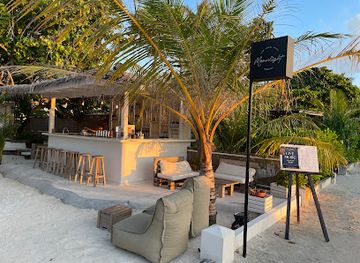
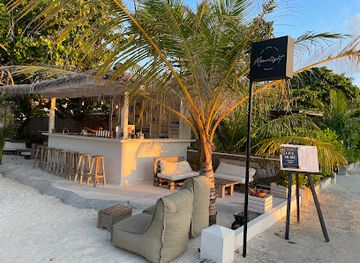
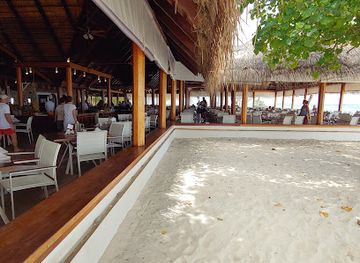
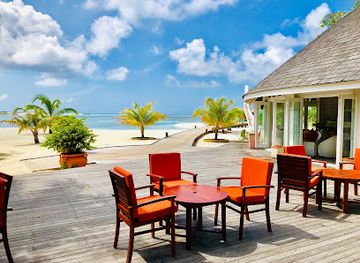
Alimatha has a quiet, resort-based evening atmosphere rather than a conventional nightlife district. Evening drinks, informal socialising and occasional entertainment may be available through the resort’s own facilities and programme, while the surrounding lagoon and low-density island setting make sunset viewing and stargazing more characteristic than late-night clubbing. There are no independent bars or nightclubs on the island, and visitors should not expect a choice of venues or fixed entertainment schedules. Alcohol service is associated with resort settings and should not be assumed to apply on nearby inhabited islands, where Maldivian Muslim customs are observed. Any resort event, live performance or themed evening depends on the current programme and should be checked after arrival.
-
Restaurant
Moonlight - FOOD . DRINKS . SHISHA
Experience the vibrant dining and hookah culture at Moonlight in the Maldives, where delicious food meets a lively lounge atmosphere.
-
Lounge
Peacock Alley
Discover the luxurious Peacock Alley Lounge in the Maldives, where breathtaking views and exquisite cocktails meet relaxation in a serene atmosphere.
-
Bar
Overwater Bar
Experience the tranquil beauty of the Maldives at Overwater Bar, a premier destination for exquisite drinks and breathtaking ocean views.
-
Cocktail bar
Dhoni Bar
Discover the vibrant Dhoni Bar in Guraidhoo, where expertly crafted cocktails meet a lively island atmosphere for an unforgettable experience.

Best nightclubs in Alimatha Island
Alimatha has a quiet, resort-based evening atmosphere rather than a conventional nightlife district. Evening drinks, informal socialising and occasional entertainment may be available through the resort’s own facilities and programme, while the surrounding lagoon and low-density island setting make sunset viewing and stargazing more characteristic than late-night clubbing. There are no independent bars or nightclubs on the island, and visitors should not expect a choice of venues or fixed entertainment schedules. Alcohol service is associated with resort settings and should not be assumed to apply on nearby inhabited islands, where Maldivian Muslim customs are observed. Any resort event, live performance or themed evening depends on the current programme and should be checked after arrival.
-
Island
Alimathaa
Experience the serene charm of Alimathaa Island, a hidden gem in the Maldives offering stunning beaches and vibrant marine life.
-
Resort hotel
Nakai Resort Alimatha
Experience unparalleled luxury and breathtaking beauty at Nakai Resort Alimatha, your paradise in the heart of the Maldives.
-
Resort hotel
Bravo alimathà
Discover the ultimate tropical escape at Bravo alimathà Resort in Thinadhoo, Maldives, where luxury meets nature in perfect harmony.
-
Bar
Overwater Bar
Discover the Overwater Bar in Thinadhoo: a perfect blend of relaxation, stunning views, and vibrant nightlife in the heart of the Maldives.
Best shops in Alimatha Island
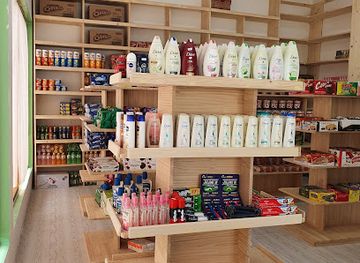
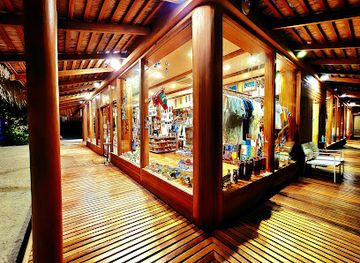
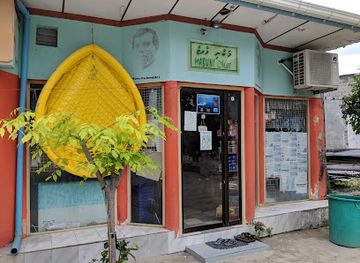
Shopping on Alimatha is limited to the resort’s own small-scale retail provision, where available, rather than a town centre or independent commercial district. Visitors should expect any selection of souvenirs, resort essentials or branded items to be modest and should buy specialist toiletries, medicines, reading material and equipment before leaving Malé. Local products associated with the Maldives may include handicrafts, woven items, artwork and packaged food, but availability varies and should not be assumed on a small resort island. More authentic community shopping can be found through appropriately arranged visits to inhabited islands or in Malé, where independent shops and larger retail choices are concentrated. When buying souvenirs, avoid coral, shells, turtle products and anything that may have been taken from the marine environment or contravene conservation and customs rules.
-
Grocery store
Thinadhoo Island Mart
Discover local flavors at Thinadhoo Island Mart, your go-to grocery store for authentic Maldivian products and fresh ingredients.
-
Souvenir store
Alimatha Souvenir Shop
Explore the vibrant artistry of the Maldives at Alimatha Souvenir Shop, where every handcrafted item tells a unique story.
-
Store
Mabuni Mart
Discover unique Maldivian crafts, local snacks, and souvenirs at Mabuni Mart in Fulidhoo, your ultimate shopping destination in the Maldives.
-
Store
Supreme Store
Discover unique Maldivian souvenirs and local crafts at Supreme Store in Felidhoo, a true reflection of island culture and craftsmanship.
Get your free copy of our complete guide to Alimatha Island, delivered straight to you.
Everything on this page, from attractions and restaurants to essentials and local phrases, in one PDF you can read offline, print or share.
Already have an account? Sign in
Your Alimatha Island guide is ready.
We'll send it to · Not you? Sign out

Getting your guide ready…
We are putting together a fresh copy of the Alimatha Island guide. This can take up to a minute.
This can take a few moments. If your browser asks, choose Allow so the download can start. You'll find the guide in your Downloads folder.
Nothing happened? Download it again
Sorry, the guide is taking longer than usual. Please try again in a minute, or get it by email instead.
Alimatha Island essentials
Currency and Payment
Safety
Emergency Situations
Do's and Don'ts
Local Tips
History of Alimatha Island
An Atoll Shaped by the Indian Ocean
Alimatha’s physical story belongs to the geological history of the Maldives, an archipelago formed from coral atolls rising around submerged volcanic structures in the Indian Ocean. Reef growth, lagoon formation, wave action and the movement of sand have shaped the low-lying island landscape seen today. These processes remain active: beaches and sandbanks can change with monsoon winds, storms and currents, while the surrounding reef continues to form the natural foundation of life and travel in Vaavu Atoll.
Maldivian Seafaring and Atoll Communities
For centuries, Maldivian communities have depended on the sea for travel, fishing, trade and communication between islands. Vaavu Atoll forms part of this maritime world, where knowledge of reefs, channels, tides and seasonal weather has long been essential. Alimatha itself is best understood within that wider atoll network rather than as an isolated resort creation: its waters are connected to the routes, livelihoods and cultural geography of inhabited islands such as Felidhoo and Keyodhoo, although the resort island has a very different visitor environment from those communities.
Tourism Comes to Vaavu Atoll
Modern tourism introduced a new use for many Maldivian islands, with selected uninhabited or lightly settled islands developed as resort settings separate from local communities. Alimatha became associated with resort tourism and marine recreation, using its lagoon, beaches and access to Vaavu’s dive waters as the basis of its visitor offer. This model created employment and links with the wider Maldivian economy while keeping everyday resort life distinct from the social and religious customs of inhabited islands.
Marine Tourism and Conservation
The contemporary identity of Alimatha depends on the condition of the surrounding coral reef and the health of the wider atoll ecosystem. Diving, snorkelling and boat excursions have made Vaavu known among visitors interested in tropical marine environments, while resort operations and local authorities must balance tourism with reef protection, waste management and responsible wildlife encounters. The fragile setting also makes environmental change particularly visible, as coral stress, storm damage, coastal erosion and rising sea levels can affect both natural habitats and the long-term viability of low-lying islands.
Alimatha Island in Photos
Browse through our photo collection highlighting the charm and character of the destination.
Cities in Alimatha Island
The towns and cities of Alimatha Island, and the easiest places to base yourself.
-

-

-

-

-

-


Swipe for more cities
Neighbouring destination travel guides
The closest destinations to Alimatha Island, if you have time for more than one.
-

-

-

-

-


Swipe for more destinations
Explore more

Explore more of Maldives
Experience the unparalleled beauty of the Maldives, where pristine beaches, luxurious resorts, and vibrant marine life create the perfect tropical getaway.
Explore Maldives