

Hulhumalé (Malé) Travel Guide - Free
Explore Hulhumalé in Malé with Evendo's free guide. Find the best shops, historic streets, restaurants, and gems on web or mobile.


Hulhumalé in Malé offers public beaches, waterfront walks, modern parks, cafés and easy airport access amid contemporary Maldivian island life.
An Island Built for a Changing Capital
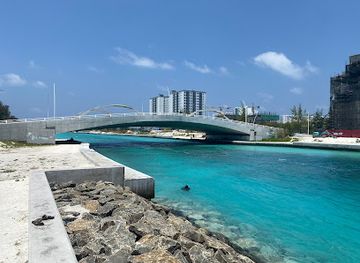
Hulhumalé is a planned island city in the Maldivian capital region, created on reclaimed land between Malé and Velana International Airport. Unlike the densely built historic capital, it has wider roads, newer apartment blocks, landscaped spaces and long waterfronts, giving visitors a different perspective on life in the Maldives. The island is connected to Malé and Hulhulé by the Sinamalé Bridge, while its proximity to the airport makes it a practical first or final stop before travelling to the atolls.Read more about Hulhumalé
Waterfront Life and Open Space
Everyday Maldivian Modernity
Best attractions in Hulhumalé
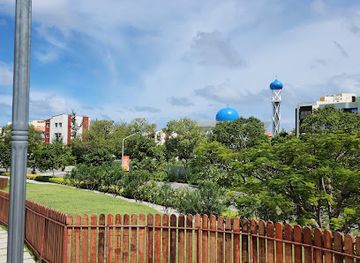
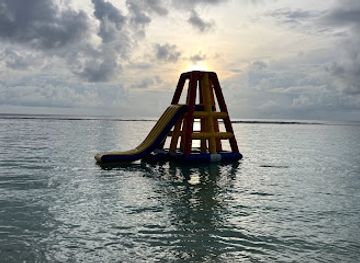
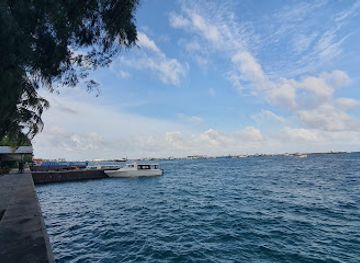
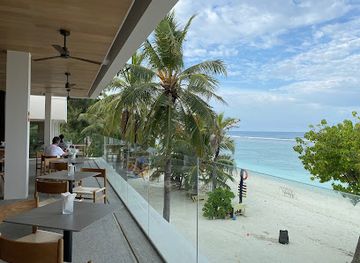
Hulhumalé’s main attractions are its public coastline and the experience of seeing a modern Maldivian settlement taking shape on reclaimed land. The public beach provides a broad stretch for swimming, walking and watching the sea, while the waterfront promenade offers views towards the airport area and the open Indian Ocean. Inland, landscaped parks, sports grounds and community spaces give the planned island a more spacious rhythm than Malé, and the streets of Phase 1 reveal the everyday life of apartment blocks, cafés and small businesses. Phase 2 offers a contrasting landscape of newer roads, larger plots and contemporary buildings, with development itself forming part of the visual interest. The island’s mosque, public facilities and carefully laid-out residential districts are also worth observing as examples of planned urban life in the Maldives.
-
Tourist attraction
Hulhumale Beach
Discover the stunning beauty of Hulhumale Beach in the Maldives, where pristine sands meet crystal-clear waters for the perfect tropical getaway.
10 min walk · 0.8 km from neighbourhood centre
-
Hiking area
Lookout Point
Explore Lookout Point in Malé for stunning views and a peaceful hiking experience amidst the beauty of the Maldives.
4 min walk · 0.3 km from neighbourhood centre
-
Tourist attraction
Tri sea view hulumale beach
Experience the serene beauty of Tri Sea View Hulumale Beach, where stunning ocean views meet tranquil sandy shores in the Maldives.
11 min walk · 0.9 km from neighbourhood centre
-
 Tourist attraction
Scuba Snorkel Drop
Explore vibrant coral reefs and diverse marine life at Scuba Snorkel Drop in Hulhumalé, a top tourist attraction for underwater adventures.
4 min walk · 0.3 km from neighbourhood centre
Best landmarks in Hulhumalé
Hulhumalé’s most significant landmark is the island itself: a large reclaimed urban project that expresses the capital region’s response to limited land on Malé. The Sinamalé Bridge is an important piece of infrastructure in the wider area, connecting Malé, the airport island of Hulhulé and Hulhumalé by road, although its central spans lie outside the neighbourhood. Within Hulhumalé, the public beach and waterfront are defining civic features, while the planned road grid, landscaped spaces and apartment districts provide a visible contrast with Malé’s compact historic fabric. Hulhumalé Mosque and other public institutions contribute to the island’s community identity, but the neighbourhood’s significance lies less in old monuments than in its role as a deliberately planned extension of the Maldivian capital.
-
Park
Central Park (Hulhumalé)
Escape to Hulhumalé's largest green space: Central Park, where nature meets recreation and community thrives.
6 min walk · 0.4 km from neighbourhood centre
-
Scenic spot
Hulhumale Public Beach
Discover turquoise waters & soft sands at Hulhumale Public Beach, a serene & budget-friendly escape near Male, Maldives. #HulhumaleBeach #MaldivesTravel
5 min walk · 0.4 km from neighbourhood centre
-
Photography studio
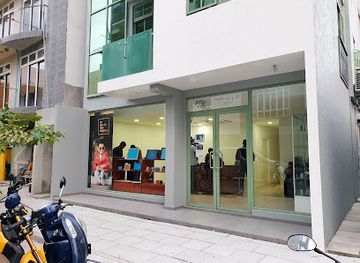
FDI Station Hulhumale'
Capture your Maldivian memories at FDI Station Hulhumale', offering professional photography, printing, and photo finishing services.
7 min walk · 0.6 km from neighbourhood centre
-
Ferry service
Hulhumale Ferry Terminal
Experience the Maldives: Hulhumale Ferry Terminal connects you to island adventures, cultural experiences, and the beauty of the archipelago.
8 min walk · 0.6 km from neighbourhood centre

Explore Hulhumalé on the map
A handpicked selection of must-see spots in Hulhumalé, mapped for you.
Best hotels in Hulhumalé
Best restaurants in Hulhumalé
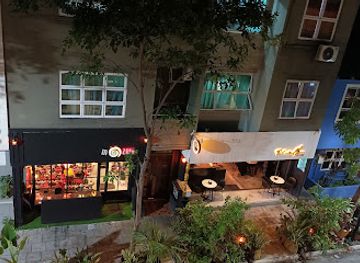
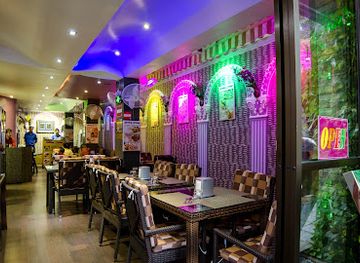
Eating in Hulhumalé reflects the island’s role as a residential and airport-connected community rather than a resort destination. Along the main commercial streets and around the waterfront, cafés and casual restaurants serve Maldivian staples alongside South Asian, East Asian and international dishes suited to residents, airport workers and travellers. Visitors may encounter fish, rice, curries, short eats and hedhikaa, the savoury or sweet snacks commonly enjoyed with tea, as well as coffee shops and contemporary casual dining. The scene is generally informal, with small independent businesses and takeaway counters more characteristic than elaborate resort restaurants. Phase 1 has the most established concentration of everyday dining, while Phase 2’s options reflect its newer development. Menus, opening arrangements and availability change, so the most useful approach is to ask locally and choose places that clearly operate for the resident community.
-
Indian
Bombay Darbar
Experience the rich tapestry of Indian flavors at Bombay Darbar - where every dish tells a story.
4 min walk · 0.4 km from neighbourhood centre
-
Restaurant
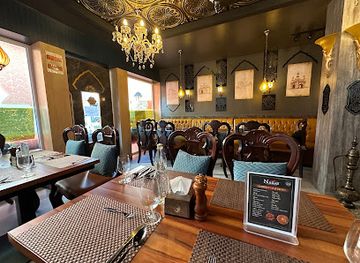
Naga's Indian Restaurant
Discover the rich flavors of India at Naga's Indian Restaurant in Hulhumalé - where every dish tells a story.
4 min walk · 0.3 km from neighbourhood centre
-
Pakistani
Tandoori Flames Hulhumale
Experience authentic Pakistani and Indian cuisine at Tandoori Flames in Hulhumale - where every dish tells a story.
5 min walk · 0.4 km from neighbourhood centre
-
Restaurant
Papa Sam's
Discover authentic Maldivian flavors at Papa Sam's in Hulhumalé – where every meal is a celebration of taste and culture.
6 min walk · 0.5 km from neighbourhood centre
Best bars in Hulhumalé
Hulhumalé does not have a conventional bar and nightclub scene, since the Maldives’ restrictions on alcohol apply to inhabited local islands; licensed alcohol venues are associated mainly with separate resort islands. Evenings in Hulhumalé are instead centred on cafés, casual restaurants, beach walks and informal gatherings along the waterfront. The island can feel lively around its commercial roads, particularly when residents are out after work, but it is not designed as a late-night entertainment district. Visitors may find occasional cultural, community or hotel-based events, though these should not be assumed to operate on a fixed schedule. Respect the quieter character of residential streets, avoid public drinking and treat the beach and promenades as shared community spaces rather than nightlife venues.
-
Restaurant
Malika El Shisha
Experience the vibrant flavors of Malika El Shisha in Malé, where exquisite cuisine meets a lively atmosphere for an unforgettable dining experience.
7 min walk · 0.6 km from neighbourhood centre
-
Bar
Juicy
Experience the vibrant flavors of the Maldives at Juicy, a bar and juice shop in Hulhumalé serving refreshing drinks in a lively atmosphere.
6 min walk · 0.5 km from neighbourhood centre
-
Restaurant
The Sand Bar
Discover the vibrant flavors and relaxing atmosphere of The Sand Bar in Malé, a perfect culinary escape for tourists in the Maldives.
8 min walk · 0.6 km from neighbourhood centre
-
Lounge
Kanneiy Baa
Discover the vibrant nightlife at Kanneiy Baa in Hulhumalé, where karaoke and sheesha create unforgettable moments for visitors.
10 min walk · 0.8 km from neighbourhood centre
Best nightclubs in Hulhumalé
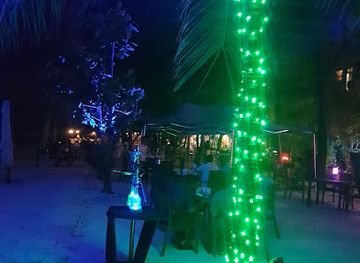
Hulhumalé does not have a conventional bar and nightclub scene, since the Maldives’ restrictions on alcohol apply to inhabited local islands; licensed alcohol venues are associated mainly with separate resort islands. Evenings in Hulhumalé are instead centred on cafés, casual restaurants, beach walks and informal gatherings along the waterfront. The island can feel lively around its commercial roads, particularly when residents are out after work, but it is not designed as a late-night entertainment district. Visitors may find occasional cultural, community or hotel-based events, though these should not be assumed to operate on a fixed schedule. Respect the quieter character of residential streets, avoid public drinking and treat the beach and promenades as shared community spaces rather than nightlife venues.
-
Club
The Beach Club at Club One
Experience the vibrant flavors of Latin America at The Beach Club at Club One in the Maldives, a perfect spot for families and food lovers.
10 min walk · 0.8 km from neighbourhood centre
-
Lounge
Kanneiy Baa
Discover Kanneiy Baa, the tranquil lounge in Malé, where relaxation meets exquisite refreshment amidst a vibrant atmosphere.
10 min walk · 0.8 km from neighbourhood centre
-
Karaoke bar
Rivo lounge and karaoke
Experience the vibrant nightlife of Hulhumalé at Rivo Lounge and Karaoke, where music and fun come alive in a tropical paradise.
13 min walk · 1.0 km from neighbourhood centre
-
Bar
Chanbeyli Magu 7
Experience the vibrant nightlife at Chanbeyli Magu 7, a cozy bar in Hulhumalé offering refreshing drinks and a lively atmosphere.
6 min walk · 0.5 km from neighbourhood centre
Best shops in Hulhumalé
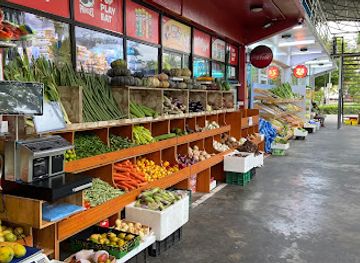
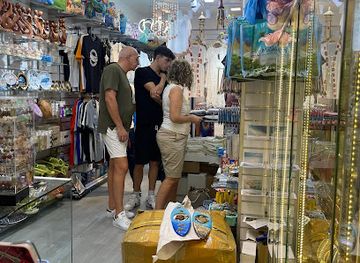
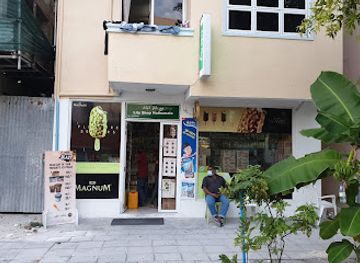
Shopping in Hulhumalé is primarily practical and local, with convenience stores, pharmacies, small supermarkets, mobile-phone businesses, cafés and independent retailers serving residents and travellers staying near the airport. The main commercial streets in Phase 1 offer the greatest concentration of everyday shops, while Phase 2’s retail landscape continues to develop alongside its newer apartment blocks. Visitors should not expect the dense souvenir and market culture associated with central Malé; Hulhumalé is better suited to buying snacks, beach essentials, modest clothing, toiletries and locally familiar food products. Small businesses also provide opportunities to observe the island’s contemporary commercial life, where local demand matters more than a specialised tourist retail identity. For traditional produce, larger markets and a broader range of Maldivian goods, visitors generally need to travel to Malé rather than treating Hulhumalé as the capital’s main shopping district.
-
Store
Fahi Plaza
Explore Fahi Plaza in Malé: a vibrant shopping destination offering a blend of local crafts and international brands amidst a lively atmosphere.
7 min walk · 0.6 km from neighbourhood centre
-
Souvenir store
Love Me
Explore Love Me Souvenir Store in Malé for unique local crafts and gifts that capture the beauty of the Maldives.
5 min walk · 0.4 km from neighbourhood centre
-
Home goods store
Lily Shop Hulhumale'
Explore the enchanting Lily Shop Hulhumale', where local craftsmanship meets modern home goods in the heart of the Maldives.
6 min walk · 0.5 km from neighbourhood centre
-
Clothing store
Ilala style hulhumale
Discover the essence of Maldivian fashion at Ilala Style Hulhumale, where tradition meets contemporary style in a vibrant shopping experience.
7 min walk · 0.6 km from neighbourhood centre
Hulhumalé essentials
Getting There
Getting Around
Safety
Emergency Situations
Do's and Don'ts
Local Tips

From Eve
Local phrases worth knowing
You don't need to get them perfect. A few words go a long way, and locals appreciate the effort.
Basics
| English | Local | Say it |
|---|---|---|
| Hello | ދުވެހި | [dhivehi] |
| Goodbye | ޝަދެވި | [dhivehi] |
| Yes | އިތުރުގެ | [dhivehi] |
| No | ނަތަރުގެ | [dhivehi] |
| Please/You're welcome | އާވަރުން | [dhivehi] |
| Thank you | އަނބުން | [dhivehi] |
| Excuse me/Sorry | އެދުނުކި | [dhivehi] |
| How are you? | ކަލްޑިވަނީ? | [dhivehi] |
| Fine. And you? | މަގަވު އަތުންނަ? | [dhivehi] |
| Do you speak English? | އިނގަލްތައި ކޮއިކްސަނީ? | [dhivehi] |
| I don't understand | މައެވިކަތް ނަތަރުގެ | [dhivehi] |
Eating & Drinking
| English | Local | Say it |
|---|---|---|
| I'd like to see the menu, please | މާނާވައޮތް މެނުކޮށެހިތ | [dhivehi] |
| I don't eat meat | މައެވިކަރު ނަތަރުގެ | [dhivehi] |
| Cheers! | ލިއެވުނަތީ! | [dhivehi] |
| I would like to pay, please | މާނާވައޮތް ލެނޑެހިތ | [dhivehi] |
Emergencies
| English | Local | Say it |
|---|---|---|
| Help! | އަބަނުނީ! | [dhivehi] |
| Go away! | އަބަދުނީ! | [dhivehi] |
| Call the Police! | ޕޮލިސް ކަލެކޮށެހިތ! | [dhivehi] |
| Call a doctor! | ޑޮކޯތެނަޔަ ކަލެކޮށެހިތ! | [dhivehi] |
| I'm lost | މައެވިކައިތައި | [dhivehi] |
| I'm ill | މައެވިކަރަތަނަ | [dhivehi] |
Shopping
| English | Local | Say it |
|---|---|---|
| I'd like to buy... | މާނާވައޮތް ލިއުމުތ | [dhivehi] |
| I'm just looking | މާނާވައޮތް އަބަނުއް | [dhivehi] |
| How much is it? | ކަލެކޮށެހިތ? | [dhivehi] |
| That's too expensive | ތާށްދާ އަލަވަމުތ | [dhivehi] |
| Can you lower the price? | ކުއިކްސަނީ ކަލެކޮށެހިތ? | [dhivehi] |
Time & Numbers
| English | Local | Say it |
|---|---|---|
| What time is it? | ކަލޮކޮށެހިތ? | [dhivehi] |
| It's one o'clock | އާބާނުވަކޮށެހިތ | [dhivehi] |
| Half past (10) | އާބާނުވަދާ | [dhivehi] |
| Morning | މިއަރުނީ | [dhivehi] |
| Afternoon | އާފާރުނީ | [dhivehi] |
| Evening | އެވަނަތުތަނަ | [dhivehi] |
| Yesterday | އެހެނަށި | [dhivehi] |
| Today | މާނާވެހިތ | [dhivehi] |
| Tomorrow | އަތޮމޮސް | [dhivehi] |
| 1 | 1 | [dhivehi] |
| 2 | 2 | [dhivehi] |
| 3 | 3 | [dhivehi] |
| 4 | 4 | [dhivehi] |
| 5 | 5 | [dhivehi] |
| 6 | 6 | [dhivehi] |
| 7 | 7 | [dhivehi] |
| 8 | 8 | [dhivehi] |
| 9 | 9 | [dhivehi] |
| 10 | 10 | [dhivehi] |
Transport & Directions
| English | Local | Say it |
|---|---|---|
| Where's a/the...? | ކުކޮއޮތް އެކުނގި...? | [dhivehi] |
| What's the address? | ކަލާކުލައިނަދު...? | [dhivehi] |
| Can you show me (on the map)? | ކުއިކްސަނީ އަޅައު ގަޑިނަދު? | [dhivehi] |
| When's the next (bus)? | ކުކޮކުއިތޫ ކުކޮކޮވަނިތ? | [dhivehi] |
| A ticket (to ....) | އައެހަނުތ ކުކޮވަލިތ (....) | [dhivehi] |
History of Hulhumalé
Planning a New Capital Island
Hulhumalé was conceived as a response to the severe pressure on Malé, where a growing population was concentrated on a small, densely developed island. The project used land reclamation to create a planned settlement between Malé and the international airport island of Hulhulé. Reclamation and infrastructure works began in the late 1990s under the government’s effort to provide additional housing, public facilities and room for future urban expansion. The name combines Hulhulé and Malé, reflecting the island’s position within the capital’s wider urban system rather than its identity as a traditional inhabited island.
The First Residents Arrive
The first phase of Hulhumalé was developed during the early 2000s, with residents moving into a purpose-built environment of apartment buildings, roads, utilities and public facilities. Its creation marked a significant change in Maldivian urban development: instead of adapting a historic island street by street, planners could lay out a new district with wider roads, designated open spaces and a clearer separation between residential and commercial areas. The early neighbourhood attracted people seeking housing outside crowded Malé while remaining close to employment, government services and the airport.
Expansion Beyond Phase 1
As demand for housing and urban land continued, development extended into Phase 2, creating additional reclaimed ground, apartment districts, roads, institutions and waterfront areas. The newer phase has a more visibly developing character, with modern towers and broad parcels that show the scale of Hulhumalé’s long-term plans. The island has therefore evolved in stages rather than appearing as a completed settlement at once. Its changing skyline and continuing construction reflect the Maldives’ wider challenge of accommodating population growth while maintaining connections between islands.
A Connected Capital Region
Hulhumalé’s relationship with the rest of the capital changed again when the Sinamalé Bridge opened in 2018, linking Malé with Hulhulé and Hulhumalé by road. The bridge made daily movement between the capital, airport and planned island more direct, strengthening Hulhumalé’s role as part of a connected metropolitan area. Today the island functions simultaneously as a residential district, airport gateway and developing urban centre. Its public beaches, planned streets and newer civic spaces represent a contemporary chapter in Maldivian city-building rather than the historic island culture found in older atoll settlements.
Hulhumalé in Photos
Browse through our photo collection highlighting the charm and character of the destination.
Neighbourhoods near Hulhumalé
The closest neighbourhoods to Hulhumalé, if you have time for more than one stop.
-

-


Swipe for more neighbourhoods
Explore more

Explore more of Malé
Malé, Maldives, pairs ocean-hued mosques, royal history, lively markets and compact island streets with gateway access to coral atolls and seafaring culture.
Explore Malé