

Free Harbour Area Travel Guide & Mobile App
Explore Harbour Area with free travel guides. Discover regional history, expert tips, proposed trips, and audio guides on web or mobile app.


Explore Malta’s Harbour Area for Valletta’s limestone streets, fortified Three Cities, waterfront promenades, ferries and layered maritime history.
Read more about Harbour Area
When is the best time to visit Harbour Area?
Best: May–June, October · 24–28°C| Month | High (°C) | Rainfall (mm) |
|---|---|---|
| January | 16 | 45 |
| February | 17 | 40 |
| March | 18 | 35 |
| April | 20 | 30 |
| May (best) | 24 | 25 |
| June (best) | 28 | 20 |
| July | 30 | 15 |
| August | 30 | 15 |
| September | 28 | 20 |
| October (best) | 25 | 25 |
| November | 21 | 30 |
| December | 18 | 40 |
Getting to and around Harbour Area
How to get there
Transportation
Top city travel guides in Harbour Area
The cities of Harbour Area, and the easiest places to base yourself.
-

-


Swipe for more cities
Best attractions in Harbour Area
The Harbour Area’s attractions are built around the relationship between fortified cities and working water. Valletta provides the densest concentration of museums, churches, palaces, gardens and cultural venues, including St John’s Co-Cathedral, the Grand Master’s Palace and the National Museum of Archaeology. Floriana adds open gardens, monumental gateways and military architecture immediately beyond the capital. Across the Grand Harbour, Birgu’s historic lanes, maritime collections and waterfront lead towards Fort St Angelo, while Senglea and Bormla offer bastions, churches and dockyard landscapes best appreciated at a slower pace. On the Marsamxett side, Sliema’s rocky shore and promenade are suited to walking, swimming in designated areas and viewing Valletta from the water. Harbour cruises, ferry crossings and boat trips provide a geographical overview that is difficult to gain from the streets alone. The area also includes galleries, theatres, restored historic buildings, marina activity and an active calendar of cultural events, although arrangements vary by season. Families may prefer open waterfronts and boat excursions, while visitors interested in military history, architecture and urban archaeology can spend several days examining the fortifications and layers of construction.
-
Park
Lower Barrakka
Explore the tranquil beauty of Lower Barrakka Gardens, a hidden gem in Valletta, offering stunning views, lush landscapes, and rich history.
-
War museum
National War Museum - Fort St Elmo
Explore the rich military history of Malta at Fort St Elmo, home to the National War Museum and breathtaking views of the Grand Harbour.
-
Fortress
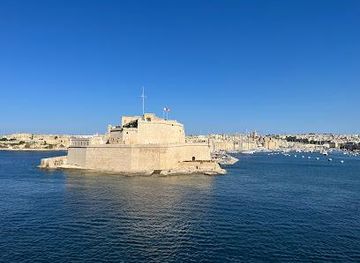
Fort St. Angelo
Explore Fort St. Angelo, a historical fortress in Birgu, Malta, rich in culture and breathtaking views of the Grand Harbour.
-
Science museum
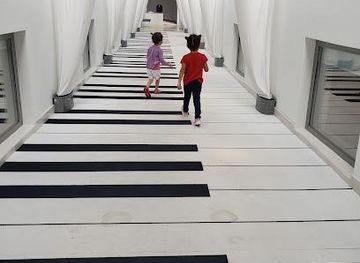
Esplora Interactive Science Centre
Explore science in an interactive setting at Esplora Interactive Science Centre, Malta's premier destination for learning and fun.


Best landmarks in Harbour Area
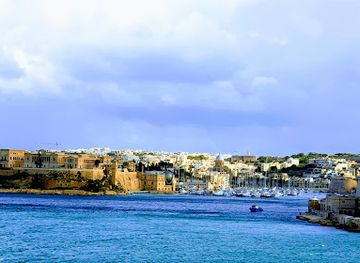
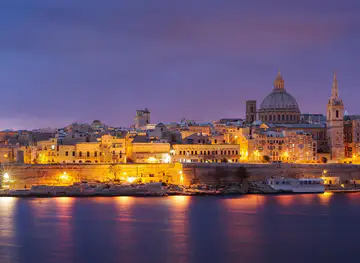
Valletta’s enclosing bastions, monumental street plan and limestone façades form the Harbour Area’s most recognisable landmark ensemble. St John’s Co-Cathedral is notable for its richly decorated interior and the artistic legacy of the Order of St John, while the Grand Master’s Palace represents the capital’s former political and ceremonial authority. The Upper Barrakka Gardens overlook the Grand Harbour and the Three Cities from the city’s high eastern edge. Across the water, Fort St Angelo occupies a commanding position at the tip of Birgu and is central to understanding the harbour’s defensive history. The walls and bastions of Senglea, including the prominent Gardjola watchtower, frame views towards Valletta and the harbour entrance. Bormla’s fortifications and dockyard buildings illustrate the later military and industrial development of the creeks. On Marsamxett, the long rocky shoreline of Sliema provides one of the clearest public views back to Valletta’s skyline, while the Anglican Pro-Cathedral’s tall spire is a distinctive feature of the capital’s upper cityscape. Together these landmarks show how military engineering, religion, government and maritime work shaped the urban form.
-
Historical landmark
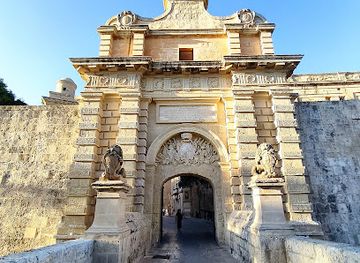
Mdina Gate
Discover the enchanting Mdina Gate, a historical landmark in Malta that immerses visitors in medieval charm and breathtaking views.
-
Park
Upper Barrakka
Discover the serenity of Upper Barrakka Gardens, offering stunning views of the Grand Harbour in the heart of Valletta.
-
Theme park
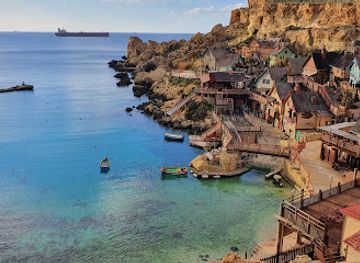
Popeye Village
Experience the whimsical charm of Popeye Village in Malta, a unique theme park that brings the beloved cartoon to life in a stunning seaside setting.
-
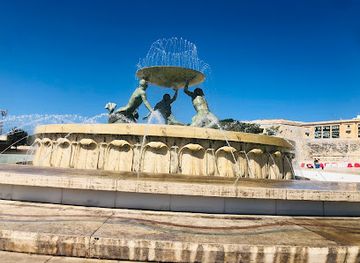
Fountain
Triton Fountain
Discover the enchanting Triton Fountain in Floriana, Malta—an iconic landmark blending history, beauty, and tranquility.

Explore Harbour Area on the map
Plan your trip on one map. See where the top cities, national parks and sights are, and book hotels and experiences in a few clicks.
Best hotels in Harbour Area
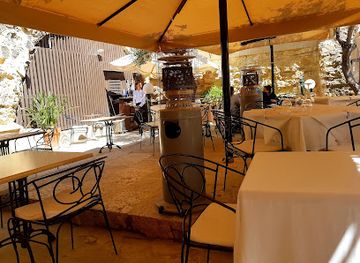
Best restaurants in Harbour Area
Dining in the Harbour Area ranges from traditional Maltese food in old city streets to contemporary restaurants and cafés along the Valletta, Sliema and Three Cities waterfronts. Look for pastizzi filled with ricotta or peas, ftira, ġbejniet cheese, rabbit dishes, seasonal vegetables and fish prepared according to the catch. Imqarrun il-forn and other baked dishes reflect Malta’s wider culinary history, while local bread, olives and preserved ingredients are common accompaniments. Valletta offers the broadest concentration of dining styles, including wine bars, modern Maltese menus and international cooking, whereas Birgu and the other harbour towns combine historic settings with seafood and casual meals. Sliema and the northern waterfront have cafés, bakeries and restaurants suited to a busy urban shoreline. Farmers’ markets and food shops are useful for regional produce, though not every market operates daily. Maltese wine and locally produced soft drinks can complement meals, and menus may combine genuinely Maltese dishes with broader Mediterranean influences.
-
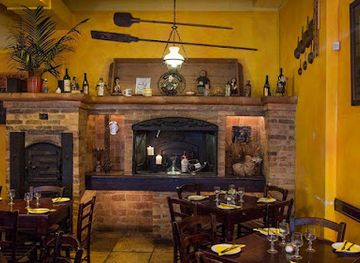
Maltese
Ta' Kris
Discover the essence of Maltese cuisine at Ta' Kris – where tradition meets taste in Sliema.
-
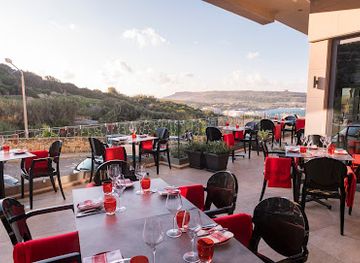
Mediterranean
one80 Kitchen & Lounge
Experience exquisite Mediterranean dining at one80 Kitchen & Lounge in Mellieħa, where every dish tells a story of flavor and tradition.
-
Maltese
Palazzo Preca Restaurant
Experience authentic Maltese cuisine at Palazzo Preca Restaurant in Valletta - a culinary gem blending tradition with modern flair.
-
Mediterranean
Rampila Restaurant
Discover exquisite Mediterranean cuisine at Rampila Restaurant in Valletta - where every meal is a celebration of flavor and tradition.
Best bars in Harbour Area
Evening life in the Harbour Area is varied but generally more centred on restaurants, wine bars, cafés, traditional bars and cultural venues than on a large dedicated club scene. Valletta has the widest choice, with compact bars in historic streets, cocktail venues, live music, theatre and late dining, while Floriana is quieter after offices and events finish. Sliema, Gżira and the waterfront around Marsamxett offer a denser supply of casual bars, marina-side dining and places for an evening drink, with a more contemporary and international atmosphere. Birgu and the other Three Cities favour relaxed restaurants, wine bars and historic pubs rather than extensive late-night entertainment. Seasonal outdoor seating and harbour views are important parts of the evening experience, though opening arrangements can change. Visitors seeking Malta’s largest concentration of nightclubs generally travel beyond the immediate Harbour Area to Paceville in St Julian’s, which is outside this guide’s core region.
-
Live music bar
Black Gold Saloon
Discover the perfect blend of live music and delicious dining at Black Gold Saloon in Sliema, Malta, for an unforgettable night out.
-
Lounge
The Compass Lounge
Experience the vibrant atmosphere and stunning sea views at The Compass Lounge, a perfect retreat in Sliema, Malta.
-
Cocktail bar
The Black Sheep drink and dine
Experience the vibrant flavors of Mediterranean cuisine and expertly crafted cocktails at The Black Sheep in Sliema, Malta.
-
Bar
Bellinii
Discover Bellinii, a vibrant cocktail bar in St. Julian's, Malta, known for its exceptional drinks and lively atmosphere.


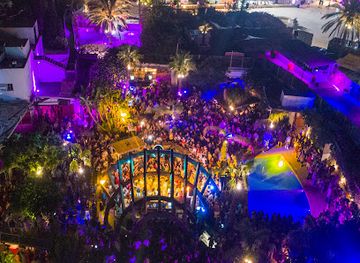
Best nightclubs in Harbour Area
Evening life in the Harbour Area is varied but generally more centred on restaurants, wine bars, cafés, traditional bars and cultural venues than on a large dedicated club scene. Valletta has the widest choice, with compact bars in historic streets, cocktail venues, live music, theatre and late dining, while Floriana is quieter after offices and events finish. Sliema, Gżira and the waterfront around Marsamxett offer a denser supply of casual bars, marina-side dining and places for an evening drink, with a more contemporary and international atmosphere. Birgu and the other Three Cities favour relaxed restaurants, wine bars and historic pubs rather than extensive late-night entertainment. Seasonal outdoor seating and harbour views are important parts of the evening experience, though opening arrangements can change. Visitors seeking Malta’s largest concentration of nightclubs generally travel beyond the immediate Harbour Area to Paceville in St Julian’s, which is outside this guide’s core region.
-
Lounge
VELVET LOUNGE CLUB (SHISHA AND FOOD )
Discover the vibrant Velvet Lounge Club in St Paul's Bay, Malta, where tantalizing shisha and exquisite food meet a lively atmosphere.
-
Night club
Havana Club Malta
Dive into an electrifying nightlife experience at Havana Club Malta, where great music, vibrant atmosphere, and unforgettable memories await.
-
Night club
Gianpula Main Room
Experience the electric nightlife at Gianpula Main Room, Malta's ultimate destination for music, dance, and vibrant crowds.
-
Night club
The Nordic Bar
Discover the vibrant nightlife at The Nordic Bar in St Julian's, where great music and a lively atmosphere create unforgettable memories.



Best shops in Harbour Area
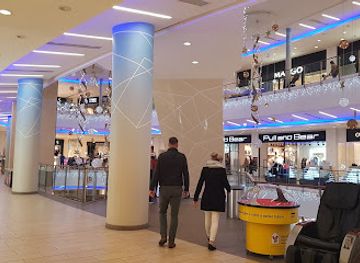
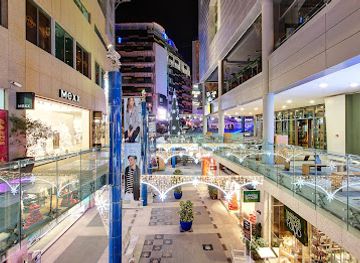
Shopping is most varied in Valletta and Sliema, with a mixture of mainstream retailers, independent shops, bookshops, jewellers, cafés and stores selling Maltese food products. Valletta’s historic streets are particularly suitable for craft goods, contemporary art, ceramics, glass, jewellery and locally themed gifts, though quality and provenance vary between shops. Sliema has a more commercial high-street character and a wider selection of fashion, beauty and everyday retail, while Gżira and the surrounding harbour communities are useful for smaller independent businesses and food shops. In the Three Cities, shopping is less extensive and more local in character, with traditional bakeries, small groceries and occasional craft or gallery outlets rather than a large retail district. Good regional purchases include Maltese honey, sea salt, wine, liqueurs, ġbejniet, preserves, lace and ceramics. Check labelling carefully for locally made products, and remember that market days and temporary craft stalls can change by season and locality.
-
Shopping mall
The Point Shopping Mall
Discover The Point Shopping Mall in Sliema, Malta - a vibrant shopping hub with stunning views and a diverse selection of shops and eateries.
-
Shopping mall
PAMA Shopping Mall
Explore PAMA Shopping Mall in Mosta, Malta, where shopping, dining, and entertainment come together for an unforgettable experience.
-
Shopping mall
Bay Street Shopping Complex
Explore the Bay Street Shopping Complex in St. Julian's, Malta – a shopping haven with diverse shops, dining options, and exciting entertainment.
-
Shopping mall
Main Street Shopping Complex, Paola
Explore the vibrant Main Street Shopping Complex in Paola for an unforgettable shopping and dining experience.
Get your free copy of our complete guide to Harbour Area, delivered straight to you.
Everything on this page, from attractions and restaurants to essentials and local phrases, in one PDF you can read offline, print or share.
Already have an account? Sign in
Your Harbour Area guide is ready.
We'll send it to · Not you? Sign out

Getting your guide ready…
We are putting together a fresh copy of the Harbour Area guide. This can take up to a minute.
This can take a few moments. If your browser asks, choose Allow so the download can start. You'll find the guide in your Downloads folder.
Nothing happened? Download it again
Sorry, the guide is taking longer than usual. Please try again in a minute, or get it by email instead.
Harbour Area essentials
Currency and Payment
Safety
Emergency Situations
Do's and Don'ts
Local Tips
From Eve
Local phrases worth knowing
You don't need to get them perfect. A few words go a long way, and locals appreciate the effort.
Basics
| English | Local | Say it |
|---|---|---|
| Hello | Hi | [hai] |
| Goodbye | Bye | [bai] |
| Yes | Yeah | [yeh] |
| No | Nope | [nohp] |
| Please/You're welcome | Please | [pleez] |
| Thank you | Thanks | [thangkz] |
| Excuse me/Sorry | Sorry | [saw-ree] |
| How are you? | How you doin'? | [how yoo doin'] |
| Fine. And you? | Good. You? | [gud. yoo?] |
| Do you speak English? | You speak English? | [yoo speek ing-glish?] |
| I don't understand | I don't get it | [ai dont get it] |
Eating & Drinking
| English | Local | Say it |
|---|---|---|
| I'd like to see the menu, please | Can I see the menu? | [kan ai see thuh men-yoo?] |
| I don't eat meat | I'm vegetarian | [aim vej-i-tair-ee-an] |
| Cheers! | Cheers! | [cheerz] |
| I would like to pay, please | Can I get the check? | [kan ai get thuh chek?] |
Emergencies
| English | Local | Say it |
|---|---|---|
| Help! | Help! | [help] |
| Go away! | Leave me alone! | [leev mee uh-lone] |
| Call the Police! | Call the cops! | [kol thuh cops] |
| Call a doctor! | Get a doctor! | [get a doktor] |
| I'm lost | I'm lost | [aim lost] |
| I'm ill | I'm not feeling well | [aim not feel-ing wel] |
Shopping
| English | Local | Say it |
|---|---|---|
| I'd like to buy... | I want to buy... | [ai want to bai...] |
| I'm just looking | Just browsing | [just browzing] |
| How much is it? | What’s the price? | [wut's thuh prais?] |
| That's too expensive | That's way too high | [thatz wei too hai] |
| Can you lower the price? | Can you give me a deal? | [kan yoo giv mee a deel?] |
Time & Numbers
| English | Local | Say it |
|---|---|---|
| What time is it? | What time is it? | [wut taim iz it?] |
| It's one o'clock | It's one o'clock | [its wun uh-klok] |
| Half past (10) | Half past ten | [haf past ten] |
| Morning | Morning | [mor-ning] |
| Afternoon | Afternoon | [af-ter-noon] |
| Evening | Evening | [eev-ning] |
| Yesterday | Yesterday | [yes-ter-day] |
| Today | Today | [to-day] |
| Tomorrow | Tomorrow | [to-mor-row] |
| 1 | One | [wun] |
| 2 | Two | [too] |
| 3 | Three | [three] |
| 4 | Four | [for] |
| 5 | Five | [fiv] |
| 6 | Six | [siks] |
| 7 | Seven | [sev-en] |
| 8 | Eight | [ate] |
| 9 | Nine | [nain] |
| 10 | Ten | [ten] |
Transport & Directions
| English | Local | Say it |
|---|---|---|
| Where's a/the...? | Where's the...? | [wherz thuh...?] |
| What's the address? | What's the address? | [wut's thuh ad-dress?] |
| Can you show me (on the map)? | Can you show me on the map? | [kan yoo sho mee on thuh map?] |
| When's the next (bus)? | When's the next bus? | [wenz thuh nekst bus?] |
| A ticket (to ....) | A ticket to ... | [a tiket to ...] |
History of Harbour Area
Prehistoric Temples and Early Harbour Settlement
The shores and hinterland around Malta’s harbours formed part of an island network occupied long before the present cities existed. Neolithic communities built substantial stone temples elsewhere on Malta and maintained agricultural and maritime connections across the central Mediterranean. Later Bronze Age and Phoenician activity established Malta as a useful seafaring position, and the natural anchorages around the Grand Harbour and Marsamxett helped make the area strategically valuable. Although much of the modern harbour landscape has replaced earlier settlement layers, the islands’ archaeological record explains why these sheltered waters repeatedly attracted traders, naval powers and colonising communities.
Phoenician, Roman and Byzantine Malta
Phoenician and later Carthaginian sailors used Malta as a staging point in Mediterranean trade, while Roman control integrated the islands into a wider imperial economy. The Roman settlement of Melite occupied the high ground around today’s Mdina, but the harbours remained important for anchorage, commerce and communication. Malta later passed through Byzantine influence before the Arab conquest in the ninth century. Arabic language and agricultural practices left a lasting mark on Maltese society, while the island’s position between Sicily, North Africa and the eastern Mediterranean continued to shape its strategic importance.
Medieval Harbour Communities
During the medieval period, the settlement now known as Birgu became a principal fortified harbour town. Its position beside the Grand Harbour made it a base for maritime administration and defence under successive rulers, including the Crown of Aragon. The surrounding creeks supported ship repair, trade and fishing, while settlements on the peninsula and across the harbour developed their own parish and commercial identities. The medieval harbour towns laid the urban foundations later expanded by the Order of St John, and elements of their street patterns and waterfront fortifications remain visible in Birgu and the Three Cities.
The Order of St John and the Great Siege of 1565
The arrival of the Order of St John in 1530 transformed Malta’s harbours into the headquarters of a major Catholic military and naval organisation. Birgu and Fort St Angelo formed the principal defensive position during the Ottoman siege of 1565, when the order and Maltese defenders resisted attacks across the Grand Harbour. The victory had wide European significance and led to the construction of Valletta on the Sceberras Peninsula. Valletta’s planned grid, bastions, churches and palaces, together with the strengthened Three Cities, are the most enduring architectural legacy of this period.
Valletta, Port Activity and the Knights’ Urban Legacy
Valletta grew during the seventeenth and eighteenth centuries as a fortified capital, port and ceremonial centre. The Order of St John built auberges for its national language groups, hospitals, churches, warehouses and naval facilities, while merchant shipping connected Malta with other Mediterranean ports. The Grand Harbour’s creeks became specialised working spaces, and the waterfront was shaped by customs activity, ship maintenance and provisioning. Much of the area’s present architectural character—ornate limestone churches, enclosed balconies, bastions and monumental streets—comes from this era, even where later alterations have changed the buildings’ functions.
British Rule and the Dockyard Economy
Britain took control of Malta in 1800 after the French occupation and made the harbours a major imperial naval station. The dockyard expanded around Bormla and the neighbouring creeks, providing employment in shipbuilding, repair, administration and transport. Floriana gained military and civic importance, while new infrastructure connected the harbour settlements more closely. British rule also introduced institutional and architectural changes, including naval facilities and utilitarian buildings alongside the older fortifications. The dockyard economy became central to the social history of the Three Cities and remained important long after Malta became independent.
War, Independence and the Transformation of the Waterfront
Malta’s harbour position made it a heavily targeted military base during the Second World War. Valletta, the dockyard communities and surrounding urban areas suffered bombing, civilian hardship and damage, although many historic buildings survived or were later restored. Malta became independent from Britain in 1964, and the British military presence eventually ended in the late twentieth century. Commercial shipping, tourism, leisure boating, government and cultural uses have since altered parts of the waterfront. Former military and dockyard spaces now sit beside living neighbourhoods, museums, ferry terminals and restaurants, reflecting the harbour’s continuing adaptation.
Harbour Area in Photos
Browse through our photo collection highlighting the charm and character of the destination.
Neighbouring regions of Harbour Area
The closest regions to Harbour Area, if you have time for more than one.
-

-

-

-

-


Swipe for more regions
Explore more
Explore more of Malta
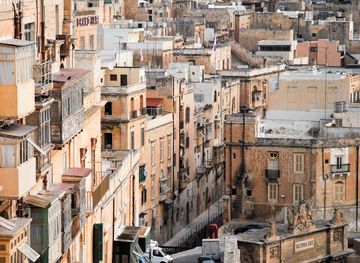
Discover Malta's crystal-clear waters, rich history, and vibrant culture. From ancient temples to modern nightlife, this Mediterranean gem offers something for everyone.
Explore Malta