

Janes Island State Park Travel Guide - Free Web & App
Your ultimate guide to Janes Island State Park. Discover top landmarks, proposed trips, and local tips. Free on the web or via the Evendo companion app.


Janes Island State Park in Maryland offers salt-marsh paddling, quiet beaches, camping and wildlife-rich waterways beside historic Crisfield on the Chesapeake Bay.
Landscape of Water and Marsh
Janes Island State Park occupies a remarkable corner of Maryland’s lower Eastern Shore, where the mainland meets the tidal channels of Tangier Sound. The park is divided between a mainland recreation area and a largely undeveloped island world shaped by salt marsh, shallow creeks and shifting coastal processes. Much of the island section is accessible only by water, giving the park a distinctly maritime character that differs from Maryland’s more conventional forest and beach parks.Read more about Janes Island State Park
Paddling and Wildlife
A Gateway on the Eastern Shore
When is the best time to visit Janes Island State Park?
Best: May–June, September · 23–28°C| Month | High (°C) | Rainfall (mm) |
|---|---|---|
| January | 7 | 80 |
| February | 8 | 70 |
| March | 12 | 90 |
| April | 18 | 80 |
| May (best) | 23 | 90 |
| June (best) | 28 | 90 |
| July | 31 | 100 |
| August | 30 | 100 |
| September (best) | 26 | 90 |
| October | 20 | 80 |
| November | 14 | 80 |
| December | 8 | 90 |
Getting to and around Janes Island State Park
How to get there
Transportation
Best attractions in Janes Island State Park
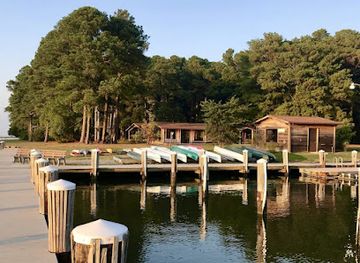
The principal attraction at Janes Island State Park is its network of tidal creeks and salt-marsh channels, explored most naturally by canoe or kayak from the mainland launch. Paddlers move through an open landscape of cordgrass, mudflats and shallow water where wading birds and shorebirds may be seen, while the changing tide continually alters the character of the route. The island beach is the park’s most distinctive destination, but it is reached by boat rather than by road and should be approached with suitable navigation and weather awareness. The mainland area provides camping, access to the water and a practical starting point for shorter visits. Nearby Crisfield adds a contrasting attraction: a working coastal city associated with Maryland’s seafood industry, waterfront traditions and access to Tangier Sound. Together, the park and city present two sides of the lower Eastern Shore—protected marshland and an active maritime community.
-
Tourist attraction
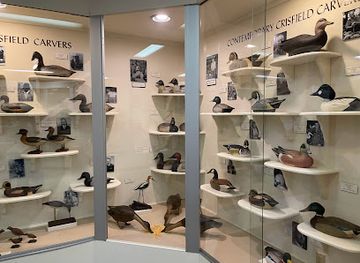
J Millard Tawes Historical Museum
Explore the rich maritime history and cultural heritage of Crisfield, MD at the J Millard Tawes Historical Museum, a unique tourist attraction.
-
Park
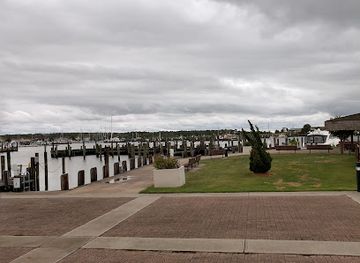
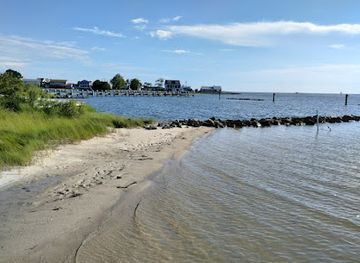
Crisfield’s Wellington Beach
Discover the serene beauty of Crisfield’s Wellington Beach, where golden sands meet the tranquil waters of the Chesapeake Bay for a perfect getaway.
-
Museum
Crisfield Heritage Foundation
Explore Crisfield Heritage Foundation: A Gateway to Maryland’s Maritime History and Cultural Treasures.
-
Island
Janes Island
Explore Janes Island in Maryland - a haven for outdoor adventures, wildlife watching, and serene natural beauty.
Explore Janes Island State Park on the map
Plan your trip on one map. See where the top attractions, landmarks, restaurants and hotels are, and book hotels and experiences in a few clicks.
Best hotels in Janes Island State Park
Best restaurants in Janes Island State Park
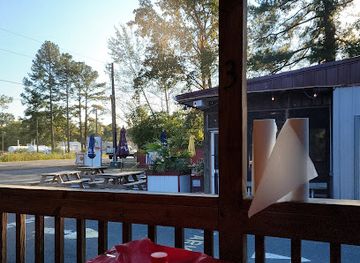
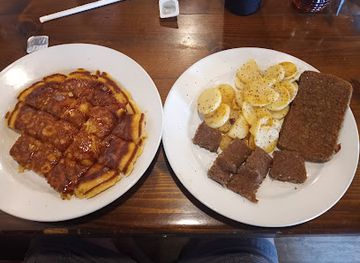
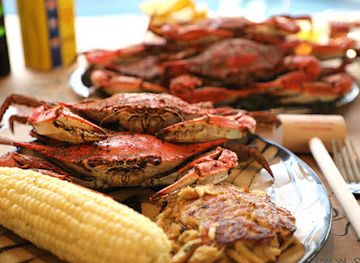
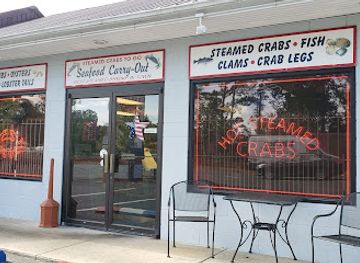
Dining around Janes Island State Park is concentrated in Crisfield and nearby Somerset County communities rather than within the marsh or island section of the park. The area’s culinary identity is shaped by the Chesapeake seafood economy, with blue crab, oysters, clams and locally caught fish featuring prominently in regional menus when available. Casual seafood restaurants, carry-out counters and waterfront-oriented establishments are more characteristic of the area than a large fine-dining scene, while rural shops and convenience stores provide basic provisions for campers and paddlers. Visitors should buy food, water and specialised supplies in Crisfield before a full day on the water. Regional Maryland favourites, including crab cakes and steamed or seasoned seafood, may appear alongside familiar American dishes, but menus and opening arrangements vary seasonally. The park itself is primarily a camping and outdoor recreation destination, so self-catering is often the practical choice.
-
Restaurant
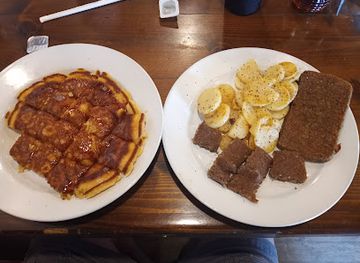
From Scratch Restaurant
Discover homemade culinary delights at From Scratch Restaurant in Crisfield - where every dish is crafted with love using fresh local ingredients.
-
Pizza
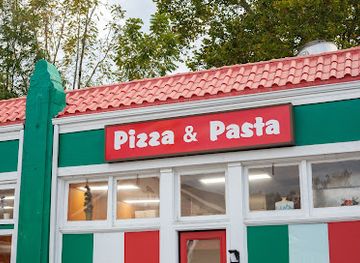
Cafe Milano
Discover Cafe Milano in Crisfield - where delicious pizzas meet warm hospitality in a cozy Italian setting.
-
Restaurant
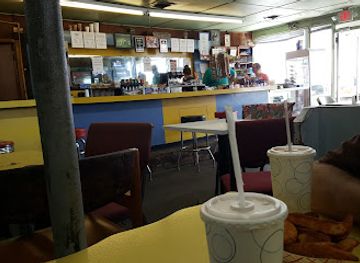
Gordon’s Confectionary
Discover Gordon's Confectionary: A delightful restaurant in Crisfield offering delectable sweets and a warm atmosphere perfect for family outings.
Best bars in Janes Island State Park
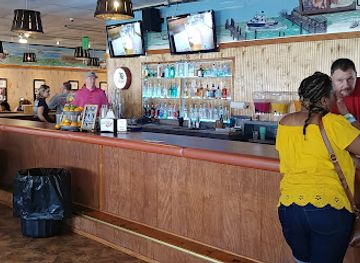
Janes Island State Park has no substantial nightlife infrastructure, and evenings are generally quiet, shaped by campfires, dark skies, marsh sounds and the changing weather over Tangier Sound rather than by clubs or late-night entertainment. Crisfield offers the area’s most likely selection of traditional bars, casual drinking establishments and restaurants where visitors can spend an evening among a working coastal community, though the scale is modest and individual venues may have seasonal schedules. The wider lower Eastern Shore is better suited to relaxed pub-style hospitality, seafood dinners and community events than to a concentrated nightlife district. Visitors staying at the park should plan evening supplies in advance, observe campground quiet rules and avoid assuming that late transport or extensive dining options will be available after returning from the water.
-
Campground
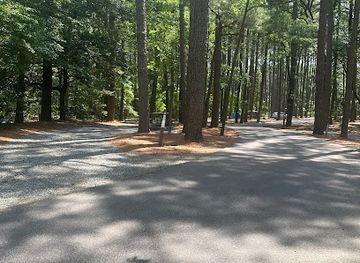
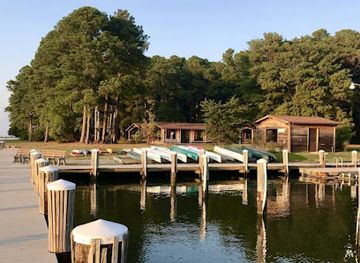
Janes Island State Park
Experience the natural beauty and tranquility of Janes Island State Park, a premier campground and tourist attraction in Maryland's scenic landscape.
-
E-commerce service
The Crab Place
Discover the heart of Maryland's seafood scene at The Crab Place in Crisfield, where fresh catches and lively atmosphere await.
-
Seafood
Linton's Seafood
Experience the best of Chesapeake Bay dining at Linton's Seafood, where fresh catches meet local tradition in Crisfield, Maryland.
-
Restaurant
From Scratch Restaurant
Experience the essence of Maryland cuisine at From Scratch Restaurant in Crisfield, where every dish is made with love and local ingredients.
Best shops in Janes Island State Park
Shopping at Janes Island State Park itself is limited, so visitors should obtain groceries, fuel, camping supplies and paddling essentials in Crisfield or elsewhere on the approach to Somerset County. The most characteristic purchases in the wider area are regional seafood and food products associated with Maryland’s Eastern Shore, although availability depends on season, regulations and individual businesses. Crisfield’s shops and waterfront businesses may also offer locally themed gifts, practical boating goods and items connected with the city’s watermen traditions, but this is a small coastal service centre rather than a major retail destination. Independent businesses and farm-related sellers in the wider Eastern Shore region can provide a more local alternative to chain shopping, while specialised outdoor equipment may require planning before arrival. There is no extensive shopping district within the protected park landscape.
-
Campground
Janes Island State Park
Discover the serene beauty of Janes Island State Park, a must-visit destination for camping and water activities along Maryland's picturesque Eastern Shore.
-
E-commerce service
The Crab Place
Savor the rich flavors of Maryland's seafood at The Crab Place in Crisfield, where fresh catches meet warm hospitality.
-
Seafood
Linton's Seafood
Experience the best of Chesapeake seafood culture at Linton's Seafood in Crisfield, Maryland, where freshness meets flavor.
-
Restaurant
From Scratch Restaurant
Discover the heart of Maryland's culinary scene at From Scratch Restaurant, where every dish is made with love and local ingredients.
Get your free copy of our complete guide to Janes Island State Park, delivered straight to you.
Everything on this page, from attractions and restaurants to essentials and local phrases, in one PDF you can read offline, print or share.
Already have an account? Sign in
Your Janes Island State Park guide is ready.
We'll send it to · Not you? Sign out

Getting your guide ready…
We are putting together a fresh copy of the Janes Island State Park guide. This can take up to a minute.
This can take a few moments. If your browser asks, choose Allow so the download can start. You'll find the guide in your Downloads folder.
Nothing happened? Download it again
Sorry, the guide is taking longer than usual. Please try again in a minute, or get it by email instead.
Janes Island State Park essentials
Currency and Payment
Safety
Emergency Situations
Do's and Don'ts
Local Tips
From Eve
Local phrases worth knowing
You don't need to get them perfect. A few words go a long way, and locals appreciate the effort.
Basics
| English | Local | Say it |
|---|---|---|
| Hello | Howdy | [haw-dee] |
| Goodbye | See ya | [see yuh] |
| Yes | Yep | [yep] |
| No | Nah | [nah] |
| Please/You're welcome | Please/Welcome | [pleez / wel-cum] |
| Thank you | Thanks | [th-anks] |
| Excuse me/Sorry | Pardon me | [par-dun me] |
| How are you? | How y'all doin'? | [how y'all doin'] |
| Fine. And you? | Fine. Y'all? | [fine. y'all?] |
| Do you speak English? | Ya speak English? | [ya speak ing-glish?] |
| I don't understand | I ain't catchin' on | [I aint ketch-in on] |
Eating & Drinking
| English | Local | Say it |
|---|---|---|
| I'd like to see the menu, please | Can I check out the menu? | [can I chek out the menu?] |
| I don't eat meat | I don't do meat | [I dont do meat] |
| Cheers! | Cheers! | [cheers] |
| I would like to pay, please | I'll settle up now, please | [I'll settle up now, please] |
Emergencies
| English | Local | Say it |
|---|---|---|
| Help! | Help! | [help] |
| Go away! | Get lost! | [get lost] |
| Call the Police! | Ring the coppers! | [ring the coppers] |
| Call a doctor! | Get a doc! | [get a doc] |
| I'm lost | I'm turned around | [I'm turned around] |
| I'm ill | I'm feelin' poorly | [I'm feelin' poorly] |
Shopping
| English | Local | Say it |
|---|---|---|
| I'd like to buy... | I wanna pick up... | [I wanna pick up...] |
| I'm just looking | I'm just browsin' | [I'm just browsin'] |
| How much is it? | How much does it run? | [how much does it run?] |
| That's too expensive | That's a bit steep | [That's a bit steep] |
| Can you lower the price? | Can ya knock it down a bit? | [Can ya knock it down a bit?] |
Time & Numbers
| English | Local | Say it |
|---|---|---|
| What time is it? | What's the time? | [whats the time] |
| It's one o'clock | It's one | [It's one] |
| Half past (10) | 10:30 | [ten-thur-tee] |
| Morning | Mornin' | [mornin'] |
| Afternoon | Afternoon | [afternoon] |
| Evening | Evenin' | [evenin'] |
| Yesterday | Yest'day | [yest'day] |
| Today | Today | [today] |
| Tomorrow | Tomorrah | [tomorrah] |
| 1 | One | [wun] |
| 2 | Two | [too] |
| 3 | Three | [three] |
| 4 | Four | [four] |
| 5 | Five | [five] |
| 6 | Six | [six] |
| 7 | Seven | [seven] |
| 8 | Eight | [eight] |
| 9 | Nine | [nine] |
| 10 | Ten | [ten] |
Transport & Directions
| English | Local | Say it |
|---|---|---|
| Where's a/the...? | Where's the... | [wheres the] |
| What's the address? | What's the addy? | [whats the addy] |
| Can you show me (on the map)? | Can ya point it out (on the map)? | [Can ya point it out (on the map)?] |
| When's the next (bus)? | When's the next (bus)? | [Whens the next (bus)?] |
| A ticket (to ....) | A ticket (to ....) | [A ticket (to ....)] |
History of Janes Island State Park
A Tidal Shoreline Takes Shape
Janes Island is part of the low-lying coastal landscape of Maryland’s Eastern Shore, where tidal water, sediment and marsh vegetation have shaped a constantly changing boundary between land and sea. The island and surrounding wetlands belong to the broad estuarine system of Tangier Sound, an environment formed by shallow water, creeks and salt-tolerant grasses rather than by dramatic cliffs or high ground. This geography has always influenced how people move through and use the area, making boats and knowledge of tides more important than roads in the island section.
Indigenous and Colonial Shorelands
The lower Eastern Shore was inhabited by Indigenous peoples before English colonisation, and its waterways provided routes for travel, fishing and access to wetland resources. Colonial settlement gradually reshaped the mainland through agriculture, timber use and the development of small coastal communities. The marshes and islands remained more lightly settled than the mainland because they offered few opportunities for conventional farming and were difficult to reach without water transport. Their value lay in fishing grounds, hunting areas, navigation routes and the natural resources of the surrounding estuary.
Crisfield and the Seafood Economy
Janes Island’s modern identity is closely linked to Crisfield, the nearby Somerset County city whose history developed around the Chesapeake Bay seafood economy. Oysters, crabs and finfish supported generations of watermen, processors and associated businesses, while boats and working docks became defining features of the local landscape. Although the park itself is primarily a conservation and recreation area, its waterways form part of the same coastal world that sustained Crisfield. Visitors can still see the relationship between protected marshland and the working maritime culture of the Eastern Shore.
From Coastal Land to State Park
Janes Island was incorporated into Maryland’s state-park system during the mid-twentieth century as public interest in protecting and enjoying coastal landscapes increased. Park development concentrated visitor facilities on the mainland, while the island remained largely natural and water-access oriented. Camping, boat launching and paddling opportunities allow visitors to experience the marsh without converting it into an intensively built resort. The park’s continuing importance lies in balancing recreation with the protection of tidal wetlands, wildlife habitat and the coastal character of Somerset County.
Janes Island State Park in Photos
Browse through our photo collection highlighting the charm and character of the destination.
Neighbouring destination travel guides
The closest destinations to Janes Island State Park, if you have time for more than one.
-

-

-

-

-


Swipe for more destinations
Explore more

Explore more of Eastern Shore
Explore Maryland’s Eastern Shore for Chesapeake towns, seafood, wildlife refuges, historic houses, quiet waterways and Atlantic beaches.
Explore Eastern Shore
Explore more of Maryland
Discover Maryland, where coastal charm meets rich history and outdoor adventure. Experience the best of the East Coast in this small but diverse state.
Explore Maryland