

Free Hagerstown Travel Guide & Mobile App
Plan your Hagerstown trip with Evendo. Get free guides to top attractions, restaurants, hotels, and bars. Web access or download the mobile app.


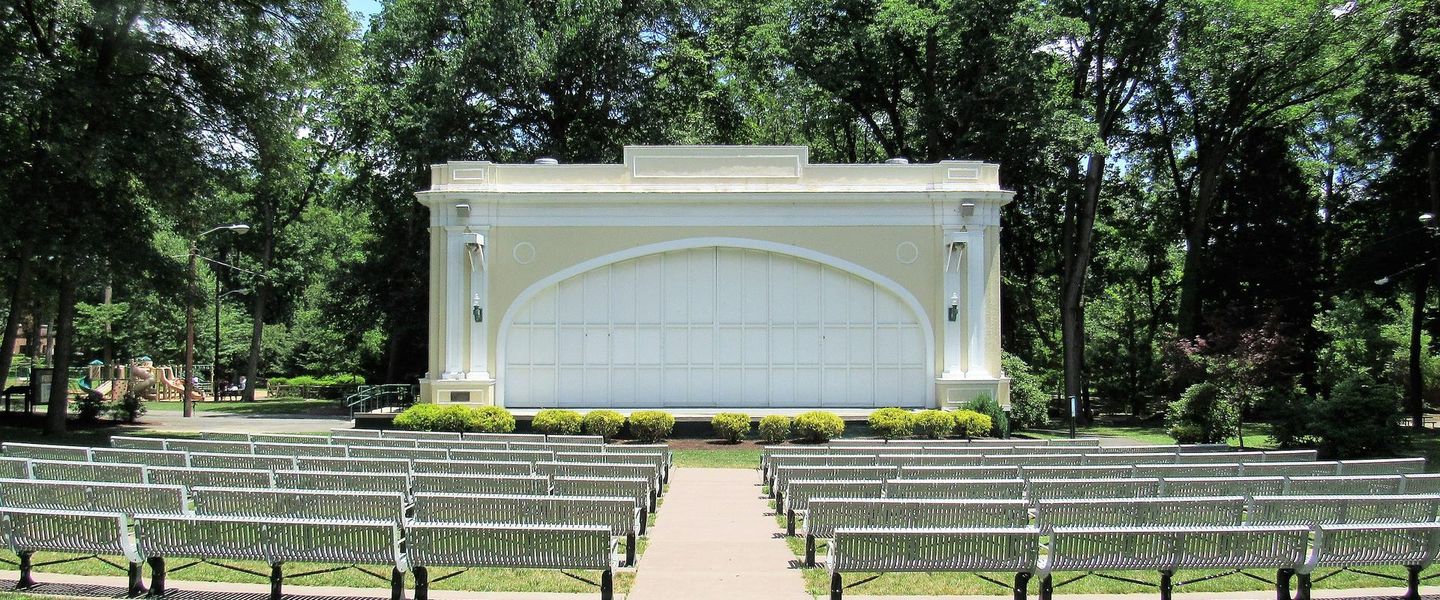


Hagerstown, Maryland blends Civil War history, the National Road, city parks, museums, arts and western Maryland scenery in an approachable regional centre.
A City Shaped by Movement
Hagerstown stands in the broad Cumberland Valley of western Maryland, close to the Pennsylvania and West Virginia borders and within reach of the Blue Ridge landscapes. Its position helped make it an important crossroads: the National Road passed through the town, railways later connected it with larger eastern cities, and nearby waterways supported commerce. That practical heritage remains visible in the broad streets and historic buildings of downtown, where the old commercial core is being complemented by galleries, cafés, independent businesses and cultural venues.Read more about Hagerstown
History in Streets and Museums
Parks, Art and Civil War Country
When is the best time to visit Hagerstown?
Best: May–June, September · 22–26°C| Month | High (°C) | Rainfall (mm) |
|---|---|---|
| January | 5 | 74 |
| February | 7 | 66 |
| March | 12 | 82 |
| April | 17 | 81 |
| May (best) | 22 | 97 |
| June (best) | 26 | 97 |
| July | 29 | 104 |
| August | 28 | 95 |
| September (best) | 24 | 91 |
| October | 18 | 82 |
| November | 11 | 79 |
| December | 8 | 76 |
Getting to and around Hagerstown
How to get there
Transportation
Best attractions in Hagerstown
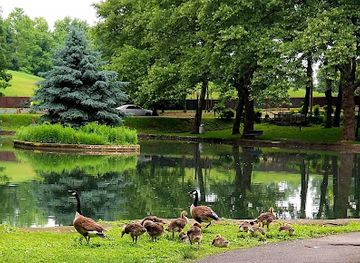
Hagerstown’s principal attractions combine museums, green space and a walkable historic centre. Hagerstown City Park is a calm starting point, with lake views, mature planting, the Jonathan Hager House and the Washington County Museum of Fine Arts, whose collection gives the city an unusually substantial cultural focus for a regional centre. Downtown, the Hagerstown Cultural Trail connects public art, historic streets and civic spaces, while the Maryland Theatre offers a restored setting for performances and events. The Hagerstown Railroad Museum explores the transport networks that helped build the city’s economy, and Discovery Station provides hands-on science and technology exhibits suited to families. The city also works as a base for wider Washington County sightseeing: Antietam National Battlefield and the C&O Canal at Williamsport are outside Hagerstown but close enough to add Civil War and canal history to a city stay.
-
Tourist attraction
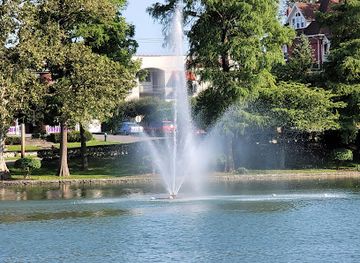
Hagerstown City Park
Explore the natural beauty and rich history of Hagerstown City Park, a serene and vibrant destination for relaxation and outdoor activities.
13 min walk · 1.1 km from city centre
-
Tourist attraction
Fairgrounds Park
Explore Fairgrounds Park in Hagerstown, where lush landscapes, outdoor activities, and vibrant community events come together in a serene setting.
16 min walk · 1.3 km from city centre
-
Tourist attraction
Martin “Marty” L. Snook Memorial Park
Explore the serene beauty and family-friendly attractions at Martin 'Marty' L. Snook Memorial Park in Hagerstown, MD, a perfect outdoor getaway.
15 min drive · 4.9 km from city centre
-
Tourist attraction
Pangborn Park
Explore the natural beauty and recreational opportunities at Pangborn Park, a serene escape in Hagerstown, Maryland, perfect for families and nature lovers.
6 min drive · 1.9 km from city centre
Best landmarks in Hagerstown
The Jonathan Hager House is Hagerstown’s clearest architectural link with its eighteenth-century origins, a stone dwelling associated with the town’s founder and preserved within City Park. The long-established Washington County Courthouse and the surrounding downtown buildings express the city’s later civic and commercial growth, while the Maryland Theatre represents the grand entertainment architecture of the early twentieth century. The Hagerstown Cultural Trail adds a contemporary layer through public art and interpretation rather than a single monumental structure. The nearby Hagerstown Railroad Museum recalls the city’s importance as a railway centre, and the National Road corridor connects its streets with the wider history of westward movement. Outside the city, the C&O Canal aqueduct and canal works at Williamsport and the commemorative landscape of Antietam National Battlefield illuminate the regional infrastructure and wartime history that shaped Hagerstown’s identity.
-
Park
Hagerstown City Park
Discover Hagerstown City Park, Maryland's urban oasis for relaxation, recreation, and rich historical experiences amidst stunning scenery.
13 min walk · 1.1 km from city centre
-
Amusement center
Sky Zone Trampoline Park
Experience the thrill of flight at Sky Zone Trampoline Park in Hagerstown, where fun meets fitness in a safe and exciting environment.
10 min drive · 3.3 km from city centre
-
Park
Fairgrounds Park
Discover the charm of Fairgrounds Park in Hagerstown, Maryland—a perfect blend of nature, recreation, and community spirit for every traveler.
16 min walk · 1.3 km from city centre
-
Event venue
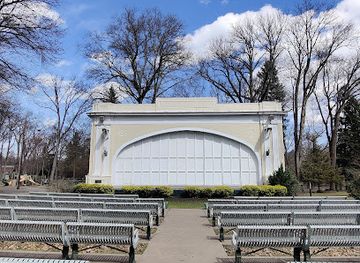
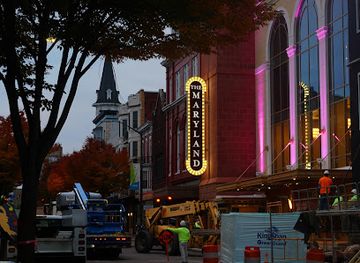
The Maryland Theatre
Discover the charm of The Maryland Theatre, a historic performing arts venue in Hagerstown offering diverse performances and a rich cultural experience.
1 min walk · 0.1 km from city centre
Explore Hagerstown on the map
Plan your Hagerstown trip on one map. See where the top attractions, landmarks, restaurants, bars and hotels are, find what's near where you're staying, and book hotels and experiences in a few clicks.
Best hotels in Hagerstown
Best restaurants in Hagerstown
Hagerstown’s dining scene reflects its position between the Mid-Atlantic and the Appalachian interior. Maryland seafood, including crab dishes when in season, appears alongside American comfort food, sandwiches, pizza, barbecue and menus influenced by the region’s German and Pennsylvania Dutch heritage. Downtown offers independent cafés, casual restaurants and bars within the historic commercial grid, while other dining clusters follow the city’s suburban roads and shopping corridors. Local farmers’ produce and regional meat, dairy and baked goods shape the wider food culture, although Hagerstown is not defined by one signature dish. Visitors will find the greatest concentration of character in locally owned establishments, with broader international choices also available across the urban area. Food-focused exploration is generally more about regional variety and everyday community dining than formal haute cuisine.
-
Fast Food
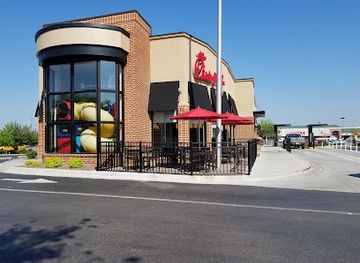
Chick-fil-A
Savor the best chicken sandwiches at Chick-fil-A in Hagerstown—perfect for families seeking delicious fast food.
11 min drive · 3.8 km from city centre
-
Steak
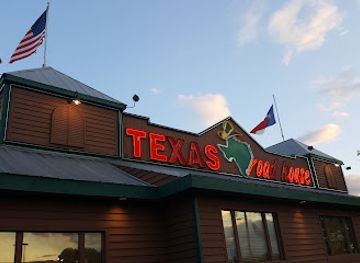
Texas Roadhouse
Experience the authentic taste of America at Texas Roadhouse in Hagerstown—where hearty meals meet genuine hospitality.
11 min drive · 3.7 km from city centre
-
Italian
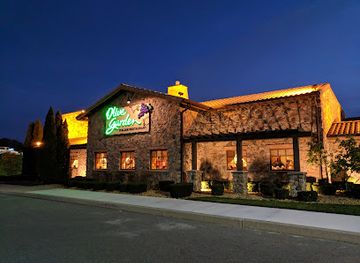
Olive Garden Italian Restaurant
Experience authentic Italian flavors at Olive Garden Hagerstown - where family dining meets culinary tradition.
13 min drive · 4.3 km from city centre
-
Sandwich
Primanti Bros. Restaurant and Bar
Discover Hagerstown's culinary delight at Primanti Bros., where hearty sandwiches meet vibrant sports bar vibes.
13 min drive · 4.5 km from city centre
Best bars in Hagerstown
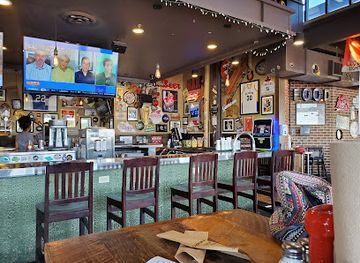
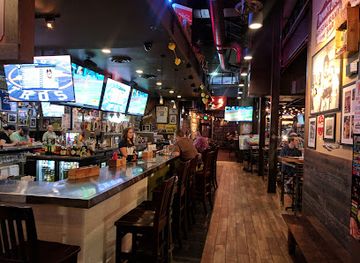
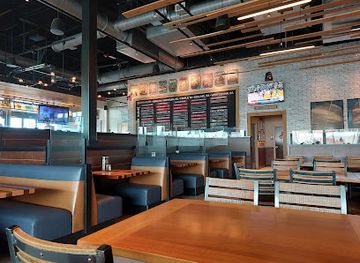
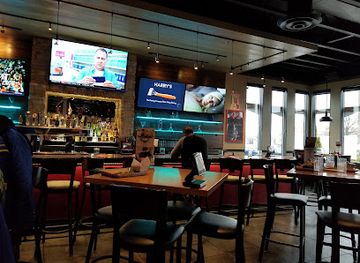
Hagerstown’s evening scene is modest and locally oriented rather than built around large nightclubs. Downtown bars and restaurants provide places for conversation, drinks and informal meals, while the Maryland Theatre brings touring performances, music and other programmed entertainment to a historic setting. The Washington County Playhouse and other local arts venues add theatre and community performance to the cultural calendar, with schedules varying by season. Some evenings are shaped by festivals, exhibitions or live music rather than late-night clubbing, and activity is generally concentrated around the centre and established commercial areas. Visitors seeking a quieter night can combine a performance with a walk through the illuminated historic streets, while those wanting extensive club options may find the region’s larger metropolitan centres more suitable.
-
Sandwich
Primanti Bros. Restaurant and Bar
Discover Primanti Bros. in Hagerstown for hearty sandwiches, delicious pizza, and a lively sports bar atmosphere perfect for any occasion.
13 min drive · 4.5 km from city centre
-
Bar
BJ's Restaurant & Brewhouse
Savor delicious food, craft beer, and a lively atmosphere at BJ's Restaurant & Brewhouse in Hagerstown, Maryland.
14 min drive · 4.6 km from city centre
-
Bar
Chili's Grill & Bar
Savor the bold flavors of America and Mexico at Chili's Grill & Bar in Hagerstown, where delicious food meets a vibrant atmosphere.
14 min drive · 4.6 km from city centre
-
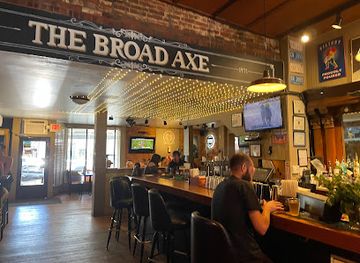
American
Broad Axe
Experience the best of American dining at Broad Axe in Hagerstown, where hearty meals and a vibrant atmosphere await every visitor.
3 min walk · 0.2 km from city centre
Best nightclubs in Hagerstown
Hagerstown’s evening scene is modest and locally oriented rather than built around large nightclubs. Downtown bars and restaurants provide places for conversation, drinks and informal meals, while the Maryland Theatre brings touring performances, music and other programmed entertainment to a historic setting. The Washington County Playhouse and other local arts venues add theatre and community performance to the cultural calendar, with schedules varying by season. Some evenings are shaped by festivals, exhibitions or live music rather than late-night clubbing, and activity is generally concentrated around the centre and established commercial areas. Visitors seeking a quieter night can combine a performance with a walk through the illuminated historic streets, while those wanting extensive club options may find the region’s larger metropolitan centres more suitable.
-
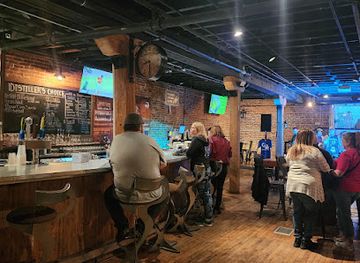
Bar
Prohibition Hub
Discover the vibrant nightlife of Hagerstown at Prohibition Hub, where bar and restaurant meet in a unique atmosphere with live music and fine cigars.
1 min walk · 0.1 km from city centre
-
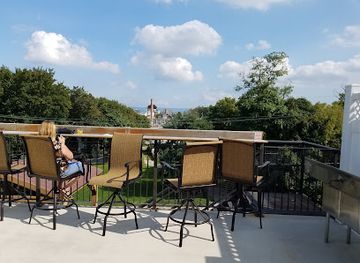
Bar
Mike's Tavern
Discover the vibrant atmosphere of Mike's Tavern in Hagerstown, a cozy bar offering a delightful selection of drinks and hearty fare.
14 min walk · 1.1 km from city centre
-
Bar
R & K Pub
Discover the vibrant nightlife of Hagerstown at R & K Pub, where great drinks and a lively atmosphere await you.
5 min walk · 0.4 km from city centre
-
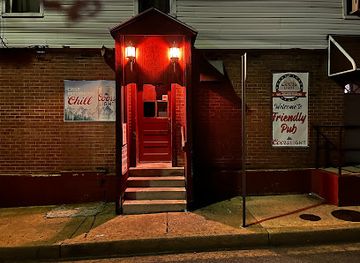
Bar
Friendly Pub
Experience the local nightlife at the Friendly Pub in Hagerstown, where great drinks and a welcoming atmosphere await.
6 min walk · 0.5 km from city centre

Best shops in Hagerstown
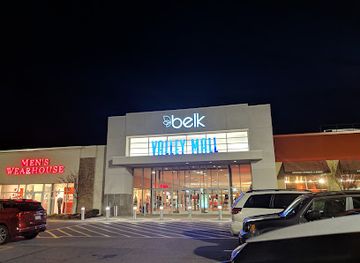
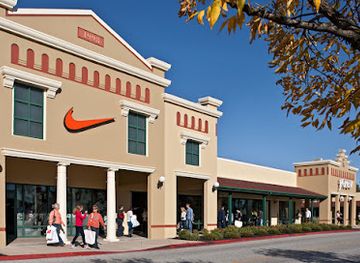
Shopping in Hagerstown ranges from independent downtown businesses to larger suburban retail areas. The historic centre has locally run shops, galleries, cafés and small retailers where visitors may find books, gifts, vintage goods and locally made items, while the surrounding commercial corridors provide familiar national chains and everyday services. Valley Mall, south-east of the city in the Halfway area, represents the region’s conventional enclosed shopping offer, and Hagerstown Premium Outlets lies south of the urban centre for outlet shopping. Produce, baked goods and seasonal specialities are better sought through local farm stands, markets and county events than through a single permanent tourist bazaar. The most distinctive shopping experience comes from combining downtown browsing with regional food products, crafts and independent businesses rather than expecting a large traditional market district.
-
Shopping mall
Valley Mall
Experience the best of shopping at Valley Mall in Hagerstown, MD, with over 100 stores, diverse dining options, and family-friendly entertainment.
14 min drive · 4.7 km from city centre
-
Outlet mall
Hagerstown Premium Outlets
Discover unbeatable savings and a wide selection of top-brand stores at Hagerstown Premium Outlets, Maryland's premier shopping destination.
12 min drive · 3.9 km from city centre
-
Shopping mall
Centre at Hagerstown
Discover the Centre at Hagerstown, Maryland's ultimate shopping destination with diverse stores, delightful dining, and family-friendly entertainment options.
9 min drive · 3.1 km from city centre
-
Shopping mall
Crosspoint Shopping Central
Discover a shopper's delight at Crosspoint Shopping Central in Hagerstown, Maryland, where diverse stores and dining options await your exploration.
15 min drive · 5.2 km from city centre

Get your free copy of our complete guide to Hagerstown, delivered straight to you.
Everything on this page, from attractions and restaurants to essentials and local phrases, in one PDF you can read offline, print or share.
Already have an account? Sign in
Your Hagerstown guide is ready.
We'll send it to · Not you? Sign out

Getting your guide ready…
We are putting together a fresh copy of the Hagerstown guide. This can take up to a minute.
This can take a few moments. If your browser asks, choose Allow so the download can start. You'll find the guide in your Downloads folder.
Nothing happened? Download it again
Sorry, the guide is taking longer than usual. Please try again in a minute, or get it by email instead.
Hagerstown essentials
Currency and Payment
Safety
Emergency Situations
Do's and Don'ts
Local Tips
From Eve
Local phrases worth knowing
You don't need to get them perfect. A few words go a long way, and locals appreciate the effort.
Basics
| English | Local | Say it |
|---|---|---|
| Hello | Howdy | [haw-dee] |
| Goodbye | See ya | [see-yuh] |
| Yes | Yep | [yep] |
| No | Nah | [nah] |
| Please/You're welcome | Please/No problem | [pleez/no problem] |
| Thank you | Thanks | [thanks] |
| Excuse me/Sorry | Pardon me/My bad | [par-dun me/my bad] |
| How are you? | How ya doin'? | [how ya doin'] |
| Fine. And you? | Good. You? | [good. yoo?] |
| Do you speak English? | Ya speak English? | [ya speak english?] |
| I don't understand | I don't get ya | [I don't get ya] |
Eating & Drinking
| English | Local | Say it |
|---|---|---|
| I'd like to see the menu, please | Can I take a look at the menu? | [can I take a look at the menu?] |
| I don't eat meat | I'm vegetarian | [I'm vegetarian] |
| Cheers! | Cheers! | [Cheers!] |
| I would like to pay, please | Can I settle the bill? | [can I settle the bill?] |
Emergencies
| English | Local | Say it |
|---|---|---|
| Help! | Help! | [Help!] |
| Go away! | Get outta here! | [get outta here!] |
| Call the Police! | Call the cops! | [call the cops!] |
| Call a doctor! | Get me a doc! | [get me a doc!] |
| I'm lost | I'm turned around | [I'm turned around] |
| I'm ill | I'm under the weather | [I'm under the weather] |
Shopping
| English | Local | Say it |
|---|---|---|
| I'd like to buy... | I wanna buy... | [I wanna buy...] |
| I'm just looking | Just browsing | [just browsing] |
| How much is it? | How much does it cost? | [how much does it cost?] |
| That's too expensive | That's steep | [that's steep] |
| Can you lower the price? | Can you cut me a deal? | [can you cut me a deal?] |
Time & Numbers
| English | Local | Say it |
|---|---|---|
| What time is it? | What's the time? | [what's the time?] |
| It's one o'clock | It's one | [It's one] |
| Half past (10) | Ten-thirty | [ten-thur-tee] |
| Morning | Mornin' | [mornin'] |
| Afternoon | Afternoon | [afternoon] |
| Evening | Evenin' | [evenin'] |
| Yesterday | Yest'day | [yest'day] |
| Today | Today | [today] |
| Tomorrow | Tomorra | [tomorra] |
| 1 | One | [one] |
| 2 | Two | [two] |
| 3 | Three | [three] |
| 4 | Four | [four] |
| 5 | Five | [five] |
| 6 | Six | [six] |
| 7 | Seven | [seven] |
| 8 | Eight | [eight] |
| 9 | Nine | [nine] |
| 10 | Ten | [ten] |
Transport & Directions
| English | Local | Say it |
|---|---|---|
| Where's a/the...? | Where's the...? | [where's the...?] |
| What's the address? | What's the addy? | [what's the addy?] |
| Can you show me (on the map)? | Can you point it out (on the map)? | [can you point it out (on the map)?] |
| When's the next (bus)? | When's the next (bus)? | [when's the next (bus)?] |
| A ticket (to ....) | A ticket (to ....) | [A ticket (to ....)] |
History of Hagerstown
Jonathan Hager and Hager’s Town
German immigrant Jonathan Hager acquired land in the Cumberland Valley and established the settlement that became Hagerstown in the eighteenth century. The town was formally laid out in 1762, with a planned street pattern that helped it develop as a market centre between the Potomac Valley and the interior. Hager’s stone home, now preserved as the Jonathan Hager House and Museum in City Park, reflects the domestic world of the settlement’s early European community. The area was also part of a much older landscape shaped by Indigenous peoples, including the Susquehannock and other communities whose movement and use of the valley predated colonial town-building. Hagerstown’s location, rather than mineral wealth or a navigable river within the town, became its principal historical advantage.
The National Road Era
Hagerstown grew substantially in the early nineteenth century as improved roads strengthened its role as a commercial crossroads. The National Road, later incorporated into US 40, linked Baltimore with the Ohio Valley and carried stagecoaches, travellers, farm produce and manufactured goods through western Maryland. Inns, workshops, warehouses and shops served the traffic, while the surrounding countryside supplied grain and livestock to the town’s markets. This period established the outward-looking commercial character that still distinguishes Hagerstown’s centre. Although later railways and highways changed how people travelled, the broad route through the city remains a reminder of the era when overland transport connected the eastern seaboard with the developing interior.
Railways, Industry and Urban Growth
Rail connections expanded Hagerstown’s importance during the nineteenth century and helped turn it into a distribution and manufacturing centre. The arrival of the railroad brought faster movement of agricultural goods, industrial materials and passengers, while local enterprises included furniture production, metalworking and other forms of manufacturing. The city grew beyond its original plan as workers, merchants and new institutions settled around the expanding transport network. Hagerstown’s railway heritage is interpreted at the Hagerstown Railroad Museum, whose collections recall the era when the town’s economic life was closely tied to locomotive traffic and repair operations. The combination of road and rail access gave the city a durable role in the regional economy.
Hagerstown and the Civil War
Western Maryland became strategically important during the American Civil War because of its roads, railways and position between the Union capital and the Shenandoah Valley. Hagerstown served as a military supply and hospital centre and experienced the disruption of armies moving through the region. The town itself was not the site of the conflict’s best-known battle, but nearby South Mountain and Antietam shaped the wartime geography around it. Antietam National Battlefield, at Sharpsburg, preserves the landscape of the bloodiest single-day battle in American history, fought on 17 September 1862. The surrounding countryside therefore gives Hagerstown a strong connection to Civil War interpretation, even though the battlefield lies outside the municipal boundary.
A Twentieth-Century Regional Centre
During the twentieth century Hagerstown continued to function as a regional centre for commerce, manufacturing, transport and public services. The Maryland Theatre, opened in 1915, reflects the period’s enthusiasm for grand downtown entertainment venues and remains one of the city’s most recognisable cultural buildings. Hagerstown City Park also developed as an important civic landscape, combining recreation with museums and historic structures. Like many older American towns, Hagerstown later saw retail activity move towards suburban corridors and encountered industrial change, but its historic core retained a substantial collection of civic and commercial buildings. Contemporary cultural projects, including the Hagerstown Cultural Trail, have sought to connect that inheritance with public art and renewed downtown activity.
Hagerstown in Photos
Browse through our photo collection highlighting the charm and character of the destination.
Cities near Hagerstown
The closest cities to Hagerstown, if you have time for more than one stop.
-

-

-

-

-


Swipe for more cities
Explore more

Explore more of Maryland
Discover Maryland, where coastal charm meets rich history and outdoor adventure. Experience the best of the East Coast in this small but diverse state.
Explore Maryland