

Ile aux Cerfs Travel Guide - Free Web & App
Your ultimate guide to Ile aux Cerfs. Discover top landmarks, proposed trips, and local tips. Free on the web or via the Evendo companion app.


Ile aux Cerfs, Mauritius, combines white-sand beaches, turquoise lagoons, watersports, golf, boat trips and relaxed island escapes on the east coast.
Beaches and Lagoon Landscapes
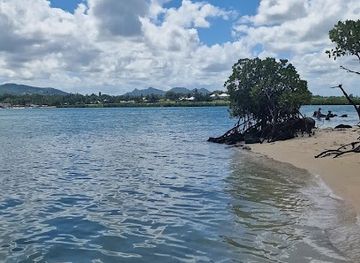
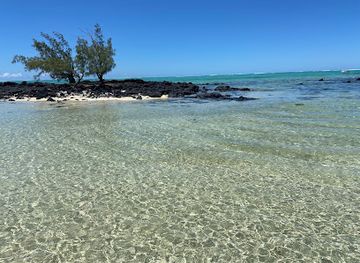
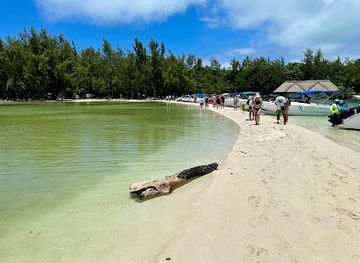
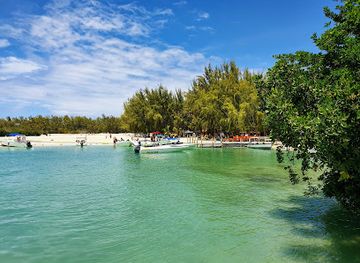
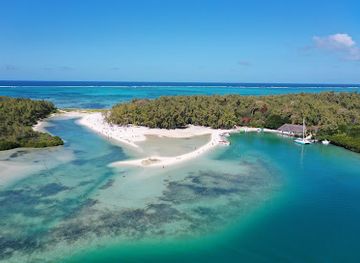
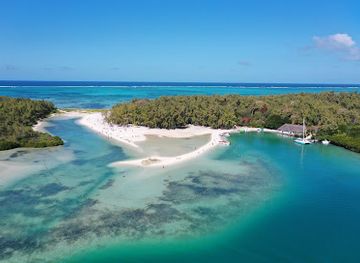
Ile aux Cerfs is a small, privately managed island off the east coast of Mauritius, close to Trou d’Eau Douce and the villages around the Grand Port district. Reached by boat across the extensive lagoon, it is known for pale sandy beaches, shallow turquoise water and broad views towards the forested mainland. The island is primarily a daytime destination rather than a conventional settlement: visitors arrive for swimming where conditions and designated areas permit, sunbathing, watersports, boat excursions and the relaxed rhythm of a tropical sand-fringed coast.Read more about Ile aux Cerfs
A Day on the Island
Character and Practical Rhythm
When is the best time to visit Ile aux Cerfs?
Best: June–August · 24–25°C| Month | High (°C) | Rainfall (mm) |
|---|---|---|
| January | 31 | 200 |
| February | 30 | 200 |
| March | 30 | 150 |
| April | 29 | 100 |
| May | 27 | 100 |
| June (best) | 25 | 50 |
| July (best) | 24 | 50 |
| August (best) | 24 | 50 |
| September | 24 | 50 |
| October | 25 | 100 |
| November | 27 | 150 |
| December | 29 | 200 |
Getting to and around Ile aux Cerfs
How to get there
Transportation
Best attractions in Ile aux Cerfs
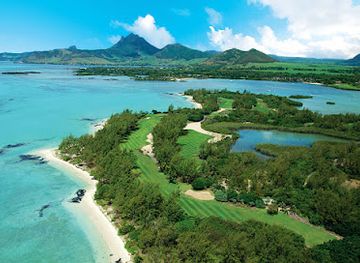
Ile aux Cerfs is centred on its white-sand beaches and shallow eastern lagoon, where visitors can swim in designated areas, relax beside the water or join organised activities such as kayaking, sailing, parasailing and other watersports. Boat trips from Trou d’Eau Douce provide changing views of the mangrove-lined river mouth, offshore flats and forested mainland, although the route and inclusions vary by operator. The Ile aux Cerfs Golf Club is the island’s principal sporting attraction, laid out across a landscaped coastal setting with views towards the lagoon. Visitors may also explore the island’s beach paths and quieter shores, subject to access arrangements and weather. The nearby Grand River South East waterfall is often included in wider eastern-coast excursions, but it is on the mainland and not part of Ile aux Cerfs itself. Most attractions are designed for a day visit, with facilities concentrated near the main landing and developed recreation areas.
-
Tourist attraction
Repas pour excursion touriste
Experience the rich flavors of Mauritius at Repas pour Excursion Touriste, an essential stop for culinary enthusiasts in Beau Champ.
-
Tourist attraction
Îlot Valérie
Experience the breathtaking beauty and rich wildlife of Îlot Valérie, a tranquil paradise off the coast of Beau Champ, Mauritius.
-
Tourist attraction
LES TROIS ÎLE DU NORD
Discover the natural beauty and serene beaches of Île aux Cerfs, a tropical paradise in Mauritius perfect for relaxation and adventure.
-
 Park
ParkIle aux dolphin
Experience the serene landscapes and natural beauty of Île aux Dolfins, a tranquil park perfect for relaxation and exploration in Beau Champ, Mauritius.
Best landmarks in Ile aux Cerfs
The defining landmark of Ile aux Cerfs is its lagoon setting: a network of shallow, reef-influenced waters and sand-fringed shores that separates the island from Mauritius’s east coast. Its beaches form the island’s most recognisable natural feature, while the low profile of the land allows wide views across the water towards the mainland and neighbouring coast. The Ile aux Cerfs Golf Club is the principal modern built landmark, established within the island’s managed recreational landscape. Trou d’Eau Douce, the traditional mainland gateway, is historically significant as a coastal settlement and landing place, but it lies outside the island. The Grand River South East waterfall is another prominent sight commonly connected with excursions in this area; it too is on the mainland. Together, these features show the relationship between the island’s natural lagoon, its maritime access and the eastern coast’s tourism development.
-
Tourist attraction
Ile aux Cerfs Leisure Island
Explore the stunning shores and vibrant waters of Ile aux Cerfs Leisure Island, a tropical paradise in Mauritius that offers adventure, relaxation, and breathtaking beauty.
-
Island
Île aux Cerfs
Discover the breathtaking beauty of Île aux Cerfs, a tropical island paradise in Mauritius, renowned for its stunning beaches and vibrant marine life.
-
Golf club
Ile aux Cerfs Golf Club
Discover the stunning Ile aux Cerfs Golf Club, a premier golfing destination in Mauritius surrounded by breathtaking landscapes and turquoise waters.
-
Scenic spot
Ile aux Cerfs beach
Discover the stunning Ile aux Cerfs Beach, a tropical paradise in Mauritius known for its pristine sands, vibrant marine life, and thrilling water sports.

Explore Ile aux Cerfs on the map
Plan your trip on one map. See where the top attractions, landmarks, restaurants and hotels are, and book hotels and experiences in a few clicks.
Best hotels in Ile aux Cerfs
Best restaurants in Ile aux Cerfs
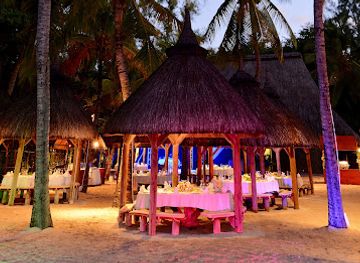
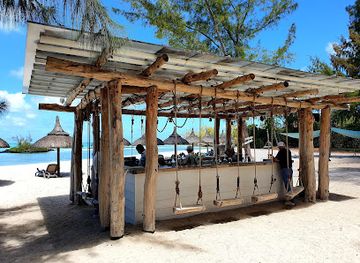
Dining on Ile aux Cerfs is primarily designed around day visitors, with restaurants, grills, cafés or beach refreshment facilities associated with the island’s managed leisure areas rather than a traditional village food scene. Menus commonly draw on Mauritian and international holiday fare, with seafood, rice-based dishes, grilled food, fruit and cold drinks suited to a beach setting, although the exact choice depends on the facility and operating arrangements. Trou d’Eau Douce offers a more locally rooted selection of small restaurants and takeaway outlets, while the hotels and resorts around Belle Mare and the eastern coast provide a broader range of dining styles. Visitors joining boat excursions should check whether food and drinks are included, and should not assume that independent supplies are readily available once offshore. Mauritian specialities such as fish curry, farata, rougaille and dholl puri are easier to seek on the mainland than on the island itself.
-
Restaurant
Sands Grill
Discover Sands Grill on Ile aux Cerfs: A culinary delight surrounded by stunning views and tropical charm.
-
Restaurant
La Flibuste
Experience culinary excellence at La Flibuste on Île aux Cerfs – where fresh seafood meets breathtaking island views.
-
Restaurant
Langer's Bar & Grill
Experience culinary excellence at Langer's Bar & Grill on Ile aux Cerfs - where stunning views meet delicious flavors.
-
Restaurant
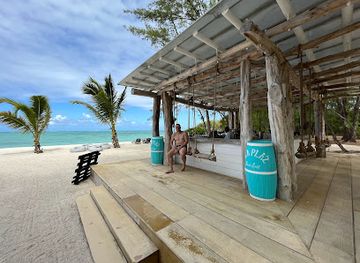
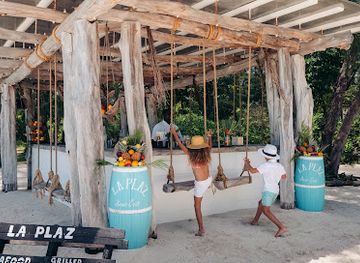
La Plaz Beach Grill
Experience exquisite seafood dining at La Plaz Beach Grill in Mauritius - where ocean views meet culinary excellence.
Best bars in Ile aux Cerfs
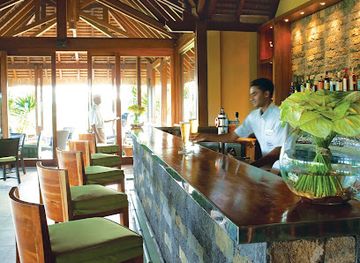
Ile aux Cerfs is overwhelmingly a daytime destination and does not have an established nightlife district or conventional nightclub scene. Visitors may find drinks and a relaxed beach atmosphere within the island’s visitor facilities during operating periods, but evening entertainment is limited by the absence of ordinary residential streets and overnight accommodation. After returning to the mainland, Trou d’Eau Douce provides a quieter selection of local bars, hotel lounges and restaurants, while larger resorts around Belle Mare and the east coast may offer evening dining, music or seasonal entertainment. Availability varies by property and time of year, so the island should not be treated as a late-night base. The more characteristic evening experience is a sunset meal or drink at mainland accommodation, followed by the calm atmosphere of the eastern coast rather than club-focused nightlife.
-
Restaurant
Sands Grill
Experience the best of Mauritian cuisine at Sands Grill on Ile aux Cerfs, where stunning views meet exquisite flavors for an unforgettable dining experience.
-
Restaurant
La Flibuste
Experience the flavors of Mauritius at La Flibuste, a premier restaurant on Île aux Cerfs, offering exquisite cuisine and stunning ocean views.
-
Restaurant
Langer's Bar & Grill
Experience the best of island cuisine at Langer's Bar & Grill on the stunning Ile aux Cerfs, a culinary paradise for tourists.
-
Bar
La Plaz
Experience the delightful flavors of Mauritius at La Plaz, a seafood lover's paradise with stunning ocean views and a family-friendly atmosphere.


Best nightclubs in Ile aux Cerfs
Ile aux Cerfs is overwhelmingly a daytime destination and does not have an established nightlife district or conventional nightclub scene. Visitors may find drinks and a relaxed beach atmosphere within the island’s visitor facilities during operating periods, but evening entertainment is limited by the absence of ordinary residential streets and overnight accommodation. After returning to the mainland, Trou d’Eau Douce provides a quieter selection of local bars, hotel lounges and restaurants, while larger resorts around Belle Mare and the east coast may offer evening dining, music or seasonal entertainment. Availability varies by property and time of year, so the island should not be treated as a late-night base. The more characteristic evening experience is a sunset meal or drink at mainland accommodation, followed by the calm atmosphere of the eastern coast rather than club-focused nightlife.
-
Golf club
Ile aux Cerfs Golf Club
Discover the breathtaking beauty of Ile aux Cerfs Golf Club, a premier golfing destination in Mauritius with stunning ocean views and world-class facilities.
-
Restaurant
Langer's Bar & Grill
Experience the exquisite taste of Mauritius at Langer's Bar & Grill on the stunning Ile aux Cerfs – where culinary delights meet breathtaking views.
-
Bar
La Plaz
Experience the vibrant flavors of Mauritius at La Plaz, a beachside culinary gem specializing in fresh seafood and family-friendly dining.
Best shops in Ile aux Cerfs
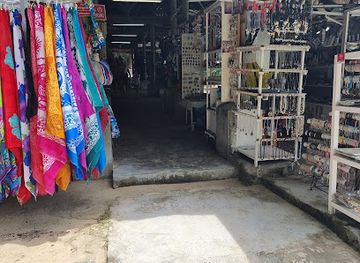
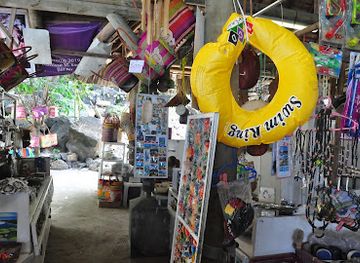
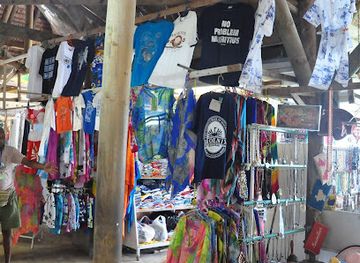
Shopping on Ile aux Cerfs is limited to visitor-oriented conveniences and souvenirs rather than a full retail scene. Depending on the operating facilities, visitors may find beach essentials, refreshments, small gifts or locally themed products, but there is no conventional high street or permanent town market. For more substantial shopping, return to the mainland and explore shops in Trou d’Eau Douce, larger settlements around Flacq or the resort areas near Belle Mare. Mauritius is associated with products such as locally made textiles, craftwork, rum, tea, spices and food specialities, although provenance and availability vary between retailers. Farm shops, market stalls and independent businesses on the mainland provide a more authentic opportunity to browse regional produce than the island’s excursion facilities. Carry purchases securely during boat transfers and avoid buying coral, shells or other natural material removed from the marine environment.
-
Tourist attraction
Ile aux Cerfs Leisure Island
Experience the tropical beauty and adventure of Ile aux Cerfs Leisure Island, a stunning paradise in Mauritius with pristine beaches and thrilling activities.
-
Island
Île aux Cerfs
Explore the stunning beaches and thrilling adventures of Île aux Cerfs, a tropical paradise ideal for relaxation and water sports.
-
Restaurant
Sands Grill
Experience the exquisite flavors of Sands Grill on Ile aux Cerfs Leisure Island, where culinary delight meets stunning natural beauty.
-
Scenic spot
Ile aux Cerfs beach
Ile aux Cerfs Beach: A tropical paradise with pristine sands and turquoise waters, perfect for relaxation and adventure in Mauritius.
Get your free copy of our complete guide to Ile aux Cerfs, delivered straight to you.
Everything on this page, from attractions and restaurants to essentials and local phrases, in one PDF you can read offline, print or share.
Already have an account? Sign in
Your Ile aux Cerfs guide is ready.
We'll send it to · Not you? Sign out

Getting your guide ready…
We are putting together a fresh copy of the Ile aux Cerfs guide. This can take up to a minute.
This can take a few moments. If your browser asks, choose Allow so the download can start. You'll find the guide in your Downloads folder.
Nothing happened? Download it again
Sorry, the guide is taking longer than usual. Please try again in a minute, or get it by email instead.
Ile aux Cerfs essentials
Currency and Payment
Safety
Emergency Situations
Do's and Don'ts
Local Tips
From Eve
Local phrases worth knowing
You don't need to get them perfect. A few words go a long way, and locals appreciate the effort.
Basics
| English | Local | Say it |
|---|---|---|
| Hello | Bonjour | [bon-zhoor] |
| Goodbye | Au revoir | [oh rev-wah] |
| Yes | Wi | [wee] |
| No | Non | [nohn] |
| Please/You're welcome | S'il vous plaît | [seel voo pleh] |
| Thank you | Merci | [mehr-see] |
| Excuse me/Sorry | Excusez-moi | [ex-kew-zay mwah] |
| How are you? | Comment ça va? | [kom-mohn sah vah] |
| Fine. And you? | Bien. Et toi? | [byen. ay twah] |
| Do you speak English? | Parlez-vous anglais? | [par-lay voo ahng-glay] |
| I don't understand | Je ne comprends pas | [zhuh nuh kohm-prahn pah] |
Eating & Drinking
| English | Local | Say it |
|---|---|---|
| I'd like to see the menu, please | Je voudrais voir le menu, s'il vous plaît | [zhuh voo-dray vwar luh muh-nyoo, seel voo pleh] |
| I don't eat meat | Je ne mange pas de viande | [zhuh nuh mahnj pah duh vee-ahnd] |
| Cheers! | Santé! | [sahn-tay] |
| I would like to pay, please | Je voudrais payer, s'il vous plaît | [zhuh voo-dray pay-ay, seel voo pleh] |
Emergencies
| English | Local | Say it |
|---|---|---|
| Help! | À l'aide! | [ah layd] |
| Go away! | Allez-vous en! | [ah-lay vooz ahn] |
| Call the Police! | Appelez la police! | [ah-pay-lay lah po-lees] |
| Call a doctor! | Appelez un médecin! | [ah-pay-lay uh mayd-sahn] |
| I'm lost | Je suis perdu | [zhuh swee pair-doo] |
| I'm ill | Je suis malade | [zhuh swee mah-lahd] |
Shopping
| English | Local | Say it |
|---|---|---|
| I'd like to buy... | Je voudrais acheter... | [zhuh voo-dray ash-tay...] |
| I'm just looking | Je regarde juste | [zhuh ruh-gard zhoost] |
| How much is it? | Combien ça coûte? | [kohm-byen sah koot] |
| That's too expensive | C'est trop cher | [say troh shay] |
| Can you lower the price? | Pouvez-vous baisser le prix? | [poo-vay voo bay-say luh pree] |
Time & Numbers
| English | Local | Say it |
|---|---|---|
| What time is it? | Quelle heure est-il? | [kell uhr ay-teel] |
| It's one o'clock | Il est une heure | [eel ay oon uhr] |
| Half past (10) | Dix et demie | [dees ay duh-mee] |
| Morning | Matin | [mah-tahn] |
| Afternoon | Après-midi | [ah-pray mee-dee] |
| Evening | Soir | [swahr] |
| Yesterday | Hier | [yehr] |
| Today | Aujourd'hui | [oh-zhoor dwee] |
| Tomorrow | Demain | [duh-mahn] |
| 1 | Un | [uhn] |
| 2 | Deux | [duh] |
| 3 | Trois | [twah] |
| 4 | Quatre | [kat] |
| 5 | Cinq | [sank] |
| 6 | Six | [sees] |
| 7 | Sept | [sept] |
| 8 | Huit | [wheat] |
| 9 | Neuf | [nurf] |
| 10 | Dix | [dees] |
Transport & Directions
| English | Local | Say it |
|---|---|---|
| Where's a/the...? | Où est...? | [oo ay...] |
| What's the address? | Quelle est l'adresse? | [kell ay lad-res] |
| Can you show me (on the map)? | Pouvez-vous me montrer (sur la carte)? | [poo-vay voo muh mohn-tray (soor lah kart)] |
| When's the next (bus)? | Quand est le prochain (bus)? | [kahn ay luh proh-shahn (boos)] |
| A ticket (to ....) | Un billet (pour ....) | [uhn bee-yay (poor)] |
History of Ile aux Cerfs
A Name Linked to Deer
The name Ile aux Cerfs means ‘Deer Island’ in French and is traditionally associated with deer once kept or introduced on the island during the colonial period. The name survives even though the island is now valued chiefly for its beaches, lagoon and recreational landscape rather than for deer. As with many place names in Mauritius, it reflects the island’s French colonial vocabulary and the changing ways in which coastal land was used and described.
Colonial Coastal Land Use
Ile aux Cerfs developed within the historical setting of eastern Mauritius, where sugar estates, coastal settlements and maritime routes shaped the region after French and then British control of the island. The nearby mainland was transformed by plantation agriculture, while the offshore islets and lagoons served as fishing grounds, transport corridors and working coastal environments. Trou d’Eau Douce grew as an important local landing place and remains the principal gateway for many visits to Ile aux Cerfs.
From Working Coast to Visitor Island
During the twentieth century, Mauritius’s beaches and lagoons became increasingly important to the island’s tourism economy. Ile aux Cerfs shifted from a relatively undeveloped offshore landscape towards a managed day-visitor destination, with boat transfers, dining facilities, watersports and recreational amenities. This change reflects a wider transformation along the east coast, where former agricultural and fishing landscapes became linked with hotels, excursions and leisure travel while retaining their dependence on the lagoon and mainland communities.
Golf and Modern Tourism
The opening of Ile aux Cerfs Golf Club in the early twenty-first century added an internationally marketed sporting attraction to the island’s established beach and boating appeal. The course and associated visitor facilities form part of the island’s managed tourism landscape, while the surrounding lagoon remains the defining natural setting. Modern visits therefore combine a highly organised leisure environment with a coastal ecosystem whose condition depends on responsible boating, careful waste management and respect for shallow-water habitats.
Ile aux Cerfs in Photos
Browse through our photo collection highlighting the charm and character of the destination.
Neighbouring destination travel guides
The closest destinations to Ile aux Cerfs, if you have time for more than one.
-

-
-

-

-


Swipe for more destinations
Explore more

Explore more of Flacq
Explore Flacq in eastern Mauritius for Belle Mare beaches, lagoon excursions, sugar-country landscapes, markets and village culture.
Explore Flacq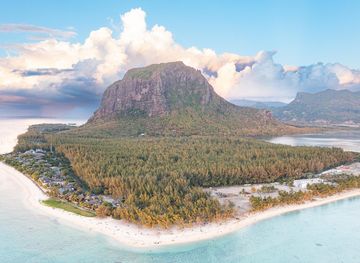
Explore more of Mauritius
Discover Mauritius, the tropical paradise of the Indian Ocean, where pristine beaches, lush landscapes, and vibrant culture come together for an unforgettable escape.
Explore Mauritius