

Free Puerto Vallarta Travel Guide & Mobile App
Plan your Puerto Vallarta trip with Evendo. Get free guides to top attractions, restaurants, hotels, and bars. Web access or download the mobile app.


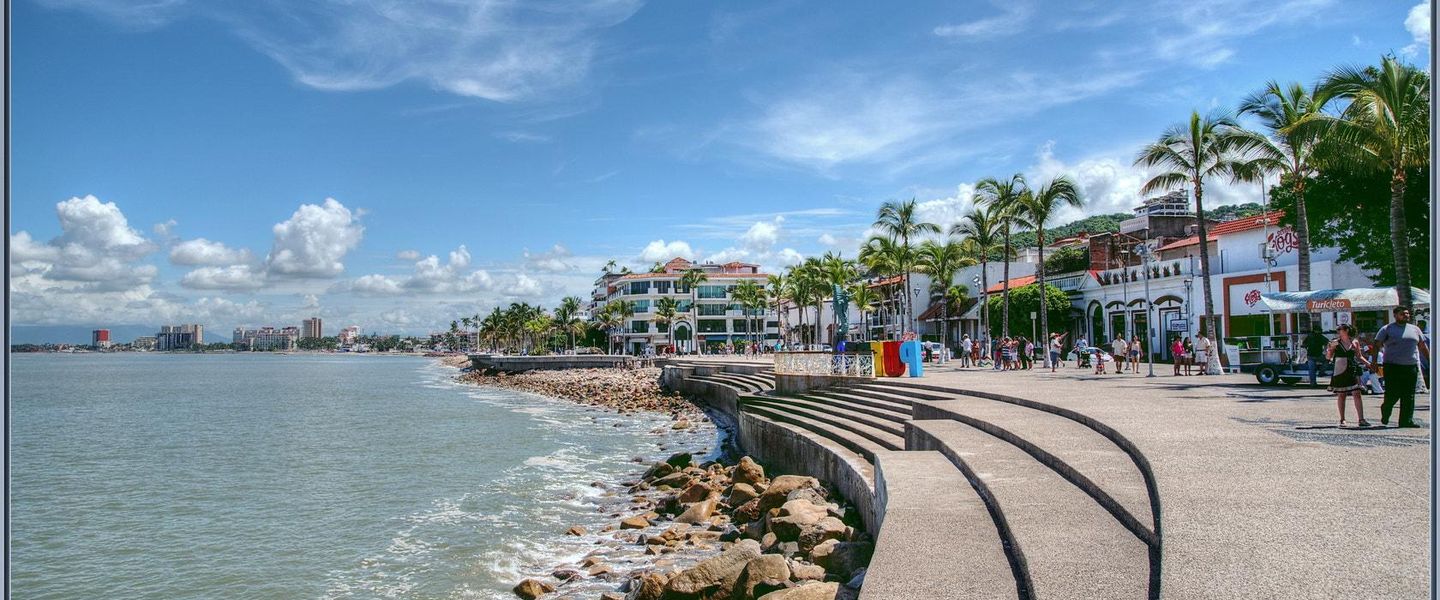


Puerto Vallarta combines Pacific beaches, colonial streets, art, Jalisco cuisine and island-to-jungle adventures along Mexico’s Bay of Banderas.
A Bay Framed by Mountains
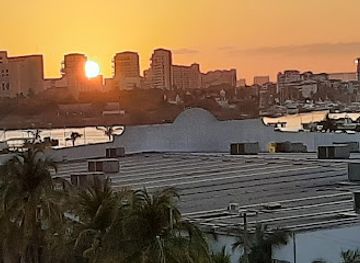
Puerto Vallarta curves around the northern shore of Banderas Bay, where the Sierra Madre foothills descend towards the Pacific. Its centre combines a working coastal city's everyday life with a well-established visitor culture: fishing boats and excursion launches share the waterfront with galleries, restaurants and the broad Malecón promenade. Beyond the built-up shore, forested slopes, river valleys and rocky coves create a strong sense of geography, particularly south of town towards Mismaloya and Boca de Tomatlán.Read more about Puerto Vallarta
Old Streets and Coastal Culture
From Film History to Outdoor Life
When is the best time to visit Puerto Vallarta?
Best: December–February · 29–30°C| Month | High (°C) | Rainfall (mm) |
|---|---|---|
| January (best) | 29 | 10 |
| February (best) | 30 | 7 |
| March | 30 | 5 |
| April | 31 | 3 |
| May | 33 | 1 |
| June | 34 | 3 |
| July | 34 | 7 |
| August | 34 | 7 |
| September | 33 | 8 |
| October | 32 | 12 |
| November | 31 | 14 |
| December (best) | 29 | 10 |
Getting to and around Puerto Vallarta
How to get there
Transportation
Best attractions in Puerto Vallarta
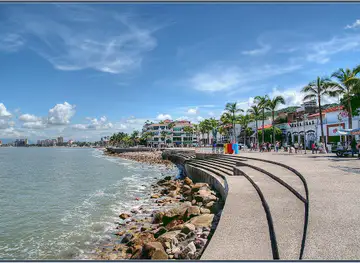
Puerto Vallarta's principal sightseeing route follows the Malecón, where public sculptures, ocean views and open-air performances create a cultural promenade rather than a simple seafront walkway. Behind it, the historic centre leads uphill to the Parish of Our Lady of Guadalupe and viewpoints over the bay, while Isla Cuale offers riverside paths, market stalls and the Cuale Archaeological Museum. The Zona Romántica adds cobbled streets, galleries and Los Muertos Beach, whose pier is a focal point for coastal scenery. Mirador de la Cruz provides a demanding uphill walk to a broad city and bay outlook. For a change of landscape, the Vallarta Botanical Garden lies south of the city in the mountains, and boat excursions reach Los Arcos, a marine landmark near Mismaloya, or the protected waters around the Marietas Islands across the bay.
-
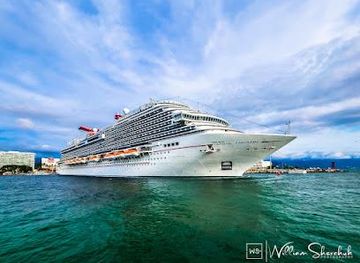
Cruise terminal
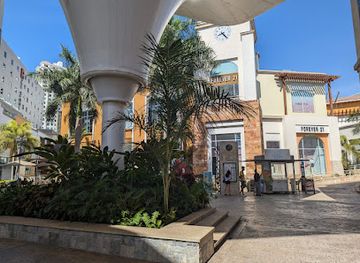
Puerto Magico
Experience the vibrant charm of Puerto Magico, the premier cruise terminal and tourist attraction in Puerto Vallarta, offering shopping, dining, and breathtaking views.
5 min drive · 1.6 km from city centre
-
Tourist attraction
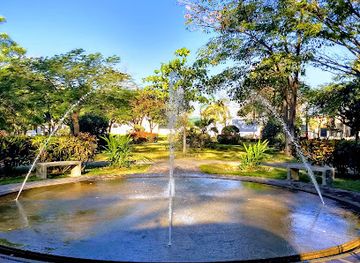
Parque Fluvial Vallarta
Discover the natural beauty and tranquil ambiance of Parque Fluvial Vallarta, a must-visit urban park in Puerto Vallarta for every traveler.
13 min walk · 1.0 km from city centre
-
Cooking class
Cookin' Vallarta
Experience the essence of Mexican cuisine with hands-on classes and local market tours at Cookin' Vallarta in Puerto Vallarta.
5 min drive · 1.7 km from city centre
-
Botanical garden
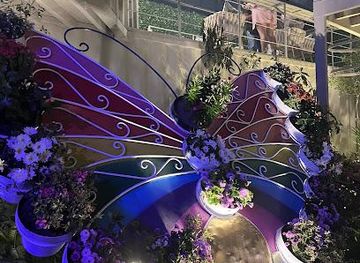
Mariposa Event Center
Experience the enchanting Mariposa Event Center in Puerto Vallarta, where botanical beauty meets vibrant events in a stunning tropical setting.
5 min drive · 1.7 km from city centre
Best landmarks in Puerto Vallarta
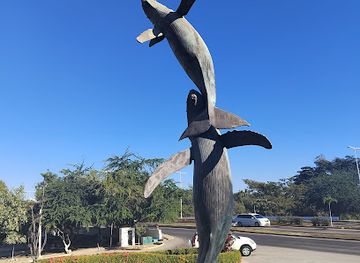
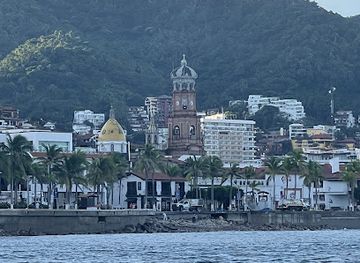
The Parish of Our Lady of Guadalupe is Puerto Vallarta's most recognisable religious landmark, with a central tower topped by a distinctive crown and a prominent position above the main plaza. Along the Malecón, a sequence of public sculptures turns the waterfront into an open-air gallery, reflecting the city's long relationship with art and tourism. The old lighthouse, known as El Faro, stands on Matamoros Street and recalls the practical maritime infrastructure of the former coastal settlement, while the Cuale River bridges mark the meeting point between the historic centre and Zona Romántica. Plaza de Armas, framed by civic buildings and the parish, remains the traditional centre of public gatherings. The low-rise streets of Gringo Gulch and the older central neighbourhoods are landmarks in a broader sense, preserving the white façades, red tile and hillside layout associated with Puerto Vallarta's earlier identity.
-
Shopping mall
La Isla
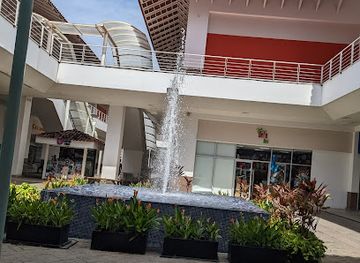
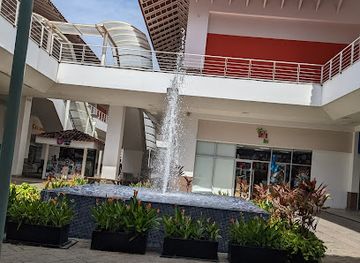
Explore La Isla Shopping Village in Puerto Vallarta: a vibrant destination combining shopping, dining, and entertainment in a stunning waterfront setting.
5 min drive · 1.6 km from city centre
-
Shopping mall
Macroplaza Puerto Vallarta
Explore Macroplaza Puerto Vallarta: a vibrant shopping mall offering diverse dining, entertainment, and a taste of local culture in the heart of Jalisco.
15 min walk · 1.2 km from city centre
-
Tour operator
Vallarta Adventures | Terminal Marítima
Discover the enchanting marine life and breathtaking landscapes of Puerto Vallarta with Vallarta Adventures' unforgettable tours and excursions.
5 min drive · 1.7 km from city centre
-
Market
Mercado Palmar De Aramara
Explore Mercado Palmar De Aramara: A vibrant market in Puerto Vallarta offering local flavors, crafts, and an authentic taste of Mexican culture.
13 min walk · 1.0 km from city centre
Explore Puerto Vallarta on the map
Plan your Puerto Vallarta trip on one map. See where the top attractions, landmarks, restaurants, bars and hotels are, find what's near where you're staying, and book hotels and experiences in a few clicks.
Neighbourhoods in Puerto Vallarta
-

-
-

-


Swipe for more neighbourhoods
Best hotels in Puerto Vallarta
Best restaurants in Puerto Vallarta
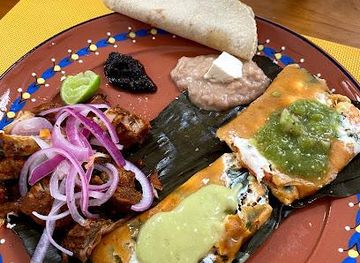
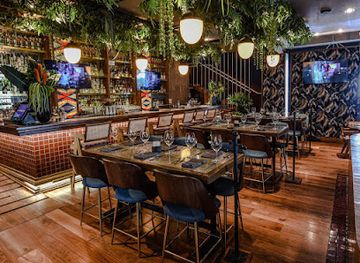
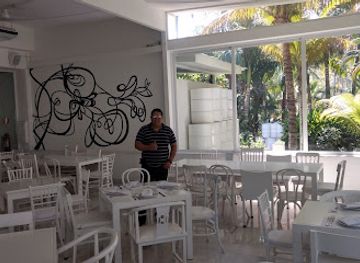
Puerto Vallarta's food culture draws on Jalisco traditions, Pacific seafood and the produce of the surrounding mountains. Fish tacos, ceviche, aguachile and grilled or zarandeado-style fish appear alongside regional staples such as birria, pozole and tortas ahogadas, while raicilla, a local agave spirit from the wider coastal region, features in some drinks programmes. The central streets, Zona Romántica and the area around the Cuale River offer everything from fondas and taco stands to contemporary kitchens, bakeries and international restaurants. Seafood restaurants make strong use of the bay's coastal identity, whereas inland markets and family-run eateries provide a more everyday view of Jalisco cooking. Food markets and small neighbourhood businesses are useful for tasting fruit, snacks and prepared dishes without confining the dining experience to hotel districts.
-
Mexican
Porfirio's Puerto Vallarta | Restaurante de comida mexicana
Experience the essence of Mexico at Porfirio's Puerto Vallarta - where traditional flavors meet contemporary dining in an unforgettable atmosphere.
5 min drive · 1.6 km from city centre
-
Restaurant
La Leche
Discover La Leche, Puerto Vallarta's culinary treasure blending authentic Mexican flavors with modern flair in an unforgettable setting.
5 min drive · 1.7 km from city centre
-
Restaurant
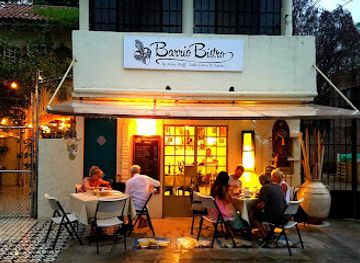
Barrio Bistro by Memo Wulff
Experience authentic Mexican cuisine at Barrio Bistro in Puerto Vallarta - where tradition meets modern culinary innovation.
5 min drive · 1.7 km from city centre
Best nightclubs in Puerto Vallarta
Evenings in Puerto Vallarta centre on the Malecón, the historic centre and the Zona Romántica, where the pace moves from sunset drinks to late-night music. The streets around Olas Altas contain a concentrated mixture of cocktail bars, cantinas, lounges and small venues, while the waterfront offers open-air views and a more public atmosphere. Live music ranges from Mexican traditions to rock, jazz and electronic sets, and the city's LGBTQ+ nightlife is particularly visible in the Zona Romántica. Larger clubs and dance venues are found along the Malecón and in adjacent resort areas, though the scene varies by season. Visitors seeking a quieter evening can choose theatre, gallery events, sunset sailing or a relaxed bar rather than a club-focused night.
-
Night club
La Santa Puerto Vallarta
Experience the electrifying nightlife of Puerto Vallarta at La Santa, a premier nightclub with unforgettable music, cocktails, and vibrant energy.
18 min walk · 1.5 km from city centre
-
Night club
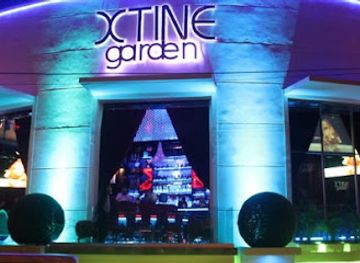
XTINE GARDEN
Dive into the vibrant nightlife of Puerto Vallarta at XTINE Garden, where unforgettable nights filled with music, dance, and celebration await.
5 min drive · 1.6 km from city centre

Best shops in Puerto Vallarta
Shopping in Puerto Vallarta ranges from craft stalls and independent galleries to modern boutiques and resort-area retail. The municipal market on Isla Cuale and nearby stalls offer embroidered textiles, woven goods, ceramics, jewellery and colourful souvenirs, though quality and provenance vary and bargaining is not appropriate everywhere. The streets of the Zona Romántica and the historic centre contain galleries featuring Mexican painting, sculpture, folk art and contemporary design, while the Malecón is lined with shops aimed at visitors. Look for regional food products, handmade leather goods, silver jewellery and Mexican handicrafts, checking materials and prices before buying. Marina Vallarta provides a more polished waterfront retail environment, whereas neighbourhood markets and small specialist shops offer a closer connection to daily commerce and local makers.
-
Shopping mall
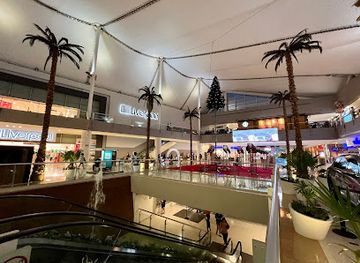
Galerias Vallarta Shopping Mall
Discover Galerias Vallarta Shopping Mall, a vibrant retail paradise in Puerto Vallarta, offering diverse shopping, dining, and entertainment for every traveler.
5 min drive · 1.6 km from city centre
-
Shopping mall
Plaza Caracol
Discover a vibrant shopping experience at Plaza Caracol, Puerto Vallarta's premier mall offering diverse shops, dining, and entertainment options.
5 min drive · 1.6 km from city centre
-
Shopping mall
La Isla
Discover La Isla, Puerto Vallarta's premier shopping mall featuring diverse stores, delightful dining, and vibrant entertainment in an open-air paradise.
5 min drive · 1.6 km from city centre
-
Shopping mall
Macroplaza Puerto Vallarta
Explore Macroplaza Puerto Vallarta, a vibrant shopping mall offering an eclectic mix of stores, dining experiences, and entertainment in the heart of Puerto Vallarta.
15 min walk · 1.2 km from city centre
Get your free copy of our complete guide to Puerto Vallarta, delivered straight to you.
Everything on this page, from attractions and restaurants to essentials and local phrases, in one PDF you can read offline, print or share.
Already have an account? Sign in
Your Puerto Vallarta guide is ready.
We'll send it to · Not you? Sign out

Getting your guide ready…
We are putting together a fresh copy of the Puerto Vallarta guide. This can take up to a minute.
This can take a few moments. If your browser asks, choose Allow so the download can start. You'll find the guide in your Downloads folder.
Nothing happened? Download it again
Sorry, the guide is taking longer than usual. Please try again in a minute, or get it by email instead.
Puerto Vallarta essentials
Currency and Payment
Safety
Emergency Situations
Do's and Don'ts
Local Tips
From Eve
Local phrases worth knowing
You don't need to get them perfect. A few words go a long way, and locals appreciate the effort.
Basics
| English | Local | Say it |
|---|---|---|
| Hello | Hola | [oh-lah] |
| Goodbye | Adiós | [ah-dyohs] |
| Yes | Sí | [see] |
| No | No | [noh] |
| Please/You're welcome | Por favor/De nada | [pohr fah-vohr/deh nah-dah] |
| Thank you | Gracias | [grah-syahs] |
| Excuse me/Sorry | Perdón/Lo siento | [pehr-dohn/loh syehn-toh] |
| How are you? | ¿Cómo estás? | [koh-moh ehs-tahs] |
| Fine. And you? | Bien. ¿Y tú? | [byehn. ee too] |
| Do you speak English? | ¿Hablas inglés? | [ah-blahs een-glehs] |
| I don't understand | No entiendo | [noh ehn-tyen-doh] |
Eating & Drinking
| English | Local | Say it |
|---|---|---|
| I'd like to see the menu, please | Me gustaría ver el menú, por favor | [meh goos-tah-ree-ah behr ehl meh-noo, pohr fah-vohr] |
| I don't eat meat | No como carne | [noh koh-moh kahr-neh] |
| Cheers! | ¡Salud! | [sah-loohd] |
| I would like to pay, please | Me gustaría pagar, por favor | [meh goos-tah-ree-ah pah-gahr, pohr fah-vohr] |
Emergencies
| English | Local | Say it |
|---|---|---|
| Help! | ¡Ayuda! | [ah-yoo-dah] |
| Go away! | ¡Vete! | [veh-teh] |
| Call the Police! | ¡Llama a la policía! | [yah-mah ah lah poh-lee-see-ah] |
| Call a doctor! | ¡Llama a un doctor! | [yah-mah ah oon dohk-tohr] |
| I'm lost | Estoy perdido/a | [ehs-toy pehr-dee-doh/ah] |
| I'm ill | Estoy enfermo/a | [ehs-toy ehn-fehr-moh/ah] |
Shopping
| English | Local | Say it |
|---|---|---|
| I'd like to buy... | Me gustaría comprar... | [meh goos-tah-ree-ah kohm-prahr] |
| I'm just looking | Sólo estoy mirando | [soh-loh ehs-toy meer-ahn-doh] |
| How much is it? | ¿Cuánto cuesta? | [kwan-toh kwehs-tah] |
| That's too expensive | Eso es demasiado caro | [eh-soh ehs deh-mah-syah-doh kah-roh] |
| Can you lower the price? | ¿Puede bajar el precio? | [pweh-deh bah-har ehl pree-syoh] |
Time & Numbers
| English | Local | Say it |
|---|---|---|
| What time is it? | ¿Qué hora es? | [keh oh-rah ehs] |
| It's one o'clock | Es la una | [ehs lah oo-nah] |
| Half past (10) | Son las diez y media | [sohn lahs dyehs ee meh-dyah] |
| Morning | Mañana | [mah-nyah-nah] |
| Afternoon | Tarde | [tahr-deh] |
| Evening | Noche | [noh-cheh] |
| Yesterday | Ayer | [ah-yehr] |
| Today | Hoy | [oy] |
| Tomorrow | Mañana | [mah-nyah-nah] |
| 1 | Uno | [oo-noh] |
| 2 | Dos | [dohs] |
| 3 | Tres | [trehs] |
| 4 | Cuatro | [kwah-troh] |
| 5 | Cinco | [seen-koh] |
| 6 | Seis | [seys] |
| 7 | Siete | [syeh-teh] |
| 8 | Ocho | [oh-choh] |
| 9 | Nueve | [nweh-veh] |
| 10 | Diez | [dyehs] |
Transport & Directions
| English | Local | Say it |
|---|---|---|
| Where's a/the...? | ¿Dónde está...? | [dohn-deh ehs-tah] |
| What's the address? | ¿Cuál es la dirección? | [kwal ehs lah dee-rehk-syohn] |
| Can you show me (on the map)? | ¿Puedes mostrarme (en el mapa)? | [pweh-dehs mohs-trahr-meh (ehn ehl mah-pah)] |
| When's the next (bus)? | ¿Cuándo es el próximo (autobús)? | [kwan-doh ehs ehl proh-ksy-moh (ow-toh-boos)] |
| A ticket (to ....) | Un boleto (a ....) | [oon boh-leh-toh (ah)] |
History of Puerto Vallarta
Indigenous Bay and Spanish Expansion
The shores and valleys around Banderas Bay were inhabited by Indigenous communities long before Spanish arrival, whose economies drew on fishing, agriculture and the region's rivers and forests. Spanish expeditions reached the coast during the sixteenth century, but the rugged Sierra Madre and limited mineral wealth prevented the bay from developing into a major colonial port. For centuries, settlements in the wider region remained relatively small and connected to inland communities more than to distant maritime trade. This early relationship with the landscape still helps explain the compact form of the old town and the importance of the Cuale River, coastal fishing and mountain access in Puerto Vallarta's later development.
Las Peñas Takes Shape
The settlement that became Puerto Vallarta emerged in the nineteenth century under the name Las Peñas. Guadalupe Sánchez Torres is generally credited with establishing the settlement in 1851, when families connected with agriculture, fishing and coastal commerce began to form a more permanent community. Its position between the bay and the mountains offered access to fertile river valleys, while nearby mining activity created demand for food and supplies. The early town developed without the grand colonial civic architecture found in Mexico's inland capitals, instead taking shape through modest homes, working waterfronts and close relationships between village streets, beaches and surrounding countryside.
From Las Peñas to Puerto Vallarta
Las Peñas was renamed Puerto Vallarta in 1918 in honour of Ignacio L. Vallarta, a prominent Jalisco jurist, politician and former governor who had died in 1893. During the first half of the twentieth century, the town remained a modest coastal settlement, sustained by agriculture, fishing, small-scale commerce and links with the surrounding region. The absence of a major colonial port tradition meant that its identity developed through local families and the geography of the bay rather than through monumental institutions. The white façades, tiled roofs and narrow lanes of the central districts reflect this gradual vernacular growth.
The Night of the Iguana
Puerto Vallarta entered international popular culture when John Huston's film The Night of the Iguana was shot in and around the town in 1963, based on Tennessee Williams's play and starring Richard Burton, Ava Gardner and Deborah Kerr. The production brought intense media attention to a place that was still relatively little known outside Mexico. Burton's relationship with Elizabeth Taylor, who visited during filming, added further fascination to the town's emerging public image. The film did not create Puerto Vallarta's community, but it accelerated its recognition as a Pacific destination and helped attract later visitors, artists and property development.
Tourism and Urban Transformation
From the 1960s onwards, improved transport links, the opening of Puerto Vallarta International Airport in 1966 and growing investment changed the city from a small coastal town into an international resort. Hotels and residential districts expanded northwards through the Hotel Zone and Marina Vallarta, while the historic centre and Zona Romántica retained lower-rise streets and a strong local presence. Tourism became central to employment and urban life, alongside fishing, construction and services. Contemporary Puerto Vallarta continues to negotiate this growth through its public waterfront, protected natural surroundings, cultural institutions and enduring connection to the bay and mountain landscape.
Puerto Vallarta in Photos
Browse through our photo collection highlighting the charm and character of the destination.
Cities near Puerto Vallarta
The closest cities to Puerto Vallarta, if you have time for more than one stop.
-

-

-

-

-


Swipe for more cities
Explore more

Explore more of Mexico
Discover Mexico: A land of ancient ruins, vibrant culture, and stunning natural landscapes. Experience diverse cuisine, rich traditions, and warm hospitality.
Explore Mexico