

Tlaquepaque Centro (Guadalajara) Travel Guide - Free
Explore Tlaquepaque Centro in Guadalajara with Evendo's free guide. Find the best shops, historic streets, restaurants, and gems on web or mobile.


Tlaquepaque Centro in Guadalajara offers ceramic workshops, El Parián, historic plazas, museums, mariachi, galleries and Mexican artisan shopping.
Historic Streets and Ceramic Craft
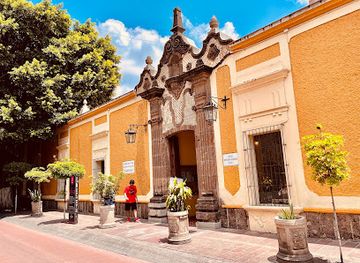
Tlaquepaque Centro is the traditional core of San Pedro Tlaquepaque, a municipality within the Guadalajara metropolitan area whose identity is strongly associated with ceramics, painted pottery and other Mexican handicrafts. Its streets are more intimate than the broad avenues of central Guadalajara, with colourful façades, shaded courtyards, carved wooden doors and pedestrian-friendly stretches around Calle Independencia and the central plazas. The district's name is commonly linked to Nahuatl expressions concerning clay or handmade earthenware, an apt association for a place where pottery remains central to both commerce and cultural memory.Read more about Tlaquepaque Centro
Plazas, Churches and Cultural Spaces
Everyday Tlaquepaque
Best attractions in Tlaquepaque Centro
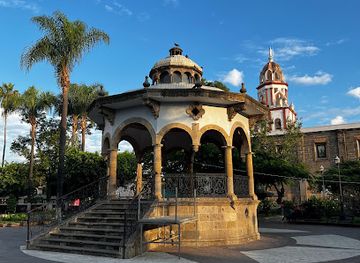
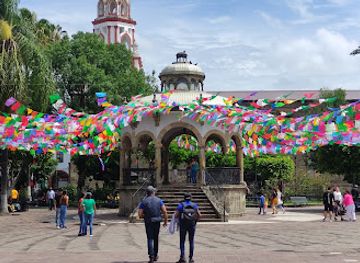
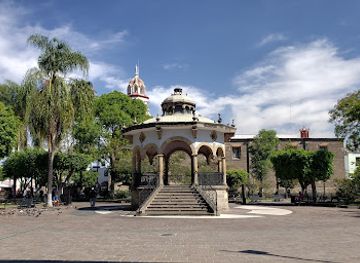
Tlaquepaque Centro's main attractions are concentrated around Jardín Hidalgo, whose mature trees and civic setting lead towards the Parroquia de San Pedro and the arcaded complex of El Parián. El Parián is both a historic entertainment and dining space and a useful place to hear mariachi in a traditional setting. Calle Independencia and adjoining lanes provide the neighbourhood's most enjoyable unstructured sightseeing, with galleries, ceramic shops, painted façades and courtyards opening onto the street. For a deeper look at local and national craft traditions, the Museo Regional de la Cerámica displays pottery in a historic house, while the former religious complex of Centro Cultural El Refugio contains cultural venues including the Museo Pantaleón Panduro. The Santuario de Nuestra Señora de la Soledad offers a quieter architectural and devotional stop within the same walkable centre.
-
Tourist attraction
Jardín Hidalgo
Experience the tranquil charm of Jardín Hidalgo, where lush gardens meet vibrant local culture in Tlaquepaque, Mexico.
2 min walk · 0.1 km from neighbourhood centre
-
Tourist attraction
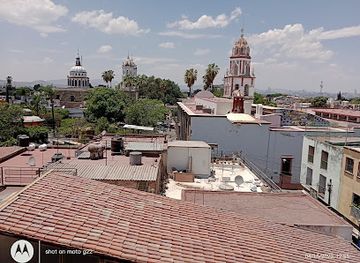
Tlaquepaque Centro
Immerse yourself in the vibrant culture and artisan charm of Tlaquepaque Centro, a must-visit destination in Jalisco, Mexico.
2 min walk · 0.1 km from neighbourhood centre
-
Tourist attraction
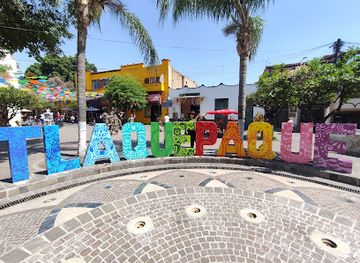
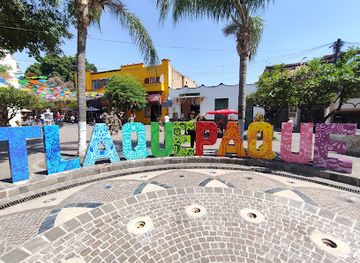
Giant Tlaquepaque Letters
Discover the Giant Tlaquepaque Letters, a colorful symbol of Mexican culture and creativity in the heart of San Pedro Tlaquepaque, Jalisco.
4 min walk · 0.3 km from neighbourhood centre
-
Tourist attraction
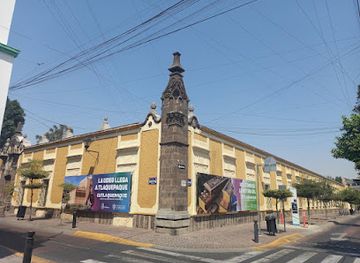
Centro Cultural El Refugio
Explore the vibrant cultural tapestry of Tlaquepaque at Centro Cultural El Refugio, a must-visit museum and cultural center in Jalisco.
3 min walk · 0.2 km from neighbourhood centre
Best landmarks in Tlaquepaque Centro
The Parroquia de San Pedro is the historic centre's principal religious landmark and gives Jardín Hidalgo much of its civic character. Nearby, the Santuario de Nuestra Señora de la Soledad adds another important devotional building to the streetscape. El Parián's broad arcades and central performance space are a defining architectural feature of Tlaquepaque's visitor identity, linking dining and mariachi with the older town centre. Centro Cultural El Refugio occupies a substantial former religious and hospital complex whose rooms and courtyards illustrate the scale of historic institutional architecture in the neighbourhood. The Museo Regional de la Cerámica is housed in a historic building on Calle Independencia, while the surrounding façades, carved entrances and internal patios form a less monumental but equally significant record of Tlaquepaque's evolution from local settlement to metropolitan craft district.
-
Garden
Jardín Hidalgo
Discover the charm of Jardín Hidalgo, a lush garden in Tlaquepaque that offers a serene retreat filled with local culture, vibrant flora, and picturesque pathways.
2 min walk · 0.1 km from neighbourhood centre
-
Tourist attraction
Giant Tlaquepaque Letters
Discover the vibrant Giant Tlaquepaque Letters, an iconic landmark celebrating art and culture in the heart of Tlaquepaque, Jalisco.
4 min walk · 0.3 km from neighbourhood centre
-
Tourist attraction
Tlaquepaque Centro
Discover the artistic heart of Jalisco in Tlaquepaque Centro, where vibrant streets meet rich traditions and extraordinary craftsmanship.
2 min walk · 0.1 km from neighbourhood centre
-
Cultural center
Centro Cultural El Refugio
Explore the vibrant art and culture of Mexico at Centro Cultural El Refugio in Tlaquepaque, a hub of creativity and tradition.
3 min walk · 0.2 km from neighbourhood centre
Explore Tlaquepaque Centro on the map
A handpicked selection of must-see spots in Tlaquepaque Centro, mapped for you.
Best hotels in Tlaquepaque Centro
Best restaurants in Tlaquepaque Centro
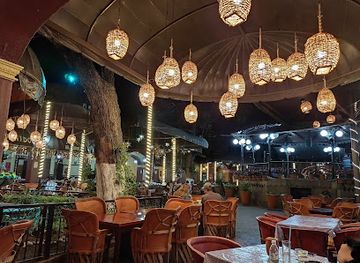
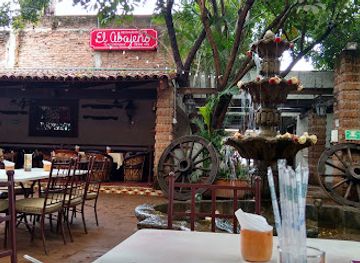
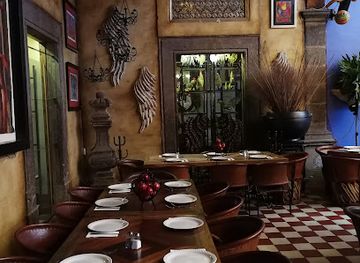
Dining in Tlaquepaque Centro is closely tied to its plazas, courtyards and craft-oriented visitor culture. Around El Parián and Jardín Hidalgo, restaurants serve Jalisco and wider Mexican cooking in settings designed for lingering meals, while the surrounding streets contain cafés, bakeries, cantinas and contemporary restaurants in restored historic buildings. Regional staples such as birria, tortas ahogadas and antojitos can be found in the broader Tlaquepaque area, although individual menus and opening arrangements vary. Casa Luna is one of the better-known names associated with the central dining scene, and La Mata Tinta represents the area's café and restaurant culture. Visitors should distinguish the atmosphere of El Parián, where mariachi and shared tables are part of the experience, from the quieter courtyards and independent establishments on Calle Independencia and nearby lanes.
-
Grill
El Parián de Tlaquepaque
Experience authentic Mexican cuisine at El Parián de Tlaquepaque - where flavor meets tradition in every bite.
3 min walk · 0.2 km from neighbourhood centre
-
Grill
El Abajeño Tlaquepaque
Experience authentic Mexican cuisine at El Abajeño Tlaquepaque – where every dish tells a story and every sip delights.
3 min walk · 0.3 km from neighbourhood centre
-
Grill
La Mata Tinta
Experience the fusion of fine grilling and local art at La Mata Tinta in San Pedro Tlaquepaque – where every meal tells a story.
3 min walk · 0.2 km from neighbourhood centre
-
Mexican
Restaurante Casa Luna
Experience the heart of Mexico at Restaurante Casa Luna with traditional dishes and a vibrant ambiance in Tlaquepaque.
2 min walk · 0.1 km from neighbourhood centre
Best bars in Tlaquepaque Centro
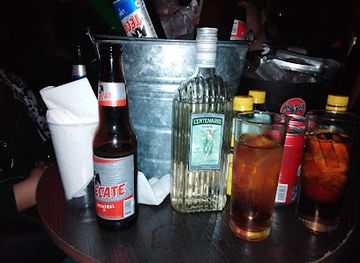
Tlaquepaque Centro is better known for sociable evenings than for a concentrated nightclub scene. El Parián remains the defining after-dark venue, combining regional dining, drinks and mariachi in an arcaded setting around its central space. Traditional cantina-style establishments and restaurant bars appear on and around the historic streets, while some courtyards offer a more restrained setting for conversation and cocktails. The evening atmosphere is shaped by music, families, visitors and local diners rather than by large dance clubs. Those seeking late-night clubbing will generally find a broader choice elsewhere in the Guadalajara metropolitan area, whereas Tlaquepaque suits an evening built around food, live musical performance and a walk through the illuminated centre. Check arrangements locally, especially for performances and closing times.
-
Bar
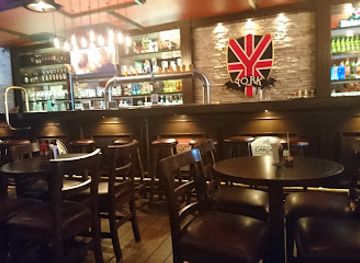
York Pub Tlaquepaque
Discover the vibrant nightlife and rich flavors of Jalisco at York Pub Tlaquepaque, a beloved destination for locals and tourists alike.
3 min walk · 0.2 km from neighbourhood centre
-
Bar
La Petra Tlaquepaque
Experience the vibrant nightlife at La Petra Tlaquepaque, where drinks flow and music ignites the spirit of celebration.
18 min walk · 1.5 km from neighbourhood centre
-
Grill
Riff Pub Tlaquepaque
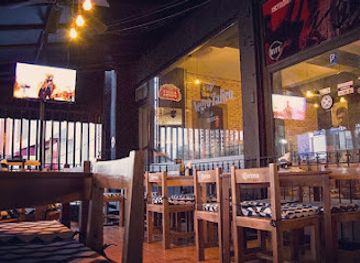
Experience the perfect blend of food and live music at Riff Pub Tlaquepaque, a vibrant grill and brewpub in the heart of Jalisco.
4 min walk · 0.3 km from neighbourhood centre
-
Bar
Mayan Bar
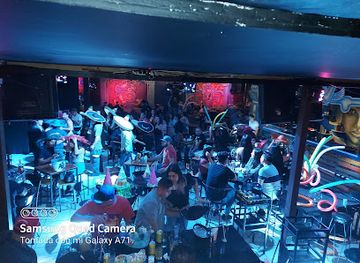
Experience the vibrant nightlife of Guadalajara at Mayan Bar, where exotic cocktails and cultural ambiance meet.
5 min walk · 0.4 km from neighbourhood centre
Best nightclubs in Tlaquepaque Centro
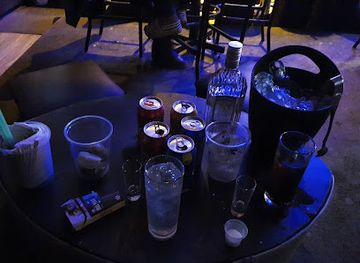
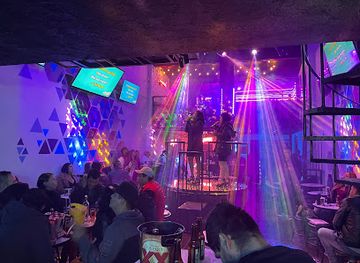
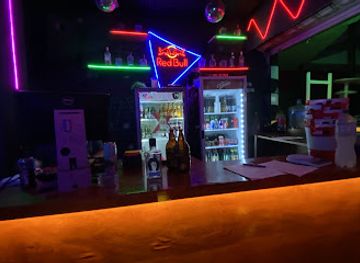
Tlaquepaque Centro is better known for sociable evenings than for a concentrated nightclub scene. El Parián remains the defining after-dark venue, combining regional dining, drinks and mariachi in an arcaded setting around its central space. Traditional cantina-style establishments and restaurant bars appear on and around the historic streets, while some courtyards offer a more restrained setting for conversation and cocktails. The evening atmosphere is shaped by music, families, visitors and local diners rather than by large dance clubs. Those seeking late-night clubbing will generally find a broader choice elsewhere in the Guadalajara metropolitan area, whereas Tlaquepaque suits an evening built around food, live musical performance and a walk through the illuminated centre. Check arrangements locally, especially for performances and closing times.
-
Bar
La Petra Tlaquepaque
Experience the vibrant nightlife of Tlaquepaque at La Petra, where music, drinks, and local culture come alive until dawn.
18 min walk · 1.5 km from neighbourhood centre
-
Night club
Sing and do not cry
Discover the lively ambiance of 'Sing and Do Not Cry,' a premier night club and karaoke bar in Tlaquepaque, where music and fun come together.
17 min walk · 1.3 km from neighbourhood centre
-
Disco club
Santo Remedio
Experience the vibrant nightlife of Tlaquepaque at Santo Remedio, where electrifying music and unforgettable dance await every visitor.
7 min walk · 0.6 km from neighbourhood centre
-
Night club
Flow Latino
Experience the vibrant nightlife of Guadalajara at Flow Latino, where Latin beats and unforgettable moments come together in a premier night club atmosphere.
8 min walk · 0.6 km from neighbourhood centre
Best shops in Tlaquepaque Centro
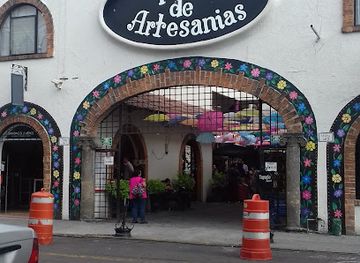
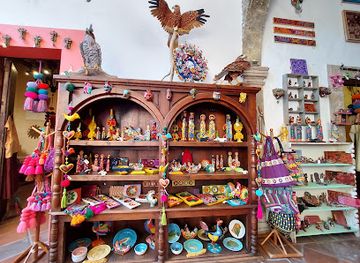
Shopping is one of Tlaquepaque Centro's defining activities, particularly along Calle Independencia and the streets around Jardín Hidalgo. Galleries and specialist shops sell glazed and unglazed ceramics, painted pottery, blown glass, textiles, jewellery, metalwork and decorative objects influenced by several Mexican craft traditions. The range extends from practical tableware to individually finished pieces, so visitors will find both accessible souvenirs and work intended for collectors or interior decoration. The craft economy is more important here than conventional chain retail, and many premises occupy adapted historic houses with courtyards or workshop-like displays. The best approach is to compare materials, finishing and provenance between several shops, ask about packing and international transport when needed, and remember that not every attractive object was made in Tlaquepaque itself.
-
Craft store
Earth Heart
Explore the vibrant artistry of Tlaquepaque at Earth Heart, where handmade crafts and local culture come together in a unique shopping experience.
2 min walk · 0.2 km from neighbourhood centre
-
Gift shop
URock Anime Shop
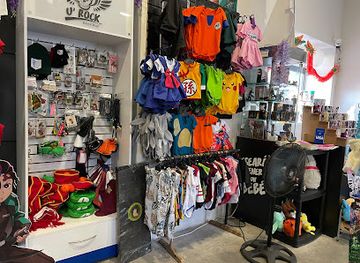
Explore the vibrant world of anime at URock Anime Shop in Tlaquepaque, where every fan finds their treasure!
3 min walk · 0.2 km from neighbourhood centre
-
Clothing store
Boutique E&L
Explore trendy fashion and unique styles at Boutique E&L in San Pedro Tlaquepaque, where local artistry meets contemporary design.
4 min walk · 0.3 km from neighbourhood centre
-
Clothing store
Amazing store
Explore the vibrant fashion offerings at Amazing Store in Tlaquepaque, where local artistry meets contemporary style.
15 min walk · 1.2 km from neighbourhood centre

Tlaquepaque Centro essentials
Getting There
Getting Around
Safety
Emergency Situations
Do's and Don'ts
Local Tips
History of Tlaquepaque Centro
Indigenous Settlement and the Name
The settlement that developed into Tlaquepaque existed before Spanish colonisation and was associated with Indigenous communities of the Guadalajara region. Its name is generally explained through Nahuatl terms connected with clay or earthenware, although translations vary. That association reflects the area's long relationship with pottery rather than a purely modern marketing invention. The settlement's position near Guadalajara allowed it to retain a distinct local identity while participating in the wider region's trade and agricultural economy.
Spanish Settlement and San Pedro
Spanish settlement in the Tlaquepaque area began during the sixteenth century, as Guadalajara and its surrounding communities were reorganised under colonial rule. The church of San Pedro became a central religious and civic reference point, and the settlement grew around parish life, domestic buildings, small-scale commerce and agricultural production. Although the historic centre's present appearance reflects many later alterations, its arrangement of plazas, churches and narrow streets preserves the basic spatial importance established during the colonial period.
The Growth of a Ceramic Tradition
Over the nineteenth and twentieth centuries, pottery and related crafts became increasingly important to Tlaquepaque's local economy and public identity. Workshops produced utilitarian and decorative wares, while merchants connected the area to markets in Guadalajara and beyond. Ceramic techniques developed through Indigenous knowledge, colonial forms and later artistic experimentation, creating the broad range of earthenware, high-fired pottery and painted objects associated with the town. The tradition was not confined to a single building: it was sustained by households, workshops, specialist traders and generations of craft workers.
Historic Centre and Contemporary Craft Culture
As Guadalajara expanded into a large metropolitan area, Tlaquepaque Centro shifted from an independent town centre into a prominent cultural and visitor district within the conurbation. Historic buildings were adapted for museums, galleries, restaurants and cultural events, while the surrounding municipality continued to support craft production. El Parián, the museums and the streets around Jardín Hidalgo now make the centre especially visible to visitors, but the area's contemporary identity still depends on working shops, local religious institutions and artisans rather than on heritage architecture alone.
Tlaquepaque Centro in Photos
Browse through our photo collection highlighting the charm and character of the destination.
Neighbourhoods near Tlaquepaque Centro
The closest neighbourhoods to Tlaquepaque Centro, if you have time for more than one stop.
-

-

-

-


Swipe for more neighbourhoods
Explore more

Explore more of Guadalajara
Discover Guadalajara, a city where tradition meets innovation, from its historic landmarks and vibrant markets to its modern tech scene and lively nightlife.
Explore Guadalajara