Clayton-Jackson-McGhie Memorial: A Tribute to Resilience
Explore the Clayton-Jackson-McGhie Memorial, a powerful tribute to history, resilience, and the ongoing journey toward social justice in Duluth, Minnesota.
The Clayton-Jackson-McGhie Memorial in Duluth, Minnesota, is a poignant tribute that honors the legacy of three African American men lynched in 1920. A serene and reflective space, this memorial invites visitors to pay their respects and learn about a significant yet tragic chapter in local history. Surrounded by beautiful landscaping, it serves as both a place of remembrance and a call to action for social justice. For tourists, this destination offers an opportunity to engage with the past while reflecting on the ongoing journey towards equality and understanding.
A brief summary to Clayton-Jackson-McGhie Memorial
- Duluth, Downtown - Waterfront, Minnesota, 55802, US
- +1218-336-2990
- Visit website
- Monday 12 am-12 am
- Tuesday 12 am-12 am
- Wednesday 12 am-12 am
- Thursday 12 am-12 am
- Friday 12 am-12 am
- Saturday 12 am-12 am
- Sunday 12 am-12 am
Local tips
- Take a guided tour if available, to gain deeper insights into the history behind the memorial.
- Visit during the early morning or late afternoon for a quieter experience and beautiful lighting for photographs.
- Allocate time for reflection; bring a journal to document your thoughts and feelings after visiting.
- Check local listings for events or discussions held at the memorial that may enhance your visit.
- Respect the solemn nature of the site; maintain a quiet demeanor to honor those remembered here.

Getting There
-
Car
If you're driving, head to Downtown Duluth. From Interstate 35, take the 26th Avenue East exit. Follow the exit ramp and turn left onto 26th Avenue East. Continue straight until you reach East 2nd Street, then turn right. After a few blocks, turn left onto Lake Avenue. The Clayton-Jackson-McGhie Memorial is located at 46.7893416 latitude and -92.0968612 longitude on the left side of the street.
-
Public Transportation
To use public transportation, check the Duluth Transit Authority (DTA) website for route schedules. Take bus route 3 or 4 towards Downtown Duluth. Disembark at the stop nearest to Lake Avenue and East 2nd Street. The Clayton-Jackson-McGhie Memorial will be a short walk from the bus stop, located at the intersection.
-
Walking
If you're already in the Downtown area, the Clayton-Jackson-McGhie Memorial is easily accessible by walking. Head towards Lake Avenue, and navigate towards East 2nd Street. The memorial is located at the intersection, making it a convenient visit.
Discover more about Clayton-Jackson-McGhie Memorial
Iconic landmarks you can’t miss

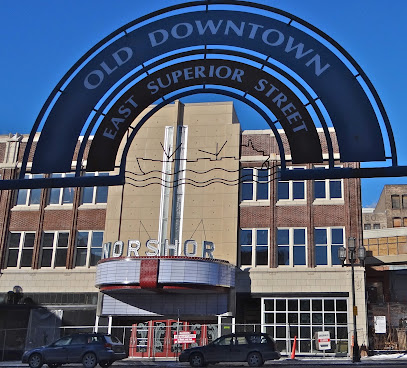
NorShor Theatre
0.1 km
Experience the vibrant arts scene at NorShor Theatre, a historic venue in Duluth offering a variety of unforgettable performances and events.
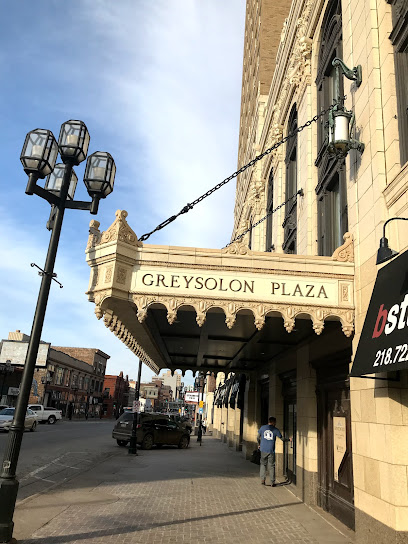
Greysolon by Black Woods
0.1 km
Discover Greysolon by Black Woods, Duluth's premier event venue, where historic charm meets modern elegance for unforgettable gatherings.
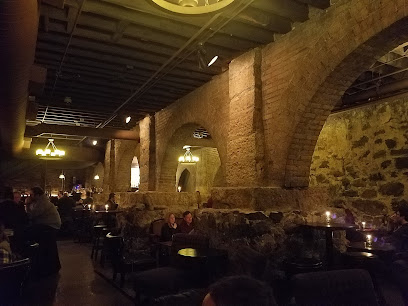
The Rathskeller
0.2 km
Experience the lively atmosphere of The Rathskeller in Duluth, where cocktails, live music, and a vibrant nightlife await every visitor.
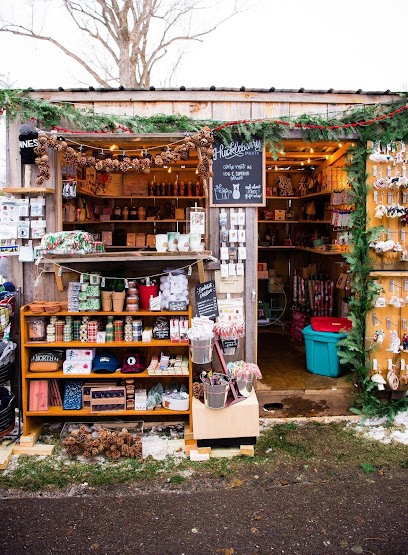
Hucklebeary
0.2 km
Discover Hucklebeary, the quintessential gift shop in Duluth, where local artistry meets unique souvenirs for an unforgettable shopping experience.
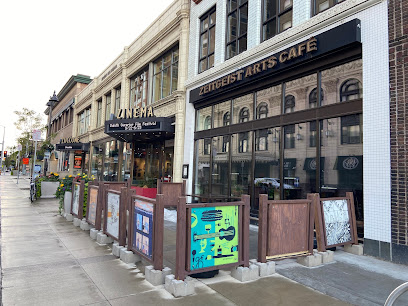
Zeitgeist Teatro Zuccone
0.2 km
Discover the heart of Duluth's cultural scene at Zeitgeist Teatro Zuccone, where artistic expression thrives through performances and community events.
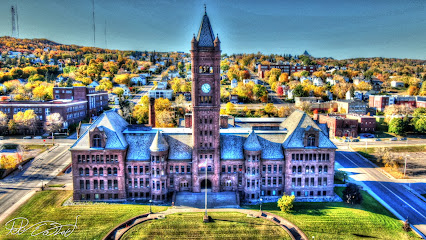
Historic Central High School - Duluth
0.3 km
Uncover Duluth's educational legacy at the Historic Central High School, a stunning architectural landmark rich in history and culture.
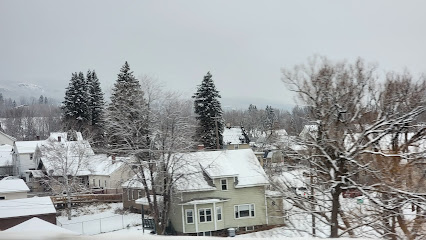
Downtown Duluth
0.3 km
Experience the vibrant charm of Downtown Duluth with its unique shops, stunning waterfront views, and rich cultural scene.
BÜRG Duluth
0.4 km
Discover BÜRG Duluth, a premier event venue offering stunning waterfront views and a vibrant atmosphere for unforgettable gatherings and local experiences.
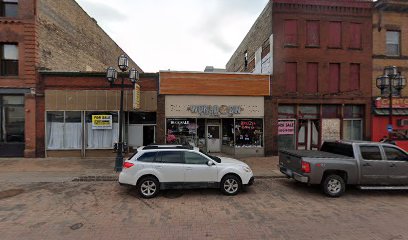
Joseph Nease Gallery
0.4 km
Discover contemporary art like never before at the Joseph Nease Gallery in Duluth, Minnesota, where creativity meets community engagement.
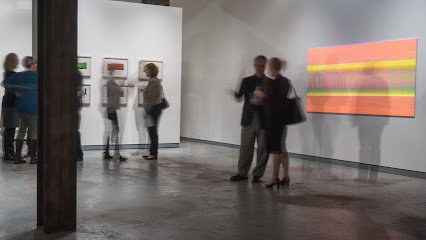
Historic Duluth Carnegie Library
0.5 km
Discover the Historic Duluth Carnegie Library, a stunning architectural landmark offering a glimpse into the rich cultural heritage of Duluth, Minnesota.
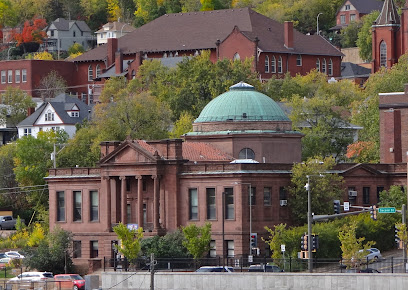
Fitger's Complex (The Rex, Barrel Room, Brewhouse)
0.6 km
Experience the vibrant culture of Duluth at Fitger's Complex, where live music meets exceptional dining and unique shopping.
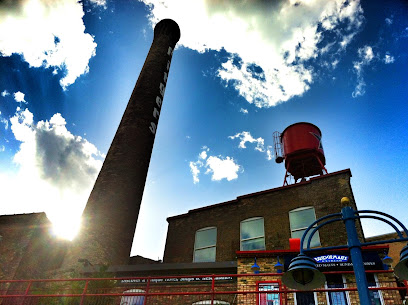
Indigenous First Art & Gift Shop
0.6 km
Explore the heart of Indigenous culture at Indigenous First Art & Gift Shop in Duluth, where authentic art and gifts celebrate Native American heritage.
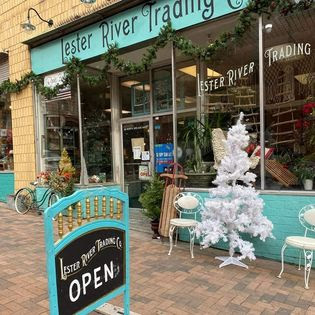
Lester River Trading Co.
0.7 km
Explore the eclectic charm of Lester River Trading Co. in Duluth, where vintage treasures meet local artistry in a delightful shopping experience.
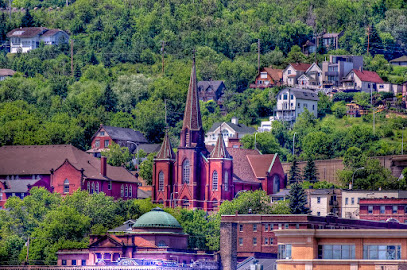
Sacred Heart Music Center
0.7 km
Discover the enchanting Sacred Heart Music Center, where history meets modern live music in the heart of Duluth, Minnesota.
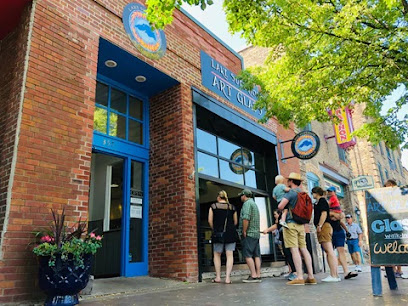
Lake Superior Art Glass
0.8 km
Discover the enchanting world of glass artistry at Lake Superior Art Glass, where creativity flows and every piece tells a story in Duluth, Minnesota.
Unmissable attractions to see

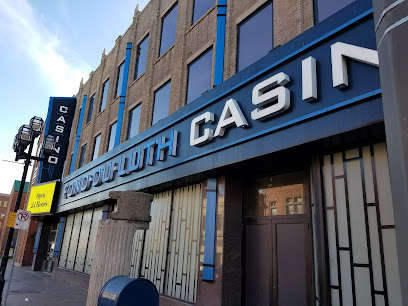
Fond-du-Luth Casino
0.1 km
Discover the excitement of Fond-du-Luth Casino in Duluth, MN, where thrilling gaming meets stunning waterfront views and vibrant entertainment.
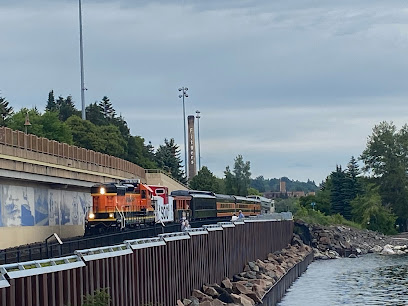
Westernmost Point of Lake Superior
0.2 km
Explore the Westernmost Point of Lake Superior in Duluth, Minnesota, where stunning views and natural beauty await nature lovers and photographers alike.
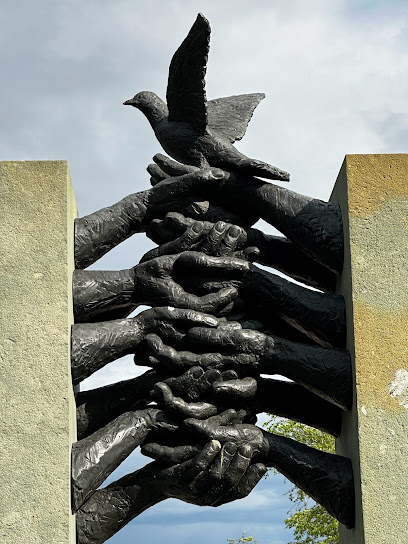
Gichi-ode' Akiing
0.2 km
Explore the serene beauty of Gichi-ode' Akiing, a park in Duluth offering relaxation, outdoor activities, and stunning lake views.
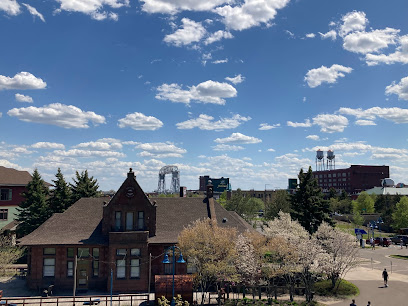
Sister Cities Park
0.3 km
Experience the natural beauty and community spirit at Sister Cities Park, a tranquil escape along Duluth's stunning Lakewalk.
Cascade falls
0.4 km
Discover the serene beauty of Cascade Falls in Duluth, Minnesota, where nature and tranquility come together in a breathtaking waterfall experience.
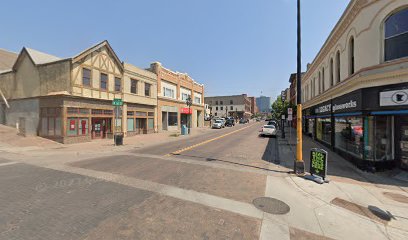
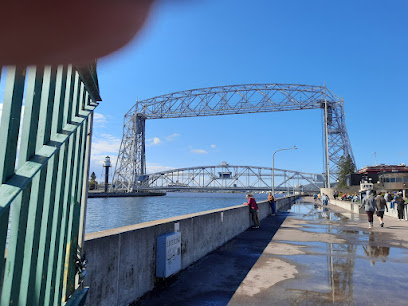
Canal Park
0.5 km
Experience the breathtaking beauty and vibrant atmosphere of Canal Park, Duluth's waterfront gem, with stunning views, local charm, and outdoor adventures.
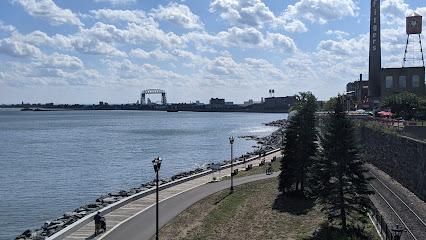
The Lakewalk
0.5 km
Discover the serene beauty of The Lakewalk in Duluth, MN, a scenic pathway along Lake Superior perfect for outdoor activities and relaxation.
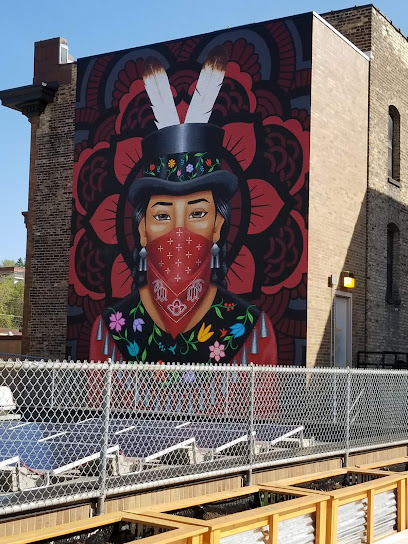
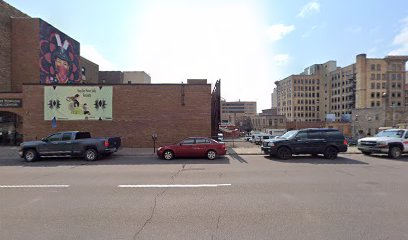
Water Protector Mural
0.6 km
Discover the Water Protector Mural in Duluth, a stunning tribute to environmental activism and Indigenous rights, celebrating the fight for clean water.
Uncle Harvey's Mausoleum
0.6 km
Explore the intriguing Uncle Harvey's Mausoleum, a unique tourist attraction in Duluth, Minnesota, offering a glimpse into local history and stunning lakeside views.
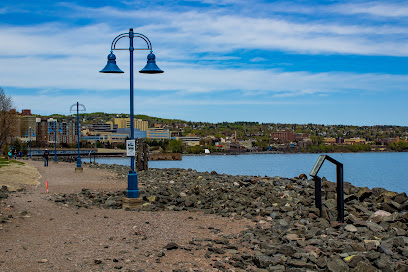
Cascade Park
0.7 km
Experience the natural beauty and tranquility of Cascade Park in Duluth, Minnesota, a perfect spot for relaxation and outdoor fun.
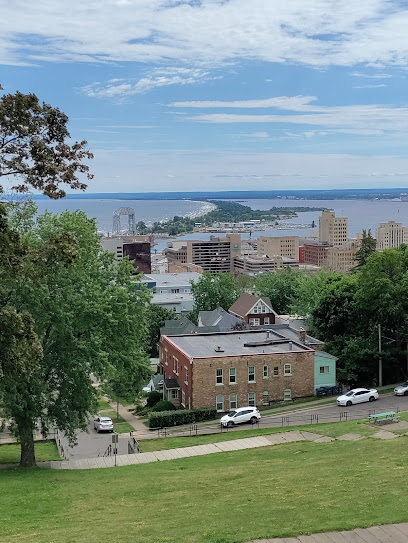
William A Irvin Museum
0.7 km
Discover the maritime history of the Great Lakes aboard the historic William A. Irvin Museum in Duluth, Minnesota, with interactive exhibits and stunning lake views.
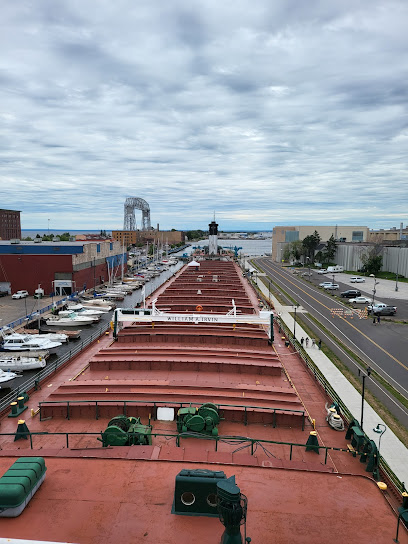
Adventure Zone Canal Park
0.7 km
Experience thrilling activities and family fun at Adventure Zone Canal Park in Duluth, Minnesota, where excitement awaits for all ages.
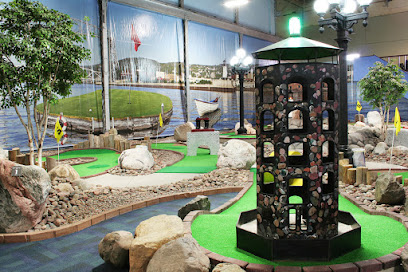
Lakewalk
0.8 km
Discover the scenic beauty of Lakewalk in Duluth, Minnesota, a perfect destination for nature lovers and outdoor enthusiasts.
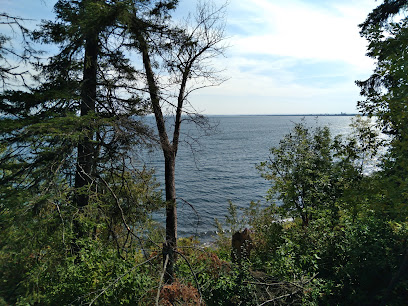
Fountain Of The Wind
0.9 km
Discover the enchanting beauty of the Fountain of the Wind in Duluth, a stunning display of water, light, and art nestled by Lake Superior.
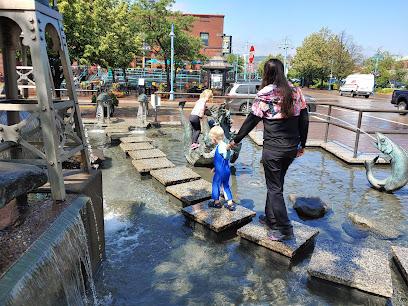
Vista Fleet
0.9 km
Explore Duluth's stunning waterfront aboard Vista Fleet, a top-rated boat tour agency offering unforgettable experiences and breathtaking views of Lake Superior.
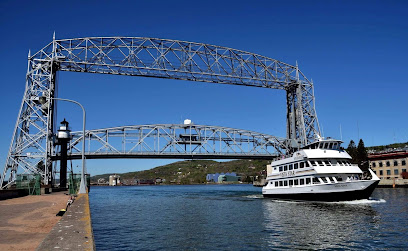
Essential places to dine

Zeitgeist Restaurant & Bar
0.2 km
Discover culinary creativity at Zeitgeist Restaurant & Bar in Duluth—where delicious meals meet artistic expression in a vibrant setting.
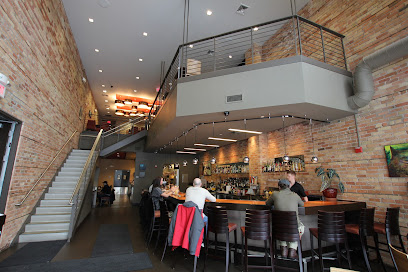
Restaurant 301
0.2 km
Experience fine dining at Restaurant 301 in Duluth - where exquisite flavors meet breathtaking waterfront views for an unforgettable culinary journey.
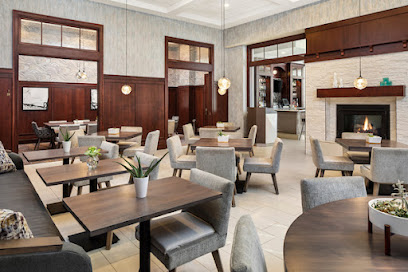
Pizza Lucé Duluth
0.3 km
Experience the best pizza in Duluth at Pizza Lucé - where flavor meets creativity with gluten-free and vegan options available.
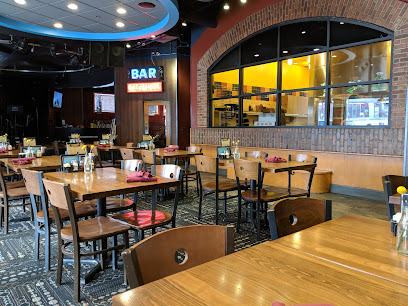
Cantonese House
0.4 km
Experience authentic Chinese cuisine at Cantonese House in Duluth—where tradition meets flavor in every dish.
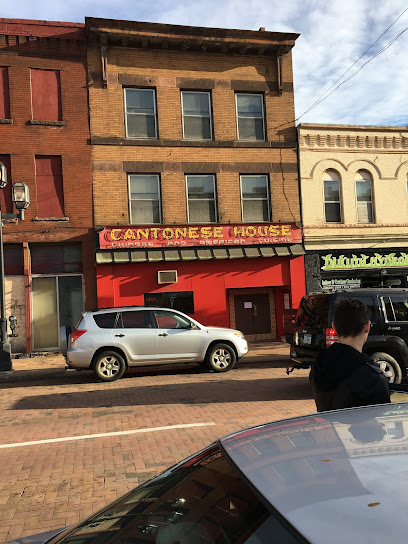
Hanabi Japanese Cuisine
0.4 km
Discover authentic Japanese flavors at Hanabi Japanese Cuisine in Duluth—where fresh sushi meets tradition in an inviting atmosphere.
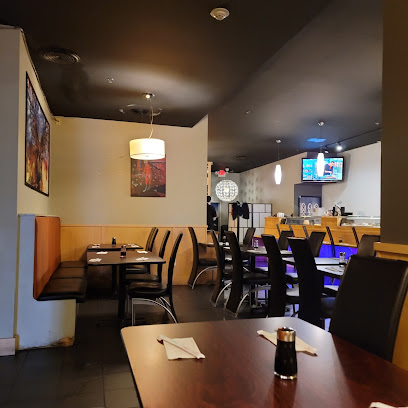
Sammy's Pizza & Restaurant
0.4 km
Discover the heart of Italian flavors at Sammy's Pizza & Restaurant in downtown Duluth—where every slice tells a story!
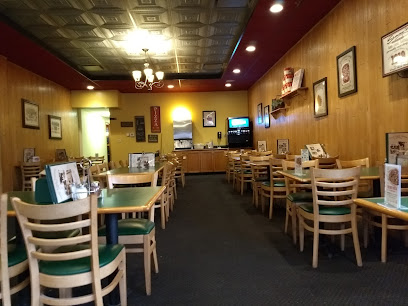
Coney Island Deluxe
0.5 km
Savor classic American fast food at Coney Island Deluxe in Duluth - home of iconic hot dogs and delightful meals!
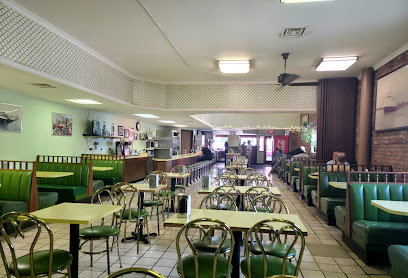
Thai by Thai
0.5 km
Discover authentic Thai cuisine in Duluth at Thai by Thai - where every dish brings a taste of Thailand to Minnesota.
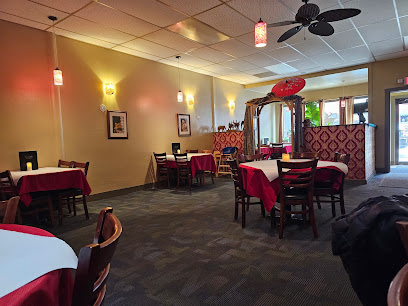
Pickwick Restaurant & Pub
0.5 km
Experience American cuisine at its finest at Pickwick Restaurant & Pub with stunning views of Lake Superior in Duluth.
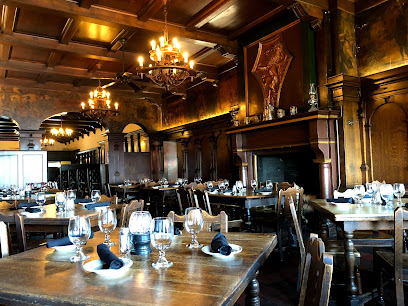
Round Up Bar & Grill
0.5 km
Experience delicious grilled dishes and vibrant atmosphere at Round Up Bar & Grill in Duluth - your go-to spot for local flavor.
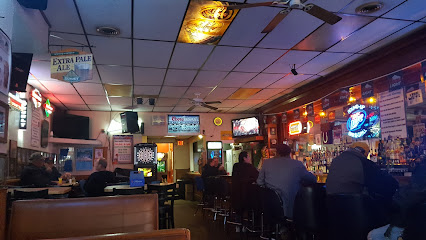
Mexico Lindo Restaurant
0.5 km
Experience authentic Mexican flavors at Mexico Lindo Restaurant in Duluth - where every dish tells a story!
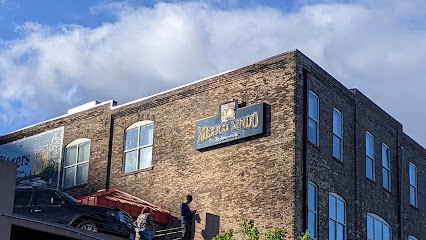
Fitger's Brewhouse
0.6 km
Discover the unique flavors of craft beer and American cuisine at Fitger's Brewhouse in Duluth - where every sip tells a story.
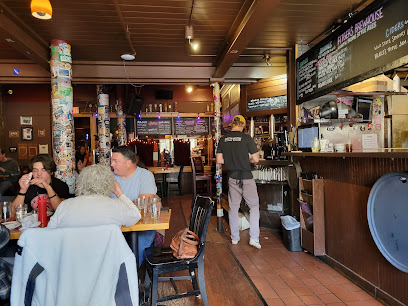
Vitta Pizza Canal Park
0.6 km
Experience authentic Neapolitan pizza in Duluth's vibrant Canal Park, where tradition meets local flavor for an unforgettable dining adventure.
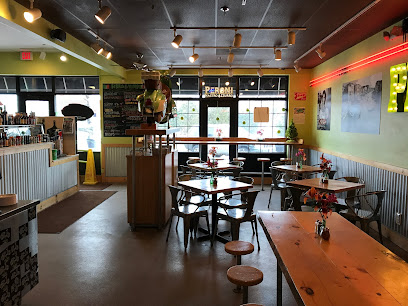
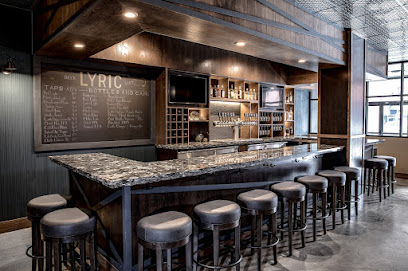
Lyric Kitchen · Bar
0.6 km
Experience the best of Duluth dining at Lyric Kitchen · Bar – where local flavors meet vibrant nightlife.
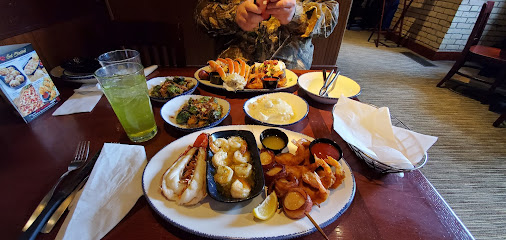
Red Lobster
0.6 km
Experience delightful seafood dining at Red Lobster in Duluth—where fresh flavors meet family-friendly atmosphere.
Markets, malls and hidden boutiques

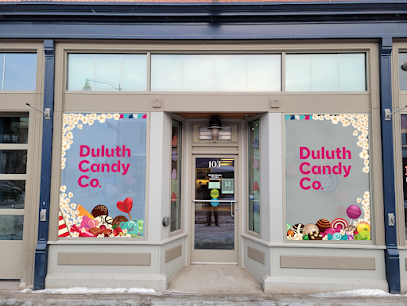
Duluth Candy Co.
0.1 km
Discover the sweetest treasures at Duluth Candy Co., where handmade confections and delightful treats await every visitor in the heart of Duluth.
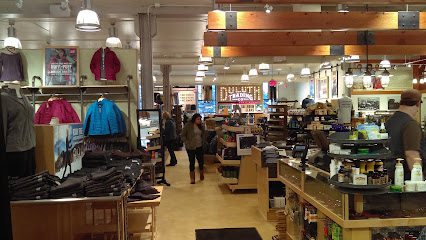
Duluth Trading Company
0.2 km
Explore the rugged charm of Duluth Trading Company, renowned for quality men's and women's outdoor apparel and unique gifts in the heart of Duluth.
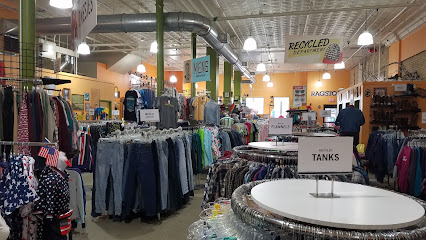
Ragstock
0.3 km
Explore unique vintage treasures and contemporary fashion at Ragstock in Duluth, a local favorite for sustainable style and eclectic finds.
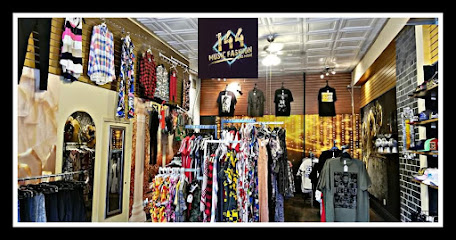
144 Music Fashion And More
0.4 km
Explore the unique blend of fashion and music at 144 Music Fashion And More in Duluth, Minnesota, where style meets local culture.
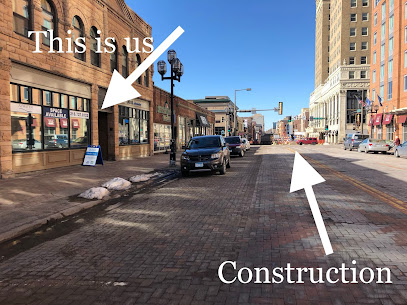
Lake Superior Magazine
0.5 km
Explore the heart of Duluth at Lake Superior Magazine Gift Shop, where local crafts and unique gifts tell the story of the Great Lakes region.
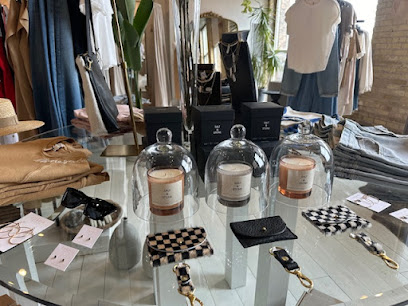
INDIGO THE LABEL
0.5 km
Explore INDIGO THE LABEL in Duluth for a unique shopping experience filled with stylish clothing and accessories that reflect local flair and contemporary trends.
Whimsy
0.6 km
Explore Whimsy, Duluth's premier children's clothing boutique, featuring stylish outfits and friendly service for your little ones.
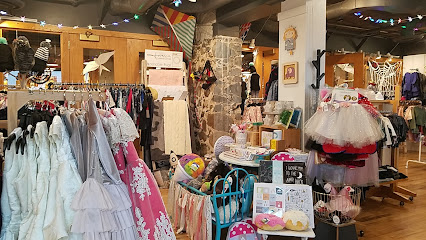
Duluth Gear Exchange
0.6 km
Explore Duluth Gear Exchange for the finest selection of outdoor clothing and equipment, perfect for every adventurer's needs.
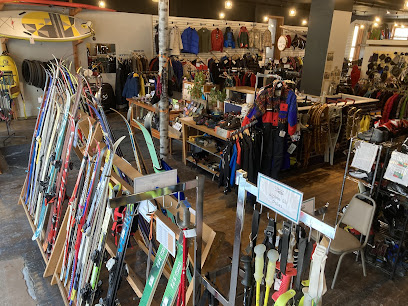
Minnesota Surplus & Outfitters
0.6 km
Discover the best outdoor gear and unique finds at Minnesota Surplus & Outfitters in Duluth, where adventure meets value.
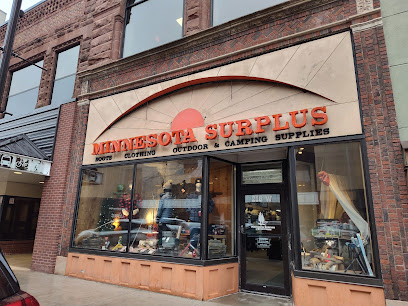
Flagship
0.7 km
Explore Flagship in Duluth for custom t-shirts and unique apparel inspired by Lake Superior's beauty and local culture.
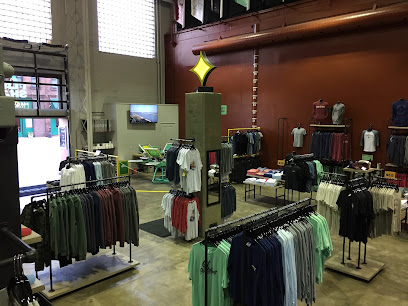
I Love Duluth
0.7 km
Explore I Love Duluth for unique clothing and souvenirs that capture the charm of this vibrant city by the lake.
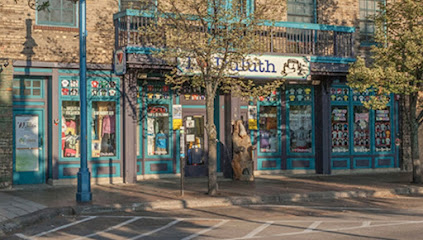
Up North the Good Life
0.8 km
Discover unique treasures and unbeatable deals at Up North the Good Life, the perfect discount shopping destination in Duluth's Canal Park.
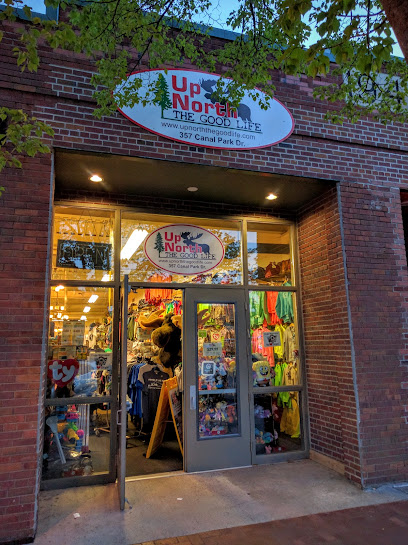
Northwoods Confections & Gifts
0.8 km
Experience the charm of Duluth at Northwoods Confections & Gifts, where local craftsmanship meets delightful treats in the heart of Canal Park.
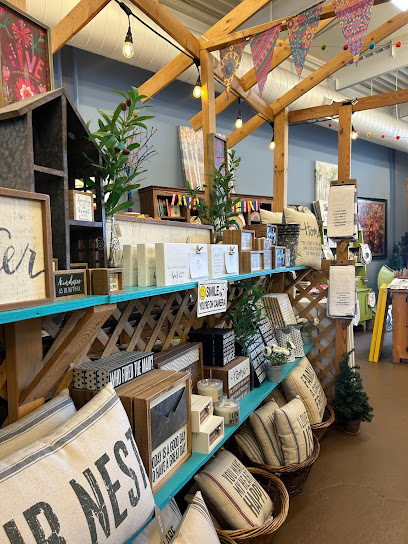
Duluth Pack Store
0.8 km
Discover Duluth Pack Store, your ultimate destination for outdoor gear, stylish accessories, and leather goods in the heart of Canal Park, Duluth, Minnesota.
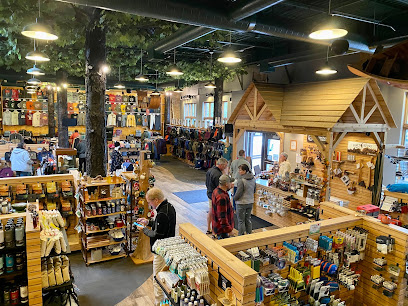
Father Time Antiques
0.8 km
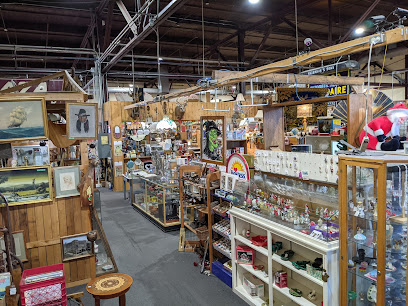
Explore the enchanting world of antiques at Father Time Antiques, a must-visit destination in Duluth, Minnesota, filled with unique vintage treasures.
Essential bars & hidden hideouts

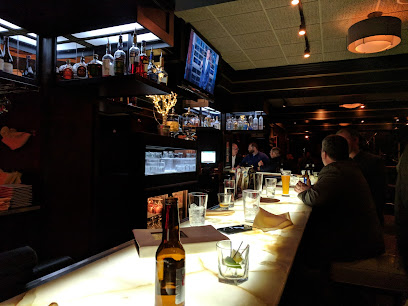
Black Water Lounge
0.1 km
Experience the vibrant nightlife of Duluth at Black Water Lounge, offering exquisite drinks, delectable bites, and a lively atmosphere.
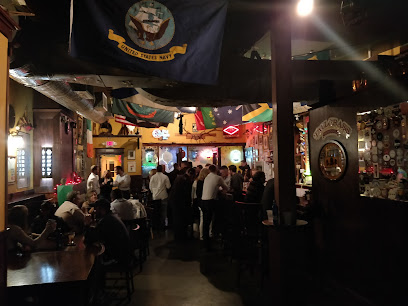
Carmody Irish Pub
0.2 km
Discover the authentic Irish pub experience at Carmody Irish Pub in Downtown Duluth, offering great food, drinks, and live entertainment.
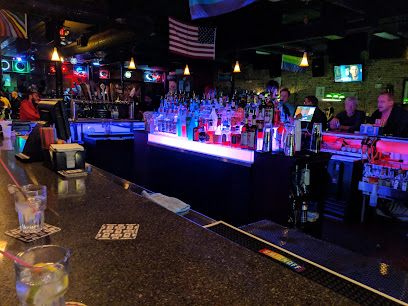
The Flame Nightclub Duluth
0.4 km
Discover the electrifying nightlife at The Flame Nightclub Duluth, where lively music and a vibrant atmosphere await every visitor.
Spurs On First
0.5 km
Discover the vibrant nightlife of Duluth at Spurs On First, a bar offering a fantastic selection of drinks and a welcoming atmosphere.
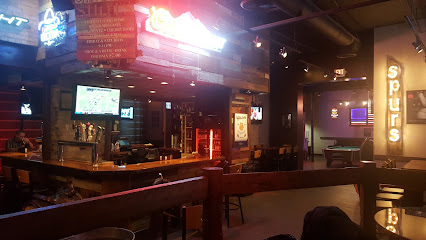
Dubh Linn Brew Pub
0.5 km
Discover the authentic taste of Ireland at Dubh Linn Brew Pub, where craft brews meet hearty cuisine in a lively atmosphere in Duluth, MN.
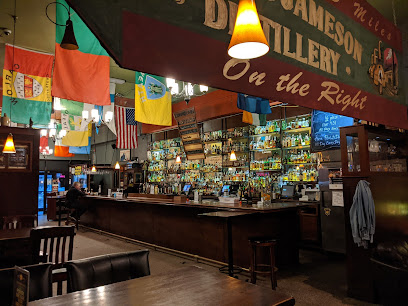
The Break Room
0.6 km
Experience the heart of Duluth's nightlife at The Break Room — a vibrant bar with delicious food, live music, and fun games in a welcoming atmosphere.
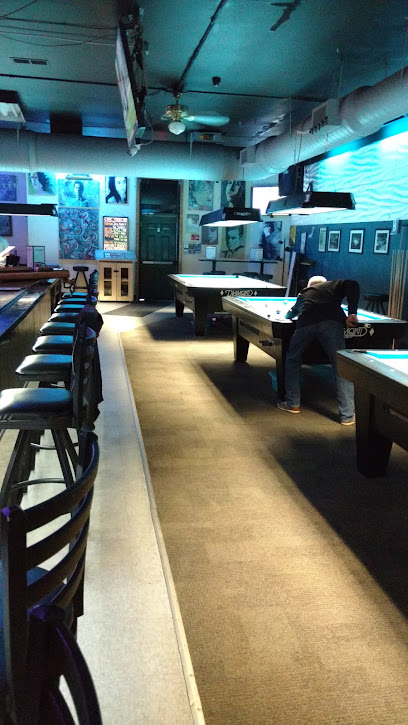
Fitger's Barrel Room
0.6 km
Discover the vibrant spirit of Duluth at Fitger's Barrel Room, where live music, craft drinks, and delicious food come together in a historic setting.
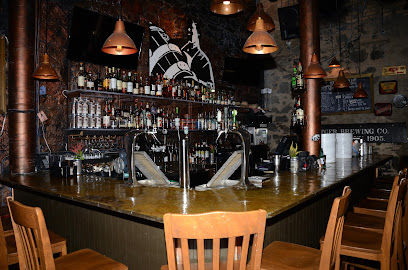
310 Pub
0.6 km
Experience the best of American grilling with stunning Lake Superior views at 310 Pub in Duluth's Canal Park.
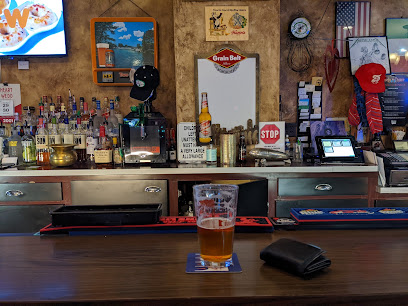
R.T. Quinlan's Saloon
0.6 km
Experience vibrant nightlife at R.T. Quinlan's Saloon, a lively bar in Duluth offering great drinks, delicious food, and live music entertainment.
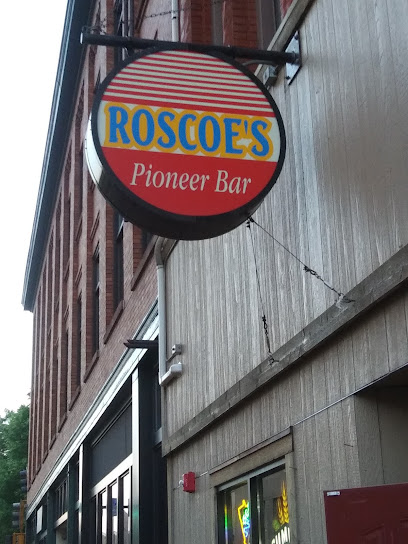
Roscoe's Pioneer Bar
0.8 km
Discover the vibrant atmosphere and local flavors at Roscoe's Pioneer Bar in Duluth, Minnesota's downtown hotspot for relaxation and fun.
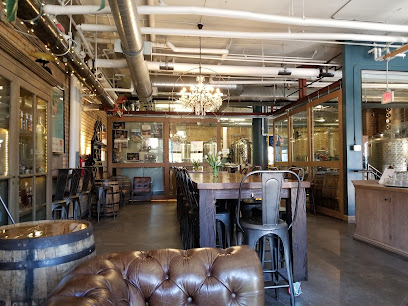
Vikre Distillery
1.1 km
Discover the art of craft cocktails and local spirits at Vikre Distillery in Duluth, Minnesota, where every sip tells a unique story.
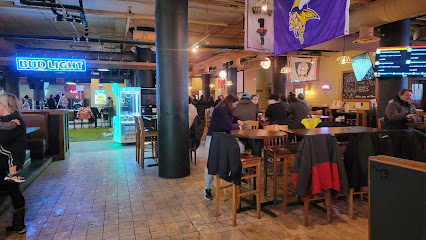
The Reef
2.6 km
Experience the vibrant nightlife at The Reef, Duluth's premier bar featuring karaoke, sports, and a lively arcade atmosphere.
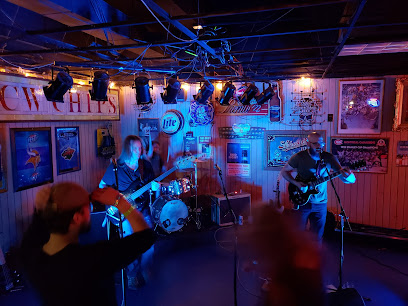
Duluth Tap Exchange
3.0 km
Experience Duluth's vibrant nightlife at Duluth Tap Exchange, a premier bar offering an extensive selection of craft beers and fine wines in a welcoming atmosphere.
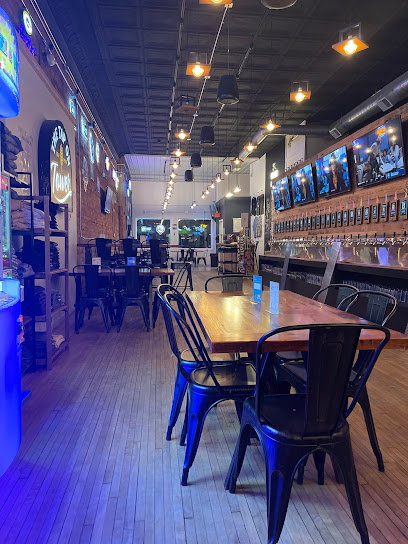
Curly's Bar
3.2 km
Experience the vibrant atmosphere of Curly's Bar in Duluth, where friendly vibes and affordable drinks create unforgettable memories.
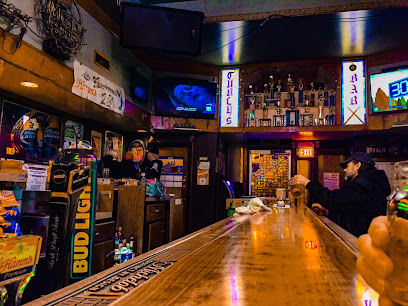
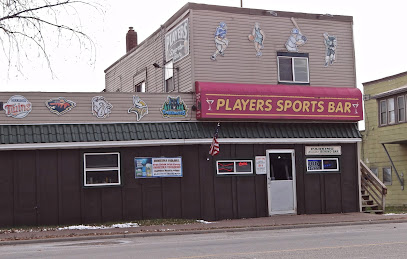
Players Sports Bar
6.0 km
Experience the lively atmosphere of Players Sports Bar in Duluth, MN, where great food, drinks, and sports unite for a memorable outing.