

Free Arrowhead Region Travel Guide & Mobile App
Explore Arrowhead Region with free travel guides. Discover regional history, expert tips, proposed trips, and audio guides on web or mobile app.


Explore Minnesota’s Arrowhead Region for Lake Superior scenery, canoe country, boreal forests, mining heritage and distinctive northern towns.
Read more about Arrowhead Region
When is the best time to visit Arrowhead Region?
Best: June–August · 24–27°C| Month | High (°C) | Rainfall (mm) |
|---|---|---|
| January | -8 | 30 |
| February | -6 | 25 |
| March | 4 | 35 |
| April | 12 | 45 |
| May | 19 | 60 |
| June (best) | 24 | 70 |
| July (best) | 27 | 80 |
| August (best) | 26 | 80 |
| September | 21 | 70 |
| October | 13 | 55 |
| November | 5 | 40 |
| December | -4 | 35 |
Getting to and around Arrowhead Region
How to get there
Transportation
Top city travel guides in Arrowhead Region
The cities of Arrowhead Region, and the easiest places to base yourself.
-

-
-

-


Swipe for more cities
Destinations in Arrowhead Region
Resorts, valleys and scenic spots worth a trip of their own.
-

-

-
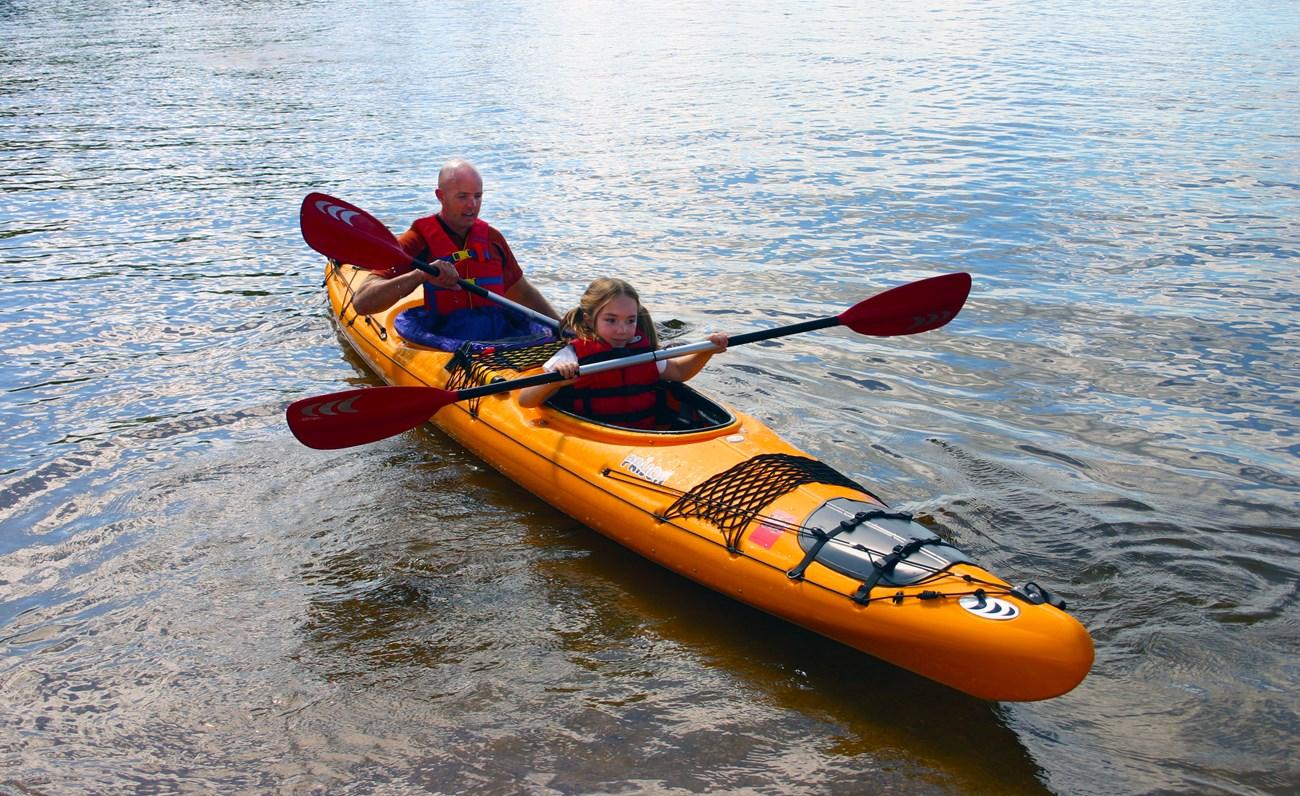 Voyageurs National Park
 in Minnesota offers island-dotted lakes, boreal forests, houseboating, wildlife, fishing and northern wilderness near Canada.
Voyageurs National Park
Voyageurs National Park in Minnesota offers island-dotted lakes, boreal forests, houseboating, wildlife, fishing and northern wilderness near Canada.
-

-

-


Swipe for more destinations
Best attractions in Arrowhead Region
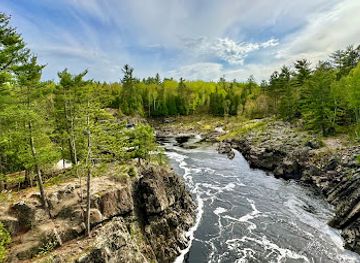
The Arrowhead’s attractions range from urban culture to remote wilderness. Duluth provides lakefront walks, maritime interpretation, museums, historic houses and access to the St Louis River, while Jay Cooke State Park offers bridges, rapids and wooded trails close to the city. Along the North Shore, visitors find waterfalls, beaches, forest hikes and the working harbour of Two Harbors, with Split Rock Lighthouse State Park providing both a historic light station and dramatic shoreline scenery. Inland, the Boundary Waters Canoe Area Wilderness is the region’s defining outdoor destination, suited to carefully planned canoe and camping journeys rather than conventional sightseeing. Ely’s wilderness outfitters and museums support that experience. The Iron Range adds mine viewpoints, museums and industrial landscapes, and Voyageurs National Park presents a different water-based environment of large lakes, islands and boat-accessible sites. Grand Portage National Monument combines an Ojibwe cultural landscape with fur-trade history, while Superior National Forest and numerous state parks provide year-round opportunities for hiking, paddling, fishing, skiing and wildlife observation.
-
State park
Itasca State Park
Explore Itasca State Park: a majestic escape into Minnesota's wilderness, featuring hiking, fishing, and the headwaters of the Mississippi River.
-
Museum
Glensheen Mansion
Experience the elegance and history of Glensheen Mansion, a stunning estate on the shores of Lake Superior that showcases Minnesota's rich heritage.
-
State park
Jay Cooke State Park
Explore Jay Cooke State Park, a stunning blend of natural beauty, diverse wildlife, and outdoor adventures in Minnesota's great outdoors.
-
Bridge
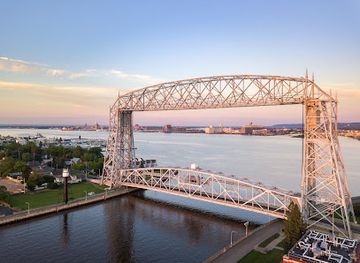
Aerial Lift Bridge
Experience the breathtaking views and rich history of the Aerial Lift Bridge, an architectural marvel in Duluth, Minnesota.

Best landmarks in Arrowhead Region
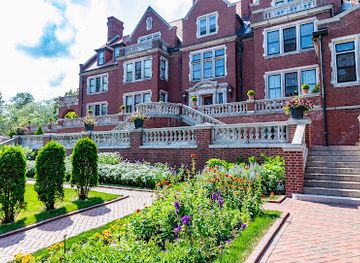
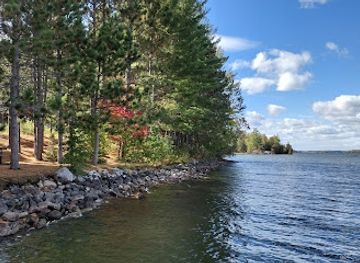
Lake Superior is the Arrowhead’s dominant natural landmark, forming a vast eastern horizon whose cliffs, beaches, harbours and weather define the North Shore. Split Rock Lighthouse, standing above the lake near Beaver Bay, is one of Minnesota’s most recognisable navigational structures and a powerful reminder of the hazards faced by Great Lakes shipping. Duluth’s Aerial Lift Bridge marks the entrance to the city’s busy canal and harbour, while the historic Glensheen estate illustrates the wealth created by regional commerce and industry. Inland, the open mine landscapes of the Mesabi Iron Range are landmarks of industrial transformation rather than untouched nature, with the Hull–Rust–Mahoning Mine near Hibbing among the most significant examples. Grand Portage preserves a historic route and trading-centre landscape central to Ojibwe and fur-trade history. The Boundary Waters’ interconnected lakes and Voyageurs’ island-dotted waterways are less architectural but equally emblematic: they define the Arrowhead as a region where geography itself is a principal landmark.
-
State park
Lake Vermilion-Soudan Underground Mine State Park
Discover the wonders of nature and history at Lake Vermilion-Soudan Underground Mine State Park, where hiking trails meet underground adventures.
Explore Arrowhead Region on the map
Plan your trip on one map. See where the top cities, national parks and sights are, and book hotels and experiences in a few clicks.
Best hotels in Arrowhead Region
Best restaurants in Arrowhead Region
Dining in the Arrowhead reflects both northern practicality and the region’s connection to Lake Superior, forests and immigrant settlement. Duluth has the broadest choice, including independent cafés, breweries, contemporary restaurants and food influenced by the city’s Scandinavian and Great Lakes heritage. Along the North Shore, cafés, bakeries, lodges and small restaurants commonly serve visitors travelling between harbours, waterfalls and hiking routes; smoked fish, locally sourced produce and hearty lake-country meals are recurring themes, although menus vary by establishment. Iron Range towns retain a strong tradition of filling community meals, bakeries and casual restaurants shaped by industrial immigration. In smaller communities and wilderness gateways, provisions for canoe trips and road journeys are as important as sit-down dining. Farmers’ markets and farm shops provide seasonal produce, preserves and baked goods, while regional breweries and cider producers add to the contemporary food scene. Visitors should expect shorter opening seasons or reduced hours in some rural locations and plan meals ahead on long journeys.
-
American
Grandma's Saloon & Grill
Discover Grandma's Saloon & Grill in Duluth for delicious American fare with stunning views of Lake Superior in a lively atmosphere.
-
Steak
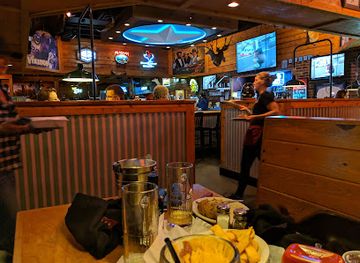
Texas Roadhouse
Experience hearty American flavors at Texas Roadhouse in Waite Park - where delicious steaks and warm hospitality await every visitor.
-
American
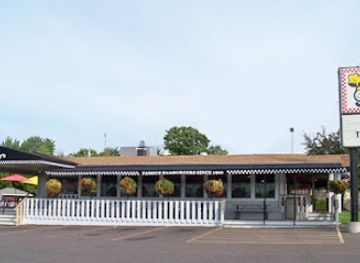
Gordy's Hi-Hat
Discover Gordy's Hi-Hat in Cloquet: A classic American diner offering delicious burgers, ice cream treats, and a welcoming atmosphere for all.
-
Barbecue
OMC Smokehouse
Experience the best barbecue in Duluth at OMC Smokehouse—where every bite is infused with smoky perfection and local charm.


Best bars in Arrowhead Region
Evening life is concentrated in Duluth, where historic taverns, breweries, cocktail bars, live-music venues and restaurants serve a year-round local audience as well as visitors. The city’s harbour and hillside neighbourhoods give its nightlife a distinct Lake Superior setting, but it remains more relaxed and compact than the club scenes of larger American cities. North Shore communities such as Two Harbors and Grand Marais centre their evenings on pubs, restaurants, brewery taprooms and occasional live performances, with activity varying by season and day of the week. Ely and Iron Range towns similarly favour local bars, community venues and informal gatherings over large nightclubs. In resort and wilderness areas, the evening usually means a meal, a campfire where permitted, stargazing or an early night before outdoor activities. Check current arrangements locally, particularly outside the summer season, and do not drive after drinking on long, dark rural roads.
-
Wine bar
The Vine Room
Explore exquisite wines and gourmet cuisine at The Vine Room, a premier wine bar in the heart of Hopkins, Minnesota, perfect for a relaxing evening.

Best nightclubs in Arrowhead Region
Evening life is concentrated in Duluth, where historic taverns, breweries, cocktail bars, live-music venues and restaurants serve a year-round local audience as well as visitors. The city’s harbour and hillside neighbourhoods give its nightlife a distinct Lake Superior setting, but it remains more relaxed and compact than the club scenes of larger American cities. North Shore communities such as Two Harbors and Grand Marais centre their evenings on pubs, restaurants, brewery taprooms and occasional live performances, with activity varying by season and day of the week. Ely and Iron Range towns similarly favour local bars, community venues and informal gatherings over large nightclubs. In resort and wilderness areas, the evening usually means a meal, a campfire where permitted, stargazing or an early night before outdoor activities. Check current arrangements locally, particularly outside the summer season, and do not drive after drinking on long, dark rural roads.
-
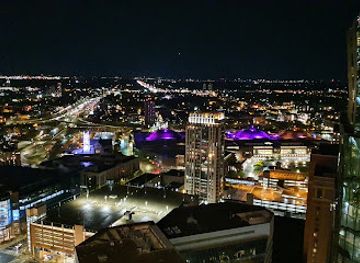
Bar
Prohibition Bar
Discover the allure of Prohibition Bar, a rooftop speakeasy in Minneapolis offering exquisite cocktails and breathtaking city views.
-
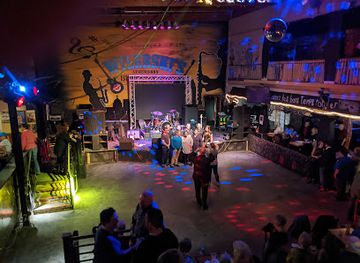
Live Music
Blues Saloon
Discover the vibrant blues scene at Blues Saloon, a premier live music venue and bar in St. Paul, MN, offering great food and unforgettable performances.
-
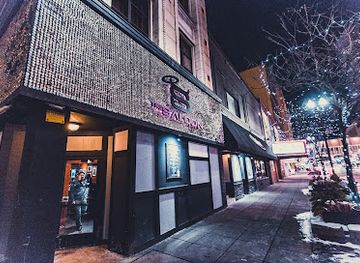
Gay bar
The Saloon
Discover The Saloon in Minneapolis - the ultimate gay bar and dance club for a night of unforgettable fun and inclusivity.
-
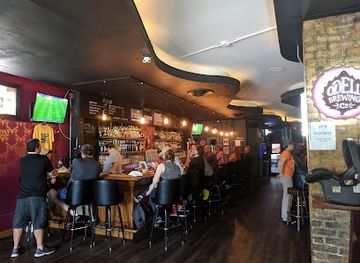
Bar
Black Hart of Saint Paul
Discover the dynamic atmosphere of Black Hart of Saint Paul, where inclusivity, entertainment, and great drinks create unforgettable nights.
Best shops in Arrowhead Region
Shopping in the Arrowhead is centred on independent high streets, outdoor suppliers, galleries, food shops and practical stores rather than large-scale luxury retail. Duluth offers the widest selection, including locally made art, books, clothing, craft goods, speciality food and equipment for lake and trail travel. Grand Marais is known for galleries, studios and small shops associated with the North Shore arts community, while Two Harbors and Ely provide useful outfitters, gifts, maps and locally produced goods for outdoor visitors. Iron Range towns combine ordinary high-street services with museums, heritage-related souvenirs and community retail. Farmers’ markets and seasonal farm stands are good places to look for preserves, maple products, baked goods and regional produce, subject to the time of year. Craft purchases may include pottery, prints, woodwork, textiles and jewellery, but quality and availability vary by town and season. Near Grand Portage, visitors should buy Indigenous-made work through reputable sources and respect cultural ownership rather than treating sacred or ceremonial items as ordinary souvenirs.
-
Shopping mall
Rosedale Center
Discover Rosedale Center, your ultimate shopping destination in Roseville, Minnesota, with a diverse range of stores, dining, and entertainment options.
-
Liquor store
Total Wine & More
Explore an extensive selection of wines, beers, and spirits at Total Wine & More in Bloomington, Minnesota, your ultimate beverage destination.
-
Department store
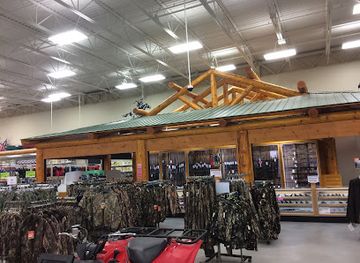
Fleet Farm
Discover everything you need at Fleet Farm in Hermantown: from clothing to outdoor gear, it's your ultimate shopping destination.
-
Department store
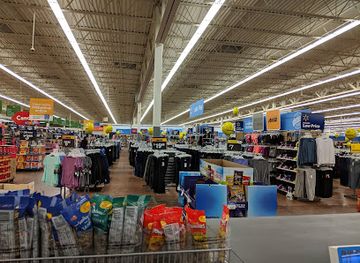
Walmart Supercenter
Explore the Walmart Supercenter in Little Falls for affordable shopping, delicious bakery items, and all your travel essentials.


Get your free copy of our complete guide to Arrowhead Region, delivered straight to you.
Everything on this page, from attractions and restaurants to essentials and local phrases, in one PDF you can read offline, print or share.
Already have an account? Sign in
Your Arrowhead Region guide is ready.
We'll send it to · Not you? Sign out

Getting your guide ready…
We are putting together a fresh copy of the Arrowhead Region guide. This can take up to a minute.
This can take a few moments. If your browser asks, choose Allow so the download can start. You'll find the guide in your Downloads folder.
Nothing happened? Download it again
Sorry, the guide is taking longer than usual. Please try again in a minute, or get it by email instead.
Arrowhead Region essentials
Currency and Payment
Safety
Emergency Situations
Do's and Don'ts
Local Tips
From Eve
Local phrases worth knowing
You don't need to get them perfect. A few words go a long way, and locals appreciate the effort.
Basics
| English | Local | Say it |
|---|---|---|
| Hello | Boozhoo | [boo-zhoo] |
| Goodbye | Minwaadizi | [min-wah-dih-zee] |
| Yes | Aaniin | [ah-nee] |
| No | Aaniin | [ah-nee] |
| Please/You’re welcome | Miigwech | [mee-gwech] |
| Thank you | Miigwech | [mee-gwech] |
| Excuse me/Sorry | Gego | [geh-go] |
| How are you? | Aaniin ezhi-ayaayan? | [ah-nee-in eh-zhi-ah-yah-n] |
| Fine. And you? | Niin gwayak | [nee-in gwah-yak] |
| Do you speak English? | Gaawiin nindinawemagak English? | [gah-wee-in nin-din-ah-weh-mah-gak English] |
| I don't understand | Nimaamaa giiwedin | [nee-mah-mah gee-weh-din] |
Eating & Drinking
| English | Local | Say it |
|---|---|---|
| I’d like to see the menu, please | Nin sa go onjig, miigwech | [nin sah go on-jig, mee-gwech] |
| I don’t eat meat | Nin gii-mikwen | [nin gee-mik-wen] |
| Cheers! | Boozhoo! | [boo-zhoo] |
| I would like to pay, please | Nin gwayak gii-maajita, miigwech | [nin gwah-yak gee-mah-ji-tah, mee-gwech] |
Emergencies
| English | Local | Say it |
|---|---|---|
| Help! | Aakii! | [ah-kee] |
| Go away! | Gego! | [geh-go] |
| Call the Police! | Aaniin gii-chikawag! | [ah-nee-in gee-chee-kah-wahg] |
| Call a doctor! | Aaniin gii-bimaadiziwin! | [ah-nee-in gee-bee-mah-dih-zi-win] |
| I’m lost | Nin gii-nikaan | [nin gee-nee-kahn] |
| I’m ill | Nin gii-bimaadizi | [nin gee-bee-mah-dih-zee] |
Shopping
| English | Local | Say it |
|---|---|---|
| I’d like to buy... | Nin gwayak gii-bagidin... | [nin gwah-yak gee-bah-gi-din] |
| I’m just looking | Nin gii-biboon | [nin gee-bee-boon] |
| How much is it? | Aaniin wenji-bagid? | [ah-nee-in wehn-jee-bah-gid] |
| That’s too expensive | Gego gii-minikwan | [geh-go gee-mi-nick-wan] |
| Can you lower the price? | Aaniin gii-zhaawanoog? | [ah-nee-in gee-zhah-wah-noog] |
Time & Numbers
| English | Local | Say it |
|---|---|---|
| What time is it? | Aaniin gii-zhitwaa? | [ah-nee-in gee-zhit-wah] |
| It’s one o’clock | Gii-nisidota | [gee-nis-id-oh-tah] |
| Half past (10) | Nisidota naagaj | [ni-si-doh-tah nah-gahj] |
| Morning | Niibin | [nee-bin] |
| Afternoon | Niswi | [ni-swee] |
| Evening | Gii-ziibi | [gee-zee-bee] |
| Yesterday | Gii-zhigaag | [gee-zhi-gaag] |
| Today | Gii-zhigaag | [gee-zhi-gaag] |
| Tomorrow | Gii-zhigaag | [gee-zhi-gaag] |
| 1 | Bezhig | [beh-zhi-g] |
| 2 | Niizh | [nee-zh] |
| 3 | Niswi | [ni-swee] |
| 4 | Niiwin | [nee-win] |
| 5 | Naanan | [nah-nahn] |
| 6 | Ninig | [nee-nig] |
| 7 | Niswi | [ni-swee] |
| 8 | Niswi | [ni-swee] |
| 9 | Nin | [neen] |
| 10 | Niswi | [ni-swee] |
Transport & Directions
| English | Local | Say it |
|---|---|---|
| Where's a/the...? | Aaniin gii-bagidin ...? | [ah-nee-in gee-bah-gi-din] |
| What's the address? | Aaniin gii-mashkiki? | [ah-nee-in gee-mah-shee-kee] |
| Can you show me (on the map)? | Aaniin gii-mashkiki-gik? | [ah-nee-in gee-mah-shee-kee-gik] |
| When's the next (bus)? | Aaniin gii-zhitwaa (buss)? | [ah-nee-in gee-zhit-wah (buss)] |
| A ticket (to ....) | Nin gwayak gii-bagidin (to ...) | [nin gwah-yak gee-bah-gi-din (to ...)] |
History of Arrowhead Region
Ojibwe Homelands and Ancient Travel Routes
The Arrowhead Region lies within the homeland of the Anishinaabe, particularly the Ojibwe, whose communities, treaty rights and cultural traditions remain central to north-eastern Minnesota. Lakes and rivers formed an interconnected transport network long before modern roads, linking the Lake Superior shore with inland hunting, fishing and gathering grounds. Grand Portage was especially important as a route between Lake Superior and the Pigeon River, while the waterways now associated with the Boundary Waters preserve a much older pattern of seasonal movement. Visitors should understand the region not as an empty wilderness, but as a lived cultural landscape shaped by Indigenous stewardship and continuing communities.
The Grand Portage Fur Trade
From the seventeenth century, French and later British and Canadian traders used the Grand Portage route to move goods, metal tools, firearms and textiles inland and bring furs towards Lake Superior. The arduous portage around rapids connected the lake with the interior and became a major meeting place for Ojibwe communities, voyageurs and trading companies. The North West Company established a substantial depot there in the late eighteenth century. Although the fur trade declined after new political boundaries and changing commercial routes altered the region, Grand Portage’s reconstructed and archaeological heritage preserves the importance of this early international exchange.
Treaties, Settlement and the U.S.–Canada Border
Nineteenth-century treaties between the United States and Ojibwe nations transferred large areas of land while also establishing rights whose legal and cultural significance continues today. The creation of the international boundary and the growth of American settlement reshaped movement across the Arrowhead. Missionaries, traders, surveyors and government officials were followed by farmers, loggers and town builders, though the region’s difficult climate and rugged terrain limited dense settlement. The treaty history remains essential to understanding land use, wild-rice harvesting, fishing and the responsibilities of visitors in a landscape shared by tribal nations and the wider public.
Logging and the Rise of Duluth
During the late nineteenth and early twentieth centuries, commercial logging transformed north-eastern Minnesota’s forests and helped fuel the growth of Duluth. Timber moved by rail and river towards Lake Superior, where Duluth developed into a major shipping and industrial centre. Sawmills, railways, docks and immigrant neighbourhoods supported a regional economy tied to Chicago, the Great Lakes and wider national markets. Logging also left a lasting mark on the landscape and encouraged later debates about conservation, reforestation and public access. Duluth’s harbour, historic buildings and museums still reflect the city’s role as a gateway between the interior and the Great Lakes.
Iron Range Mining and Industrial Communities
Iron ore deposits around the Mesabi, Vermilion and Cuyuna ranges became the foundation of a powerful mining economy from the late nineteenth century. Open pits, railways and processing plants supplied ore to the expanding steel industry, while towns such as Hibbing, Chisholm and Virginia attracted workers from many parts of Europe and beyond. The industry experienced major changes as natural ore declined and taconite processing developed, allowing north-eastern Minnesota to remain an important source of iron-bearing material. Mine overlooks, industrial museums and altered landscapes across the Iron Range reveal both the economic importance and environmental cost of extraction.
Conservation and the Boundary Waters
The Arrowhead’s lakes and forests became increasingly important to American conservation movements during the twentieth century. The Boundary Waters Canoe Area was protected through a series of legislative measures, culminating in its designation as a national wilderness in 1978. The policy limited motorised access and preserved a large area for canoe travel, camping and low-impact recreation. Nearby national forests, state parks and Voyageurs National Park extended the region’s protected-land network. These choices have made wilderness travel a defining part of the Arrowhead economy and identity, while also requiring careful management of visitors, fire, wildlife and competing interests.
Modern Cultural and Economic Change
The contemporary Arrowhead balances resource industries, shipping, tourism, education, healthcare and Indigenous cultural revitalisation. Duluth remains a regional port and service centre, while Iron Range communities continue to live with the importance of mining and its changing technologies. North Shore towns have developed economies linked to outdoor recreation, hospitality and the arts, and the borderlands retain strong connections with Ontario. Conservation, climate change, wildfire, invasive species and changing winter conditions now influence public discussion. The region’s modern character is therefore not simply a retreat from industry, but an ongoing negotiation between working landscapes, cultural continuity and protected nature.
Arrowhead Region in Photos
Browse through our photo collection highlighting the charm and character of the destination.
Neighbouring regions of Arrowhead Region
The closest regions to Arrowhead Region, if you have time for more than one.
-

-

-

-

-


Swipe for more regions
Explore more

Explore more of Minnesota
Discover Minnesota: From the bustling Twin Cities and cultural landmarks to the serene lakes and expansive wilderness, experience the diverse beauty and welcoming spirit of the North Star State.
Explore Minnesota