

Free Western Minnesota Travel Guide & Mobile App
Explore Western Minnesota with free travel guides. Discover regional history, expert tips, proposed trips, and audio guides on web or mobile app.


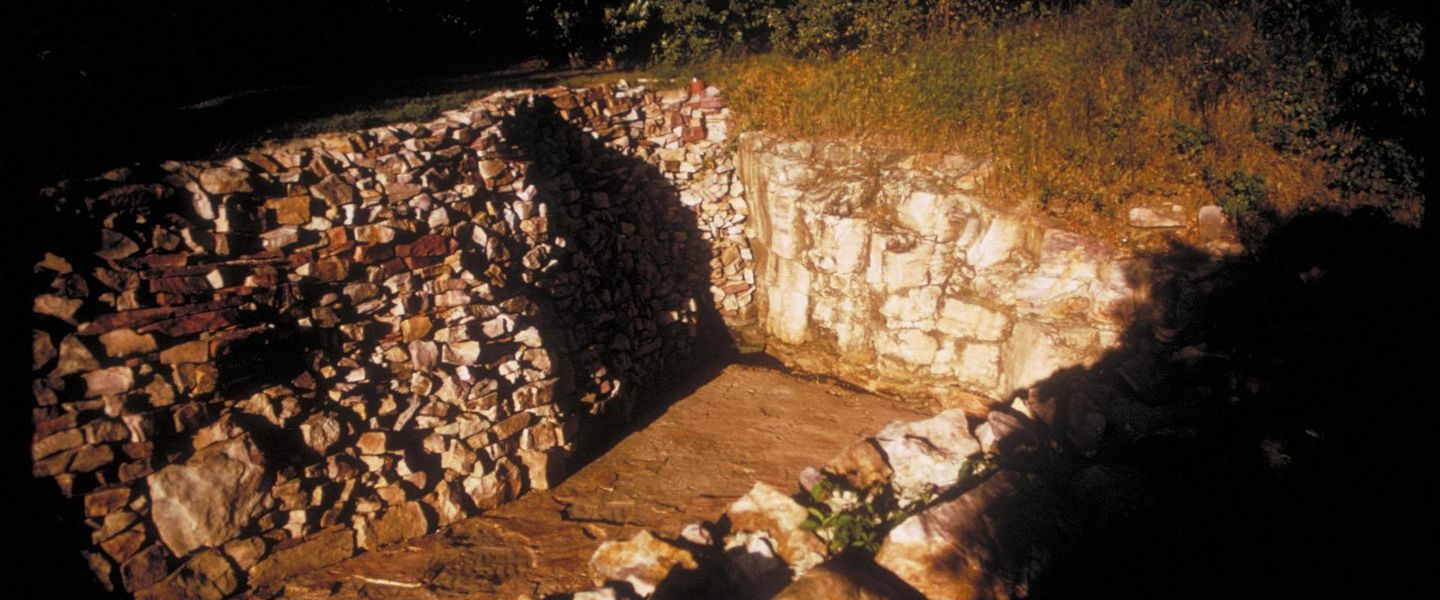


Western Minnesota combines glacial lakes, open prairie, Indigenous heritage, small-town culture and wide-ranging outdoor adventures across the state’s western landscapes.
Read more about Western Minnesota
When is the best time to visit Western Minnesota?
Best: June–August · 24–27°C| Month | High (°C) | Rainfall (mm) |
|---|---|---|
| January | -10 | 20 |
| February | -8 | 15 |
| March | 5 | 25 |
| April | 12 | 40 |
| May | 20 | 60 |
| June (best) | 24 | 80 |
| July (best) | 27 | 90 |
| August (best) | 26 | 80 |
| September | 21 | 70 |
| October | 13 | 50 |
| November | 3 | 40 |
| December | -5 | 25 |
Getting to and around Western Minnesota
How to get there
Transportation
Top city travel guides in Western Minnesota
The cities of Western Minnesota, and the easiest places to base yourself.

Swipe for more cities
Destinations in Western Minnesota
Resorts, valleys and scenic spots worth a trip of their own.
-

-

-


Swipe for more destinations
Best attractions in Western Minnesota
-
State park
Itasca State Park
Explore the stunning landscapes and rich history of Itasca State Park, the birthplace of the Mississippi River in Minnesota's wilderness.
-
Tourist attraction
Munsinger Gardens
Discover the beauty of Munsinger Gardens, a serene oasis of flowers and nature along the Mississippi River in St. Cloud, Minnesota.
-
Tourist attraction
Quarry Park and Nature Preserve
Explore Quarry Park and Nature Preserve, a beautiful park in Waite Park, Minnesota, with unique granite quarries and emerald waters for outdoor adventures.
-
Park
Crosby Memorial Park
Discover the beauty and tranquility of Crosby Memorial Park, a perfect blend of nature and recreation in the heart of Minnesota.


Best landmarks in Western Minnesota
-
Shopping mall
Crossroads Center
Explore the vibrant shopping and dining options at Crossroads Center in St. Cloud, Minnesota, where excitement meets retail therapy.
-
State park
Itasca State Park
Explore Itasca State Park, where the Mississippi River begins and nature thrives, offering endless adventures for outdoor lovers.
-
Garden
Munsinger Gardens
Explore the breathtaking beauty of Munsinger Gardens in St. Cloud, MN, where vibrant blooms and serene landscapes create a peaceful escape for all visitors.
-
Irish pub
Olde Brick House
Discover the charm of Irish culture at Olde Brick House, a top-rated pub in St. Cloud offering traditional dishes and a vibrant atmosphere.

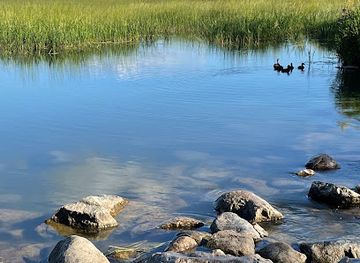


Explore Western Minnesota on the map
Plan your trip on one map. See where the top cities, national parks and sights are, and book hotels and experiences in a few clicks.
Best hotels in Western Minnesota
Best restaurants in Western Minnesota
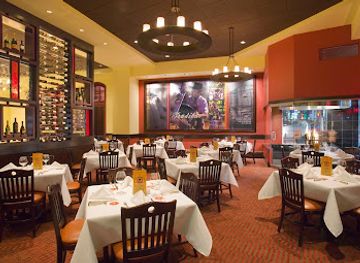
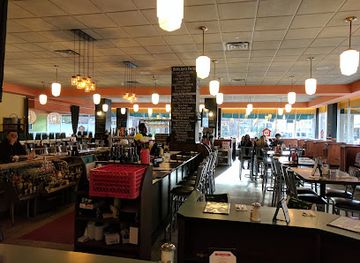
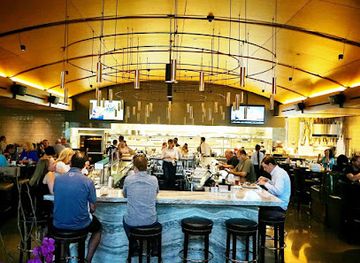
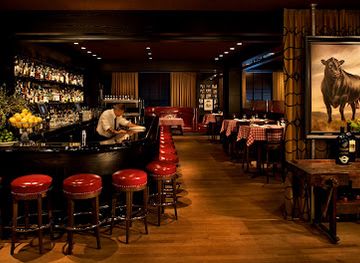
Dining in Western Minnesota reflects the region's agricultural economy, Scandinavian and German-American influences, lake-country tourism and contemporary small-town enterprise. Community cafés, bakeries and family restaurants are useful places to encounter hearty breakfasts, sandwiches, soups, burgers and locally familiar baked goods, while traditional supper clubs and rural inns often centre menus on beef, pork, poultry, freshwater fish and seasonal produce. Farmers' markets and farm stands may offer vegetables, fruit, honey, preserves and baked products during the growing season, with availability varying by town. Moorhead and the larger regional centres provide the broadest range of cuisines, including contemporary American cooking and international food shaped by newer communities. Around the lakes, summer dining often includes casual restaurants and seasonal concessions, while prairie towns maintain a strong café and community-meal culture. Minnesota's wider food traditions, including hotdish and wild rice, may appear locally, but they should be understood as part of the state's broader culinary identity rather than exclusive specialities of western Minnesota.
-
Brazilian
Fogo de Chão Brazilian Steakhouse
Experience the authentic taste of Brazil at Fogo de Chão Brazilian Steakhouse in Minneapolis with exquisite meats and delightful sides.
-
American
Hen House Eatery
Discover Hen House Eatery in Minneapolis for delicious American cuisine in a cozy atmosphere perfect for any meal.
-
New American
Hazelwood Food and Drink
Experience exquisite New American cuisine with craft cocktails at Hazelwood Food and Drink in Bloomington's vibrant South Loop District.
-
Steak
Manny's Steakhouse
Experience the ultimate steak dining at Manny's Steakhouse in Minneapolis - where exquisite flavors meet exceptional service.
Best bars in Western Minnesota
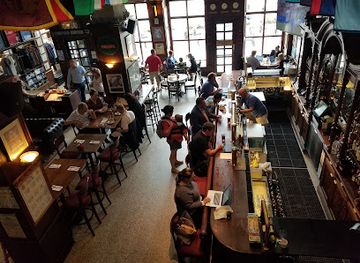
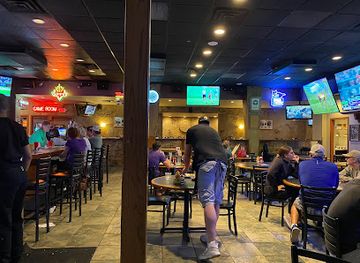
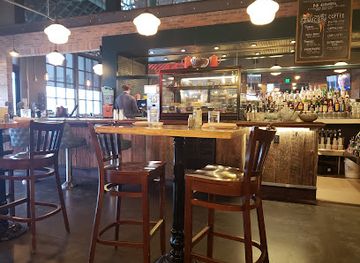
Evening life in Western Minnesota is generally sociable and low-key, centred on neighbourhood bars, breweries, traditional pubs, restaurants and live music rather than a large nightclub circuit. Moorhead has the region's broadest urban selection, with additional evening activity in college-linked Fargo across the Red River, which is outside Minnesota and should not be confused with a destination within the region. Fergus Falls, Alexandria, Detroit Lakes, Marshall, Worthington and other regional towns have local bars, dining rooms and occasional music or cultural events, while lake communities become more active during the summer season. Rural nightlife often means a busy community bar, supper club, social hall or seasonal event rather than a dedicated entertainment district. Visitors should check current arrangements locally, as smaller venues and event programmes can change. Breweries and taprooms are present in some larger communities, but alcohol is only one part of the region's evening culture; theatres, museums, local performances and quiet meals also feature.
-
Restaurant
Tom's Watch Bar - Minneapolis
Join the excitement at Tom's Watch Bar, Minneapolis' top sports bar offering delicious food, crafted cocktails, and a vibrant atmosphere.
-
Pub
Brit's Pub
Discover Brit's Pub: A lively British pub in Minneapolis offering food, drinks, and a vibrant atmosphere for sports fans and foodies alike.
-
Grill
Bunny's Bar & Grill
Experience the best of American cuisine at Bunny's Bar & Grill, a lively sports bar known for its delicious burgers and chicken wings in St. Louis Park.
-
Bar
Yard House
Discover the flavors of New American cuisine and an extensive craft beer selection at Yard House in St. Louis Park, a premier dining destination for all.

Best nightclubs in Western Minnesota
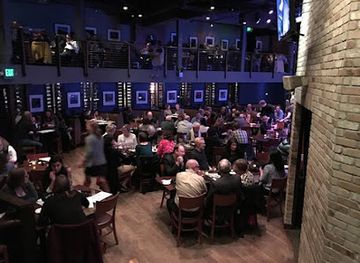
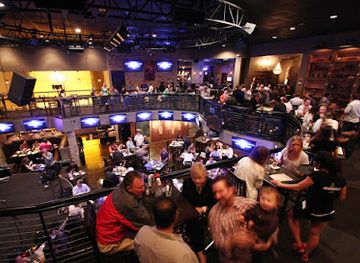
Evening life in Western Minnesota is generally sociable and low-key, centred on neighbourhood bars, breweries, traditional pubs, restaurants and live music rather than a large nightclub circuit. Moorhead has the region's broadest urban selection, with additional evening activity in college-linked Fargo across the Red River, which is outside Minnesota and should not be confused with a destination within the region. Fergus Falls, Alexandria, Detroit Lakes, Marshall, Worthington and other regional towns have local bars, dining rooms and occasional music or cultural events, while lake communities become more active during the summer season. Rural nightlife often means a busy community bar, supper club, social hall or seasonal event rather than a dedicated entertainment district. Visitors should check current arrangements locally, as smaller venues and event programmes can change. Breweries and taprooms are present in some larger communities, but alcohol is only one part of the region's evening culture; theatres, museums, local performances and quiet meals also feature.
-
Live Music
Dakota
Discover Dakota in Minneapolis: a fine dining experience intertwined with live jazz, perfect for food lovers and music enthusiasts alike.
-
Night club
The Pourhouse
Experience the lively atmosphere of The Pourhouse in Minneapolis, where delicious American cuisine meets exceptional live music in the heart of the city.
-
Bar
Prohibition Bar
Experience the elegance of Prohibition Bar, a captivating speakeasy in Minneapolis offering high-end cocktails and stunning skyline views.
-
Gay bar
The Saloon
Experience the vibrant nightlife at The Saloon, Minneapolis' iconic gay bar with dance floors, themed events, and a welcoming atmosphere.

Best shops in Western Minnesota
Shopping in Western Minnesota is concentrated in the main streets and commercial centres of regional towns rather than in a single major retail district. Moorhead and the larger communities offer the widest selection of everyday goods, clothing, books, galleries and independent services, while Alexandria, Detroit Lakes, Fergus Falls, Marshall, Worthington and smaller market towns combine national retailers with locally owned shops. Look for antiques, second-hand books, regional art, handmade pottery, textiles, jewellery and woodwork in independent stores and galleries, particularly in communities with an established lake or heritage tourism trade. Farmers' markets and seasonal farm stands are useful for honey, preserves, baked goods, fruit, vegetables and other locally produced food, although opening days vary with the season. Pipestone-related craft and cultural products can be found near the national monument, but visitors should purchase responsibly and avoid buying objects presented as Indigenous-made without clear provenance. Practical souvenirs include regional food products, outdoor equipment and locally produced artwork rather than mass-market items.
-
Candy store
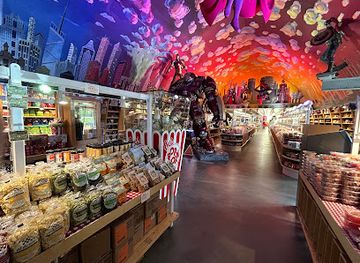
Minnesota's Largest Candy Store
Discover a candy paradise at Minnesota's Largest Candy Store, where every sweet tooth's dream comes true with endless treats and nostalgic delights.
-
Outlet mall
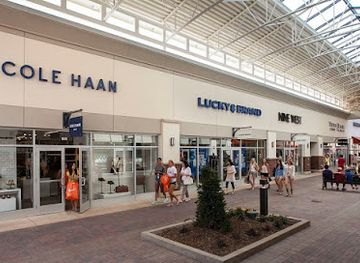
Twin Cities Premium Outlets
Discover unbeatable deals and a vibrant shopping atmosphere at Twin Cities Premium Outlets in Eagan, Minnesota.
-
Shopping mall
The Shoppes at Arbor Lakes
Discover a delightful shopping and dining experience at The Shoppes at Arbor Lakes in Maple Grove, Minnesota, where style meets comfort in a stunning outdoor setting.
-
Outlet mall
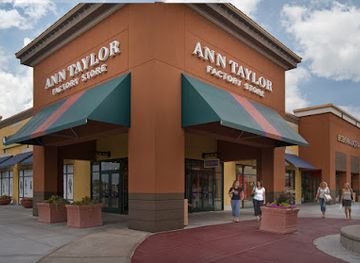
Albertville Premium Outlets
Discover unbeatable deals at Albertville Premium Outlets, Minnesota's premier shopping destination with over 100 brand-name stores.
Get your free copy of our complete guide to Western Minnesota, delivered straight to you.
Everything on this page, from attractions and restaurants to essentials and local phrases, in one PDF you can read offline, print or share.
Already have an account? Sign in
Your Western Minnesota guide is ready.
We'll send it to · Not you? Sign out

Getting your guide ready…
We are putting together a fresh copy of the Western Minnesota guide. This can take up to a minute.
This can take a few moments. If your browser asks, choose Allow so the download can start. You'll find the guide in your Downloads folder.
Nothing happened? Download it again
Sorry, the guide is taking longer than usual. Please try again in a minute, or get it by email instead.
Western Minnesota essentials
Currency and Payment
Safety
Emergency Situations
Do's and Don'ts
Local Tips
From Eve
Local phrases worth knowing
You don't need to get them perfect. A few words go a long way, and locals appreciate the effort.
Basics
| English | Local | Say it |
|---|---|---|
| Hello | Howdy | [How-dee] |
| Goodbye | See ya later | [See ya lay-ter] |
| Yes | Yup | [Yup] |
| No | Nah | [Nah] |
| Please/You're welcome | You bet | [You bet] |
| Thank you | Thanks a lot | [Thanks a lot] |
| Excuse me/Sorry | Sorry 'bout that | [Sorry 'bout that] |
| How are you? | How's it goin'? | [How's it goin'?] |
| Fine. And you? | Good, and you? | [Good, and you?] |
| Do you speak English? | Do ya speak English? | [Do ya speak English?] |
| I don't understand | I don’t get it | [I don’t get it] |
Eating & Drinking
| English | Local | Say it |
|---|---|---|
| I'd like to see the menu, please | Can I see the menu, please? | [Can I see the menu, please?] |
| I don't eat meat | I don't eat meat | [I don't eat meat] |
| Cheers! | Cheers! | [Cheers!] |
| I would like to pay, please | Can I get the check, please? | [Can I get the check, please?] |
Emergencies
| English | Local | Say it |
|---|---|---|
| Help! | Help! | [Help!] |
| Go away! | Leave me alone! | [Leave me alone!] |
| Call the Police! | Call the cops! | [Call the cops!] |
| Call a doctor! | Get a doctor! | [Get a doctor!] |
| I'm lost | I’m turned around | [I’m turned around] |
| I'm ill | I’m not feeling well | [I’m not feeling well] |
Shopping
| English | Local | Say it |
|---|---|---|
| I'd like to buy... | I want to buy... | [I want to buy...] |
| I'm just looking | Just browsing | [Just browsing] |
| How much is it? | What’s the price? | [What’s the price?] |
| That's too expensive | That's too pricey | [That's too pricey] |
| Can you lower the price? | Can you make it cheaper? | [Can you make it cheaper?] |
Time & Numbers
| English | Local | Say it |
|---|---|---|
| What time is it? | What time ya got? | [What time ya got?] |
| It's one o'clock | It’s one o’clock | [It’s one o’clock] |
| Half past (10) | Half past ten | [Half past ten] |
| Morning | Morning | [Morning] |
| Afternoon | Afternoon | [Afternoon] |
| Evening | Evening | [Evening] |
| Yesterday | Yesterday | [Yesterday] |
| Today | Today | [Today] |
| Tomorrow | Tomorrow | [Tomorrow] |
| 1 | One | [One] |
| 2 | Two | [Two] |
| 3 | Three | [Three] |
| 4 | Four | [Four] |
| 5 | Five | [Five] |
| 6 | Six | [Six] |
| 7 | Seven | [Seven] |
| 8 | Eight | [Eight] |
| 9 | Nine | [Nine] |
| 10 | Ten | [Ten] |
Transport & Directions
| English | Local | Say it |
|---|---|---|
| Where's a/the...? | Where's the...? | [Where's the...?] |
| What's the address? | What’s the address? | [What’s the address?] |
| Can you show me (on the map)? | Can ya point it out on the map? | [Can ya point it out on the map?] |
| When's the next (bus)? | When’s the next bus? | [When’s the next bus?] |
| A ticket (to ....) | A ticket to... | [A ticket to...] |
History of Western Minnesota
Indigenous Landscapes and Pipestone Quarrying
Western Minnesota has long been inhabited and travelled by Indigenous peoples, including Dakota communities and Ojibwe people in parts of the wider region. The pipestone quarries near present-day Pipestone are especially significant: red catlinite has been extracted there for ceremonial pipes for centuries, and the quarry remains a living cultural site rather than simply an archaeological attraction. Rock art at Jeffers Petroglyphs also records generations of Indigenous presence, with carvings depicting animals, people and symbolic forms on exposed quartzite. These places demonstrate that the prairie was a managed cultural landscape with deep spiritual and practical meaning before Euro-American settlement.
Fur Trade, Treaties and Expanding US Control
During the eighteenth and early nineteenth centuries, trade networks connected the western Minnesota prairies and river corridors with the wider Great Lakes and northern plains. Commercial exchange, diplomacy and competition among Indigenous nations, British and American traders shaped the region before Minnesota became a state. A series of treaties transferred large areas of Dakota land to the United States, often under intense pressure and with consequences that remain important to understanding the region's later settlement. The establishment of American authority altered Indigenous political, economic and territorial life across western Minnesota.
The US–Dakota War of 1862
The US–Dakota War of 1862 affected communities, military posts and travel routes across southern and western Minnesota. It followed years of treaty violations, coerced land cessions, delayed payments and severe hardship for Dakota people. Fighting and displacement brought lasting trauma to both Dakota communities and settlers, while the conflict was followed by mass imprisonment, exile and the forced removal of many Dakota people from Minnesota. Sites associated with the conflict lie across a wider area, but its political and social consequences are fundamental to the history of western Minnesota and to present-day conversations about memory and justice.
Railways, Homesteading and Prairie Towns
From the late nineteenth century, railway construction and federal land policies encouraged Euro-American settlement across the prairie and Red River Valley. Rail connections enabled grain, livestock and other agricultural products to reach distant markets, while towns developed around depots, elevators, courthouses, banks and main streets. Immigrants from Europe and migrants from eastern parts of the United States established farms and institutions, often transforming Indigenous land into surveyed agricultural property. Many western Minnesota communities still display this period in their street plans, civic buildings, churches, grain infrastructure and local historical museums.
Commercial Agriculture and Rural Change
The region's fertile soils and relatively open terrain supported large-scale production of wheat, corn, soybeans, sugar beets and livestock, although the mix varies between the Red River Valley, lake country and the south-western prairie. Mechanisation increased farm productivity while reducing the amount of labour required, contributing to population decline in some rural communities and the consolidation of farms. At the same time, regional towns expanded their roles in education, healthcare, food processing and agricultural services. The modern landscape is therefore both intensely productive and marked by continuing efforts to sustain small communities.
Conservation of Prairie, Wetlands and Glacial Lakes
Twentieth-century conservation work responded to the loss of native prairie, wetland drainage and pressures on wildlife habitat. State parks, wildlife management areas, national monument lands and local conservation projects now protect representative examples of ecosystems that once covered much more of western Minnesota. Places such as Blue Mounds State Park, Big Stone Lake State Park, Glacial Lakes State Park and Buffalo River State Park reveal different stages of the region's glacial and ecological history. Conservation also supports bird migration, outdoor recreation, environmental education and the continued restoration of native grasslands.
Western Minnesota in Photos
Browse through our photo collection highlighting the charm and character of the destination.
Neighbouring regions of Western Minnesota
The closest regions to Western Minnesota, if you have time for more than one.
-
-

-

-

-


Swipe for more regions
Explore more

Explore more of Minnesota
Discover Minnesota: From the bustling Twin Cities and cultural landmarks to the serene lakes and expansive wilderness, experience the diverse beauty and welcoming spirit of the North Star State.
Explore Minnesota