

Downtown St. Louis (St. Louis) Travel Guide - Free
Explore Downtown St. Louis in St. Louis with Evendo's free guide. Find the best shops, historic streets, restaurants, and gems on web or mobile.


Downtown St. Louis blends the Gateway Arch, historic civic buildings, baseball, museums and Washington Avenue dining in Missouri’s riverfront city centre.
Riverfront Setting and City Identity
Downtown St. Louis occupies the historic core of the city beside the Mississippi River, where the stainless-steel Gateway Arch rises above the former riverfront landing. The district is more spacious and varied than its compact outline suggests: broad streets, monumental civic buildings, sports venues, restored warehouses and newer residential developments sit alongside blocks that are quieter outside office hours. Its position makes it an important meeting point between the river, the central business district and nearby Downtown West, although those areas remain distinct neighbourhoods.Read more about Downtown St. Louis
Architecture, History and Public Spaces
Sport, Dining and Evening Life
Best attractions in Downtown St. Louis
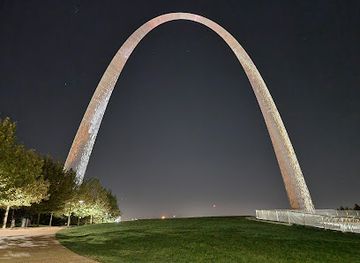
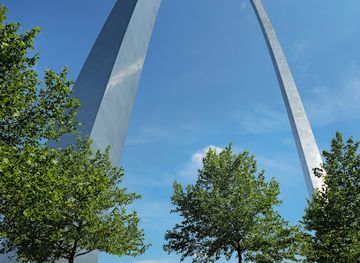
The Gateway Arch and its surrounding national-park grounds are downtown St. Louis's defining attraction, offering riverfront paths, broad lawns and views towards Illinois; the visitor centre and tram experience provide an interpretive introduction to the monument when operating. The Old Courthouse, facing the Arch through Kiener Plaza, adds a powerful connection to the city's legal and civic history. Along Washington Avenue, the National Blues Museum explores the music's development and its St. Louis connections, while Citygarden combines contemporary sculpture with planted paths in the commercial core. Busch Stadium brings Major League Baseball to the southern end of downtown, and Ballpark Village adds restaurants and entertainment around the ballpark. The riverfront, historic streets and public art are especially worthwhile for visitors who prefer to explore through architecture and urban walking rather than a sequence of indoor attractions.
-
Tourist attraction
St. Louis Union Station
Experience the historic St. Louis Union Station, where past and present collide in a vibrant hub of dining, shopping, and entertainment.
10 min walk · 0.8 km from neighbourhood centre
-
Tourist attraction
St. Louis Riverfront
Experience the stunning St. Louis Riverfront, where historic charm meets scenic beauty along the banks of the Mississippi River.
18 min walk · 1.4 km from neighbourhood centre
-
Tourist attraction
Old Post Office Plaza
Experience the architectural beauty and cultural vibrancy of Old Post Office Plaza in the heart of downtown St. Louis, a perfect spot for sightseeing and relaxation.
8 min walk · 0.7 km from neighbourhood centre
-
Tourist attraction
St. Louis Union Station Carousel
Experience the charm and nostalgia of the St. Louis Union Station Carousel, a delightful attraction for families and visitors of all ages.
10 min walk · 0.8 km from neighbourhood centre


Best landmarks in Downtown St. Louis
The Gateway Arch is downtown's most recognisable structure and a national monument to westward expansion, although its symbolism is inseparable from the earlier river settlement and the twentieth-century clearance that created the memorial grounds. The Old Courthouse, with its distinctive dome, is architecturally and historically significant as the site associated with the Dred Scott case and as a surviving civic building from the nineteenth-century city. Kiener Plaza forms an important open space between courthouse and Arch. Washington Avenue retains long stretches of historic commercial architecture, often with elaborate upper façades above modern shopfronts. Busch Stadium is a contemporary landmark in the southern downtown landscape, while the Wainwright Building, just beyond the commonly understood downtown core towards Downtown West, should be described as nearby rather than treated as part of the neighbourhood itself.
-
Monument
The Gateway Arch
Explore the iconic Gateway Arch in St. Louis, a majestic symbol of American history and breathtaking views over the Mississippi River.
14 min walk · 1.1 km from neighbourhood centre
-
Museum
City Museum
Explore a surreal architectural playground in St. Louis's City Museum, where repurposed শিল্প and industrial objects create a unique, climbable experience.
9 min walk · 0.8 km from neighbourhood centre
-
National park
Gateway Arch National Park
Visit the iconic Gateway Arch National Park in St. Louis, a monument to westward expansion with stunning views and rich history.
15 min walk · 1.2 km from neighbourhood centre
-
Museum
Campbell House Museum
Experience Victorian elegance and St. Louis history at the meticulously restored Campbell House Museum, a treasure from the 19th century.
7 min walk · 0.5 km from neighbourhood centre


Explore Downtown St. Louis on the map
A handpicked selection of must-see spots in Downtown St. Louis, mapped for you.
Best hotels in Downtown St. Louis
Best restaurants in Downtown St. Louis
Downtown St. Louis has a mixed dining scene shaped by office workers, sports crowds, conventions and residents of converted historic buildings. Washington Avenue provides the broadest concentration of restaurants, cafés and bars, with further choices around Busch Stadium, Ballpark Village and the convention district. Menus range from contemporary American cooking and familiar city-centre dining to the regional influence of St. Louis barbecue, toasted ravioli and the city's distinctive pizza tradition, although individual venues vary and the neighbourhood is not a single culinary enclave. Coffee shops and casual lunch places are most useful during the working day, while the stadium area becomes particularly active around games and concerts. The Old Post Office and surrounding downtown blocks also contain food outlets that make practical stops between attractions. Visitors looking for a wider restaurant choice can easily use MetroLink to explore other St. Louis neighbourhoods rather than treating downtown as the city's entire food scene.
-
Seafood
Broadway Oyster Bar
Discover the vibrant flavors and lively atmosphere at Broadway Oyster Bar - St. Louis' premier destination for seafood and live music.
14 min walk · 1.1 km from neighbourhood centre
-
Barbecue
Sugarfire Smoke House
Discover the best of St. Louis barbecue at Sugarfire Smoke House - where smoked meats meet Southern hospitality.
12 min walk · 0.9 km from neighbourhood centre
-
Italian
The Old Spaghetti Factory
Experience the rich flavors of Italy at The Old Spaghetti Factory in St. Louis – where every meal is a celebration of culinary tradition.
18 min walk · 1.4 km from neighbourhood centre
-
Restaurant
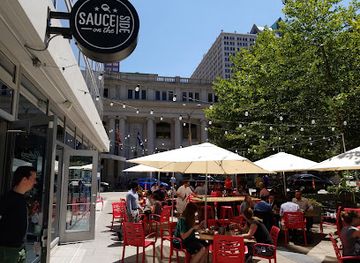
Sauce on the Side
Discover unique artisanal calzones at Sauce on the Side in Downtown St. Louis – where every bite is a flavorful adventure.
9 min walk · 0.7 km from neighbourhood centre


Best bars in Downtown St. Louis
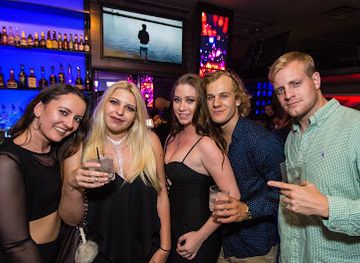
Nightlife in Downtown St. Louis is concentrated rather than continuous, with the strongest evening activity along Washington Avenue, around Ballpark Village and near venues hosting sports, concerts and conventions. Bars range from casual places serving event crowds to more polished cocktail-led rooms, while restaurant bars and hotel lounges provide quieter alternatives. The district's entertainment calendar is closely tied to Busch Stadium and Enterprise Center, so the atmosphere can change sharply between an ordinary weekday and a sold-out event night. The National Blues Museum and nearby performance venues add a cultural dimension, though downtown should not be mistaken for the city's only live-music district. Streets can become noticeably quieter away from the main corridors after offices close, making it sensible to choose a clear route between venues and accommodation and to check transport arrangements before staying out late.
-
Bar
Three Sixty
Experience breathtaking views and exquisite cuisine at Three Sixty, the premier bar and restaurant in downtown St. Louis.
9 min walk · 0.8 km from neighbourhood centre
-
Irish pub
Maggie O'Brien's
Discover the vibrant atmosphere and hearty fare of Maggie O'Brien's, St. Louis' favorite Irish pub and sports bar, perfect for any occasion.
12 min walk · 0.9 km from neighbourhood centre
-
Live music bar
Tin Roof
Discover the energy of Tin Roof in St. Louis - a live music bar with delicious food and a vibrant atmosphere for unforgettable nights.
5 min walk · 0.4 km from neighbourhood centre
-
Gastropub
Bridge Tap House & Wine Bar
Discover the vibrant flavors of St. Louis at Bridge Tap House & Wine Bar, where gourmet cuisine meets a cozy wine bar atmosphere.
6 min walk · 0.5 km from neighbourhood centre


Best nightclubs in Downtown St. Louis
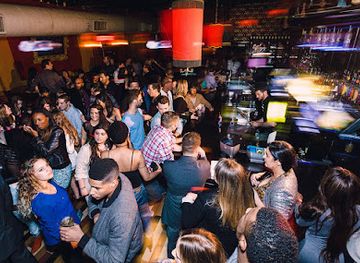
Nightlife in Downtown St. Louis is concentrated rather than continuous, with the strongest evening activity along Washington Avenue, around Ballpark Village and near venues hosting sports, concerts and conventions. Bars range from casual places serving event crowds to more polished cocktail-led rooms, while restaurant bars and hotel lounges provide quieter alternatives. The district's entertainment calendar is closely tied to Busch Stadium and Enterprise Center, so the atmosphere can change sharply between an ordinary weekday and a sold-out event night. The National Blues Museum and nearby performance venues add a cultural dimension, though downtown should not be mistaken for the city's only live-music district. Streets can become noticeably quieter away from the main corridors after offices close, making it sensible to choose a clear route between venues and accommodation and to check transport arrangements before staying out late.
-
Bar
The Crack Fox
Discover The Crack Fox, St. Louis' lively bar offering karaoke, live music, and an electrifying dance hall experience for every night out.
5 min walk · 0.4 km from neighbourhood centre
-
Night club
The Pepper Lounge
Discover St. Louis nightlife at The Pepper Lounge, where cocktails and dancing create unforgettable experiences in a vibrant atmosphere.
13 min walk · 1.0 km from neighbourhood centre
-
Night club
Dos Salas
Immerse yourself in the energetic nightlife of St. Louis at Dos Salas, where chic decor meets top-notch entertainment and delicious cocktails.
13 min walk · 1.0 km from neighbourhood centre
-
Dinner theater
The Boom Boom Room
Discover the perfect blend of dining and entertainment at The Boom Boom Room in St. Louis, offering an unforgettable dinner theater experience.
7 min walk · 0.6 km from neighbourhood centre


Best shops in Downtown St. Louis
Shopping in Downtown St. Louis is oriented towards visitors, office workers and event audiences rather than a single traditional retail street. The blocks around Washington Avenue contain small lifestyle, gift and speciality businesses alongside restaurants, while the Arch and museum areas offer locally themed souvenirs and cultural merchandise. Ballpark Village adds event-related retail and entertainment close to Busch Stadium, and hotel and convention zones provide practical shops rather than a dense independent-shopping quarter. Downtown's strongest retail experience is architectural: visitors can walk beneath the restored façades of former department stores, banks and commercial buildings while browsing the businesses occupying their ground floors. For antiques, vintage clothing, specialist boutiques or a broader local design scene, other St. Louis neighbourhoods generally offer more choice. Opening patterns can vary by area, especially outside event and office hours.
-
Clothing store
LUXE Department Store
Explore LUXE Department Store in St. Louis for unique clothing and stylish finds that elevate your wardrobe and experience.
7 min walk · 0.6 km from neighbourhood centre
-
Store
The Arch Store
Discover unique souvenirs and local crafts at The Arch Store, the perfect stop for St. Louis visitors seeking to celebrate their journey.
16 min walk · 1.3 km from neighbourhood centre
-
Women's clothing store
La Femme Rebelle Clothing
Explore unique women's fashion at La Femme Rebelle Clothing, your style destination in downtown St. Louis, showcasing local trends and elegance.
7 min walk · 0.6 km from neighbourhood centre
-
Amusement center
Garment District®
Experience the lively Garment District® in St. Louis, where entertainment, dining, and cultural experiences come together for an unforgettable visit.
8 min walk · 0.6 km from neighbourhood centre


Downtown St. Louis essentials
Getting There
Getting Around
Safety
Emergency Situations
Do's and Don'ts
Local Tips

From Eve
Local phrases worth knowing
You don't need to get them perfect. A few words go a long way, and locals appreciate the effort.
Basics
| English | Local | Say it |
|---|---|---|
| Hello | Howdy | [haw-dee] |
| Goodbye | See ya | [see yuh] |
| Yes | Yep | [yep] |
| No | Nah | [nah] |
| Please/You're welcome | Please/No problem | [pleez/no prob-lem] |
| Thank you | Thanks | [thaynks] |
| Excuse me/Sorry | Pardon me/My bad | [par-duhn mee/my bad] |
| How are you? | How ya doin'? | [how yuh doin'] |
| Fine. And you? | A-OK. You? | [ay-oh-kay. yuh?] |
| Do you speak English? | Ya speak English? | [yuh speak ing-glish?] |
| I don't understand | I ain't gettin' it | [i ent get-tin it] |
Eating & Drinking
| English | Local | Say it |
|---|---|---|
| I'd like to see the menu, please | Can I check out the menu? | [kan eye chek out the men-yoo?] |
| I don't eat meat | I don't do meat | [i dont doh meat] |
| Cheers! | Cheers! | [cheers!] |
| I would like to pay, please | I'm ready to settle up | [im red-ee too set-tul up] |
Emergencies
| English | Local | Say it |
|---|---|---|
| Help! | SOS! | [ess-oh-ess!] |
| Go away! | Get lost! | [get lost!] |
| Call the Police! | Ring the cops! | [ring the cops!] |
| Call a doctor! | Get me a doc! | [get mee uh dok!] |
| I'm lost | I'm turned around | [im turned uh-round] |
| I'm ill | I'm feelin' under the weather | [im feel-in und-er thu weath-er] |
Shopping
| English | Local | Say it |
|---|---|---|
| I'd like to buy... | I'm lookin' to purchase... | [im look-in too pur-chase...] |
| I'm just looking | I'm just browsin' | [im just brow-zin'] |
| How much is it? | What's the damage? | [whats the dam-ij?] |
| That's too expensive | That's a bit steep | [thats uh bit steep] |
| Can you lower the price? | Can ya knock the price down? | [kan yuh nok the prahs down?] |
Time & Numbers
| English | Local | Say it |
|---|---|---|
| What time is it? | What's the time? | [whats thu time?] |
| It's one o'clock | It's one | [its one] |
| Half past (10) | Half past (10) | [haf past (10)] |
| Morning | Mornin' | [morn-in'] |
| Afternoon | Afternoon | [after-noon] |
| Evening | Evenin' | [even-in'] |
| Yesterday | Yest'day | [yest-day] |
| Today | Today | [to-day] |
| Tomorrow | Tomorrah | [tom-or-rah] |
| 1 | One | [wun] |
| 2 | Two | [too] |
| 3 | Three | [three] |
| 4 | Four | [four] |
| 5 | Five | [five] |
| 6 | Six | [six] |
| 7 | Seven | [sev-en] |
| 8 | Eight | [ate] |
| 9 | Nine | [nine] |
| 10 | Ten | [ten] |
Transport & Directions
| English | Local | Say it |
|---|---|---|
| Where's a/the...? | Where's the...? | [wheres the...?] |
| What's the address? | Where's it at? | [wheres it at?] |
| Can you show me (on the map)? | Can ya point it out (on the map)? | [kan yuh point it out (on the map)?] |
| When's the next (bus)? | When's the next (bus)? | [whens the next (bus)?] |
| A ticket (to ....) | A pass (to ....) | [uh pass (to ....)] |
History of Downtown St. Louis
French Colonial River Settlement
Downtown St. Louis grew from the settlement founded by Pierre Laclède and Auguste Chouteau in 1764 on the west bank of the Mississippi. The original town was arranged in a compact grid near the river, with commerce, warehouses and residences concentrated around the landing. Its position between the river trade and routes into the interior shaped the area's enduring role as St. Louis's commercial centre. Although much of the original settlement was later rebuilt, the downtown street plan and riverfront relationship preserve the basic geography of that colonial foundation.
River Commerce and Civic Growth
During the nineteenth century, St. Louis expanded into a major inland trading and manufacturing city, and the downtown riverfront became crowded with steamboats, wharves, warehouses and businesses. The construction of the Old Courthouse, completed in stages between 1839 and 1862, reflected the city's growing civic importance. Commercial streets extended west from the river, while large office, banking and department-store buildings gradually replaced much of the earlier low-rise town. Downtown's architecture still records this transition from river landing to metropolitan business district.
Clearance and the Gateway Arch
Twentieth-century planning radically altered the riverfront. A large area of older buildings was cleared in the 1930s, and the resulting Jefferson National Expansion Memorial was developed over subsequent decades. Eero Saarinen's Gateway Arch, completed in 1965, became the defining monument of the project, while the Old Courthouse was preserved as part of the memorial landscape. The intervention removed much of the historic riverfront town but created the open grounds and national commemorative setting that visitors see today.
Renewal Around the Historic Core
From the late twentieth century onwards, downtown saw a mixture of office redevelopment, historic-building conversions, public-realm improvements and new entertainment investment. Washington Avenue's restored commercial buildings gained restaurants, residences and nightlife, while Busch Stadium opened downtown in 2006 and altered the pattern of activity around the southern core. Citygarden and improvements to Kiener Plaza added accessible public spaces. The district remains a layered central neighbourhood, balancing heritage conservation, event-led activity, employment and efforts to keep the streets active beyond office hours.
Downtown St. Louis in Photos
Browse through our photo collection highlighting the charm and character of the destination.
Neighbourhoods near Downtown St. Louis
The closest neighbourhoods to Downtown St. Louis, if you have time for more than one stop.
-

-

-

-

-


Swipe for more neighbourhoods
Explore more

Explore more of St. Louis
St. Louis blends Gateway Arch views, blues and barbecue, grand museums, historic neighbourhoods and Mississippi River heritage for memorable Missouri city breaks.
Explore St. Louis